Tag: Role

  • World TB Day 2020 Newsletter

    World TB Day 2020 Newsletter

    Latest news and updates from WHO

    World TB Day 2020 Newsletter 1

    Dear colleagues and friends,

    World TB Day, this year, comes at a sobering time – as the world grapples with the COVID-19 pandemic. We stand in solidarity with those affected, those at the frontlines of the fight to combat COVID-19, as well as those who continue efforts to support
    those ill with longstanding health problems like TB, HIV and other diseases. However, we cannot forget the millions and their families who battle TB every day and lose their lives to this ancient disease – which remains the world’s top
    infectious killer.

    As eloquently emphasized by WHO Director-General Dr Tedros Adhanom Ghebreyesus in his press briefing on COVID-19 yesterday, “I’d like to remind everyone that although COVID-19 is dominating the world’s attention-there is another respiratory
    disease that is both preventable and treatable, but kills 1.5 million people every year – that disease is tuberculosis”

    “It’s Time”, the focus for World TB Day this year is therefore on urgently accelerating the TB response to save lives and end suffering, even in times of crisis. This will be essential if we are to reach the targets and commitments made
    by Heads of State at the 2018 UN High Level Meeting on TB. 

    We have made important strides against the TB epidemic to date.

    We announced last year, that more people received life-saving treatment for tuberculosis in 2018 than ever before, largely due to improved detection and diagnosis. Globally, 7 million people were diagnosed and treated for TB – up from 6.4 million in 2017
    – enabling the world to meet one of the milestones towards the United Nations political declaration targets on TB and the WHO Director-General Flagship Initiative Find.Treat.All End TB jointly with Stop TB Partnership and the Global Fund. This
    has been a big win for the TB community.

    WHO is working with countries to roll out important guidelines, including a comprehensive package on TB preventive treatment released today, and updated MDR TB guidelines to promote the use of all-oral regimens for patients with drug-resistant TB which
    would be helpful – particularly at this point, when visiting health centers is a challenge. Furthermore, WHO has developed a note to guide and urge countries to ensure continuity of TB services during the COVID-19 pandemic.

    We are strengthening our collaboration with civil society – more information is highlighted in the WHO Civil Society Taskforce Progress Review released today.

    Youth mobilization is being ramped up through the WHO 1+1 Youth Initiative to end TB and the Global Youth Declaration to End TB. Multisectoral accountability is being promoted in countries through our framework and we have finalized a new global strategy
    on TB research and innovation, that will be reviewed by the World Health Assembly.

    Yet, the gains we have made are at risk – if there is any slackening of commitment and action, especially in times of crisis.

    We are at a crossroads and we need to unite forces to take the path of success that will save lives and end suffering.

    I was especially heartened today, to see the TB community coming together like never before. We all took our events to the virtual realm due to COVID-19 lockdowns. The WHO Online Talk Show held this afternoon, had a powerful line up of speakers that included,
    TB survivors and advocates, civil society, high level government representatives, heads of agencies, researchers and partners. As of this evening we have surpassed 10,000 views on YouTube. I also participated in townhalls organized by Stop TB Partnership.
    Our joint efforts have indeed ensured a continuing spotlight on those affected by TB, and clearly shows that no matter what the barrier, we can surpass it if we work together.

    I am proud to stand shoulder-to-shoulder with you all virtually – and recommit to champion End TB efforts till we reach the finish line.

    It’s time to deliver on our promises and ensure no one is left behind.

    It’s time to End TB!

    Dr Tereza Kasaeva
    Director
    Global TB Programme
    World Health Organization


    World TB Day Talk Show

    World TB Day 2020 Newsletter 2

    In the backdrop of the global battle against COVID-19, WHO organized a special online talk show to mark World TB Day 2020. The talk show had a powerful line up of speakers from among TB survivors and advocates, civil society, high-level government representatives,
    heads of agencies, researchers and partners. The video was streamed live on WHO’s Youtube channel crossing over 10,000 views in a few hours. Watch the talk show video


    Spotlight on TB Preventive Treatment

    New WHO recommendations to prevent tuberculosis aim to save millions of lives

    24 March 2020 News release

    Geneva –  New World Health Organization (WHO) guidance will help countries accelerate efforts to stop people with tuberculosis (TB) infection becoming sick with TB by giving them preventive treatment. A quarter of the world‘s population
    is estimated to be infected with TB bacteria. These people are neither sick nor contagious. However, they are at greater risk of developing TB disease, especially those with weakened immunity. Offering them TB preventive treatment will not only protect
    them from becoming sick but also cut down on the risk of transmission in the community. Read more

    The full package is available below and at our World TB Day Campaign Page


    WHO Civil Society Taskforce on TB: Progress Review

    The WHO Civil Society Taskforce provides a platform for meaningful engagement of civil society, building on the commitment of the Director-General, with emphasis on harnessing the untapped potential in engagement with civil society and affected communities
    al all levels. To mark World TB Day 2020, the Task Force has released a Progress Review highlighting key achievements since its formation in 2018.

    Access link here


    WHO eTB guidelines: A digital platform to promote adolopment of TB recommendations

    World TB Day 2020 Newsletter 3

    WHO Global TB Programme / McMaster University

    The WHO Global Tuberculosis (TB) Programme, in collaboration with McMaster University, Canada, is developing a smart platform to improve access to and use of all WHO recommendations on TB prevention and care. The WHO eTB guidelines platform will facilitate
    the adoption, adaptation and implementation (“adolopment”) by countries of recommendations across the continuum of care. This digital platform will provide a variety of users – TB programme managers, healthcare workers including
    nurses, researchers, patients and affected communities – with easy access to all essential information about WHO-s current policy guidance on TB.

    The first set of recommendations on TB preventive treatment were released on this new platform on World TB Day.

    WHO eTB guidelines platform

    Infographic


    TB and COVID-19

    24 March 2020 News release

    Geneva –  As the world comes together to tackle the COVID-19 pandemic, it is important to ensure that essential health services and operations are continued to protect the lives of people with TB and other diseases or health conditions. Health services,
    including national programmes to combat TB, need to be actively engaged in ensuring an effective and rapid response to COVID-19 while ensuring that TB services are maintained. Read more


    Let’s never forget: It’s time to end TB

    Ksenia Schenina

    World TB Day 2020 Newsletter 4

    Ksenia Schenina

    24 March 2020 Photo story

    On World TB Day 2020, the theme – “Its time” – stresses the urgency to end the TB epidemic. TB survivor and advocate, Ksenia Schenina, talks about her struggle with the disease, the persistence of stigma and the role that remembrance can play
    in fighting it.   Through her TB memorial project, she aims to remember those who passed away from this terrible and ancient disease. “We do it to show what kind of people they were – what kind of things they liked, what kind of music
    they listened to and what their favorite movies were; if they liked fishing or dreamt of a flight to space,” she says. Read more


    Commentary

    To end TB, we must invest in research and innovation

    24 March 2020 Commentary

    If the world is to get anywhere near ending TB, a disease that killed more than 1.5 million people in 2018, something significant needs to change.

    TB remains the world’s leading infectious killer and yet, in the last 50 years, only three new drugs and regimes have been developed to combat the disease. “What we need is more research and more tools in the pipeline; better diagnostics,
    more effective vaccines, and safer, shorter drug regimes,” explains Dr Tereza Kasaeva, Director of the World Health Organization Global Tuberculosis Programme. Read more


    Emily: A Day in the Life of a TB Nurse

    World TB Day 2020 Newsletter 5

    Maria Emily C. Ballesteros

    Watch this story of Emily, a nurse managing the tuberculosis (TB) program of the City Health Office in Tuguegarao City. Her dream for Tuguegarao is to one day see zero TB cases and that no one dies from this infectious disease. Nurses and healthcare workers
    play a critical role in TB prevention and care. It’s time to invest in them to improve healthcare for all. We thank all the nurses, midwives and healthcare workers working to #EndTB! Watch the video


    Updates and messages

    New research tool supports scale-up of digital technologies to End TB

    24 March 2020 TDR news item

    National anti-tuberculosis efforts are increasingly involving digital technologies, such as mobile applications to support treatment adherence and electronic surveillance systems that enable real-time monitoring of a country’s TB situation. Read more

    World TB Day 2020: It’s Time for solidarity

    24 March 2020 HIV/TB news item

    At this unique time in history when the world is grappling with the COVID-19 pandemic, the WHO Department of Global HIV, Hepatitis and STI Programmes stands in solidarity with governments and communities as they seek to maintain health services
    and continue to address the needs of patients suffering from HIV and tuberculosis (TB).  Read more

    New, shorter treatment to prevent TB to be rolled out in five high TB burden countries

    24 March 2020 news item

    Three-month regimen expected to prevent TB in those at highest risk of developing the disease, including people living with HIV and children under the age of five
    Today, the Aurum Institute and its partners, as part of the IMPAACT4TB project, announced that five high-burden TB countries will roll out a new, shorter drug regimen (known as 3HP) to prevent TB. The announcement comes as countries around the world mark World TB Day, which takes place every year on March 24th. Countries that will initially provide the new regimen with funding from Unitaid, U.S. PEPFAR and the Global Fund include Cambodia, Ethiopia, Kenya, Malawi, South Africa and Zimbabwe. More than 120,000 patient courses of 3HP will be delivered by the project to 12 countries in 2020. An additional 1 million patient courses are expected to reach low- and middle-income countries by the end of the year, through the combined support of Unitaid, Global Fund, the Stop TB Partnership’s Global Drug Facility (GDF) and PEPFAR. Read more
    World TB Day 2020 Newsletter
    Read More
    https://www.who.int/news-room/detail/30-03-2020-world-tb-day-2020-newsletter

    Views: 0

  • Vanguard CEO Tim Buckley to become Chairman in 2019

    Vanguard CEO Tim Buckley to become Chairman in 2019

    On January 1, 2019, Vanguard President and CEO Tim Buckley will assume the role as Chairman of Vanguard.
    Vanguard CEO Tim Buckley to become Chairman in 2019
    Read More
    https://investornews.vanguard/vanguard-ceo-tim-buckley-to-become-chairman-in-2019/

    Views: 0

  • Schistosomiasis elimination: refocusing on snail control to sustain progress

    Schistosomiasis elimination: refocusing on snail control to sustain progress

    Substantial progress has been made during the past decade to prevent and control schistosomiasis (also known as bilharziasis) globally. The disease affects more than 230 million people, mostly in sub-Saharan Africa.

    Progress is mainly due to large-scale periodic treatment of affected populations with praziquantel, the only medicine recommended by the World Health Organization (WHO) against all forms of schistosomiasis. Regular treatment cures mild symptoms and prevents
    progression to severe, chronic disease.

    “Through progressive scale-up of periodic large-scale treatment
    to control morbidity in many endemic countries, we are closer to
    achieving the minimum target of 75% global coverage of all school‐aged
    children,
    ” said Dr Amadou Garba Djirmay, who leads WHO’s global schistosomiasis control programme. “But
    if we want to achieve elimination, we must go a step further to
    introduce snail control in hot spots and in areas targeting elimination.
    This is bound to increase impact and accelerate progress towards
    interruption of transmission
    .”

    Expansion of treatment is largely supported by donated praziquantel from Merck KGaA of up to 250 million tablets annually. In 2018, almost 78 million children were treated, representing 63% of all school‐aged children eligible for treatment.

    Transmission: role of snails

    Schistosomiasis is an acute, chronic parasitic disease caused by infection with trematode worms of the genus Schistosoma. It is prevalent in tropical and subtropical areas, especially in poor, rural communities that have little or no access to
    safe drinking‐water and basic sanitation. Infection is transmitted when people suffering from schistosomiasis contaminate freshwater sources when evacuating urine and faeces containing the parasite’s eggs.

    Once an egg comes into contact with fresh water, it releases miracidia (hatchlings) which enter a snail and produce hundreds of cercariae (larvae) daily. The cercariae enter the human body on contact with the skin and develop into adult worms.

    Besides treatment with praziquantel, eliminating snail hosts and improving sanitation are important methods for sustainable prevention of the disease. Dam and irrigation projects are known to be potential sites for outbreaks of the disease. Snail management,
    often achieved through mollusciciding, can help to reduce transmission by eliminating these intermediate snail hosts.

    Vector control

    In 2017, the World Health Assembly – WHO’s decision making body – adopted resolution WHA70.16 on the Global Vector Control
    Response, calling on Member States to develop or adapt national vector control strategies and operational plans. The strategy aims to reduce by at least 40% the incidence of vector borne diseases, including schistosomiasis, by 2025.

    In response, WHO is reinforcing snail control as part of its strategic approach to achieve the target of eliminating schistosomiasis as a public health problem and, ultimately, the goal of elimination of transmission. Snail control will complement mass
    treatment campaigns and sustain the public health impact of this core intervention.

    To facilitate implementation of snail control, in 2019 WHO published on specific, standardized procedures and criteria for efficacy
    testing and evaluation and in 2017 a manual on the use of molluscicides in the field. WHO is also planning to strengthen capacities
    of health staff in medical malacology in order to reinforce snail control activities in countries.

    In the past, molluscicides (particularly niclosamide1 based products) were widely used in schistosomiasis control programmes. For example, in China programmes largely relied on snail control for over 30 years to overcome the disease as a public
    health problem. In other parts of the world, however, snail control programmes were gradually discontinued and competencies faded away.

    “Snail control is a crucial component of the global schistosomiasis elimination strategy,” said Dr Rajpal Yadav, Scientist, WHO Department of Control of Neglected Tropical Diseases. “It
    is time we look for new snail control products that are cost–effective
    and of low risk to humans and the environment. Some efforts are being
    made to explore molluscicide compounds from plants, marine algae and
    microorganisms
    .”

    An integrated control strategy involving mass treatment with praziquantel, snail control and environmental modification, wider access to sanitation and safe water, economic and environmental development, health education and poverty-alleviation can greatly
    contribute to sustainable control and elimination of schistosomiasis.

    WHO’s new road map on neglected tropical diseases for 2021–2030, due to be launched later this year, advocates enhanced financial and political support to achieve the target of interruption of transmission. Additional research to address gaps,
    develop tools and optimize the impact of existing programmes with snail control will complement the core strategic approach.

    Schistosomiasis: forms of the disease

    There are two major forms of schistosomiasis – intestinal and urogenital.

    Intestinal schistosomiasis usually results in diarrhoea and blood in the stool; enlargement of the liver and of the spleen and portal hypertension are common in advanced cases.

    Urogenital schistosomiasis is characterized by the presence of blood in the urine. Chronic infection results in fibrosis of the bladder and ureter that can evolve to hydronephrosis and create conditions for bladder cancer.

    In women, urogenital schistosomiasis can cause vaginal bleeding, pain during sexual intercourse and nodules in the vulva, a condition now described as female genital schistosomiasis. In men, urogenital schistosomiasis can induce disease in the seminal
    vesicles and prostate.


    1Limitations with the use of formulations based on niclosamide include restrictions on the usage of water immediately after application and temporary toxicity to non-target aquatic organisms including
    fish, amphibians and invertebrates. 


        Schistosomiasis elimination: refocusing on snail control to sustain progress
        Read More
        https://www.who.int/news-room/detail/25-03-2020-schistosomiasis-elimination-refocusing-on-snail-control-to-sustain-progress

        Views: 0

      • Minister expresses confidence in TNB’s preparedness during MCO

        Minister expresses confidence in TNB’s preparedness during MCO

        Minister expresses confidence in TNB’s preparedness during MCO 6

        KUALA LUMPUR: Energy and Natural Resources Minister Datuk Dr Shamsul Anuar Nasarah has expressed confidence on the preparedness of Tenaga Nasional Bhd (TNB) in revving up its capacity to meet electricity supply demand in the Peninsula during the Movement Control Order (MCO).

        “I have seen the preparation made by TNB and I am very confident of their efforts. While Malaysians obey the order to stay home, TNB’s employees play an important role in ensuring that the electricity supply is stable.

        “I am also informed that TNB is ready to ensure that electricity supply to hospitals, including health clinics in both urban and rural areas, is assured,“ he said in a statement issued by TNB today.

        The government has decided to extend the MCO, which started on March 18, for another two weeks until April 14.

        Shamsul Anuar, who visited the Southern and Metro Regional Control Centres and the National Load Dispatch Centre at the TNB headquarters in Bangsar here, said TNB plays an important role as the country find ways to contain Covid-19.

        The minister was accompanied by his deputy, Ali Biju; Energy and Natural Resources Ministry secretary-general Datuk Zurinah Pawanteh, ministry deputy secretary-general Noor Afifah Abdul Razak, and Energy Commission chief operating officer Abdul Rahim Ibrahim.

        Shamsul Anuar and the entourage were briefed by TNB president and chief executive officer Datuk Seri Amir Hamzah Azizan.

        Since the start of the MCO, TNB has taken proactive steps by placing 79 sets of mobile generators with various capacities nationwide. Portable power sets have also been mobilised and stand ready when needed.

        The electricity supply system to dedicated health centres for Covid-19 cases, including the Sungai Buloh Hospital and Kuala Lumpur Hospital, has also been strengthened. – Bernama

        Minister expresses confidence in TNB’s preparedness during MCO
        Read More
        https://www.thesundaily.my/local/minister-expresses-confidence-in-tnb-s-preparedness-during-mco-LK2185058

        Views: 0

      • Penang govt allocates RM75m to disbursed as aid

        Penang govt allocates RM75m to disbursed as aid

        Penang govt allocates RM75m to disbursed as aid 9

        GEORGE TOWN: The Penang government will allocate up to RM75 million under an initiative to rejuvenate the economy that has been ravaged by the Covid-19 pandemic.

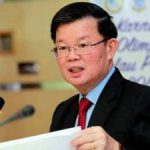
        Chief Minister Chow Kon Yeow (pix) said the money, in the form of financial incentives, will be disbursed in three components.

        The first is directed at those considered most vulnerable. They include hawkers, petty traders, taxi drivers, trishaw peddlers e-hailing drivers, the disabled and those among the low income, or B40, group.

        The second group to benefit from the incentive are the blue collar workers. Chow said the money is meant to help them survive and take care of their families.

        The third component is to help ensure business continuity when the country gets through the crisis.

        Chow, who made the announcement at his daily social media update to the public, said the state government would give a one-off payment of RM500 each to registered petty traders, hawkers, food truck vendors, tour guides, taxi drivers and trishaw peddlers.

        E-hailing drivers will be given RM300 each.

        Those who live in state public housing units will be exempted from paying rent for two months while those who lease lots at the wet markets, food courts and other similar facilities will not have to pay a month’s rent.

        A total of RM3 million from zakat contributions has been set aside to help families of those who have contracted Covid-19.

        Chow said the frontliners from the state’s two city councils will each get RM300 in recognition of their role in helping to curb the spread of the virus.

        Others who will also benefit from the RM300 payout are uniformed personnel serving under the movement control order (MCO) initiative aimed to curtail the growth rate of Covid-19 infections.

        A total of RM10 million has been set aside for the purchase of equipment such as protective suits, surgical masks, hand sanitizers and thermometers.

        Entrepreneurs whose businesses have incurred losses as a result of the MCO will be given interest-free loans under the Penang Business Continuity plan. A total of RM30 million has been allocated for this purpose.

        The 40 state assemblymen will be provided RM30,000 each to finance relief efforts for their constituents affected by the MCO.

        The state will also defer payments for trading lots used by small-scale businesses.

        Penang govt allocates RM75m to disbursed as aid
        Read More
        https://www.thesundaily.my/local/penang-govt-allocates-rm75m-to-disbursed-as-aid-BN2179939

        Views: 0

      • Practical strategies for adding TIPS to a portfolio

        Practical strategies for adding TIPS to a portfolio

        Podcast: Vanguard Investment Analyst Kimberly Stockton explains how TIPS can play a strategic long-term role as ballast and a diversifier in a portfolio.
        Practical strategies for adding TIPS to a portfolio
        Read More
        https://investornews.vanguard/practical-strategies-for-adding-tips-to-a-portfolio/

        Views: 0

      • IGP warns of tougher action against flouters

        IGP warns of tougher action against flouters

        IGP warns of tougher action against flouters 12

        KUALA LUMPUR: Police may resort to sterner action to enforce the ongoing movement control order (MCO) if more people refuse to adhere to it.

        Inspector-General of Police Tan Sri Abdul Hamid Bador said today that he expects Malaysians to observe the order and play their role in containing the Covid-19 pandemic.

        He said police are currently taking the softer approach of advising and warning the public who fail to obey the MCO.

        However, Abdul Hamid said if the situation warrants it, police will opt for more drastic action such as carrying out arrests.

        He said currently only 60% of the people appear to be observing the MCO and he was hopeful the number would grow by the day.

        The top cop said more than 8,600 police personnel have been deployed and over 500 road blocks are mounted daily across the country to monitor the movements of the public.

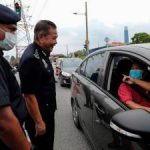
        Abdul Hamid who spoke to the media after a surprise visit to a roadblock in Kampung Pandan here, and urged the public to extend their cooperation to the police and remain indoors in adherence to the MCO.

        IGP warns of tougher action against flouters
        Read More
        https://www.thesundaily.my/local/igp-warns-of-tougher-action-against-flouters-ND2151935

        Views: 0

      • Even the ‘best science’ doesn’t have the final word on covid-19

        Even the ‘best science’ doesn’t have the final word on covid-19

        Models of what impact interventions will have on the new coronavirus’s spread are imperfect, so factors other than the science play an important role too, says David Adam
        Even the 'best science' doesn’t have the final word on covid-19
        Read More
        https://www.newscientist.com/article/2238019-even-the-best-science-doesnt-have-the-final-word-on-covid-19/?utm_campaign=RSS%7CNSNS&utm_source=NSNS&utm_medium=RSS&utm_content=home

        Views: 0