Tag: Responsibility

  • Nigerian Youth Have Gone To Sleep? By Tao Bakare

    Nigerian Youth Have Gone To Sleep? By Tao Bakare

    Nigerian Youth Have Gone To Sleep? By Tao Bakare 1

    Nigerian Youth Have Gone To Sleep? By Tao Bakare 2


    Woke up this morning to the unfortunate reality of the Nigerian state, the failure of her youth to take up responsibilities as the thread and wool that holds her fabric together.
      
    Flashback to the time when our past heroes, who were at the time youths, took up giant strides and went through the battles, upheavals, fights that ensured the liberation of the Nigerian state.
     
    In the nineties, Nigeria was lucky to have the likes of Chinua Achebe, Wole Soyinka, Fela Anikulapo Kuti, Gani Fawehinmi, Femi Falana amongst others responsible for the many historical and  ground-breaking achievement through measures of journalism, arts, literature and activism amongst others.
      
    Unfortunately, today, the reverse is the case, as we now have illiterates, educated hypocrites and mediocres that make up over sixty five percent of the Nigerian population.
      
    However, the blame cannot solely lie on the youths themselves, as it is loud enough that our leaders whom we entrusted our future unto have failed woefully to deliver in this respect. But also, it is noteworthy that the youths themselves have not helped to correct the anomalies, but have glaringly resolved to fold arms and watch their own future rubbed in the mud.
     
     In the Nigeria of today, youths have been relegated to the position of back benchers, applauding mammoth and mere on Lookers in the running of state affairs, which they ought to be at the fore front, as in the times of the West African Students Union, when students, youths, led liberation movements across Africa, and also saw to the independence of West African states.
     
    Obviously, it is crystal clear that youths, who occupy the largest percentage of Nigeria’s population now see themselves and thus submit to our doomed leaders, as election thugs, political hallelujah boys, political assassins and trash can. Instead of them to look ahead, beyond ethic bigotry and difference, it is unfortunate they now lead ethnic hate discussions and debates both online and offline, in turn, parading themselves as useless ‘ leaders of tomorrow’. I wonder how this country will pay it’s debts in the next twenty years, with this kind of bad debtors in town, the so called youths.
     
    In a sane society, the youths should be the ultimate institution of political accountability and policy partner to the government, thereby, holding erring leaders accountable. Also, youths should serve as the rebranding tool for a collapsing or collapsed entity, like ours.
      
    Recently, the chief of police, ordered for the disbandment of zonal SARS in Ogun State following the death of a  promising young man, Tiamiyu Kazeem popularly known as Kaka, who until his death was the Vice Captain of Remo Stars Football Club.
       
    The order of the IGP, came, not only regarding the fact that the young man who was the victim of yet another SARS menace, was a known football star, but also because the youths in Sagamu community flaunted their power as youths!
      
    Moral of this recent case and it’s achievement, is that, so much can be achieved if youths wake up from their long mouth drooling slumber and take full responsibility for their own future.
      
    Nevertheless, if they fall to do this, I fear they may sleep and never wake up.

    The time To Take It Back is now!
     

    Opinion

    AddThis

    : 

    Original Author

    : 

    Tao Bakare

    Disable advertisements

    : 
    Nigerian Youth Have Gone To Sleep? By Tao Bakare
    Read More
    http://saharareporters.com/2020/03/22/nigerian-youth-have-gone-sleep-tao-bakare

    Views: 0

  • Govt won’t compromise on workers’ welfare during MCO: Saravanan

    Govt won’t compromise on workers’ welfare during MCO: Saravanan

    Govt won’t compromise on workers’ welfare during MCO: Saravanan 3

    KUALA LUMPUR: The government will never compromise on the welfare of workers, especially during the two-week period of the Movement Control Order (MCO).

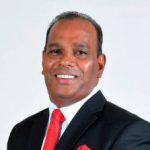
    Human Resources Minister Datuk Seri M. Saravanan (pix) said the government needed the cooperation of all parties, including employers and employees, to come up with a positive solution.

    “We need to curb the Covid-19 pandemic and our unity in this matter is extremely crucial to achieving the success we seek,” he said in a statement today.

    The MCO, effective nationwide from March 18 to March 31, was declared by Prime Minister Tan Sri Muhyiddin Yassin on March 16 aimed at curbing the spread of the virus.

    Meanwhile, Saravanan said that until today there were still reports of factories operating during the MCO and forcing their employees to take annual leave and unpaid leave.

    “Such irresponsible action will surely thwart the government’s efforts to tackle and break the Covid-19 chain,” he said.

    Commenting further, he said the two-week MCO is one of the most challenging periods faced by all Malaysians in the fight to curb the spread of the virus.

    “This move will surely have a huge impact on local workers and businesses. However, it is everyone’s responsibility to adhere to the MCO,” he said. – Bernama

    Govt won’t compromise on workers’ welfare during MCO: Saravanan
    Read More
    https://www.thesundaily.my/local/govt-won-t-compromise-on-workers-welfare-during-mco-saravanan-MN2168925

    Views: 0

  • MMA calls on Nadma to resolve shortage of face masks

    MMA calls on Nadma to resolve shortage of face masks

    MMA calls on Nadma to resolve shortage of face masks 4

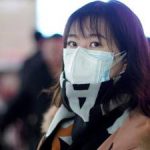
    KUALA LUMPUR: The Malaysian Medical Association (MMA) is calling on the National Disaster Management Agency (Nadma) and relevant ministries to resolve the shortage of face masks for healthcare workers.

    Its president Dr N. Ganabaskaran said some doctors had gone to the extent of recycling their masks while seeing patients and some had chosen to close their clinics because there are no face masks and hand sanitizers to protect themselves and their patients.

    “The issue of face mask shortage has been highlighted since the outbreak in early February 2020, it has made national news and every citizen is aware about this. Personal Protection Equipment (PPE) like face masks are a basic necessity when seeing patients who may carry this infectious disease.

    “It is a requirement to provide hand rubs and face mask when seeing patients under investigation and it is indeed frustrating and not to mention unsafe not to have these items,” he said in a statement today.

    He said healthcare workers in the private sector be it general practitioners, specialists, dental surgeons, nurses, pharmacists, radiographers, high-risk patients undergoing hemodialysis are all exposed to possible infection due to the inaction by the relevant ministries in addressing this issue.

    Dr Ganabaskaran added, the failure to address this issue will result in higher risks of infections among patients and healthcare workers at healthcare facilities where people should feel safe.

    “MMA wishes to reiterate that combating Covid-19 is a collective responsibility and not solely the responsibility of our health ministry,“ he said. — Bernama

    MMA calls on Nadma to resolve shortage of face masks
    Read More
    https://www.thesundaily.my/local/mma-calls-on-nadma-to-resolve-shortage-of-face-masks-NA2165906

    Views: 0

  • Just stay at home, pleads PM (Updated)

    Just stay at home, pleads PM (Updated)

    Just stay at home, pleads PM (Updated) 5

    PETALING JAYA: Please, stay at home and protect yourself and your family.

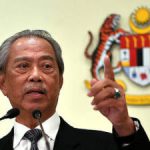
    This was the ultimate message by Prime Minister Tan Sri Muhyiddin Yassin to all Malaysians in his special address tonight as the country enters its second day of the 14 days restriction of movement order (RMO).

    Muhyiddin explained that the goal of the movement restrictions was to minimise exposure to the Covid-19 virus, after many among the public disregarded the order to travel to their hometowns, while others were spotted in public areas.

    “The reason of the RMO is so that all of you need not travel. You don’t have to crowd the trains and buses or eateries, and your children are not required to go to school, which could expose them (to the virus).

    “I plead to you, please, stay put where you are. I plead, just for this two weeks … stay at home quietly,” he said.

    Muhyiddin said it was pertinent that Malaysians adhere to the RMO to break the chain of infection and ultimately reduce the number of those infected with the novel coronavirus.

    He reminded the public that the virus could be transmitted from person to person through touch, and that if they continue to travel around, the chances of them contracting Covid-19 was higher.

    He added that the reason the RMO was set to two weeks was because the Covid-19 has an incubation period of 14 days.

    “The government is hoping that after this period, those still with symptoms can be identified and separated for treatment, and finally make Malaysia free of Covid-19.

    “If during this period we are not successful, the government may be forced to extend the restriction order,” he said.

    Muhyiddin said while the concept of staying home and avoiding public places looked simple in principle, this was particularly important if the country wishes to contain the virus.

    He also urged those who need to move around to purchase essential daily items to practise good hygiene and avoid any physical contact with others.

    “As a prime minister, I have a huge responsibility to handle the crisis. But I can’t possibly do it alone. I need all of your help. God willing, we can overcome this crisis together,” he said.

    To date, 790 people have been infected by the Covid-19, with 117 new cases recorded today. Two Malaysians died to the virus on Tuesday.

    Just stay at home, pleads PM (Updated)
    Read More
    https://www.thesundaily.my/local/just-stay-at-home-pleads-pm-updated-YB2146735

    Views: 0

  • Webcast replay: Preserving your family’s wealth: What you may have overlooked

    Webcast replay: Preserving your family’s wealth: What you may have overlooked

    In this recent webcast, our wealth planning experts discuss legacy planning and the key component you may be overlooking in preparing your family members for financial responsibility.
    Webcast replay: Preserving your family’s wealth: What you may have overlooked
    Read More
    https://investornews.vanguard/preserving-your-familys-wealth-what-you-may-have-overlooked/

    Views: 0

  • King decrees all Malaysians to obey movement control order

    King decrees all Malaysians to obey movement control order

    King decrees all Malaysians to obey movement control order 6

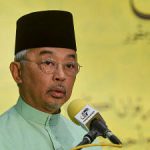
    KUALA LUMPUR: Yang di-Pertuan Agong Al-Sultan Abdullah Ri’ayatuddin Al-Mustafa Billah Shah (pix) today decreed all Malaysians to obey the movement control order announced by Prime Minister Tan Sri Muhyiddin Yassin yesterday and to give full cooperation in containing the spread of Covid-19 infections in the country.

    The order will take effect from tomorrow until March 31.

    Comptroller of the Royal Household of Istana Negara Datuk Ahmad Fadil Shamsuddin said His Majesty, nevertheless, said that the people should face the situation calmly to help the government and the relevant authorities tackle the situation effectively.

    “His Majesty urges the people not to take the movement control lightly. The people were also asked to follow the guidelines and preventive measures issued by the Ministry of Health because this is our mutual responsibility to ensure safety and wellbeing of our families, our communities and our beloved country,” he said in a statement issued by Istana Negara today.

    He said Al-Sultan Abdullah also viewed seriously the rising number of positive Covid-19 cases in Malaysia, which was recorded at 553 yesterday and had placed his full trust in the government and the authorities to discharge their duties in containing the spread of the disease.

    Ahmad Fadil said His Majesty was well aware that the people might feel that the action taken by the Perikatan Nasional government had made it difficult for them to go about their daily activities.

    “However, we must try to understand and be patient because the government cannot wait for the situation to become more critical to take drastic action.

    “As the Head of State, His Majesty also called on all Malaysians, regardless of race and religion, to stay united and play their parts to help the government in containing the spread of Covid-19 in the country.

    “His Majesty believes that with the strong spirit, concern and cooperation from the people, we will be able to contain the spread of the disease quickly and effectively,” he said.

    Ahmad Fadil said Al-Sultan Abdullah also decreed all Malaysians to refer to the Online Health Advisory Service or the National Crisis Preparedness and Response Centre (CPRC) via the Ministry of Health’s website to find the answers to all their doubts and questions so as to prevent the spread of fake news and false information that may cause panic and confusion among themselves.

    The Yang di-Pertuan Agong also expressed appreciation and thanks to the government under the leadership of Muhyiddin, government agencies and most of all to the unsung heroes, the medical staff and healthcare personnel, the civil servants and all the others who have sacrificed their time and energy in ensuring that all preventive measures and control of the infectious disease were being implemented efficiently.

    “His Majesty also called on all Muslims to join him to pray to Allah SWT so that all our efforts be blessed and so that the COVID-19 situation can be tackled and put to end as soon as possible. InsyaAllah,” he said. – Bernama

    King decrees all Malaysians to obey movement control order
    Read More
    https://www.thesundaily.my/local/king-decrees-all-malaysians-to-obey-movement-control-order-YD2140919

    Views: 0

  • COVID 19: Occupational Health

    COVID 19: Occupational Health

    WHO resources for protection of health workers and emergency responders

    The protection of health workers is one of the priorities for the response to COVID19 outbreaks. Occupational health services in health care facilities have an important role for protecting health workers and ensuring the business continuity of health care services.

    WHO resources for non-healthcare workplaces

    Non-healthcare workplaces, such as businesses and enterprises have also the responsibility to protect the health and safety of their workers and those affected by their operations.

    Infographics

    Prevention COVID-19 at the workplace

    COVID 19: Occupational Health
    Read More
    https://www.who.int/news-room/detail/09-03-2020-covid-19-occupational-health

    Views: 0

  • COVID-19 for health workers’

    COVID-19 for health workers’

    WHO resources for protection of health workers and emergency responders

    The protection of health workers is one of the priorities for the response to COVID19 outbreaks. Occupational health services in health care facilities have an important role for protecting health workers and ensuring the business continuity of health care services.

    WHO resources for non-healthcare workplaces

    Non-healthcare workplaces, such as businesses and enterprises have also the responsibility to protect the health and safety of their workers and those affected by their operations.

    Infographics

    Prevention COVID-19 at the workplace


    COVID-19 for health workers’
    Read More
    https://www.who.int/news-room/detail/09-03-2020-covid-19-for-health-workers

    Views: 0

  • A Joint Statement on Tourism and COVID-19 – UNWTO and WHO Call for Responsibility and Coordination

    A Joint Statement on Tourism and COVID-19 – UNWTO and WHO Call for Responsibility and Coordination

    As the current outbreak of the Coronavirus Disease (COVID-19) continues to develop, the World Health Organization (WHO) and the World Tourism Organization (UNWTO) are committed to working together in guiding the travel and tourism sectors’ response to COVID-19.

    On 30 January 2020, the Director-General of the World Health Organization (WHO) declared the outbreak of COVID-19 to be a Public Health Emergency of International Concern and issued a set of Temporary Recommendations. WHO did not recommend any travel or trade restriction based on the current information available. WHO is working closely with global experts, governments and partners to rapidly expand scientific knowledge on this new virus, to track the spread and virulence of the virus, and to provide advice to countries and the global community on measures to protect health and prevent the spread of this outbreak.

    Cooperation is key

    The tourism sector is fully committed to putting people and their well-being first. International cooperation is vital for ensuring the sector can effectively contribute to the containment of COVID-19. UNWTO and WHO are working in close consultation and with other partners to assist States in ensuring that health measures be implemented in ways that minimize unnecessary interference with international traffic and trade.

    Tourism’s response needs to be measured and consistent, proportionate to the public health threat and based on local risk assessment, involving every part of the tourism value chain – public bodies, private companies and tourists, in line with WHO’s overall guidance and recommendations.

    UNWTO and WHO stand ready to work closely with all those communities and countries affected by the current health emergency, to build for a better and more resilient future. Travel restrictions going beyond these may cause unnecessary interference with international traffic, including negative repercussions on the tourism sector.

    At this challenging time, UNWTO and WHO join the international community in standing in solidarity with affected countries.

    A Joint Statement on Tourism and COVID-19 - UNWTO and WHO Call for Responsibility and Coordination
    Read More
    https://www.who.int/news-room/detail/27-02-2020-a-joint-statement-on-tourism-and-covid-19—unwto-and-who-call-for-responsibility-and-coordination

    Views: 0

  • Statement on the meeting of the International Health Regulations (2005) Emergency Committee for Ebola virus disease in the Democratic Republic of the Congo on 12 February 2020

    Statement on the meeting of the International Health Regulations (2005) Emergency Committee for Ebola virus disease in the Democratic Republic of the Congo on 12 February 2020

    The meeting of the Emergency Committee convened by the WHO Director-General under the International Health Regulations (IHR) (2005) to review the current Ebola virus disease (EVD) outbreak in the Democratic Republic of the Congo (DRC) took place on Wednesday, 12 February 2020, from 14:00 to 16:45 Geneva time (CEST).

    Proceedings of the meeting

    Members and advisors of the Emergency Committee were convened by teleconference.

    The Secretariat welcomed the Committee and thanked them for their support. The meeting was turned over to the Chair, Dr Robert Steffen.

    Dr Steffen also welcomed the Committee and gave the floor back to the Secretariat.

    Representatives of WHO’s legal department and the department of compliance, risk management, and ethics briefed the Committee members on their roles and responsibilities.

    Committee members were reminded of their duty of confidentiality and their responsibility to disclose personal, financial, or professional connections that might be seen to constitute a conflict of interest. Each member who was present was surveyed and no conflicts of interest were judged to be relevant to the meeting.

    The Chair then reviewed the agenda for the meeting and introduced the presenters.

    Presentations were made by representatives of the Ministry of Health of the Democratic Republic of the Congo (DRC), the WHO Secretariat, and the UN Ebola Emergency Response Coordinator.

    The current situation in the DRC was reviewed. As of 10 February 2020, there were a total of 3431 cases, of which 3308 were confirmed and 123 were probable. 2253 persons have died (66%). Between 3 and 9 February 2020, three new confirmed cases were reported in Beni Health Zone, North Kivu. These three cases were already registered as contacts and two were under surveillance at the time of detection. More than 2000 contacts are being followed. There has been an increase in the number of security incidents in recent months.

    Challenges that remain include: strengthening of community acceptance for full commitment to response measures; protection of personnel at strategic health checkpoints; improvement of infection prevention and control practices in health facilities; strengthening of the local health system; and comprehensive treatment and support for patients in recovery.

    The WHO Secretariat gave an overview of the epidemiological situation, which shows an overall encouraging trend in case incidence and geographic spread. It was noted that sustaining this progress depends on the security situation and control of the well-known drivers of transmission, particularly in traditional health facilities, and on continued trust and communication with the community.

    A risk communication and community engagement programme has been developed, as has an EVD survivors programme. It is critical to ensure the long-term sustainability of these two initiatives.   

    The situation in countries neighbouring DRC was reviewed, as was preparedness in nonaffected areas of DRC. An EVD operational readiness standardized approach has been implemented in 9 priority countries. More than 2400 alerts have been investigated, and more than 14,600 health workers have been vaccinated.

    The UN Ebola Emergency Response Coordinator gave a brief report on operational support, focused on security challenges and preparations for any resurgence of disease.

    Context and Discussion

    The Committee noted a great deal of progress in the situation since its last meeting and commended the response, under the leadership of the DRC Ministry of Health and the multisectoral coordination commission established in July 2019. Support provided by WHO, UN agencies, nongovernmental organizations and other partners has also contributed to limiting the spread and impact of this virus in a difficult context. An increase in the number of alerts was attributed to strong and proactive community surveillance.

    Conclusions and Advice

    It was the unanimous view of the Committee that this event still constitutes a public health emergency of international concern (PHEIC) under the IHR (2005).

    The Committee acknowledged the revised risk assessment, which puts the risk now as high at national and regional levels, and low at the global level.

    The Committee was concerned that withdrawing the PHEIC now might have adverse consequences for the response efforts through diminishing focus. Additionally, although the primary concern of the Committee is EVD, there are serious ongoing outbreaks of other diseases, including measles and cholera, in DRC. The country continues to need support to combat infectious diseases as well as to strengthen its health system. Further, there remains an urgent need to maintain international solidarity for the response.

    The Committee noted the ongoing discussions about the interpretation in the text of the IHR (2005) of the terms international and regional spread, and about creating an intermediate level of response between the binary possibilities of PHEIC or no PHEIC, in a way that does not require reopening negotiations on the Regulations. The Committee supports these discussions, as an intermediate level would be as useful for gradually ending a PHEIC and for signaling the potential for one to be declared.

    The Committee provided the following advice to the Director-General for his issuance as revised Temporary Recommendations under the IHR (2005).

    For DRC:

    • Sustain the political commitment and multisectoral coordination approach to the response.
    • Continue to engage and build trust with associations of survivors to facilitate rapid detection of any cases arising from exposure to infected bodily fluids of survivors.
    • Continue to strengthen capacity, implementation, and coordination for community awareness and engagement, including a focus on hotspots, preventing resurgence where cases have declined, and to support survivors in their communities.
    • Further enhance the acceptance of response measures and address access and security issues by engaging influencers and decision makers for all interventions.
    • Strengthen measures to prevent and manage nosocomial infections, including systematic mapping of health facilities, targeting of IPC interventions and sustain support to those facilities through monitoring and supervision, including in private-sector and traditional health facilities.
    • Continue cross-border screening and step up monitoring at checkpoints around hotspots and at main roads.
    • Continue to implement and share real-time full-genome genetic sequencing of all new confirmed cases.
    • Strengthen measures to prevent and manage nosocomial infections, including systematic mapping of health facilities, targeting of IPC interventions and sustain support to those facilities through monitoring and supervision.
    • Strengthen preparedness in non-affected provinces of DRC, and more generally strengthen the health system across the country to respond to concurrent health emergencies.
    • Continue to implement optimal vaccine strategies that have proven maximum impact on curtailing the outbreak, as recommended by WHO’s Strategic Advisory Group of Experts (SAGE).

    For countries at risk:

    • At-risk countries should maintain their work with partners to improve their preparedness for detecting and managing imported or locally acquired cases, including the transparent sharing of detailed information on suspect cases, as required by the International Health Regulations (2005), and sharing laboratory samples of suspect cases for confirmatory testing in accordance with WHO norms and guidance.
    • Countries should continue to map population movements and sociological patterns that can predict risk of disease spread.
    • Risk communications and community engagement, especially at points of entry, should be maintained.

    For all countries:

    • As recommended previously, no country should close its borders or place any restrictions on travel and trade.
    • The Committee does not consider entry screening at airports or other ports of entry outside the region to be necessary.

    The Committee emphasized the importance of continued support by WHO and other national and international partners towards the effective implementation and monitoring of these recommendations.

    Based on this advice, the reports made by the affected State Party, and the currently available information, the Director-General accepted the Committee’s assessment and on 12 February 2020 maintained the Ebola outbreak in the Democratic Republic of the Congo as a Public Health Emergency of International Concern (PHEIC).

    The Director-General endorsed the Committee’s advice and issued them as Temporary Recommendations under IHR (2005) to reduce the international spread of Ebola, effective 12 February 2020. The Director-General thanked the Committee Members and Advisors for their advice and requested their reassessment of this situation within two months or earlier if the situation requires.

    Statement on the meeting of the International Health Regulations (2005) Emergency Committee for Ebola virus disease in the Democratic Republic of the Congo on 12 February 2020
    Read More
    https://www.who.int/news-room/detail/12-02-2020-statement-on-the-meeting-of-the-international-health-regulations-(2005)-emergency-committee-for-ebola-virus-disease-in-the-democratic-republic-of-the-congo-on-12-february-2020

    Views: 0