
Tag: Preventing

  • The economic cost of female genital mutilation

    The economic cost of female genital mutilation

    An interactive data tool launched by WHO reveals for the first time the current and future financial cost of health care for women living with conditions caused by female genital mutilation (FGM).

    The total costs amount to USD 1.4 billion annually.

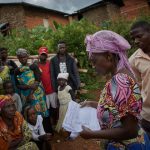
    fgm-cost-thumbnail

    The FGM Cost Calculator is being launched on this year’s International Day of Zero Tolerance for FGM. This new tool shows that if FGM were abandoned now the associated savings
    in health costs would be more than 60% by 2050. This data, available for 27 of the 30 countries where FGM is practiced, will strengthen the economic argument of community activists, policy makers, programme planners and donors working to end this
    human rights violation.

    Q&As on the FGM Cost Calculator
    Access the FGM Cost Calculator

    A human rights violation with economic costs

    FGM includes procedures that intentionally alter or cause injury to the female genital organs for non-medical reasons. More than 200 million girls and women alive today have been cut in 30 countries in Africa, the Middle East and Asia where FGM is concentrated.
    [1] An extreme form of gender discrimination, it is recognized internationally as a violation of the human rights of girls and women: including the right to health, security and physical integrity and the right to be free from torture and cruel, inhuman
    or degrading treatment.

    FGM has no health benefits and causes only harm. Women and girls who are subjected to FGM are at risk of both short- and long-term negative health consequences – including for their physical, sexual, mental, and social well-being.

    The direct financial cost of treating the negative health complications caused by FGM can span generations, starting as early as childbirth. This puts a significant economic burden on health systems and national budgets, especially in countries with rates
    of FGM greater than 10%.

    Until now, there have been limited data on the financial costs associated with FGM, making it hard to demonstrate the cost-effectiveness of programmes and policies that can prevent FGM by 2030 – a global priority in the Sustainable Development Agenda.
    The new WHO Cost Calculator now provides an economic argument which can be used by those advocating for an end to FGM.

    Calculating health care costs of FGM

    Users of the new FGM Cost Calculator can choose a country and identify current costs of treating health conditions caused by FGM. Since the tool is interactive, it produces bespoke graphs showing the potential amount of money saved if FGM is prevented
    by a selected percentage.

    If no action is taken to prevent FGM, it is estimated that related health costs will soar by 50% by 2050, as populations grow and as more girls undergo the procedure.

    How it works

    The FGM Cost Calculator combines data on health risk associated with FGM, health costs and national FGM prevalence to analyze the economic impact on national health services of treating the consequences of these harmful practices.

    Health risk data were taken from a WHO database created for this analysis, pooling all available information from systematic reviews of health consequences of FGM. The following categories were used, each with a biological link to FGM: gynaecological,
    obstetric, urological, mental and sexual, as well as the immediate health complications that can result following the cutting.

    To be included in the calculator, a health condition needed to show evidence of increased risk when comparing women with and without FGM. It also needed to have a treatment which could be implemented and costed in the health sector.

    Health costs were calculated from the WHO One Health Tool and other data. The financial burden of treating selected health conditions was calculated at a national level.

    A strong case for investment in preventing FGM

    Rates of FGM have declined over the past 30 years, but not fast enough to keep up with population growth. If trends continue, the number of girls and women undergoing FGM will rise significantly in the next 15 years, in turn raising national health care
    costs of caring for them.

    Additional resources are urgently needed to scale up interventions that can prevent FGM in the future and reduce health complications.

    By providing quantifiable numbers on the cost of treating health conditions directly linked to FGM, for the first time, the FGM Cost Calculator can be a crucial tool in building an investment case for a future where no girl or woman is cut.


    [1] Female Genital Mutilation/Cutting: A Global Concern, UNICEF, New York, 2016
    The economic cost of female genital mutilation
    Read More
    https://www.who.int/news-room/detail/06-02-2020-economic-cost-of-female-genital-mutilation

    Views: 0
  • Statement on the meeting of the International Health Regulations (2005) Emergency Committee for Ebola virus disease in the Democratic Republic of the Congo on 12 February 2020

    Statement on the meeting of the International Health Regulations (2005) Emergency Committee for Ebola virus disease in the Democratic Republic of the Congo on 12 February 2020

    The meeting of the Emergency Committee convened by the WHO Director-General under the International Health Regulations (IHR) (2005) to review the current Ebola virus disease (EVD) outbreak in the Democratic Republic of the Congo (DRC) took place on Wednesday, 12 February 2020, from 14:00 to 16:45 Geneva time (CEST).

    Proceedings of the meeting

    Members and advisors of the Emergency Committee were convened by teleconference.

    The Secretariat welcomed the Committee and thanked them for their support. The meeting was turned over to the Chair, Dr Robert Steffen.

    Dr Steffen also welcomed the Committee and gave the floor back to the Secretariat.

    Representatives of WHO’s legal department and the department of compliance, risk management, and ethics briefed the Committee members on their roles and responsibilities.

    Committee members were reminded of their duty of confidentiality and their responsibility to disclose personal, financial, or professional connections that might be seen to constitute a conflict of interest. Each member who was present was surveyed and no conflicts of interest were judged to be relevant to the meeting.

    The Chair then reviewed the agenda for the meeting and introduced the presenters.

    Presentations were made by representatives of the Ministry of Health of the Democratic Republic of the Congo (DRC), the WHO Secretariat, and the UN Ebola Emergency Response Coordinator.

    The current situation in the DRC was reviewed. As of 10 February 2020, there were a total of 3431 cases, of which 3308 were confirmed and 123 were probable. 2253 persons have died (66%). Between 3 and 9 February 2020, three new confirmed cases were reported in Beni Health Zone, North Kivu. These three cases were already registered as contacts and two were under surveillance at the time of detection. More than 2000 contacts are being followed. There has been an increase in the number of security incidents in recent months.

    Challenges that remain include: strengthening of community acceptance for full commitment to response measures; protection of personnel at strategic health checkpoints; improvement of infection prevention and control practices in health facilities; strengthening of the local health system; and comprehensive treatment and support for patients in recovery.

    The WHO Secretariat gave an overview of the epidemiological situation, which shows an overall encouraging trend in case incidence and geographic spread. It was noted that sustaining this progress depends on the security situation and control of the well-known drivers of transmission, particularly in traditional health facilities, and on continued trust and communication with the community.

    A risk communication and community engagement programme has been developed, as has an EVD survivors programme. It is critical to ensure the long-term sustainability of these two initiatives.   

    The situation in countries neighbouring DRC was reviewed, as was preparedness in nonaffected areas of DRC. An EVD operational readiness standardized approach has been implemented in 9 priority countries. More than 2400 alerts have been investigated, and more than 14,600 health workers have been vaccinated.

    The UN Ebola Emergency Response Coordinator gave a brief report on operational support, focused on security challenges and preparations for any resurgence of disease.

    Context and Discussion

    The Committee noted a great deal of progress in the situation since its last meeting and commended the response, under the leadership of the DRC Ministry of Health and the multisectoral coordination commission established in July 2019. Support provided by WHO, UN agencies, nongovernmental organizations and other partners has also contributed to limiting the spread and impact of this virus in a difficult context. An increase in the number of alerts was attributed to strong and proactive community surveillance.

    Conclusions and Advice

    It was the unanimous view of the Committee that this event still constitutes a public health emergency of international concern (PHEIC) under the IHR (2005).

    The Committee acknowledged the revised risk assessment, which puts the risk now as high at national and regional levels, and low at the global level.

    The Committee was concerned that withdrawing the PHEIC now might have adverse consequences for the response efforts through diminishing focus. Additionally, although the primary concern of the Committee is EVD, there are serious ongoing outbreaks of other diseases, including measles and cholera, in DRC. The country continues to need support to combat infectious diseases as well as to strengthen its health system. Further, there remains an urgent need to maintain international solidarity for the response.

    The Committee noted the ongoing discussions about the interpretation in the text of the IHR (2005) of the terms international and regional spread, and about creating an intermediate level of response between the binary possibilities of PHEIC or no PHEIC, in a way that does not require reopening negotiations on the Regulations. The Committee supports these discussions, as an intermediate level would be as useful for gradually ending a PHEIC and for signaling the potential for one to be declared.

    The Committee provided the following advice to the Director-General for his issuance as revised Temporary Recommendations under the IHR (2005).

    For DRC:

    • Sustain the political commitment and multisectoral coordination approach to the response.
    • Continue to engage and build trust with associations of survivors to facilitate rapid detection of any cases arising from exposure to infected bodily fluids of survivors.
    • Continue to strengthen capacity, implementation, and coordination for community awareness and engagement, including a focus on hotspots, preventing resurgence where cases have declined, and to support survivors in their communities.
    • Further enhance the acceptance of response measures and address access and security issues by engaging influencers and decision makers for all interventions.
    • Strengthen measures to prevent and manage nosocomial infections, including systematic mapping of health facilities, targeting of IPC interventions and sustain support to those facilities through monitoring and supervision, including in private-sector and traditional health facilities.
    • Continue cross-border screening and step up monitoring at checkpoints around hotspots and at main roads.
    • Continue to implement and share real-time full-genome genetic sequencing of all new confirmed cases.
    • Strengthen measures to prevent and manage nosocomial infections, including systematic mapping of health facilities, targeting of IPC interventions and sustain support to those facilities through monitoring and supervision.
    • Strengthen preparedness in non-affected provinces of DRC, and more generally strengthen the health system across the country to respond to concurrent health emergencies.
    • Continue to implement optimal vaccine strategies that have proven maximum impact on curtailing the outbreak, as recommended by WHO’s Strategic Advisory Group of Experts (SAGE).

    For countries at risk:

    • At-risk countries should maintain their work with partners to improve their preparedness for detecting and managing imported or locally acquired cases, including the transparent sharing of detailed information on suspect cases, as required by the International Health Regulations (2005), and sharing laboratory samples of suspect cases for confirmatory testing in accordance with WHO norms and guidance.
    • Countries should continue to map population movements and sociological patterns that can predict risk of disease spread.
    • Risk communications and community engagement, especially at points of entry, should be maintained.

    For all countries:

    • As recommended previously, no country should close its borders or place any restrictions on travel and trade.
    • The Committee does not consider entry screening at airports or other ports of entry outside the region to be necessary.

    The Committee emphasized the importance of continued support by WHO and other national and international partners towards the effective implementation and monitoring of these recommendations.

    Based on this advice, the reports made by the affected State Party, and the currently available information, the Director-General accepted the Committee’s assessment and on 12 February 2020 maintained the Ebola outbreak in the Democratic Republic of the Congo as a Public Health Emergency of International Concern (PHEIC).

    The Director-General endorsed the Committee’s advice and issued them as Temporary Recommendations under IHR (2005) to reduce the international spread of Ebola, effective 12 February 2020. The Director-General thanked the Committee Members and Advisors for their advice and requested their reassessment of this situation within two months or earlier if the situation requires.

    Statement on the meeting of the International Health Regulations (2005) Emergency Committee for Ebola virus disease in the Democratic Republic of the Congo on 12 February 2020
    Read More
    https://www.who.int/news-room/detail/12-02-2020-statement-on-the-meeting-of-the-international-health-regulations-(2005)-emergency-committee-for-ebola-virus-disease-in-the-democratic-republic-of-the-congo-on-12-february-2020

    Views: 0

  • Ministers to agree new global road safety agenda to 2030

    Ministers to agree new global road safety agenda to 2030

    Government ministers and senior officials from over 100 countries will meet in Stockholm, Sweden from 19-20 February to discuss new steps to halve road traffic deaths and injuries by 2030, in line with global targets agreed in the United Nations Sustainable Development Goals (SDGs).

    “The fact that an estimated 1.35 million lives are lost every year due to road traffic collisions is an outrage. It is an unacceptable price to pay for mobility,” said Dr Tedros Adhanom Ghebreyesus, Director-General at the World Health Organization (WHO).

    Road traffic injuries are now the leading cause of death for children and young adults aged 5 to 29 years, according to WHO’s most recent Global status report on road safety.

    More than half of all road traffic deaths occur among pedestrians, cyclists and motorcyclists. The risk of a road traffic death remains three times higher in low-income countries than in high-income countries. Moreover, as many as 50 million people experience non-fatal road injuries, which impose human suffering and major economic losses.

    “Most road traffic deaths and injuries can be prevented, using tried and tested strategies,” added Dr Tedros. “This conference is an opportunity for the world to embrace a new agenda to radically reduce the number of lives lost on our roads and re-think how we can provide access to safe, affordable, accessible and sustainable transport systems for all.”

    Progress in road safety

    Many countries have already made progress through effective road safety management and focusing on better legislation and enforcement around key risks such as speeding; drinking and driving, and failing to use seatbelts. They have also improved infrastructure through measures such as safer sidewalks and dedicated lanes for cyclists; implemented vehicle standards such as those that mandate advanced braking and electronic stability control; and enhanced post-crash care.

    Improvements have occurred when a number of sectors have been involved – including transport, health, urban planning and law enforcement, among others. Success has also depended mainly on strong leadership and political will at the highest level of government and in close collaboration with civil society and the private sector.

    The Stockholm Declaration

    Hosted by the Government of Sweden in collaboration with WHO, the 3rd Global Ministerial Conference on Road Safety offers delegates an opportunity to share successes and lessons learned, chart future strategic directions for global road safety, and define ways to fast-track progress around proven strategies to save lives.

    The Stockholm Declaration will be presented as the final outcome document of the Ministerial Conference calling for strong political will and international cooperation as well as partnerships across many sectors of society. The Declaration will lay out key recommendations for accelerated action to drive progress towards halving global road traffic deaths and injuries by 2030.

    Beyond preventing human suffering and major economic losses, addressing road traffic deaths and injuries has positive impact across all aspects of society and development ─ including those linked to environment, climate change, education, employment, energy, poverty, human rights and equality ─ as outlined in the SDG targets.

    Note to editors:

    Road safety is reflected in the SDGs agreed in 2015, with two dedicated targets: (a) 3.6 aimed at preventing road traffic deaths and injuries and (b) 11.2 providing access to safe, affordable, accessible and sustainable transport systems for all.

    Achieving these targets would lead to increases in walking, cycling and using public transport, in other words, those modes of transport which impact most favorably on noncommunicable diseases like heart and lung diseases, cancer and diabetes. It would also contribute to reducing environmental risks, such as air and noise pollution, and steering sustainable urbanization, with less congestion and universal access to safe, inclusive and green public spaces. 

    Ministers to agree new global road safety agenda to 2030
    Read More
    https://www.who.int/news-room/detail/07-02-2020-ministers-to-agree-new-global-road-safety-agenda-to-2030

    Views: 0

  • Female Genital Mutilation Hurts Women and Economies

    Female Genital Mutilation Hurts Women and Economies

    Female genital mutilation (FGM) exacts a crippling economic as well as human cost, according to World Health Organization (WHO).

    “FGM is not only a catastrophic abuse of human rights that significantly harms the physical and mental health of millions of girls and women; it is also a drain on a country’s vital economic resources,” said Dr Ian Askew, Director of WHO’s Department of Sexual and Reproductive Health and Research. “More investment is urgently needed to stop FGM and end the suffering it inflicts.”

    New modelling reveals that the total costs of treating the health impacts of FGM would amount to USD 1.4 billion globally per year, if all resulting medical needs were addressed. For individual countries, these costs would near 10% of their entire yearly expenditure on health on average; in some countries, this figure rises to as much as 30%.

    The interactive modelling tool that generated these data was launched on the International Day of Zero Tolerance for Female Genital Mutilation.

    Severe physical and mental health impacts for women and girls

    Women and girls living with FGM face serious risks to their health and well-being. These include immediate consequences after being cut, such as infections, bleeding or psychological trauma, as well as chronic health conditions that can occur throughout life.

    Women who have undergone the procedure are more likely to experience life-threatening complications during childbirth. They may face mental health disorders or suffer chronic infections. They may also have pain or problems when they menstruate, urinate or have sexual intercourse. 

    All of these conditions warrant much-needed medical attention and care.

    “High healthcare costs for countries mount because of the tragic personal impacts on women and girls. Governments have a moral responsibility to help end this harmful practice,” says Dr Prosper Tumusiime, Acting Director for Universal Health Coverage and the Life Course in the African Regional Office of WHO. “FGM hurts girls, imposes lifelong health risks on the women they become, and strains the healthcare systems that need to treat them.”

    Preventing FGM brings major benefits for women, girls, communities and economies

    Using data from 27 high-prevalence countries, the Cost Calculator demonstrates clear economic benefits from ending FGM. If it were abandoned now, it shows that the associated savings in health costs would be more than 60% by 2050.

    In contrast, if no action is taken, it is estimated that these costs will soar by 50% over the same time period, as populations grow and as more girls undergo the procedure.

    Since 1997, great efforts have been made to end FGM, through work within communities, research, and changes in legislation and policy. 26 countries in Africa and the Middle East now explicitly legislate against FGM, as well as 33 other countries with migrant populations from FGM-practicing countries.

    WHO is also working with countries to raise awareness of the harmful impacts of the practice among their health workers, and to engage them in prevention efforts.

    “Many countries and communities are showing that abandoning female genital mutilation is possible,” states Dr Christina Pallitto, scientist at WHO. “If countries invest to end female genital mutilation, they can prevent their girls from undergoing this harmful practice and promote the health, rights and well-being of women and girls.”

    Female genital mutilation is internationally recognized as a human rights violation. It has no medical benefits and causes only harm. WHO’s position is that FGM must never be carried out.

    Further information

    The FGM Cost Calculator will be available here, as of 00:30 CET 6 February 2020:
    www.who.int/news-room/detail/06-02-2020-economic-cost-of-female-genital-mutilation

    More on FGM

    Notes for Editors

    About FGM

    FGM includes procedures that intentionally alter or cause injury to the female genital organs for non-medical reasons. More than 200 million girls and women alive today are estimated to have undergone the practice across 30 countries in Africa, the Middle East and Asia where FGM is concentrated.

    FGM is mostly carried out on young girls between infancy and 15 years of age.

    About the FGM Cost Calculator

    The WHO FGM Cost Calculator shows the economic cost of treating the health complications caused by FGM across 27 high-prevalence countries. These costs were calculated using the WHO One Health tool and other available scientific evidence.

    Users of the tool can calculate costs by country in a ‘business as usual’ scenario; a scenario of partial abandonment of FGM, and full abandonment of FGM over a 30-year period. In addition, the distribution of costs by different types of health complications is presented by country.

    The tool does not consider other indirect costs that hit families and communities, or the socio-economic impacts of the practice, which would be significantly higher still.

    The 27 countries modelled include Benin, Burkina Faso, Central African Republic, Còte d’Ivoire, Cameroon, Chad, Djibouti, Egypt, Eritrea, Ethiopia, Ghana, Guinea, Gambia, Guinea-Bissau, Iraq, Kenya, Mali, Mauritania, Niger, Nigeria, Soudan, Senegal, Sierra Leone, Somalia, Togo, United Republic of Tanzania, Yemen.

    Female Genital Mutilation Hurts Women and Economies
    Read More
    https://www.who.int/news-room/detail/06-02-2020-female-genital-mutilation-hurts-women-and-economies

    Views: 0

  • Preventing child obesity in the next generation must start before conception

    Preventing child obesity in the next generation must start before conception

    The key to preventing obesity in future generations is to make their parents healthier before they conceive, leading health researchers suggest.

    In a series of papers, published in The Lancet Diabetes and Endocrinology, the researchers say that the time before couples conceive represents a missed opportunity to prevent the transmission of obesity risk from one generation to the next. They argue that a new approach is needed to motivate future parents to live a healthier lifestyle.

    There is now a wealth of evidence that the risk of obesity and its associated conditions, such as heart disease diabetes and some cancers, could impact the developing baby. In turn, when the child becomes a young adult they may pass the risk of obesity on to their children – it is a vicious cycle.

    Views: 0

  • Emotional Resilience in Children

    [ad_1]

    Emotional resilience is the ability to cope with stressful life experiences, disappointments, and challenges in an effective and meaningful way that helps to preserve self-esteem, build social aptitude, and prevent frustration, anger, and even depression. Emotional resilience learned early in life assists in recovering from misfortunes and disappointments, thus fostering emotional health.

    Teaching your child to be emotionally resilient will help him / her be in control and build confidence to work through challenging situations effectively. Becoming emotionally resilient in childhood will provide a basic foundation for your child's emotional health in adolescence and adulthood.

    Emotions shape your child's interactions with others and affect his or her behaviors resulting from those interactions. In order to prevent conflict, or deal with conflict effectively when it arises, your child should learn to understand his or her feelings, be able to identify them, and regulate them. It is important to teach children there is a whole gamut of emotions that can be expressed in various ways. However, knowing how to express them in a meaningful way will help your child in solving social conflicts and maintaining relationships. One way of promoting development of emotional competence is to help your child develop vocabulary that expresses feelings. Parents can also assist their children in recognizing various emotions and teaching them that emotions can be changed by their thinking.

    Emotions are driven by behaviors. However, children must learn that emotions should not take control over their actions. It is crucial for children to know that expressing feelings helps in preventing and resolving problems. They need to be taught that bottled-up feelings lead to misunderstandings, anxiety, anger, and depression.

    When your child does not express emotions, he or she is more likely to experience angry outbursts that might come from being sad, embarrassed, or frustrated. Perhaps, your child feels guilty about something he or she did, is afraid, or feels helpless and chooses to express those negative feelings of emotional stress with angry outbursts. This inability to deal with stress in a constructive way most of the time stems from the lack of understanding one's own emotions, emotions of others, and lacking the ability to express feelings effectively.

    Signs of Emotional Fragility

    – Regression of behaviors
    – Withdrawal
    – Excessive clinginess
    – Bedwetting
    – Nightmares
    – Aggression

    One of the most important things a parent can do to foster a child's healthy emotional development is to promote positive family communication. That includes positive reinforcement, which is praising your child for positive behaviors, giving encouragement, and avoidance of negative criticism when expected results are not achieved. Also, providing consistency is extremely important for a child's emotional health, as it aids in avoiding ambiguity and uncertainty. If a child knows what's expected of him or her, they will most likely comply, thus avoiding frustration, anger, and possibly humiliation.

    Younger children might be more open and willing to express their feelings. In adolescence, family communication might become more challenging as the teen tries to suppress their feelings in an attempt to resolve them alone. Parenting teenagers requires patience and the ability to be supportive. Frequently, conversation with your teen at home might be extremely difficult. However, your teen may try to open up while riding with you in a car where there is no eye contact, thus the confrontation seems to be less intimidating. Building a sound foundation of emotional resilience in childhood will help your adolescent achieve emotional health. Should getting through to your child become impossible, or he or she becomes withdrawn and exhibits signs of emotional instability, don't be afraid to seek help. You may start by talking to another family member, a friend, or a counselor.

    [ad_2]

    Source by Monika B. Pis, Ph.D.

    Views: 0

  • Customer Service Tips – How to Handle Irate Customers

    [ad_1]

    Are you ready to learn how to keep every guest happy? It starts with making sure that your managers are thoroughly trained in every position within your restaurant. They need to know all the jobs, so they can step in if someone calls off sick, or if sales are higher than expected.

    The manager needs to be highly trained in excellent customer service. This type of service is called “wow” service because your customers will say “Wow!” about their experience at your restaurant.

    One way to easily accomplish that “wow” experience is simply by telling your managers that every time they are in direct contact with any guest, that they are smiling, being friendly and attentive to the guests. If a famous person was coming to your restaurant, how would you treat that person? Every guest should be receive that same VIP treatment.

    In case of a dissatisfied, angry, or irate customers, we recommend applying the GLAD technique. This will dramatically decrease customer related matters, and lead to customer recovery.

    What is the GLAD Technique?

    1. Go to the guest
    2. Listen carefully to the guest
    3. Apologize to the guest
    4. Do what it takes to solve the problem

    When approaching the upset customer, always shows genuine concern. It is important to listen to the guest without cutting them off. Make sure that you take the time to fully understand their concerns. Remain calm. Responding to anger in a calm manner may help reduce the person’s anxiety. Don’t be fake, be real.

    Always apologize to the guest, even if the customer is wrong. Even when you are certain the person is wrong, go with the mindset that the person is right. Never offer excuses as to why the problem occurred, but offer solutions instead.

    Solutions will vary depending on the complaint and the circumstances. Offer a solution and ask if this will meet the customer’s needs. Go above and beyond. Remember, one angry customer leads to other lost customers. Keep in mind that for each customer you lose, you will lose 11 customers within the next few weeks. That number will compound because those 11 people will also repeat what they heard from the first customer. Ultimately you could be losing hundreds of customers because of one dissatisfied customer. If the matter is serious, you could even lose your restaurant’s reputation, and the restaurant could end up being shut down.

    Every customer that leaves your restaurant tells family, friends and co-workers about the experience at your restaurant. If the experience was mediocre they won’t say anything, but if it was very good experience at your restaurant they will tell others. If it was a negative experience and they walked out dissatisfied, then the reputation of your restaurant will be impacted. Negative feedback from your customers could mean the end of your business. Don’t underestimate the power of the word-of-mouth effect. Word-of-mouth will work with you or against you depending on the guest’s experience.

    Do you really want to lose business because of customer complaints? Teaching effective customer service techniques to your managers and staff should be at the top of your to-do list.

    Teach your managers to be proactive in preventing customer related matters. Manager presence in the dining room is a wonderful path to reduce customer complaints. The manager should spend at least 80% of his/her time in the dining room, and only 10% in the manager’s office.

    The manager also needs to physically approach each customer’s table to ensure that WOW guest service is in effect. The manager also needs to learn how to detect negative body language and how to express positive body language.

    How do customers show their dissatisfaction with their body language?

    • When you are in direct eye-to-eye contact, you can witness the anger in the customer’s eyes.
    • Seeing untouched food, especially when everybody at the table ate their food, except the one customer who barely touched his or her food.
    • The manager asks the customer, “So how was your meal and service tonight?” The customer replies, “It’s okay”. If the customer was fully satisfied with both the service and the meal they may say it was “terrific” or “great,” not just “okay.”
    • When you look at a guest and you get an uncomfortable “gut” feeling, act on that feeling.
    • You see a customer looking around as though they want someone to help them. You may even see them glaring at a server speaking with other customers.

    What is your body language saying?

    • Always use direct eye contact when talking to your guests. Never look away while you are talking to your guest. Looking away gives the impression that you are not interested in what the other person has to say.
    • Never cross your arms when talking to guests, this could be interpreted as shutting them out or anger.
    • Never roll your eyes, as this is very disrespectful and it appears that you are belittling their concerns.
    • Constantly listen to the guest even if they are angry. It may help to allow the person to vent their anger. Always acknowledge their feelings.
    • Ask the customer what would improve the visit to your restaurant.

    What do you do with Moody Customers?

    This is your opportunity to turn around the customer’s mood from a bad to good. Make certain that you are on top of things and pay attention to details. If you have any concerns about their experience, you may even offer the table a free appetizer or dessert. It may seem like you are losing money by “giving away” food or “discounting” their meals; however, you will lose more money from each lost customer than you will for that one food item or meal. If you successfully turn things around, then you may create repeat business. Kindness and consideration of their needs will often overcome their anger.

    A wise person said, “How you handle positive feedback is important, but it is more important to know how to handle negative feedback.” Make sure you tell the customers that you appreciate the fact that they took the time to tell you about their experience. Don’t make excuses, instead find solutions. Don’t disagree with the customer, even if you know the guest is wrong.

    If you don’t learn from your mistakes, you are doomed to repeat them again and again.

    [ad_2]

    Source by Donna Schim

    Views: 0

  • A Cardiologist Could Save Your Life

    [ad_1]

    Everyone has to see a doctor at some point in their lives. Unfortunately there is not one doctor that can diagnose or treat every problem. If you are having any issues or concerns with chest pains, high blood pressure, shortness of breath or issues with your blood vessels your doctor will most likely refer you to a specialist that deals specifically with these types of issues. This specialist is known as a cardiologist and they deal with preventing, diagnosing and treating diseases of the heart and blood vessels.

    When you are referred to a cardiologist you can be sure that you are seeing a doctor who is highly trained in a very specific area. These doctors have an extensive educational background which includes four years of medical school and three years of training in general internal medicine. Following that they will spend another three years or more in specialized training. In order for these doctors to become certified they must have completed a minimum of ten years clinical and educational training and then pass a two-day exam that is administered by the American Board of Internal Medicine.

    There are a variety of reasons that your doctor might refer you to a cardiologist. If there is any suspicion that you might have a significant heart or related condition you are a good candidate for a referral. Some patients that have heart murmurs or any signs of change in their ECG will also be good candidates for a referral. These doctors will be involved in the treatment of any heart attack, heart rhythm disturbances or heart failure. They are also very involved in helping patients who are affected by heart disease return to a normal life and they counsel patients about the risks as well as the prevention of heart disease.

    Every patient has a different experience with a cardiologist. All patients will be required to undergo an initial consultation where the doctor will review their medical history and perform a physical examination. This examination may be a little more in-depth than what patients are used to and may include such things as having their blood pressure, weight, heart, lungs and blood vessels checked. Depending on the patient’s symptoms and the doctor’s findings on the examination a diagnosis may be made at that point. In some cases additional testing such as an ECG, x-ray or blood test may be required in order to make a definitive diagnosis. Pending the results and diagnosis the doctor may recommend medication or some lifestyle changes.

    For some people the thought of going to a doctor is scary at any age. The thought of being referred to a specialist may be even more frightening for some people. It is important to remember that your doctor would not make a referral to a specialist unless they truly thought it was necessary. It is always better to be cautious and if there are any concerns about issues pertaining to the heart you definitely want to be in the hands of an experienced cardiologist.

    [ad_2]

    Source by Aloysius Aucoin

    Views: 1

  • Advantages and Disadvantages of Alternative Medicine

    [ad_1]

    There are reasons why people chose alternative medicine and reasons why they avoid it, preferring conventional medicine. Alternative medicine is safer than standard health treatments and usually works. It’s true that it can’t be used in severe conditions like car accidents or other severe emergencies, but be that as it may, there are enough situations in which alternative medicine is recommended. When it comes to emotional and spiritual needs, non-conventional medicine may come up with the solution. Furthermore, it’s better for preventing illnesses than standard medicine. More and more physicians nowadays agree upon the benefits of alternative medicine and also even advise their clients to choose the best natural treatment for them.

    One of the advantages of alternative medicine is that it encompasses a broad range of therapies, treatments and products, thus the search for obtaining positive results doesn’t flow on a narrow path at all.

    A pretty important disadvantage states the idea that, even though the expenses of using acupuncture or chiropractic are sometimes covered by health insurances, the majority of alternative treatments are not reimbursed.

    There are certain risks that come along with the usage of natural remedies. Despite the use of herbs throughout the years and even ancient times, not all of them have been studied regarding their safety and efficiency. There are issues concerning their purity and their possible interaction with other substances related to conventional therapies. The majority of information regarding herbs have been perpetuated throughout history and with the help of tradition. Many people assume that herbal medicines are better than synthetic drugs simply because, well, they are natural and not synthetic, therefore present no risk. But they are not risk free; they can do more harm than good if taken without having the details of their effects over the body.

    People might abuse of natural medicines the same way as they do it in the case of synthetic drugs. They have the misconception that if unconventional medicine consists of herbal products which are natural, then there is no harm done if they triple the dosage or more. This is totally wrong and can have serious consequences. Take vitamins for example. They are just vitamins, right? They can’t possibly do any damage inside the body. But they do. Vitamin overdosing or vitamin toxicity can lead to unpleasant effects depending on the vitamin that has been taken one too many times. Vitamin A over dosage can cause liver problems, osteoporosis, hair loss and other dangerous effects and Hypervitaminosis D leads to dehydration, vomiting, anorexia and even kidney stones.

    An advantage of using herbal remedies concerns the effectiveness related with chronic health issues that don’t respond well or even at all to traditional medicines. If long term medication is needed, then herbs are pretty much safer than conventional drugs. The alternative medicine industry takes advantage from this and keeps evolving and developing due to the constant need for natural remedies.

    Another advantage is the low cost of herbal products compared to synthetic drugs which are highly priced for the simple reason that researching and testing the products is expensive. Furthermore, herbal products can be bought without a prescription and are easy to procure. The availability of natural remedies is outstanding; chamomile for example can be easily picked out from a nearby field.

    The advantages of using herbal medicines are numerous, but so are the disadvantages. The best idea would be to consider modern medicine according to the severity of the illness, to consult a physician upon the proper medication and dosage and if you do chose the alternative medicine, try to gather enough information upon both kinds of treatments, natural or synthetic, so you may reassure yourself that you took the right decision to balance your health situation.

    [ad_2]

    Source by Peter Rosenblum

    Views: 0

  • 4 Herbal Remedies For Bacterial Vaginosis That Work Exceedingly Well to Cure BV

    [ad_1]

    Women who suffer from bacterial vaginosis (BV) are normally recommended antibiotics and topical creams by conventional doctors. However these are not the only options to treat this problem. There are some extremely effective herbal remedies for bacterial vaginosis that can help you get rid of recurring vaginal bacteria infection.

    When the bad bacteria dominates the vagina of a women then one can experience itching, swelling, inflammation, vaginal discharge, pain during sex, pain while urinating and several other symptoms. However one should visit a doctor when any of the above symptoms are noticed.

    Both vaginal yeast infection and bacterial vaginosis have very similar symptoms and this is the reason one should visit a doctor and get the problem properly examined.

    Herbal remedies for bacterial vaginosis work by killing the bad bacteria that causes this problem. These remedies however do not kill the good bacteria that is so essential for preventing this problem from happening again and again.

    Unfortunately women turn to birth control pills and antibiotics that actually disturb the ph balance in the vagina by killing both the good and the bad bacteria. This is the main reason for this problem occurring again and again.

    Here are 4 herbal remedies for bacterial vaginosis that work extremely well:

    1) Garlic pearls or capsules have excellent anti bacterial and anti fungal properties. Make sure to have capsules of correct potency so that it really works to get rid of vaginal bacteria infection. You may have to take these capsules twice a day till you get rid of the problem completely.

    2) Another excellent herbal remedy is an acidophilus pill. Take these pills orally every day. This will help in restoring the vaginal flora to slightly acidic so that BV is prevented.

    3) One of the best herbal remedies for bacterial vaginosis is olive leaf extract. Olive leaf extract helps in treating and preventing BV. This extract is also available in the form of capsules. Follow the dosage details and take the capsules regularly for getting good results.

    4) If you can dilute tea tree oil with olive oil and apply it to the vagina topically you will be able to get rid of vaginal bacteria infection very fast.

    [ad_2]

    Source by Lynda Johnson

    Views: 0