Tag: Preventing

  • Indonesia firmly committed to eliminating lymphatic filariasis as a public health problem

    Indonesia firmly committed to eliminating lymphatic filariasis as a public health problem

    Indonesia recently completed the last of its annual large-scale treatment for lymphatic filariasis (also known as elephantiasis or Penyakit Kaki Gajah) in Malaka District located in its southernmost province, East Nusa Tenggara. Unprecedented
    progress by the National Lymphatic Filariasis Elimination Programme has strongly placed the country on the path to achieving the elimination of lymphatic filariasis as a public health problem.

    “We reached an estimated number of 40.7 million people living in the 118 high-risk districts during this month-long treatment campaign in October 2019” said Dr Anung Sugihantono, who recently retired as Director General of Diseases
    Prevention and Control, Ministry of Health Indonesia. “
    Single doses of diethylcarbamazine citrate and albendazole facilitated by WHO were delivered to all eligible populations.”

    In 2010, an estimated 125 million Indonesians were still at risk of the disease and required treatment.

    But things changed considerably in 2015 when Indonesia mounted an annual national campaign to resolutely address transmission of the disease and to tackle the morbidity and disability associated with it. The results were apparent as early as 2017, with
    remarkable progress.

    In Indonesia, LF is considered a significant public health concern. In 2009, risk mapping identified a population of 124.5 million people needing treatment for LF. The country initiated a national level LF elimination campaign in 2015, addressing both
    disease prevention and management. 

    “In 2017 and in just two years we managed to achieve 100% geographical coverage of all people requiring treatment” said Dr Sugihantono. “It meant achieving more than 78% epidemiological coverage – much higher than the generally recommended 65% to stop transmission.”

    Transmission of lymphatic filariasis can be stopped through large-scale treatment (or mass drug administration – MDA) of entire at- risk communities with recommended medicines once a year. These medicines kill the microfilariae in an infected patient’s
    blood preventing mosquitoes to transmit1 the disease to others. Through mass treatment, the aim is to reduce the reservoir of microfilariae in the blood to a level insufficient to maintain transmission by the mosquito vector.

    This strategy to interrupt transmission is the corner-stone of the World Health Organization’s (WHO) Global Program to Eliminate Lymphatic Filariasis (GPELF). Indonesia has been using the GPELF’s strategy since 2002 using a district or city
    as its implementation unit.

    In 2005, it listed the elimination of LF as a national priority for controlling infectious diseases and the medicines it has been using in large-scale treatment programmes are diethylcarbamazine citrate (DEC) and albendazole2 which are
    largely distributed by volunteer community health workers3.

    “Community health volunteers are themselves members of the community and know how to reach people effectively to improve compliance” said Dr. Stefanus Bria Seran, the Regent of Malaka District, one of LF endemic district in Indonesia. “Besides ensuring every single person ingests the medicine given to them, these community workers help in disseminating information well before a large-scale treatment campaign and also assist in reporting activities related to each treatment campaign”. 

    Indonesia’s efforts to eliminate lymphatic filariasis began in the 1970s but faced numerous challenges including programme coordination in the many inhabited islands, conducting information, education and awareness programmes, lack of capacity and
    insufficient medicines.

    Furthermore, the situation in Indonesia is unusual than in many other countries endemic for lymphatic filariasis as the country is endemic for all three species of thread-like filarial worms – Brugia malayi, Brugia timori, and Wuchereria bancrofti –
    that cause the disease. Most of the infections in Indonesia, however, are caused by B. malayi.

    In the past, some of the factors that prevented access to the medicines (DEC and albendazole) were social stigmatization linked to the disease, the vast geography of the territory and challenges in reaching remote populations.

    With an estimated population of 242 million, Indonesia is the world’s largest island nation and consists of approximately 17,000 islands, of which 5,000–6,000 are inhabited. It is the fourth most populated nation behind China, India, and the United
    States.

    Indonesia is endemic for many other neglected tropical diseases and an estimated 110 million Indonesians are believed to suffer from at least one neglected tropical disease (NTD), including lymphatic filariasis and soil-transmitted helminth infections.
    Leptospirosis (not classified as NTD) is also widespread.

    Indonesia is the only country of WHO’s South East Asia Region with endemic schistosomiasis. Like many other countries of the Region, it also faces recurrent threats of dengue outbreaks.

    Global progress

    The world has made significant progress towards the elimination of lymphatic filariasis as a public health problem.

    Sixteen countries4 and one territory are now acknowledged by WHO to have achieved elimination of lymphatic filariasis as a public health problem.  

    Seven additional countries have successfully implemented recommended strategies, stopped large-scale treatment and are under surveillance to demonstrate that elimination has been achieved.

    The disease

    Lymphatic filariasis is caused by infection with parasitic worms living in the lymphatic system. The larval stages of the parasite (microfilaria) circulate in the blood and are transmitted from person to person by mosquitoes.

    Infection involves asymptomatic, acute, and chronic conditions. Most infections are asymptomatic, showing no external signs while contributing to transmission of the parasite. Although asymptomatic, these infections still cause damage to the lymphatic
    system and the kidneys and alter the body’s immune system.

    When lymphatic filariasis develops into chronic conditions it leads to lymphoedema (tissue swelling) or elephantiasis (skin/tissue thickening) of limbs and hydrocele (scrotal swelling). Involvement of breasts and genital organs are common.

    Manifestation of the disease after infection takes time and can result in an altered lymphatic system, causing abnormal enlargement of body parts, and leading to severe disability and social stigmatization of those affected.


    1Lymphatic filariasis is transmitted by different types of mosquitoes – e.g the Culex mosquito which widespread across urban and semi-urban areas; Anopheles, mainly found in rural areas; and, Aedes, mainly
    in endemic islands in the Pacific.

    2In 2017, WHO recommended an alternative three drug treatment to accelerate the global elimination of lymphatic filariasis. The treatment, known as IDA, involves a combination of ivermectin, diethylcarbamazine citrate and albendazole.
    It is recommended annually in settings where its use is expected to have the greatest impact.

    3Community health workers, also called ‘cadres’, are volunteers who form part of the communities they serve and work with local
    communities to educate families. Their contribution in promoting health has been significant in the country.

    4Cambodia, The Cook Islands, Egypt, Kiribati, Maldives, Marshall Islands, Niue, Palau, Sri Lanka, Thailand, Togo, Tonga, Vanuatu, Viet Nam, Wallis and Futuna, and Yemen

    Indonesia firmly committed to eliminating lymphatic filariasis as a public health problem
    Read More
    https://www.who.int/news-room/detail/29-04-2020-indonesia-firmly-committed-to-eliminating-lymphatic-filariasis-as-a-public-health-problem

    Views: 0

  • Maternal infections in health facilities

    Maternal infections in health facilities

    A clearer picture of the global impact 

    New research from the Global Maternal Sepsis Study (GLOSS), a major WHO/HRP initiative, shows that infection has a much larger impact on global maternal mortality and morbidity than previously thought.

    Logo of the Lancet Global HealthThe
    results from GLOSS, published in The Lancet Global Health, are the first to provide data on frequency of maternal infections and
    sepsis across the pregnancy and post-pregnancy period, in a large number of health facilities around the world. 

    Around 11 women per 1000 live births had an infection which resulted in or contributed to what is known as a severe maternal outcome – either they died or nearly died – during their hospitalization. 

    Urgent improvement is needed to manage this life-threatening risk faced by all pregnant and recently pregnant women, wherever they are in the world. 

    What is maternal sepsis and how does it lead to maternal death?

    Maternal sepsis is a life-threatening condition that arises when the body’s response to infection causes injury to its own tissues and organs during pregnancy, child-birth, post-abortion or the postpartum period.

    The latest global estimates place sepsis due to obstetric infections as the third most common cause of maternal mortality. However, this only includes infections as a direct result of pregnancy, such as endometritis or post-caesarean wound infections.

    Few
    previous studies include post-abortion infections. Neither do they address indirect infections such as respiratory and meningitis, which are aggravated by pregnancy but not directly caused by it.

    A better understanding of maternal infection

    GLOSS was a massive facility-based data collection effort led by WHO, accompanied by a ‘STOP SEPSIS!’ campaign to increase awareness among healthcare providers.

    The study gathered data on women who were admitted with suspected or confirmed infection during pregnancy or post-pregnancy over a one-week period in 2017. More than 2800 women participated in the study in 52 countries.

    GLOSS included healthcare facilities that care for women during pregnancy, childbirth or at the end of pregnancy, as well as facilities without maternity service but where women could be hospitalized during or after pregnancy, and data on infections
    which are not usually recorded as maternal sepsis, including post-abortion and indirect infections. 

    The result is a more complete understanding of the frequency and impact of maternal infections in health facilities. 

    GLOSS calls attention not only to the wider range of risks faced by pregnant women but also to the long period of time during which they are at risk. 

    Putting global numbers on maternal infection and sepsis

    Overall, around 70 pregnant or recently-pregnant women per 1000 live births were found to have a maternal infection needing hospital management. 

    Across the study, 11 women with either direct or indirect infection per 1000 live births developed a severe maternal outcome, but in low- and middle-income countries up to 15 women per 1000 births were affected.

    Infections were the underlying cause of most of the deaths recorded during the study, primarily post-abortion infection and indirect infections. Infections were also present in about a third of deaths attributed to other causes, such as postpartum
    haemorrhage.

    This suggests that the contribution of infection to global maternal mortality and morbidity may be larger than current reports of maternal sepsis mortality suggest.

    Preventing, identifying and treating maternal infection and sepsis

    Some of the most common maternal infections found in the study, such as urinary tract infections, post-caesarean and post-abortion infections, are largely preventable and treatable.

    GLOSS results suggest that current levels of monitoring and clinical care across health facilities are not enough to prevent, identify and treat levels of maternal infection effectively. 

    For instance, a complete set of vital signs was not reported for a third of the women in the study, on the day their infection was suspected or diagnosed. Delays in antimicrobial therapy were frequent.

    GLOSS also shows marked differences across countries, with the highest burden in low- and middle-income countries, compared with high-income countries.

    This may reflect the impact of broader health determinants in different country contexts. Challenges of overcrowding, limited access to water and sanitation and constraints to safe births by skilled birth attendants can reduce the ability of healthcare
    providers to manage the frequency and outcome of maternal infections.

    An opportunity to implement evidence-based practice

    GLOSS gives healthcare providers, policy-makers, and the public at large an opportunity: to mobilise around these data improve evidence-based practice, and save lives. 

    WHO has produced a number of resources which can support timely action to prevent, diagnose and treat maternal infection, as well as activities such as the upcoming SAVE LIVES: Clean Your Hands campaign
    on 5 May which celebrates the central role played by nurses and midwives in clean health care. 

    In addition, WHO will publish a global sepsis epidemiology report around the 73rd World Health Assembly (WHA) in May, as requested in the
    2017
    WHA Resolution on Improving the prevention, diagnosis and clinical managementof sepsis.

    Understanding why and how infection affects women is essential for equipping healthcare providers with life-saving knowledge and enabling health care systems to bring down global maternal mortality and morbidity.

    Related publications

    WHO recommendations for prevention and treatment of maternal peripartum infections

    WHO Clinical practice handbook for safe abortion

    Global guidelines on the prevention of surgical site infection

    WHO statement on maternal sepsis

    World Health Assembly resolution on Improving the prevention, diagnosis and clinical management of sepsis

    Health Topics

    Antimicrobial resistance

    Infection Prevention and Control

    Water Sanitation Hygiene

    Other links

    Global Maternal Sepsis Study

    SAVE LIVES: Clean Your Hands 5 May 2020


    Maternal infections in health facilities
    Read More
    https://www.who.int/news-room/detail/27-04-2020-maternal-infections-in-health-facilities

    Views: 0

  • What matters to women in the postnatal period?

    What matters to women in the postnatal period?

    The right to a positive maternity healthcare experience at every stage 

    Each pregnancy is unique and clinical needs can change across the pregnancy, childbirth and postnatal periods. One thing that never changes is the right to a positive experience at every stage. 

    Achieving the best possible physical, emotional, and psychological outcomes for every individual and newborn requires health systems to take a human rights-based approach: not only preventing maternal death and morbidity, but prioritising person-centred
    care and well-being.

    WHO is developing new guidelines for a positive experience of postnatal care, due to be published next year. To inform these guidelines and ensure that postnatal services can better meet the needs of women and their babies, WHO undertook a qualitative
    systematic review on what matters to women in the postnatal period.

    Joys and challenges in the postnatal period

    There is limited research about values and preferences in the postnatal period, defined by WHO as the first six weeks after childbirth. Studies have often focused on the results of specific postnatal interventions, rather than on the individuals who use
    them. 

    ‘What matters to women in the postnatal period: A meta-synthesis of qualitative studies,’ published in PLOS ONE, gives long-overdue respect to the authority of women’s own experiences. The authors review first-hand data from 15 countries
    and 36 studies published after the year 2000 relating to women’s beliefs, expectations and values at this significant time of life.  

    These studies affirm that a positive postnatal experience can result in joy, self-confidence and enhanced capacity to thrive as both a person and a parent.

    They are also vocal about the potential challenges of adjusting to a ‘new normal’ following childbirth, including changes in self-identity, relationships, and sexual behaviour.

    What is a positive postnatal experience? 

    A positive postnatal experience for a woman will be one that responds to her specific context and preferences. 

    It will provide the confidence, knowledge and skills women need in the weeks following childbirth, supporting them to adjust to any changes in their intimate relationships and build new family ones. Women will be better equipped to navigate physical and
    emotional challenges and to experience the dynamic achievement of personal growth. 

    This should be a shared responsibility, not a solitary one. Community has a critical role in enabling a positive postnatal experience, including partners, family and elders.

    It is crucial that healthcare providers meet each woman’s needs, as well as those of their babies. 

    Supporting choices and rights to improve postnatal health outcomes

    There are an estimated 303 000 maternal deaths annually, according to recent WHO figures. Most of these deaths occur postnatally. 

    The postnatal period is therefore a vital opportunity to improve both maternal and neonatal health and wellbeing: supporting healthy behaviors, providing life-skills education, facilitating breastfeeding, counselling women about family planning options,
    supporting good mental health, preventing and treating childbirth-related complications. 

    Health care systems that empower individuals by supporting their values, preferences and rights are fundamental to improving maternal and newborn health outcomes. 

    WHO’s guidance for positive maternity care

    WHO has recently released recommendations on antenatal care for a positive pregnancy experience, and on intrapartum care for a positive childbirth experience.

    These publications made important clinical updates, including an increase from four to eight recommended antenatal contacts, and a revision to the decision-making process for interventions to accelerate labour. 

    They also uphold every woman’s right to a positive maternity care experience: one where her pregnancy does not erase her competency, autonomy and right to participate in decision-making for her own care and the care of her newborn. 

    Women’s choices and rights to sexual and reproductive health care, including maternity care, should be respected at every stage of the continuum of maternal and newborn care. This is true across all income settings, as well as in humanitarian settings
    and during public health emergencies.

    When WHO’s postnatal guidelines are released next year, they will complete the maternity care series built around what matters to women.

    Rather than dividing care into three periods of antenatal, intrapartum and postnatal, these publications can be used to establish a model in which health systems support women, their baby and wider network physically, psychologically, socially and emotionally
    through this significant life event. 

    Other resources


    What matters to women in the postnatal period?
    Read More
    https://www.who.int/news-room/detail/22-04-2020-what-matters-to-women-in-the-postnatal-period

    Views: 0

  • Glossary of Youth: Its Education, Regimen, and Hygiene, by G. Stanley Hall

    Glossary of Youth: Its Education, Regimen, and Hygiene, by G. Stanley Hall

    GLOSSARY

    AGAMIC. Unmarried; unmarriageable, sometimes non-sexed.

    AGENIC. Lacking in reproductive power; sterile.

    AMPHIMIXIS. That form of reproduction which involves the mingling of substance from two individuals so as to effect a mixture of hereditary characteristics. It includes the phenomena of conjugation and fertilization among both unicellular and multicellular organisms.

    ANABOLISM. See METABOLISM.

    ANAMNESIC. Pertaining to or aiding recollection.

    ANEMIC. Deficient in blood; bloodless.

    ANTHROPOMORPHISM. The attributing of human characteristics to natural, supernatural, or divine beings.

    ANTHROPOMETRY. Science of measurement of the human body.

    ARTIFACT. Any artificial product.

    APHASIA. Impairment or lose of the ability to understand or use speech.

    ASSOCIATIONISM. The psychological theory which regards the laws of association as the fundamental laws of mental action and development.

    ATAVISTIC. Pertaining to reversion through the influence of heredity to remote ancestral characteristics.

    ATAXIC. Pertaining to inability to coördinate voluntary movements; irregular.

    CALAMO-PAPYRUS. Reed papyrus or pen-paper.

    CATABOLISM. See METABOLISM.

    CATHARSIS. Purgation or cleansing. Aristotle’s esthetic theory that little renders immune for much.

    CEREBRATION. Brain action, conscious or unconscious.

    CHOREA. St. Vitus’s dance; a nervous disease marked by irregular and involuntary movements of the limbs and face.

    CHRESTOMATHY. A collection of extracts and choice pieces.

    CHRISTENTHUM. The Christian belief; the spirit of Christianity.

    COMMANDO EXERCISES. Gymnastic exercises whose order is dependent upon the spoken command of the director.

    CORTEX. The gray matter of the brain, mostly on its surface.

    CORTICAL. Pertaining to the cortex.

    CRANIOMETRY. The measurement of skulls.

    CRYPTOGAMOUS. Having an obscure mode of fertilization; or, of plants that do not blossom.

    CULTUS. A system of religious belief and worship.

    DEUTSCHENTHUM. The spirit of the German people.

    DIATHESIS. A constitutional predisposition.

    EPHEBIC. Pertaining to the Greek system of instruction given to young men to fit them for citizenship; adolescent.

    EPIGONI. Successors; followers who only follow.

    EPISTEMOLOGY. The theory of knowledge; that branch of logic which undertakes to explain how knowledge is possible and to define its limitations, meaning, and worth.

    EUPEPTIC. Having good digestion.

    EUPHORIA. The sense of well-being; of fullness of life.

    EVIRATION. Emasculation; loss of manly characteristics.

    FERAL. Wild by nature; untamed; undomesticated.

    FORMICARY. An artificial ants’ nest.

    GEMÜTH. Disposition; the entire affective soul and its habitual state.

    HEBETUDE. Dullness; stupidity.

    HEDONISTIC. Relating to hedonism, that form of Greek philosophy which taught that pleasure is the chief end of existence.

    HETAERA. A Greek courtesan. This class was often highly trained in music and social art, and represented the highest grade of culture among Greek women.

    HETEROGENY. (1) The spontaneous generation of animals and vegetables, low in the scale of organization, from inorganic elements. (2) That kind of generation in which the parent, whether plant or animal, produces offspring differing in structure or habit from itself, but in which after one or more generations the original form reappears.

    HETERONOMOUS. Having a different name.

    HOROLOGY. The science of measuring time and of constructing instruments for that purpose.

    HYGEIA. The Greek goddess of health; health.

    HYPERMETHODIC. Methodic to excess; overmethodic.

    HYPERTROPHY. Excessive growth.

    INDISCERPTIBLE. Incapable of being destroyed by separation of parts.

    INHIBITION. Interference with the normal result of a nervous excitement by an opposing force.

    IRRADIATION. The diffusion of nervous stimuli out of the path of normal discharge which, as a result of the excitation of a peripheral end organ may excite other central organs than those directly connected with it.

    KINESOLOGICAL. Pertaining to the science of tests and measurements of bodily strength.

    KINESOMETER. An instrument for measuring muscular strength.

    MEDULLATION. The investment of nerve fibers with a protective covering or medullary sheath, consisting of white, fat-like matter.

    MERISTIC. Pertaining to the levels or spinal and cerebral segments of the body.

    METABOLISM. The act or process by which, on the one hand, dead food is built up into living matter—anabolism, and by which, on the other, the living matter is broken down into simpler products within a cell or organism—catabolism.

    METAMORPHOSIS. Change of form or structure; transformation.

    METEMPSYCHOSIS. The doctrine of the transmigration of the soul from one body to another.

    MONOPHRASTIC. Pertaining to or consisting of a single phrase.

    MONOTECHNIC. Pertaining to a single art or craft.

    MORPHOLOGY. The science of form and structure of plants and animals without regard to function.

    MYOLOGY. The scientific knowledge of the muscular system.

    MYTHOPOEIC. Producing or having a tendency to produce myths.

    NOETIC. Of, pertaining to, or conceived by, mind.

    NUANCE. Slight shade; difference; distinction; degree.

    ORTHOGENIC. Pertaining to right beginning and development.

    ORTHOPEDIC. Relating to the art of curing deformities.

    OSSUARY. A depository of dry bones.

    PALEOPSYCHIC. Pertaining to the antiquity of the soul.

    PANTHEISTIC. Relating to that doctrine which holds that the entire phenomenal universe, including man and nature, is the ever-changing manifestation of God, who rises to self-consciousness and personality only in man.

    PATRISTICS. That department of study occupied with the doctrines and writings of the fathers of the Christian Church.

    PHOBIA. Excessive or morbid fear of anything.

    PHYLETICALLY. In accordance with the phylum or race; racially.

    PHYLETIC. Pertaining to a race or clan.

    PHYLOGENY. The history of the evolution of a species or group; tribal history; ancestral development as opposed to ontogeny or the development of the individual.

    PHYLUM. A term introduced by Haeckel to designate the great branches of the animal and vegetable kingdoms. Each phylum may include several classes.

    PICKELHAUBE. The spiked helmet of the German army.

    PLANKTON. Sea animals and plants collectively; distinguished from coast or bottom forms and floating in a great mass.

    POLYGAMIC (LOVE). Pertaining to the habit of having more than one mate of the opposite sex.

    POLYPHRASTIC. Having many phrases; pertaining to rambling, incoherent speech.

    POST-SIMIAN. Pertaining to an age later than that in which simian or monkey-like forms prevailed.

    PRENUBILE. Pertaining to the age before sexual maturity or marriageability is reached.

    PRIE DIEU. A praying desk.

    PROPEDEUTIC. Preliminary; introductory.

    PROPHYLACTIC. Any medicine or measure efficacious in preventing disease.

    PSEUDOPHOBIAC. Pertaining to a morbid condition in which the subject is continually in fear of having said something not strictly true.

    PSYCHOGENESIS. The origin and development of soul.

    PSYCHONOMIC. Pertaining to the laws of mind.

    PSYCHOSIS. Mental constitution or condition; any change in consciousness, especially if abnormal.

    PUBERTY. The age of sexual maturity.

    PUBESCENT. Relating to the dawning of puberty.

    PYGMOID. Of pygmy size and form.

    RABULIST. A chronic wrangler; one who argues about everything.

    SCHEMA. A synopsis; a summary. In the Kantian sense, a general type.

    SCHEMATISM. An outline of any systematic arrangement; an outline.

    SUPERFOETATION. A second conception some time after a prior one, by which two foetuses of different age exist together in the same female. Often used figuratively.

    TEMIBILITY. (From Italian temibile, to be feared.) The principle of adjustment of penalty to crime in just that degree necessary to prevent a repetition of the criminal act.

    TIC. A nervous affection of the muscles; a twitching.

    TRANSCENDENTAL. In the Kantian system having an a priori character, transcending experience, presupposed in and necessary to experience.

    TRAUMATA. Wounds.

    TRAUMATISM. A wound; any morbid condition produced by wounds or other external violence.

    VERBIGERATION. The continual utterance of certain words or phrases at short intervals, without reference to their meaning, as seen in insane Gedankenflucht or rapid flight of thought.

    Extract from Youth: Its Education, Regimen, and Hygiene, by G. Stanley Hall

    Views: 0

  • WHO to continue support for Chagas disease programme that promotes patient self-care

    The World Health Organization (WHO) and the Catalan Ministry of Health say they’ll collectively support the dissemination of a programme that gives support to sufferers affected by Chagas disease to handle their very own well being and promote self-care.

    The Catalonian ‘Expert Patient Programme on Chagas disease’ includes interplay and sharing of knowledge amongst individuals affected by the disease and is performed by an knowledgeable patient. The programme is taken into account to have completed very properly because it was first initiated in 2017.

    “Over the previous few years we now have seen exceptional improve in consciousness and confidence amongst sufferers to pursue medical care and follow-up with physicians” stated Dr Pedro Albajar Vinas, who’s accountable for WHO’s Chagas disease programme. “When sufferers discuss to each other there may be higher deal with general perceptions of well being, life-style, bettering shallowness, self-care and particular person satisfaction.”

    The programme additionally encourages self-responsibility and features as a part of the Chronic Disease Prevention and Care Programme of the Government of Catalonia. It is predicated on three key approaches:

    • support supplied by sufferers and observing professionals to these in power part of the disease;
    • promote interplay in teams by 9 fastidiously deliberate periods;
    • consider efficiency of previous periods by questionnaires earlier than a brand new session begins.

    Many individuals who attended the programme over time say they might suggest it to household and associates because it vastly helps to enhance information about disease.

    Initiators of the programme are assured that the methodology used, and classes discovered can type a part of a broader technique to push for complete care for a disease that continues to be largely uncared for. For instance, regardless of the efforts of the previous decade, the worldwide detection fee for Chagas disease is lower than 10%.

    Through this settlement, WHO will present support in facilitating the interpretation of supplies and paperwork in languages utilized in its Member States in addition to help within the improvement of any mobile-based software if the necessity arises. The Government of Catalonia will print and distribute for advocacy functions.

    To promote international advocacy for the disease, the World Health Assembly – WHO’s decision-making physique – in 2019 adopted a call to have a good time World Chagas Disease Day on 14 April.

    The disease

    Chagas disease was as soon as confined to rural areas of Latin American international locations the place the primary route of transmission is vectorial transmission.

    But over the previous many years, the disease has been more and more reported in lots of international locations exterior Latin America primarily due to motion of populations and migration.

    According to WHO estimates, round 6-7 million individuals are contaminated with Trypanosoma cruzi – the protozoan parasite that causes Chagas disease.

    Vectorial transmission happens when people are available in contact with the faeces or urine of triatomine bugs (referred to as ‘kissing bugs’, amongst many different native names).

    These bugs – the vectors that carry the parasites – reside within the wall or roof cracks of properties – the place they disguise in the course of the day and lively at evening after they feed on human blood. They often chew an uncovered space of pores and skin such because the face (therefore its widespread identify ‘kissing bug’).

    Right after a chew, the bug defecates/urinates shut to the chew space. The parasites enter the physique when the particular person instinctively reacts to the chew and smears the bug faeces or urine into the chew, the eyes, the mouth, or into any pores and skin break.

    The parasite may also be transmitted by:

    • consumption of meals contaminated with T. cruzi by, for instance, contact with faeces or urine of contaminated triatomine bugs or marsupials (this type of transmission sometimes causes outbreaks with extra extreme morbidity and better mortality – infecting teams of individuals concurrently with extra frequent instances of extreme disease and better variety of deaths);
    • blood or blood product transfusion from contaminated donors;
    • passage from an contaminated mom to her new child throughout being pregnant or childbirth;
    • some organ transplants utilizing organs from contaminated donors; and
    • laboratory accidents.

    There is not any vaccine in opposition to Chagas disease. Domiciliary vectorial management and transfusional management, along with congenital transmission, stay the simplest strategies of stopping transmission in Latin America.

    Chagas disease was named after Carlos Ribeiro Justiniano Chagas, a Brazilian doctor and researcher who found the disease in 1909.

    WHO to continue support for Chagas disease programme that promotes patient self-care
    Read More
    https://www.who.int/news-room/detail/29-03-2020-who-to-continue-support-for-chagas-disease-programme-that-promotes-patient-self-care

    Views: 0

  • Kano To Arrest Food Trucks Conveying Passengers

    Kano To Arrest Food Trucks Conveying Passengers

    Kano Road and Traffic Agency
    Kano Road and Traffic Agency

    Kano To Arrest Food Trucks Conveying Passengers 1Kano Road and Traffic Agency


    The Kano State Government says it would prosecute any meals truck driver seen conveying individuals from different components of the nation into the town. 

    The Managing Director, Kano Road and Traffic Agency, Baffa Babba Dan’agundi, mentioned the meals may also be confiscated. 

    The state authorities closed down all entry factors into the state to cease the unfold of Coronavirus.

    Dan’agundi mentioned the company had noticed that drivers have been violating the current order geared toward stopping the outbreak of the Covid-19 pandemic in Kano by transporting individuals from outdoors the state into the town.

    He mentioned, “Henceforth, house owners of products coming into the state are directed to ship alongside an agent who would be certain that drivers conveying their items achieve this with out carrying passengers as any car conveying items and passengers can be impounded and the products confiscated.

    “Truck owners are also urged to warn their drivers to comply with the Kano State Government directives and desist from conveying people to the state until a time when government deems it safe to reopen its borders to movement of people.”

    PUBLIC HEALTH

    News

    AddThis

    : 

    Original Author

    : 

    SaharaReporters, New York

    Disable ads

    : 
    Kano To Arrest Food Trucks Conveying Passengers
    Read More
    http://saharareporters.com/2020/04/02/kano-arrest-food-trucks-conveying-passengers

    Views: 0

  • The Political Economy Of Coronavirus By Kunle Wizeman Ajayi

    The Political Economy Of Coronavirus By Kunle Wizeman Ajayi

    The Political Economy Of Coronavirus By Kunle Wizeman Ajayi 4

    The Political Economy Of Coronavirus By Kunle Wizeman Ajayi 5


    The most powerful person in Aso Rock, Abba Kyari; who is the chief of staff to the president, has tested positive to Covid19. No government official can reach President Buhari without him. There is a ripe suspicion that the kitchen cabinet might have been infected. Likewise in Europe, the most powerful person, Angela Merkel the chancellor of Germany, has been quarantined. While Trump and Boris Johnson took the same path in trying to ignore the pandemic, their governments are in deep crises of the damages and exposures their neglect has caused the citizens.

    As I type, the fear of corona virus is the beginning of real wisdom as governments are now banning even churches and mosques from gathering. The Nigerian federal ministry of health has announced 42 cases so far. And even the mass of working people who have hitherto doubted our thieving class so far, are now more wary and precautionary over their immediate safety without relying on the failed health institutions. People seldom shake hands now. Corona waves na the way to greet now! That corona virus has turned a corruption racket is what will be duly discussed another day. 

    Industries are closing down as Wall Street falls like pack of cards. US President Donald Trump is shouting “cuts” for the working class and bail-outs for industries and big business. Whereas, Socialist presidential aspirant Bernie Sanders is calling for “healthcare for all” as well as pay for all US citizens staying at home during the pandemic days. The globalised trend of the corona virus needs a global understanding and lessons of how the world is being ruled everywhere. The way US rulers have failed to care for the poor and invest in proper and compulsory healthcare for all but private pharmaceutical companies who make healthcare a commercial quantity that only the rich can afford, is the same way Nigerian rulers failed to build hospitals and kept allocating between 4 to 6% budgetary spending on education while them and their children spend billions on medical tourism. Also, Boris Johnson’s UK government is renting “beds at hospitals.” This is unlike Spain that has nationalized its healthcare!

    The price of crude oil has fallen globally. The global stock exchange has crashed as workers can no longer go to work and make great wealth for their casino. Coronavirus has superceded SARS with its speedy spread and effects globally. So the world economic crises have been, for the first time, propelled by a health crisis. What can the Left and the revolutionaries in Nigeria make out of this global crises that could leave no island untouched? 

    Naomi Klein, the author of the classic ‘The Shock Doctrine: The Rise of Disaster Capitalism’ has come up to warn that “if you’re a hard-core free-market economist, you understand that when market fails it lends itself to progressive change much more organically, than it does (when) the kind of deregulatory policies emerge. Political and economic elites understand that moment of crises is their chance to push through their wish list of unpopular policies that further polarize wealth…”

    I argue that while the government in Nigeria has reduced the cruelly expensive cost of petrol by just #20, and there is lipservice to building new hospitals, there is a larger probability of massive corruption as the federal government has already declared #2trillion intervention fund. Why we the working people have to very much care is because the same elements who created the crises (whichever ways) would end up profiting largely from the crises. This just as many military officers and politicians are billionaires courtesy the Boko Haram war.

    The interplay of methods of these corruptive accumulations on one hand, and the trajectory of working class resistances is critically assessed weighing up why and how the working people were at the loosing ends at the 2008/9 global economic crises that made the Central Bank under the Soludo/Sanusi bail-outs policies made the criminal banks even richer than before. Though a few bank MDs and top officers were detained on “hospital beds” and such other “ajebutter” prisons; no bank owner was even questioned. 

    The fact that both the US and Nigeria are rich governments that have bad healthcare policies, discussing social infrastructures as class struggle under this system of “primitive accumulation” needs to be knocked up as perspectives to guide millions who want an end to crises and build another world that would be for all and not a tiny thieving few.    

    A CLASSLESS PANDEMIC

    The corona virus has shown that the gap between the rich and the poor is just an artificial creation. The nature of humans is more communal than competitive. Plenty of the rich mouth the fact that we are all equal, but some are more equal than others. This virus is a threat to all and shows that the world can organize together and defeat any virus that attacks it. Crises like this shows that there is no policy that is pro-rich that can save society. Most of the capitalists who rule our world have been saying that government cannot help all and cater for the needs of majority. They tend to tell us that getting “healthcare for all” is rocket science. Corona virus has proved that all that is wrong!

    Meanwhile, many Nigerians are debating as to the cause of corona virus, and why it has drawn more attentions than malaria that kills about 800 everyday and child mortality that murders about 300 women daily. These debates became rife when Ibrahim Magu; head of the Economic Financial Crimes Commission (EFCC) asserted that “corona virus is caused by corruption.” His position, while quite misleading, is correct to the point that the virus is actually caused by the greed of man in unsettling the animal and forest lives. Most of the viruses live in the wildest of forests but humans go in and destroy their habitats. These make the virus homeless and have to migrate to live with humans. 

    The corona virus has also made the Nigerian politicians to have no escapist lives again. Most of them used to go abroad for medical tourism. But there is nowhere to run to now! This is why revolutionaries must use this chance to support striking doctors and demand for free, functionally standard and compulsory healthcare for all. We do not want a situation where the ruling class would use state wealth to build defence and cure for corona virus, only for the rich, instead for all. We must avoid repeating case of the last economic meltdown where what we could see is socialism for the rich and leave the poor uncatered for. This is why we must all reject the paltry #20 that was reduced from oil price as well as condemn the full devaluation of the naira. These policies will make the rich eat their cake and have it. Petrol price should be reduced to at least #45 while naira should be strengthened. The time to consider the #RevolutionNow demands of an “economy for the majority” is now! 

    2008/9: A FLASHBACK 

    When the 2008 global economic meltdown stormed Nigeria, the rulers ordered “technocrats” to adopt the Obama measures in bailing out the banks and their thieving managers. After prosecuting five CEOs of Afribank, Oceanic, Finbank, Intercontinental, and Union bank, The CBN went ahead to put #460bn as bail-outs for the banks after recovering just #70bn. The CEOs lost their posts for giving out #700bn loans without collateral. The loans portfolio of the bank, according to CBN, is #2.8tn. The richest guys in the country were involved in this public racket and were never touched. A good instance is Aliko Dangote who had a loan worth $15m with Oceanic Bank but got elected to replace Ndi OKereke as Nigerian Stock Exchange president. The same person has the monopoly of trading in rice, salt, sugar, textiles, and vegetable oil. The same persons who created the crises in the same place got rewarded after the crises. This is what Naomi Klein is warning about. For the rich, socialism is never good for the majority. The rich, in the time of corona virus and other disasters, want bail-outs but never for the working people. Just as Omoyele Sowore noted; “when crises arises, capitalism retires and socialism becomes the messiah!  

    We must start asking for Cost of Living Allowance (COLA) from the federal government. Every Nigerian must each be paid at least #100,000 monthly as the corona virus effect billing. We should also demand a standard hospital per 5 streets with the doctors and nurses paid appropriately! 

    THE TRUMP/BUHARI DISORDER

    President Buhari’s address to Nigerians has failed to address the pandemic. Trump’s tweets are of the same mental disorders like those of the ministers and officials of Buhari’s government.  Trump boasted that the “virus is under total control…The market will take care of itself,” he had to recant after the Dow Jones Industrial closed with its worst one-day decline since 1987; “The market will be very strong as soon as we get rid of the virus.”

    “But even as he was doing so, Trump maintained that he hadn’t said the virus was “under control,” which is something he has most definitely said on many occasions — along with other attempts to play down fears” CNN noted.

    Garba Shehu and other spokespersons of President Buhari have also been speaking from all sides of their mouths. They first downplayed the effect of the virus by revealing that malaria has been killing hundreds…Until they made some allocations of about $1.2trillion to the virus effects. The question remains the goals of the government. Many Nigerians do not trust the same government that has never given as much as 8% budgetary allocation to healthcare since the Buhari regime came into place, just like the PDP governments before it. While the president is one of the most sick, he prefers to betray electoral promises and visit private hospitals in the UK for months instead of building standard public health care. 

    Working people in US,UK, and Nigeria should look beyond their reactionary rulers and make real political demands that will make sure the same rogues who cause the crises don’t come back to claim to be the super heroes of the same crises. The case of Ebola and Lassa in Nigeria are classics in this regard. While Nigeria was lucky to get over the Ebola case with the sacrifice of health officials; Lassa fever has killed thousands so far loosely tackled because rodents most likely cannot enter luxury houses.

    Nigerians should be aware that both Buhari and Trump are exponents of crazy capitalism and prefers to give false answers to real threats and would only be falsely apologetic later. We must understand that the rulers are neither interested in our well being nor our future. Their fear is that the virus should never become for all. They prefer crises for just the masses. But oga corona no mind. This is why despite Trump trying to call it Chinese virus or Buhari trying to boycott addressing the country, nothing matters to the working people than having a healthy society. Arms in arms, we will have to care for one another and defeat the most dangerous virus ever in the history of the world! 

    OPIUMS ON THE CROSS

    Pastors in Nigeria, aside the ban on public and mass gatherings, are seriously on trial! Many a youths are asking what their “God” would do in this time of corona virus to save the followers from untimely deaths. The first pastor to become so fearless had predicted that he would go to China to cure the virus. But by the time the Italian became the first case in view; the pastor got admitted in a hospital for unknown reasons.

    Also, the mosques are closing shop. Even many are contemplating drinking alcohol to help in preventing corona virus. Despite the fact that many a churches and mosques become well attended public places, the belief in better life and a prosperous world without danger have been the egg tacts around the building of these beliefs. Saudi Arabia has stopped religious visitations. Government everywhere is banning all worshipping junctures. If these bans have been summoned by political demands of the left, it couldn’t have sailed through but the struggle is being marshaled by a pandemic. Bernie Sanders was seen as too extreme but most of those pro-establishment strollers must be shitting in their yanshes now!

    Karl Marx was very clear that “religion is the opium of the masses, the soul of the soulless.” The realizations of the fact that the immediacy of the problems of society can only be derailed if the people think that there is an umbrella or belief that can make some magic. With corona now, even the state that employs religion is not apologetic in banning its public activities. Sadly, many priests still in shock as to a possible demarketing have kept on lying to their congregations. A viral video shows a pastor saying “coronavirus cannot enter Nigeria where there is corrosive anointing;” so cocky in ignorance.  Such public ranting must be condemned.

    CONFUSION BREAK BONE; NAIJA HEALTH IN CRISES

    When the deposed emir of Kano, former CBN governor Sanusi Lamido Sanusi, was banned to Awe in Nassarawa State; the town has two (2) doctors to two hundred thousand (200,000) people. Such is the metaphor of health care in Nigeria.  Most doctors, nurses, and other medical personnel have migrated to other climes in an unprecedented brain drain. As Yusuf posited “7 out of 10 Nigerians live on less than $1.25 (~500 Naira) a day and they also live in a country where 70% of health expenditures are out-of-pocket payments. Nineteen years after the Abuja Declaration where African Union states pledged to allocate at least 15% of their annual budget to health, Nigeria continues to default. With over 23,584 public primary health care facilities, 8,290 private primary health care facilities and 200,000 patent and proprietary medicine vendors (PPMVs) in Nigeria, yet the country’s health indices and other health indicators continue to remain abysmal without any significant improvement compared to other countries in Sub-Saharan Africa.

    Citizens are condemned to self-care using several unregulated drugs and African raw herbs. The yearly allocations to health care in the budget never rise beyond 6 and 8%. This is despite the fact that Aisha, wife of President Buhari once publicly complained that Aso rock clinic has no syringe! At the Teaching hospitals, one has to pay heavily to get health care as the state has been practicing health care commercialization. The medical equipments are really not there while there are so poor remunerations of medical personnel. Yet, when Ebola came knocking in 2014, the health workers paid the sacrifices. 

    Corona virus is global and has now halted the medical tourism of the rich class of whom President Buhari is the chief. If not for Covid-19, he would have gone visiting his London doctors for the umpteenth time!  

    The health workers’ unions have been fighting for a better system for years. This has been led by the Joint Health Staffs Union (JOHESU) and the Nigeria Medical Associations (NMA.) JOHESU has led enormous strikes and pickets but the neo-liberal policies of the ruling class keep ignoring these strikes. As I write, doctors in Abuja are on strike. The rulers are now in a quagmire. This is the time for the unions to collaborate with the civil society and revolutionary movements to take up the state and fight for “free health care for all.”

    THE EXAMPLE OF CUBA

    Fidel Castro’s people are the certified global doctors today! 

    A small island at the backyard of the United States of North America; Cuba is a state-capitalist economy led by revolutionary socialists. While the state have yet boomed since 1959 as a result of the prevailing capitalist globe, it has been vociferous on social welfarism especially education, food, health, and housing. This has been the minimum with which the Communist Party has been working on since the revolution. With its third president in charge now; Cuba is the country that is now rescuing the world from the genocide of corona virus. The vessel that is wholly affected by the virus has been shipped to the Cuban shore and Cuba has been treating the patients on board. Italy is receiving about 200 Cuban doctors and nurses as the catholic country leads the population of casualties. The Cuban health statistics shows that 98% is living healthily just as education is 98.5%. 

    Cuba stood by the world on hurricane Katrina; by South Africa against apartheid; by Angola against imperialist Portugal, and now that “God-forsaken communist country” stands by the world with the best of its great medical care against corona virus. This is a lesson that we need to abide by and make the world a socialist island. The current system of “greed and power” is a pandemic. It is ruled by political viruses that live mainly on primitive accumulations of the sweat and blood of the majority. The working class of all lands should unite and fight capitalism to the ruins and replace it with a world led by the people who make the wealth, not those who do nothing but steal the wealth.  

    IN ALL; THIS PANDEMIC WILL FALL

    The struggle for a safer world is in danger of that “common ruins of the contending classes.” Italy, Nigeria, Spain, China, US, and some others have recorded deaths through corona virus. It is currently rumoured that some senators and members of the House of Representatives have contracted the deadly virus. We have 582 deaths in US and 46,145 cases with only 295 recoveries. One death has been recorded in Nigeria with 46 cases recorded. 6,777 are dead out of 63,927 cases in Italy. China has 16,578 dead in 382,570 incidents. Germany has 29,056 with 123 people dead. German chancellor, Angela Merkel has been quarantined. India with over 1 billion population has about 500 cases with no deaths. 

    The Indian case is very peculiar in lessons for Nigeria. Public health care in all tiers is free and subsidized for those below the poverty line. The Indian health sector encompasses 18% of total outpatient care and 44% of total impatient care. Middle and upper class use public health care less than those with a lower standard of living

    The Covid19 pandemic has exposed big countries like Britain, US, China, Nigeria, and others. The pandemic have also exposed capitalism as an idea that is deficient to the mass of working people. The idea does not care for the majority but the thieving minority. The rich continue to be richer while the poor becomes poorer. We need labour and civil society to work together and reconstitute revolutionary relationships to make sure that working people does not be at the receiving end of this pandemic. We must remember that those who destroy the country must not be allowed to continue with their madness after the covid19. We must demand for #FreeHealthCareForAll!

    We must also demand that world-class hospitals are built massively all over the country and we leave the madness of neo-liberalism in the dustbin of ruins. To do these works, we need a movement of the working people dedicated to the revolution that will build a country for all like the Take It Back movement and the Coalition for Revolution (CORE). Socialist organizations like the Socialist Workers and Youth League (SWL) serve as the political tribunes that remind us all on the ideal and alternatives to the rot that is causing pandemics and wars to the world today.

    Capitalist presidents that combine neo-liberalism and fascism are in deep shit today as the covid19 has exposed their inefficiencies and monumental social infrastructural dangers. The health of the world is the safety net to our wealth. Why would we allow those who care about the wealth alone to continue to rule us? Why should we continue to allow those who think of only the individual and never the collective to continue to rule us? When Greta Thunberg was leading the climate change campaigns, Donald Trump was scolding her. Bernie Sanders, Jeremyn Corbyn, Omoyele Sowore, Elvo Morales, Bobbi Wine and other revolutionary change-seeking eggheads have all campaigned for another world; the point is for we the working people and all oppressed, in unity and action, lead #RevolutionNow to get a life warranty of #FreeHealthCareForAll!

    Nigerians should demand for Cost of living allowance (COLA) of at least #100,000 in order to survive as the country is being locked down. We all must observe hand washing regularly; social distancing; avoid touching of faces, and other sophisticated parts of the body. Government should provide water, gloves and hands sanitizers to all. There is no electricity just as there is very poor housing for the majority of the people. We need the majority of empty house in cities and towns to be massively redistributed. Electricity must be renationalized.

    With all unity and actions, we will defeat the yet another genocidal virus. This also tells us that we must choose to build the world for all and not for the few as the threat of grand barbarism stares us all in the face once again. Rosa Luxembourg would be rolling and smiling in her grave as we are condemned to learn from her battle cry: “socialism or barbarism!” 

    Opinion

    AddThis

    : 

    Original Author

    : 

    Kunle Wizeman Ajayi

    Disable advertisements

    : 
    The Political Economy Of Coronavirus By Kunle Wizeman Ajayi
    Read More
    http://saharareporters.com/2020/03/24/political-economy-coronavirus-kunle-wizeman-ajayi

    Views: 0

  • Sabah issues temporary immigration ban on non-Sabahans

    Sabah issues temporary immigration ban on non-Sabahans

    Sabah issues temporary immigration ban on non-Sabahans 6

    KOTA KINABALU: The Sabah government has announced an immigration order preventing the entry of non-Sabahans into the state, to be implemented throughout the 14-day period of the Movement Control Order announced by the federal government last night, and which takes effect tomorrow.

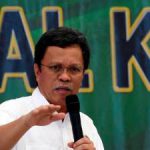
    Chief Minister Datuk Seri Mohd Shafie Apdal (pix) said the ban of all non-Sabahans through entry points for air, sea and land travellers, would apply except in reference to individuals approved by the state government and who have received certification from health authorities that they are free of Covid-19.

    “The ban on the entry of all foreign tourists and visitors to Sabah is also in effect, along with a ban on overseas travel for all Sabahans. Those who have just returned from overseas are required to undergo health screening, as well as self-isolation for a 14-day period,” he said, in a media statement issued today.

    Also to take effect is a complete state-wide ban on public gatherings including religious, sporting, social and cultural activities.

    “In order for this ban to take effect, all places of worship and business premies must close except for supermarkets, public markets, groceries, and convenience stores which sell essential items,” he said.

    Mohd Shafie said all government premises will also be closed except those providing essential services.

    On March 12, the state government had activated the State Disaster Management Committee headed by the State Secretary.

    “District-level disaster management committees have also been activated and are chaired by the district officers,” he added. – Bernama

    Sabah issues temporary immigration ban on non-Sabahans
    Read More
    https://www.thesundaily.my/local/sabah-issues-temporary-immigration-ban-on-non-sabahans-YC2141463

    Views: 0