Tag: Prevent

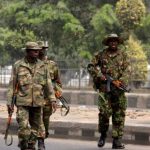
  • Petri Dish Detention By Mohammed Ibraheem Zakzaky

    Petri Dish Detention By Mohammed Ibraheem Zakzaky

    Petri Dish Detention By Mohammed Ibraheem Zakzaky 1

    Petri Dish Detention By Mohammed Ibraheem Zakzaky 2


    The world is gripped in the Coronavirus reality and the immense panic and disruption it brings along with it. This virulent scourge has cut a path less trodden by viruses, as it infects and spreads with little regard for all the norms of red tape that has allowed the murder and official disappearance of many, including my six brothers. By the time it begins to execute those whose death sentences it has written and signed it is always 10 steps ahead on the paperwork. That is almost eight steps ahead of professionals like Buhari.

    The virus is a near perfect beta of a doomsday virus. Even the most hard-line sceptics have ended up dumbfound by just how profoundly serious Covid-19 is as a survivalist organism that is here to accomplish its apocalyptic mission. Though many medical experts have since been pressured, pressed and forced to promise a vaccine and possible cure within the next few months to a year; the truth is that the threat is clearly unprecedented.

    In my case I went to sleep in a world where my priority was to deliver food and medical aid to my parents in Kaduna Prison; only to wake up and realize that there was an even larger number of factors in play. I slept knowing full well that it was an uphill battle against the entire regime of Major-General-Buhari and his army of punitive henchmen; to all of a sudden be confronted by a Diablo ex-Machina; courtesy of the novel corona virus AKA Covid-19.

    Now all visits to prison by anyone and everyone were effectively and strictly forbidden. I understood and reasoned that it was the proper measure to prevent contagion of this clearly deadly disease. The last thing I would want is to be a part of what makes my already sickly parents sicker; or worse.

    In spite of the fact that I had completed all arrangements to have doctors visit both my parents in Kaduna Prison, in order to provide them with relief for their existing medical conditions due to age and a plethora of wounds they sustained during the attack and subsequent ransacking of our home by the Nigerian Army. All of which have all gone untreated during the past five years.

    I still thought and reasoned that a quarantine of the entire area was the best measure possible in the short term, considering the existing circumstances. As a result of this I made all the necessary apologies to cancel appointments with all the doctors and hospitals, to ensure that the quarantine in Kaduna Prison will hold and be maintained. I then did all in my power to send masks, hand sanitizers, gloves, soap and vitamins. All in an effort to stay safe and keep everyone safe. 

    I have now since been jolted out of the stupor of perceived safety by terrible news. There has been a violent incident inside Kaduna Prison, which has rendered my memory of the Zaria Massacre of 2015 raw. As the harrowing sounds of another rampage of gun fire was heard from Kaduna Prison, where my parents are currently being detained.

    All my frantic calls to the Controller of Prisons and his deputy were not answered, as the sounds of gun fire continued to rage. All my efforts to learn what was really going on failed. I have however been able to learn a few things through the few answered calls. All of them agree on the following.

    1.      There has been a surge of Covid-19 symptomatic prisoners in Kaduna Prison.

    2.      Staff of the prison clinic have been avoiding three symptomatic prisoners particularly.

    3.      Three of them were removed and one was returned on Tuesday.

    4.      A number of Prisoners strongly objected to the re-introduction of the prisoners.

    5.      The prison staff tried to calm things down by trying to reason with them.

    6.      The Prison’s armed squad were then deployed, to supress an alleged prison break.

    7.      After a period of automatic fire in the air and on target, calm was restored.

    8.      The prisoners suspected of Covid-19 are among those reported shot and killed.

    9.      Bullet canisters were still littered all over the place 3 hours later.

    10.  Many of the Kaduna prison staff are visibly injured, some with serious injuries.

    11.  A significant number of the injured staff were seen walking around in blood-soaked uniforms.

    12.  So called normalcy has been enforced, and returned at an unknown cost.

    The fact remains that the highly crowded, unsanitary conditions of Kaduna Prison remains a highly contagious environment, that is no place for my vulnerable mother and father, both of whom are above 50 years of age. Both of whom are un-healthy, both of whom are suffering from an unprecedented number of health issues that have remained untreated and unattended.

    Due to a determination by the regime of Heil! Major-General Buhari and his now contagious Governor El-Rufai and their army of undertakers. It is unclear what is really going on at the site of all the intense gunfire that was heard in Kaduna Prison. Aside from the above stated facts, I can say no more.

    Opinion

    AddThis

    : 

    Original Author

    : 

    Mohammed Ibraheem Zakzaky

    Disable advertisements

    : 
    Petri Dish Detention By Mohammed Ibraheem Zakzaky
    Read More
    http://saharareporters.com/2020/04/01/petri-dish-detention-mohammed-ibraheem-zakzaky

    Views: 0

  • Joint Statement by QU Dongyu, Tedros Adhanom Ghebreyesus and Roberto Azevedo, Directors-General of the Food and Agriculture Organization of the United Nations (FAO), the World Health Organization (WHO) and the World Trade Organization (WTO)

    Millions of people around the world depend on international trade for their food security and livelihoods. As countries move to enact measures aiming to halt the accelerating COVID-19 pandemic, care must be taken to minimise potential impacts on the food supply or unintended consequences on global trade and food security. 

    When acting to protect the health and well-being of their citizens, countries should ensure that any trade-related measures do not disrupt the food supply chain. Such disruptions including hampering the movement of agricultural and food industry workers and extending border delays for food containers, result in the spoilage of perishables and increasing food waste. Food trade restrictions could also be linked to unjustified concerns on food safety. If such a scenario were to materialize, it would disrupt the food supply chain, with particularly pronounced consequences for the most vulnerable and food insecure populations. 

    Uncertainty about food availability can spark a wave of export restrictions, creating a shortage on the global market. Such reactions can alter the balance between food supply and demand, resulting in price spikes and increased price volatility. We learned from previous crises that such measures are particularly damaging for low-income, food-deficit countries and to the efforts of humanitarian organizations to procure food for those in desperate need.

    We must prevent the repeat of such damaging measures. It is at times like this that more, not less, international cooperation becomes vital. In the midst of the COVID-19 lockdowns, every effort must be made to ensure that trade flows as freely as possible, specially to avoid food shortage. Similarly, it is also critical that food producers and food workers at processing and retail level are protected to minimise the spread of the disease within this sector and maintain food supply chains. Consumers, in particular the most vulnerable, must continue to be able to access food within their communities under strict safety requirements.  

    We must also ensure that information on food-related trade measures, levels of food production, consumption and stocks, as well as on food prices, is available to all in real time. This reduces uncertainty and allows producers, consumers and traders to make informed decisions. Above all, it helps contain ‘panic buying’ and the hoarding of food and other essential items.

    Now is the time to show solidarity, act responsibly and adhere to our common goal of enhancing food security, food safety and nutrition and improving the general welfare of people around the world.  We must ensure that our response to COVID-19 does not unintentionally create unwarranted shortages of essential items and exacerbate hunger and malnutrition.

    Read More
    https://www.who.int/news-room/detail/30-03-2020-joint-statement-by-qu-dongyu-tedros-adhanom-ghebreyesus-and-roberto-azevedo-directors-general-of-the-food-and-agriculture-organization-of-the-united-nations-(fao)-the-world-health-organization-(who)-and-the-world-trade-organization-(wto)

    Views: 0

  • NHRC Warns Security Agencies Against Torture, Impunity In Enforcement Of COVID-19 Lockdown

    NHRC Warns Security Agencies Against Torture, Impunity In Enforcement Of COVID-19 Lockdown

    NHRC Warns Security Agencies Against Torture, Impunity In Enforcement Of COVID-19 Lockdown 3

    NHRC Warns Security Agencies Against Torture, Impunity In Enforcement Of COVID-19 Lockdown 4


    The National Human Rights Commission has warned that the enforcement of Covid-19 lockdown directives must be carried out without torture, inhuman and degrading treatment of Nigerians.

    The commission called on law enforcement agencies across the country to ensure that they carried out their duties without undue violation of the rights of Nigerians.

    The NHRC in a statement by its Executive Secretary, Mr Tony Ojukwu, stressed that any act of torture, cruel inhuman and other degrading treatments should not be employed in enforcing compliance, adding that any arrest connected to the implementation of the Covid-19 lockdown directives must be treated in accordance with national and international best practices. 

    Ojukwu said, “For the purposes of clarity, Article 2 of the Convention Against Torture and other Cruel, Inhuman or Degrading or Punishment which Nigeria is a signatory, states that “each state party shall take effective, administrative, judicial or other measures to prevent acts of torture in any territory under its jurisdiction.

    “No exceptional circumstances whatsoever, whether a state of war, a threat of war, international political instability or any other public emergency, may be invoked as a justification of torture.”

    The NHRC explained that it was imperative to note that an order from a superior officer or public authority cannot provide an excuse for any security personnel to perpetuate acts of torture or cruel treatment against innocent citizens.

    The commission commended the efforts of the various health workers, who have exhibited professional and patriotic zeal to contain the virus and ensure the safety of all Nigerians.


    Human Rights

    PUBLIC HEALTH

    News

    AddThis

    : 

    Original Author

    : 

    SaharaReporters, New York

    Disable advertisements

    : 
    NHRC Warns Security Agencies Against Torture, Impunity In Enforcement Of COVID-19 Lockdown
    Read More
    http://saharareporters.com/2020/03/31/nhrc-warns-security-agencies-against-torture-impunity-enforcement-covid-19-lockdown

    Views: 0

  • World TB Day 2020 Newsletter

    World TB Day 2020 Newsletter

    Latest news and updates from WHO

    World TB Day 2020 Newsletter 5

    Dear colleagues and friends,

    World TB Day, this year, comes at a sobering time – as the world grapples with the COVID-19 pandemic. We stand in solidarity with those affected, those at the frontlines of the fight to combat COVID-19, as well as those who continue efforts to support
    those ill with longstanding health problems like TB, HIV and other diseases. However, we cannot forget the millions and their families who battle TB every day and lose their lives to this ancient disease – which remains the world’s top
    infectious killer.

    As eloquently emphasized by WHO Director-General Dr Tedros Adhanom Ghebreyesus in his press briefing on COVID-19 yesterday, “I’d like to remind everyone that although COVID-19 is dominating the world’s attention-there is another respiratory
    disease that is both preventable and treatable, but kills 1.5 million people every year – that disease is tuberculosis”

    “It’s Time”, the focus for World TB Day this year is therefore on urgently accelerating the TB response to save lives and end suffering, even in times of crisis. This will be essential if we are to reach the targets and commitments made
    by Heads of State at the 2018 UN High Level Meeting on TB. 

    We have made important strides against the TB epidemic to date.

    We announced last year, that more people received life-saving treatment for tuberculosis in 2018 than ever before, largely due to improved detection and diagnosis. Globally, 7 million people were diagnosed and treated for TB – up from 6.4 million in 2017
    – enabling the world to meet one of the milestones towards the United Nations political declaration targets on TB and the WHO Director-General Flagship Initiative Find.Treat.All End TB jointly with Stop TB Partnership and the Global Fund. This
    has been a big win for the TB community.

    WHO is working with countries to roll out important guidelines, including a comprehensive package on TB preventive treatment released today, and updated MDR TB guidelines to promote the use of all-oral regimens for patients with drug-resistant TB which
    would be helpful – particularly at this point, when visiting health centers is a challenge. Furthermore, WHO has developed a note to guide and urge countries to ensure continuity of TB services during the COVID-19 pandemic.

    We are strengthening our collaboration with civil society – more information is highlighted in the WHO Civil Society Taskforce Progress Review released today.

    Youth mobilization is being ramped up through the WHO 1+1 Youth Initiative to end TB and the Global Youth Declaration to End TB. Multisectoral accountability is being promoted in countries through our framework and we have finalized a new global strategy
    on TB research and innovation, that will be reviewed by the World Health Assembly.

    Yet, the gains we have made are at risk – if there is any slackening of commitment and action, especially in times of crisis.

    We are at a crossroads and we need to unite forces to take the path of success that will save lives and end suffering.

    I was especially heartened today, to see the TB community coming together like never before. We all took our events to the virtual realm due to COVID-19 lockdowns. The WHO Online Talk Show held this afternoon, had a powerful line up of speakers that included,
    TB survivors and advocates, civil society, high level government representatives, heads of agencies, researchers and partners. As of this evening we have surpassed 10,000 views on YouTube. I also participated in townhalls organized by Stop TB Partnership.
    Our joint efforts have indeed ensured a continuing spotlight on those affected by TB, and clearly shows that no matter what the barrier, we can surpass it if we work together.

    I am proud to stand shoulder-to-shoulder with you all virtually – and recommit to champion End TB efforts till we reach the finish line.

    It’s time to deliver on our promises and ensure no one is left behind.

    It’s time to End TB!

    Dr Tereza Kasaeva
    Director
    Global TB Programme
    World Health Organization


    World TB Day Talk Show

    World TB Day 2020 Newsletter 6

    In the backdrop of the global battle against COVID-19, WHO organized a special online talk show to mark World TB Day 2020. The talk show had a powerful line up of speakers from among TB survivors and advocates, civil society, high-level government representatives,
    heads of agencies, researchers and partners. The video was streamed live on WHO’s Youtube channel crossing over 10,000 views in a few hours. Watch the talk show video


    Spotlight on TB Preventive Treatment

    New WHO recommendations to prevent tuberculosis aim to save millions of lives

    24 March 2020 News release

    Geneva –  New World Health Organization (WHO) guidance will help countries accelerate efforts to stop people with tuberculosis (TB) infection becoming sick with TB by giving them preventive treatment. A quarter of the world‘s population
    is estimated to be infected with TB bacteria. These people are neither sick nor contagious. However, they are at greater risk of developing TB disease, especially those with weakened immunity. Offering them TB preventive treatment will not only protect
    them from becoming sick but also cut down on the risk of transmission in the community. Read more

    The full package is available below and at our World TB Day Campaign Page


    WHO Civil Society Taskforce on TB: Progress Review

    The WHO Civil Society Taskforce provides a platform for meaningful engagement of civil society, building on the commitment of the Director-General, with emphasis on harnessing the untapped potential in engagement with civil society and affected communities
    al all levels. To mark World TB Day 2020, the Task Force has released a Progress Review highlighting key achievements since its formation in 2018.

    Access link here


    WHO eTB guidelines: A digital platform to promote adolopment of TB recommendations

    World TB Day 2020 Newsletter 7

    WHO Global TB Programme / McMaster University

    The WHO Global Tuberculosis (TB) Programme, in collaboration with McMaster University, Canada, is developing a smart platform to improve access to and use of all WHO recommendations on TB prevention and care. The WHO eTB guidelines platform will facilitate
    the adoption, adaptation and implementation (“adolopment”) by countries of recommendations across the continuum of care. This digital platform will provide a variety of users – TB programme managers, healthcare workers including
    nurses, researchers, patients and affected communities – with easy access to all essential information about WHO-s current policy guidance on TB.

    The first set of recommendations on TB preventive treatment were released on this new platform on World TB Day.

    WHO eTB guidelines platform

    Infographic


    TB and COVID-19

    24 March 2020 News release

    Geneva –  As the world comes together to tackle the COVID-19 pandemic, it is important to ensure that essential health services and operations are continued to protect the lives of people with TB and other diseases or health conditions. Health services,
    including national programmes to combat TB, need to be actively engaged in ensuring an effective and rapid response to COVID-19 while ensuring that TB services are maintained. Read more


    Let’s never forget: It’s time to end TB

    Ksenia Schenina

    World TB Day 2020 Newsletter 8

    Ksenia Schenina

    24 March 2020 Photo story

    On World TB Day 2020, the theme – “Its time” – stresses the urgency to end the TB epidemic. TB survivor and advocate, Ksenia Schenina, talks about her struggle with the disease, the persistence of stigma and the role that remembrance can play
    in fighting it.   Through her TB memorial project, she aims to remember those who passed away from this terrible and ancient disease. “We do it to show what kind of people they were – what kind of things they liked, what kind of music
    they listened to and what their favorite movies were; if they liked fishing or dreamt of a flight to space,” she says. Read more


    Commentary

    To end TB, we must invest in research and innovation

    24 March 2020 Commentary

    If the world is to get anywhere near ending TB, a disease that killed more than 1.5 million people in 2018, something significant needs to change.

    TB remains the world’s leading infectious killer and yet, in the last 50 years, only three new drugs and regimes have been developed to combat the disease. “What we need is more research and more tools in the pipeline; better diagnostics,
    more effective vaccines, and safer, shorter drug regimes,” explains Dr Tereza Kasaeva, Director of the World Health Organization Global Tuberculosis Programme. Read more


    Emily: A Day in the Life of a TB Nurse

    World TB Day 2020 Newsletter 9

    Maria Emily C. Ballesteros

    Watch this story of Emily, a nurse managing the tuberculosis (TB) program of the City Health Office in Tuguegarao City. Her dream for Tuguegarao is to one day see zero TB cases and that no one dies from this infectious disease. Nurses and healthcare workers
    play a critical role in TB prevention and care. It’s time to invest in them to improve healthcare for all. We thank all the nurses, midwives and healthcare workers working to #EndTB! Watch the video


    Updates and messages

    New research tool supports scale-up of digital technologies to End TB

    24 March 2020 TDR news item

    National anti-tuberculosis efforts are increasingly involving digital technologies, such as mobile applications to support treatment adherence and electronic surveillance systems that enable real-time monitoring of a country’s TB situation. Read more

    World TB Day 2020: It’s Time for solidarity

    24 March 2020 HIV/TB news item

    At this unique time in history when the world is grappling with the COVID-19 pandemic, the WHO Department of Global HIV, Hepatitis and STI Programmes stands in solidarity with governments and communities as they seek to maintain health services
    and continue to address the needs of patients suffering from HIV and tuberculosis (TB).  Read more

    New, shorter treatment to prevent TB to be rolled out in five high TB burden countries

    24 March 2020 news item

    Three-month regimen expected to prevent TB in those at highest risk of developing the disease, including people living with HIV and children under the age of five
    Today, the Aurum Institute and its partners, as part of the IMPAACT4TB project, announced that five high-burden TB countries will roll out a new, shorter drug regimen (known as 3HP) to prevent TB. The announcement comes as countries around the world mark World TB Day, which takes place every year on March 24th. Countries that will initially provide the new regimen with funding from Unitaid, U.S. PEPFAR and the Global Fund include Cambodia, Ethiopia, Kenya, Malawi, South Africa and Zimbabwe. More than 120,000 patient courses of 3HP will be delivered by the project to 12 countries in 2020. An additional 1 million patient courses are expected to reach low- and middle-income countries by the end of the year, through the combined support of Unitaid, Global Fund, the Stop TB Partnership’s Global Drug Facility (GDF) and PEPFAR. Read more
    World TB Day 2020 Newsletter
    Read More
    https://www.who.int/news-room/detail/30-03-2020-world-tb-day-2020-newsletter

    Views: 0

  • Istana Selangor: All visitors to three palaces must undergo temperature checks

    Istana Selangor: All visitors to three palaces must undergo temperature checks

    Istana Selangor: All visitors to three palaces must undergo temperature checks 10

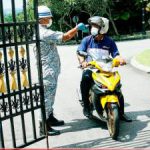
    SHAH ALAM: The Office of the Sultan of Selangor has made it compulsory for all visitors conducting businesses at three palaces in the state to undergo temperature checks before being allowed to enter the areas concerned to prevent the spread of Covid-19.

    Comptroller of the Selangor Royal Household Sawaluddin Md Nor said three units of temperature detectors had been stationed at the main entrance gates of Istana Alam Shah in Klang, Istana Bukit Kayangan and Istana Mestika here for the purpose.

    ‘’All visitors and contractors must first be examined at the main entrances to determine their health. This is important to determine if they have the symptoms for Covid-19,’’ he said via a statement uploaded on the Selangor Royal Office official website, today.

    He said all the palace staff had also undergone a mandatory examination on March 9 and the results had been negative.

    According to Sawaluddin, the Selangor Royal Office was also supplying face and nose masks and sanitation fluid to the personnel required to work in rotation in certain areas until the Movement Control Order (MCO) ended.

    ‘’The residential area of the palace staff in Kampung Seri Alam, Klang is also closely guarded by the police.

    ‘’We also laud the order of the Sultan (of Selangor) who wants all his staff especially those staying in the Kampung Seri Alam area to stay home and not wander outside the area to avoid the risk of being infected by Covid-19,’’ he said. — Bernama

    Istana Selangor: All visitors to three palaces must undergo temperature checks
    Read More
    https://www.thesundaily.my/local/istana-selangor-all-visitors-to-three-palaces-must-undergo-temperature-checks-LH2191490

    Views: 0

  • Patients who recover from Covid-19 can get infected again if guidelines not followed

    Patients who recover from Covid-19 can get infected again if guidelines not followed

    Patients who recover from Covid-19 can get infected again if guidelines not followed 11

    PUTRAJAYA: Patients who fully recover and from Covid-19 and are discharged from hospitals can be infected by the virus again if they defy advice issued by the Ministry of Health (MOH).

    Health director-general Datuk Dr Noor Hisham Abdullah (pix) said although the possibility of them being infected again is very low, they are advised to maintain cleanliness and self-hygiene to prevent getting the virus again.

    “There is the possibility of the patients to be re-infected, but before they are discharged from the ward, we advise them to take preventive measures by maintaining their self-hygiene and cleanliness to avoid being infected by the virus again.

    “If those who have been discharged do not maintain their cleanliness and do not take precautions, they can be re-infected, but the chances of them to be re-infected is slim,” he told a daily press conference here today.

    He advised patients who have recovered from Covid-19 to adopt a healthy lifestyle and to always take precautionary measures as advised by MOH.

    So far, he said, there have been no cases of recurrence during the first and second wave of the outbreak in the country.

    On the cause of the Covid-19 infection in Kampung Datuk Ibrahim Majid and Bandar Baru Datuk Ibrahim Majid in Simpang Renggam, Kluang, Johor, he said the matter was being investigated.

    “From preliminary investigation, we have found that there may be four clusters associated with the tabligh congregation.

    “There are four index cases who attended the tabligh assembly at the Sri Petaling Mosque. Perhaps, they returned to the village to attend weddings and also joined mosque congregation for prayers that the virus spread to villagers in the area,“ he said.

    On the latest number of tabligh participants who were screened, he said MoH screened 13,762 individuals with a total of 12,317 samples taken.

    Of the total samples screened, 1,137 were positive, 6,623 negative and 4,557 still pending, he added. — Bernama

    Patients who recover from Covid-19 can get infected again if guidelines not followed
    Read More
    https://www.thesundaily.my/local/patients-who-recover-from-covid-19-can-get-infected-again-if-guidelines-not-followed-EG2190143

    Views: 0

  • MCO: Five jailed three months each after throwing drink cans at police

    MCO: Five jailed three months each after throwing drink cans at police

    MCO: Five jailed three months each after throwing drink cans at police 12

    KUALA LUMPUR: Five men were sentenced to three months’ jail each by the magistrates’ court here today for criminal violence against a policeman who was conducting his duty to prevent the spread of Covid-19, following the Movement Control Order (MCO), effective March 18.

    Magistrate M. Saravanan sentenced D. Candran, 38, K. Kandasamy, 50, D. Thavachilan, 34, D. Gunalan, 39, and D. Ravintran, 36, after they pleaded guilty to the charges which were read to them.

    The court ordered all the accused to serve their jail terms starting today.

    They had used criminal violence by throwing cans of liquor and arguing with Lance Corporal Mohd Adnin Che Ani, a police personnel in the course of performing his duties as a civil servant.

    They were all charged with the offense at the Food Truck Site, Jalan Tun Mohd Fuad 2, Taman Tun Dr Ismail, here, at 5pm, March 25, under Section 353 of the Penal Code which provides for a maximum jail term of two years or with fines or both, if found guilty.

    According to the facts of the case, on the day of the incident the victim was with his partner patrolling the area and advised a group of men, who were drinking alcohol, to avoid gathering in the open.

    The victim ordered all of the accused to present their identity cards, however, two of the accused threw cans of liquor at him while another recorded the situation using his cellphone.

    Deputy Public Prosecutor Abdul Khaliq Nazeri called for an appropriate punishment in the form of a deterrent sentence for their offenses during the MCO and to show the public that the court would not compromise especially during the current state of affairs in the country.

    The five accused, represented by a lawyer from the National Legal Aid Foundation Erni Ahmad, appealed for light sentences as they were each supporting a wife and family.

    Another man, B. Pavitrn, 23, was fined RM1,000 or two months in jail after pleading guilty to moving from a residential area in Danau Murni to a supermarket, a place in the area of infection without the intention of doing anything provided under Section 7(1) of the Prevention and Control of Infectious Diseases (Measures within the Infected Local Areas) Regulations 2020, at 3.20 am today (March 27).

    The accused was charged under Section 7 (1) of the same regulation, which provides for a maximum fine of RM1,000 or imprisonment not exceeding six months or both, upon conviction. — Bernama

    MCO: Five jailed three months each after throwing drink cans at police
    Read More
    https://www.thesundaily.my/local/mco-five-jailed-three-months-each-after-throwing-drink-cans-at-police-YG2190100

    Views: 0

  • Schistosomiasis elimination: refocusing on snail control to sustain progress

    Schistosomiasis elimination: refocusing on snail control to sustain progress

    Substantial progress has been made during the past decade to prevent and control schistosomiasis (also known as bilharziasis) globally. The disease affects more than 230 million people, mostly in sub-Saharan Africa.

    Progress is mainly due to large-scale periodic treatment of affected populations with praziquantel, the only medicine recommended by the World Health Organization (WHO) against all forms of schistosomiasis. Regular treatment cures mild symptoms and prevents
    progression to severe, chronic disease.

    “Through progressive scale-up of periodic large-scale treatment
    to control morbidity in many endemic countries, we are closer to
    achieving the minimum target of 75% global coverage of all school‐aged
    children,
    ” said Dr Amadou Garba Djirmay, who leads WHO’s global schistosomiasis control programme. “But
    if we want to achieve elimination, we must go a step further to
    introduce snail control in hot spots and in areas targeting elimination.
    This is bound to increase impact and accelerate progress towards
    interruption of transmission
    .”

    Expansion of treatment is largely supported by donated praziquantel from Merck KGaA of up to 250 million tablets annually. In 2018, almost 78 million children were treated, representing 63% of all school‐aged children eligible for treatment.

    Transmission: role of snails

    Schistosomiasis is an acute, chronic parasitic disease caused by infection with trematode worms of the genus Schistosoma. It is prevalent in tropical and subtropical areas, especially in poor, rural communities that have little or no access to
    safe drinking‐water and basic sanitation. Infection is transmitted when people suffering from schistosomiasis contaminate freshwater sources when evacuating urine and faeces containing the parasite’s eggs.

    Once an egg comes into contact with fresh water, it releases miracidia (hatchlings) which enter a snail and produce hundreds of cercariae (larvae) daily. The cercariae enter the human body on contact with the skin and develop into adult worms.

    Besides treatment with praziquantel, eliminating snail hosts and improving sanitation are important methods for sustainable prevention of the disease. Dam and irrigation projects are known to be potential sites for outbreaks of the disease. Snail management,
    often achieved through mollusciciding, can help to reduce transmission by eliminating these intermediate snail hosts.

    Vector control

    In 2017, the World Health Assembly – WHO’s decision making body – adopted resolution WHA70.16 on the Global Vector Control
    Response, calling on Member States to develop or adapt national vector control strategies and operational plans. The strategy aims to reduce by at least 40% the incidence of vector borne diseases, including schistosomiasis, by 2025.

    In response, WHO is reinforcing snail control as part of its strategic approach to achieve the target of eliminating schistosomiasis as a public health problem and, ultimately, the goal of elimination of transmission. Snail control will complement mass
    treatment campaigns and sustain the public health impact of this core intervention.

    To facilitate implementation of snail control, in 2019 WHO published on specific, standardized procedures and criteria for efficacy
    testing and evaluation and in 2017 a manual on the use of molluscicides in the field. WHO is also planning to strengthen capacities
    of health staff in medical malacology in order to reinforce snail control activities in countries.

    In the past, molluscicides (particularly niclosamide1 based products) were widely used in schistosomiasis control programmes. For example, in China programmes largely relied on snail control for over 30 years to overcome the disease as a public
    health problem. In other parts of the world, however, snail control programmes were gradually discontinued and competencies faded away.

    “Snail control is a crucial component of the global schistosomiasis elimination strategy,” said Dr Rajpal Yadav, Scientist, WHO Department of Control of Neglected Tropical Diseases. “It
    is time we look for new snail control products that are cost–effective
    and of low risk to humans and the environment. Some efforts are being
    made to explore molluscicide compounds from plants, marine algae and
    microorganisms
    .”

    An integrated control strategy involving mass treatment with praziquantel, snail control and environmental modification, wider access to sanitation and safe water, economic and environmental development, health education and poverty-alleviation can greatly
    contribute to sustainable control and elimination of schistosomiasis.

    WHO’s new road map on neglected tropical diseases for 2021–2030, due to be launched later this year, advocates enhanced financial and political support to achieve the target of interruption of transmission. Additional research to address gaps,
    develop tools and optimize the impact of existing programmes with snail control will complement the core strategic approach.

    Schistosomiasis: forms of the disease

    There are two major forms of schistosomiasis – intestinal and urogenital.

    Intestinal schistosomiasis usually results in diarrhoea and blood in the stool; enlargement of the liver and of the spleen and portal hypertension are common in advanced cases.

    Urogenital schistosomiasis is characterized by the presence of blood in the urine. Chronic infection results in fibrosis of the bladder and ureter that can evolve to hydronephrosis and create conditions for bladder cancer.

    In women, urogenital schistosomiasis can cause vaginal bleeding, pain during sexual intercourse and nodules in the vulva, a condition now described as female genital schistosomiasis. In men, urogenital schistosomiasis can induce disease in the seminal
    vesicles and prostate.


    1Limitations with the use of formulations based on niclosamide include restrictions on the usage of water immediately after application and temporary toxicity to non-target aquatic organisms including
    fish, amphibians and invertebrates. 


        Schistosomiasis elimination: refocusing on snail control to sustain progress
        Read More
        https://www.who.int/news-room/detail/25-03-2020-schistosomiasis-elimination-refocusing-on-snail-control-to-sustain-progress

        Views: 0

      • WHO urges countries to ensure the continuity of malaria services in the context of the COVID-19 pandemic


        The COVID-19 pandemic is testing the resilience of robust health systems around the world. Recognizing the heavy toll that malaria exacts on vulnerable populations in sub-Saharan Africa, as well as the region’s fragile health infrastructure, WHO underlines the critical importance of sustaining efforts to prevent, detect and treat malaria.

        “As COVID-19 continues its rapid spread, WHO would like to send a clear message to malaria-affected countries in Africa,” said Dr Pedro Alonso, Director of the WHO Global Malaria Programme. “Do not scale back your planned malaria prevention, diagnostic and treatment activities. If someone living in a place with malaria develops a fever, he or she should seek diagnosis and care as soon as possible.”

        Ensuring access to core malaria prevention measures is an important strategy for reducing the strain on health systems; these include vector control measures, such as insecticide-treated nets and indoor residual spraying, as well as chemoprevention for pregnant women and young children (intermittent preventive treatment in pregnancy, intermittent preventive treatment in infants and seasonal malaria chemoprevention). Additional special measures could ease the burden on health systems in the context of COVID-19, such as presumptive malaria treatment and mass drug administration.

        Any interventions must consider the importance of both lowering malaria-related mortality and ensuring the safety of communities and health workers. WHO will provide guidance for countries to safely maintain essential health services in the context of the COVID-19 response.

        About COVID-19

        COVID-19 is the infectious disease caused by the most recently discovered coronavirus. This new virus and disease were unknown before the outbreak began in Wuhan, China, in December 2019. Essential information on the COVID-19 pandemic can be found in a dedicated WHO site.

        About malaria

        Malaria is a preventable and treatable disease caused by parasites that are transmitted to people through the bites of infected female Anopheles mosquitoes. In 2018, there were an estimated 228 million cases of malaria worldwide and 405 000 malaria-related deaths. For more on malaria, visit: www.who.int/malaria


        Read More
        https://www.who.int/news-room/detail/25-03-2020-who-urges-countries-to-ensure-the-continuity-of-malaria-services-in-the-context-of-the-covid-19-pandemic

        Views: 0

      • Motac to introduce new campaign to replace VM2020

        Motac to introduce new campaign to replace VM2020

        Motac to introduce new campaign to replace VM2020 13

        KUALA LUMPUR: The Ministry of Tourism, Arts and Culture (Motac) will introduce a new campaign to replace the Visit Malaysia 2020 (VM2020) campaign, which was cancelled following the Covid-19 situation.

        Minister Datuk Seri Nancy Shukri said the long-term campaign would capitalise on the ‘Malaysia, Truly Asia’ brand while highlighting the country’s unique experiences.

        “Motac is confident that this effort will strengthen the country’s competitiveness and sustainability in tourism while ensuring the industry is inclusive,“ she said in a statement today.

        On March 18, Nancy announced the immediate cancellation of VM2020 to prevent the spread of Covid-19, in addition to the impact of the outbreak, which had affected the local and international tourism sector.

        Following the Covid-19 outbreak, Nancy said tourism industry players such as hoteliers, travel agents as well as food and beverage businesses suffered an estimated losses of RM9 billion in the first quarter of the year.

        As such she said, after discussing with the industry players on March 17, it was decided that a strategic action plan should be introduced.

        “Motac has put in place an action plan to help revitalise the industry and ensure the well-being of Malaysians whose livelihoods depend on this industry.

        “Among those present were representatives of the associations from the hotel and tourism industry, bus operators, traders, tour guides and taxi drivers. The meeting was organised by the Tourism Recovery Action Council (TRAC),“ she added.

        Nancy said Motac would discuss with the Ministry of Finance and related agencies, in looking into details tabled by the tourism industry players especially on the forms of assistance that could be channeled to the industry. – Bernama

        Motac to introduce new campaign to replace VM2020
        Read More
        https://www.thesundaily.my/local/motac-to-introduce-new-campaign-to-replace-vm2020-NX2176593

        Views: 0