Tag: Poor

  • Schistosomiasis elimination: refocusing on snail control to sustain progress

    Schistosomiasis elimination: refocusing on snail control to sustain progress

    Substantial progress has been made during the past decade to prevent and control schistosomiasis (also known as bilharziasis) globally. The disease affects more than 230 million people, mostly in sub-Saharan Africa.

    Progress is mainly due to large-scale periodic treatment of affected populations with praziquantel, the only medicine recommended by the World Health Organization (WHO) against all forms of schistosomiasis. Regular treatment cures mild symptoms and prevents
    progression to severe, chronic disease.

    “Through progressive scale-up of periodic large-scale treatment
    to control morbidity in many endemic countries, we are closer to
    achieving the minimum target of 75% global coverage of all school‐aged
    children,
    ” said Dr Amadou Garba Djirmay, who leads WHO’s global schistosomiasis control programme. “But
    if we want to achieve elimination, we must go a step further to
    introduce snail control in hot spots and in areas targeting elimination.
    This is bound to increase impact and accelerate progress towards
    interruption of transmission
    .”

    Expansion of treatment is largely supported by donated praziquantel from Merck KGaA of up to 250 million tablets annually. In 2018, almost 78 million children were treated, representing 63% of all school‐aged children eligible for treatment.

    Transmission: role of snails

    Schistosomiasis is an acute, chronic parasitic disease caused by infection with trematode worms of the genus Schistosoma. It is prevalent in tropical and subtropical areas, especially in poor, rural communities that have little or no access to
    safe drinking‐water and basic sanitation. Infection is transmitted when people suffering from schistosomiasis contaminate freshwater sources when evacuating urine and faeces containing the parasite’s eggs.

    Once an egg comes into contact with fresh water, it releases miracidia (hatchlings) which enter a snail and produce hundreds of cercariae (larvae) daily. The cercariae enter the human body on contact with the skin and develop into adult worms.

    Besides treatment with praziquantel, eliminating snail hosts and improving sanitation are important methods for sustainable prevention of the disease. Dam and irrigation projects are known to be potential sites for outbreaks of the disease. Snail management,
    often achieved through mollusciciding, can help to reduce transmission by eliminating these intermediate snail hosts.

    Vector control

    In 2017, the World Health Assembly – WHO’s decision making body – adopted resolution WHA70.16 on the Global Vector Control
    Response, calling on Member States to develop or adapt national vector control strategies and operational plans. The strategy aims to reduce by at least 40% the incidence of vector borne diseases, including schistosomiasis, by 2025.

    In response, WHO is reinforcing snail control as part of its strategic approach to achieve the target of eliminating schistosomiasis as a public health problem and, ultimately, the goal of elimination of transmission. Snail control will complement mass
    treatment campaigns and sustain the public health impact of this core intervention.

    To facilitate implementation of snail control, in 2019 WHO published on specific, standardized procedures and criteria for efficacy
    testing and evaluation and in 2017 a manual on the use of molluscicides in the field. WHO is also planning to strengthen capacities
    of health staff in medical malacology in order to reinforce snail control activities in countries.

    In the past, molluscicides (particularly niclosamide1 based products) were widely used in schistosomiasis control programmes. For example, in China programmes largely relied on snail control for over 30 years to overcome the disease as a public
    health problem. In other parts of the world, however, snail control programmes were gradually discontinued and competencies faded away.

    “Snail control is a crucial component of the global schistosomiasis elimination strategy,” said Dr Rajpal Yadav, Scientist, WHO Department of Control of Neglected Tropical Diseases. “It
    is time we look for new snail control products that are cost–effective
    and of low risk to humans and the environment. Some efforts are being
    made to explore molluscicide compounds from plants, marine algae and
    microorganisms
    .”

    An integrated control strategy involving mass treatment with praziquantel, snail control and environmental modification, wider access to sanitation and safe water, economic and environmental development, health education and poverty-alleviation can greatly
    contribute to sustainable control and elimination of schistosomiasis.

    WHO’s new road map on neglected tropical diseases for 2021–2030, due to be launched later this year, advocates enhanced financial and political support to achieve the target of interruption of transmission. Additional research to address gaps,
    develop tools and optimize the impact of existing programmes with snail control will complement the core strategic approach.

    Schistosomiasis: forms of the disease

    There are two major forms of schistosomiasis – intestinal and urogenital.

    Intestinal schistosomiasis usually results in diarrhoea and blood in the stool; enlargement of the liver and of the spleen and portal hypertension are common in advanced cases.

    Urogenital schistosomiasis is characterized by the presence of blood in the urine. Chronic infection results in fibrosis of the bladder and ureter that can evolve to hydronephrosis and create conditions for bladder cancer.

    In women, urogenital schistosomiasis can cause vaginal bleeding, pain during sexual intercourse and nodules in the vulva, a condition now described as female genital schistosomiasis. In men, urogenital schistosomiasis can induce disease in the seminal
    vesicles and prostate.


    1Limitations with the use of formulations based on niclosamide include restrictions on the usage of water immediately after application and temporary toxicity to non-target aquatic organisms including
    fish, amphibians and invertebrates. 


        Schistosomiasis elimination: refocusing on snail control to sustain progress
        Read More
        https://www.who.int/news-room/detail/25-03-2020-schistosomiasis-elimination-refocusing-on-snail-control-to-sustain-progress

        Views: 0

      • COVID-19: Should Education Hit A Pause Or Are We Just Unprepared In Nigeria? By Olabisi Deji-Folutile

        COVID-19: Should Education Hit A Pause Or Are We Just Unprepared In Nigeria? By Olabisi Deji-Folutile

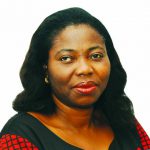
        Olabisi Deji-Folutile
        Olabisi Deji-Folutile

        COVID-19: Should Education Hit A Pause Or Are We Just Unprepared In Nigeria? By Olabisi Deji-Folutile 1Olabisi Deji-Folutile


        The world is facing its most trying and unprecedented times as the last few weeks have been most challenging for almost everybody.  What started in Wuhan, China, as an epidemic, has put the entire world in disarray.  Major streets across the globes have become empty. Both the rich and the poor are being ravaged by the plague of COVID-19, which the World Health Organisation has rightly described as a pandemic. Work places have been shut; religious and social gatherings banned and many countries are on total lockdown, in a bid to curb the spread of this viral disease. Expectedly, schools are also affected across board.  Every day people are being told to embrace social distancing and suddenly things like human contacts, hitherto considered as free gifts of life, are becoming very expensive.

        No one knows when this whole chaos will end, so people are making different kinds of adjustments to cope with the situation while it lasts. Many companies have shifted their operations online. Likewise, many schools have opted for e-learning, making use of available technology for teaching and learning.

         Universities around the world are making use of communication technology to ease the effects of the global pandemic on their academic calendars.   In China, universities are going for online teaching instead of in-class teaching; the ones in Australia have moved their classes online just as UK universities have suspended face-to-face teaching.  Turkey started its remote university classes on March 23. In Kenya, universities have activated communication between lecturers and students via social media platforms and emails while classes have gone totally online in the Philippines and Kyrgyzstan.  Teachers in France have been working with their students on Zoom.  

        Just a few days ago, Ghana’s President Addo Dankwa Akufo-Addo, directed the ministry of education to collaborate with the ministry of communications in rolling out open learning programmes in response to the closure of all educational institutions in the country. In the same vein, Mount Kenya University’s Vice-Chancellor Peter Wanderi, has announced the extension of online teaching platforms for regular students to facilitate the learning process.  And to take care of the over six million students that have experienced disruption to their studies, ten North African and 12 Arab countries have begun work on an e-learning initiative to facilitate open and online education.

        These are some of the steps being taken across the globe to bridge the gap created by school closure in the wake of COVID-19.  Unfortunately, while all these activities are going on in other parts of the world, Nigerian government has not said anything about steps being taken to take care of its students’ community.  Rather, the only message from the Federal Government was a total closure of all tertiary institutions and FG-owned unity schools till further notice. A statement issued by the National Universities Commission simply said universities would remain   shut   for one month while the Education Minister, Adamu Adamu, said tertiary institutions would remain shut indefinitely.

         Assuming government has been overwhelmed by the burden of controlling the spread of COVID- 19, hence its silence on options for learning for its teeming student population, one would have expected the higher institutions themselves to at least say something, but as it is, they too are not helping matters. The silence in our universities has been deafening. To worsen the situation, the Academic Staff Union of Universities, decided to choose this time, of all times, to embark on an indefinite strike. One wonders how the academic body   manages to feel comfortable being on a strike at a time when researchers across the globe   are busy looking for solution to a pandemic that is ravaging the entire world.  This kind of action makes one query the essence of having Research and Development as a core component of tertiary education in Nigeria when researchers can be nowhere to be found at a critical time of societal needs.

        By now, our researchers should be adding their voices to the various efforts being made towards developing a vaccine or cure for COVID-19. After all, universities are expected to proffer solutions to societal problems.  This is a wrong time for ASUU to embark on an indefinite strike. This should be a time of strategising and proffering solutions. This is really the time for everyone to get involved. Besides, I think Nigerian universities should also be more forthcoming on their responses to the challenges posed to their students by COVID-19.

        As it is, religious organisations are doing far better in terms of their responses to the effects of this pandemic on their primary constituencies.  Many of them have devised other means of getting the attention of   their members following several government directives prohibiting either gatherings or limiting the number of people allowed to congregate at a time.   Almost all the churches have switched to online platforms for their services.  How come religious organisations are working hard to keep their flocks and both government and higher institutions in Nigeria are just moving on as if all is well?  No word on how to keep the students busy or keep them engaged using available online technology! Should teaching and learning be restricted to the classrooms alone in this 21st century?

         Nigeria has always been described as a religious society. Corona Virus has further exposed the smartness of our religious bodies and the dullness of those in charge of our public educational institutions.  This is not an attempt to blame any religious organisation for having the foresight to deploy technology in reaching their audiences. Instead, it is a wakeup call to managers of our educational institutions to adopt and use available technology to help their students at a time like this.

        Apart from the National Open University of Nigeria, which basically runs online, I doubt if there is any other public university in the country that has capacity for online teaching.  This is in spite of the launch of the Nigerian Communication Satellite known as NIGCOMSAT by the Nigerian Government first in 2007 and then NIGCOMSAT-IR in December 2011, to provide critical ICT backbone infrastructure to support e-learning, among others in the country. 

        What is the essence of investing so much money in a communication satellite if it cannot be deployed at a time of need?   Those in charge of NIGCOMSAT, the commercial arm of Nigeria’s space centre, have consistently claimed that the technology has the capacity to cover the entire Africa.  If that is the case, why is the country still struggling to deploy internet connectivity facilities to its schools to aide e-learning?  If we are truly a serious country, by now, all the schools in urban and rural areas should have been connected to the e-learning services.

        No doubt, COVID-19 has exposed Nigeria’s unpreparedness for e-learning. But, we can’t afford to remain where we are. That is why it is important for every institution to start thinking of how to deploy available technology in the world for the good of their students at this critical period.   Universities should as a matter of urgency migrate online. This shouldn’t be another season of waiting and probably wasting for the Nigerian student.  There is no reason why any higher institution worth its name should suspend all academic activities until the end of Corona Virus with all the available resources and technology in the world today. The minimum expected of them is to upload teaching resources online for students to have access to them.  At least this will give the students the opportunity to learn on their own.

        This is also an opportunity for telecommunications companies like Glo, MTN and the rest of them to make a difference in Nigeria’s educational institutions. They can as part of their corporate social responsibility decide to boost internet facilities in universities and other educational institutions; or provide data at cheaper rates to help poor students have access to the internet for online learning.

        I know there are obvious stumbling blocks to digital learning in Nigeria. Many students don’t even have access to devices while the cost of buying data is still high. These challenges and others have provided    telecommunications companies a huge opportunity of making a difference in Nigerian higher institutions by providing e-learning solutions and broadband connectivity to universities and other higher institutions.

        They can as part of their corporate social responsibility decide to boost internet facilities in universities and other higher institutions; or help poor students who have limited or poor internet access to enhance online learning.

        Olabisi Deji-Folutile is the Editor-in-Chief of Franktalknow.com and member of the Nigerian Guild of Editors. Email: bisideji@yahoo.co.uk

        Opinion

        AddThis

        : 

        Original Author

        : 

        Olabisi Deji-Folutile

        Disable advertisements

        : 
        COVID-19: Should Education Hit A Pause Or Are We Just Unprepared In Nigeria? By Olabisi Deji-Folutile
        Read More
        http://saharareporters.com/2020/03/26/covid-19-should-education-hit-pause-or-are-we-just-unprepared-nigeria-olabisi-deji

        Views: 0

      • The Political Economy Of Coronavirus By Kunle Wizeman Ajayi

        The Political Economy Of Coronavirus By Kunle Wizeman Ajayi

        The Political Economy Of Coronavirus By Kunle Wizeman Ajayi 3

        The Political Economy Of Coronavirus By Kunle Wizeman Ajayi 4


        The most powerful person in Aso Rock, Abba Kyari; who is the chief of staff to the president, has tested positive to Covid19. No government official can reach President Buhari without him. There is a ripe suspicion that the kitchen cabinet might have been infected. Likewise in Europe, the most powerful person, Angela Merkel the chancellor of Germany, has been quarantined. While Trump and Boris Johnson took the same path in trying to ignore the pandemic, their governments are in deep crises of the damages and exposures their neglect has caused the citizens.

        As I type, the fear of corona virus is the beginning of real wisdom as governments are now banning even churches and mosques from gathering. The Nigerian federal ministry of health has announced 42 cases so far. And even the mass of working people who have hitherto doubted our thieving class so far, are now more wary and precautionary over their immediate safety without relying on the failed health institutions. People seldom shake hands now. Corona waves na the way to greet now! That corona virus has turned a corruption racket is what will be duly discussed another day. 

        Industries are closing down as Wall Street falls like pack of cards. US President Donald Trump is shouting “cuts” for the working class and bail-outs for industries and big business. Whereas, Socialist presidential aspirant Bernie Sanders is calling for “healthcare for all” as well as pay for all US citizens staying at home during the pandemic days. The globalised trend of the corona virus needs a global understanding and lessons of how the world is being ruled everywhere. The way US rulers have failed to care for the poor and invest in proper and compulsory healthcare for all but private pharmaceutical companies who make healthcare a commercial quantity that only the rich can afford, is the same way Nigerian rulers failed to build hospitals and kept allocating between 4 to 6% budgetary spending on education while them and their children spend billions on medical tourism. Also, Boris Johnson’s UK government is renting “beds at hospitals.” This is unlike Spain that has nationalized its healthcare!

        The price of crude oil has fallen globally. The global stock exchange has crashed as workers can no longer go to work and make great wealth for their casino. Coronavirus has superceded SARS with its speedy spread and effects globally. So the world economic crises have been, for the first time, propelled by a health crisis. What can the Left and the revolutionaries in Nigeria make out of this global crises that could leave no island untouched? 

        Naomi Klein, the author of the classic ‘The Shock Doctrine: The Rise of Disaster Capitalism’ has come up to warn that “if you’re a hard-core free-market economist, you understand that when market fails it lends itself to progressive change much more organically, than it does (when) the kind of deregulatory policies emerge. Political and economic elites understand that moment of crises is their chance to push through their wish list of unpopular policies that further polarize wealth…”

        I argue that while the government in Nigeria has reduced the cruelly expensive cost of petrol by just #20, and there is lipservice to building new hospitals, there is a larger probability of massive corruption as the federal government has already declared #2trillion intervention fund. Why we the working people have to very much care is because the same elements who created the crises (whichever ways) would end up profiting largely from the crises. This just as many military officers and politicians are billionaires courtesy the Boko Haram war.

        The interplay of methods of these corruptive accumulations on one hand, and the trajectory of working class resistances is critically assessed weighing up why and how the working people were at the loosing ends at the 2008/9 global economic crises that made the Central Bank under the Soludo/Sanusi bail-outs policies made the criminal banks even richer than before. Though a few bank MDs and top officers were detained on “hospital beds” and such other “ajebutter” prisons; no bank owner was even questioned. 

        The fact that both the US and Nigeria are rich governments that have bad healthcare policies, discussing social infrastructures as class struggle under this system of “primitive accumulation” needs to be knocked up as perspectives to guide millions who want an end to crises and build another world that would be for all and not a tiny thieving few.    

        A CLASSLESS PANDEMIC

        The corona virus has shown that the gap between the rich and the poor is just an artificial creation. The nature of humans is more communal than competitive. Plenty of the rich mouth the fact that we are all equal, but some are more equal than others. This virus is a threat to all and shows that the world can organize together and defeat any virus that attacks it. Crises like this shows that there is no policy that is pro-rich that can save society. Most of the capitalists who rule our world have been saying that government cannot help all and cater for the needs of majority. They tend to tell us that getting “healthcare for all” is rocket science. Corona virus has proved that all that is wrong!

        Meanwhile, many Nigerians are debating as to the cause of corona virus, and why it has drawn more attentions than malaria that kills about 800 everyday and child mortality that murders about 300 women daily. These debates became rife when Ibrahim Magu; head of the Economic Financial Crimes Commission (EFCC) asserted that “corona virus is caused by corruption.” His position, while quite misleading, is correct to the point that the virus is actually caused by the greed of man in unsettling the animal and forest lives. Most of the viruses live in the wildest of forests but humans go in and destroy their habitats. These make the virus homeless and have to migrate to live with humans. 

        The corona virus has also made the Nigerian politicians to have no escapist lives again. Most of them used to go abroad for medical tourism. But there is nowhere to run to now! This is why revolutionaries must use this chance to support striking doctors and demand for free, functionally standard and compulsory healthcare for all. We do not want a situation where the ruling class would use state wealth to build defence and cure for corona virus, only for the rich, instead for all. We must avoid repeating case of the last economic meltdown where what we could see is socialism for the rich and leave the poor uncatered for. This is why we must all reject the paltry #20 that was reduced from oil price as well as condemn the full devaluation of the naira. These policies will make the rich eat their cake and have it. Petrol price should be reduced to at least #45 while naira should be strengthened. The time to consider the #RevolutionNow demands of an “economy for the majority” is now! 

        2008/9: A FLASHBACK 

        When the 2008 global economic meltdown stormed Nigeria, the rulers ordered “technocrats” to adopt the Obama measures in bailing out the banks and their thieving managers. After prosecuting five CEOs of Afribank, Oceanic, Finbank, Intercontinental, and Union bank, The CBN went ahead to put #460bn as bail-outs for the banks after recovering just #70bn. The CEOs lost their posts for giving out #700bn loans without collateral. The loans portfolio of the bank, according to CBN, is #2.8tn. The richest guys in the country were involved in this public racket and were never touched. A good instance is Aliko Dangote who had a loan worth $15m with Oceanic Bank but got elected to replace Ndi OKereke as Nigerian Stock Exchange president. The same person has the monopoly of trading in rice, salt, sugar, textiles, and vegetable oil. The same persons who created the crises in the same place got rewarded after the crises. This is what Naomi Klein is warning about. For the rich, socialism is never good for the majority. The rich, in the time of corona virus and other disasters, want bail-outs but never for the working people. Just as Omoyele Sowore noted; “when crises arises, capitalism retires and socialism becomes the messiah!  

        We must start asking for Cost of Living Allowance (COLA) from the federal government. Every Nigerian must each be paid at least #100,000 monthly as the corona virus effect billing. We should also demand a standard hospital per 5 streets with the doctors and nurses paid appropriately! 

        THE TRUMP/BUHARI DISORDER

        President Buhari’s address to Nigerians has failed to address the pandemic. Trump’s tweets are of the same mental disorders like those of the ministers and officials of Buhari’s government.  Trump boasted that the “virus is under total control…The market will take care of itself,” he had to recant after the Dow Jones Industrial closed with its worst one-day decline since 1987; “The market will be very strong as soon as we get rid of the virus.”

        “But even as he was doing so, Trump maintained that he hadn’t said the virus was “under control,” which is something he has most definitely said on many occasions — along with other attempts to play down fears” CNN noted.

        Garba Shehu and other spokespersons of President Buhari have also been speaking from all sides of their mouths. They first downplayed the effect of the virus by revealing that malaria has been killing hundreds…Until they made some allocations of about $1.2trillion to the virus effects. The question remains the goals of the government. Many Nigerians do not trust the same government that has never given as much as 8% budgetary allocation to healthcare since the Buhari regime came into place, just like the PDP governments before it. While the president is one of the most sick, he prefers to betray electoral promises and visit private hospitals in the UK for months instead of building standard public health care. 

        Working people in US,UK, and Nigeria should look beyond their reactionary rulers and make real political demands that will make sure the same rogues who cause the crises don’t come back to claim to be the super heroes of the same crises. The case of Ebola and Lassa in Nigeria are classics in this regard. While Nigeria was lucky to get over the Ebola case with the sacrifice of health officials; Lassa fever has killed thousands so far loosely tackled because rodents most likely cannot enter luxury houses.

        Nigerians should be aware that both Buhari and Trump are exponents of crazy capitalism and prefers to give false answers to real threats and would only be falsely apologetic later. We must understand that the rulers are neither interested in our well being nor our future. Their fear is that the virus should never become for all. They prefer crises for just the masses. But oga corona no mind. This is why despite Trump trying to call it Chinese virus or Buhari trying to boycott addressing the country, nothing matters to the working people than having a healthy society. Arms in arms, we will have to care for one another and defeat the most dangerous virus ever in the history of the world! 

        OPIUMS ON THE CROSS

        Pastors in Nigeria, aside the ban on public and mass gatherings, are seriously on trial! Many a youths are asking what their “God” would do in this time of corona virus to save the followers from untimely deaths. The first pastor to become so fearless had predicted that he would go to China to cure the virus. But by the time the Italian became the first case in view; the pastor got admitted in a hospital for unknown reasons.

        Also, the mosques are closing shop. Even many are contemplating drinking alcohol to help in preventing corona virus. Despite the fact that many a churches and mosques become well attended public places, the belief in better life and a prosperous world without danger have been the egg tacts around the building of these beliefs. Saudi Arabia has stopped religious visitations. Government everywhere is banning all worshipping junctures. If these bans have been summoned by political demands of the left, it couldn’t have sailed through but the struggle is being marshaled by a pandemic. Bernie Sanders was seen as too extreme but most of those pro-establishment strollers must be shitting in their yanshes now!

        Karl Marx was very clear that “religion is the opium of the masses, the soul of the soulless.” The realizations of the fact that the immediacy of the problems of society can only be derailed if the people think that there is an umbrella or belief that can make some magic. With corona now, even the state that employs religion is not apologetic in banning its public activities. Sadly, many priests still in shock as to a possible demarketing have kept on lying to their congregations. A viral video shows a pastor saying “coronavirus cannot enter Nigeria where there is corrosive anointing;” so cocky in ignorance.  Such public ranting must be condemned.

        CONFUSION BREAK BONE; NAIJA HEALTH IN CRISES

        When the deposed emir of Kano, former CBN governor Sanusi Lamido Sanusi, was banned to Awe in Nassarawa State; the town has two (2) doctors to two hundred thousand (200,000) people. Such is the metaphor of health care in Nigeria.  Most doctors, nurses, and other medical personnel have migrated to other climes in an unprecedented brain drain. As Yusuf posited “7 out of 10 Nigerians live on less than $1.25 (~500 Naira) a day and they also live in a country where 70% of health expenditures are out-of-pocket payments. Nineteen years after the Abuja Declaration where African Union states pledged to allocate at least 15% of their annual budget to health, Nigeria continues to default. With over 23,584 public primary health care facilities, 8,290 private primary health care facilities and 200,000 patent and proprietary medicine vendors (PPMVs) in Nigeria, yet the country’s health indices and other health indicators continue to remain abysmal without any significant improvement compared to other countries in Sub-Saharan Africa.

        Citizens are condemned to self-care using several unregulated drugs and African raw herbs. The yearly allocations to health care in the budget never rise beyond 6 and 8%. This is despite the fact that Aisha, wife of President Buhari once publicly complained that Aso rock clinic has no syringe! At the Teaching hospitals, one has to pay heavily to get health care as the state has been practicing health care commercialization. The medical equipments are really not there while there are so poor remunerations of medical personnel. Yet, when Ebola came knocking in 2014, the health workers paid the sacrifices. 

        Corona virus is global and has now halted the medical tourism of the rich class of whom President Buhari is the chief. If not for Covid-19, he would have gone visiting his London doctors for the umpteenth time!  

        The health workers’ unions have been fighting for a better system for years. This has been led by the Joint Health Staffs Union (JOHESU) and the Nigeria Medical Associations (NMA.) JOHESU has led enormous strikes and pickets but the neo-liberal policies of the ruling class keep ignoring these strikes. As I write, doctors in Abuja are on strike. The rulers are now in a quagmire. This is the time for the unions to collaborate with the civil society and revolutionary movements to take up the state and fight for “free health care for all.”

        THE EXAMPLE OF CUBA

        Fidel Castro’s people are the certified global doctors today! 

        A small island at the backyard of the United States of North America; Cuba is a state-capitalist economy led by revolutionary socialists. While the state have yet boomed since 1959 as a result of the prevailing capitalist globe, it has been vociferous on social welfarism especially education, food, health, and housing. This has been the minimum with which the Communist Party has been working on since the revolution. With its third president in charge now; Cuba is the country that is now rescuing the world from the genocide of corona virus. The vessel that is wholly affected by the virus has been shipped to the Cuban shore and Cuba has been treating the patients on board. Italy is receiving about 200 Cuban doctors and nurses as the catholic country leads the population of casualties. The Cuban health statistics shows that 98% is living healthily just as education is 98.5%. 

        Cuba stood by the world on hurricane Katrina; by South Africa against apartheid; by Angola against imperialist Portugal, and now that “God-forsaken communist country” stands by the world with the best of its great medical care against corona virus. This is a lesson that we need to abide by and make the world a socialist island. The current system of “greed and power” is a pandemic. It is ruled by political viruses that live mainly on primitive accumulations of the sweat and blood of the majority. The working class of all lands should unite and fight capitalism to the ruins and replace it with a world led by the people who make the wealth, not those who do nothing but steal the wealth.  

        IN ALL; THIS PANDEMIC WILL FALL

        The struggle for a safer world is in danger of that “common ruins of the contending classes.” Italy, Nigeria, Spain, China, US, and some others have recorded deaths through corona virus. It is currently rumoured that some senators and members of the House of Representatives have contracted the deadly virus. We have 582 deaths in US and 46,145 cases with only 295 recoveries. One death has been recorded in Nigeria with 46 cases recorded. 6,777 are dead out of 63,927 cases in Italy. China has 16,578 dead in 382,570 incidents. Germany has 29,056 with 123 people dead. German chancellor, Angela Merkel has been quarantined. India with over 1 billion population has about 500 cases with no deaths. 

        The Indian case is very peculiar in lessons for Nigeria. Public health care in all tiers is free and subsidized for those below the poverty line. The Indian health sector encompasses 18% of total outpatient care and 44% of total impatient care. Middle and upper class use public health care less than those with a lower standard of living

        The Covid19 pandemic has exposed big countries like Britain, US, China, Nigeria, and others. The pandemic have also exposed capitalism as an idea that is deficient to the mass of working people. The idea does not care for the majority but the thieving minority. The rich continue to be richer while the poor becomes poorer. We need labour and civil society to work together and reconstitute revolutionary relationships to make sure that working people does not be at the receiving end of this pandemic. We must remember that those who destroy the country must not be allowed to continue with their madness after the covid19. We must demand for #FreeHealthCareForAll!

        We must also demand that world-class hospitals are built massively all over the country and we leave the madness of neo-liberalism in the dustbin of ruins. To do these works, we need a movement of the working people dedicated to the revolution that will build a country for all like the Take It Back movement and the Coalition for Revolution (CORE). Socialist organizations like the Socialist Workers and Youth League (SWL) serve as the political tribunes that remind us all on the ideal and alternatives to the rot that is causing pandemics and wars to the world today.

        Capitalist presidents that combine neo-liberalism and fascism are in deep shit today as the covid19 has exposed their inefficiencies and monumental social infrastructural dangers. The health of the world is the safety net to our wealth. Why would we allow those who care about the wealth alone to continue to rule us? Why should we continue to allow those who think of only the individual and never the collective to continue to rule us? When Greta Thunberg was leading the climate change campaigns, Donald Trump was scolding her. Bernie Sanders, Jeremyn Corbyn, Omoyele Sowore, Elvo Morales, Bobbi Wine and other revolutionary change-seeking eggheads have all campaigned for another world; the point is for we the working people and all oppressed, in unity and action, lead #RevolutionNow to get a life warranty of #FreeHealthCareForAll!

        Nigerians should demand for Cost of living allowance (COLA) of at least #100,000 in order to survive as the country is being locked down. We all must observe hand washing regularly; social distancing; avoid touching of faces, and other sophisticated parts of the body. Government should provide water, gloves and hands sanitizers to all. There is no electricity just as there is very poor housing for the majority of the people. We need the majority of empty house in cities and towns to be massively redistributed. Electricity must be renationalized.

        With all unity and actions, we will defeat the yet another genocidal virus. This also tells us that we must choose to build the world for all and not for the few as the threat of grand barbarism stares us all in the face once again. Rosa Luxembourg would be rolling and smiling in her grave as we are condemned to learn from her battle cry: “socialism or barbarism!” 

        Opinion

        AddThis

        : 

        Original Author

        : 

        Kunle Wizeman Ajayi

        Disable advertisements

        : 
        The Political Economy Of Coronavirus By Kunle Wizeman Ajayi
        Read More
        http://saharareporters.com/2020/03/24/political-economy-coronavirus-kunle-wizeman-ajayi

        Views: 0
      • Covid-19 test: No charges for foreigners at public clinics, hospitals

        Covid-19 test: No charges for foreigners at public clinics, hospitals

        Covid-19 test: No charges for foreigners at public clinics, hospitals 5

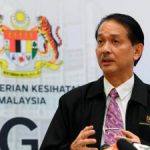
        PUTRAJAYA: Foreigners who appear for Covid-19 tests at clinics and public hospitals will not be charged, according to Health director-general Datuk Dr Noor Hisham Abdullah.

        He said the decision was in line with the circular issued by the Ministry of Health Malaysia (MOH) on Jan 29.

        “If the foreigners come to the MOH clinic or hospital for non-Covid-19 diseases, they will be charged the set fee.

        “(However) for Covid-19 related illnesses, as per the circular dated Jan 29, fees will not be charged, regardless of whether one is poor or rich,“ he said during a press conference on Covid-19, here today.

        The government had previously urged foreigners in the country to come forward and conduct Covid-19 screening tests to determine their health status following the rise in the number of positive cases reported.

        Meanwhile, Dr Noor Hisham said all the participants of the tabligh programme which took place at the Sri Petaling Mosque recently have been urged to undergo Covid-19 tests even though they showed no symptoms.

        He said this was due to the spike in the number of positive cases reported from the cluster.

        “If according to the World Health Organisation (WHO), only those with symptoms should be tested, but that was in the past. We have now agreed that even those members who show no symptoms will undergo Covid-19 tests,“ he said.

        He was commenting on allegations that there were members of the tabligh group who had been to health facilities several times but had not been tested for Covid-19.

        Dr Noor Hisham said of the 6,700 participants who had undergone the test, 940 were found positive for Covid-19, which accounts for about 62% of the 1,518 positive cases in the country so far.

        On whether the MOH would propose to the government to extend the Movement Control Order period which is set to expire on March 31, or impose a ‘total lockdown’ following the rise in the number of deaths due to the disease, he said the ministry’s main focus currently was to enhance capacity and expertise, especially in the Intensive Care Unit (ICU).

        He said if the death rate were to be taken as a yardstick, the current rate used worldwide was 4.5% of the total number of cases, and in Malaysia, there were 1,518 cases so far.

        This could mean there was a possibility of about 60 cases resulting in death, however, he said the current death toll in Malaysia stood at only 14.

        The MCO was implemented by the government from March 18 to 31 to curb the spread of Covid-19. – Bernama

        Covid-19 test: No charges for foreigners at public clinics, hospitals
        Read More
        https://www.thesundaily.my/local/covid-19-test-no-charges-for-foreigners-at-public-clinics-hospitals-JC2172685

        Views: 0

      • WHO steps up action to improve access to safe blood

        WHO steps up action to improve access to safe blood

        The World Health Organization’s new action plan to speed up universal access to safe blood and blood products pulls together existing recommendations and recommends new improved ways of working. It’s the start of a four-year collaborative effort to improve blood transfusion and blood-based therapies in all countries.

        Safe blood saves lives in all sorts of circumstances, not least in emergency and epidemic settings. Blood transfusion and blood products are critical for birth delivery for both the mother and baby; the survival and quality of life of patients suffering from life-threatening conditions such as haemophilia, thalassemia, immune deficiency and cancer; treating severe injuries and carrying out medical and surgical procedures.  

        But progress in blood safety and availability has been slow in many parts of the world, placing patients’ safety at risk and putting undue pressure on health workers. Progress is also mostly restricted to developed countries. Out of the approximate 118 million blood donations collected globally, 42% are collected in high-income countries, home to 16 % of the world’s population. And one out of four low-income countries do not test all donated blood, while 54% of countries do not have surveillance systems to securitise the supply chain from blood donor to patient. 

        Challenges include: slow implementation of national blood policies and weak blood regulatory systems; insufficient number of voluntary blood donors (who are considered the safest donors); poor quality management of screening tests, blood grouping and compatibility testing; inappropriate clinical use of blood; insufficient national funding for blood safety.

        To address these, WHO has set out six key objectives for all countries and in particular those with weak blood systems:

        • appropriately structured, well-coordinated and sustainably resourced national blood systems;
        • regulatory capacity to ensure the quality and safety of blood;
        • functioning and efficiently managed blood services;
        • effective implementation of patient blood management to optimize transfusion practices;
        • effective surveillance, haemovigilance and pharmacovigilance, supported by comprehensive and accurate data collection systems;
        • partnerships, collaboration and information exchange to achieve key priorities and jointly address challenges and emerging threats at global, regional and national levels.

        The Organization looks forward to working with partners worldwide to implement the plan, improve blood supply particularly in the low and middle-income countries where this is so urgently needed, and save lives. The plan will run from 2020-2024.

        WHO steps up action to improve access to safe blood
        Read More
        https://www.who.int/news-room/detail/26-02-2020-who-steps-up-action-to-improve-access-to-safe-blood

        Views: 0

      • WHO outlines steps to save 7 million lives from cancer

        WHO outlines steps to save 7 million lives from cancer

        The World Health Organization (WHO) today spells out the need to step up cancer services in low and middle-income countries. WHO warns that, if current trends continue, the world will see a 60% increase in cancer cases over the next two decades. The greatest increase (an estimated 81%) in new cases will occur in low- and middle-income countries, where survival rates are currently lowest.

        This is largely because these countries have had to focus limited health resources on combating infectious diseases and improving maternal and child health, while health services are not equipped to prevent, diagnose and treat cancers. In 2019, more than 90% of high-income countries reported that comprehensive treatment services for cancer were available in the public health system compared to less than 15% of low-income countries.

        “This is a wake-up call to all of us to tackle the unacceptable inequalities between cancer services in rich and poor countries,” says Dr Ren Minghui, Assistant Director-General, Universal Health Coverage/ Communicable and Noncommunicable Diseases, World Health Organization. “If people have access to primary care and referral systems then cancer can be detected early, treated effectively and cured. Cancer should not be a death sentence for anyone, anywhere.”

        Yet, progress in poorer countries is achievable. WHO and the International Agency for Research on Cancer (IARC) are releasing two coordinated reports on World Cancer Day (4 February), in response to government calls for more research into the scope and potential policies and programmes to improve cancer control.

        “At least 7 million lives could be saved over the next decade, by identifying the most appropriate science for each country situation, by basing strong cancer responses on universal health coverage, and by mobilizing different stakeholders to work together”, said Dr Tedros Adhanom Ghebreyesus, Director-General, WHO.

        WHO highlights a wide range of proven interventions to prevent new cancer cases. These include controlling tobacco use (responsible for 25% of cancer deaths), vaccinating against hepatitis B to prevent liver cancer, eliminating cervical cancer by vaccinating against HPV, screening and treatment, implementing high-impact cancer management interventions that bring value for money and ensuring access to palliative care including pain relief.

        “The past 50 years have seen tremendous advances in research on cancer prevention and treatment,” says Dr Elisabete Weiderpass, Director of IARC. “Deaths from cancer have been reduced. High-income countries have adopted prevention, early diagnosis and screening programmes, which together with better treatment, have contributed to an estimated 20% reduction in the probability of premature mortality between 2000 and 2015, but low-income countries only saw a reduction of 5%. We need to see everyone benefitting equally.” The challenge will be for countries to select treatments balancing considerations including cost, feasibility and effectiveness. Each government is tasked with choosing the appropriate innovative cancer therapies, while recognizing that established treatments, many of which are very effective and affordable, can provide benefits for cancer without causing financial hardship.

        Note to editors

        World Health Organization

        Report on Cancer: Setting priorities, investing wisely and providing care for all

        The report aims to set the global agenda on cancer, mobilize stakeholders and help countries set priorities for investing in cancer control and universal health coverage. It introduces the principles, tools and current priority cancer control interventions in the context of the current and future cancer burden and opportunities.

        International Agency for Research on Cancer

        World Cancer Report “Cancer research for cancer prevention”

        The report focuses on prevention and offers the most comprehensive overview of relevant research available to date, ranging from descriptive etiology, cellular and molecular biology, toxicology and pathology through to behavioural and social science. Key chapters include discussions on the impact of inequalities in cancer, vaccination and screening, genomic individual susceptibility to cancer and the finer identification of those at risk, which may allow ‘precision cancer prevention’.

        WHO outlines steps to save 7 million lives from cancer
        Read More
        https://www.who.int/news-room/detail/04-02-2020-who-outlines-steps-to-save-7-million-lives-from-cancer

        Views: 0

      • WHO and FIND formalize strategic collaboration to drive universal access to essential diagnostics

        Geneva, Switzerland – 10 February 2020 – The World Health Organization (WHO) and the Foundation for Innovative New Diagnostics (FIND) announced today that a memorandum of understanding has been signed by the two organizations to formalize a strategic collaboration that will strengthen diagnosis in resource-poor countries by closing major diagnostic gaps at country level and bolstering disease surveillance that will inform public health initiatives and enhance outbreak preparedness and response.

        “This collaboration is an inspiring development that will take us a long way towards ensuring access to diagnostics to all who need them,” said Dr Tedros Adhanom Ghebreyesus, Director-General of the World Health Organization. “Global health challenges such as the ongoing novel coronavirus (2019-nCoV) outbreak demonstrates that without these essential elements of health systems, we cannot hope to promote health, keep the world safe, and serve the vulnerable. I look forward to working closely with FIND to determine what countries need and to forge a path to deliver these innovations so that no one is left behind.”

        Diagnosis is a driver of patient, financial and health systems impact, and a critical enabler of universal health coverage, but it is also the weakest link in the care cascade. This is especially true in primary healthcare settings in low- and middle-income countries. A unique and unprecedented opportunity exists to expand the role and impact of diagnostics to fully realize their potential to address major health security threats and evolving disease burdens through technological and digital advances.

        FIND has been an active partner with WHO since 2008 and a WHO Collaborating Centre since 2014, acting in the areas of laboratory strengthening and diagnostic technology evaluation. This expanded collaboration will put in place the building blocks necessary to enable transformative change in a move toward a country-led diagnostics alliance. Initial workstreams will focus on demand-driven access to essential diagnostics and the development of national Essential Diagnostics Lists, alongside collection of data that assist the scale up of diagnostics to support low- and middle-income countries on their paths to universal health coverage.

        “Each and every person has the right to a quality, timely diagnosis,” said Catharina Boehme, CEO of FIND. “Comprehensive diagnostic services underpin functional and efficient health systems not only to manage day-to-day healthcare needs, but also to ensure new disease outbreaks can be spotted and contained quickly. Working closely with WHO as part of a country-led alliance, we will strive to ensure that low- and middle-income countries have what they need to develop their own comprehensive, data-driven diagnostic strategies that enable universal health coverage and empower disease surveillance. Our ambition is that all patients, providers and decision-makers have access to the diagnostic solutions needed for optimal health outcomes.”

        The strategic collaboration agreement will initially run for a period of 5 years, until 2025.

        #  #  #

        About FIND

        FIND is a global non-profit organization that drives innovation in the development and delivery of diagnostics to combat major diseases affecting the world’s poorest populations. Our work bridges R&D to access, overcoming scientific barriers to technology development; generating evidence for regulators and policy-makers; addressing market failures; and enabling accelerated uptake and access to diagnostics in low- and middle-income countries (LMICs). Since 2003, we have been instrumental in the development of 24 new diagnostic tools used in 150 LMICs. Over 50 million FIND-supported products have been provided to our target markets since the start of 2015. A WHO Collaborating Centre, we work with more than 200 academic, industry, governmental, and civil society partners worldwide, on over 70 active projects that cross six priority disease areas. FIND is committed to a future in which diagnostics underpin treatment decisions and provide the foundation for disease surveillance, control and prevention. For more information, please visit www.finddx.org


        About WHO

        The World Health Organization is the directing and coordinating authority for health within the United Nations system. It is responsible for providing leadership on global health matters, shaping the health research agenda, setting norms and standards, articulating evidence-based policy options, providing technical support to countries and monitoring and assessing health trends. WHO is committed to the enjoyment of the highest attainable standard of health as one of the fundamental rights of every human being without distinction of race, religion, political belief, economic or social condition. WHO’s current global programme of work sets out three interconnected strategic priorities: ensuring healthy lives and well-being for all at all ages; achieving universal health coverage; and addressing health emergencies and promoting healthier populations. These priorities are linked to three ambitious targets, the “triple billion”: one billion more people to benefit from universal health coverage; one billion more people better protected from health emergencies; and one billion more people enjoying better health and well-being.


        Read More
        https://www.who.int/news-room/detail/10-02-2020-who-and-find-formalize-strategic-collaboration-to-drive-universal-access-to-essential-diagnostics

        Views: 0

      • Star power: Togo bets on solar energy for its rural poor

        Star power: Togo bets on solar energy for its rural poor

        Not so long ago, whenever he wanted to watch a football match or recharge his phone, Ousmane Kantcho had to go “into town”—a 15-kilometre ride by bicycle on poor roads in the savannah.

        Views: 0

      • Manifesting Better Finances Through Subliminals Audios

        [ad_1]

        When we are at the point in life where we need to ensure our money and finances are doing alright, some people might be discomforted to see and realize that their money situations might need some help.

        This is about changing our minds and brains to help us act and think differently. We know that we might need a better financial situation and subliminals can help us by gradually changing our thoughts to encourage better money related habits.

        Somehow too much of society started accepting and practicing inefficient and poor money habits that literally brought their finances down to very low point.

        It is clear that a lot of people want to change their finances for the better, but it is not clear how this might be achieved over time and that is where subliminal usage comes in.

        We just have to accept that very particular subliminal audios can be used to change and shift our thoughts into something far more desirable. They can hone our mental and emotional focus so that our lives change for the better both in the short term and in the months and years to come.

        Consistent listening is required to reap the greatest rewards from subliminals, but that is one of the new positive habits that the audios can help us achieve. As you listen more your brain and life start to reflect very deep and dynamic changes over time, and that is why these audios are so powerful.

        Some might be hesitant and almost doubtful that such deep and drastic change can come from listening to subliminals, but this is about using the audios and they have to be listened to in order to gain their benefits.

        That is why a lot of people stay stuck and idle in their money lives because they do not change their habits over time, and they do not do anything that can immediately alter and shift their mental and physical habits in a very short period of time.

        Subliminals can be used to enact very powerful and deep change, but the consistent listening part is where a lot of people fall away and that is simply not a problem when you consider how immensely powerful they can be on our lives.

        The only drawback is that you need to keep listening in order to gain the higher benefits and advantages that the audios can bring you, and for most of us that isn’t much of a problem considering how deeply our lives and finances will change over the coming weeks and months.

        [ad_2]

        Source by Donald B. Johnson

        Views: 0