Tag: Organization

  • Legal Issues Arising From Management Of Covid-19 Patients By Ahmed Adetola-Kazeem

    Legal Issues Arising From Management Of Covid-19 Patients By Ahmed Adetola-Kazeem

    Legal Issues Arising From Management Of Covid-19 Patients By Ahmed Adetola-Kazeem 1

    Legal Issues Arising From Management Of Covid-19 Patients By Ahmed Adetola-Kazeem 2


    A lot of legal issues are bound to arise as an aftermath of the outbreak of Coronavirus otherwise referred to as COVID-19.  There is therefore a need to shed light on some of the issues that may arise and how to navigate them. This article will x-ray the rights of patients, the rights of health workers and the basic minimum obligations of the government.

    The Code of Medical Ethics in Nigeria 2008 lists acts that constitute professional negligence. Rule 29.4 of the Code outlines some of these acts as follows:-

    a)      Failure to attend promptly to a patient requiring urgent attention when the practitioner was in a position to do so;

    b)     Manifesting incompetence in the assessment of a patient;

    c)      Making an incorrect diagnosis particularly when the clinical features were so glaring that no reasonable skillful practitioner could have failed to notice them; 

    d)     Failure to advise, or proffering wrong advice to  a patient on the risk involved in a particular operation or course of treatment, especially if such an operation or course of treatment is likely to result in serious side effects like deformity or loss of organ, or function;

    e)      Failure to obtain the informed consent of the patient before proceeding on any surgical procedure or course of treatment when such consent was necessary; 

    f)       Making a mistake in treatment e.g. amputation of the wrong limb, carelessness that results in the termination of a pregnancy, prescribing the wrong drug, or dosage in error for a correctly diagnosed ailment, etc;

    g)     Failure to refer, or transfer a patient in good time, when such a referral or transfer was necessary;

    h)     Failure to do anything that ought reasonably to have been done under any circumstance for the good of the patient;

    i)       Failure to see a patient as often as his medical condition warrants or to make appropriate comments in the case notes of the practitioner’s observations and prescribed treatment during such visits. It also includes failure to communicate with the patient or with his relatives as may be necessary with regards to any developments, progress or prognosis in the patient’s condition.


    Rule 11.2 of the 2008 Code of Medical Ethics in Nigeria provides that, “A physician shall preserve absolute confidentiality on all he knows about his patient even after the patient has died.”

                 Rule 44 of the Code of Medical Ethics has extensive provisions on Confidentiality and when disclosure of information can be made. The Rule provides in part that:

    “Disclosure of information on the patient by the doctor can only be made following an informed consent of the patient in writing. It is clear that the ethic covers even such information as induced abortion, venereal disease, attempted suicide, concealed birth and drug dependence but would exclude situations in which a discretionary breach of confidentiality is necessary to protect the patient or the community from danger and this must be made clear to the patient at the time of the confidential disclosure. Where statutory notification of disease is involved, the consent of the patient is not required.”            

                Confidentiality: To Disclose Identity Of Covid-19 Patients Or Not To Disclose?

    COVID-19 is an infectious disease caused by a newly discovered coronavirus. Most people infected with the COVID-19 will experience mild to moderate respiratory illness and recover without requiring special treatment.  Older people, and those with underlying medical problems like cardiovascular disease, diabetes, chronic respiratory disease, and cancer are more likely to develop serious illness.[1]

    The Federal Ministry of Health confirmed the first case of COVID-19 in Nigeria on the 27th of February 2020. It is the case of an Italian citizen who works in Nigeria and returned from Milan, Italy to Lagos, Nigeria on the 25th of February 2020. In reaction to the report, the social was divided between those who want the name of the Italian disclosed and those that preferred it remains confidential. The outcry was even more when the Chief of Staff to the President tested positive according to reports from various media houses[2], but the Minister of Health decided to keep mute on the identity of the President’s aide who contacted the virus, citing confidentiality.

    It will ordinarily be wrong to disclose the medical status of someone infected with COVID-19, for instancethe case of the Italian who was the index case. However in view of the proviso to Rule 44 of the Code of Medical Ethics 2008 which provides that a discretionary breach of confidentiality is necessary in order to protect the community from danger, I am of the view that the test results of popular figures who hold strategic offices like the Chief of Staff to the President or a Governor must be disclosed to guaranty public safety. This is necessary in view of the countless number of people from all works of life they come in contact with on a daily basis.  It will be correct to have made their status public in the overriding interest of the public, since it will enable those who have come in contact with them isolate, just like we have seen in the cases of the British Prime Minister, the Bauchi State Govenor, Prince Charles, the First Lady of Canada and many more. We must commend those who announced their status in public themselves-it is the best thing to do in the interest of humanity

    The World Health Organization (WHO) provides additional guidelines for the management of coronavirus patients specifically.[3]

    Health workers should:

    •follow established occupational safety and health procedures, avoid exposing others to health and safety risks and participate in employer-provided occupational safety and health training; 

    •use provided protocols to assess, triage and treat patients; 

    •treat patients with respect, compassion and dignity; 

    •maintain patient confidentiality; 

    •swiftly follow established public health reporting procedures of suspect and confirmed cases; 

    •provide or reinforce accurate infection prevention and control and public health information, including to concerned people who have neither symptoms nor risk;

    •put on, use, take off and dispose of personal protective equipment properly;

    •self-monitor for signs of illness and self-isolate or report illness to managers, if it occurs; 

    •advise management if they are experiencing signs of undue stress or mental health challenges that require support interventions; and 

    •report  to  their  immediate  supervisor  any  situation  which  they  have  reasonable  justification  to  believe presents an imminent and serious danger to life or health.


    Doctors and health workers in Nigeria must endeavor to digest the guidelines in the Code of Medical Ethics as well as the WHO Guidelines for management of Coronavirus victims and ensure they work strictly by their provisions. A breach of these duties have dire consequences. 

    Options Available To Covid-19 Patients Who Are Victims Of Medical Negligence

    A Coronavirus patient who has suffered medical negligence has a number of options:

    1. He could file a complaint with the regulatory body (e.g. the Medical and Dental Council of Nigeria, in the cases involving a Doctor). The Doctor will in the first instance be investigated by the Medical and Dental Practitioners Investigation Panel, after which he will be tried by the Medical and Dental Practitioners Disciplinary Tribunal. If found culpable,  the Doctor may be warned, suspended from practicing for a period not exceeding 6 months or in very serious cases, have his name can be removed from the Register of Medical Practitioners. The Medical and Dental Practitioners’ Disciplinary Tribunal does not award monetary damages.

    2. A suit can be filed against the Medical Doctor, the Hospital, Agency or Government in the High Court for Medical Negligence and monetary damages will be awarded if the Defendant(s) are found culpable.

          3.  If there is an element of Crime, a report could be made to the Police who would conduct Criminal Investigation and where the investigation reveals gross negligence, recklessness or wanton disregard for life of the victim, the police can prosecute or forward the case file to the office of the Attorney General of the State for possible prosecution in deserving cases.  

    A Need To Do More For Doctors And Other Professionals In The Health Sector

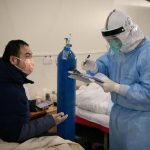
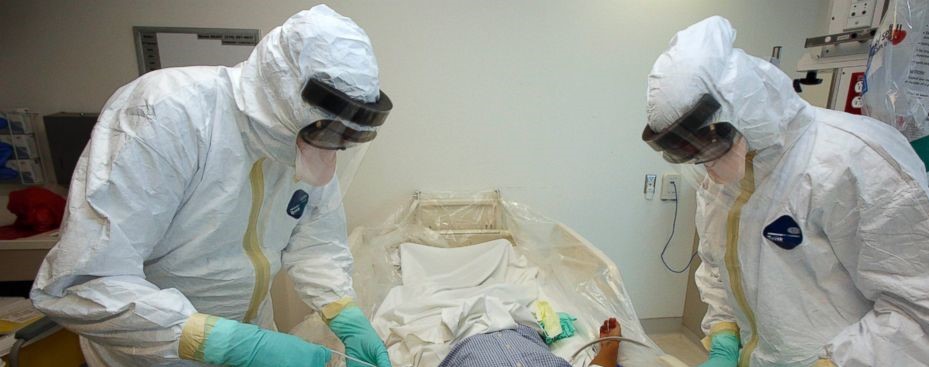
    Health workers are at the front line of any outbreak response and as such are exposed to hazards that put them at risk of infection with an outbreak pathogen (in this case COVID-19). Hazards include pathogen exposure, long working  hours,  psychological  distress,  fatigue,  occupational  burnout,  stigma,  and  physical  and  psychological violence. 

    During the outbreak of Ebola more than 500 health care workers died in Guinea, Liberia and Sierra-Leone alone. We also lost some of our finest doctors and health workers to the disease in Nigeria, the most prominent being Dr. Stella Adadevoh, who is credited with having curbed a wider spread of the Ebola virus in Nigeria by placing the index patient, Patrick Sawyer, in quarantine despite pressures from the Liberian  government. As we speak, The coronavirus is waging a war of attrition against health care workers throughout the world, but nowhere is it winning more battles at the moment than in Italy and in Spain, where protective equipment and tests have been in severely short supply for weeks. In Spain 13.6% (6500) of those affected with the coronavirus are health workers and in Italy 10% (7400) of those affected with the virus are health workers. [4] In New York dozens of health workers have been affected with the virus, while hundreds are in quarantine.[5] According to reports filtering in as the time of concluding this article, three health workers have been infected with COVID-19 in Abuja, Nigeria.[6]

    Human Rights Watch research into health system collapse in Hungary and Venezuela suggests the nations’ mismanaged, underfunded, and understaffed public healthcare system is poorly equipped to handle a COVID-19 outbreak. Patients and medical experts described a lack of basic hygiene protocol, lack of isolation rooms, and a shortage of health professionals, doctors and nurses, and medical supplies in general.

    The situation is not too different in Nigeria at the moment and except something drastic is done we might be witnessing a devastating effect of the pandemic. Nigeria’s, public health capacity has been diminished by large scale public sector corruption. Medical personnel lack surgical masks and local supplies have been diverted and shipped to other markets partly due to corruption. Many states are ill-prepared to combat the impeding surge in patients. A senior health worker with a government hospital in Abuja, in an interview with Sahara Reporters, lamented the lack of quality Personal Protective Equipment for them, adding that government must invest in the protection of health workers at the frontline of the battle against the virus. He said, “The unfortunate thing is that the government is not providing us with what to work with. It is sad that our PPE are not up to the world standard and can be penetrated by viruses. Some of us (health workers) have to use our personal funds to purchase gloves as we do not trust the ones government supplied. Nigerians should please remember us in their prayers and government should provide us with what we really need to work.” [7]

    There was report that in Bauchi State a Coronavirus patient rejected the isolation centre at the Bauchi Specialist Hospital and went back home while describing it as “too dirty”.[8]  

    It is disappointing to hear that the hazard allowance for doctors and health workers is N5,000 per month in Nigeria. The amount is very paltry compared to the risks and the attendant emotional and psychological stress suffered by the health-care workers (HWCs) particularly during monumental outbreaks like this. Unfortunately, when a patient is mismanaged, these doctors and health workers bear the burden of paying huge compensation and sometimes losing their jobs. More importantly, the brain-drain in the health sector is monumental, almost all my friends who are doctors, work abroad. Unfortunately, there are concerted efforts by the US Government to engage foreign Doctors to further fortify its health work force as COVID-19 ravages. Many young Nigerian doctors are already considering the offers because the Nigerian government has paid little attention to their welfare and the welfare of the general health workforce. To stop the exodus of our doctors, who are already in short supply, the government must act fast by improving their welfare packages in line with acceptable international standards.

    The psychological needs of doctors and health workers are also often ignored. Unsafe working conditions contribute to health worker attrition in many countries due to work-related illness and injury and the resulting fear of health workers of occupational infection, including from HIV and Tuberculosis. The 2006 World Health Report – Working Together for Health reported on a severe health workforce crisis in fifty-seven countries, most of them in Africa and Asia. [9]

    Protecting the occupational health of health workers is critical to having an adequate workforce of trained and healthy health personnel. Governments at the Federal and State levels are urged to do more by complying fully with the World Health Organization’s guidelines regarding the Rights of Health Workers while combating COVID-19. Some of the rights are:

    ·         assume overall responsibility to ensure that all necessary preventive and protective measures are taken to minimize occupational safety and health risks;

    ·         provide information, instruction and training on occupational safety and health, including; Refresher training on infection prevention and control(IPC); and Use, putting on, taking off and disposal of personal protective equipment(PPE);

    ·         provide adequate IPC and PPE supplies (masks, gloves, goggles, gowns, hand sanitizer, soap and water, cleaning supplies) in sufficient quantity to healthcare or other staff caring for suspected or confirmed COVID-19 patients, such that workers do not incur expenses for occupational safety and health requirements;

    ·         not be required to return to a work situation where there is continuing orserious danger to life or health, until the employer has taken any necessary remedial action;

    ·         allow workers to exercise the right to remove themselves from a work situation that they have reasonable justification to believe presents an imminent and serious danger to their life or health. When a health worker exercises this right, they shall be protected from any undue consequences; 

    ·         honour the right to compensation, rehabilitation and curative services if infected with COVID-19 following exposure in the workplace. This would be considered occupational exposure and resulting illness would be considered an occupational disease,

    ·         provide access to mental health and counselling resources; and 

    ·         enable co-operation between management and workers and/or their representatives. Etc.

    In conclusion, professional care givers for COVID-19 patients should uphold four basic principles formulated by Beauchamp and Childress in their book ‘Principles of Biomedical Ethics’ in order to protect themselves from liability for negligence. The four basic principles are autonomy, beneficence, non-maleficence and justice.

    Autonomy: People have the right to control what happens to their bodies. This principle simply means that an informed, competent adult patient can refuse or accept treatments, drugs, and surgeries according to their wishes. People have the right to control what happens to their bodies because they are free and rational. And these decisions must be respected by everyone, even if those decisions aren’t in the best interest of the patient.

    Beneficence: All healthcare providers must strive to improve their patient’s health, to do the most good for the patient in every situation. But what is good for one patient may not be good for another, so each situation should be considered individually. And other values that might conflict with beneficence may need to be considered.

    Non-maleficence: “First, do no harm” is the bedrock of medical ethics. In every situation, healthcare providers should avoid causing harm to their patients. You should also be aware of the doctrine of double effect, where a treatment intended for good unintentionally causes harm. This doctrine helps you make difficult decisions about whether actions with double effects can be undertaken.

    Justice: The fourth principle demands that you should try to be as fair as possible when offering treatments to patients and allocating scarce medical resources. You should be able to justify your actions in every situation. For instance, it will amount to a professional misconduct for a Health-care Worker to remove a poor man from the ventilator because a Senator was rushed in. 

    Ahmed Adetola-Kazeem is a partner in Adetola-Kazeem Legal Practice and specializes in Medical and Health Law

    Email: aadetolakazeem@gmail.com;aadetolakazeem@gaklp.com

    [1] https://www.who.int/health-topics/coronavirus#tab=tab_1(Accessed on the 28th of March 2020)

    [2] https://businessday.ng/coronavirus/article/abba-kyari-tests-positive-for-coronavirus-buhari-negative/

    https://www.channelstv.com/2020/03/24/buharis-chief-of-staff-abba-kyari-reportedly-tests-positive-for-coronavirus/ (Accessed on the 28th of March 2020)

    [3] Coronavirus Disease (Covid-19) Outbreak: Rights, Roles and Responsibilities Of Health workers, Including Key Considerations For Occupational Safety And Health”. https://www.who.int/docs/default-source/coronaviruse/who-rights-roles-respon-hw-covid-19.pdf?sfvrsn=bcabd401_0   (Accessed on the 26th of March 2020)

    [4] https://abcnews.go.com/Health/wireStory/collapsing-virus-pummels-medics-spain-italy-69789413 (Accessed on 26th March 2020)

    [5] https://www.washingtonpost.com/health/covid-19-hits-doctors-nurses-emts-threatening-health-system/2020/03/17/f21147e8-67aa-11ea-b313-df458622c2cc_story.html (Accessed on 28th of March 2020)

    [6] http://saharareporters.com/2020/03/28/exclusive-two-nurses-one-doctor-infected-coronavirus-abuja-hospital

    [7] Supra

    [8] https://www.dailytrust.com.ng/coronavirus-patient-rejects-bauchi-isolation-centre-returns-home.html (Accessed on 28th March 2020)

    [9] https://www.who.int/occupational_health/topics/hcworkers/en/(Accessed on 26th March 2020)


    Opinion

    AddThis

    : 

    Original Author

    : 

    Ahmed Adetola-Kazeem

    Disable advertisements

    : 
    Legal Issues Arising From Management Of Covid-19 Patients By Ahmed Adetola-Kazeem
    Read More
    http://saharareporters.com/2020/04/01/legal-issues-arising-management-covid-19-patients-ahmed-adetola-kazeem

    Views: 0

  • Joint Statement by QU Dongyu, Tedros Adhanom Ghebreyesus and Roberto Azevedo, Directors-General of the Food and Agriculture Organization of the United Nations (FAO), the World Health Organization (WHO) and the World Trade Organization (WTO)

    Millions of people around the world depend on international trade for their food security and livelihoods. As countries move to enact measures aiming to halt the accelerating COVID-19 pandemic, care must be taken to minimise potential impacts on the food supply or unintended consequences on global trade and food security. 

    When acting to protect the health and well-being of their citizens, countries should ensure that any trade-related measures do not disrupt the food supply chain. Such disruptions including hampering the movement of agricultural and food industry workers and extending border delays for food containers, result in the spoilage of perishables and increasing food waste. Food trade restrictions could also be linked to unjustified concerns on food safety. If such a scenario were to materialize, it would disrupt the food supply chain, with particularly pronounced consequences for the most vulnerable and food insecure populations. 

    Uncertainty about food availability can spark a wave of export restrictions, creating a shortage on the global market. Such reactions can alter the balance between food supply and demand, resulting in price spikes and increased price volatility. We learned from previous crises that such measures are particularly damaging for low-income, food-deficit countries and to the efforts of humanitarian organizations to procure food for those in desperate need.

    We must prevent the repeat of such damaging measures. It is at times like this that more, not less, international cooperation becomes vital. In the midst of the COVID-19 lockdowns, every effort must be made to ensure that trade flows as freely as possible, specially to avoid food shortage. Similarly, it is also critical that food producers and food workers at processing and retail level are protected to minimise the spread of the disease within this sector and maintain food supply chains. Consumers, in particular the most vulnerable, must continue to be able to access food within their communities under strict safety requirements.  

    We must also ensure that information on food-related trade measures, levels of food production, consumption and stocks, as well as on food prices, is available to all in real time. This reduces uncertainty and allows producers, consumers and traders to make informed decisions. Above all, it helps contain ‘panic buying’ and the hoarding of food and other essential items.

    Now is the time to show solidarity, act responsibly and adhere to our common goal of enhancing food security, food safety and nutrition and improving the general welfare of people around the world.  We must ensure that our response to COVID-19 does not unintentionally create unwarranted shortages of essential items and exacerbate hunger and malnutrition.

    Read More
    https://www.who.int/news-room/detail/30-03-2020-joint-statement-by-qu-dongyu-tedros-adhanom-ghebreyesus-and-roberto-azevedo-directors-general-of-the-food-and-agriculture-organization-of-the-united-nations-(fao)-the-world-health-organization-(who)-and-the-world-trade-organization-(wto)

    Views: 0

  • Medical Product Alert N°2/2020

    Medical Product Alert N°2/2020

    This Medical Product Alert relates to a confirmed falsified human immunodeficiency virus (HIV) in vitro diagnostic medical device (IVD) that has been identified circulating in Guyana and Kenya.

    Through its Global Surveillance and Monitoring System (GSMS) for substandard/falsified medical products,
    WHO was informed that at least 8,240 falsified rapid diagnostic tests to detect HIV-1/2 have been distributed in Guyana at end-user level. The product is Uni-Gold™ HIV and claims to be manufactured by
    Trinity Biotech plc. Subsequent reports
    revealed that the same falsified product is also circulating in Kenya.

    Uni-Gold™ HIV is a single-use rapid diagnostic test – an immunoassay for the qualitative detection of antibodies to HIV-1 and HIV-2 in serum, plasma and whole blood. Uni-Gold™ HIV is intended for use in point of care settings as an aid
    in diagnosis of HIV-1 and HIV-2 infection.

    The WHO testing strategy recommends three HIV reactive test results to confirm an HIV-positive status in a
    patient. The use of this falsified Uni-Gold™ HIV, subject of WHO medical product alert n°2 of 2020, is likely to lead to delayed diagnosis of HIV status.

    Table 1: Specific details of the falsified product Uni-Gold™ HIV, subject of WHO Medical Product Alert n°2 of 2020

    Product Name

    Uni-Gold™ HIV

    Lot Number

    HIV7120026

    Expiry Date

    5 DEC 2020

    Stated manufacturer

    Trinity Biotech

    The packaging of this falsified HIV test kit is in English.

    The genuine manufacturer (Trinity Biotech plc) has confirmed that:

    • They did not manufacture the falsified product in Table 1.
    • Genuine lot HIV7120026 was made by Trinity Biotech plc and expired in 2019.
    • The expiry date is incorrect and does not correspond with their batch manufacturing records.

    Photographs and advice to the public are available below.

    Figure 1 – Falsified Uni-Gold™ HIV, lot number HIV7120026, displaying falsified expiry date


    Falsified UniGold HIV Images 1 and 2 Alert

    Figure 2 – Falsified Uni-Gold™ HIV, displaying labelling inconsistencies

    Falsified UniGold HIV Image 3 Alert


    Advice on action to be taken by end-users:

    • Please check to see if any Uni-Gold™ HIV test kits in your facility have lot number HIV7120026.
    • If you are in possession of these falsified test kits with lot number HIV7120026:
    1. Please do not use.
    2. Please immediately contact the organization that supplied you with the product (either your HIV testing programme, nongovernmental organization or local distributor).
    3. Please contact Trinity Biotech plc

    Phone : +353 1 276 9800

    E-mail : hiv@trinitybiotech.com

    1. Please contact your national health authorities

    All medical products must be obtained from authentic and reliable sources. Their authenticity and condition should be carefully checked.

    Advice on action to be taken by national health authorities:

    WHO requests increased scrutiny within the supply chains of all countries, particularly at testing sites (health facilities, community-based), clinical laboratories, medical stores/warehouses, and at the facilities of relevant economic operators (agents,
    authorized representatives, distributors, wholesalers, etc.).

    If these falsified test kits with lot number HIV7120026 are discovered, please do not use.

    National health authorities are asked to immediately inform WHO, if these falsified products are discovered in their country using the WHO IVD complaint form.

    If you have any information concerning the manufacture, distribution, or supply of this product, please contact rapidalert@who.int


    WHO Global Surveillance and Monitoring System for Substandard and Falsified Medical Products

    For further information, please visit our website: https://www.who.int/medicines/regulation/ssffc/en/ 
     

    Medical Product Alert N°2/2020
    Read More
    https://www.who.int/news-room/detail/27-03-2020-medical-product-alert-n-2-2020

    Views: 0

  • WHO releases guidelines to help countries maintain essential health services during the COVID-19 pandemic

    WHO releases guidelines to help countries maintain essential health services during the COVID-19 pandemic

    The COVID-19 pandemic is straining health systems worldwide. The rapidly increasing demand on health facilities and health care workers threatens to leave some health systems overstretched and unable to operate effectively.

    Previous outbreaks have demonstrated that when health systems are overwhelmed, mortality from vaccine-preventable and other treatable conditions can also increase dramatically. During the 2014-2015 Ebola outbreak, the increased number of deaths caused
    by measles, malaria, HIV/AIDS, and tuberculosis attributable to health system failures exceeded deaths from Ebola
    [1,2]. 

    “The best defense against any outbreak is a
    strong health system,” stressed WHO Director-General Tedros Adhanom Ghebreyesus.
    “COVID-19 is revealing how fragile many of the world’s health systems and
    services are, forcing countries to make difficult choices on how to best meet
    the needs of their people.”

    To help countries navigate through these challenges, the World Health Organization (WHO) has updated operational planning guidelines in balancing the demands of responding directly to COVID-19 while maintaining essential health service delivery, and mitigating
    the risk of system collapse. This includes a set of targeted immediate actions that countries should consider at national, regional, and local level to reorganize and maintain access to high-quality essential health services for all.

    Countries should identify essential services that will be prioritized in their efforts to maintain continuity of service delivery and make strategic shifts to ensure that increasingly limited resources provide maximum benefit for the population. They
    also need to comply with the highest standard in precautions, especially in hygiene practices, and the provision of adequate supplies including personal protective equipment This requires robust planning and coordinated actions between governments
    and health facilities and their managers.

    Some examples of essential services include: routine vaccination; reproductive health services including care during pregnancy and childbirth; care of young infants and older adults; management of mental health conditions as well as noncommunicable diseases
    and infectious diseases like HIV, malaria and TB; critical inpatient therapies; management of emergency health conditions; auxiliary services like basic diagnostic imaging, laboratory services, and blood bank services, among others.

    Well-organized and prepared health systems can continue to provide equitable access to essential service delivery throughout an emergency, limiting direct mortality and avoiding increased indirect mortality. 
     

    The guidelines stress the importance of keeping up-to-date information. This requires frequent transparent communications with the public, and strong community engagements so the public   can maintain trust in the system to safely meet their
    essential needs and to control infection risk in health facilities. This will help ensure that people continue to seek care when appropriate, and adhere to public health advice.


    1. Elston, J. W. T., Cartwright, C., Ndumbi, P., & Wright, J. (2017). The health impact of the 2014–15 Ebola outbreak. Public Health, 143, 60-70.

    2. Parpia, A. S., Ndeffo-Mbah, M. L., Wenzel, N. S., & Galvani, A. P. (2016). Effects of response to 2014–2015 Ebola outbreak on deaths from malaria, HIV/AIDS, and tuberculosis, West Africa. Emerging infectious diseases, 22(3), 433.


    For interviews please contact:  Tarik Jasarevic

    To access the full guidance please visit: https://www.who.int/emergencies/diseases/novel-coronavirus-2019/technical-guidance/maintaining-essential-health-services-and-systems

    For further information and guidance on COVID-19 please visit: https://www.who.int/emergencies/diseases/novel-coronavirus-2019


    WHO releases guidelines to help countries maintain essential health services during the COVID-19 pandemic
    Read More
    https://www.who.int/news-room/detail/30-03-2020-who-releases-guidelines-to-help-countries-maintain-essential-health-services-during-the-covid-19-pandemic

    Views: 0

  • World TB Day 2020 Newsletter

    World TB Day 2020 Newsletter

    Latest news and updates from WHO

    World TB Day 2020 Newsletter 3

    Dear colleagues and friends,

    World TB Day, this year, comes at a sobering time – as the world grapples with the COVID-19 pandemic. We stand in solidarity with those affected, those at the frontlines of the fight to combat COVID-19, as well as those who continue efforts to support
    those ill with longstanding health problems like TB, HIV and other diseases. However, we cannot forget the millions and their families who battle TB every day and lose their lives to this ancient disease – which remains the world’s top
    infectious killer.

    As eloquently emphasized by WHO Director-General Dr Tedros Adhanom Ghebreyesus in his press briefing on COVID-19 yesterday, “I’d like to remind everyone that although COVID-19 is dominating the world’s attention-there is another respiratory
    disease that is both preventable and treatable, but kills 1.5 million people every year – that disease is tuberculosis”

    “It’s Time”, the focus for World TB Day this year is therefore on urgently accelerating the TB response to save lives and end suffering, even in times of crisis. This will be essential if we are to reach the targets and commitments made
    by Heads of State at the 2018 UN High Level Meeting on TB. 

    We have made important strides against the TB epidemic to date.

    We announced last year, that more people received life-saving treatment for tuberculosis in 2018 than ever before, largely due to improved detection and diagnosis. Globally, 7 million people were diagnosed and treated for TB – up from 6.4 million in 2017
    – enabling the world to meet one of the milestones towards the United Nations political declaration targets on TB and the WHO Director-General Flagship Initiative Find.Treat.All End TB jointly with Stop TB Partnership and the Global Fund. This
    has been a big win for the TB community.

    WHO is working with countries to roll out important guidelines, including a comprehensive package on TB preventive treatment released today, and updated MDR TB guidelines to promote the use of all-oral regimens for patients with drug-resistant TB which
    would be helpful – particularly at this point, when visiting health centers is a challenge. Furthermore, WHO has developed a note to guide and urge countries to ensure continuity of TB services during the COVID-19 pandemic.

    We are strengthening our collaboration with civil society – more information is highlighted in the WHO Civil Society Taskforce Progress Review released today.

    Youth mobilization is being ramped up through the WHO 1+1 Youth Initiative to end TB and the Global Youth Declaration to End TB. Multisectoral accountability is being promoted in countries through our framework and we have finalized a new global strategy
    on TB research and innovation, that will be reviewed by the World Health Assembly.

    Yet, the gains we have made are at risk – if there is any slackening of commitment and action, especially in times of crisis.

    We are at a crossroads and we need to unite forces to take the path of success that will save lives and end suffering.

    I was especially heartened today, to see the TB community coming together like never before. We all took our events to the virtual realm due to COVID-19 lockdowns. The WHO Online Talk Show held this afternoon, had a powerful line up of speakers that included,
    TB survivors and advocates, civil society, high level government representatives, heads of agencies, researchers and partners. As of this evening we have surpassed 10,000 views on YouTube. I also participated in townhalls organized by Stop TB Partnership.
    Our joint efforts have indeed ensured a continuing spotlight on those affected by TB, and clearly shows that no matter what the barrier, we can surpass it if we work together.

    I am proud to stand shoulder-to-shoulder with you all virtually – and recommit to champion End TB efforts till we reach the finish line.

    It’s time to deliver on our promises and ensure no one is left behind.

    It’s time to End TB!

    Dr Tereza Kasaeva
    Director
    Global TB Programme
    World Health Organization


    World TB Day Talk Show

    World TB Day 2020 Newsletter 4

    In the backdrop of the global battle against COVID-19, WHO organized a special online talk show to mark World TB Day 2020. The talk show had a powerful line up of speakers from among TB survivors and advocates, civil society, high-level government representatives,
    heads of agencies, researchers and partners. The video was streamed live on WHO’s Youtube channel crossing over 10,000 views in a few hours. Watch the talk show video


    Spotlight on TB Preventive Treatment

    New WHO recommendations to prevent tuberculosis aim to save millions of lives

    24 March 2020 News release

    Geneva –  New World Health Organization (WHO) guidance will help countries accelerate efforts to stop people with tuberculosis (TB) infection becoming sick with TB by giving them preventive treatment. A quarter of the world‘s population
    is estimated to be infected with TB bacteria. These people are neither sick nor contagious. However, they are at greater risk of developing TB disease, especially those with weakened immunity. Offering them TB preventive treatment will not only protect
    them from becoming sick but also cut down on the risk of transmission in the community. Read more

    The full package is available below and at our World TB Day Campaign Page


    WHO Civil Society Taskforce on TB: Progress Review

    The WHO Civil Society Taskforce provides a platform for meaningful engagement of civil society, building on the commitment of the Director-General, with emphasis on harnessing the untapped potential in engagement with civil society and affected communities
    al all levels. To mark World TB Day 2020, the Task Force has released a Progress Review highlighting key achievements since its formation in 2018.

    Access link here


    WHO eTB guidelines: A digital platform to promote adolopment of TB recommendations

    World TB Day 2020 Newsletter 5

    WHO Global TB Programme / McMaster University

    The WHO Global Tuberculosis (TB) Programme, in collaboration with McMaster University, Canada, is developing a smart platform to improve access to and use of all WHO recommendations on TB prevention and care. The WHO eTB guidelines platform will facilitate
    the adoption, adaptation and implementation (“adolopment”) by countries of recommendations across the continuum of care. This digital platform will provide a variety of users – TB programme managers, healthcare workers including
    nurses, researchers, patients and affected communities – with easy access to all essential information about WHO-s current policy guidance on TB.

    The first set of recommendations on TB preventive treatment were released on this new platform on World TB Day.

    WHO eTB guidelines platform

    Infographic


    TB and COVID-19

    24 March 2020 News release

    Geneva –  As the world comes together to tackle the COVID-19 pandemic, it is important to ensure that essential health services and operations are continued to protect the lives of people with TB and other diseases or health conditions. Health services,
    including national programmes to combat TB, need to be actively engaged in ensuring an effective and rapid response to COVID-19 while ensuring that TB services are maintained. Read more


    Let’s never forget: It’s time to end TB

    Ksenia Schenina

    World TB Day 2020 Newsletter 6

    Ksenia Schenina

    24 March 2020 Photo story

    On World TB Day 2020, the theme – “Its time” – stresses the urgency to end the TB epidemic. TB survivor and advocate, Ksenia Schenina, talks about her struggle with the disease, the persistence of stigma and the role that remembrance can play
    in fighting it.   Through her TB memorial project, she aims to remember those who passed away from this terrible and ancient disease. “We do it to show what kind of people they were – what kind of things they liked, what kind of music
    they listened to and what their favorite movies were; if they liked fishing or dreamt of a flight to space,” she says. Read more


    Commentary

    To end TB, we must invest in research and innovation

    24 March 2020 Commentary

    If the world is to get anywhere near ending TB, a disease that killed more than 1.5 million people in 2018, something significant needs to change.

    TB remains the world’s leading infectious killer and yet, in the last 50 years, only three new drugs and regimes have been developed to combat the disease. “What we need is more research and more tools in the pipeline; better diagnostics,
    more effective vaccines, and safer, shorter drug regimes,” explains Dr Tereza Kasaeva, Director of the World Health Organization Global Tuberculosis Programme. Read more


    Emily: A Day in the Life of a TB Nurse

    World TB Day 2020 Newsletter 7

    Maria Emily C. Ballesteros

    Watch this story of Emily, a nurse managing the tuberculosis (TB) program of the City Health Office in Tuguegarao City. Her dream for Tuguegarao is to one day see zero TB cases and that no one dies from this infectious disease. Nurses and healthcare workers
    play a critical role in TB prevention and care. It’s time to invest in them to improve healthcare for all. We thank all the nurses, midwives and healthcare workers working to #EndTB! Watch the video


    Updates and messages

    New research tool supports scale-up of digital technologies to End TB

    24 March 2020 TDR news item

    National anti-tuberculosis efforts are increasingly involving digital technologies, such as mobile applications to support treatment adherence and electronic surveillance systems that enable real-time monitoring of a country’s TB situation. Read more

    World TB Day 2020: It’s Time for solidarity

    24 March 2020 HIV/TB news item

    At this unique time in history when the world is grappling with the COVID-19 pandemic, the WHO Department of Global HIV, Hepatitis and STI Programmes stands in solidarity with governments and communities as they seek to maintain health services
    and continue to address the needs of patients suffering from HIV and tuberculosis (TB).  Read more

    New, shorter treatment to prevent TB to be rolled out in five high TB burden countries

    24 March 2020 news item

    Three-month regimen expected to prevent TB in those at highest risk of developing the disease, including people living with HIV and children under the age of five
    Today, the Aurum Institute and its partners, as part of the IMPAACT4TB project, announced that five high-burden TB countries will roll out a new, shorter drug regimen (known as 3HP) to prevent TB. The announcement comes as countries around the world mark World TB Day, which takes place every year on March 24th. Countries that will initially provide the new regimen with funding from Unitaid, U.S. PEPFAR and the Global Fund include Cambodia, Ethiopia, Kenya, Malawi, South Africa and Zimbabwe. More than 120,000 patient courses of 3HP will be delivered by the project to 12 countries in 2020. An additional 1 million patient courses are expected to reach low- and middle-income countries by the end of the year, through the combined support of Unitaid, Global Fund, the Stop TB Partnership’s Global Drug Facility (GDF) and PEPFAR. Read more
    World TB Day 2020 Newsletter
    Read More
    https://www.who.int/news-room/detail/30-03-2020-world-tb-day-2020-newsletter

    Views: 0

  • ‘Chloroquine’ used to treat Covid-19 patients since first wave: Health DG

    ‘Chloroquine’ used to treat Covid-19 patients since first wave: Health DG

    ‘Chloroquine’ used to treat Covid-19 patients since first wave: Health DG 8

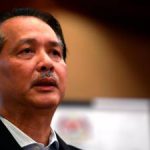
    PUTRAJAYA: Chloroquine, a drug used for malaria, has been used to treat Covid-19 patients since the first wave of the outbreak in Malaysia and has shown its efficacy, according to Health director-general Datuk Dr Noor Hisham Abdullah (pix).

    He said the anti-inflammatory properties of the drug were effective in treating Covid-19 which caused inflammation in the lower respiratory tract.

    “When the Covid-19 virus attaches to the lower respiratory tract it causes inflammation and replication of the virus and this drug helps treat the inflammation,” he told a press conference, here today.

    Besides ‘Chloroquine’, Dr Noor Hisham said the combination of ‘Lopinavir and Ritonavir’ and Hydroxychloroquine have also been used by Ministry of Health (MoH) since the first wave of the outbreak.

    He said the drugs used in the first wave of the infection showed promising results in treating Covid-19, however, further research was still required.

    He explained that the number of deaths due to the virus had increased as the patients were either elderly, had comorbidities such as high blood pressure and kidney disease, or those who sought treatment at a later stage or after they began having breathing difficulties.

    “We have tried the drug and it is also part of a joint study with the World Health Organization called ‘Solidarity Trial’ involving many other countries,“ he added.

    He said besides those medicines, studies would also focus on the latest drug, ‘Remdesivir’ as announced yesterday.

    “This is only for research, and drugs that we have used off-label such as Lopinavir and Ritonavir, those we have been using since the first wave,“ he added. – Bernama

    ‘Chloroquine’ used to treat Covid-19 patients since first wave: Health DG
    Read More
    https://www.thesundaily.my/local/chloroquine-used-to-treat-covid-19-patients-since-first-wave-health-dg-FJ2193799

    Views: 0

  • WHO Director-General calls on G20 to Fight, Unite, and Ignite against COVID-19

    Dr Tedros Adhanom Ghebreyesus, Director-General of the World Health Organization, addressed Heads of State at today’s extraordinary G20 Leaders’ Summit focused on COVID-19. 

    He told them, “You have come together to confront the defining health crisis of our time: We are at war with a virus that threatens to tear us apart – if we let it.“

    He welcomed the G20‘s initiative to find joint solutions and work together: “This is a global crisis that requires a global response.”

     “Fight, unite, ignite“

    Dr Tedros’ call was clear. First, he urged leaders to fight without excuses, without regrets – thanking countries who have already taken steps and urgently asking that they do more.

    Second, he encouraged them to unite, stressing that no country can fight this alone, and calling on all countries to build on the solidarity already sparked by the crisis.

    Third, he exhorted them to ignite a global movement to ensure this never happens again. 

    He welcomed G20 leaders‘ commitment “to do whatever it takes to overcome the pandemic” to protect lives and livelihoods, as well as restore confidence and shore up stability currently threatened in trade and other sectors, and to commit to take all necessary health measures and seek to ensure adequate financing to contain the pandemic and protect people, especially the most vulnerable.“

    The G20 committed to support and further strengthen WHO’s mandate in coordinating the response, and called for full funding of WHO‘s Strategic Preparedness and Response Plan.

    G20 members pledged to work together to increase research and development funding for vaccines and medicines, strengthen international scientific cooperation, and leverage digital technologies.

    In turn, they tasked WHO and other relevant organizations with assessing gaps in pandemic preparedness and report the findings of this assessment to the G20 Finance and Health Ministers, in order to establish a global initiative on pandemic preparedness and response together.


    Read More
    https://www.who.int/news-room/detail/26-03-2020-who-s-director-general-calls-on-g20-to-fight-unite-and-ignite-against-covid-19

    Views: 0

  • Schistosomiasis elimination: refocusing on snail control to sustain progress

    Schistosomiasis elimination: refocusing on snail control to sustain progress

    Substantial progress has been made during the past decade to prevent and control schistosomiasis (also known as bilharziasis) globally. The disease affects more than 230 million people, mostly in sub-Saharan Africa.

    Progress is mainly due to large-scale periodic treatment of affected populations with praziquantel, the only medicine recommended by the World Health Organization (WHO) against all forms of schistosomiasis. Regular treatment cures mild symptoms and prevents
    progression to severe, chronic disease.

    “Through progressive scale-up of periodic large-scale treatment
    to control morbidity in many endemic countries, we are closer to
    achieving the minimum target of 75% global coverage of all school‐aged
    children,
    ” said Dr Amadou Garba Djirmay, who leads WHO’s global schistosomiasis control programme. “But
    if we want to achieve elimination, we must go a step further to
    introduce snail control in hot spots and in areas targeting elimination.
    This is bound to increase impact and accelerate progress towards
    interruption of transmission
    .”

    Expansion of treatment is largely supported by donated praziquantel from Merck KGaA of up to 250 million tablets annually. In 2018, almost 78 million children were treated, representing 63% of all school‐aged children eligible for treatment.

    Transmission: role of snails

    Schistosomiasis is an acute, chronic parasitic disease caused by infection with trematode worms of the genus Schistosoma. It is prevalent in tropical and subtropical areas, especially in poor, rural communities that have little or no access to
    safe drinking‐water and basic sanitation. Infection is transmitted when people suffering from schistosomiasis contaminate freshwater sources when evacuating urine and faeces containing the parasite’s eggs.

    Once an egg comes into contact with fresh water, it releases miracidia (hatchlings) which enter a snail and produce hundreds of cercariae (larvae) daily. The cercariae enter the human body on contact with the skin and develop into adult worms.

    Besides treatment with praziquantel, eliminating snail hosts and improving sanitation are important methods for sustainable prevention of the disease. Dam and irrigation projects are known to be potential sites for outbreaks of the disease. Snail management,
    often achieved through mollusciciding, can help to reduce transmission by eliminating these intermediate snail hosts.

    Vector control

    In 2017, the World Health Assembly – WHO’s decision making body – adopted resolution WHA70.16 on the Global Vector Control
    Response, calling on Member States to develop or adapt national vector control strategies and operational plans. The strategy aims to reduce by at least 40% the incidence of vector borne diseases, including schistosomiasis, by 2025.

    In response, WHO is reinforcing snail control as part of its strategic approach to achieve the target of eliminating schistosomiasis as a public health problem and, ultimately, the goal of elimination of transmission. Snail control will complement mass
    treatment campaigns and sustain the public health impact of this core intervention.

    To facilitate implementation of snail control, in 2019 WHO published on specific, standardized procedures and criteria for efficacy
    testing and evaluation and in 2017 a manual on the use of molluscicides in the field. WHO is also planning to strengthen capacities
    of health staff in medical malacology in order to reinforce snail control activities in countries.

    In the past, molluscicides (particularly niclosamide1 based products) were widely used in schistosomiasis control programmes. For example, in China programmes largely relied on snail control for over 30 years to overcome the disease as a public
    health problem. In other parts of the world, however, snail control programmes were gradually discontinued and competencies faded away.

    “Snail control is a crucial component of the global schistosomiasis elimination strategy,” said Dr Rajpal Yadav, Scientist, WHO Department of Control of Neglected Tropical Diseases. “It
    is time we look for new snail control products that are cost–effective
    and of low risk to humans and the environment. Some efforts are being
    made to explore molluscicide compounds from plants, marine algae and
    microorganisms
    .”

    An integrated control strategy involving mass treatment with praziquantel, snail control and environmental modification, wider access to sanitation and safe water, economic and environmental development, health education and poverty-alleviation can greatly
    contribute to sustainable control and elimination of schistosomiasis.

    WHO’s new road map on neglected tropical diseases for 2021–2030, due to be launched later this year, advocates enhanced financial and political support to achieve the target of interruption of transmission. Additional research to address gaps,
    develop tools and optimize the impact of existing programmes with snail control will complement the core strategic approach.

    Schistosomiasis: forms of the disease

    There are two major forms of schistosomiasis – intestinal and urogenital.

    Intestinal schistosomiasis usually results in diarrhoea and blood in the stool; enlargement of the liver and of the spleen and portal hypertension are common in advanced cases.

    Urogenital schistosomiasis is characterized by the presence of blood in the urine. Chronic infection results in fibrosis of the bladder and ureter that can evolve to hydronephrosis and create conditions for bladder cancer.

    In women, urogenital schistosomiasis can cause vaginal bleeding, pain during sexual intercourse and nodules in the vulva, a condition now described as female genital schistosomiasis. In men, urogenital schistosomiasis can induce disease in the seminal
    vesicles and prostate.


    1Limitations with the use of formulations based on niclosamide include restrictions on the usage of water immediately after application and temporary toxicity to non-target aquatic organisms including
    fish, amphibians and invertebrates. 


        Schistosomiasis elimination: refocusing on snail control to sustain progress
        Read More
        https://www.who.int/news-room/detail/25-03-2020-schistosomiasis-elimination-refocusing-on-snail-control-to-sustain-progress

        Views: 0

      • Ensuring continuity of TB services during the COVID-19 pandemic

        Ensuring continuity of TB services during the COVID-19 pandemic

        GENEVA  As the world comes together to tackle the COVID-19 pandemic, it is important to ensure that essential health services and operations are continued to protect the lives of people with TB and other diseases or health conditions. Health services, including national programmes to combat TB, need to be actively engaged in ensuring an effective and rapid response to COVID-19 while ensuring that TB services are maintained.
         
        In the lead- up to World TB Day, Dr Tedros Adhanom Ghebreyesus, WHO Director-General emphasized in a news release, “COVID-19 is highlighting just how vulnerable people with lung diseases and weakened immune systems can be. The world committed to end TB by 2030; improving prevention is key to making this happen.”
         
        The World Health Organization (WHO) Global TB Programme, along with WHO regional and country offices, has developed an information note, in collaboration with stakeholders. This note is intended to assist national TB programmes and health personnel to urgently maintain continuity of essential services for people affected with TB during the COVID-19 pandemic, driven by innovative people-centred approaches, as well as maximizing joint support to tackle both diseases.
         
        “We stand in solidarity with those affected by COVID-19 and those at the frontlines of the fight to combat the disease,” said Dr Tereza Kasaeva, Director of the WHO Global TB Programme. “We need to act with urgency to ensure that in line with our vision of Health for All, no one with TB, COVID-19 or any health condition will miss out on the prevention and care they need.  It’s time for action.”


        Ensuring continuity of TB services during the COVID-19 pandemic
        Read More
        https://www.who.int/news-room/detail/24-03-2020-ensuring-continuity-of-tb-services-during-the-covid-19-pandemic

        Views: 0

      • New WHO recommendations to prevent tuberculosis aim to save millions of lives

        Geneva –  New World Health Organization (WHO) guidance will help countries accelerate efforts to stop people with tuberculosis (TB) infection becoming sick with TB by giving them preventive treatment.

        A quarter of the world‘s population is estimated to be infected with TB bacteria. These people are neither sick nor contagious. However, they are at greater risk of developing TB disease, especially those with weakened immunity. Offering them TB
        preventive treatment will not only protect them from becoming sick but also cut down on the risk of transmission in the community.  

        As we mark World TB Day 2020, the disease remains the world’s top infectious killer. In 2018, 10 million people fell ill with TB worldwide and 1.5 million people lost their lives to this disease.

        “COVID-19 is highlighting just how vulnerable people with lung diseases and weakened immune systems can be,“ said Dr Tedros Adhanom Ghebreyesus, WHO Director-General. “The world committed to end TB by 2030; improving prevention is key
        to making this happen. Millions of people need to be able to take TB preventive treatment to stop the onset of disease, avert suffering and save lives”.

        Dr Tedros highlighted the importance to continue efforts to tackle longstanding health problems, including TB during global outbreaks such as COVID-19. At the same time, programmes already in place to combat TB and other major infectious diseases
        can be leveraged to make the response to COVID-19 more effective and rapid.

        Although some progress has been made towards targets set at the UN high-level Meeting on TB in 2018, TB preventive treatment has been largely neglected. Global leaders committed to ensuring access to TB preventive treatment to at least 24 million contacts
        of people with active TB and 6 million people living with HIV by 2022.  To date only a fraction of that target has been reached, with countries putting less than 430,000 contacts and 1.8 million people on TB preventive treatment in 2018.

        TB remains the top cause of death among people with HIV. TB preventive treatment works synergistically with antiretroviral therapy to prevent TB and save lives. Reinvigorated efforts by governments, health services, partners, donors and civil society
        will be needed to increase access to TB preventive treatment to the levels targeted.

        The new consolidated guidelines recommend a range of innovative approaches to scale up access to TB preventive treatment:

        • WHO recommends a scale-up of TB preventive treatment among populations at highest risk including household contacts of TB patients, people living with HIV and other people at risk with lowered” immunity or living in crowded settings.
        • WHO recommends an integration of TB preventive treatment services into ongoing case finding efforts for active TB. All household contacts of TB patients and people living with HIV are recommended to be screened
          for active TB. If active TB is ruled out, they should be initiated on TB preventive treatment.
        • WHO recommends that either a tuberculin skin test  or interferon-gamma release assay (IGRA) be used to test for TB infection. Both tests are helpful to find people more likely to benefit from TB preventive treatment
          but should not become a barrier to scale-up access. Testing for TB infection is not required before starting TB preventive treatment in people living with HIV, and children under 5 years who are contacts of people with active TB.
        • WHO recommends new shorter options for preventive treatment in addition to the widely used 6 months of daily isoniazid. The shorter options that are now recommended range from a 1 month daily regimen of rifapentine plus isoniazid
          to 3 months weekly rifapentine plus isoniazid, 3 months daily rifampicin plus isoniazid, or 4 months of daily rifampicin alone.

        “As people around the globe come together to commemorate World TB Day, WHO is calling on governments, affected communities, civil society organizations, health-care providers, donors, partners and the industry to unite forces and step up
        the TB response – notably for TB preventive treatment – to ensure no one is left behind,” said Dr Tereza Kasaeva, Director of WHO’s Global TB Programme. “The new WHO guidance shows the way forward for millions to rapidly
        access new tools and shorter, safer options for preventive treatment. The time for action is now.”

        TB preventive treatment is an affordable intervention that can prevent families from sliding into poverty and preserve the health and economy of whole communities. WHO anticipates that as new and safer drugs come onto the markets, and as prices
        fall, it will become a highly-cost effective way to save millions of lives.


        NOTES FOR EDITORS:

        WORK BY WHO AND PARTNERS

        WHO works closely with Member States including the US Government and technical and funding partners such as UNITAID to enhance access to shorter TB preventive treatment regimens. UNITAID-supported projects such as IMPAACT4TB and Cap-TB projects
        enabled by WHO with partners in Brazil, Cambodia, Cameroon, Côte d’Ivoire, Democratic Republic of Congo, Ethiopia, Ghana, India, Indonesia, Kenya, Lesotho, Malawi, Mozambique, South Africa, Uganda, United Republic of Tanzania and
        Zimbabwe are leading the way. The new treatment options are also now more affordable, thanks to the significant price drop of rifapentine – a key drug – facilitated recently by UNITAID, the Global Fund to Fight AIDS, Tuberculosis and Malaria
        and global biopharmaceutical company Sanofi, along with forthcoming arrangements underway with generic manufacturers.

        MORE ABOUT THE GUIDELINES

        The new consolidated WHO guidelines come with an operational handbook to help guide countries step-by-step as they take TB preventive treatment to scale. This includes guidance on how to prioritize and invest from demand creation for TB prevention
        to supervision and monitoring of the programme.

        The guidelines and operational handbook are also accompanied by an innovative mobile application – Prevent TB –to help health-care workers manage TB preventive treatment in their communities. Its online dashboard allows programme
        managers to visualize and monitor data in real time. The application can be customized by countries to suit their specific settings and is currently being adopted in India and Philippines.

        WORLD TB DAY

        The new guidelines and tools are being released ahead of World TB Day. World TB Day is observed on March 24 each year to raise public awareness and understanding about the world’s deadliest infectious killer – TB and its devastating
        health, social and economic impact on people around the world. Under the theme “It’s Time”, the spotlight this year is on urgently accelerating the TB response to save lives and end suffering.

        Read More
        https://www.who.int/news-room/detail/24-03-2020-new-who-recommendations-to-prevent-tuberculosis-aim-to-save-millions-of-lives

        Views: 0