Tag: Critical

  • CND accepts all WHO recommendations on the control of several psychoactive substances from the 42nd ECDD meeting

    CND accepts all WHO recommendations on the control of several psychoactive substances from the 42nd ECDD meeting


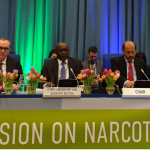
    During its 63rd session, the Commission on Narcotic Drugs (CND) accepted all recommendations from the 42nd meeting of the WHO Expert Committee on Drug Dependence (ECDD). This effectively brings twelve psychoactive substances, including eleven New Psychoactive Substances (NPS) and one medicine, under international control.  Given the potential for dependence or abuse and known adverse effects, these compounds pose a risk to public health and society and are largely without any therapeutic benefit.

       Based on an in-depth review of candidate compounds by the ECDD, an independent group of experts in the field of drugs and medicines, the WHO provides annual recommendations on substance scheduling to the CND, a policy-making body comprised of 53 UN Member States. This ECDD review includes a balanced consideration of potential for abuse, dependence and harm with therapeutic value. The CND then votes on whether or not the WHO recommendations for placing reviewed substances under international control should be endorsed.

          The 42nd ECDD recommendations included the addition of four synthetic cannabinoids and three synthetic stimulants to Schedule II of the 1971 Convention on Psychotropic Substances given similar action and adverse effects to other substances in this Schedule. These synthetic cannabinoids have been associated with impaired mental status, impaired driving, and fatalities, whereas the included synthetic stimulants have been linked to fatal intoxication. Similarly, two fentanyl analogues, with their opioid-like effects, were brought under Schedule I control (strict control) of the 1961 Single Convention on Narcotic Drugs given similar action and effects to other drugs in this Schedule. Two benzodiazepines including the medicine etizolam were brought under Schedule IV control of the 1971 Convention on Psychotropic Substances, both of which have been implicated in fatal and non-fatal intoxication and impaired driving. A hallucinogen was also recommended to be brought under control, specifically to Schedule I of the Convention on Psychotropic Substances of 1971, based on abuse potential and non-fatal and fatal intoxication. This is the first hallucinogen to be reviewed in many years, suggesting a potential shift in drug trends. For more information on these recommendations, please review the 42nd ECDD meeting report. .  

        In addition, the ECDD conducted a pre-review of several Schedule III opioid preparations, some of which can be accessed as over-the-counter options, such as codeine-based cough syrups, to consider their abuse potential.  The ECDD recommended a critical review be carried out at a later date.

    CND accepts all WHO recommendations on the control of several psychoactive substances from the 42nd ECDD meeting
    Read More
    https://www.who.int/news-room/detail/18-03-2020-c-n-d-accepts-all-w-h-o-recommendations-from-42nd-e-c-d-d

    Views: 0
  • “I stay at work for you , you stay at home for us”

    “I stay at work for you , you stay at home for us”

    “I stay at work for you , you stay at home for us” 1

    KUALA LUMPUR: A doctor has put Facebook to good use by sharing a quote to remind Malaysians to stay at home during the two-week movement control order period.

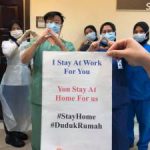
    Dr Gee Teak Sheng, a consultant neurosurgeon from Pantai Hospital, Penang today shared a photo of him holding a paper with ‘I Stay At Work for You, You Stay at Home for Us’ written on it, and also added the hashtags #StayHome and #DudukRumah.

    The post is a reminder to Malaysians that staying home not only curbs the spread of Covid-19 but lightens the burden of many medical experts during this crucial time.

    The restriction orders all government and private premises be closed, except for those providing essential services.

    It also highlights the sacrifices of those who deliver these services, in order to fight the virus and serve the country.

    Gee’s post garnered 44,000 shares on Facebook and is also making waves on other social media platforms such as Twitter and Instagram.

    People filled the post with encouragement and appreciation comments.

    Tay Liang Hua, a Facebook user from Muar commented “Thank you Doctor Gee and your team of staff for the dedication. Appreciate your efforts to educate the public at this critical time.”

    While on Twitter, @adaazam reposted the photo with the caption, “Please, please stay at home. Please support doctors and nurses. Please support this movement.”

    Other than health and pharmacy, telecommunications, postal, transport, broadcasting, finance, and banking are among the services which will be available during the order that took effect today until the end of the month. – Bernama

    “I stay at work for you , you stay at home for us”
    Read More
    https://www.thesundaily.my/local/i-stay-at-work-for-you-you-stay-at-home-for-us-DA2147467

    Views: 0

  • King decrees all Malaysians to obey movement control order

    King decrees all Malaysians to obey movement control order

    King decrees all Malaysians to obey movement control order 2

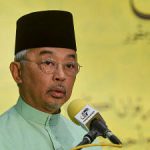
    KUALA LUMPUR: Yang di-Pertuan Agong Al-Sultan Abdullah Ri’ayatuddin Al-Mustafa Billah Shah (pix) today decreed all Malaysians to obey the movement control order announced by Prime Minister Tan Sri Muhyiddin Yassin yesterday and to give full cooperation in containing the spread of Covid-19 infections in the country.

    The order will take effect from tomorrow until March 31.

    Comptroller of the Royal Household of Istana Negara Datuk Ahmad Fadil Shamsuddin said His Majesty, nevertheless, said that the people should face the situation calmly to help the government and the relevant authorities tackle the situation effectively.

    “His Majesty urges the people not to take the movement control lightly. The people were also asked to follow the guidelines and preventive measures issued by the Ministry of Health because this is our mutual responsibility to ensure safety and wellbeing of our families, our communities and our beloved country,” he said in a statement issued by Istana Negara today.

    He said Al-Sultan Abdullah also viewed seriously the rising number of positive Covid-19 cases in Malaysia, which was recorded at 553 yesterday and had placed his full trust in the government and the authorities to discharge their duties in containing the spread of the disease.

    Ahmad Fadil said His Majesty was well aware that the people might feel that the action taken by the Perikatan Nasional government had made it difficult for them to go about their daily activities.

    “However, we must try to understand and be patient because the government cannot wait for the situation to become more critical to take drastic action.

    “As the Head of State, His Majesty also called on all Malaysians, regardless of race and religion, to stay united and play their parts to help the government in containing the spread of Covid-19 in the country.

    “His Majesty believes that with the strong spirit, concern and cooperation from the people, we will be able to contain the spread of the disease quickly and effectively,” he said.

    Ahmad Fadil said Al-Sultan Abdullah also decreed all Malaysians to refer to the Online Health Advisory Service or the National Crisis Preparedness and Response Centre (CPRC) via the Ministry of Health’s website to find the answers to all their doubts and questions so as to prevent the spread of fake news and false information that may cause panic and confusion among themselves.

    The Yang di-Pertuan Agong also expressed appreciation and thanks to the government under the leadership of Muhyiddin, government agencies and most of all to the unsung heroes, the medical staff and healthcare personnel, the civil servants and all the others who have sacrificed their time and energy in ensuring that all preventive measures and control of the infectious disease were being implemented efficiently.

    “His Majesty also called on all Muslims to join him to pray to Allah SWT so that all our efforts be blessed and so that the COVID-19 situation can be tackled and put to end as soon as possible. InsyaAllah,” he said. – Bernama

    King decrees all Malaysians to obey movement control order
    Read More
    https://www.thesundaily.my/local/king-decrees-all-malaysians-to-obey-movement-control-order-YD2140919

    Views: 0

  • WHO, UN Foundation and partners launch first-of-its-kind COVID-19 Solidarity Response Fund

    WHO, UN Foundation and partners launch first-of-its-kind COVID-19 Solidarity Response Fund

    GENEVA and Washington, D.C. – A new coronavirus disease (COVID-19) Solidarity Response Fund will raise money from a wide range of donors to support the work of the World Health Organization (WHO) and partners to help countries respond to the COVID-19 pandemic. The fund, the first-of-its-kind, enables private individuals, corporations and institutions anywhere in the world to come together to directly contribute to global response efforts, and has been created by the United Nations Foundation and the Swiss Philanthropy Foundation, together with WHO. 

    “We are at a critical point in the global response to COVID-19 – we need everyone to get involved in this massive effort to keep the world safe,” said Dr. Tedros Adhanom Ghebreyesus, WHO Director-General. “We are immensely grateful to the UN Foundation and the Swiss Philanthropy Foundation for coming forward to help us set up this fund. A lot of people and institutions have been saying they want to contribute to the fight against the novel coronavirus. Now they can.”

    The fund launches with major support already lined up, including from Facebook and Google who have instituted a matching scheme for funds raised through their platforms, while individual donors are also supporting the fund through www.COVID19ResponseFund.org.

    “We can’t ignore the fact that this is a truly global problem – one that requires truly global solutions,” said Elizabeth Cousens, UN Foundation President and CEO. “The case for global cooperation could not be clearer – communities everywhere are affected, and people want to contribute. This new fund will create space for people everywhere, together, to fight this virus.”

    Funds will go towards actions outlined in the COVID-19 Strategic Preparedness and Response Plan to enable all countries – particularly those most vulnerable and at-risk, and with the weakest health systems – to prepare for and respond to the COVID-19 crisis including rapidly detecting cases, stopping transmission of the virus, and caring for those affected.

    WHO and its partners are seeking financing for protective equipment for frontline health workers; to equip diagnostic laboratories; improve surveillance and data collection; establish and maintain intensive care units; strengthen supply chains; accelerate research and development of vaccines and therapeutics;  and take other critical steps to scale up the public health response to the pandemic.

    The COVID-19 Solidarity Response Fund is hosted by two foundations, the UN Foundation (registered in the United States) and the Swiss Philanthropy Foundation (registered in Switzerland). Both foundations have established relationships with the World Health Organization, allowing for efficient transfer of financial resources to enable COVID-19 response efforts.

    Apart from giving online at www.COVID19ResponseFund.org, the UN Foundation can also receive donations via check or wire from around the world by contacting COVID19Fund@unfoundation.org.  

    All donations made to the United Nations Foundation and Swiss Philanthropy Foundation are tax-deductible to the extent allowable by the law, where applicable (U.S. and Switzerland). Additionally, Swiss Philanthropy Foundation has partnered with Transnational Giving Europe to extend tax benefit to certain additional European countries where applicable.

     ###

    More:

    COVID-19 Strategic Preparedness and Response Plan

    Coronavirus disease (COVID-19) outbreak information

    About the United Nations Foundation

    The UN Foundation brings together the ideas, people, and resources the United Nations needs to drive global progress and tackle urgent problems. Our hallmark is to collaborate for lasting change and innovate to address humanity’s greatest challenges. With an insider’s knowledge and outsider’s flexibility, we stay agile to get things done. Learn more at: www.unfoundation.org.


    WHO, UN Foundation and partners launch first-of-its-kind COVID-19 Solidarity Response Fund
    Read More
    https://www.who.int/news-room/detail/13-03-2020-who-un-foundation-and-partners-launch-first-of-its-kind-covid-19-solidarity-response-fund

    Views: 0

  • COVID-19: IFRC, UNICEF and WHO issue guidance to protect children and support safe school operations

    GENEVA/NEW YORK – The International Federation of the Red Cross (IFRC), UNICEF and the World Health Organization (WHO) today issued new guidance to help protect children and schools from transmission of the COVID-19 virus. The guidance provides critical considerations and practical checklists to keep schools safe. It also advises national and local authorities on how to adapt and implement emergency plans for educational facilities. 

    In the event of school closures, the guidance includes recommendations to mitigate against the possible negative impacts on children’s learning and wellbeing. This means having solid plans in place to ensure the continuity of learning, including remote learning options such as online education strategies and radio broadcasts of academic content, and access to essential services for all children. These plans should also include necessary steps for the eventual safe reopening of schools.

    Where schools remain open, and to make sure that children and their families remain protected and informed, the guidance calls for:

    • Providing children with information about how to protect themselves;
    • Promoting best handwashing and hygiene practices and providing hygiene supplies;
    • Cleaning and disinfecting school buildings, especially water and sanitation facilities; and
    • Increasing airflow and ventilation.

    The guidance, while specific to countries that have already confirmed the transmission of COVID-19, is still relevant in all other contexts. Education can encourage students to become advocates for disease prevention and control at home, in school, and in their community by talking to others about how to prevent the spread of viruses. Maintaining safe school operations or reopening schools after a closure, requires many considerations, but if done well, can promote public health.

    For example, safe school guidelines implemented in Guinea, Liberia and Sierra Leone during the outbreak of Ebola virus disease from 2014 to 2016 helped prevent school-based transmissions of the virus.

    UNICEF is urging schools – whether open or helping students through remote learning – to provide students with holistic support. Schools should provide children with vital information on handwashing and other measures to protect themselves and their families; facilitate mental health support; and help to prevent stigma and discrimination by encouraging students to be kind to each other and avoid stereotypes when talking about the virus.

    The new guidance also offers helpful tips and checklists for parents and caregivers, as well as children and students themselves. These actions include:

    • Monitoring children’s health and keeping them home from school if they are ill;
    • Encouraging children to ask questions and express their concerns; and
    • Coughing or sneezing into a tissue or your elbow and avoid touching your face, eyes, mouth and nose.

    Read More
    https://www.who.int/news-room/detail/10-03-2020-covid-19-ifrc-unicef-and-who-issue-guidance-to-protect-children-and-support-safe-school-operations

    Views: 0

  • End in sight, but flare-ups likely in the Ebola outbreak in the Democratic Republic of the Congo

    End in sight, but flare-ups likely in the Ebola outbreak in the Democratic Republic of the Congo

    Remarks by Dr Ibrahima Socé Fall, World Health Organization Assistant Director-General, Emergency Response


    Good afternoon. 

    I hope that your busy week was interrupted, like mine, with a moment of joy on Tuesday.

    That moment was the celebration of a woman being discharged from an Ebola treatment centre in Beni. Her name is Masiko.

    She was the last person in the Democratic Republic of the Congo confirmed to have Ebola.

    Health workers and other responders sacrificed a lot to get to this point. 

    Since the outbreak was declared in August 2018 there have been 420 attacks on health facilities in DRC, resulting in 11 deaths and 86 injuries among health care workers and patients.

    It’s been a huge amount of work. At the peak of the outbreak, more than 120 cases were being reported each week. 28 health zones were affected, with cases appearing 1200 kilometres apart. In response:

    • 11 labs have been set up to test around 3500 samples each week
    • 11 Ebola treatment centres were set up to care for people with Ebola
    • 300 000 people have been vaccinated
    • 250 000 contacts have been registered
    • 26 000 safe and dignified burials have been conducted
    • More than 3000 health facilities were identified for infection prevention and control support
    • More than 1000 metric tonnes of supplies have been delivered
    • An Ebola vaccine has been licensed, and two treatments found to be highly effective
    • Almost 160 000 million people have been screened for Ebola symptoms at borders or other points of control

    This work is continuing. The outbreak isn’t over. WHO recommends waiting two full incubation periods – that’s 42 days – after the last person tests negative a second time before declaring the end of the outbreak.

    We must stay in active response mode to get us over that finish line.

    We have to be prepared for other cases emerging. It’s is a very real risk.

    Remember that during the Ebola outbreak in West Africa flare-ups of new cases occurred after the end of the outbreak.

    There are four reasons why new cases may emerge during this 42-day period, or even after the end of the outbreak.

    • First, because of the complex security environment, Ebola transmission outside of groups under monitoring is possible.  
    • Second, Ebola virus can persist in used needles, syringes or vials for several weeks.
    • Third, Ebola virus can persist in the body fluids of survivors for many months, and can be transmitted well after recovery, or in rare cases can result in relapse – as we’ve already seen during this outbreak.
    • Finally, Ebola virus is present in an animal reservoir in the region, and there is always a risk of a new spillover to humans.

    This is why it’s critical to maintain surveillance and rapid response capacities.

    And that’s what we are doing. We’re still in full response mode.

    In addition to the activities I already mentioned, I have to underline how critical it is to continue supporting the Survivor Programme, which provides follow-up care for almost all of the 1169 survivors in 26 health areas in North Kivu and Ituri. The programme also helps reduce the risks of re-introduction events. 

    We need to continue this work until the end of the outbreak, to keep the capacity in place to rapidly respond to flare-ups, to keep supporting survivors after the outbreak, and to transition the capacities built in this response toward building a stronger health system. 

    But to be very frank, right now the world risks dropping the baton at the finish line. WHO faces an immediate US $20 million funding gap. If no new resources are received, we will run out of money before the end of the outbreak.

    We appreciate the generosity of donors who have supported the response since August 2018. Now we need to get over the finish line. WHO is calling on the international community to help us end this outbreak, and keep our promises to communities to build a stronger health system.

    If we are forced to scale back operations because of a lack of funds, and then a new case emerges, we might not have the people and resources on the ground that we need to shut down transmission quickly. Just a single case could re-ignite the epidemic.

    That would be a tragedy. An avoidable tragedy. 

    It is important that the global community doesn’t only focus efforts when there is an immediate threat, then walk away when the threat subsides.

    The health system has to be strong to stop much more than Ebola. It has to stop malaria, measles, cholera, and now COVID-19.

    There is a lot more work to do.

    Thank you.


    End in sight, but flare-ups likely in the Ebola outbreak in the Democratic Republic of the Congo
    Read More
    https://www.who.int/news-room/detail/06-03-2020-end-in-sight-but-flare-ups-likely-in-the-ebola-outbreak-in-the-democratic-republic-of-the-congo

    Views: 0

  • Shortage of personal protective equipment endangering health workers worldwide

    WHO calls on industry and governments to increase manufacturing by 40 per cent to meet rising global demand

    The World Health Organization has warned that severe and mounting disruption to the global supply of personal protective equipment (PPE) – caused by rising demand, panic buying, hoarding and misuse – is putting lives at risk from the new coronavirus and other infectious diseases.

    Healthcare workers rely on personal protective equipment to protect themselves and their patients from being infected and infecting others.

    But shortages are leaving doctors, nurses and other frontline workers dangerously ill-equipped to care for COVID-19 patients, due to limited access to supplies such as gloves, medical masks, respirators, goggles, face shields, gowns, and aprons.

    “Without secure supply chains, the risk to healthcare workers around the world is real. Industry and governments must act quickly to boost supply, ease export restrictions and put measures in place to stop speculation and hoarding. We can’t stop COVID-19 without protecting health workers first,” said WHO Director-General Dr Tedros Adhanom Ghebreyesus.

    Since the start of the COVID-19 outbreak, prices have surged. Surgical masks have seen a sixfold increase, N95 respirators have trebled and gowns have doubled.

    Supplies can take months to deliver and market manipulation is widespread, with stocks frequently sold to the highest bidder.

    WHO has so far shipped nearly half a million sets of personal protective equipment to 47 countries,* but supplies are rapidly depleting.

    Based on WHO modelling, an estimated 89 million medical masks are required for the COVID-19 response each month. For examination gloves, that figure goes up to 76 million, while international demand for goggles stands at 1.6 million per month. 

    Recent WHO guidance calls for the rational and appropriate use of PPE in healthcare settings, and the effective management of supply chains.

    WHO is working with governments, industry and the Pandemic Supply Chain Network to boost production and secure allocations for critically affected and at-risk countries.

    To meet rising global demand, WHO estimates that industry must increase manufacturing by 40 per cent.

    Governments should develop incentives for industry to ramp up production. This includes easing restrictions on the export and distribution of personal protective equipment and other medical supplies. 

    Every day, WHO is providing guidance, supporting secure supply chains, and delivering critical equipment to countries in need.  

     *** 

    NOTE TO EDITORS

    Since the start of the COVID-19 outbreak, countries that have received WHO PPE supplies include:

    • Western Pacific region: Cambodia, Fiji, Kiribati, Lao People’s Democratic Republic, Mongolia, Nauru, Papua New Guinea, Samoa, Solomon Islands, Tonga, Vanuatu and the Philippines
    • Southeast Asia region: Bangladesh, Bhutan, Maldives, Myanmar, Nepal and Timor-Leste
    • Eastern Mediteranean region: Afghanistan, Djibouti, Lebanon, Somalia, Pakistan, Sudan, Jordan, Morocco and Iran
    • Africa region: Senegal, Algeria, Ethiopia, Togo, Ivory Coast, Mauritius, Nigeria, Uganda, Tanzania, Angola, Ghana, Kenya, Zambia, Equatorial Guinea, Gambia, Madagascar, Mauritania, Mozambique, Seychelles and Zimbabwe


    Read More
    https://www.who.int/news-room/detail/03-03-2020-shortage-of-personal-protective-equipment-endangering-health-workers-worldwide

    Views: 0

  • UN releases US$15 million to help vulnerable countries battle the spread of the coronavirus

    UN releases US$15 million to help vulnerable countries battle the spread of the coronavirus

    UN Humanitarian Chief Mark Lowcock today released US$15 million from the Central Emergency Response Fund (CERF) to help fund global efforts to contain the COVID-19 virus.

    The announcement came as the World Health Organization (WHO) upgraded the global risk of the coronavirus outbreak to “very high” – its top level of risk assessment. The WHO has said there is still a chance of containing the virus if its chain of transmission is broken.

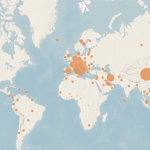
    The sudden increases of cases in Italy, the Islamic Republic of Iran and the Republic of Korea are deeply concerning. There are now cases linked to Iran in Bahrain, Iraq, Kuwait and Oman, along with cases linked to Italy in Algeria, Austria, Croatia, Germany, Spain and Switzerland.

    The UN funding has been released to the WHO and the United Nations Children’s Fund (UNICEF). It will fund essential activities including monitoring the spread of the virus, investigating cases, and the operation of national laboratories.

    The WHO has called for US$675 million to fund the fight against coronavirus. There is a window of opportunity to contain the spread of the virus if countries take robust measures to detect cases early, isolate and care for patients, and trace contacts.

    Emergency Relief Coordinator and Under-Secretary-General for Humanitarian Affairs, Mark Lowcock said: “We do not yet see evidence that the virus is spreading freely. As long as that’s the case, we still have a chance of containing it.

    “But swift and robust action must be taken to detect cases early, isolate and care for patients, and trace contacts. We must act now to stop this virus from putting more lives at risk.

    “This grant from the UN’s Emergency Fund will help countries with fragile health systems boost their detection and response operations. It has the potential to save the lives of millions of vulnerable people.”

    This is a critical juncture in the outbreak. The focus is on containing COVID-19 by strengthening surveillance, conducting thorough outbreak investigations to identify contacts and applying appropriate measures to prevent further spread.

    Tedros Adhanom Ghebreyesus, WHO Director-General, said: “The potential spread of the virus to countries with weaker health systems is one of our biggest concerns. These funds will help support these countries get ready for detecting and isolating cases, protecting their health workers, and treating patients with dignity and appropriate care. This will help us save lives and push back the virus”

    UNICEF is leading on preventative actions in communities across the affected countries with risk communication, providing hygiene and medical kits to schools and health clinics and monitoring the impact of the outbreak to support continuity of care, education and social services.

    “At this pivotal moment, every effort must be made to push back against the outbreak,” said UNICEF Executive Director Henrietta Fore. “These crucial funds will support our global efforts to bolster weaker health systems and inform children, pregnant women and families about how to protect themselves.”

    Since it was launched in 2006, CERF has provided more than $6 billion to over 100 countries and helped hundreds of millions of people.

    UN releases US$15 million to help vulnerable countries battle the spread of the coronavirus
    Read More
    https://www.who.int/news-room/detail/01-03-2020-un-releases-us-15-million-to-help-vulnerable-countries-battle-the-spread-of-the-coronavirus

    Views: 0

  • WHO steps up action to improve access to safe blood

    WHO steps up action to improve access to safe blood

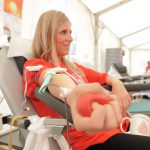
    The World Health Organization’s new action plan to speed up universal access to safe blood and blood products pulls together existing recommendations and recommends new improved ways of working. It’s the start of a four-year collaborative effort to improve blood transfusion and blood-based therapies in all countries.

    Safe blood saves lives in all sorts of circumstances, not least in emergency and epidemic settings. Blood transfusion and blood products are critical for birth delivery for both the mother and baby; the survival and quality of life of patients suffering from life-threatening conditions such as haemophilia, thalassemia, immune deficiency and cancer; treating severe injuries and carrying out medical and surgical procedures.  

    But progress in blood safety and availability has been slow in many parts of the world, placing patients’ safety at risk and putting undue pressure on health workers. Progress is also mostly restricted to developed countries. Out of the approximate 118 million blood donations collected globally, 42% are collected in high-income countries, home to 16 % of the world’s population. And one out of four low-income countries do not test all donated blood, while 54% of countries do not have surveillance systems to securitise the supply chain from blood donor to patient. 

    Challenges include: slow implementation of national blood policies and weak blood regulatory systems; insufficient number of voluntary blood donors (who are considered the safest donors); poor quality management of screening tests, blood grouping and compatibility testing; inappropriate clinical use of blood; insufficient national funding for blood safety.

    To address these, WHO has set out six key objectives for all countries and in particular those with weak blood systems:

    • appropriately structured, well-coordinated and sustainably resourced national blood systems;
    • regulatory capacity to ensure the quality and safety of blood;
    • functioning and efficiently managed blood services;
    • effective implementation of patient blood management to optimize transfusion practices;
    • effective surveillance, haemovigilance and pharmacovigilance, supported by comprehensive and accurate data collection systems;
    • partnerships, collaboration and information exchange to achieve key priorities and jointly address challenges and emerging threats at global, regional and national levels.

    The Organization looks forward to working with partners worldwide to implement the plan, improve blood supply particularly in the low and middle-income countries where this is so urgently needed, and save lives. The plan will run from 2020-2024.

    WHO steps up action to improve access to safe blood
    Read More
    https://www.who.int/news-room/detail/26-02-2020-who-steps-up-action-to-improve-access-to-safe-blood

    Views: 0