Tag: Central

  • Medical Product Alert N° 1/2020 (English version)

    Medical Product Alert N° 1/2020 (English version)


    Falsified antimalarials in West and Central Africa displaying an outdated WHO Essential Drugs Programme logo

    This Medical Product Alert relates to a series of confirmed falsified antimalarials circulating in West and Central Africa. Medicines subject of this alert display a similar logo to the outdated
    WHO Essential Drugs Programme logo.
     

    Since 2013, different falsified medicines, all displaying the outdated WHO Essential Drugs Programme logo, have been reported to the WHO Global Surveillance and Monitoring System by various stakeholders. The continued and widespread availability of these falsified medicines highlights a strong need for additional vigilance. WHO previously published two alerts on this issue (No.132 in Oct 2014, and No.131 in March 2014)

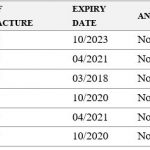
    This WHO medical product alert N°1/2020 refers to falsified Quinine Sulphate 300mg presented in six different combinations of batch numbers, expiry and manufacturing dates (see Table 1). The fraudulent use of the outdated WHO Essential Drugs Programme logo may create a false sense of product quality.

    Table 1: List of identified falsified Quinine Sulphate 300mg, subject of WHO Alert N°1/2020

    Medical Product Alert N° 1/2020 (English version) 1

    Recently received results of analysed samples show they do not contain any of the expected active ingredients.

    Quinine sulphate is referenced on the WHO Model List of Essential Medicines, to manage and treat severe malaria. At this stage, no adverse reactions attributed to these falsified products have been reported to WHO.    

    All the above falsified products claim to be manufactured by REMEDICA LTD – Cyprus and to contain 300mg of quinine sulphate. Remedica Ltd has confirmed that:

    • they did not manufacture the above falsified products; and
    • the variable data (batch number and dates) on the above products has never been used by Remedica.

     These falsified medicines display the following common characteristics (please see photographs):

    • grey or white plastic containers which contain 1000 loose circular tablets each;
    • display the outdated WHO Essential Drugs Programme logo;
    • English and French labelling with mistakes and inconsistencies; and
    • discovered at patient level in both regulated and unregulated outlets.

    Product details, photographs and advice to the public are available on the following pages.

    Outdated WHO Essential Drugs Programme logo 

    Medical Product Alert N° 1/2020 (English version) 2

    Photographs of confirmed falsified Quinine Sulphate 300mg tablets subject of
    Medical Product Alert N°1/2020

    1.       Falsified
    Quinine Sulphate Tablets B.P 300mg
    identified
    in Chad (Batch 44680)

    Medical Product Alert N° 1/2020 (English version) 3


    Medical Product Alert N° 1/2020 (English version) 4

    Medical Product Alert N° 1/2020 (English version) 5Medical Product Alert N° 1/2020 (English version) 6Medical Product Alert N° 1/2020 (English version) 7

    Medical Product Alert N° 1/2020 (English version) 8


    WHO requests increased vigilance within the supply chains of countries likely to be affected by these falsified products. Increased vigilance should include hospitals, clinics, health centres, wholesalers, distributors, pharmacies and any other suppliers of medical products.

    If you are in possession of the above products, please do not use. If you have used these falsified products, or if you suffer an adverse event having used these products, please seek immediate advice from a qualified healthcare professional, and ensure they report the incident to your local Ministry of Health/National Medicines Regulatory Authorities/National Pharmacovigilance Centre.

    All medical products must be obtained from authentic and reliable sources. Their authenticity and condition should be carefully checked. Seek advice from a healthcare professional in case of doubt.

    National health authorities are asked to immediately notify WHO if these falsified products are discovered in their country. If you have any information concerning the manufacture, distribution, or supply of these products, please contact rapidalert@who.int . 

    WHO Global Surveillance and Monitoring System

    for Substandard and Falsified Medical Products

    For further information, please visit our website: www.who.int/medicines/regulation/ssffc/en/


    Medical Product Alert N° 1/2020 (English version)
    Read More
    https://www.who.int/news-room/detail/09-03-2020-medical-product-alert-n-1-2020-english-version

    Views: 0
  • UN releases US$15 million to help vulnerable countries battle the spread of the coronavirus

    UN releases US$15 million to help vulnerable countries battle the spread of the coronavirus

    UN Humanitarian Chief Mark Lowcock today released US$15 million from the Central Emergency Response Fund (CERF) to help fund global efforts to contain the COVID-19 virus.

    The announcement came as the World Health Organization (WHO) upgraded the global risk of the coronavirus outbreak to “very high” – its top level of risk assessment. The WHO has said there is still a chance of containing the virus if its chain of transmission is broken.

    The sudden increases of cases in Italy, the Islamic Republic of Iran and the Republic of Korea are deeply concerning. There are now cases linked to Iran in Bahrain, Iraq, Kuwait and Oman, along with cases linked to Italy in Algeria, Austria, Croatia, Germany, Spain and Switzerland.

    The UN funding has been released to the WHO and the United Nations Children’s Fund (UNICEF). It will fund essential activities including monitoring the spread of the virus, investigating cases, and the operation of national laboratories.

    The WHO has called for US$675 million to fund the fight against coronavirus. There is a window of opportunity to contain the spread of the virus if countries take robust measures to detect cases early, isolate and care for patients, and trace contacts.

    Emergency Relief Coordinator and Under-Secretary-General for Humanitarian Affairs, Mark Lowcock said: “We do not yet see evidence that the virus is spreading freely. As long as that’s the case, we still have a chance of containing it.

    “But swift and robust action must be taken to detect cases early, isolate and care for patients, and trace contacts. We must act now to stop this virus from putting more lives at risk.

    “This grant from the UN’s Emergency Fund will help countries with fragile health systems boost their detection and response operations. It has the potential to save the lives of millions of vulnerable people.”

    This is a critical juncture in the outbreak. The focus is on containing COVID-19 by strengthening surveillance, conducting thorough outbreak investigations to identify contacts and applying appropriate measures to prevent further spread.

    Tedros Adhanom Ghebreyesus, WHO Director-General, said: “The potential spread of the virus to countries with weaker health systems is one of our biggest concerns. These funds will help support these countries get ready for detecting and isolating cases, protecting their health workers, and treating patients with dignity and appropriate care. This will help us save lives and push back the virus”

    UNICEF is leading on preventative actions in communities across the affected countries with risk communication, providing hygiene and medical kits to schools and health clinics and monitoring the impact of the outbreak to support continuity of care, education and social services.

    “At this pivotal moment, every effort must be made to push back against the outbreak,” said UNICEF Executive Director Henrietta Fore. “These crucial funds will support our global efforts to bolster weaker health systems and inform children, pregnant women and families about how to protect themselves.”

    Since it was launched in 2006, CERF has provided more than $6 billion to over 100 countries and helped hundreds of millions of people.

    UN releases US$15 million to help vulnerable countries battle the spread of the coronavirus
    Read More
    https://www.who.int/news-room/detail/01-03-2020-un-releases-us-15-million-to-help-vulnerable-countries-battle-the-spread-of-the-coronavirus

    Views: 0

  • Immunization is the best protection against tick-borne encephalitis

    Immunization is the best protection against tick-borne encephalitis

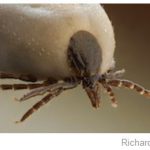
    immunization-is-the-best-protection-against-tick-borneIn a new position paper, published in the Weekly
    Epidemiological Record today, WHO recommends vaccination against
    tick-borne encephalitis in people of all ages where the disease is
    highly endemic. Where the prevaccination incidence of the disease is
    moderate or low or is limited to particular geographical locations or
    certain outdoor activities, immunization should target individuals in
    the most severely affected groups. People travelling from non-endemic
    areas to endemic areas should be offered vaccination if their visits
    will include extensive outdoor activities.

    Since the incidence of tick-borne encephalitis may vary
    considerably between and even within geographical regions, public
    immunization strategies should be based on risk assessments conducted at
    country, regional or district level, and should be appropriate to the
    local endemic situation.

    Immunization offers the most effective protection against
    tick-borne encephalitis. Currently, there are four widely used vaccines
    of assured quality: FSME-Immun and Encepur, manufactured in Austria and
    Germany respectively, and TBE-Moscow and EnceVir, manufactured in the
    Russian Federation. The four vaccines are considered to be safe and
    efficacious.

    Tick-borne encephalitis virus is an important cause of viral
    infections of the central nervous system in eastern, central and
    northern European countries, and in northern China, Mongolia, and the
    Russian Federation.

    Approximately 10 000–12 000 clinical cases of tick-borne
    encephalitis are reported each year, but this figure is believed to be
    significantly lower than the actual total. Most infections with the
    virus result from tick bites acquired during outdoor activities in
    forested areas.

    Immunization is the best protection against tick-borne encephalitis
    Read More
    https://www.who.int/news-room/detail/19-02-2020-immunization-is-the-best-protection-against-tick-borne-encephalitis

    Views: 0

  • US$675 million needed for new coronavirus preparedness and response global plan

    US$675 million needed for new coronavirus preparedness and response global plan

    To fight further spread of the new coronavirus (2019-nCoV) outbreak in China and globally, and protect states with weaker health systems, the international community has launched a US$675 million preparedness and response plan covering the months of February through to April 2020.

    “My biggest worry is that there are countries today who do not have the systems in place to detect people who have contracted with the virus, even if it were to emerge,” said Dr Tedros Adhanom Ghebreyesus, WHO Director-General. “Urgent support is needed to bolster weak health systems to detect, diagnose and care for people with the virus, to prevent further human to human transmission and protect health workers.”

    The Strategic Preparedness and Response Plan (SPRP) for the new coronavirus lays out activities and resources needed by international health organizations globally, including WHO, to implement priority public health measures in support of countries to prepare and respond to nCoV-2019 for a period February-April 2020. The objectives of the plan are to  limit human-to-human transmission of the virus, particularly in countries most vulnerable if they were to face an outbreak; identify, isolate and care for patients early; communicate critical risk and event information; minimize social and economic impact; reduce virus spread from animal sources; and address crucial unknowns.

    The plan focuses on:

    • Rapidly establishing international coordination and operational support;
    • Scaling up country readiness and response operations;
    • Accelerating priority research and innovation.

    “The effectiveness of outbreak response depends on the preparedness measures put in place before outbreaks strike,” said Dr Mike Ryan, head of WHO’s Health Emergencies Programme. “That is why we are seeking resources to safeguard the most vulnerable countries to protect people from the new coronavirus before it arrives on the doorstep.”

    As noted in the SPRP, WHO assesses that the outbreak poses a very high risk in China, and high risk regionally and globally. The risk assessment was based on factors including the likelihood of further spread, the potential impact on human health, and the varying levels of effectiveness in national preparedness and response measures. Accelerated action, as called for in the plan, can address these risks and areas requiring support.

    As of 10 a.m. Central European Time on 5 February, 25 countries have reported confirmed cases of the new coronavirus, including China, where 24,363 people had contracted the virus, or over 99% of all cases. In all other countries, 191 cases have contracted the virus.

    US$675 million needed for new coronavirus preparedness and response global plan
    Read More
    https://www.who.int/news-room/detail/05-02-2020-us-675-million-needed-for-new-coronavirus-preparedness-and-response-global-plan

    Views: 0

  • Female Genital Mutilation Hurts Women and Economies

    Female Genital Mutilation Hurts Women and Economies

    Female genital mutilation (FGM) exacts a crippling economic as well as human cost, according to World Health Organization (WHO).

    “FGM is not only a catastrophic abuse of human rights that significantly harms the physical and mental health of millions of girls and women; it is also a drain on a country’s vital economic resources,” said Dr Ian Askew, Director of WHO’s Department of Sexual and Reproductive Health and Research. “More investment is urgently needed to stop FGM and end the suffering it inflicts.”

    New modelling reveals that the total costs of treating the health impacts of FGM would amount to USD 1.4 billion globally per year, if all resulting medical needs were addressed. For individual countries, these costs would near 10% of their entire yearly expenditure on health on average; in some countries, this figure rises to as much as 30%.

    The interactive modelling tool that generated these data was launched on the International Day of Zero Tolerance for Female Genital Mutilation.

    Severe physical and mental health impacts for women and girls

    Women and girls living with FGM face serious risks to their health and well-being. These include immediate consequences after being cut, such as infections, bleeding or psychological trauma, as well as chronic health conditions that can occur throughout life.

    Women who have undergone the procedure are more likely to experience life-threatening complications during childbirth. They may face mental health disorders or suffer chronic infections. They may also have pain or problems when they menstruate, urinate or have sexual intercourse. 

    All of these conditions warrant much-needed medical attention and care.

    “High healthcare costs for countries mount because of the tragic personal impacts on women and girls. Governments have a moral responsibility to help end this harmful practice,” says Dr Prosper Tumusiime, Acting Director for Universal Health Coverage and the Life Course in the African Regional Office of WHO. “FGM hurts girls, imposes lifelong health risks on the women they become, and strains the healthcare systems that need to treat them.”

    Preventing FGM brings major benefits for women, girls, communities and economies

    Using data from 27 high-prevalence countries, the Cost Calculator demonstrates clear economic benefits from ending FGM. If it were abandoned now, it shows that the associated savings in health costs would be more than 60% by 2050.

    In contrast, if no action is taken, it is estimated that these costs will soar by 50% over the same time period, as populations grow and as more girls undergo the procedure.

    Since 1997, great efforts have been made to end FGM, through work within communities, research, and changes in legislation and policy. 26 countries in Africa and the Middle East now explicitly legislate against FGM, as well as 33 other countries with migrant populations from FGM-practicing countries.

    WHO is also working with countries to raise awareness of the harmful impacts of the practice among their health workers, and to engage them in prevention efforts.

    “Many countries and communities are showing that abandoning female genital mutilation is possible,” states Dr Christina Pallitto, scientist at WHO. “If countries invest to end female genital mutilation, they can prevent their girls from undergoing this harmful practice and promote the health, rights and well-being of women and girls.”

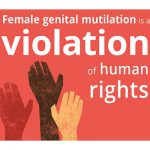
    Female genital mutilation is internationally recognized as a human rights violation. It has no medical benefits and causes only harm. WHO’s position is that FGM must never be carried out.

    Further information

    The FGM Cost Calculator will be available here, as of 00:30 CET 6 February 2020:
    www.who.int/news-room/detail/06-02-2020-economic-cost-of-female-genital-mutilation

    More on FGM

    Notes for Editors

    About FGM

    FGM includes procedures that intentionally alter or cause injury to the female genital organs for non-medical reasons. More than 200 million girls and women alive today are estimated to have undergone the practice across 30 countries in Africa, the Middle East and Asia where FGM is concentrated.

    FGM is mostly carried out on young girls between infancy and 15 years of age.

    About the FGM Cost Calculator

    The WHO FGM Cost Calculator shows the economic cost of treating the health complications caused by FGM across 27 high-prevalence countries. These costs were calculated using the WHO One Health tool and other available scientific evidence.

    Users of the tool can calculate costs by country in a ‘business as usual’ scenario; a scenario of partial abandonment of FGM, and full abandonment of FGM over a 30-year period. In addition, the distribution of costs by different types of health complications is presented by country.

    The tool does not consider other indirect costs that hit families and communities, or the socio-economic impacts of the practice, which would be significantly higher still.

    The 27 countries modelled include Benin, Burkina Faso, Central African Republic, Còte d’Ivoire, Cameroon, Chad, Djibouti, Egypt, Eritrea, Ethiopia, Ghana, Guinea, Gambia, Guinea-Bissau, Iraq, Kenya, Mali, Mauritania, Niger, Nigeria, Soudan, Senegal, Sierra Leone, Somalia, Togo, United Republic of Tanzania, Yemen.

    Female Genital Mutilation Hurts Women and Economies
    Read More
    https://www.who.int/news-room/detail/06-02-2020-female-genital-mutilation-hurts-women-and-economies

    Views: 0

  • Renfe inks $6 bn deal to build high-speed train in US

    Renfe inks $6 bn deal to build high-speed train in US

    Spanish train operator Renfe on Thursday said it had signed a $6-billion deal with US rail developer Texas Central to design, build and run a high-speed rail line in the United States.

    Views: 0

  • A Modern-Day David and Goliath – Techno Teen Takes on Computer Giant – and Wins!

    [ad_1]

    “Those who say it can’t be done need to get out of the way of those that are doing it.” Unknown

    The entrepreneur of today’s world can be compared to the legendary Don Quixote – chasing windmills in search of great fortune.

    The entrepreneurial journey I would like to share with you in this article might be a bit of a surprise. I find it remarkable yet I have barely seen it mentioned in the press over the years.

    Imagine the following scenario. The year is 1983. You are a college freshman at The University of Texas in Austin, sitting in your dorm room playing around on your computer.

    1983. Pre-Internet. Pre-computers-on-every-desk, in-every-room-of-the-house. These were the days of PONG, where very few people sat around playing with personal computers. (If you don’t know what PONG is, ask someone a lot older than you.)

    Back to your dorm room. You are supposed to be in class. Instead, you are sitting there playing around on your computer and you have a bright idea – the proverbial “light bulb” goes off in your head.

    “I think I’ll start a computer company and compete with IBM!” Since no one is around to hear you and tell you how ridiculous you sound, you continue.

    You have no employees. No manufacturing facility. No family in the computer business. You’ve never even worked for a computer company. Sure, you’ve been pulling computers apart and putting them back together since your were 15 but come on! Compete with IBM? Everyone around you thinks you have lost your mind.

    Yet, you believe you have a better way.

    You develop a passion for the idea of making better computers and selling them for less by going directly to the consumer.

    The story goes that mom and dad heard that sonny-boy was skipping a lot of classes so that he could play with his computers. Mom and Dad decided to pay a visit one day and caught him red-handed. After reading Michael the riot act, Michael’s dad asked him what he wanted to do with his life. He told his dad that he wanted to compete with IBM.

    Imagine that conversation!

    And so it was that the 19 year old boy genius, techno-teen Michael Dell, armed with only $1000, abandoned his plans of becoming a doctor and dropped out of college after his freshman year to take on the big boys – IBM, Compaq, Hewlett-Packard, and others.

    He believed he could outsource everything – the manufacturing, distribution, sales and service. Remember now, this was pre-Internet. Pre-global-out-sourcing. He believed he could bypass the traditional expensive distribution channels and go straight to the consumers, giving them exactly what they wanted – better quality, lower cost computers made specifically for them.

    He knew what his consumer wanted because he was his own consumer – frustrated by poor customer service, crappy quality, non-existent customization and high prices.

    The rest is history. Modern American business history, that is.

    By the time Dell was 22 years old, his company had achieved annual sales of about $150 million. Starting with only $1000 and growing the company to a $1 billion (with a B!) public company in less than 10 years is a record few companies can match.

    Today Dell, Inc. is a $57 billion company with the leading market share in the United States with over 46,000 employees, including more than 16,000 in Central Texas. Dell is listed as the 8th wealthiest person in the United States according to Forbes magazine (August 2007). Dell first made the Forbes 400 Wealthiest People in the United States at the ripe old age of 26. He is said to have been worth over $20 billion by the age of 40.

    Dell has been named “Entrepreneur of the Year” from Inc. magazine; “Man of the Year” from PC Magazine; “Top CEO in American Business” from Worth Magazine; “CEO of the Year” from Financial World and Industry Week magazines.

    Not bad for a college dropout.

    Michael Dell. At age 19, he realized he could build a better mousetrap and sell it for less.

    Simple formula. Brilliant execution.

    The first time I heard this story, I frankly didn’t believe it. A college freshman takes on IBM, and wins?! No way, said my logical left brain. There has to be more to this story!

    No, this one goes in the “truth is stranger than fiction” category.

    Michael Dell was just a bright boy with a bright idea. Fueled by passion. Too young, too foolish, and certainly too focused to listen to the naysayers who said it couldn’t be done.

    According to Dell, “No one told me that we couldn’t do it, and if they did, I wasn’t listening.”

    It’s a good thing he wasn’t listening. In addition to revolutionizing the personal computer industry, Dell has donated more than $1 billion in stock to the Michael and Susan Dell Foundation, which is now one of the country’s largest foundations. The foundation focuses on children’s health and education initiatives.

    Even though today’s story is about a mega-millionaire with a gazillion dollar company, never forget that once upon a time, Michael Dell was a lot like you and me. Just a kid with a dream that wouldn’t die.

    [ad_2]

    Source by Gina Carr

    Views: 0

  • The Versatile Ranch Style House

    [ad_1]

    Over the years I've designed and drawn many different styles of homes for clients. I've had the honor of making plans for stately Colonial Manors, Cottages, Modern Contemporary, Federal Style, Mediterranean, etc., but the most versatile of all these layouts is the American Ranch Style home.

    Conceived in the US in the 1920s, and patterned after the Midwestern homes use by ranchers and farmers in the late 19th and early 20th century. Hence the name: "Rancher". The Rancher was also known as the "Tract House" because this was the style of choice for developers creating large sub divisions. Thousands of these homes were built in subdivisions across the nation. If you've ever watched the movie, "It's a Wonderful Life" starring Jimmy Stewart at Christmas time, about 45 minutes into the move you'll see a whole bunch of these Ranch styles in the back ground.

    Simpler because of its single story design, the Ranch House can be made into a large rectangle with a long central hallway. But the house can also be built in a "T" or "C" shaped configuration, a "L", and even an "E" or even a double "E" layout. This gives this design an ability to adapt to the needs of the family living in it and fit the terrain, no matter what the topography of the lot it's built on.

    The foundations or basements are also a simple matter for these homes. That's because we have the simple rectangular design. With a rectangular layout, there's always an easy way to support the floor system with all the piers or post evenly spaced.

    Roofs on this style also can vary in shape. The most common roof for the main rectangle of the home is the simple gable, hip, half hip, or even a flat roof. But if the other appendages are added, you can have multiple roofs in whatever direction the homes extensions happen to go. I've seen some built with angled appendages at 30 to 45 degrees.

    But the design even lends itself to more class by adding a steep roof pitch that another ½ story can be added to the house making it a story and a half. From that steep roof, dormers can be placed to add even more beauty to the home. One of the prettiest Ranchers I've ever seen had this steep roof configuration with a large center dormer and smaller dormers on each side of the large one. It was also decorated out with many of the classic brick work, columns, and trims of the colonial homes. It was a sight to behold and the owner was very proud.

    [ad_2]

    Source by Tim J. Davis

    Views: 0