Tag: Cancer

  • Adequate blood supply in the country: National Blood Centre

    Adequate blood supply in the country: National Blood Centre

    Adequate blood supply in the country: National Blood Centre 1

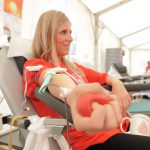
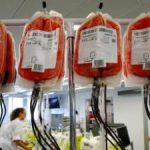
    KUALA LUMPUR: The supply of blood in the country is still sufficient at a safe level so far, said National Blood Centre (PDN) director Dr Noryati Abu Amin.

    However, she said PDN and other blood centres are still in need of blood donors to continue replenishing blood stock at an optimum level all the time.

    According to her, blood donation is still available during the Movement Control Order (MCO) period as the activity is considered an essential service under the Health Ministry for the treatment of patients.

    While it cannot be denied that blood donation throughout the country would be affected following Covid-19 and the enforcement of MCO, Dr Noryati said various efforts including stepping up promotions via social media as well as extending the operation hours at collection centres have been carried out.

    “So far, the supply of all types of blood is sufficient, however many blood donation campaigns were cancelled over fears that the people maybe infected with Covid-19 which also caused a drop in the number of donors,” she told Bernama.

    Dr Noryati added that several additional measures were taken to prevent the spread of Covid-19 when individuals came to donate blood, among them was limiting the number of donors at a location at any one time.

    “Apart from that, measures such as social distancing and practice of good hygiene especially washing hands with soap and water as well as providing initial screening such as checking body temperature and inquiring the travel history of the donor, she said.

    In this regard, she urged the people to continue donating blood regularly to ensure the supply of blood is always at a safe level.

    “Having an adequate supply of blood at all time is very important to treat patients such as emergency victims, expecting mothers who may experience bleeding complications during delivery, cancer and thalassemia patients as well as patients undergoing major surgeries,” she said.

    Members of the public can donate blood at three locations in the Klang Valley namely PDN in Jalan Tun Razak on Monday to Friday from 7.30am to 8pm and on Saturday and Sunday, from 8am to 6pm.

    Besides that, the PDN Donation Suite in Midvalley Megamall starts daily from 10am to 5pm while the Puspanita Blood Donation Suite in Putrajaya operates from Tuesday to Friday from 10am to 7pm and on weekends from 9am to 6pm.

    Meanwhile, the blood supply at the Blood Centre of Tuanku Ja’afar Hospital Seremban (HTJS) is also sufficient, said Negri Sembilan Health acting director Dr Mohammad Faid Abd Rashid.

    Speaking to Bernama, he said the centre has enough blood for patients,

    “During the MOC period, the centre is still operating on Saturday and Sunday from 9am to 3pm and on Monday to Friday from 8 am to 4.30 pm.

    “The supply of blood however depends on healthy and non-risky donors who have to adhere to the regulations of the hospital,” he said.

    Dr Mohammad Faid said those who display Covid-19 symptoms or have just returned from abroad or have close contact with suspected Covid-19 cases would not be allowed to donate blood. — Bernama

    Adequate blood supply in the country: National Blood Centre
    Read More
    https://www.thesundaily.my/local/adequate-blood-supply-in-the-country-national-blood-centre-BA2165883

    Views: 0

  • Wasps may benefit us as much as bees. Could we learn to love them?

    Wasps may benefit us as much as bees. Could we learn to love them?

    We love to hate wasps, but they pollinate flowers, kill off pests and their venom might even help us treat cancer
    Wasps may benefit us as much as bees. Could we learn to love them?
    Read More
    https://www.newscientist.com/article/mg24532740-800-wasps-may-benefit-us-as-much-as-bees-could-we-learn-to-love-them/?utm_campaign=RSS%7CNSNS&utm_source=NSNS&utm_medium=RSS&utm_content=home

    Views: 0

  • Cervical cancer elimination initiative updates

    Cervical cancer elimination initiative updates


    Banner of the Cervical cancer Elimination newsletter

    February: Garnering international support on the path to eliminate cervical cancer

    On
    5 February, the WHO Executive Board recommended to the 73rd World
    Health Assembly the adoption of the draft Global Strategy to accelerate
    the elimination of
    cervical cancer as a public health problem, and urged its
    implementation. The proposed resolution urges Member States to implement
    the strategy, calling for the support of international organizations
    and other relevant stakeholders, and includes a request
    for the Director General to support Member states in this endeavor.
     The WHA will consider the resolution when it convenes in May 2020.  The
    session included 23 interventions from EB Member States, most of them
    in full support of the Strategy and resolution;
    18 from other Member States, 6 observers and 6 non-state actors. Dr
    Nono Simelela, ADG and Special Adviser to WHO Director-General Dr
    Tedros, responded at the end of the session, thanking delegates for the
    broad support, and addressing some of the comments
    by sharing some of the ongoing work such as the efforts with the
    immunization partners to address HPV vaccine supply challenges and
    transparency in pricing.

    Read the full story

    Read the full draft resolution

    Download the
    Draft Strategy


    Dr Nono Simelela presented the draft Global Strategy towards Eliminating Cervical Cancer as a Public Health Problem during a webinar with partners. This presentation was given as part of
    the Us vs. HPV Prevention Week webinar series hosted by the Global
    Initiative Against HPV and Cervical
    Cancer. While highlighting WHO’s life-course approach to cervical
    cancer control, Dr Simelela also explained the proposed elimination
    threshold and targets as laid out in the strategy. She also discussed
    addressing salient challenges such as redressing inequities
    and taking special considerations for women living with HIV.

    Read the full story

    Listen to the full webinar “Gathering momentum for the global elimination of cervical cancer”

    Watch the video: Cervical Cancer Elimination – developed by Basic Health International (BHI), Union for International Cancer Control (UICC) and the Global Initiative Against HPV and Cervical Cancer (GIAHC)

    Read the story:To eliminate cervical cancer in the next 100 years, implementing an effective strategy is critical


    Dr
    Simelela was invited to Rwanda to support the kick off for a national
    cervical screening program set to put Rwanda on the path towards the
    Global Strategy goals
    for elimination of cervical cancer.


    Dr Simelala with the 1st Lady of of the Republic of Rwanda, Mrs. Jeannette Kagame


    HPV DNA test self-sampling demonstrated at cervical cancer screening facility, Muhoza Health Center

    Radiotherapy facility at Rwanda Cancer Center, colleagues from MOH, WHO, RBC and CHAI


    Amongst
    others, Rwanda’s First Lady Jeannette Kagame received her for a
    discussion on how WHO can support efforts against cervical cancer in her
    own country and
    throughout Africa. Dr Simelela held discussions on cervical cancer
    screening and treatment services, including building radiotherapy
    capacity, with the dedicated staff of Ruhengeri Hospital, Butaro
    Hospital, the Muhoza health center and hospital and the Rwanda
    Military Hospital. While cervical cancer and breast cancer are the most
    prevalent cancers among the women in the country, Rwanda has
    impressively reached a 97% HPV vaccination rate since introducing a
    vaccination programme in 2011, with a target to reach 70%
    screening coverage in five years. We look forward to a continuing and
    fruitful partnership with Rwanda and all the countries who have pledged
    their commitment to eliminate this preventable cancer. Together we can
    answer WHO’s call and improve the lives of
    girls and women around the world. 


    Follow us for more updates!

    Sign up for our newsletter
     

    Cervical cancer elimination initiative updates 2For
    news and real-time updates from around the world,
    follow Dr Princess Nono Simelela on Twitter
    @DrNonoSimelela
    ADG, Special Adviser to the Director-General on Strategic Programmatic Priorities

    Upcoming events

    International Women’s Day
    8 March 2020
     
    64th Session of the Commission on the Status of Women/Beijing+25
    9 – 20 March 2020

    World Immunization Week
    24 – 30 April 2020


    Copyright © 2019 World Health Organization, All rights reserved.

    You are receiving this email because you signed up for updates from WHO.
    Thanks for helping to make the world a little healthier.

    Our mailing address is:

    World Health Organization

    Avenue Appia 20

    Geneva 27 1211

    Switzerland


    Cervical cancer elimination initiative updates
    Read More
    https://www.who.int/news-room/detail/04-03-2020-cervical-cancer-elimination-initiative-updates-december-2019

    Views: 0

  • Helping non-experts create mathematical models through natural selection

    Helping non-experts create mathematical models through natural selection

    Science and engineering applications such as control of high-precision motion systems or electrochemical processes are often built on mathematical models of dynamic systems. Ph.D. candidate Dhruv Khandelwal developed a framework that allows people without experience in data-driven modeling to fairly easily develop high-quality, optimized mathematical models of these dynamic systems. This is a vital tool that can help researchers of any stripe navigate the complex maze of modeling technologies and systems dynamics, and support data-driven research output and valorization. For instance, electrical engineers managing the health of the electricity grid or researchers studying the growth of cancer cells. Khandelwal defends his Ph.D. thesis on March 4.

    Read More

    Views: 0

  • WHO steps up action to improve access to safe blood

    WHO steps up action to improve access to safe blood

    The World Health Organization’s new action plan to speed up universal access to safe blood and blood products pulls together existing recommendations and recommends new improved ways of working. It’s the start of a four-year collaborative effort to improve blood transfusion and blood-based therapies in all countries.

    Safe blood saves lives in all sorts of circumstances, not least in emergency and epidemic settings. Blood transfusion and blood products are critical for birth delivery for both the mother and baby; the survival and quality of life of patients suffering from life-threatening conditions such as haemophilia, thalassemia, immune deficiency and cancer; treating severe injuries and carrying out medical and surgical procedures.  

    But progress in blood safety and availability has been slow in many parts of the world, placing patients’ safety at risk and putting undue pressure on health workers. Progress is also mostly restricted to developed countries. Out of the approximate 118 million blood donations collected globally, 42% are collected in high-income countries, home to 16 % of the world’s population. And one out of four low-income countries do not test all donated blood, while 54% of countries do not have surveillance systems to securitise the supply chain from blood donor to patient. 

    Challenges include: slow implementation of national blood policies and weak blood regulatory systems; insufficient number of voluntary blood donors (who are considered the safest donors); poor quality management of screening tests, blood grouping and compatibility testing; inappropriate clinical use of blood; insufficient national funding for blood safety.

    To address these, WHO has set out six key objectives for all countries and in particular those with weak blood systems:

    • appropriately structured, well-coordinated and sustainably resourced national blood systems;
    • regulatory capacity to ensure the quality and safety of blood;
    • functioning and efficiently managed blood services;
    • effective implementation of patient blood management to optimize transfusion practices;
    • effective surveillance, haemovigilance and pharmacovigilance, supported by comprehensive and accurate data collection systems;
    • partnerships, collaboration and information exchange to achieve key priorities and jointly address challenges and emerging threats at global, regional and national levels.

    The Organization looks forward to working with partners worldwide to implement the plan, improve blood supply particularly in the low and middle-income countries where this is so urgently needed, and save lives. The plan will run from 2020-2024.

    WHO steps up action to improve access to safe blood
    Read More
    https://www.who.int/news-room/detail/26-02-2020-who-steps-up-action-to-improve-access-to-safe-blood

    Views: 0

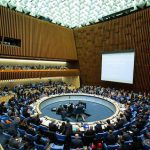
  • WHO EB recommends the adoption of the strategy for elimination of cervical cancer

    WHO EB recommends the adoption of the strategy for elimination of cervical cancer

    20200203_WHO_Executive_Board_021

    Co-sponsored by 20 Member States and the EU, the draft resolution for the
    Seventy-Third World Health Assembly (WHA) was presented on 5 February,
    2020, at EB146.

     The proposal followed Executive Board Members’ review of the Director-General’s report.

    The proposed resolution recommends that the World Health Assembly adopt the global
    strategy to accelerate the elimination of cervical cancer as a public
    health problem and its associated goals and targets for the period
    2020–2030.  It also urges Member States to implement the
    strategy, calling for the support of international organizations and
    other relevant stakeholders, and includes a request for the Director
    General to support Member states in this endeavor.   The WHA will
    consider the resolution when it convenes in May 2020.


    WHO EB recommends the adoption of the strategy for elimination of cervical cancer
    Read More
    https://www.who.int/news-room/detail/05-02-2020-who-eb-recommends-the-adoption-of-the-strategy-for-elimination-of-cervical-cancer

    Views: 0

  • E-cigarettes are harmful to health

    E-cigarettes are harmful to health

    Globally, there are 1.1 billion adult smokers, 60% of them want or intend to quit. Much has been written and said about the potential of electronic nicotine delivery systems (ENDS) such as e-cigarettes to help tobacco users quit. While the evidence is still inconclusive, e-cigarettes are often used along with one or more tobacco products. As this is the practice with many ENDS users, the health effects of two or more products are combined. Governments who want to weigh the potential benefits and risks of e-cigarettes for their population should consider the following:

    1. Regarding the potential health effects for which the evidence is mounting, there is insufficient data to understand the full breadth of their impact on health as devices have not been on the market long enough. Especially the long-term effects of using e-cigarettes or being exposed to them are yet unknown.
    2. Nevertheless, the evidence is clear that the aerosols of the majority of ENDS contain toxic chemicals, including nicotine and substances that can cause cancer.ENDS on their own are associated with increased risk of cardiovascular diseases and lung disorders and adverse effects on the development of the fetus during pregnancy. ENDS are undoubtedly harmful, should be strictly regulated, and, most importantly, must be kept away from children. Nicotine is highly addictive and found in most e-cigarettes. Both tobacco products and e-cigarettes pose risks to health and the safest approach is not to consume either.
    3. It is of particular public health concern that increasingly children and adolescents take up the use of e-cigarettes in some countries. Most ENDS can be manipulated by the user. Some manufacturers also hold patents to remotely manipulate nicotine dosages and toxicant delivery. Furthermore, there is a growing body of evidence in some countries that never-smoker adolescents who use ENDS at least double their chance of starting to smoke cigarettes later in life. Exposing children and adolescents to nicotine can have long-lasting, damaging effects on brain development and lead to nicotine addiction.

    WHO continues to monitor the evidence and technological developments and will adapt this statement accordingly.

    E-cigarettes are harmful to health
    Read More
    https://www.who.int/news-room/detail/05-02-2020-e-cigarettes-are-harmful-to-health

    Views: 0

  • To eliminate cervical cancer in the next 100 years, implementing an effective strategy is critical

    To eliminate cervical cancer in the next 100 years, implementing an effective strategy is critical

    Vaccination, screening, treatment and palliative care are the key interventions of WHO’s Draft Global Strategy towards the Elimination of Cervical Cancer as a Public Health Problem,
    the fourth most common cancer in women.

    On World Cancer Day, new estimates show that this strategy could save more than 62 million girls and women from a cervical cancer death and prevent 74 million cases within the next 100 years – but only if these interventions are used effectively
    together.

    No single intervention can eliminate cervical cancer

    These estimates, published by the WHO Cervical Cancer Elimination Modelling Consortium (CCEMC) in The Lancet, are based on the draft strategy’s targets to achieve a global coverage of 90% vaccination, 70% screening and 90% treatment by 2030.


    lancet

    Impact of HPV vaccination and cervical screening on cervical cancer elimination: a comparative modelling analysis in 78 low-income and lower-middle-income countries

    Mortality impact of achieving WHO cervical cancer elimination targets: a comparative modelling analysis in 78 low-income and lower-middle-income countries


    Developed by Member States, UN agencies and other partners, the draft global strategy seeks to redress the unequal burden of cervical cancer around the world. Nine in 10 cervical cancer deaths occur in low and lower-middle-income countries, where
    women lack access to health services.

    As Dr Tedros Adhanom Ghebreyesus, WHO’s Director-General has said, “It doesn’t have to be this way. Cervical cancer
    is one of the most preventable and treatable forms of cancer, as long as it is detected early and managed effectively.”

    This new analysis compares the impact of vaccination, screening and treatment of cervical pre-cancer lesions as single or combined interventions. Focusing on 78 countries where cervical cancer mortality is highest, the results clearly show that no
    single intervention will be sufficient to reduce levels of cervical cancer in the next 100 years to below the elimination target of 4 cases per 100,000 women per year.

    Acting immediately on all three fronts is crucial.                                                                                       

    90-70-90: a triple intervention by 2030 and beyond

    Vaccinating girls against cancer-causing types of human papillomavirus (HPV) before the age of 15 is the foundation for bringing every country’s incidence rate of cervical cancer down to the agreed elimination level.

    Right now, however, vaccination is not enough. As a single strategy, vaccination targets would only deliver a 0.1% reduction in cervical cancer mortality by 2030. Scaling up screening and treatment of cervical pre-cancer lesions at the same time would
    reduce mortality by more than one third, or 300,000 deaths, in the same period.

    The evidence shows that when all adult women are screened for cervical cancer at least twice, at ages 35 and 45, abnormalities are more likely to be detected before they become cancerous. When cancer has developed, screening increases a women’s
    likelihood of early and successful treatment, as well as palliative care if recovery is no longer an option.

    Meeting these triple-intervention targets would be a major contribution to target 3.4 of the UN Sustainable Development Goals (SDGs), a one-third reduction in premature mortality from non-communicable diseases by 2030.

    The future of cervical cancer elimination

    WHO’s global strategy towards eliminating cervical cancer aims to set the world on the right track by 2030, but it is just the beginning.

    At this pace, global elimination of cervical cancer is not predicted until 2120.

    While high HPV vaccination coverage is the primary prevention intervention, ensuring every woman has two cervical screenings in her life would accelerate elimination by 11 – 31 years, depending on the country.

    If no action is taken, cervical cancer deaths will rise almost 50% by 2030. Approval of the draft global strategy at the WHO World Health Assembly in 2020, and investment in mechanisms to deliver it, is vital.

    As the new World Cancer Report shows, only 18% of countries that currently provide screening for cervical cancer reached the recommended target of more than 70% coverage. An estimated 55% of low-income countries that reported offering
    cervical cancer screening generally lack accessible radiotherapy or surgery services.

    Elimination of cervical cancer is possible within the lifetime of today’s youngest girls, but the clock starts now and every intervention counts.


    To eliminate cervical cancer in the next 100 years, implementing an effective strategy is critical
    Read More
    https://www.who.int/news-room/detail/04-02-2020-to-eliminate-cervical-cancer-in-the-next-100-years

    Views: 0

  • WHO outlines steps to save 7 million lives from cancer

    WHO outlines steps to save 7 million lives from cancer

    The World Health Organization (WHO) today spells out the need to step up cancer services in low and middle-income countries. WHO warns that, if current trends continue, the world will see a 60% increase in cancer cases over the next two decades. The greatest increase (an estimated 81%) in new cases will occur in low- and middle-income countries, where survival rates are currently lowest.

    This is largely because these countries have had to focus limited health resources on combating infectious diseases and improving maternal and child health, while health services are not equipped to prevent, diagnose and treat cancers. In 2019, more than 90% of high-income countries reported that comprehensive treatment services for cancer were available in the public health system compared to less than 15% of low-income countries.

    “This is a wake-up call to all of us to tackle the unacceptable inequalities between cancer services in rich and poor countries,” says Dr Ren Minghui, Assistant Director-General, Universal Health Coverage/ Communicable and Noncommunicable Diseases, World Health Organization. “If people have access to primary care and referral systems then cancer can be detected early, treated effectively and cured. Cancer should not be a death sentence for anyone, anywhere.”

    Yet, progress in poorer countries is achievable. WHO and the International Agency for Research on Cancer (IARC) are releasing two coordinated reports on World Cancer Day (4 February), in response to government calls for more research into the scope and potential policies and programmes to improve cancer control.

    “At least 7 million lives could be saved over the next decade, by identifying the most appropriate science for each country situation, by basing strong cancer responses on universal health coverage, and by mobilizing different stakeholders to work together”, said Dr Tedros Adhanom Ghebreyesus, Director-General, WHO.

    WHO highlights a wide range of proven interventions to prevent new cancer cases. These include controlling tobacco use (responsible for 25% of cancer deaths), vaccinating against hepatitis B to prevent liver cancer, eliminating cervical cancer by vaccinating against HPV, screening and treatment, implementing high-impact cancer management interventions that bring value for money and ensuring access to palliative care including pain relief.

    “The past 50 years have seen tremendous advances in research on cancer prevention and treatment,” says Dr Elisabete Weiderpass, Director of IARC. “Deaths from cancer have been reduced. High-income countries have adopted prevention, early diagnosis and screening programmes, which together with better treatment, have contributed to an estimated 20% reduction in the probability of premature mortality between 2000 and 2015, but low-income countries only saw a reduction of 5%. We need to see everyone benefitting equally.” The challenge will be for countries to select treatments balancing considerations including cost, feasibility and effectiveness. Each government is tasked with choosing the appropriate innovative cancer therapies, while recognizing that established treatments, many of which are very effective and affordable, can provide benefits for cancer without causing financial hardship.

    Note to editors

    World Health Organization

    Report on Cancer: Setting priorities, investing wisely and providing care for all

    The report aims to set the global agenda on cancer, mobilize stakeholders and help countries set priorities for investing in cancer control and universal health coverage. It introduces the principles, tools and current priority cancer control interventions in the context of the current and future cancer burden and opportunities.

    International Agency for Research on Cancer

    World Cancer Report “Cancer research for cancer prevention”

    The report focuses on prevention and offers the most comprehensive overview of relevant research available to date, ranging from descriptive etiology, cellular and molecular biology, toxicology and pathology through to behavioural and social science. Key chapters include discussions on the impact of inequalities in cancer, vaccination and screening, genomic individual susceptibility to cancer and the finer identification of those at risk, which may allow ‘precision cancer prevention’.

    WHO outlines steps to save 7 million lives from cancer
    Read More
    https://www.who.int/news-room/detail/04-02-2020-who-outlines-steps-to-save-7-million-lives-from-cancer

    Views: 0

  • WHO Global Initiative for Childhood Cancer: progress on all fronts

    WHO Global Initiative for Childhood Cancer: progress on all fronts

     Peru shows the way forward and the courage of Ander Martinez

    “When Ander was diagnosed, I didn´t have the possibility to cover the cost of the treatment. It was very expensive, and I had nothing,” says Rosalina Tocto, 29 years mother of Ander Martínez Tocto. Ander had just been diagnosed with acute leukemia at the young age of 6 years. From the beginning, the odds were stacked against him. He and his family lived in a rural town, six hours from the nearest city. His parents did not have a formal job, placing the family under financial strain.

    Ander and his family were not alone in this situation. “In Peru, nearly 1800 children and adolescents are diagnosed with cancer every year; however, up to 70% will have a late stage, often metastatic due to delays in diagnosis,” says Dr. Juan García, medical chief of the Pediatric Department of in the National Institute of Neoplastic Diseases (INEN) in Lima, Peru. “Most of our patients come from outside Lima and the majority of parents do not have formal employment and therefore do not have any type of insurance.”

    Fortunately, Peru has made a strong commitment to Universal Health Coverage. In 2009, a law was passed to improve access to care by introducing a mandatory health insurance system and registering everyone living in extreme poverty under Seguro Integral de Salud (SIS), regardless of age or circumstance.  

    Dr. Reina Bustamante, Executive Director of the Division of Prevention and Control of Cancer of the MINSA says “UHC is an important step in public health particularly for those who lack public or private insurance like Ander. In this context, we are trying to follow WHO guidance to achieve UHC and ensure all individuals and communities receive the health services they need without suffering financial hardship.”

    In 2019, Peru was selected as a focus country for the WHO Global Initiative for Childhood Cancer as the first focus country in the Region. The Global Initiative aims to improve survival for all children with cancer to at least 60% by 2030 while reducing suffering, altogether with the potential to save an additional one million lives.

    Four main goals were formulated for the national pediatric cancer plan: (1) improve early diagnosis of childhood cancer, (2) decrease treatment abandonment, (3) implement a national pediatric cancer registry and (4) improve the quality of services in pediatric oncology units.

    Dr. Liliana Vasquez, pediatric oncologist who works as an external consultant for the Division of Prevention and Control of Cancer of MINSA said, “Ten working groups have been established to achieve the goals.”

    Dr. Vivian Perez, advisor of the Non-Communicable Diseases Office in PAHO-Peru added “the initial focus for the Initiative will be on six cancers selected as tracers for monitoring progress across the health system, alongside engagement of at least six focus countries with a record of strong political commitment and foundational efforts supporting children with cancer.”

    For Ander, his health care team, the commitments from the government of Peru and partners and Global Initiative have made it possible to be successfully treated and will now allow him to dream of a healthy future though better access to surveillance monitoring and psycho-oncological support aimed at childhood cancer survivors.

    Peru is showing what is possible for all countries. By concerted action and promoting universal health coverage, every child in the world can have access to high-quality care with the greatest likelihood of survival, and every family should be protected from financial hardship. We can do more together. 


    WHO Global Initiative for Childhood Cancer: progress on all fronts
    Read More
    https://www.who.int/news-room/detail/14-02-2020-who-global-initiative-for-childhood-cancer-progress-on-all-fronts

    Views: 0