Tag: Africa

  • Medical Product Alert N° 1/2020 (English version)

    Medical Product Alert N° 1/2020 (English version)


    Falsified antimalarials in West and Central Africa displaying an outdated WHO Essential Drugs Programme logo

    This Medical Product Alert relates to a series of confirmed falsified antimalarials circulating in West and Central Africa. Medicines subject of this alert display a similar logo to the outdated
    WHO Essential Drugs Programme logo.
     

    Since 2013, different falsified medicines, all displaying the outdated WHO Essential Drugs Programme logo, have been reported to the WHO Global Surveillance and Monitoring System by various stakeholders. The continued and widespread availability of these falsified medicines highlights a strong need for additional vigilance. WHO previously published two alerts on this issue (No.132 in Oct 2014, and No.131 in March 2014)

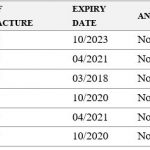
    This WHO medical product alert N°1/2020 refers to falsified Quinine Sulphate 300mg presented in six different combinations of batch numbers, expiry and manufacturing dates (see Table 1). The fraudulent use of the outdated WHO Essential Drugs Programme logo may create a false sense of product quality.

    Table 1: List of identified falsified Quinine Sulphate 300mg, subject of WHO Alert N°1/2020

    Medical Product Alert N° 1/2020 (English version) 1

    Recently received results of analysed samples show they do not contain any of the expected active ingredients.

    Quinine sulphate is referenced on the WHO Model List of Essential Medicines, to manage and treat severe malaria. At this stage, no adverse reactions attributed to these falsified products have been reported to WHO.    

    All the above falsified products claim to be manufactured by REMEDICA LTD – Cyprus and to contain 300mg of quinine sulphate. Remedica Ltd has confirmed that:

    • they did not manufacture the above falsified products; and
    • the variable data (batch number and dates) on the above products has never been used by Remedica.

     These falsified medicines display the following common characteristics (please see photographs):

    • grey or white plastic containers which contain 1000 loose circular tablets each;
    • display the outdated WHO Essential Drugs Programme logo;
    • English and French labelling with mistakes and inconsistencies; and
    • discovered at patient level in both regulated and unregulated outlets.

    Product details, photographs and advice to the public are available on the following pages.

    Outdated WHO Essential Drugs Programme logo 

    Medical Product Alert N° 1/2020 (English version) 2

    Photographs of confirmed falsified Quinine Sulphate 300mg tablets subject of
    Medical Product Alert N°1/2020

    1.       Falsified
    Quinine Sulphate Tablets B.P 300mg
    identified
    in Chad (Batch 44680)

    Medical Product Alert N° 1/2020 (English version) 3


    Medical Product Alert N° 1/2020 (English version) 4

    Medical Product Alert N° 1/2020 (English version) 5Medical Product Alert N° 1/2020 (English version) 6Medical Product Alert N° 1/2020 (English version) 7

    Medical Product Alert N° 1/2020 (English version) 8


    WHO requests increased vigilance within the supply chains of countries likely to be affected by these falsified products. Increased vigilance should include hospitals, clinics, health centres, wholesalers, distributors, pharmacies and any other suppliers of medical products.

    If you are in possession of the above products, please do not use. If you have used these falsified products, or if you suffer an adverse event having used these products, please seek immediate advice from a qualified healthcare professional, and ensure they report the incident to your local Ministry of Health/National Medicines Regulatory Authorities/National Pharmacovigilance Centre.

    All medical products must be obtained from authentic and reliable sources. Their authenticity and condition should be carefully checked. Seek advice from a healthcare professional in case of doubt.

    National health authorities are asked to immediately notify WHO if these falsified products are discovered in their country. If you have any information concerning the manufacture, distribution, or supply of these products, please contact rapidalert@who.int . 

    WHO Global Surveillance and Monitoring System

    for Substandard and Falsified Medical Products

    For further information, please visit our website: www.who.int/medicines/regulation/ssffc/en/


    Medical Product Alert N° 1/2020 (English version)
    Read More
    https://www.who.int/news-room/detail/09-03-2020-medical-product-alert-n-1-2020-english-version

    Views: 0
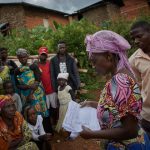
  • End in sight, but flare-ups likely in the Ebola outbreak in the Democratic Republic of the Congo

    End in sight, but flare-ups likely in the Ebola outbreak in the Democratic Republic of the Congo

    Remarks by Dr Ibrahima Socé Fall, World Health Organization Assistant Director-General, Emergency Response


    Good afternoon. 

    I hope that your busy week was interrupted, like mine, with a moment of joy on Tuesday.

    That moment was the celebration of a woman being discharged from an Ebola treatment centre in Beni. Her name is Masiko.

    She was the last person in the Democratic Republic of the Congo confirmed to have Ebola.

    Health workers and other responders sacrificed a lot to get to this point. 

    Since the outbreak was declared in August 2018 there have been 420 attacks on health facilities in DRC, resulting in 11 deaths and 86 injuries among health care workers and patients.

    It’s been a huge amount of work. At the peak of the outbreak, more than 120 cases were being reported each week. 28 health zones were affected, with cases appearing 1200 kilometres apart. In response:

    • 11 labs have been set up to test around 3500 samples each week
    • 11 Ebola treatment centres were set up to care for people with Ebola
    • 300 000 people have been vaccinated
    • 250 000 contacts have been registered
    • 26 000 safe and dignified burials have been conducted
    • More than 3000 health facilities were identified for infection prevention and control support
    • More than 1000 metric tonnes of supplies have been delivered
    • An Ebola vaccine has been licensed, and two treatments found to be highly effective
    • Almost 160 000 million people have been screened for Ebola symptoms at borders or other points of control

    This work is continuing. The outbreak isn’t over. WHO recommends waiting two full incubation periods – that’s 42 days – after the last person tests negative a second time before declaring the end of the outbreak.

    We must stay in active response mode to get us over that finish line.

    We have to be prepared for other cases emerging. It’s is a very real risk.

    Remember that during the Ebola outbreak in West Africa flare-ups of new cases occurred after the end of the outbreak.

    There are four reasons why new cases may emerge during this 42-day period, or even after the end of the outbreak.

    • First, because of the complex security environment, Ebola transmission outside of groups under monitoring is possible.  
    • Second, Ebola virus can persist in used needles, syringes or vials for several weeks.
    • Third, Ebola virus can persist in the body fluids of survivors for many months, and can be transmitted well after recovery, or in rare cases can result in relapse – as we’ve already seen during this outbreak.
    • Finally, Ebola virus is present in an animal reservoir in the region, and there is always a risk of a new spillover to humans.

    This is why it’s critical to maintain surveillance and rapid response capacities.

    And that’s what we are doing. We’re still in full response mode.

    In addition to the activities I already mentioned, I have to underline how critical it is to continue supporting the Survivor Programme, which provides follow-up care for almost all of the 1169 survivors in 26 health areas in North Kivu and Ituri. The programme also helps reduce the risks of re-introduction events. 

    We need to continue this work until the end of the outbreak, to keep the capacity in place to rapidly respond to flare-ups, to keep supporting survivors after the outbreak, and to transition the capacities built in this response toward building a stronger health system. 

    But to be very frank, right now the world risks dropping the baton at the finish line. WHO faces an immediate US $20 million funding gap. If no new resources are received, we will run out of money before the end of the outbreak.

    We appreciate the generosity of donors who have supported the response since August 2018. Now we need to get over the finish line. WHO is calling on the international community to help us end this outbreak, and keep our promises to communities to build a stronger health system.

    If we are forced to scale back operations because of a lack of funds, and then a new case emerges, we might not have the people and resources on the ground that we need to shut down transmission quickly. Just a single case could re-ignite the epidemic.

    That would be a tragedy. An avoidable tragedy. 

    It is important that the global community doesn’t only focus efforts when there is an immediate threat, then walk away when the threat subsides.

    The health system has to be strong to stop much more than Ebola. It has to stop malaria, measles, cholera, and now COVID-19.

    There is a lot more work to do.

    Thank you.


    End in sight, but flare-ups likely in the Ebola outbreak in the Democratic Republic of the Congo
    Read More
    https://www.who.int/news-room/detail/06-03-2020-end-in-sight-but-flare-ups-likely-in-the-ebola-outbreak-in-the-democratic-republic-of-the-congo

    Views: 0

  • Twitter CEO Dorsey to ‘reconsider’ Africa plans

    Twitter CEO Dorsey to ‘reconsider’ Africa plans

    Twitter chief executive Jack Dorsey said Thursday he is rethinking plans to spend as long as six months in Africa, partly due to concerns over the new-coronavirus epidemic.

    Read More

    Views: 0

  • The economic cost of female genital mutilation

    The economic cost of female genital mutilation

    An interactive data tool launched by WHO reveals for the first time the current and future financial cost of health care for women living with conditions caused by female genital mutilation (FGM).

    The total costs amount to USD 1.4 billion annually.

    fgm-cost-thumbnail

    The FGM Cost Calculator is being launched on this year’s International Day of Zero Tolerance for FGM. This new tool shows that if FGM were abandoned now the associated savings
    in health costs would be more than 60% by 2050. This data, available for 27 of the 30 countries where FGM is practiced, will strengthen the economic argument of community activists, policy makers, programme planners and donors working to end this
    human rights violation.

    Q&As on the FGM Cost Calculator
    Access the FGM Cost Calculator

    A human rights violation with economic costs

    FGM includes procedures that intentionally alter or cause injury to the female genital organs for non-medical reasons. More than 200 million girls and women alive today have been cut in 30 countries in Africa, the Middle East and Asia where FGM is concentrated.
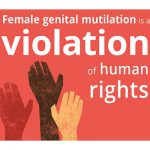
    [1] An extreme form of gender discrimination, it is recognized internationally as a violation of the human rights of girls and women: including the right to health, security and physical integrity and the right to be free from torture and cruel, inhuman
    or degrading treatment.

    FGM has no health benefits and causes only harm. Women and girls who are subjected to FGM are at risk of both short- and long-term negative health consequences – including for their physical, sexual, mental, and social well-being.

    The direct financial cost of treating the negative health complications caused by FGM can span generations, starting as early as childbirth. This puts a significant economic burden on health systems and national budgets, especially in countries with rates
    of FGM greater than 10%.

    Until now, there have been limited data on the financial costs associated with FGM, making it hard to demonstrate the cost-effectiveness of programmes and policies that can prevent FGM by 2030 – a global priority in the Sustainable Development Agenda.
    The new WHO Cost Calculator now provides an economic argument which can be used by those advocating for an end to FGM.

    Calculating health care costs of FGM

    Users of the new FGM Cost Calculator can choose a country and identify current costs of treating health conditions caused by FGM. Since the tool is interactive, it produces bespoke graphs showing the potential amount of money saved if FGM is prevented
    by a selected percentage.

    If no action is taken to prevent FGM, it is estimated that related health costs will soar by 50% by 2050, as populations grow and as more girls undergo the procedure.

    How it works

    The FGM Cost Calculator combines data on health risk associated with FGM, health costs and national FGM prevalence to analyze the economic impact on national health services of treating the consequences of these harmful practices.

    Health risk data were taken from a WHO database created for this analysis, pooling all available information from systematic reviews of health consequences of FGM. The following categories were used, each with a biological link to FGM: gynaecological,
    obstetric, urological, mental and sexual, as well as the immediate health complications that can result following the cutting.

    To be included in the calculator, a health condition needed to show evidence of increased risk when comparing women with and without FGM. It also needed to have a treatment which could be implemented and costed in the health sector.

    Health costs were calculated from the WHO One Health Tool and other data. The financial burden of treating selected health conditions was calculated at a national level.

    A strong case for investment in preventing FGM

    Rates of FGM have declined over the past 30 years, but not fast enough to keep up with population growth. If trends continue, the number of girls and women undergoing FGM will rise significantly in the next 15 years, in turn raising national health care
    costs of caring for them.

    Additional resources are urgently needed to scale up interventions that can prevent FGM in the future and reduce health complications.

    By providing quantifiable numbers on the cost of treating health conditions directly linked to FGM, for the first time, the FGM Cost Calculator can be a crucial tool in building an investment case for a future where no girl or woman is cut.


    [1] Female Genital Mutilation/Cutting: A Global Concern, UNICEF, New York, 2016
    The economic cost of female genital mutilation
    Read More
    https://www.who.int/news-room/detail/06-02-2020-economic-cost-of-female-genital-mutilation

    Views: 0

  • Four countries in the African region license vaccine in milestone for Ebola prevention

    The Democratic Republic of the Congo (DRC), Burundi, Ghana and Zambia have licensed an Ebola vaccine, just 90 days after World Health Organization (WHO) prequalification. Registration of the vaccine is expected in additional countries in the coming weeks.

    The licensing of the vaccine means that the manufacturer can stockpile and widely distribute this vaccine to African countries at risk of Ebola virus disease outbreaks. Once licensed doses are available, use of the vaccine will not require clinical trial or other research protocols.

    “The approval of the Ebola vaccine by these countries is another milestone in the fight against this unforgiving disease,” said WHO Director-General Dr Tedros Adhanom Ghebreyesus. “Africa has rallied to cement hard-fought progress to keep its people safe from Ebola.”

    WHO accelerated the licensing and roll-out of the Ebola vaccine by certifying that it met the organization’s standards for quality, safety and efficacy in its fastest vaccine prequalification process ever, announced in November 2019.

    The speed with which this has been achieved has been made possible by a different approach, where national licensing procedures were done in parallel based on one single scientific review process. Usually, these process are done one by one, which can take years. The process was led by WHO with the participation of the African Vaccine Regulatory Forum (an African network of national regulatory authorities and ethics committees), the European Medicines Agency, and Merck.

    “The rapid approval of the Ebola vaccine by countries in the Africa Region helps ensure this critical prevention tool will be available when and where it is needed most,” said Dr Matshidiso Moeti, WHO Regional Director for Africa. “This kind of collaboration and innovation is a model for other health priorities.”

    The injectable Ebola vaccine, Ervebo, is manufactured by Merck (known as MSD outside the US and Canada). Preliminary study results have shown a 97.5% vaccine efficacy. Data also suggests that vaccinating people who are already infected reduces their chances of dying.

    In response to the ongoing Ebola outbreak in the DRC, over 290 000 people have been vaccinated under compassionate use protocols. Once licensed doses are available, use of the vaccine in DRC will no longer require these protocols

    Read More
    https://www.who.int/news-room/detail/14-02-2020-four-countries-in-the-african-region-license-vaccine-in-milestone-for-ebola-prevention

    Views: 0

  • Female Genital Mutilation Hurts Women and Economies

    Female Genital Mutilation Hurts Women and Economies

    Female genital mutilation (FGM) exacts a crippling economic as well as human cost, according to World Health Organization (WHO).

    “FGM is not only a catastrophic abuse of human rights that significantly harms the physical and mental health of millions of girls and women; it is also a drain on a country’s vital economic resources,” said Dr Ian Askew, Director of WHO’s Department of Sexual and Reproductive Health and Research. “More investment is urgently needed to stop FGM and end the suffering it inflicts.”

    New modelling reveals that the total costs of treating the health impacts of FGM would amount to USD 1.4 billion globally per year, if all resulting medical needs were addressed. For individual countries, these costs would near 10% of their entire yearly expenditure on health on average; in some countries, this figure rises to as much as 30%.

    The interactive modelling tool that generated these data was launched on the International Day of Zero Tolerance for Female Genital Mutilation.

    Severe physical and mental health impacts for women and girls

    Women and girls living with FGM face serious risks to their health and well-being. These include immediate consequences after being cut, such as infections, bleeding or psychological trauma, as well as chronic health conditions that can occur throughout life.

    Women who have undergone the procedure are more likely to experience life-threatening complications during childbirth. They may face mental health disorders or suffer chronic infections. They may also have pain or problems when they menstruate, urinate or have sexual intercourse. 

    All of these conditions warrant much-needed medical attention and care.

    “High healthcare costs for countries mount because of the tragic personal impacts on women and girls. Governments have a moral responsibility to help end this harmful practice,” says Dr Prosper Tumusiime, Acting Director for Universal Health Coverage and the Life Course in the African Regional Office of WHO. “FGM hurts girls, imposes lifelong health risks on the women they become, and strains the healthcare systems that need to treat them.”

    Preventing FGM brings major benefits for women, girls, communities and economies

    Using data from 27 high-prevalence countries, the Cost Calculator demonstrates clear economic benefits from ending FGM. If it were abandoned now, it shows that the associated savings in health costs would be more than 60% by 2050.

    In contrast, if no action is taken, it is estimated that these costs will soar by 50% over the same time period, as populations grow and as more girls undergo the procedure.

    Since 1997, great efforts have been made to end FGM, through work within communities, research, and changes in legislation and policy. 26 countries in Africa and the Middle East now explicitly legislate against FGM, as well as 33 other countries with migrant populations from FGM-practicing countries.

    WHO is also working with countries to raise awareness of the harmful impacts of the practice among their health workers, and to engage them in prevention efforts.

    “Many countries and communities are showing that abandoning female genital mutilation is possible,” states Dr Christina Pallitto, scientist at WHO. “If countries invest to end female genital mutilation, they can prevent their girls from undergoing this harmful practice and promote the health, rights and well-being of women and girls.”

    Female genital mutilation is internationally recognized as a human rights violation. It has no medical benefits and causes only harm. WHO’s position is that FGM must never be carried out.

    Further information

    The FGM Cost Calculator will be available here, as of 00:30 CET 6 February 2020:
    www.who.int/news-room/detail/06-02-2020-economic-cost-of-female-genital-mutilation

    More on FGM

    Notes for Editors

    About FGM

    FGM includes procedures that intentionally alter or cause injury to the female genital organs for non-medical reasons. More than 200 million girls and women alive today are estimated to have undergone the practice across 30 countries in Africa, the Middle East and Asia where FGM is concentrated.

    FGM is mostly carried out on young girls between infancy and 15 years of age.

    About the FGM Cost Calculator

    The WHO FGM Cost Calculator shows the economic cost of treating the health complications caused by FGM across 27 high-prevalence countries. These costs were calculated using the WHO One Health tool and other available scientific evidence.

    Users of the tool can calculate costs by country in a ‘business as usual’ scenario; a scenario of partial abandonment of FGM, and full abandonment of FGM over a 30-year period. In addition, the distribution of costs by different types of health complications is presented by country.

    The tool does not consider other indirect costs that hit families and communities, or the socio-economic impacts of the practice, which would be significantly higher still.

    The 27 countries modelled include Benin, Burkina Faso, Central African Republic, Còte d’Ivoire, Cameroon, Chad, Djibouti, Egypt, Eritrea, Ethiopia, Ghana, Guinea, Gambia, Guinea-Bissau, Iraq, Kenya, Mali, Mauritania, Niger, Nigeria, Soudan, Senegal, Sierra Leone, Somalia, Togo, United Republic of Tanzania, Yemen.

    Female Genital Mutilation Hurts Women and Economies
    Read More
    https://www.who.int/news-room/detail/06-02-2020-female-genital-mutilation-hurts-women-and-economies

    Views: 0

  • How Did Don Vierra Become the World Renowned Consultant in Health Information System?

    [ad_1]

    For those in Health Informatics, the name “Vieira” might not sound strange. Immanuel Antonius, professionally known as Don Vieira, is a successful and independent consultant who has reached horizons beyond expectations. The 32-year old Technoprenuer has ticked off projects, which most consultants still consider as a dream.While he was brought up in Namibia, his expertise and skills were never limited to the boundaries. If Namibia is his primary home, his work stations or contracted duty stations have become the secondary residence where he used to spend most of his days.

    As far as his academic background is concerned, he holds an Honors’ degree in Computer Science, Advanced diploma in Monitoring and Evaluation, certifications on Health Information Systems (HIS) and A masters’ degree in Biometrics from the University of Paris – Est créteil in France.

    Like people dream of being associated with tech giants such as Facebook or Google, he achieved the milestone of serving for similar giants in the health sector. Some of his notable associations are with World Health Organization (WHO), Centre for Disease Control and Prevention (CDC), United Nations (UN), United States Agency for International Development (USAID), Clinton Health Access Initiative (CHAI), IntraHealth International, Global Fund, Population Service International (PSI), Jay Snow Inc. and the list goes on.

    Apart from his experience in healthcare informatics, language is one of those factors that contributed to his stature elevation. His understanding about seven languages, including English, Spanish, French and Portuguese, has helped him deal with people from different backgrounds.In other words, there has never been any force that stopped him from achieving his goals across the borders.

    With Ten (10) years of experience, he has built and supported several national systems such as the e-Health, Malaria, TB, PMTCT, Nutrition, VMMC and HIV- just to mention a few. He also trained more than 20,000 people including government officials, managers, nurses, doctors and technical people to bring significant changes in their methods of elevating the quality of life for the public.

    Vieira has developed strong professional relationships with several organisations in Kenya, Uganda, Mocambique, South Africa, Namibia, Angola, Germany, India, DRC, Zambia and the United States.Most of them used to admire his determination and skills for giving the best in every area.

    If he is assigned to a work, there is no force that can stop him from transforming a novice into an expert. Below are three of some of the notable milestones that gave a kick start to his career:

    1. A Discrete Choice Experiment for pharmacists- he worked with Dr. Peter Rockers, an assistant professor in the Department of Global Health at the Boston University School of Public Health, to bring visible changes in the health informatics. At the time of experiment, Dr. Peter Rockers was at Harvard Medical School.

    2. Vieira wore the big shoe when he took over the position of HIS Technical Advisor from Jim Sitzer, who went to become the Director in Public Health for the Umatilla County Health Department, Oregon in the US.

    3. During Vieira’s venture as a Technical Advisor for JSI, he developed a web-based master facility (MFL) for Namibia. It consists of a map indicating the location of all public health facilities in the country.The list aims to assist public locate services provided by the nearest health facilities, on the other hand, it also aims to guide the ministry of health in planning and equity in resource allocation and distribution. The MFL was built based on WHO guidelines

    Due to internet connectivity issues in most rural áreas, the Health Extension Workers were forced to use paper registers to collect patients’ information. This led to poor data quality since paper would torn or get lost. With an urge to find an appropriate solution, he created a mobile app that has the capability to store data without internet connectivity.

    Over the past few years, Vieira has won few accolades and gained international recognition for his consultancy expertise.His efforts have also managed to attract new audiences including influential decision makers from government authorities to NGOs. His passion for innovation and Technopreneurshipis what that has always made him different from others.

    For his next project, he promised to create what most government bodies and NGOs have failed to implement- “The Situation Room” that will bring new changes to the health sector.

    [ad_2]

    Source by Anusha Saeed

    Views: 0

  • The Motionless Traveller by Author Aspi Doctor, a Spiritual Journey

    [ad_1]

    The Motionless Traveller by Author Aspi Doctor

    I thought it fitting to play my Dalai Lama CD while contemplating the novel I have just finished; “The Motionless Traveller” by author Aspi Doctor. It assists in setting the tone while I attempt to articulate the many levels of knowledge woven in between the lines for the reader to catch or to just simply sit back and enjoy the ride. Yes, the Dalai OM’ing in the background of my concsious mind overseeing that this review is done with honour. I think he would approve.

    Aside from the fact that I am continually amazed at the phenomenal talent to be found off the beaten path of the big box book publishing houses and corporate monopoly distributors and retailers, who knew that this Northern Ontarian would be reviewing a such a ‘shining star’ from India.

    To have the gist of the novel, it is important to understand a bit of the man behind the words. Aspi was born in Bombay, India into a family of Zoroastrians and avid readers. He first demonstrated his gift for storytelling in primary school, to the delight of his classmates. Among the many other demands of a vocation within academia and in pursuit of his passion of the written word, Aspi studied English Literature obtaining a Masters Degree and Diploma in Journalism at the University of Bombay. Here Aspi was awarded the honourable prize of ‘First Standing’ in his subject group, and continued to explore many other dimensions of the wonderful world of literature in the Dramatic Arts and Theatre, Public Speaking and Radio Script Writing.

    In 1969, Aspi finally began putting pen to paper in earnest above and beyond his full duties as Principal and Academic of the Tolani College and the A.P. College of Commence, (affiliates of the University of Bombay). As a respected educator in his own right, he wrote and published a number of Text Books, such as; Business Communications-25 editions, Bank Correspondence-11 editions, Communications Skills in English-12 editions, Mass Communications-6 editions and more.

    In 1980, this calm, wise, insightful, mild mannered and ever smiling semi-retired professor began to put his wealth of knowledge into fiction format with “The Motionless Traveler”.

    A futuristic story that begins in Bombay India, in an era of post fossil fuel exhaustion and overpopulation with a bored government worker named Krish. Jolted out of his routine life when he rescues a young girl from a street gang, Krish inadvertently embarks on an adventure that spans the globe when he is gifted a ‘magical’ statue of the Buddha. Intertwined within the many levels of the story the reader gains glimpses into the Indian cultural mind with hints of Buddhism, Zoroastrianism, Spiritualism with some key Natural Law and Quantum Physics to ponder. Through the fine art of storytelling, we participate in Krish’s spiritual and metaphysical journey to a desert in Arabia, to Africa, to Mexico, to New Mexico, the United States, all to arrive at destination Canada. However, the true destination is to be continued long after the Buddha is handed over to a scientific research group, whose intent is to unravelling the statues mysteries amidst much intrigue as.

    Krish’s magical journey across oceans and continents brings thought provoking insights to the reader while he grows into new found power and understandings of the laws of nature and ultimately the evolution of mankind as a whole.

    As with all great teachings, the story is innately and humbly human while touching on the sacredness of the spiritual journey toward a collective and timeless God consciousness.

    Aspi continues to devote his so called spare time to his current writing endeavors which include another fiction novel entitled “Feet of Clay”. Several more text books are also in progress and pending publication.

    Aspi is currently the Vice President of the Association of College Principals in Bombay and an active member on the board of directors of two other educational institutions.

    I look forward to his next novel with anticipation of yet another spiritual journey filled with insights and the human condition. I am happy to recommend this work.

    Addendum: It is worth the time to peruse the http://www.ideaindia.com web site, a wealth of talented authors, good books, free e-books and articles covering many genres and topics.

    Reviewer:

    Jan Porter – http://www.inspiredsoulworks.com

    [ad_2]

    Source by Jan I Porter

    Views: 0

  • Population Distribution or Structure II – Sex, Occupational and Geographical Distributions

    [ad_1]

    Sex distribution

    The sex distribution refers to the classification of a given population according to sex or gender (male or female). Sex distribution can easily be obtained from a population census of a given country which shows the total number of males and the total number of females.

    A knowledge of the total number of makes and females in a country will assist the government to make the necessary plans to cater for the population. If, for example, the population of the female is higher than that of the males, it means government will have to plan to provide goods and services for more people because such a country will give rise to high population. Nature has, however tried to balance the number of males with that of the female in such a way that the differences in number between the two is usually very small.

    Occupational distributions

    Occupational distribution of a population refers to the classification of the working population into different types of work they engage in. The occupational distribution in any population is influenced by a number of factors. These include:

    1. The level of education

    2. Availability of natural resources

    3. The level of technology

    4. The types of productive activities.

    The major types of productive activities are primary (extractive), manufacturing, construction, commercial, direct and indirect services. In west Africa for instance, majority of the occupationally distributed population are found in farming, mining fishing and lumbering.

    Geographical distribution

    Geographical distribution of a given population refers to the spread of people into separate geographical areas within a country. The distribution may be due to occupational, presence of mineral resources, historical factors, seat of government, availability of social amenities etc. Reasons for high population density due to geographical distribution are: favorable climate, fertile soil, natural attachment/historical factors, administrative headquarters, employment opportunities, presence of minerals, presence of industries, presence of social amenities and infrastructure, commercial activities and migration.

    Economic Implications or Effects of Increase in the Population of Dependants

    The Dependants are the population that are between 0-17 years, which include the infants, pupils in nursery, primary, secondary and those in tertiary institutions, and the old age (over 60 years that are not working) but depend on the working population (18-60 years) to cater for all their needs or requirement. If the population of the dependents is higher than that of the working class it has the following economic implications: high taxation, increase in prices, increase in government expenditures, low savings, low investment, fall in standard of living, increase in demand for goods and services, increase in imports, decrease in exports and low supply of labor.

    [ad_2]

    Source by Funom Makama

    Views: 0

  • Aloe Vera Skin Benefits – Aloe Vera Helps to Heal a Pimple

    Aloe Vera Skin Benefits – Aloe Vera Helps to Heal a Pimple

    [ad_1]

    The common skin benefits of aloe vera include moisturizing dry skin, maintaining the healthy skin and utilized in many topical creams. It is also known that it can helps to heal pimples / acne.

    Aloe vera is a species of Aloe, native to northern Africa. It is a stemless or very short-stemmed succulent plant growing to 80-100 cm tall, spreading by offsets and root sprouts. The leaves are lanceolate, thick and fleshy, green to gray-green, with a serrated margin.

    Aloe Vera Skin Benefits:

    It is used to heal a pimple, cuts, burns, psoriasis, shingles, itching, and other skin conditions. It can penetrate several layers of tissue and has the ability to break down and digest dead cells. Because of its anti-inflammatory properties, it can also alleviate the pain associated with these skin conditions by anesthetizing tissue.

    1. Soaps

    One can reduce their acne by applying soaps which contains aloe gel and extract. A person suffering from acne should use this soaps at least two times in a day which will keep the skin dry for a long time and after that, wash the affected area with cold or lukewarm water.

    2. Creams

    Cream also reduces the inflammation and infection from the affected areas with acne. This do not remove the acne completely but it helps in reducing redness, flaky skin and inflammation if applied daily.

    3. Liquids

    One can also use aloe Vera in the liquid form and apply it to the affected area with the cotton. Then that area should be cleaned by using mild aloe Vera soap. After that, aloe Vera cream should be used on the acne. Regularly using can make the skin acne free and soft. It helps in decreasing redness and swelling and protect forming of acne in the future.

    4. Anti-Oxidant Capsule Ingredients

    Aloe Vera leaf contains enormous numbers of nutrients and beneficial compounds, including minerals, amino acids and vitamins. It is widely used in the treatment of wounds, minor burns and skin irritations, because it contains gibberlin and polysaccharides, which effectively decrease inflammation and promote wound healing. The lignins penetrate the skin and carry the healing effect into the tissues. It also helps to reduce scar tissue.

    [ad_2]

    Source by Karel Micek

    Views: 0