Tag: Action

  • ‘Right to repair’ rules for electronics included in EU’s Circular Economy Action Plan

    ‘Right to repair’ rules for electronics included in EU’s Circular Economy Action Plan

    The European Commission, a group, appointed by governments of the European Union, has adopted what it calls the Circular Economy Action Plan as part of an effort to achieve climate neutrality by 2050. Included among the measures are “right to repair” rules for electronic devices.

    Read More

    Views: 0

  • The unmet need for social context in family planning

    The unmet need for social context in family planning

    New evidence on the relationship between sexual health and social context finds a strong association between gender equality, education and family planning

    Twenty-five years ago, two global events – the International Conference on Population and Development and the Fourth World Conference on Women in Beijing – formally recognized that women’s health and reproductive choices cannot be separated from the social context of their lives.

    Now, researchers have created a dataset which brings together national surveys from 74 countries, representing 3 million women. For the first time, it allows them to describe trends in demand/use of modern contraceptives alongside social and economic indicators.

    The data is published in The Lancet Global Health and is authored by the London School of Hygiene & Tropical Medicine and the World Health Organization.

    It shows that, over time, women are more likely to have their demand for modern contraception met in countries where gender equality and their educational opportunities improve.

    Gender equality and education increases access to modern contraception

    Trends in sexual activity and demand for use and use of modern contraceptive methods in 74 countries: a retrospective analysis of nationally representative surveys finds that met need for modern contraception is strongly correlated with positive shifts in social structures.
    For every 0.1-point increase in a country’s gender development index, it found a 6.7% rise in women who were sexually active and did not want to conceive. Of those women, an additional 13.5% used modern methods to prevent a pregnancy.

    Expectations of every girl’s right to education also made a difference. Each extra year in schooling is linked to an increase of 2.3% in demand, and a 4.7% increase in use of modern contraceptive methods.

    “This study shows how every woman must negotiate her reproductive autonomy within the social framework in which she lives, responding to barriers and opportunities as they emerge,” says Dr Lale Say, one of the authors of the study and Unit Head at WHO and HRP.

    “Gender equality is both a precondition and a driving force for securing women’s reproductive health and rights – as well as the sustainable development targets, which are our best chance for delivering health and well-being for all.”

    Global trends reveal new challenges in family planning

    Overall, the data reinforce global trends: more time spent sexually-active and single, postponement of parenthood, and the near-universal desire for smaller families.

    The study also highlights where action is needed at country-level to avoid family planning services falling behind demand.

    Out of the 74 countries analyzed, 42 showed an increase in demand for contraception. Only 37 countries show an increase in use of a modern method to prevent pregnancy.

    Although unmet need for contraception declined in 34 countries, it increased in 14 countries. Significantly more progress is needed, and faster, to ensure each girl and woman is able to access the sexual and reproductive health services she needs.

    Barriers and solutions to reproductive health and rights

    Gender equality can affect contraceptive use in many ways. From the personal and political degree to which women are free to choose their sexual activity, to accessing family planning services it can also shape any power imbalances within personal relationships. This study supports recent efforts by WHO to adopt a broader, integrated concept of sexual and reproductive health – and to translate it into a framework for policy and practice.

    The authors argue that family planning targets in the 2030 Agenda for Sustainable Development will not be met without a profound shift: from focus on ‘access to contraception’, to broader aspects of sexual health and social context.

    Since reproductive health and women’s empowerment are intertwined, trends in contraceptive use can also reveal progress towards another global target: progress towards gender equality.


    The unmet need for social context in family planning
    Read More
    https://www.who.int/news-room/detail/10-03-2020-the-unmet-need-for-social-context-in-family-planning

    Views: 0

  • Global gathering of ministers determines road safety agenda to 2030

    The 3rd Global Ministerial Conference on Road Safety convened 1700 delegates from around 140 countries, including more than 70 ministers and vice-ministers and heads of international agencies, civil society organizations, foundations and private companies. Hosted at the request of the UN General Assembly by the Government of Sweden in collaboration with WHO, the theme was “Achieving Global Goals 2030”, highlighting the connections between road safety and achievement of other Sustainable Development Goal targets.

    Through its 6 high-level panels and 18 parallel sessions, the Ministerial Conference addressed a range of topics, from building effective leadership for road safety to promoting sustainable cities and communities, mitigating climate change through road safety, and ensuring the safety of pedestrians and cyclists. The gathering was instrumental in reviewing progress in the Decade of Action for Road Safety 2011-2020 and defining ways to accelerate action on proven strategies to save lives. Among many pre-events, the 2nd World Youth Assembly for Road Safety hosted by YOURS: Youth for Road Safety and co-hosted by WHO, brought 200 young leaders together proclaiming “Enough is enough!” and claiming their space at the decision-making table for sustainable mobility.

    The Ministerial Conference culminated in the forward-looking “Stockholm Declaration”, which calls for a new global target to reduce road traffic deaths and injuries by 50% by 2030. In addition, it invites strengthened efforts on activities in all five pillars of the Global Plan for the Decade of Action: better road safety management; safer roads, vehicles and people; and enhanced post-crash care. It also calls for speeding up the shift to safe, affordable, accessible and sustainable modes of transport like walking, cycling and public transport. WHO is asked to continue to produce the series of global status reports, as a means of monitoring progress towards achievement of the 12 Global Road Safety Performance Targets.

    Today, around 1.35 million people lose their lives on the world’s roads every year, and as many as 50 million are injured. More than one quarter of those killed and injured are pedestrians and cyclists. Road traffic injuries are now the leading cause of death for children and young adults aged 5-29 years. Given the enormous human suffering and major economic losses for families and societies, road traffic deaths remain an unacceptable price to pay for mobility.

    Read More
    https://www.who.int/news-room/detail/20-02-2020-global-gathering-of-ministers-determines-road-safety-agenda-to-2030

    Views: 0

  • Apple agrees to $500 mn deal in iPhone-slowing suit

    Apple agrees to $500 mn deal in iPhone-slowing suit

    Apple has agreed to pay up to $500 million to settle a class-action lawsuit over claims it covertly slowed older iPhones to get users to upgrade.

    Read More

    Views: 0

  • UN releases US$15 million to help vulnerable countries battle the spread of the coronavirus

    UN releases US$15 million to help vulnerable countries battle the spread of the coronavirus

    UN Humanitarian Chief Mark Lowcock today released US$15 million from the Central Emergency Response Fund (CERF) to help fund global efforts to contain the COVID-19 virus.

    The announcement came as the World Health Organization (WHO) upgraded the global risk of the coronavirus outbreak to “very high” – its top level of risk assessment. The WHO has said there is still a chance of containing the virus if its chain of transmission is broken.

    The sudden increases of cases in Italy, the Islamic Republic of Iran and the Republic of Korea are deeply concerning. There are now cases linked to Iran in Bahrain, Iraq, Kuwait and Oman, along with cases linked to Italy in Algeria, Austria, Croatia, Germany, Spain and Switzerland.

    The UN funding has been released to the WHO and the United Nations Children’s Fund (UNICEF). It will fund essential activities including monitoring the spread of the virus, investigating cases, and the operation of national laboratories.

    The WHO has called for US$675 million to fund the fight against coronavirus. There is a window of opportunity to contain the spread of the virus if countries take robust measures to detect cases early, isolate and care for patients, and trace contacts.

    Emergency Relief Coordinator and Under-Secretary-General for Humanitarian Affairs, Mark Lowcock said: “We do not yet see evidence that the virus is spreading freely. As long as that’s the case, we still have a chance of containing it.

    “But swift and robust action must be taken to detect cases early, isolate and care for patients, and trace contacts. We must act now to stop this virus from putting more lives at risk.

    “This grant from the UN’s Emergency Fund will help countries with fragile health systems boost their detection and response operations. It has the potential to save the lives of millions of vulnerable people.”

    This is a critical juncture in the outbreak. The focus is on containing COVID-19 by strengthening surveillance, conducting thorough outbreak investigations to identify contacts and applying appropriate measures to prevent further spread.

    Tedros Adhanom Ghebreyesus, WHO Director-General, said: “The potential spread of the virus to countries with weaker health systems is one of our biggest concerns. These funds will help support these countries get ready for detecting and isolating cases, protecting their health workers, and treating patients with dignity and appropriate care. This will help us save lives and push back the virus”

    UNICEF is leading on preventative actions in communities across the affected countries with risk communication, providing hygiene and medical kits to schools and health clinics and monitoring the impact of the outbreak to support continuity of care, education and social services.

    “At this pivotal moment, every effort must be made to push back against the outbreak,” said UNICEF Executive Director Henrietta Fore. “These crucial funds will support our global efforts to bolster weaker health systems and inform children, pregnant women and families about how to protect themselves.”

    Since it was launched in 2006, CERF has provided more than $6 billion to over 100 countries and helped hundreds of millions of people.

    UN releases US$15 million to help vulnerable countries battle the spread of the coronavirus
    Read More
    https://www.who.int/news-room/detail/01-03-2020-un-releases-us-15-million-to-help-vulnerable-countries-battle-the-spread-of-the-coronavirus

    Views: 0

  • WHO steps up action to improve access to safe blood

    WHO steps up action to improve access to safe blood

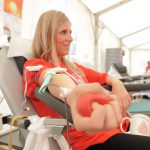
    The World Health Organization’s new action plan to speed up universal access to safe blood and blood products pulls together existing recommendations and recommends new improved ways of working. It’s the start of a four-year collaborative effort to improve blood transfusion and blood-based therapies in all countries.

    Safe blood saves lives in all sorts of circumstances, not least in emergency and epidemic settings. Blood transfusion and blood products are critical for birth delivery for both the mother and baby; the survival and quality of life of patients suffering from life-threatening conditions such as haemophilia, thalassemia, immune deficiency and cancer; treating severe injuries and carrying out medical and surgical procedures.  

    But progress in blood safety and availability has been slow in many parts of the world, placing patients’ safety at risk and putting undue pressure on health workers. Progress is also mostly restricted to developed countries. Out of the approximate 118 million blood donations collected globally, 42% are collected in high-income countries, home to 16 % of the world’s population. And one out of four low-income countries do not test all donated blood, while 54% of countries do not have surveillance systems to securitise the supply chain from blood donor to patient. 

    Challenges include: slow implementation of national blood policies and weak blood regulatory systems; insufficient number of voluntary blood donors (who are considered the safest donors); poor quality management of screening tests, blood grouping and compatibility testing; inappropriate clinical use of blood; insufficient national funding for blood safety.

    To address these, WHO has set out six key objectives for all countries and in particular those with weak blood systems:

    • appropriately structured, well-coordinated and sustainably resourced national blood systems;
    • regulatory capacity to ensure the quality and safety of blood;
    • functioning and efficiently managed blood services;
    • effective implementation of patient blood management to optimize transfusion practices;
    • effective surveillance, haemovigilance and pharmacovigilance, supported by comprehensive and accurate data collection systems;
    • partnerships, collaboration and information exchange to achieve key priorities and jointly address challenges and emerging threats at global, regional and national levels.

    The Organization looks forward to working with partners worldwide to implement the plan, improve blood supply particularly in the low and middle-income countries where this is so urgently needed, and save lives. The plan will run from 2020-2024.

    WHO steps up action to improve access to safe blood
    Read More
    https://www.who.int/news-room/detail/26-02-2020-who-steps-up-action-to-improve-access-to-safe-blood

    Views: 0

  • The economic cost of female genital mutilation

    The economic cost of female genital mutilation

    An interactive data tool launched by WHO reveals for the first time the current and future financial cost of health care for women living with conditions caused by female genital mutilation (FGM).

    The total costs amount to USD 1.4 billion annually.

    fgm-cost-thumbnail

    The FGM Cost Calculator is being launched on this year’s International Day of Zero Tolerance for FGM. This new tool shows that if FGM were abandoned now the associated savings
    in health costs would be more than 60% by 2050. This data, available for 27 of the 30 countries where FGM is practiced, will strengthen the economic argument of community activists, policy makers, programme planners and donors working to end this
    human rights violation.

    Q&As on the FGM Cost Calculator
    Access the FGM Cost Calculator

    A human rights violation with economic costs

    FGM includes procedures that intentionally alter or cause injury to the female genital organs for non-medical reasons. More than 200 million girls and women alive today have been cut in 30 countries in Africa, the Middle East and Asia where FGM is concentrated.
    [1] An extreme form of gender discrimination, it is recognized internationally as a violation of the human rights of girls and women: including the right to health, security and physical integrity and the right to be free from torture and cruel, inhuman
    or degrading treatment.

    FGM has no health benefits and causes only harm. Women and girls who are subjected to FGM are at risk of both short- and long-term negative health consequences – including for their physical, sexual, mental, and social well-being.

    The direct financial cost of treating the negative health complications caused by FGM can span generations, starting as early as childbirth. This puts a significant economic burden on health systems and national budgets, especially in countries with rates
    of FGM greater than 10%.

    Until now, there have been limited data on the financial costs associated with FGM, making it hard to demonstrate the cost-effectiveness of programmes and policies that can prevent FGM by 2030 – a global priority in the Sustainable Development Agenda.
    The new WHO Cost Calculator now provides an economic argument which can be used by those advocating for an end to FGM.

    Calculating health care costs of FGM

    Users of the new FGM Cost Calculator can choose a country and identify current costs of treating health conditions caused by FGM. Since the tool is interactive, it produces bespoke graphs showing the potential amount of money saved if FGM is prevented
    by a selected percentage.

    If no action is taken to prevent FGM, it is estimated that related health costs will soar by 50% by 2050, as populations grow and as more girls undergo the procedure.

    How it works

    The FGM Cost Calculator combines data on health risk associated with FGM, health costs and national FGM prevalence to analyze the economic impact on national health services of treating the consequences of these harmful practices.

    Health risk data were taken from a WHO database created for this analysis, pooling all available information from systematic reviews of health consequences of FGM. The following categories were used, each with a biological link to FGM: gynaecological,
    obstetric, urological, mental and sexual, as well as the immediate health complications that can result following the cutting.

    To be included in the calculator, a health condition needed to show evidence of increased risk when comparing women with and without FGM. It also needed to have a treatment which could be implemented and costed in the health sector.

    Health costs were calculated from the WHO One Health Tool and other data. The financial burden of treating selected health conditions was calculated at a national level.

    A strong case for investment in preventing FGM

    Rates of FGM have declined over the past 30 years, but not fast enough to keep up with population growth. If trends continue, the number of girls and women undergoing FGM will rise significantly in the next 15 years, in turn raising national health care
    costs of caring for them.

    Additional resources are urgently needed to scale up interventions that can prevent FGM in the future and reduce health complications.

    By providing quantifiable numbers on the cost of treating health conditions directly linked to FGM, for the first time, the FGM Cost Calculator can be a crucial tool in building an investment case for a future where no girl or woman is cut.


    [1] Female Genital Mutilation/Cutting: A Global Concern, UNICEF, New York, 2016
    The economic cost of female genital mutilation
    Read More
    https://www.who.int/news-room/detail/06-02-2020-economic-cost-of-female-genital-mutilation

    Views: 0

  • To eliminate cervical cancer in the next 100 years, implementing an effective strategy is critical

    To eliminate cervical cancer in the next 100 years, implementing an effective strategy is critical

    Vaccination, screening, treatment and palliative care are the key interventions of WHO’s Draft Global Strategy towards the Elimination of Cervical Cancer as a Public Health Problem,
    the fourth most common cancer in women.

    On World Cancer Day, new estimates show that this strategy could save more than 62 million girls and women from a cervical cancer death and prevent 74 million cases within the next 100 years – but only if these interventions are used effectively
    together.

    No single intervention can eliminate cervical cancer

    These estimates, published by the WHO Cervical Cancer Elimination Modelling Consortium (CCEMC) in The Lancet, are based on the draft strategy’s targets to achieve a global coverage of 90% vaccination, 70% screening and 90% treatment by 2030.


    lancet

    Impact of HPV vaccination and cervical screening on cervical cancer elimination: a comparative modelling analysis in 78 low-income and lower-middle-income countries

    Mortality impact of achieving WHO cervical cancer elimination targets: a comparative modelling analysis in 78 low-income and lower-middle-income countries


    Developed by Member States, UN agencies and other partners, the draft global strategy seeks to redress the unequal burden of cervical cancer around the world. Nine in 10 cervical cancer deaths occur in low and lower-middle-income countries, where
    women lack access to health services.

    As Dr Tedros Adhanom Ghebreyesus, WHO’s Director-General has said, “It doesn’t have to be this way. Cervical cancer
    is one of the most preventable and treatable forms of cancer, as long as it is detected early and managed effectively.”

    This new analysis compares the impact of vaccination, screening and treatment of cervical pre-cancer lesions as single or combined interventions. Focusing on 78 countries where cervical cancer mortality is highest, the results clearly show that no
    single intervention will be sufficient to reduce levels of cervical cancer in the next 100 years to below the elimination target of 4 cases per 100,000 women per year.

    Acting immediately on all three fronts is crucial.                                                                                       

    90-70-90: a triple intervention by 2030 and beyond

    Vaccinating girls against cancer-causing types of human papillomavirus (HPV) before the age of 15 is the foundation for bringing every country’s incidence rate of cervical cancer down to the agreed elimination level.

    Right now, however, vaccination is not enough. As a single strategy, vaccination targets would only deliver a 0.1% reduction in cervical cancer mortality by 2030. Scaling up screening and treatment of cervical pre-cancer lesions at the same time would
    reduce mortality by more than one third, or 300,000 deaths, in the same period.

    The evidence shows that when all adult women are screened for cervical cancer at least twice, at ages 35 and 45, abnormalities are more likely to be detected before they become cancerous. When cancer has developed, screening increases a women’s
    likelihood of early and successful treatment, as well as palliative care if recovery is no longer an option.

    Meeting these triple-intervention targets would be a major contribution to target 3.4 of the UN Sustainable Development Goals (SDGs), a one-third reduction in premature mortality from non-communicable diseases by 2030.

    The future of cervical cancer elimination

    WHO’s global strategy towards eliminating cervical cancer aims to set the world on the right track by 2030, but it is just the beginning.

    At this pace, global elimination of cervical cancer is not predicted until 2120.

    While high HPV vaccination coverage is the primary prevention intervention, ensuring every woman has two cervical screenings in her life would accelerate elimination by 11 – 31 years, depending on the country.

    If no action is taken, cervical cancer deaths will rise almost 50% by 2030. Approval of the draft global strategy at the WHO World Health Assembly in 2020, and investment in mechanisms to deliver it, is vital.

    As the new World Cancer Report shows, only 18% of countries that currently provide screening for cervical cancer reached the recommended target of more than 70% coverage. An estimated 55% of low-income countries that reported offering
    cervical cancer screening generally lack accessible radiotherapy or surgery services.

    Elimination of cervical cancer is possible within the lifetime of today’s youngest girls, but the clock starts now and every intervention counts.


    To eliminate cervical cancer in the next 100 years, implementing an effective strategy is critical
    Read More
    https://www.who.int/news-room/detail/04-02-2020-to-eliminate-cervical-cancer-in-the-next-100-years

    Views: 0

  • WHO Action framework to advance universal access to safe, effective and quality assured blood products 2020 -2023

    WHO Action framework to advance universal access to safe, effective and quality assured blood products 2020 -2023

    In response to calls for action, WHO has provided guidelines, physical standards, training and technical support to improve blood product quality, safety and availability in WHO regions and in countries. Despite these actions, progress in blood availability and safety under effective regulation has been slow in many parts of the world.

    For that reason, the WHO Action framework for blood products 2020-2023, proposes a renewed effort to scale up programme implementation to improve global adequacy of blood donation, and universal access to quality and safe blood and blood components for transfusion, and plasma derived medicinal products.

    The Action Framework provides strategic direction to WHO’s work for the years 2020-2023. It identifies six strategic objectives: appropriately structured, well-coordinated and sustainably resourced national blood systems; regulatory capacity to ensure the quality and safety of blood; functioning and efficiently managed blood services; effective implementation of patient blood management to optimize transfusion practices, effective surveillance, haemovigilance and pharmacovigilance, supported by comprehensive and accurate data collection systems; and partnerships, collaboration and information exchange to achieve key priorities and jointly address challenges and emerging threats at global, regional and national levels.

    The Action Framework will improve coordination and collaboration at all levels of WHO. The document will promote and strengthen new and existing partnerships, as areas for collaborative action are clearly identified. Moreover, it demonstrates the need for support to WHO (including sustainable funding) to coordinate the implementation of this ambitious plan. As a result, the Action Framework for blood products will allow WHO to more effectively carry out its mandate on blood, and to increase the impact of WHO activities to strengthen blood systems and blood regulation in countries and regions and eventually to ensure universal access to blood products worldwide.


    WHO Action framework to advance universal access to safe, effective and quality assured blood products 2020 -2023
    Read More
    https://www.who.int/news-room/detail/19-02-2020-who-action-framework-to-advance-universal-access-to-safe-effective-and-quality-assured-blood-products-2020–2023

    Views: 0