Tag: World

  • Losing Her Religion: Nigeria’s Faith Unveiled In The Face Of COVID-19 By R. Evon Benson-Idahosa

    Losing Her Religion: Nigeria’s Faith Unveiled In The Face Of COVID-19 By R. Evon Benson-Idahosa

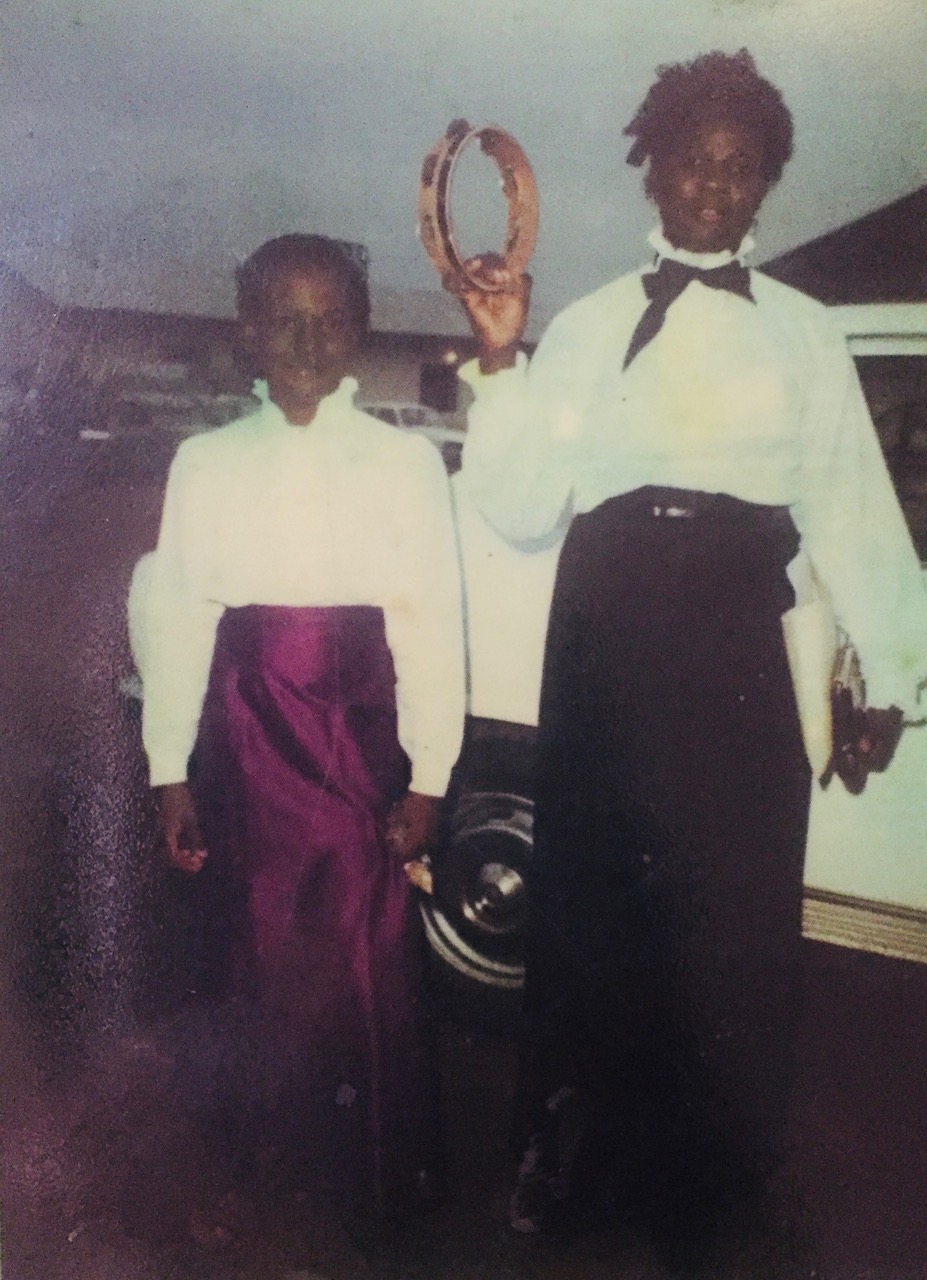
    Me, circa 1984, in my choir uniform and what was possibly the now infamous tambourine.
    Me, circa 1984, in my choir uniform and what was possibly the now infamous tambourine.

    R. Evon Benson-Idahosa, Esq
    R. Evon Benson-Idahosa, Esq

    Losing Her Religion: Nigeria’s Faith Unveiled In The Face Of COVID-19 By R. Evon Benson-Idahosa 1R. Evon Benson-Idahosa, Esq


    I remember falling asleep at a Tuesday evening church service as a 9 year old child. I had a tambourine on my lap and as I fell to the floor, it reverberated thunderously throughout the hall, drawing the attention of everyone who had been attentively listening to the dynamic preacherman. I awakened to piercing stares and side eyes- particularly from my father- whose message I had disrupted. Every Nigerian child knows that stare, that glare that silently speaks a thousand words, cloaks you in debilitating fear and assures your quivering being that there will be consequences. Needless to say, it was a quiet ride home and for the rest of the revival week, I was ushered to the front row where I forced my eyes open, humming tunes to myself to stay awake.

    Losing Her Religion: Nigeria’s Faith Unveiled In The Face Of COVID-19 By R. Evon Benson-Idahosa 2Me, circa 1984, in my choir uniform and what was possibly the now infamous tambourine.


    Saying that I literally grew up in church would be an understatement. Week long revival services, such as the one I reference above, were customary. I was also in the choir, went to Sunday school before church services on Sunday, Agape Force Children’s meetings on Saturdays, mid-week services and the occasional 6:30 am morning prayer services, followed by our home bible study with Auntie B. And because my father was Archbishop Benson Idahosa, there were no negotiations. It just was.

    At the age of10, shortly after the infamous “tambourine experience,” the truth of those messages became real and I earnestly became a follower of The Way. And so, as news began to sweep the globe of the novel corona virus and its import, I found myself immediately turning to my faith as a source of comfort and peace. I also called my mother, who now heads CGMI, the global ministry my father left when he passed away 22 years ago. Her words of encouragement and the tone of her voice assured me that, as we like to say in Nigeria, ‘it is well.’

    And it will be.

    But for now, the pandemic continues to rage, as thousands succumb to its will. First China. Then South Korea. Japan. An epidemic. Then Italy, the UK, the US. Thousands upon thousands of cases were being reported and every day brought the reality closer to home. Then it became a global pandemic and as it stands, the WHO estimates that there are 719,700 confirmed cases globally, with almost 34,000 deaths.

    On February 28th, Nigeria, Africa’s most populous nation, confirmed its index case of the corona virus which arrived the country via an Italian businessman. As I write, her Centre for Disease Control is reporting a total of 135 confirmed cases and two deaths, having conducted just several hundred tests, even though thousands of passengers have arrived from varying countries since the index. Self isolation has been deemed an advisory, not mandatory measure.

    Nigeria has taken what some would consider drastic, yet in this writer’s opinion, insufficient and strikingly Western style measures to address what is likely to come in the absence of a miracle. In addition to finally closing her borders from international travelers, including Nigerians, schools have been shut down, civil servants are being asked to work from home, “social distancing” policies are being enacted and several states, including my home state of Edo, have prohibited religious, social and public gatherings of more than 20 persons.

    In a country where over 90% of her citizens profess to be religious, most Nigerians are accustomed to turning to their faith in times of crisis. The corona virus pandemic is no exception. Many who had strayed from God are now repenting of their sins and brandishing the sign of the cross as they leave their homes. Others are praying for a “Passover,” as CNN and other news outlets flood us with “end of the world,” doomsday messaging. As a result, many of us are yearning to collectively gather to pray.

    Whether the desire to collectively gather is buttressed by denial (“coronavirus is not here” — “the spirit of corona virus is dead in Nigeria”) or stems from a deep seeded longing for God to show mercy to a healthcare system that is wholly unprepared to handle the worst case scenario, the fact remains that Nigeria’s religious faithfuls are unaccustomed to missing gatherings for anything. Services are considered sacred times to commune with God and to be encouraged by the brethren. Others hang on to every word of their clerics who, in some cases, insist on serving as a religious crutch- intermediaries between their congregants and God. Many believers who engage with God on a transactional basis come bearing tithes and/or offerings in the hopes that God will hear their prayers. (He hears them regardless.)

    As such, the prohibition on religious gatherings of more than 20 (which essentially translates to a prohibition of services in general) has resulted in many Nigerian believers losing their ‘religion,’ i.e., left bewildered as to how to make the adjustment to a God who potentially exists outside the four walls of their churches; to a God who speaks directly to them in God’s long forgotten voice. Who, precisely, are Nigerian believers without our religions and religious houses of worship?

    Could it be that for the first time in a long time, Nigerian believers are being presented with a church-less opportunity to develop even more meaningful personal relationships with their God; to ‘lay hands’ on themselves and speak words of healing into their children from a God who has always heard them? Could this pandemic serve as an opportunity for believers to be what Murray Bowen describes as a ‘non-anxious presence’ to those who may be paralyzed by fear? Or as a practical example, to give our hired staff the much deserved paid time off to assuage the fears of their own elderly parents? As we creatively consider our individual responses, it is imperative that we recognise that our actions are a reflection of what we truly believe about our faith and the One who implores us to be salt and light.

    As the Church, however, it is unhelpful that some of our pastors are refusing to comply. The other day, I was tagged on a rather unfortunate video of a pastor irresponsibly screaming to congregants that the corona virus cannot withstand Nigeria’s “corrosive anointing.” However, even Jesus instructed us to obey the law of the land (render unto Caesar what is Caesar’s). This blatant refusal to consider the reality that may most aggressively affect those on the margins begs the question of why some churches are so adamant against temporarily closing their doors.

    Sure, we all need hope and encouragement in these perilous and uncertain times, but have we not, after all these years, fed the flock enough “meat” to trust that they can and will turn to God for themselves? Or are we, draped in our own egos, more selfishly concerned that they may not return to our fold and thus, affect our financial bottom line?

    It is not a lack of faith to use wisdom or to be practical. Even Jesus reached out his hand to save Peter when he could easily have let him drown and then used his “corrosive anointing” to raise him from the dead. Wisdom is profitable to direct and I believe my father, who I consider one of the greatest men of faith to ever walk this earth, would have done the needful to protect the sheep. My mother most certainly is.

    To this end, some larger churches are offering their services online. However, for the working poor who faithfully make up the backbone of most Nigerian churches, internet connectivity and/or live streaming of an entire service make that option impractical and/or unaffordable. They are the ones, who because they live day to day, cannot afford to practice social distancing, “stay at home” and for some, even “wash your hands,” because soap becomes a luxury when one’s ‘daily bread’ is devoid of the ‘daily.’ If our government does not step up to courageously seek support that is tailored to our unique realities and then provide that support to those on the margins, the import of the corona virus in our beloved Nigeria could be felt by generations to come.

    As such, could this pandemic present an opportunity for churches to fill the glaring gaps and practically serve the last and the least in a manner that reveals who we profess to be as followers of The Way? Might this be an opportunity for the church to put our egos aside and creatively heed Jesus’ instructions to ‘feed my sheep’, to apply the Balm of Gilead, by serving those who will be most physically, mentally and economically impacted? Practically speaking, could we convert our sanctuaries to temporary hospitals or food pantries where those in need can obtain essentials? Can we use the funds of those who have faithfully donated over the years to buy ventilators and personal protective gear for our hospitals and health workers on the front lines? Can we purchase hygiene products and distribute them to those who may be confined to their homes? This, I believe, is our mandate.

    At the end of the day, my faith in God runs deep. It has guided my life since I was 10 and I prayerfully trust that we will get through this. But as the Nigerian Church temporarily loses her ‘religion’ and her faith is unveiled in the face of COVID-19, she is presented with an opportunity to reverberate thunderously and rise up to be who she professes for such a novel time as this. After all, in the words of Dietrich Bonhoeffer, ‘the church is the church only when it exists for others…not dominating, but helping and serving.’

    WRITTEN BY

    R. Evon Benson-Idahosa, Esq.

    Lead table turner and expert troublemaker at Pathfinders Justice Initiative (www.pathfindersji.org); creating more space for women at the table.


    Opinion

    AddThis

    : 

    Featured Image

    : 

    Losing Her Religion: Nigeria’s Faith Unveiled In The Face Of COVID-19 By R. Evon Benson-Idahosa 3

    Original Author

    : 

    R. Evon Benson-Idahosa, Esq

    Disable advertisements

    : 
    Losing Her Religion: Nigeria’s Faith Unveiled In The Face Of COVID-19 By R. Evon Benson-Idahosa
    Read More
    http://saharareporters.com/2020/03/31/losing-her-religion-nigeria%E2%80%99s-faith-unveiled-face-covid-19-r-evon-benson-idahosa

    Views: 0

  • Covid-19: Marang Prison takes precautionary measures

    Covid-19: Marang Prison takes precautionary measures

    Covid-19: Marang Prison takes precautionary measures 4

    KUALA TERENGGANU: Although a prison is relatively safe from Covid-19 as its inmates lack interaction with the outside world, the Marang Prison has taken precautions to reduce the risk of infection.

    Marang Prison director Assistant Commissioner Wan Sani Abd Latiff said screening of all personnel and visitors has been conducted and those with body temperatures exceeding 36 degrees Celsius are not allowed in.

    “All staff and visitors are also required to use hand sanitisers and face masks. The management has also prepared a rest house for officers who have completed their guard duty at hospital wards to clean themselves up before heading home,“ he told Bernama when contacted, here today.

    No Covid-19 cases have been reported at the Marang Prison, which has 2,910 inmates and 398 staff, he added.

    He said about 25 personnel from the Hazardous Materials (Hazmat) unit and Terengganu Fire and Rescue Department carried out cleaning and disinfection exercises at the prison this morning.

    “As an additional precautionary measure, new prisoners will be screened outside the main entrance and those experiencing Covid-19 symptoms will undergo medical examination and be quarantined in separate rooms.

    “The prison personnel are also practising social distancing at work as advised by the Health Ministry,“ he said, adding that officers have been briefed by the prison’s health personnel on the threat posed by the virus. – Bernama

    Covid-19: Marang Prison takes precautionary measures
    Read More
    https://www.thesundaily.my/local/covid-19-marang-prison-takes-precautionary-measures-LA2200184

    Views: 0

  • World’s most essential open-source code to be stored in Arctic vault

    World’s most essential open-source code to be stored in Arctic vault

    Inside a mountain in the Arctic, Microsoft is building a backup of open-source software that it says will keep the code safe for 1000 years
    World’s most essential open-source code to be stored in Arctic vault
    Read More
    https://www.newscientist.com/article/2238586-worlds-most-essential-open-source-code-to-be-stored-in-arctic-vault/?utm_campaign=RSS%7CNSNS&utm_source=NSNS&utm_medium=RSS&utm_content=home

    Views: 0

  • Pluto formed quickly with a deep ocean covering its entire surface

    Pluto formed quickly with a deep ocean covering its entire surface

    Pluto’s ancient oceans may have come about just after the icy world was born, melting from ice in a process that suggests the dwarf planet took just 30,000 years to form
    Pluto formed quickly with a deep ocean covering its entire surface
    Read More
    https://www.newscientist.com/article/2239073-pluto-formed-quickly-with-a-deep-ocean-covering-its-entire-surface/?utm_campaign=RSS%7CNSNS&utm_source=NSNS&utm_medium=RSS&utm_content=home

    Views: 0

  • How to Use Video Effectively

    Video has emerged as one of the most popular marketing tools available in recent years, with the potential results of a skillfully developed marketing video making marketers salivate. Web users regularly interact with video content on the Internet, with viral videos spreading around the world at rapid speed, pulling in views that can easily translate into big sales potential. While creating the next viral hit might feel like a challenge, there are several techniques that can help demystify the video creation process. Use the following tips to ensure a marketing video is well-targeted and effective at reaching consumers…

    Read More
    http://www.associationofmarketing.org/articles/view.php?article_id=6782

    Views: 0

  • New WHO Guide to help countries expand access to essential medicines

    New WHO Guide to help countries expand access to essential medicines

    WHO’s   new user guide for countries, ‘Selection of medicines at country level’, is based on the WHO Model List of Essential Medicines. It sets out the key actions countries should undertake to develop and update their own
    national essential medicines lists based on the treatment needs of their populations and their capacity to reimburse payments for medicines.

    The document also aims to support countries in progressing towards universal health coverage. Today, approximately half of the world’s population is unable to  access essential medicines. The large majority of these people live in poorer countries,
    but rising prices of new medicines are also becoming a challenge for health systems in wealthy countries.

    A careful selection of essential medicines is the first step in ensuring a population can obtain the quality-assured medicines it needs at an affordable price.  Countries need to do more to ensure that all people and communities can access highly
    effective medicines. WHO’s new manual is a resource to do just that. 

    The document, intended for policy makers in charge of national medicines and reimbursement lists, aims to increase transparency on how essential medicines are selected. Most national lists of essential medicines have several differences when compared
    with WHO’s model list, which lists only medicines of proven safety and efficacy. Some national lists include medicines that bring little extra benefit to patients. Decision-makers should refer to the WHO global list to gauge the public health
    value of listing certain medicines for their populations.

    The essential medicines concept 

    Essential medicines are: 

    • those that satisfy the priority health care needs of the population
    • selected with due regard to disease prevalence and public health relevance, evidence of efficacy and safety, and comparative cost-effectiveness
    • intended to be available within the context of functioning health systems at all times in adequate amounts, in the appropriate dosage forms, with assured quality and adequate information, and at a price the individual and community can afford.  

    The essential medicines concept is global and forward-looking. It incorporates the need to regularly update medicines selections to reflect new therapeutic options and changing therapeutic needs; the need to ensure drug quality; and the need for continued
    development of better medicines, medicines for emerging diseases and medicines to meet changing resistance patterns.

    Achieving universal health coverage and equity in public health depends on access to essential, high-quality and affordable health related technologies for all. To achieve access for all by 2030, at least two billion more people will need to have access
    to essential health services by 2030.

    In an effort to make the Model List of Essential Medicines more readily accessible, WHO recently developed an electronic version of the list, bringing the traditional EML to computer screens, tablets and smartphones in a freely accessible, downloadable,
    online database.

    Link to manual: Selection of essential medicines at country level

    Link to e-EML: Model List of Essential Medicines

    New WHO Guide to help countries expand access to essential medicines
    Read More
    https://www.who.int/news-room/detail/30-03-2020-new-who-guide-to-help-countries-expand-access-to-essential-medicines

    Views: 0

  • WHO releases guidelines to help countries maintain essential health services during the COVID-19 pandemic

    WHO releases guidelines to help countries maintain essential health services during the COVID-19 pandemic

    The COVID-19 pandemic is straining health systems worldwide. The rapidly increasing demand on health facilities and health care workers threatens to leave some health systems overstretched and unable to operate effectively.

    Previous outbreaks have demonstrated that when health systems are overwhelmed, mortality from vaccine-preventable and other treatable conditions can also increase dramatically. During the 2014-2015 Ebola outbreak, the increased number of deaths caused
    by measles, malaria, HIV/AIDS, and tuberculosis attributable to health system failures exceeded deaths from Ebola
    [1,2]. 

    “The best defense against any outbreak is a
    strong health system,” stressed WHO Director-General Tedros Adhanom Ghebreyesus.
    “COVID-19 is revealing how fragile many of the world’s health systems and
    services are, forcing countries to make difficult choices on how to best meet
    the needs of their people.”

    To help countries navigate through these challenges, the World Health Organization (WHO) has updated operational planning guidelines in balancing the demands of responding directly to COVID-19 while maintaining essential health service delivery, and mitigating
    the risk of system collapse. This includes a set of targeted immediate actions that countries should consider at national, regional, and local level to reorganize and maintain access to high-quality essential health services for all.

    Countries should identify essential services that will be prioritized in their efforts to maintain continuity of service delivery and make strategic shifts to ensure that increasingly limited resources provide maximum benefit for the population. They
    also need to comply with the highest standard in precautions, especially in hygiene practices, and the provision of adequate supplies including personal protective equipment This requires robust planning and coordinated actions between governments
    and health facilities and their managers.

    Some examples of essential services include: routine vaccination; reproductive health services including care during pregnancy and childbirth; care of young infants and older adults; management of mental health conditions as well as noncommunicable diseases
    and infectious diseases like HIV, malaria and TB; critical inpatient therapies; management of emergency health conditions; auxiliary services like basic diagnostic imaging, laboratory services, and blood bank services, among others.

    Well-organized and prepared health systems can continue to provide equitable access to essential service delivery throughout an emergency, limiting direct mortality and avoiding increased indirect mortality. 
     

    The guidelines stress the importance of keeping up-to-date information. This requires frequent transparent communications with the public, and strong community engagements so the public   can maintain trust in the system to safely meet their
    essential needs and to control infection risk in health facilities. This will help ensure that people continue to seek care when appropriate, and adhere to public health advice.


    1. Elston, J. W. T., Cartwright, C., Ndumbi, P., & Wright, J. (2017). The health impact of the 2014–15 Ebola outbreak. Public Health, 143, 60-70.

    2. Parpia, A. S., Ndeffo-Mbah, M. L., Wenzel, N. S., & Galvani, A. P. (2016). Effects of response to 2014–2015 Ebola outbreak on deaths from malaria, HIV/AIDS, and tuberculosis, West Africa. Emerging infectious diseases, 22(3), 433.


    For interviews please contact:  Tarik Jasarevic

    To access the full guidance please visit: https://www.who.int/emergencies/diseases/novel-coronavirus-2019/technical-guidance/maintaining-essential-health-services-and-systems

    For further information and guidance on COVID-19 please visit: https://www.who.int/emergencies/diseases/novel-coronavirus-2019


    WHO releases guidelines to help countries maintain essential health services during the COVID-19 pandemic
    Read More
    https://www.who.int/news-room/detail/30-03-2020-who-releases-guidelines-to-help-countries-maintain-essential-health-services-during-the-covid-19-pandemic

    Views: 0

  • World TB Day 2020 Newsletter

    World TB Day 2020 Newsletter

    Latest news and updates from WHO

    World TB Day 2020 Newsletter 5

    Dear colleagues and friends,

    World TB Day, this year, comes at a sobering time – as the world grapples with the COVID-19 pandemic. We stand in solidarity with those affected, those at the frontlines of the fight to combat COVID-19, as well as those who continue efforts to support
    those ill with longstanding health problems like TB, HIV and other diseases. However, we cannot forget the millions and their families who battle TB every day and lose their lives to this ancient disease – which remains the world’s top
    infectious killer.

    As eloquently emphasized by WHO Director-General Dr Tedros Adhanom Ghebreyesus in his press briefing on COVID-19 yesterday, “I’d like to remind everyone that although COVID-19 is dominating the world’s attention-there is another respiratory
    disease that is both preventable and treatable, but kills 1.5 million people every year – that disease is tuberculosis”

    “It’s Time”, the focus for World TB Day this year is therefore on urgently accelerating the TB response to save lives and end suffering, even in times of crisis. This will be essential if we are to reach the targets and commitments made
    by Heads of State at the 2018 UN High Level Meeting on TB. 

    We have made important strides against the TB epidemic to date.

    We announced last year, that more people received life-saving treatment for tuberculosis in 2018 than ever before, largely due to improved detection and diagnosis. Globally, 7 million people were diagnosed and treated for TB – up from 6.4 million in 2017
    – enabling the world to meet one of the milestones towards the United Nations political declaration targets on TB and the WHO Director-General Flagship Initiative Find.Treat.All End TB jointly with Stop TB Partnership and the Global Fund. This
    has been a big win for the TB community.

    WHO is working with countries to roll out important guidelines, including a comprehensive package on TB preventive treatment released today, and updated MDR TB guidelines to promote the use of all-oral regimens for patients with drug-resistant TB which
    would be helpful – particularly at this point, when visiting health centers is a challenge. Furthermore, WHO has developed a note to guide and urge countries to ensure continuity of TB services during the COVID-19 pandemic.

    We are strengthening our collaboration with civil society – more information is highlighted in the WHO Civil Society Taskforce Progress Review released today.

    Youth mobilization is being ramped up through the WHO 1+1 Youth Initiative to end TB and the Global Youth Declaration to End TB. Multisectoral accountability is being promoted in countries through our framework and we have finalized a new global strategy
    on TB research and innovation, that will be reviewed by the World Health Assembly.

    Yet, the gains we have made are at risk – if there is any slackening of commitment and action, especially in times of crisis.

    We are at a crossroads and we need to unite forces to take the path of success that will save lives and end suffering.

    I was especially heartened today, to see the TB community coming together like never before. We all took our events to the virtual realm due to COVID-19 lockdowns. The WHO Online Talk Show held this afternoon, had a powerful line up of speakers that included,
    TB survivors and advocates, civil society, high level government representatives, heads of agencies, researchers and partners. As of this evening we have surpassed 10,000 views on YouTube. I also participated in townhalls organized by Stop TB Partnership.
    Our joint efforts have indeed ensured a continuing spotlight on those affected by TB, and clearly shows that no matter what the barrier, we can surpass it if we work together.

    I am proud to stand shoulder-to-shoulder with you all virtually – and recommit to champion End TB efforts till we reach the finish line.

    It’s time to deliver on our promises and ensure no one is left behind.

    It’s time to End TB!

    Dr Tereza Kasaeva
    Director
    Global TB Programme
    World Health Organization


    World TB Day Talk Show

    World TB Day 2020 Newsletter 6

    In the backdrop of the global battle against COVID-19, WHO organized a special online talk show to mark World TB Day 2020. The talk show had a powerful line up of speakers from among TB survivors and advocates, civil society, high-level government representatives,
    heads of agencies, researchers and partners. The video was streamed live on WHO’s Youtube channel crossing over 10,000 views in a few hours. Watch the talk show video


    Spotlight on TB Preventive Treatment

    New WHO recommendations to prevent tuberculosis aim to save millions of lives

    24 March 2020 News release

    Geneva –  New World Health Organization (WHO) guidance will help countries accelerate efforts to stop people with tuberculosis (TB) infection becoming sick with TB by giving them preventive treatment. A quarter of the world‘s population
    is estimated to be infected with TB bacteria. These people are neither sick nor contagious. However, they are at greater risk of developing TB disease, especially those with weakened immunity. Offering them TB preventive treatment will not only protect
    them from becoming sick but also cut down on the risk of transmission in the community. Read more

    The full package is available below and at our World TB Day Campaign Page


    WHO Civil Society Taskforce on TB: Progress Review

    The WHO Civil Society Taskforce provides a platform for meaningful engagement of civil society, building on the commitment of the Director-General, with emphasis on harnessing the untapped potential in engagement with civil society and affected communities
    al all levels. To mark World TB Day 2020, the Task Force has released a Progress Review highlighting key achievements since its formation in 2018.

    Access link here


    WHO eTB guidelines: A digital platform to promote adolopment of TB recommendations

    World TB Day 2020 Newsletter 7

    WHO Global TB Programme / McMaster University

    The WHO Global Tuberculosis (TB) Programme, in collaboration with McMaster University, Canada, is developing a smart platform to improve access to and use of all WHO recommendations on TB prevention and care. The WHO eTB guidelines platform will facilitate
    the adoption, adaptation and implementation (“adolopment”) by countries of recommendations across the continuum of care. This digital platform will provide a variety of users – TB programme managers, healthcare workers including
    nurses, researchers, patients and affected communities – with easy access to all essential information about WHO-s current policy guidance on TB.

    The first set of recommendations on TB preventive treatment were released on this new platform on World TB Day.

    WHO eTB guidelines platform

    Infographic


    TB and COVID-19

    24 March 2020 News release

    Geneva –  As the world comes together to tackle the COVID-19 pandemic, it is important to ensure that essential health services and operations are continued to protect the lives of people with TB and other diseases or health conditions. Health services,
    including national programmes to combat TB, need to be actively engaged in ensuring an effective and rapid response to COVID-19 while ensuring that TB services are maintained. Read more


    Let’s never forget: It’s time to end TB

    Ksenia Schenina

    World TB Day 2020 Newsletter 8

    Ksenia Schenina

    24 March 2020 Photo story

    On World TB Day 2020, the theme – “Its time” – stresses the urgency to end the TB epidemic. TB survivor and advocate, Ksenia Schenina, talks about her struggle with the disease, the persistence of stigma and the role that remembrance can play
    in fighting it.   Through her TB memorial project, she aims to remember those who passed away from this terrible and ancient disease. “We do it to show what kind of people they were – what kind of things they liked, what kind of music
    they listened to and what their favorite movies were; if they liked fishing or dreamt of a flight to space,” she says. Read more


    Commentary

    To end TB, we must invest in research and innovation

    24 March 2020 Commentary

    If the world is to get anywhere near ending TB, a disease that killed more than 1.5 million people in 2018, something significant needs to change.

    TB remains the world’s leading infectious killer and yet, in the last 50 years, only three new drugs and regimes have been developed to combat the disease. “What we need is more research and more tools in the pipeline; better diagnostics,
    more effective vaccines, and safer, shorter drug regimes,” explains Dr Tereza Kasaeva, Director of the World Health Organization Global Tuberculosis Programme. Read more


    Emily: A Day in the Life of a TB Nurse

    World TB Day 2020 Newsletter 9

    Maria Emily C. Ballesteros

    Watch this story of Emily, a nurse managing the tuberculosis (TB) program of the City Health Office in Tuguegarao City. Her dream for Tuguegarao is to one day see zero TB cases and that no one dies from this infectious disease. Nurses and healthcare workers
    play a critical role in TB prevention and care. It’s time to invest in them to improve healthcare for all. We thank all the nurses, midwives and healthcare workers working to #EndTB! Watch the video


    Updates and messages

    New research tool supports scale-up of digital technologies to End TB

    24 March 2020 TDR news item

    National anti-tuberculosis efforts are increasingly involving digital technologies, such as mobile applications to support treatment adherence and electronic surveillance systems that enable real-time monitoring of a country’s TB situation. Read more

    World TB Day 2020: It’s Time for solidarity

    24 March 2020 HIV/TB news item

    At this unique time in history when the world is grappling with the COVID-19 pandemic, the WHO Department of Global HIV, Hepatitis and STI Programmes stands in solidarity with governments and communities as they seek to maintain health services
    and continue to address the needs of patients suffering from HIV and tuberculosis (TB).  Read more

    New, shorter treatment to prevent TB to be rolled out in five high TB burden countries

    24 March 2020 news item

    Three-month regimen expected to prevent TB in those at highest risk of developing the disease, including people living with HIV and children under the age of five
    Today, the Aurum Institute and its partners, as part of the IMPAACT4TB project, announced that five high-burden TB countries will roll out a new, shorter drug regimen (known as 3HP) to prevent TB. The announcement comes as countries around the world mark World TB Day, which takes place every year on March 24th. Countries that will initially provide the new regimen with funding from Unitaid, U.S. PEPFAR and the Global Fund include Cambodia, Ethiopia, Kenya, Malawi, South Africa and Zimbabwe. More than 120,000 patient courses of 3HP will be delivered by the project to 12 countries in 2020. An additional 1 million patient courses are expected to reach low- and middle-income countries by the end of the year, through the combined support of Unitaid, Global Fund, the Stop TB Partnership’s Global Drug Facility (GDF) and PEPFAR. Read more
    World TB Day 2020 Newsletter
    Read More
    https://www.who.int/news-room/detail/30-03-2020-world-tb-day-2020-newsletter

    Views: 0

  • Information sharing on COVID-19

    WHO’s focus at all times is to ensure that all areas of the globe have the information they need to manage the health of their people. In a recent interview, the WHO official who headed the joint international mission to China, did not answer a question on Taiwan’s response to the COVID-19 outbreak. 

    The question of Taiwanese membership in WHO is up to WHO Member States, not WHO staff. However, WHO is working closely with all health authorities who are facing the current coronavirus pandemic, including Taiwanese health experts. 

    The Taiwanese caseload is low relative to population. We continue to follow developments closely. WHO is taking lessons learned from all areas, including Taiwanese health authorities, to share best practices globally.

    With respect to the COVID-19 outbreak, the WHO Secretariat works with Taiwanese health experts and authorities, following established procedures, to facilitate a fast and effective response and ensure connection and information flow.

    • There is a Taiwanese International Health Regulations Point of Contact, who receives IHR (2005) communications and has access to the Event Information Site (EIS) Platform (a password-protected database and information exchange mechanism supporting the IHR (2005)). 
    • The Taiwanese Field Epidemiology Training Program is a member of the Training Programs in Epidemiology and Public Health Interventions Network (also known as “TEPHINET”). WHO shares Global Outbreak Alert and Response Network alerts and requests for assistance with TEPHINET, and those messages are cascaded to the TEPHINET members.
    • Two Taiwanese public health experts participated in the Global Research and Innovation Forum organized by WHO on 11-12 February 2020, thus contributing, alongside other world scientists, including from mainland China, to critical research questions and to finding ways to work together to advance the response.

      WHO staff work around the world to respond to this pandemic with the best evidence-based guidance and operational support available for all people, based on public health needs.  Membership in WHO and status issues are decided by Member States and the rules they set at WHO’s governing body, the World Health Assembly.

      Information about COVID-19 can be found here: https://www.who.int/emergencies/diseases/novel-coronavirus-2019


    Read More
    https://www.who.int/news-room/detail/29-03-2020-information-sharing-on-covid-19

    Views: 0

  • BREAKING: Buhari’s Chief Of Staff, Kyari, Says He Is Transferring To Lagos For Medical Treatment, Confirms SaharaReporters Story

    BREAKING: Buhari’s Chief Of Staff, Kyari, Says He Is Transferring To Lagos For Medical Treatment, Confirms SaharaReporters Story

    BREAKING: Buhari’s Chief Of Staff, Kyari, Says He Is Transferring To Lagos For Medical Treatment, Confirms SaharaReporters Story 10

    BREAKING: Buhari’s Chief Of Staff, Kyari, Says He Is Transferring To Lagos For Medical Treatment, Confirms SaharaReporters Story 11


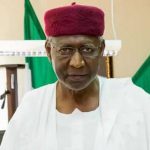
    Abba Kyari, Chief of Staff to Nigeria’s President, Muhammadu Buhari, who tested positive for Coronavirus, has said that he will be moving to Lagos for “additional care and observation”.

    Recall that SaharaReporters had exclusively reported that Kyari was seriously ill and tested positive for the virus after returning from a trip to Germany and Egypt. 

    SaharaReporters had also reported that the Presidency was making plans to move Kyari to Lagos for intensive care. 

    See Also

    BREAKING: Buhari’s Chief Of Staff, Kyari, Says He Is Transferring To Lagos For Medical Treatment, Confirms SaharaReporters Story 12

    Exclusive

    EXCLUSIVE: Presidency To Move Abba Kyari To Lagos For Treatment After Testing Positive For Coronavirus


    Kyari in a statement on Sunday said, “I am writing to let you know that on medical advice I will transfer to Lagos later today for additional tests and observation. 

    “This is a precautionary measure: I feel well, but last week I tested positive for Coronavirus, the pandemic that is sweeping the world. I have followed all protocols government has announced to self-isolate and quarantine.

    “I have made my own care arrangements to avoid further burdening the public health system, which faces so many pressures. 

    “Like many others that will also test positive, I have not experienced high fever or other symptoms associated with this virus and have been working from home. I hope to be back at my desk very soon.

    “Like the whole world, we are dealing with a new disease. Our experts are learning more all the time about  Coronavirus, what it does and how we can combat it.

    “This is a disease that recognises no difference between North and South, men or women, rich or poor. We are all in this together.”

    Nigeria so far has 97 confirmed cases of the virus and one recorded death. 
     

    Politics

    PUBLIC HEALTH

    Breaking News

    News

    AddThis

    : 

    Original Author

    : 

    Saharareporters, New York

    Disable advertisements

    : 
    BREAKING: Buhari’s Chief Of Staff, Kyari, Says He Is Transferring To Lagos For Medical Treatment, Confirms SaharaReporters Story
    Read More
    http://saharareporters.com/2020/03/29/breaking-buhari%E2%80%99s-chief-staff-kyari-says-he-transferring-lagos-medical-treatment-confirms

    Views: 0