Tag: West

  • The Sorry State Of Nigeria’s Judiciary Among Others Makes The Battle Cry For A Revolution Inevitable By Francis Adewale

    The Sorry State Of Nigeria’s Judiciary Among Others Makes The Battle Cry For A Revolution Inevitable By Francis Adewale

    Lawyers
    Lawyers

    “Those who make peaceful revolution impossible will make violent revolution inevitable.”
                                                   – President John F. Kennedy (1962)

    This week may be one of the worst weeks for Nigerian judiciary and they might have made the much vaunted Sowore’s revolution inevitable. The first salvo was the list of judges released by the National Judicial Council replete with the names of their sons and daughters as well as hangers on. Second is the farcical decision in EFCC vs Kalu where the Supreme Court “suo motu” created a new section to the constitution of Nigeria by vacating a conviction duly given under an extant law. The strange rationale by the Supreme Court is that the presiding judge, now elevated to the Court of Appeal should not have pronounced the sentence. The Court conveniently ignored the fact that the accused counsel had invited the judge to come back and continue the hearing by a formal letter!

    Gone are the days when Nigerian judiciary is famously celebrated as the last bastion of defense for the common man. The days of Kayode Esho, Chukwudifu Oputa, Muhammed Uwais is long gone. Our judiciary is no more like Caesar’s wife, above board. The problem however is not necessarily down to the hydra headed monster of corruption alone but a more sinister evil called, nepotism. It is my humble opinion that an opaque process for selection of judges led us to where we found ourselves this week. And the problem did not start with the current chief justice. The dysfunction and bastardization have been long in coming, and as we will find out in this piece, the cancer has eaten deep into the fabric of this nation. The revolution is inevitable. 

    The Sorry State Of Nigeria’s Judiciary Among Others Makes The Battle Cry For A Revolution Inevitable By Francis Adewale 1Lawyers


    What precipitate this write up is a social media post by a good friend of mine and I obtained his permission to repost his comment with my personal edits:
    “It took Orji Kalu only 4 months including Covid lockdown challenge to move from the High Court to Supreme Court to get his so called sound judgment from Supreme Court while it took ten years to get his case completed at the High Court level. Ten good years! And we are told justice in Nigeria is not cash and carry? The Supreme Court is preparing the ground for a revolution and very soon something extraordinary will take place. The same Supreme Court that will give 2021 and 2022 court date for poor defendants, sat and summarily decide a case within 4 months while cases of those facing a life sentence languish in the labyrinth of jungle justice!”

    My first response to the post, is to retort that the problem did not start with judiciary, but they seem to have led the “nunc dimitis” for the internment of democracy in Nigeria. The judiciary may have pushed us to the praecipe but they were not the only one. We all recalled the impunity days of PDP rule and how they ride roughshod on people’s right, celebrating acquisition of jets obtained from corrupt practices while hordes of masses suffer the indignity of scrapping for foods from the gutter. Towards the end of that era, we all thought, if we can just get a man of integrity into Aso Rock, someone who will brook no atom of corruption, we will change the country. The election of 2015 seems to have lulled Nigerians into thinking that all we need is someone or a duo with integrity, so we elect Buhari and Osinbajo, a puritan and a pastor and went home satiated. What we were not prepared for or more appositely choose to ignore is the fact that the vehicle that brought them into governance is none other than the decrepit system that PDP used to feather their nest. In the first 4 years, we were told that the problem is with the National Assembly where the legistlooters shifted their control of the vortex of power in Abuja, opposing every anti-corruption moves of the executives. Then come the last election where the ruling party now controls the executive and legislative arm, but corruption runs through the gamut of the judiciary and Aso Rock looks the other way while nepotism festers in its rank.

    It is as if the cancer has completely swallowed up the entire fabric of the nation. Cases involving the poor dragged on for years while those who can afford senior advocate can get quick justice. Many warned that this will sound the death knell of democracy in Nigeria. Every attempt to even build on free and fair election has been truncated by the judiciary. What with the recent confounding judgment from Imo and Bayelsa. Our two gargantuan political parties now owned our judiciary lock, stock and barrel. They sit in smoke filled rooms to determine who will be governors, legislators and judges, and those who will play ball are readily appointed as pawns in the chest board of the Nigerian ruling class, wives, nephews, cousins, sons and daughters are made judges and senior advocates overnight without recourse to any modicum of meritocracy. A friend of mine recently quipped that the problem of nepotism is not just that it defeats meritocracy and breeds mediocrity but that it infects the entire body politics and renders it comatose. Corruption can be traced, and ill-gotten wealth recovered but nepotism is more sinister. Those who obtain position of power and authority through nepotism hold fealty only to their masters who appointed them. Such appointee will readily twist the constitution, made up section that does not exist all at the behest of their “godfather”. It is insidious and evil.

    I graduated from Nigerian Law School 30 years ago, after an excellent stint at Great Ife. My class at Ife, drawn from the north, east, west middle belt and south-south has in its rank some of the best legal minds any country will be proud of. We graduated with high hopes to take on the world and change the land. Few of us found ourselves abroad on scholarship where we flourish and excel. Those in legal practice in Nigeria, either at the federal or state ministry of justice or private practice are the ones my heart bleeds for, especially those without access to members of the National Judicial Council. I have had the privilege to advance my career abroad as an attorney and public defender. I frequently sit on panels that recommend colleagues for appointment as judges in a fair, open and transparent process; something my colleagues in Nigeria could only dream of.

    When I look at the state of Nigerian legal practice my heart bleeds. The career growth of colleagues in the legal profession in Nigeria is stunted not for lack of excellence but influence in the right place. Influence peddling is an art form in Nigeria and politicians used to have the exclusive preserve of selling it to the highest bidder, but our Judicial Council seems to have mastered the art. The problem will not be this pronounced if the sons and daughters they are foisting on Nigerian judiciary are steeped in the Nigerian experience or have a modicum of merit. As many of my colleagues are apt to complain, majority of the recent appointees hardly spend few years in Nigeria. They all went to schools abroad. Totally devoid of the Nigerian experience, and constantly removed from the everyday life Nigerians suffers under. Majority of them lives in the gilded mansions of their forbears in Abuja and other state capitals, where they are rarely touched by the “better angels of our nature” to use the phrase coined by Abraham Lincoln. It is therefore no surprise that they care only for what their “godfather” demand.

    Let me however warns that the biggest mistake we could make is to think that the rot is only in the heart of our judiciary. Think again. Nepotism is next door, next street, next town and everywhere in Nigeria. It rampages through the land, be it North, East or West. Just look at our churches and mosques, who do you see minister or lead the prayers when the founder/visioner is not around? You guess right,  if you say their sons and daughters. Gone are the days when Pa Fadayomi push to have a meritorious doctor of aerodynamics succeed him. Gone are the days when the leader of the faithful in Nigeria is selected by their aptitude in the knowledge of the Quaran. Nowadays, the exit of the leader is the beginning of the reign of the progeny. It has infected our colleges and universities, scholarship and opportunities that used to be available on merit are now exclusive preserve of the vice chancelor’s children and family members. Woe betide the school senate members that dare ask questions. Advertisement for jobs that has already been reserved for the children of the privileged are means to extort money in the form of application fees a la Abba Moro immigration recruitment scheme. A recent recruitment without advertisement at our apex bank reported by Sahara Reporters shows that successful applicants names were picked out of the rolodex of the governor. Commercial Banks staff are not an exemption, they are either recruited based on sex appeal or influential ministers/senators’ “recommendation” which doesn’t come easy for the educated but less privileged applicants.

    A friend concluded an animated discussion on social media on this issue with a distinctively Nigerian resignation: “It is clear that those who do not want things to work properly in Nigeria are more powerful than those who are working towards finding solutions to our problems.” Again, my response is what do we have to lose if we embrace Omoyele Sowore’s revolution, even with its youthful disdain for experience? Especially when our current experienced leadership seems to treat the Nigerian masses with contempt. Look at it this way: They do not need our votes to win election, as they could procure midnight judgment in Abuja a la Bayelsa and Imo. They do not need to legislate to fill any lacunae in our constitutional experience as the Supreme Court proved in Kalu’s case. In fact, as long as oil flows and they have the means to fill their Cayman Island bank accounts, we may as well not exist. Greed and avarice have become the directive principle of Nigerian ruling class. To rescue ourselves from their vice grip, we need revolution now!

    Francis Adewale
    Tioluwanimi@gmail.com

    Opinion

    AddThis

    : 

    Original Author

    : 

    Francis Adewale

    Disable advertisements

    : 
    The Sorry State Of Nigeria’s Judiciary Among Others Makes The Battle Cry For A Revolution Inevitable By Francis Adewale
    Read More
    http://saharareporters.com/2020/05/09/sorry-state-nigeria%E2%80%99s-judiciary-among-others-makes-battle-cry-revolution-inevitable

    Views: 0

  • The Thing Called Intuition

    The Thing Called Intuition

    Men, as each one is aware of, are disposed to query this superior intelligence of ladies; their egoism calls for the denial, and they’re seldom reflective sufficient to get rid of it by logical and evidential evaluation. Moreover, as we will see a bit afterward, there’s a sure specious look of soundness of their place; they’ve pressured upon ladies a synthetic character which nicely conceals their actual character, and girls have discovered it worthwhile to encourage the deception. But although each regular man thus cherishes the soothing unction that he’s the mental superior of all ladies, and notably of his spouse, he always provides the mislead his pretension by consulting and deferring to what he calls her instinct.

    That is to say, he is aware of by expertise that her judgment in lots of issues of capital concern is extra delicate and looking out than his personal, and, being disinclined to accredit this higher sagacity to a extra competent intelligence, he takes refuge behind the doctrine that it is because of some impenetrable and intangible expertise for guessing appropriately, some half mystical tremendous sense, some imprecise (and, in essence, infra-human) intuition.

    The true nature of this alleged intuition, nonetheless, is revealed by an examination of the conditions which encourage a person to name it to his support. These conditions don’t come up out of the purely technical issues which are his every day concern, however out of the rarer and extra basic, and therefore enormously harder issues which beset him solely at lengthy and irregular intervals, and so supply a check, not of his mere capability for being drilled, however of his capability for real ratiocination.

    No man, I take it, save one consciously inferior and hen-pecked, would seek the advice of his spouse about hiring a clerk, or about extending credit score to some paltry buyer, or about some routine piece of tawdry swindling; however not even essentially the most egoistic man would fail to sound the sentiment of his spouse about taking a companion into his enterprise, or about standing for public workplace, or about combating unfair and ruinous competitors, or about marrying off their daughter. Such issues are of huge significance; they lie on the basis of well-being; they name for one of the best thought that the person confronted by them can muster; the perils hidden in a incorrect resolution overcome even the clamors of vainness. It is in such conditions that the superior psychological grasp of ladies is of apparent utility, and needs to be admitted. It is right here that they rise above the insignificant sentimentalities, superstitions and formulae of males, and apply to the enterprise their singular expertise for separating the looks from the substance, and so train what is known as their instinct.

    Intuition? With all respect, bosh! Then it was instinct that led Darwin to work out the speculation of pure choice. Then it was instinct that fabricated the gigantically advanced rating of “Die Walkure.” Then it was instinct that satisfied Columbus of the existence of land to the west of the Azores. All this instinct of which a lot transcendental garbage is merchanted is not any extra and at least intelligence—intelligence so eager that it might probably penetrate to the hidden fact by way of essentially the most formidable wrappings of false semblance and manner, and so little corrupted by sentimental prudery that it is the same as the much more tough job of hauling that fact out into the sunshine, in all its bare hideousness. Women resolve the bigger questions of life appropriately and shortly, not as a result of they’re fortunate guessers, not as a result of they’re divinely impressed, not as a result of they practise a magic inherited from savagery, however merely and solely as a result of they’ve sense.

    They see at a look what most males couldn’t see with searchlights and telescopes; they’re at grips with the necessities of an issue earlier than males have completed debating its mere externals. They are the supreme realists of the race. Apparently illogical, they’re the possessors of a uncommon and delicate super-logic. Apparently whimsical, they hold to the reality with a tenacity which carries them by way of each section of its incessant, jellylike shifting of kind. Apparently unobservant and simply deceived, they see with vivid and horrible eyes. In males, too, the identical cruel perspicacity generally exhibits itself—males acknowledged to be extra aloof and uninflammable than the overall—males of particular expertise for the logical—sardonic males, cynics. Men, too, generally have brains. But that may be a uncommon, uncommon man, I enterprise, who’s as steadily clever, as always sound in judgment, as little postpone by appearances, as the typical ladies of forty-eight.

    Extract from IN DEFENSE OF WOMEN by H. L. Mencken

    Views: 0

  • Amidst Coronavirus, Ogun Health Workers Underpaid By Tao Bakare

    Amidst Coronavirus, Ogun Health Workers Underpaid By Tao Bakare

    Tao Bakare
    Tao Bakare

    Amidst Coronavirus, Ogun Health Workers Underpaid By Tao Bakare 2

    Tao Bakare

    As the global pandemic continue to hold the world to ransom, nations all over the world continue to search for the ‘messiah vaccine’. Despite the fact that Covid-19 has successfully exposed even the supposed perfect and big countries in terms of inadequate health facilities, Cuba have come to the rescue.

    However, Nigeria remains wanted in the battle for cure as the President have never for once failed to disappoint Nigerians. 

    Meanwhile, Ogun State, in the South-West region, which is one of the hotspot of the virus, has failed woefully in responding to the deadly situation.

    Since the outbreak of the pandemic in Nigeria, Ogun State has recorded over three cases, while the state government has done almost nothing, but, mere cheap talk on radio, television and print. The governor has announced several millions of naira, while in reality, nothing is there to show for it.

    Recently, Governor Dapo Abiodun announced that the state is working on an isolation centre in Ikenne Local Government. Good news, I am writing this piece from Ikenne right now, there is nothing in Ikenne. I call on Governor Dapo Abiodun to prove me wrong.

    Also, with the state housing one of the major (but poorly funded) teaching hospitals in Nigeria, Olabisi Onabanjo University Teaching Hospital, Sagamu, one would think that the state will be more active in response to the pandemic. But the fact is that Olabisi Onabanjo University Teaching Hospital cannot even boast of a broken ventilator, let alone a functional one. Shame on the state government.

    It is also sacrosanct to note that the welfare of health workers in Ogun State especially at Olabisi Onabanjo University Teaching Hospital is nothing to write home about. Apart from the fact that these ‘warriors’ have to work restless shifts of about 10 hours everyday, they do not even have enough items to discharge their duties properly. The sad news is, it is in OOUTH that nurses run out of face masks, gloves and sanitiders amidst a deadly virus.

    Another major point of call is the remuneration of these health workers. The administration of former governor, Ibikunle Amosun, paid just four months out of the nine months arrears owed workers by the Gbenga Daniel regime still the present regime of Dapo Abiodun continue to hover around the same trend.

    Of course, it is reasonable enough that amidst this pandemic, the welfare of our health workers should be held paramount by any reasonable government. But in Dapo Abiodun’s Ogun State, the shadow is the reality.

    On arrival of Dapo Abiodun’s administration, thousands of promises were made to the people but a lot has remained unfulfilled. 

    The situation in Ogun State is no different from scenes in horror movies as both doctors and nurses are lamenting underpayment and little or no remuneration at all.
     

    Opinion

    AddThis

    : 

    Original Author

    : 

    Tao Bakare

    Disable advertisements

    : 
    Amidst Coronavirus, Ogun Health Workers Underpaid By Tao Bakare
    Read More
    http://saharareporters.com/2020/04/01/amidst-coronavirus-ogun-health-workers-underpaid-tao-bakare

    Views: 0

  • WHO releases guidelines to help countries maintain essential health services during the COVID-19 pandemic

    WHO releases guidelines to help countries maintain essential health services during the COVID-19 pandemic

    The COVID-19 pandemic is straining health systems worldwide. The rapidly increasing demand on health facilities and health care workers threatens to leave some health systems overstretched and unable to operate effectively.

    Previous outbreaks have demonstrated that when health systems are overwhelmed, mortality from vaccine-preventable and other treatable conditions can also increase dramatically. During the 2014-2015 Ebola outbreak, the increased number of deaths caused
    by measles, malaria, HIV/AIDS, and tuberculosis attributable to health system failures exceeded deaths from Ebola
    [1,2]. 

    “The best defense against any outbreak is a
    strong health system,” stressed WHO Director-General Tedros Adhanom Ghebreyesus.
    “COVID-19 is revealing how fragile many of the world’s health systems and
    services are, forcing countries to make difficult choices on how to best meet
    the needs of their people.”

    To help countries navigate through these challenges, the World Health Organization (WHO) has updated operational planning guidelines in balancing the demands of responding directly to COVID-19 while maintaining essential health service delivery, and mitigating
    the risk of system collapse. This includes a set of targeted immediate actions that countries should consider at national, regional, and local level to reorganize and maintain access to high-quality essential health services for all.

    Countries should identify essential services that will be prioritized in their efforts to maintain continuity of service delivery and make strategic shifts to ensure that increasingly limited resources provide maximum benefit for the population. They
    also need to comply with the highest standard in precautions, especially in hygiene practices, and the provision of adequate supplies including personal protective equipment This requires robust planning and coordinated actions between governments
    and health facilities and their managers.

    Some examples of essential services include: routine vaccination; reproductive health services including care during pregnancy and childbirth; care of young infants and older adults; management of mental health conditions as well as noncommunicable diseases
    and infectious diseases like HIV, malaria and TB; critical inpatient therapies; management of emergency health conditions; auxiliary services like basic diagnostic imaging, laboratory services, and blood bank services, among others.

    Well-organized and prepared health systems can continue to provide equitable access to essential service delivery throughout an emergency, limiting direct mortality and avoiding increased indirect mortality. 
     

    The guidelines stress the importance of keeping up-to-date information. This requires frequent transparent communications with the public, and strong community engagements so the public   can maintain trust in the system to safely meet their
    essential needs and to control infection risk in health facilities. This will help ensure that people continue to seek care when appropriate, and adhere to public health advice.


    1. Elston, J. W. T., Cartwright, C., Ndumbi, P., & Wright, J. (2017). The health impact of the 2014–15 Ebola outbreak. Public Health, 143, 60-70.

    2. Parpia, A. S., Ndeffo-Mbah, M. L., Wenzel, N. S., & Galvani, A. P. (2016). Effects of response to 2014–2015 Ebola outbreak on deaths from malaria, HIV/AIDS, and tuberculosis, West Africa. Emerging infectious diseases, 22(3), 433.


    For interviews please contact:  Tarik Jasarevic

    To access the full guidance please visit: https://www.who.int/emergencies/diseases/novel-coronavirus-2019/technical-guidance/maintaining-essential-health-services-and-systems

    For further information and guidance on COVID-19 please visit: https://www.who.int/emergencies/diseases/novel-coronavirus-2019


    WHO releases guidelines to help countries maintain essential health services during the COVID-19 pandemic
    Read More
    https://www.who.int/news-room/detail/30-03-2020-who-releases-guidelines-to-help-countries-maintain-essential-health-services-during-the-covid-19-pandemic

    Views: 0

  • BREAKING: Buhari Bans Movement In And Out Of Lagos, Ogun, FCT Over Coronavirus

    BREAKING: Buhari Bans Movement In And Out Of Lagos, Ogun, FCT Over Coronavirus

    BREAKING: Buhari Bans Movement In And Out Of Lagos, Ogun, FCT Over Coronavirus 3

    BREAKING: Buhari Bans Movement In And Out Of Lagos, Ogun, FCT Over Coronavirus 4


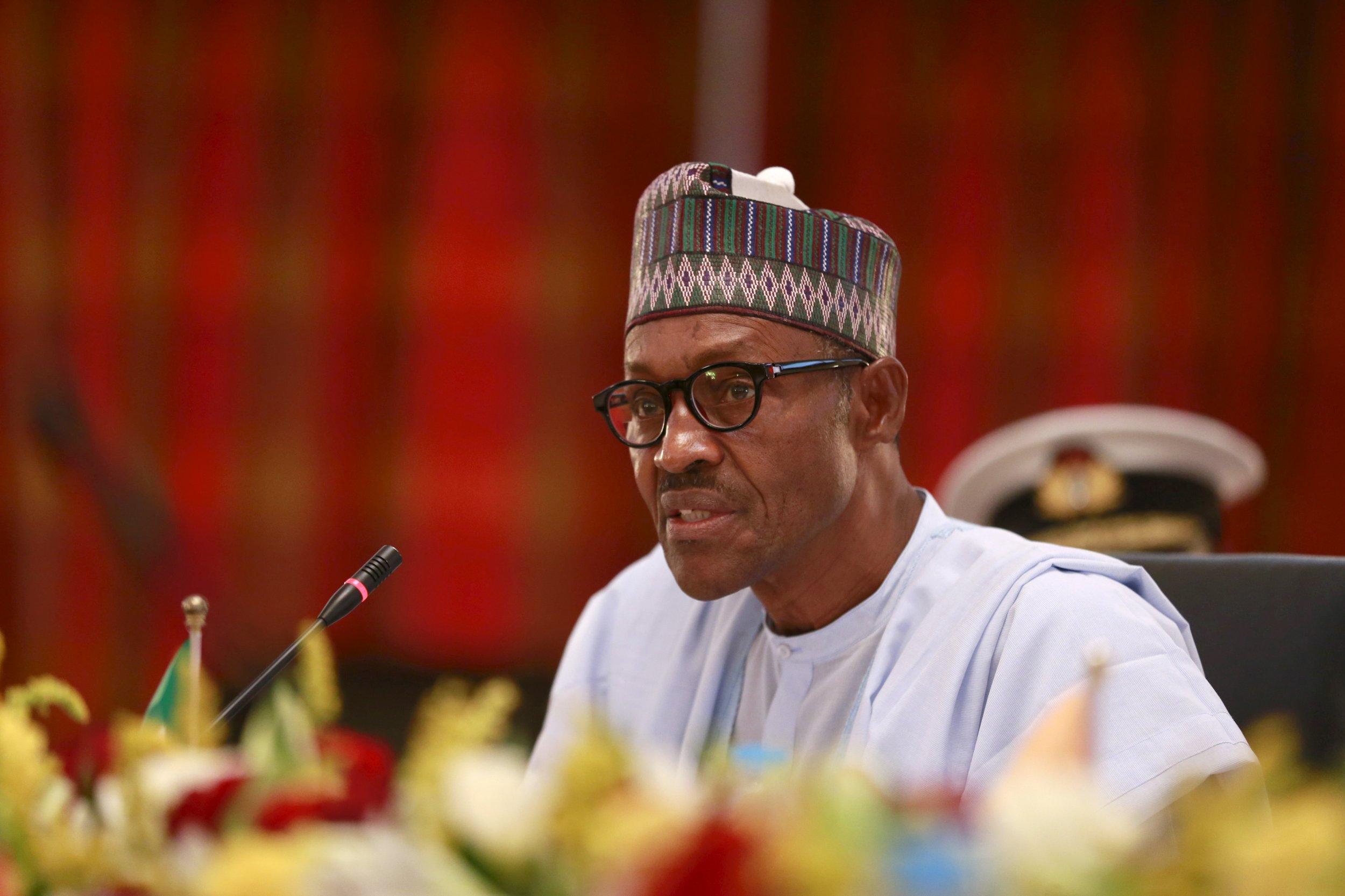
    President Muhammadu Buhari has banned the movement of persons in and out of Lagos, Ogun and Federal Capital Territory as a result of the Coronavirus outbreak.

    He made the declaration on Sunday evening during a nationwide broadcast.

    According to the President, the decision was taken because Lagos and the FCT had recorded the most cases of the pandemic in the country due to the international airports in both cities, which had allowed travellers from high risk countries for the virus to come into the country.

    Buhari said Ogun State was included in the restriction because of its close proximity to Lagos and the fact that it bordered many other states in the South-West.

    The President asked Nigerians to put aside their personal comfort to help combat the pandemic, adding that citizens should stay at home to reduce the risk of the virus spreading further.

    Buhari said that security agencies would be drafted in to help government’s effort at tackling Coronavirus.

    Nigeria currently has 97 confirmed cases of the virus and one recorded death. 

    More to come…

    Politics

    PUBLIC HEALTH

    Travel

    Breaking News

    News

    AddThis

    : 

    Original Author

    : 

    Saharareporters, New York

    Disable advertisements

    : 
    BREAKING: Buhari Bans Movement In And Out Of Lagos, Ogun, FCT Over Coronavirus
    Read More
    http://saharareporters.com/2020/03/29/breaking-buhari-bans-movement-and-out-lagos-ogun-fct-over-coronavirus

    Views: 0

  • Nigerian Youth Have Gone To Sleep? By Tao Bakare

    Nigerian Youth Have Gone To Sleep? By Tao Bakare

    Nigerian Youth Have Gone To Sleep? By Tao Bakare 5

    Nigerian Youth Have Gone To Sleep? By Tao Bakare 6


    Woke up this morning to the unfortunate reality of the Nigerian state, the failure of her youth to take up responsibilities as the thread and wool that holds her fabric together.
      
    Flashback to the time when our past heroes, who were at the time youths, took up giant strides and went through the battles, upheavals, fights that ensured the liberation of the Nigerian state.
     
    In the nineties, Nigeria was lucky to have the likes of Chinua Achebe, Wole Soyinka, Fela Anikulapo Kuti, Gani Fawehinmi, Femi Falana amongst others responsible for the many historical and  ground-breaking achievement through measures of journalism, arts, literature and activism amongst others.
      
    Unfortunately, today, the reverse is the case, as we now have illiterates, educated hypocrites and mediocres that make up over sixty five percent of the Nigerian population.
      
    However, the blame cannot solely lie on the youths themselves, as it is loud enough that our leaders whom we entrusted our future unto have failed woefully to deliver in this respect. But also, it is noteworthy that the youths themselves have not helped to correct the anomalies, but have glaringly resolved to fold arms and watch their own future rubbed in the mud.
     
     In the Nigeria of today, youths have been relegated to the position of back benchers, applauding mammoth and mere on Lookers in the running of state affairs, which they ought to be at the fore front, as in the times of the West African Students Union, when students, youths, led liberation movements across Africa, and also saw to the independence of West African states.
     
    Obviously, it is crystal clear that youths, who occupy the largest percentage of Nigeria’s population now see themselves and thus submit to our doomed leaders, as election thugs, political hallelujah boys, political assassins and trash can. Instead of them to look ahead, beyond ethic bigotry and difference, it is unfortunate they now lead ethnic hate discussions and debates both online and offline, in turn, parading themselves as useless ‘ leaders of tomorrow’. I wonder how this country will pay it’s debts in the next twenty years, with this kind of bad debtors in town, the so called youths.
     
    In a sane society, the youths should be the ultimate institution of political accountability and policy partner to the government, thereby, holding erring leaders accountable. Also, youths should serve as the rebranding tool for a collapsing or collapsed entity, like ours.
      
    Recently, the chief of police, ordered for the disbandment of zonal SARS in Ogun State following the death of a  promising young man, Tiamiyu Kazeem popularly known as Kaka, who until his death was the Vice Captain of Remo Stars Football Club.
       
    The order of the IGP, came, not only regarding the fact that the young man who was the victim of yet another SARS menace, was a known football star, but also because the youths in Sagamu community flaunted their power as youths!
      
    Moral of this recent case and it’s achievement, is that, so much can be achieved if youths wake up from their long mouth drooling slumber and take full responsibility for their own future.
      
    Nevertheless, if they fall to do this, I fear they may sleep and never wake up.

    The time To Take It Back is now!
     

    Opinion

    AddThis

    : 

    Original Author

    : 

    Tao Bakare

    Disable advertisements

    : 
    Nigerian Youth Have Gone To Sleep? By Tao Bakare
    Read More
    http://saharareporters.com/2020/03/22/nigerian-youth-have-gone-sleep-tao-bakare

    Views: 0

  • Oshiomhole Pleads For Forgiveness As APC Asks Members To Withdraw Court Cases

    Oshiomhole Pleads For Forgiveness As APC Asks Members To Withdraw Court Cases

    Oshiomhole Pleads For Forgiveness As APC Asks Members To Withdraw Court Cases 7

    Oshiomhole Pleads For Forgiveness As APC Asks Members To Withdraw Court Cases 8


    Embattled National Chairman of the All Progressives Congress, Adams Oshiomhole, has asked members of the National Working Committee to forgive him of all shortcomings in piloting the affairs of the party.

    Oshiomhole made the plea on Tuesday in Abuja at the end of the meeting by the  committee.

    He said that the move was aimed at promoting peace and building confidence within the party. 

    The APC also directed all members to withdraw all pending cases in court as part of measures to resolve the crisis within the party.

    He said, “I have asked everyone and they have accepted, whatever they consider to be my own shortcomings, I have asked for forgiveness and they have forgiven and whatever I considered to be anyone’s shortcoming that irritated me, I have also forgiven. 

    “This is the way it should be. It can only be abnormal if people know how to fight and they do not know how to settle.” 

    Oshiomhole also announced the lifting of suspension of two members of the NWC, Lawan Shuaibu, Deputy National Chairman, North, and Inuwa Abdulkadir, National Vice Chairman, South West.
     

    Politics

    News

    AddThis

    : 

    Original Author

    : 

    SaharaReporters, New York

    Disable advertisements

    : 
    Oshiomhole Pleads For Forgiveness As APC Asks Members To Withdraw Court Cases
    Read More
    http://saharareporters.com/2020/03/17/oshiomhole-pleads-forgiveness-apc-asks-members-withdraw-court-cases

    Views: 0

  • Dracunculiasis eradication: intensifying surveillance amid continued zero human cases in Ethiopia and Mali

    Dracunculiasis eradication: intensifying surveillance amid continued zero human cases in Ethiopia and Mali

    A total of 54 human cases of dracunculiasis (guinea-worm disease) were reported to the World Health Organization (WHO) in 2019, with Chad reporting 48 out of the 54 cases.

    In Chad, Ethiopia, Mali and South Sudan, trained volunteers are supporting surveillance and detection of infections in domestic dogs and cats. Surveillance has been heightened, as evidenced by the increase in reports of rumoured human cases which in 2019 peaked at 108 207 out of which 106 678 were investigated within 24 hours.

    “We are working with the broader scientific community to understand the epidemiology of animal infections, mainly in dogs in Chad, where the highest number of human cases were reported in 2019,” said Dr Dieudonné Sankara, who leads WHO’s eradication and elimination team in the Department of Control of Neglected Tropical Diseases. “Interestingly, there have been no human cases in Ethiopia and Mali, and 4 human cases in South Sudan in 2019, compared with 10 in 2018.”

    In Mali, the number of animals infected with Dracunculus medinensis (the guinea-worm) has decreased from 20 animals in 2018 to 8 dogs and 1 cat in 2019. However, insecurity remains a challenge to freely accessing some endemic areas in Mali.

    Conversely, Chad reported 1935 infections in dogs and 46 in cats in 2019, an increase of 85% from 2018, and a 176% increase among humans.

    Angola reported only 1 human case in 2019. Community-based surveillance is being reinforced mainly in Cunene Province where a case was reported in 2018.

    In South Sudan, integrated surveillance activities have been carried out with the trachoma and onchocerciasis control programmes, in accordance with WHO’s recommendation that programmes collaborate, integrate and co-implement activities, whenever possible, to strengthen surveillance.

    In order to strengthen cross-border surveillance, WHO led a mission to Cameroon in November 2019 to investigate circumstances around an “imported” case in the country’s Far North Region. Discussions were held with the health authorities to establish active surveillance in all villages in the area, including training for application of temephos.[1]  

    Also, in 2019, and with the support of trained field workers, vector control was intensified to larvicide ponds and water sources in more than 400 villages, compared with 72 villages in 2018.

    In late 2019, WHO supported cross-border meetings with officials of national dracunculiasis eradication programmes from Mali, Burkina Faso and Côte d’Ivoire in West Africa; between Ethiopia and South Sudan in East Africa, and between Angola and Namibia in Southern Africa, to share experiences and plan joint surveillance activities across the borders to prevent transmission of the disease.

    The disease

    Dracunculiasis is a crippling parasitic disease caused by infection with D. medinensis, a long, thread-like worm. It is usually transmitted when people drink stagnant water contaminated with parasite-infected water fleas.

    WHO works with Member States and in partnership with The Carter Center and the United Nations Children’s Fund to support efforts to eradicate the disease. WHO provides technical guidance, works with national programmes to coordinate surveillance in dracunculiasis-free areas, and monitors and reports on the progress achieved.

    WHO is the only Organization mandated to certify countries as free of transmission of the disease following the recommendations of the International Commission for the Certification of Dracunculiasis Eradication.

    Since 1995, WHO has certified a total of 199 countries, territories and areas, including 187 Member States, as free of dracunculiasis transmission.

    [1] Temephos is a cyclopicide used to kill water fleas (cyclops) that carry the infective guinea-worm larvae.


    Dracunculiasis eradication: intensifying surveillance amid continued zero human cases in Ethiopia and Mali
    Read More
    https://www.who.int/news-room/detail/19-03-2020-dracunculiasis-eradication-intensifying-surveillance-amid-continued-zero-human-cases-in-ethiopia-and-mali

    Views: 0

  • Medical Product Alert N° 1/2020 (English version)

    Medical Product Alert N° 1/2020 (English version)


    Falsified antimalarials in West and Central Africa displaying an outdated WHO Essential Drugs Programme logo

    This Medical Product Alert relates to a series of confirmed falsified antimalarials circulating in West and Central Africa. Medicines subject of this alert display a similar logo to the outdated
    WHO Essential Drugs Programme logo.
     

    Since 2013, different falsified medicines, all displaying the outdated WHO Essential Drugs Programme logo, have been reported to the WHO Global Surveillance and Monitoring System by various stakeholders. The continued and widespread availability of these falsified medicines highlights a strong need for additional vigilance. WHO previously published two alerts on this issue (No.132 in Oct 2014, and No.131 in March 2014)

    This WHO medical product alert N°1/2020 refers to falsified Quinine Sulphate 300mg presented in six different combinations of batch numbers, expiry and manufacturing dates (see Table 1). The fraudulent use of the outdated WHO Essential Drugs Programme logo may create a false sense of product quality.

    Table 1: List of identified falsified Quinine Sulphate 300mg, subject of WHO Alert N°1/2020

    Medical Product Alert N° 1/2020 (English version) 9

    Recently received results of analysed samples show they do not contain any of the expected active ingredients.

    Quinine sulphate is referenced on the WHO Model List of Essential Medicines, to manage and treat severe malaria. At this stage, no adverse reactions attributed to these falsified products have been reported to WHO.    

    All the above falsified products claim to be manufactured by REMEDICA LTD – Cyprus and to contain 300mg of quinine sulphate. Remedica Ltd has confirmed that:

    • they did not manufacture the above falsified products; and
    • the variable data (batch number and dates) on the above products has never been used by Remedica.

     These falsified medicines display the following common characteristics (please see photographs):

    • grey or white plastic containers which contain 1000 loose circular tablets each;
    • display the outdated WHO Essential Drugs Programme logo;
    • English and French labelling with mistakes and inconsistencies; and
    • discovered at patient level in both regulated and unregulated outlets.

    Product details, photographs and advice to the public are available on the following pages.

    Outdated WHO Essential Drugs Programme logo 

    Medical Product Alert N° 1/2020 (English version) 10

    Photographs of confirmed falsified Quinine Sulphate 300mg tablets subject of
    Medical Product Alert N°1/2020

    1.       Falsified
    Quinine Sulphate Tablets B.P 300mg
    identified
    in Chad (Batch 44680)

    Medical Product Alert N° 1/2020 (English version) 11


    Medical Product Alert N° 1/2020 (English version) 12

    Medical Product Alert N° 1/2020 (English version) 13Medical Product Alert N° 1/2020 (English version) 14Medical Product Alert N° 1/2020 (English version) 15

    Medical Product Alert N° 1/2020 (English version) 16


    WHO requests increased vigilance within the supply chains of countries likely to be affected by these falsified products. Increased vigilance should include hospitals, clinics, health centres, wholesalers, distributors, pharmacies and any other suppliers of medical products.

    If you are in possession of the above products, please do not use. If you have used these falsified products, or if you suffer an adverse event having used these products, please seek immediate advice from a qualified healthcare professional, and ensure they report the incident to your local Ministry of Health/National Medicines Regulatory Authorities/National Pharmacovigilance Centre.

    All medical products must be obtained from authentic and reliable sources. Their authenticity and condition should be carefully checked. Seek advice from a healthcare professional in case of doubt.

    National health authorities are asked to immediately notify WHO if these falsified products are discovered in their country. If you have any information concerning the manufacture, distribution, or supply of these products, please contact rapidalert@who.int . 

    WHO Global Surveillance and Monitoring System

    for Substandard and Falsified Medical Products

    For further information, please visit our website: www.who.int/medicines/regulation/ssffc/en/


    Medical Product Alert N° 1/2020 (English version)
    Read More
    https://www.who.int/news-room/detail/09-03-2020-medical-product-alert-n-1-2020-english-version

    Views: 0

  • End in sight, but flare-ups likely in the Ebola outbreak in the Democratic Republic of the Congo

    End in sight, but flare-ups likely in the Ebola outbreak in the Democratic Republic of the Congo

    Remarks by Dr Ibrahima Socé Fall, World Health Organization Assistant Director-General, Emergency Response


    Good afternoon. 

    I hope that your busy week was interrupted, like mine, with a moment of joy on Tuesday.

    That moment was the celebration of a woman being discharged from an Ebola treatment centre in Beni. Her name is Masiko.

    She was the last person in the Democratic Republic of the Congo confirmed to have Ebola.

    Health workers and other responders sacrificed a lot to get to this point. 

    Since the outbreak was declared in August 2018 there have been 420 attacks on health facilities in DRC, resulting in 11 deaths and 86 injuries among health care workers and patients.

    It’s been a huge amount of work. At the peak of the outbreak, more than 120 cases were being reported each week. 28 health zones were affected, with cases appearing 1200 kilometres apart. In response:

    • 11 labs have been set up to test around 3500 samples each week
    • 11 Ebola treatment centres were set up to care for people with Ebola
    • 300 000 people have been vaccinated
    • 250 000 contacts have been registered
    • 26 000 safe and dignified burials have been conducted
    • More than 3000 health facilities were identified for infection prevention and control support
    • More than 1000 metric tonnes of supplies have been delivered
    • An Ebola vaccine has been licensed, and two treatments found to be highly effective
    • Almost 160 000 million people have been screened for Ebola symptoms at borders or other points of control

    This work is continuing. The outbreak isn’t over. WHO recommends waiting two full incubation periods – that’s 42 days – after the last person tests negative a second time before declaring the end of the outbreak.

    We must stay in active response mode to get us over that finish line.

    We have to be prepared for other cases emerging. It’s is a very real risk.

    Remember that during the Ebola outbreak in West Africa flare-ups of new cases occurred after the end of the outbreak.

    There are four reasons why new cases may emerge during this 42-day period, or even after the end of the outbreak.

    • First, because of the complex security environment, Ebola transmission outside of groups under monitoring is possible.  
    • Second, Ebola virus can persist in used needles, syringes or vials for several weeks.
    • Third, Ebola virus can persist in the body fluids of survivors for many months, and can be transmitted well after recovery, or in rare cases can result in relapse – as we’ve already seen during this outbreak.
    • Finally, Ebola virus is present in an animal reservoir in the region, and there is always a risk of a new spillover to humans.

    This is why it’s critical to maintain surveillance and rapid response capacities.

    And that’s what we are doing. We’re still in full response mode.

    In addition to the activities I already mentioned, I have to underline how critical it is to continue supporting the Survivor Programme, which provides follow-up care for almost all of the 1169 survivors in 26 health areas in North Kivu and Ituri. The programme also helps reduce the risks of re-introduction events. 

    We need to continue this work until the end of the outbreak, to keep the capacity in place to rapidly respond to flare-ups, to keep supporting survivors after the outbreak, and to transition the capacities built in this response toward building a stronger health system. 

    But to be very frank, right now the world risks dropping the baton at the finish line. WHO faces an immediate US $20 million funding gap. If no new resources are received, we will run out of money before the end of the outbreak.

    We appreciate the generosity of donors who have supported the response since August 2018. Now we need to get over the finish line. WHO is calling on the international community to help us end this outbreak, and keep our promises to communities to build a stronger health system.

    If we are forced to scale back operations because of a lack of funds, and then a new case emerges, we might not have the people and resources on the ground that we need to shut down transmission quickly. Just a single case could re-ignite the epidemic.

    That would be a tragedy. An avoidable tragedy. 

    It is important that the global community doesn’t only focus efforts when there is an immediate threat, then walk away when the threat subsides.

    The health system has to be strong to stop much more than Ebola. It has to stop malaria, measles, cholera, and now COVID-19.

    There is a lot more work to do.

    Thank you.


    End in sight, but flare-ups likely in the Ebola outbreak in the Democratic Republic of the Congo
    Read More
    https://www.who.int/news-room/detail/06-03-2020-end-in-sight-but-flare-ups-likely-in-the-ebola-outbreak-in-the-democratic-republic-of-the-congo

    Views: 0