Tag: virus

  • Speed of Covid-19 deaths shock doctors and nurses

    Speed of Covid-19 deaths shock doctors and nurses

    Speed of Covid-19 deaths shock doctors and nurses 1

    NEW YORK: One medical worker called it “insane”, another said it induces paranoia – the speed with which patients are dying from the novel coronavirus is shocking even veteran doctors and nurses as they scramble to determine how to stop such sudden deterioration.

    Patients “look fine, feel fine, then you turn around and they’re unresponsive”, said Diana Torres, a nurse at Mount Sinai Hospital in New York, the epicentre of the pandemic in the US where the virus has infected nearly 430,000 people and caused more than 14,700 deaths.

    “I’m paranoid, scared to walk out of their rooms.”

    It isn’t just the elderly or patients with underlying health conditions, who can be fine one minute, and at death’s door the next.

    It can happen for the young and healthy, too, health professionals told Reuters.

    A young woman died unexpectedly while nurse Laurie Douglas was on duty at Our Lady of the Lake Hospital in Baton Rouge, Louisiana.

    After 34 years on the job, Douglas said she normally has “an intuition of who is going to fade and who may improve”.

    “But these people are throwing that out the window.

    “Last week, she was planning her wedding.

    “This week, her family is planning her funeral,“ she said, referring to the deceased patient.

    Patients might enter the hospital with strong oxygen levels and be engaged in happy conversation, said a resident emergency doctor at New York-Presbyterian Hospital, only to be “gasping for breath” and intubated a few hours later.

    “The scary thing is there are no rules to it,“ the resident said on condition of anonymity.

    These scenes are playing out everywhere as Covid-19 has infected more than 1.4 million worldwide and killed more than 85,000 as of Wednesday.

    The quick turns for the worse are likely products of an “overly exuberant” reaction by the immune system as it fights the virus, said Dr Otto Yang, an infectious disease specialist at the UCLA Medical Centre in Los Angeles.

    Called a cytokine storm, it occurs when the body overproduces immune cells and their activating compounds – cytokines – causing dangerously high blood pressure, lung damage and organ failure.

    Emily Muzyka, 25, a nurse in the New York suburbs, said she reached her breaking point last week, when a relatively healthy 44-year-old woman needed sudden intubation.

    “I had a meltdown that night,“ she said.

    “I cried to my boyfriend.”

    Intubation refers to inserting a tube into the mouth and through the airway of a Covid-19 patient struggling to breathe, so they can be hooked to a mechanical ventilator.

    Journalist Anick Jesdanun, who was in good health and had run 83 marathons, died last week from Covid-19, according to a post on Facebook by his cousin Prinda Mulpramook.

    Jesdanun, who was 51, at first didn’t need hospitalisation, according to the post.

    He had begun to recover and showed clear lungs and strong vital signs during a doctor’s visit in late March. But “a sudden setback” sent him to the emergency room on April 1, and “13 hours later we lost him”, Mulpramook wrote.

    A nurse at Mount Sinai’s intensive care unit recalled watching patients’ kidneys quickly shut down, adding that many require intravenous drips of the blood thinner Heparin.

    “It’s insane how sick they get, how quickly.

    “We’re really trying hard to figure out how to treat them.”

    Some of those hospitals are experimenting with unproven drugs in hopes of helping patients, including the anti-malaria medication hydroxychloroquine.

    “We’re essentially throwing the kitchen sink at these patients,“ a doctor said.

    Speed of Covid-19 deaths shock doctors and nurses
    Read More
    https://www.thesundaily.my/home/speed-of-covid-19-deaths-shock-doctors-and-nurses-AF2241516

    Views: 0

  • Living with pets during MCO

    Living with pets during MCO

    Living with pets during MCO 2

    KUALA LUMPUR: Working from home (WFH) is not as easy as many people think, especially when you have young children and pets.

    Yes, even pets. To others, it might seem easy having pets in the house. After all, don’t you just let them be and you do not have to give much attention to them?

    In reality however, looking after pets is just as much a responsibility as looking after young children. A look at the postings on Facebook and Twitter will show that many see the responsibility as similar, for to them, pets are as much a member of the family as children.

    Going into 24 days of the Movement Control Order (MCO) period, which means 24 days of WFH, the stories on the social media abound of the struggles that pet owners, especially those with cats, face juggling the responsibilities of work and looking after their pets.

    Interior decorate Intan Suhaiza Razak, 35, found that there were many secrets her cats kept from her which she only found out after she started to work from home from March 18.

    “It is only now that I am really getting to know my three cats. I did not spend much time with them before but now that I am with them all day, I am slowly learning their behaviour.

    “For instance, I was shocked to find out that they could turn the tap in the kitchen sink and would play with the water,” she told Bernama.

    Auditor Amirul Iqbal Razali, 30, has found that working from home can be quite challenging when you have cats.

    “I have three, and the minute I turn on the computer, they come around demanding my attention.

    “That would be the time they want to sit on my lap and play, and ask for food, even though I had prepared everything for them. And my work-station has become their bed,” he said.

    Media practitioner Muhamad Saufee Rosman thinks his cat Ethan loves the fact that he and his housemates now have to work from home during the MCO period.

    “He is extra demanding now, maybe because he enjoys the fact that we are home now, whereas previously, he was always left alone in the house. Now, he keeps snuggling up to us all the time,” he said.

    Muhamad Saufee and his housemates do not find Ethan’s demand for attention troublesome, and in fact, he is a stress-buster to them.

    “Life is less boring with him around. Sometimes, he does get in the way, but it would be lonely without him,” he said.

    To these animal-lovers, the Health Ministry’s announcement that pets do not carry the COVID-19 virus was good news.

    “In the beginning, it was a bit worrying, so it was a relief when the ministry said that pet-owners did not have to worry and do not have to take their pets for Covid-19 screenings.

    Nurana Mukhriz, 29, who works in information technology said she cannot imagine being separated from her two cats which she had bred since five years ago.

    “I live alone, so my cats ‘Adik’ and ‘Che Yam’ are my companions. Talking to them reduces my stress level and I don’t feel so lonely during the MCO period,” she said. – Bernama

    Living with pets during MCO
    Read More
    https://www.thesundaily.my/local/living-with-pets-during-mco-EF2241413

    Views: 0

  • WhatsApp tightens sharing limits to curb virus misinformation

    WhatsApp tightens sharing limits to curb virus misinformation

    WhatsApp tightens sharing limits to curb virus misinformation 3

    SAN FRANCISCO: WhatsApp on Tuesday placed new limits on message forwarding as part of an effort to curb the spread of misinformation about the coronavirus pandemic.

    The new policy limits users to forwarding certain messages to one “chat” at a time, aiming to limit the rapid propagation of content that is provocative but likely to be false.

    The Facebook-owned messaging platform said it took the action to enable people to concentrate on personal and private communications during the health crisis.

    In recent weeks, “we’ve seen a significant increase in the amount of forwarding which users have told us can feel overwhelming and can contribute to the spread of misinformation,“ WhatsApp said in a blog post.

    “We believe it’s important to slow the spread of these messages down to keep WhatsApp a place for personal conversation.”

    Last year, WhatsApp set limits on forwarded messages to five chats at a time, “to constrain virality,“ responding to events in India where the rapid proliferation of unverified information led to mob violence.

    The new policy applies to messages forwarded “many times” and marked with a double-arrow, indicating that it did not originate from a close contact, according to WhatsApp.

    “In effect, these messages are less personal compared to typical messages sent on WhatsApp,“ the blog said.

    “We are now introducing a limit so that these messages can only be forwarded to one chat at a time.”

    Damian Collins, a British member of parliament and co-founder of the Infotagion fact-check blog, called the move “a timely intervention,“ noting that WhatsApp was being used to spread recent hoaxes that 5G wireless networks were spreading the virus.

    “The online conspiracy theories about #5G exposed last week, and their real-life consequences, are a clear call to fight disinformation about #COVID19,“ Collins tweeted.

    “A lot of the false content sent to us at @infotagion came from @WhatsApp.”

    Scrambling to stop hoaxes

    WhatsApp along with its parent Facebook have been scrambling to curb an explosion of rumors and hoaxes about the coronavirus and at the same time seeking to promote verified content.

    With more than a billion users worldwide, WhatsApp has become a key source of information and communication during the pandemic.

    Facebook said last month it has nearly doubled server capacity to power WhatsApp as people in isolation place more voice and video calls using the popular messaging service.

    But WhatsApp has also been used to spread inaccurate information about the Covid-19 outbreak including about untested treatments.

    Irish Prime Minister Leo Varadkar last month warned people against sharing unverified coronavirus information on the messaging platform.

    “These messages are scaring and confusing people and causing real damage. Please get your info from official, trusted sources,“ the leader tweeted.

    One problem faced by the messaging service is that the encrypted information is seen only by the sender and recipient, making it harder for fact-checkers to debunk.

    WhatsApp said that as part of its efforts to fight the spread of false information, it was working with the World Health Organization and some 20 national health ministries, “to help connect people with accurate information.”

    The platform has been funding fact checking organizations and created a Coronavirus Information Hub within the app. – AFP

    WhatsApp tightens sharing limits to curb virus misinformation
    Read More
    https://www.thesundaily.my/world/whatsapp-tightens-sharing-limits-to-curb-virus-misinformation-CE2240848

    Views: 0

  • Strengthening accountability to end TB

    WHO today released a Checklist to enable Member States and their partners to assess the status of work at the national level to strengthen accountability to End TB, principally: national commitments made, actions taken on those commitments, monitoring & reporting approaches, and the nature of any high-level review mechanisms. The Checklist has been developed in response to requests from Member States, regions, civil society and partners as a tool to support the adaptation and implementation of the WHO Multisectoral Accountability Framework (MAF-TB) released in 2019. It responds also to the UN General Assembly request to WHO to ensure implementation of the Framework.

    There are four components of the MAF-TB that form a cycle for strengthening accountability: Commitments, Actions, Monitoring and Reporting, and Review, that were released during the World Health Assembly in May, 2019. In the political declaration of the first UN high-level meeting on TB, world leaders called for WHO to finalize the framework and ensure its implementation in 2019.

    After its publication in May, 2019, WHO began work with pathfinding country counterparts who were seeking to move ahead on key elements including, among others: formal adoption of country-specific targets for 2022 for increased TB case detection and treatment in line with the global targets in the political declaration; updating or development of new national TB strategic plans based on 2022 and 2030 targets and other new commitments; coordination platforms across sectors and stakeholders; formalizing engagement with civil society across End TB efforts;  producing robust performance reports; and, using those reports to inform high-level review bodies that will assess and drive faster progress.  Based on the MAF-TB document, relevant country experiences, and specific requests from countries and partners, WHO developed the MAF-TB Checklist. The Checklist is especially relevant for high TB burden countries, but has content relevant to all countries.  The appropriateness of different approaches may vary, according to national constitutional, legal and/or regulatory frameworks or other relevant factors.

    The MAF-TB Checklist has three annexes on:

    1. engagement across government ministries and bodies;
    2. engagement of civil society and affected communities; and,
    3. adoption  and implementation of WHO TB guidance.

    In releasing this MAF-TB Checklist today, Dr Tereza Kasaeva, Director of the WHO Global TB Programme noted,  “At this enormously difficult time, all countries and partners are focused on the COVID-19 pandemic.  Lessons learnt from ongoing TB programmes are helping the response. Likewise, TB efforts will benefit from learning underway on collaboration, innovation and accountability in confronting the virus.”

    WHO will be helping Ministries of Health and partners to use the Checklist, hold related consultations and move forward with more effective collaboration and review mechanisms.  The WHO Civil Society Task Force on TB also will support countries and civil society partners, using the Checklist. Progress in strengthening accountability will be assessed in the 2020 Report of the UN Secretary-General on progress since the 2018 TB UN high-level meeting, as well as in the WHO Global TB Report 2020.

    The WHO TB Civil Society Task Force, National TB  Programme Managers and other country officials, WHO staff at all levels, consultants working with WHO and The Global Fund, and staff of partner agencies, contributed content to, and/or provided feedback on, the MAF-TB Checklist during its development.   Access the Checklist and 3 annexes.  

    An online form of the checklist will be available shortly here, along with additional information.  

    Translations of the Checklist and annexes, as soon as available in Arabic, Chinese, French, Russian and Spanish, will be posted at the above link as well.   Kindly contact gtbprogramme@who.int if you have questions regarding the MAF-TB Checklist or to request versions in MS Word format if needed.


    Read More
    https://www.who.int/news-room/detail/08-04-2020-strengthening-accountability-to-end-tb

    Views: 0

  • COVID-19: UK Daily Death Toll Surpasses 900 For First Time

    COVID-19: UK Daily Death Toll Surpasses 900 For First Time

    COVID-19: UK Daily Death Toll Surpasses 900 For First Time 4

    COVID-19: UK Daily Death Toll Surpasses 900 For First Time 5


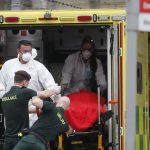
    More than 900 people are reported to have died from Coronavirus in United Kingdom hospitals in a day.

    The government announced an increase of 938 deaths, taking the UK’s total to 7,097.

    According to the country’s department of health, a total of 60,733 people have now tested positive for the virus and 7,097 of those hospitalised have died.

    As of Tuesday, the number of deaths recorded was 6,159 with 55,242 confirmed cases.

    “As of 9:00am 8 April, 282,074 tests have concluded, with 14,682 tests on 7 April, 232,708 people have been tested of which 60,733 tested positive. 

    “As of 5:00pm on 7 April, of those hospitalised in the UK who tested positive for Coronavirus, 7,097 have sadly died,” the department said

    The National Health Service said the patients, who have died from the disease, were aged between 22 and 103-years-old.

    It added that all but 46 of the deceased had underlying health conditions.

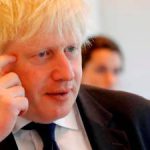
    Prime Minister, Boris Johnson, who had tested positive for the disease, was hospitalised on Sunday. 

    He was later taken to intensive care unit over worsening symptoms.

    PUBLIC HEALTH

    News

    AddThis

    : 

    Original Author

    : 

    SaharaReporters, New York

    Disable advertisements

    : 
    COVID-19: UK Daily Death Toll Surpasses 900 For First Time
    Read More
    http://saharareporters.com/2020/04/08/covid-19-uk-daily-death-toll-surpasses-900-first-time

    Views: 0

  • COVID-19 And Nigeria’s Pathetic Leadership Deficit By Ugochukwu Ejinkeonye

    COVID-19 And Nigeria’s Pathetic Leadership Deficit By Ugochukwu Ejinkeonye

    COVID-19 And Nigeria’s Pathetic Leadership Deficit By Ugochukwu Ejinkeonye 6

    COVID-19 And Nigeria’s Pathetic Leadership Deficit By Ugochukwu Ejinkeonye 7


    There is no better warning about the growing confusion that seems to be gradually beclouding the federal government’s response to the coronavirus challenge than the belief it betrayed last week that, perhaps, all it needs to calm the fears and apprehensions of Nigerians about its ability to halt the spread of the virus is to reel out a catalogue of activities President Buhari was said to have undertaken so far concerning the pestilence, whether the people felt their impact or not. 

    Now, if your family is starving badly, do you solve the rumbling signs of biting hunger in their stomach with some wild tales of the efforts deployed by you so far to feed them, or just keep quiet, give them food, and they will see and feel for themselves that you have played your role responsively and effectively?  Or if you must talk, tell them something you have done whose benefits they can readily verify and identify with. 

    Indeed, some Nigerians are beginning to achieve the conviction that there must be something about being in government in this country that seems to diminish the reasoning ability of people once they get in there and deprives them of the capacity to realize when they have stopped making sense or even become downright annoying. This is very pathetic. 

    And so, last week, presidential spokesperson, Mr. Femi Adesina, issued a document entitled: “COVID-19: What President Buhari Has Done And Is Doing.” And, I suppose that with the release of that handout, the virus immediately received a deadly blow and vanished from the country! Aren’t we so blessed? Why then are Nigerians not on the streets celebrating the unprecedented feat? 

    A prominent item on Mr. Adesina’s list is the president’s March 29 broadcast. And what exactly did the broadcast achieve? The two things I can readily remember now is that Gen Buhari had announced the continuation of the school feeding programme for pupils who are all at home now due to the closure of schools as part of the efforts to contain the spread of the coronavirus. Probably, nobody remembered to inform him and his speech writers that school children were on compulsory holidays, or are they going to send the food to them in their homes? Or, perhaps, somebody is trying to find a justification for the billions of naira we will be informed later was spent on the exercise?  

    Also, the president proclaimed the lockdown of Lagos and Ogun states and the Federal Capital Territory (FCT).  And when he was through, he returned to his hideout – where only a few privileged eyes and ears see and hear from him, and then come out to tell us what they think he has said or done.

    Now, what exactly was the lockdown meant to achieve?  Okay, as social interactions are reduced, the chances of spreading the virus decrease.  Yes, but what else?  Has anyone seen any evidence that there were any plans to use the stay-at-home period to access the people and step up medical tests to determine how many people have become infected with the virus and how they could be attended to? 

    The government that was boasting that it was “adequately prepared” to tackle the virus was later to prove when the virus eventually arrived that it was only making empty claims as usual.  A country of 200 million people has yet to demonstrate any capacity to test even a reasonable fraction of one percent of her population. And somebody is publishing a document to tell us what the president was supposed to have done or is doing. As if such boring tales will remove the cloud of gloom hovering over Nigeria? 

    Again, in a country where electric power is just an unaffordable luxury for many, how can a leader just lock down some states and return to his hideout to continue his “vacation” that was rudely interrupted by the loud, persistent and widespread demands that he should address his country even though some other presidents were doing daily briefings and leading the war against the virus from the front?  As the markets closed and movements became restricted, how are those who could afford to buy and stock food items at home preserve them without electric power?  

    What of the greater population which depend on daily earnings for their survival?  What is the government’s plan for them? Okay, we are hearing of palliatives that have been extended to this category of people and the billions of naira that have already been transferred to their accounts?  Now, who has encountered the happy recipients of the twenty thousand naira (N20, 000) said to have been given to each of them?  Are there really existing data showing the social and economic status of every Nigerian which is in the possession of the authorities?  So, all the “poor and vulnerable” Nigerians now have bank accounts whose details are known to the government?  So, why then are too many Nigerians very suspicious of these claims as shown in their social media comments? And why is such a rare display of kindness by this government not being celebrated? Or have the funds (if indeed any were shared) ended up in the hands of the same people who have more than enough to need them while those who are genuinely deprived remain terribly famished? 

    Already, the biting hunger out there is forcing a growing number of people to defy the no-movement decree and soon, the whole effort might be defeated, and the country will return to square one.  Information Minister, Mr. Lai Mohammed, is threatening that the lockdown may be extended if Nigerians fail to behave themselves. But what he should rather have done is to hasten to school himself to realize that there is always a price to pay when leaders leave the country they claim to be governing in great disarray only to suddenly wake up when there is an emergency to grope for fix-quick solutions. 

    A few days after the president’s broadcast (that is, Tuesday, March 31), Daily Independent carried a front page lead story about 26 Americans who came into the country through the Murtala Mohammed International Airport and headed to Calabar without being screened.  Now, who cleared their trip to the country and why were there no health officials available to screen them and ensure they were quarantined for 14 days before being allowed to fly to Calabar?  Is it because they are Americans or clients of the Nigerian National Petroleum Corporation (NNPC) or both?  Does that automatically exempt any of them from being a carrier of the virus which is presently ravaging their own country?  What kind of government claims to be fighting a virus with one hand and using the other hand to be undermining the efforts being deployed to contain it? 

    Okay, the Minister of Health, Dr. Osagie Ehanire, has just announced that an 18-man Chinese team of medical “experts” will soon arrive the country to “assist” Nigeria in the fight against the coronavirus.  Now, is it the federal government that asked China for help or was it China that volunteered their assistance?  Indeed many Nigerians are vehemently opposed to this gesture at this time.  Our own local medical experts have not shown any signs of being overburdened by the work, so what difference are these 18 Chinese doctors and nurses going to make?  Will they, like the 26 privileged Americans, also be given express entry into the country or will they be isolated for 14 days as should be the case, before they would be allowed to start rendering their “assistance”?  

    Do we really need this Chinese gift now or is it that the government lacks the liver to politely decline their offer of help, despite the widespread apprehension among the citizenry about their involvement (since many Nigerians, habour strong fears that the gesture might turn out a Greek gift)? Even the umbrella body of Nigerian doctors, the Nigerian Medical Association (NMA), has come out to strongly oppose the coming of the Chinese medical team.  Is it that our government is too intimidated to say NO to China’s offer probably because it has yoked itself so much with crushing debts due to its excessive borrowings from them – debts, whose positive effects on Nigerian lives many are yet to see? 

    I raise these points because, although, Nigeria has recorded one of the lowest deaths from coronavirus, it was the stubborn refusal of the government to close our borders when it became very necessary and urgent (and despite calls from well-meaning Nigerians) that led to the explosion in the number of confirmed cases that the country has recorded today.  In saner climes, the government should have profusely apologized for that terrible miscalculation that is costing the nation so much now. 

    But it now has another opportunity now to gratify the yearning of Nigerians and reject the Chinese offer even if it is well-meaning and the fears about it are misplaced. 

    Now, what lessons is the government taking away from the scourge of coronavirus? Will they see the need to equip our hospitals this time and upgrade at least few of them to world standard now that they have realized the folly of always waiting to use public funds to send themselves and their families abroad to treat even minor ailments?  For the first time in Nigeria, the naïve and largely misguided Nigerian leaders have found out that it is not always safe to seek solutions for health challenges outside the country and that there is afterall no place like home. This is hoping that the lesson will endure and be redemptive. 

    *Ugochukwu Ejinkeonye, is a Nigerian journalist and writer. (scruples2006@yahoo.com) 

    Opinion

    AddThis

    : 

    Original Author

    : 

    Ugochukwu Ejinkeonye

    Disable advertisements

    : 
    COVID-19 And Nigeria’s Pathetic Leadership Deficit By Ugochukwu Ejinkeonye
    Read More
    http://saharareporters.com/2020/04/08/covid-19-and-nigeria%E2%80%99s-pathetic-leadership-deficit-ugochukwu-ejinkeonye

    Views: 0

  • Australia seems to be keeping a lid on covid-19 – how is it doing it?

    Australia seems to be keeping a lid on covid-19 – how is it doing it?

    The rate of new coronavirus cases is dropping in Australia, largely due to strict travel restrictions, but complacency could cause the virus to get out of hand
    Australia seems to be keeping a lid on covid-19 – how is it doing it?
    Read More
    https://www.newscientist.com/article/2240226-australia-seems-to-be-keeping-a-lid-on-covid-19-how-is-it-doing-it/?utm_campaign=RSS%7CNSNS&utm_source=NSNS&utm_medium=RSS&utm_content=home

    Views: 0

  • Pets found positive for Covid-19 must be quarantied

    Pets found positive for Covid-19 must be quarantied

    Pets found positive for Covid-19 must be quarantied 8

    KUALA LUMPUR: Pets owned by private individuals which have been confirmed positive for Covid-19 must be isolated and quarantined for 14 days for monitoring purposes.

    Senior lecturer (veterinary immunology) and researcher at the Faculty of Veterinary Science in Universiti Putra Malaysia, Dr Farina Mustaffa Kamal, said if these pets displayed any health issues during this period, their owners should consult the District Veterinary Services Department for further action.

    She said although there was no evidence of pets spreading Covid-19 infections, they could themselves be infected by the disease as reported by the World Organisation for Animal Health (OIE).

    “Two cases of Covid-19 infections involving pets (a cat and a dog) contracted from their owners have been reported in Belgium and Hong Kong.

    “These pets were suspected to have contracted the disease through close contact with Covid-19 positive persons through kisses, hugs or general management,” she told Bernama when contacted.

    However, Dr Farina said, so far the number of infected pets was very small and there was no clear information of the symptoms of animals infected with Covid-19, with the majority not displaying any signs.

    “Only one cat in Belgium displayed symptoms of breathing difficulties, diarrhea and vomiting. However, it must be remembered that other virus or bacteria can also cause these same symptoms in animals,” she said.

    Dr Farina stressed that it was better for pet owners to impose early quarantine and isolation measures on their animals as soon as they realise that they had symptoms of Covid-19 infection.

    She added that there was no clear evidence that certain species of animals were naturally more susceptible to infections, but said with the current Covid-19 pandemic, the pet owners are encouraged to isolate their animals in the house.

    “So far, experimental studies show that the virus can infect cats, ferrets, and monkeys,” she said, adding that ferrets and monkeys were the laboratory animals used in studies on coronavirus.

    As for stray animals, Dr Farina said it was difficult to check on stray cats as they were not used to human interaction.

    “Logically-speaking, there is less close contact between humans and stray cats through kisses and hugs, but the recommendations by the OIE and the World Health Organisation must be observed when managing pets and stray animals,” she said.

    Dr Farina said generally-speaking, coronavirus was a large family of virus which infected different species of animals. –Bernama

    Pets found positive for Covid-19 must be quarantied
    Read More
    https://www.thesundaily.my/home/pets-found-positive-for-covid-19-must-be-quarantied-DE2237270

    Views: 0

  • UK PM listened to his scientists about Covid-19, but they were slow to sound the alarm

    UK PM listened to his scientists about Covid-19, but they were slow to sound the alarm

    UK PM listened to his scientists about Covid-19, but they were slow to sound the alarm 9

    LONDON: It was early spring when British scientists laid out the bald truth to their government. It was “highly likely,“ they said, that there was now “sustained transmission” of COVID-19 in the United Kingdom.

    If unconstrained and if the virus behaved as in China, up to four-fifths of Britons could be infected and one in a hundred might die, wrote the scientists, members of an official committee set up to model the spread of pandemic flu, on March 2. Their assessment didn’t spell it out, but that was a prediction of over 500,000 deaths in this nation of nearly 70 million.

    Yet the next day, March 3, Prime Minister Boris Johnson was his cheery self. He joked that he was still shaking hands with everyone, including at a hospital treating coronavirus patients.

    “Our country remains extremely well prepared,“ Johnson said as Italy reached 79 deaths. “We already have a fantastic NHS,“ the national public health service, “fantastic testing systems and fantastic surveillance of the spread of disease.”

    Alongside him at the Downing Street press conference was Chris Whitty, the government’s chief medical adviser and himself an epidemiologist. Whitty passed on the modelling committee’s broad conclusions, including the prediction of a possible 80% infection rate and the consequent deaths. But he played them down, saying the number of people who would be infected was probably “a lot lower” and coming up with a total was “largely speculative.”

    The upbeat tone of that briefing stood in sharp contrast with the growing unease of many of the government’s scientific advisers behind the scenes. They were already convinced that Britain was on the brink of a disastrous outbreak, a Reuters investigation has found.

    Interviews with more than 20 British scientists, key officials and senior sources in Johnson’s Conservative Party, and a study of minutes of advisory committee meetings and public testimony and documents, show how these scientific advisers concluded early the virus could be devastating.

    But the interviews and documents also reveal that for more than two months, the scientists whose advice guided Downing Street did not clearly signal their worsening fears to the public or the government. Until March 12, the risk level, set by the government’s top medical advisers on the recommendation of the scientists, remained at “moderate,“ suggesting only the possibility of a wider outbreak.

    “You know, there’s a small little cadre of people in the middle, who absolutely did realise what was going on, and likely to happen,“ said John Edmunds, a professor of infectious disease modelling and a key adviser to the government, known for his work on tracking Ebola. Edmunds was among those who did call on the government to elevate the warning level earlier.

    From the outset, said Edmunds, work by scientists had shown that, with only limited interventions, the virus would trigger an “overwhelming epidemic” in which Britain’s health service was not going “to get anywhere near being able to cope with it. That was clear from the beginning.”

    But he said: “I do think there’s a bit of a worry in terms you don’t want to unnecessarily panic people.”

    Johnson, who himself has sickened with the virus, moved more slowly than the leaders of many other prosperous countries to adopt a lockdown. He has been criticised for not moving more swiftly to organise mass tests and mobilise supplies of life-saving equipment and beds. Johnson was hospitalized on April 5 and moved to intensive care the next day.

    It is too soon to judge the ultimate soundness of the UK’s early response. If history concludes that it was lacking, then the criticism levelled at the prime minister may be that, rather than ignoring the advice of his scientific advisers, he failed to question their assumptions.

    Interviews and records published so far suggest that the scientific committees that advised Johnson didn’t study, until mid-March, the option of the kind of stringent lockdown adopted early on in China, where the disease arose in December, and then followed by much of Europe and finally by Britain itself. The scientists’ reasoning: Britons, many of them assumed, simply wouldn’t accept such restrictions.

    The UK scientists were also mostly convinced – and many still are – that, once the new virus escaped China, quarantine measures would likely not succeed. Minutes of technical committees reviewed by Reuters indicate that almost no attention was paid to preparing a programme of mass testing. Other minutes and interviews show Britain was following closely a well-laid plan to fight a flu pandemic – not this deadlier disease. The scientists involved, however, deny that the flu focus ultimately made much difference.

    Now, as countries debate how to combat the virus, some experts here say, the lesson from the British experience may be that governments and scientists worldwide must increase the transparency of their planning so that their thinking and assumptions are open to challenge.

    John Ashton, a clinician and former regional director of Public Health England, the government agency overseeing healthcare, said the government’s advisers took too narrow a view and hewed to limited assumptions. They were too “narrowly drawn as scientists from a few institutions,“ he said. Their handling of COVID-19, Ashton said, shows the need for a broader approach. “In the future we need a much wider group of independent advisers.”

    Michael Cates, who succeeded Stephen Hawking as Lucasian Professor of Mathematics at Cambridge University, is leading an initiative by the Royal Society, the UK’s leading scientific body, to bring modellers in from other scientific disciplines to help understand the epidemic.

    “Without faulting anyone so far, it’s vital, where there is such a lot at stake, to throw the maximum possible light on the methods, assumptions and data built into our understanding of how this epidemic will develop,“ he told Reuters.

    In a statement to Reuters, a spokesperson for the Department of Health and Social Care said the government was delivering “a science-led action plan” to contain the outbreak. “As the public would expect, we regularly test our pandemic plans and what we learned from previous exercises has helped us to rapidly respond to COVID-19.”

    A LOW RISK TO THE PUBLIC

    When news came from China in January of a new infectious disease, Johnson had reason to believe his country was well prepared. It had some of the world’s best scientists and a well-drilled plan to deal with potentially lethal pandemics. Perhaps, some scientists say in hindsight, the plan made them slow to adapt.

    For many years, the Cabinet Office – a collection of officials who act as the prime minister’s direct arm to run the government – took the threat of pandemics seriously. Presciently, it rated pandemics as the Number 1 threat to the country, ahead of terrorism and financial crashes.

    At the centre of planning was a small group of scientists, among them Edmunds. His research group at the London School of Hygiene and Tropical Medicine runs one of the two computer modelling centres for epidemics that have mostly driven government policy. The other is at nearby Imperial College. Edmunds remembers that early in the outbreak, the data from China were sketchy, in the period “where the Chinese were trying to pretend that this wasn’t transmissible between humans.”

    Edmunds and his colleague at Imperial, Neil Ferguson, were part of an alphabet soup of committees that fed advice into the Cabinet Office machinery around the prime minister. Both were founders of the flu pandemic modelling committee, known as SPI-M, that produced the March 2 report warning of more than 500,000 deaths. This committee had met together for nearly 15 years.

    Ferguson did not respond to a request to be interviewed for this article.

    Edmunds and Ferguson were also part of NERVTAG, the New and Emerging Respiratory Virus Threats Advisory Group. Both too were members of the Scientific Advisory Group for Emergencies, known as SAGE, that advises the government in times of crisis. SAGE reports directly to Johnson and the government’s main emergency committee, COBRA.

    At first, when NERVTAG met on January 13, it studied information from China that there was “no evidence of significant human to human transmission” of the new virus, according to minutes of the meeting. The scientists agreed the risk to the UK population was “very low.”

    The evidence soon changed, but this wasn’t reflected in the official threat level. By the end of January, scientists in China began releasing clinical data. Case studies published in the British medical journal, The Lancet, showed 17% of the first 99 coronavirus cases needed critical care. Eleven patients died. Another Chinese study, in the same magazine, warned starkly of a global spread and urged: “Preparedness plans and mitigation interventions should be readied for quick deployment globally.”

    Edmunds recalled that “from about mid January onwards, it was absolutely obvious that this was serious, very serious.” Graham Medley, a professor of infectious diseases modelling at the London School and chairman of SPI-M, agreed. He said that the committee was “clear that this was going to be big from the first meeting.” At the end of January, his committee moved into “wartime” mode, he said, reporting directly into SAGE.

    Dr Jon Read, a senior lecturer in biostatistics at the University of Lancaster, also a member of SPI-M, said by the end of January it was apparent the virus had “pandemic potential” and that death rates for the elderly were brutal. “From my perspective within the sort of modelling community, everybody’s aware of this, and we’re saying that this is probably going to be pretty bad,“ he said.

    But the scientists did not articulate their fears forcefully to the government, minutes of committee meetings reveal.

    On January 21, scientists on NERVTAG endorsed the elevation of the UK risk warning from COVID-19 from “very low” to “low.” SAGE met formally for the first time the following day about the coronavirus threat. So did COBRA, which was chaired by Matt Hancock, the health secretary, who would contract the virus himself in late March. He told reporters after the meeting: “The clinical advice is that the risk to the public remains low.”

    In response to questions from Reuters, the government’s Department of Health declined to clarify how the risk levels are defined or what action, if any, they trigger. In a statement, a spokesperson said: “Increasing the risk level in the UK is a belt and braces measure which allows the government to plan for all future eventualities.”

    Two days later, China put the city of Wuhan, where the outbreak began, into a complete lockdown. Hubei, the surrounding province, would follow. But already, 17 passenger flights had flown directly from Wuhan to Britain since the start of 2020, and 614 flights from the whole of China, according to FlightRadar24, a flight-tracking service. That meant thousands of Chinese, some of them potential carriers, had come to Britain. On April 5, scientific adviser Ferguson said he estimated only one-third of infected people reaching Britain had been detected.

    As they watched China impose its lockdown, the British scientists assumed that such drastic actions would never be acceptable in a democracy like the UK. Among those modelling the outbreak, such stringent counter-measures were not, at first, examined.

    “We had milder interventions in place,“ said Edmunds, because no one thought it would be acceptable politically “to shut the country down.” He added: “We didn’t model it because it didn’t seem to be on the agenda. And Imperial (College) didn’t look at it either.” The NERVTAG committee agreed, noting in its minutes that tough measures in the short term would be pointless, as they “would only delay the UK outbreak, not prevent it.”

    That limited approach mirrored the UK’s longstanding pandemic flu strategy. The Department of Health declined a request from Reuters for a copy of its updated pandemic plan, without providing a reason. But a copy of the 2011 “UK Influenza Pandemic Preparedness Strategy 2011,“ which a spokesman said was still relevant, stated the “working presumption will be that Government will not impose any such restrictions. The emphasis will instead be on encouraging all those who have symptoms to follow the advice to stay at home and avoid spreading their illness.”

    According to one senior Conservative Party politician, who was officially briefed as the crisis unfolded, the close involvement in the response to the coronavirus of the same scientific advisers and civil servants who drew up the flu plan may have created a “cognitive bias.”

    “We had in our minds that COVID-19 was a nasty flu and needed to be treated as such,“ he said. “The implication was it was a disease that could not be stopped and that it was ultimately not that deadly.”

    While the UK was prepared to fight the flu, places in Asia like China, Hong Kong, Singapore and South Korea had built their pandemic plans with lessons learned from fighting the more lethal SARS outbreak that began in 2002, he said. SARS had a fatality rate of up to 14%. As a result, these countries, he said, were more ready to resort to widespread testing, lockdowns and other draconian measures to keep their citizens from spreading the virus.

    Scientists involved in the UK response disagree that following the government’s flu plan clouded their thinking or influenced the outbreak’s course. The plan had a “reasonable worst case” scenario as devastating as the worst predictions for COVID-19, they note.

    Mark Woolhouse, a professor of infectious diseases epidemiology at the University of Edinburgh, and a member of the SPI-M committee, said COVID-19 did behave differently than an expected pandemic flu – for example school closures proved to be far less effective in slowing the spread of the coronavirus. But, broadly, “the government has been consistently responsive to changing facts.”

    By the end of January, the government’s chief medical adviser, Whitty, was explaining to politicians in private, according to at least two people who spoke to him, that if the virus escaped China, it would in time infect the great majority of people in Britain. It could only be slowed down, not stopped. On Jan 30, the government raised the threat level to “moderate” from “low.”

    The country’s medical officers “consider it prudent for our governments to escalate planning and preparation in case of a more widespread outbreak,“ a statement said at the time. Whitty did not respond to questions from Reuters for this article.

    A TIME TO PREPARE

    On the evening of January 31, Boris Johnson sat before a fireplace in 10 Downing Street and told the nation, in a televised address: “This is the moment when the dawn breaks and the curtain goes up on a new act in our great national drama.”

    He was talking of finally delivering Brexit, or what he called “this recaptured sovereignty.” Until that moment, Johnson’s premiership had been utterly absorbed by delivering on that challenge.

    With Brexit done, Johnson had the chance to focus on other matters the following month, among them the emerging virus threat. But leaving the European Union had a consequence.

    Between February 13 and March 30, Britain missed a total of eight conference calls or meetings about the coronavirus between EU heads of state or health ministers – meetings that Britain was still entitled to join. Although Britain did later make an arrangement to attend lower-level meetings of officials, it had missed a deadline to participate in a common purchase scheme for ventilators, to which it was invited. Ventilators, vitally important to treating the direst cases of COVID-19, have fallen into short supply globally. Johnson’s spokesman blamed an administrative error.

    A Downing Street aide told Reuters that from around the end of January, Johnson concentrated his attention increasingly on the coronavirus threat, receiving “very frequent” updates at least once per day from mid February, either in person or via a daily dashboard of cases.

    In the medical and scientific world, there was growing concern about the threat of the virus to the UK. A report from Exeter University, published on February 12, warned a UK outbreak could peak within four months and, without mitigation, infect 45 million people.

    That worried Rahuldeb Sarkar, a consultant physician in respiratory medicine and critical care in the county of Kent, who foresaw that intensive care beds could be swamped. Even if disease transmission was reduced by half, he wrote in a report aimed at clinicians and actuaries in mid-February, a coronavirus outbreak in the UK would “have a chance of overwhelming the system.”

    With Whitty stating in a BBC interview on February 13 that a UK outbreak was still an “if, not a when,“ Richard Horton, a medical doctor and editor of the Lancet, said the government and public health service wasted an opportunity that month to prepare quarantine restriction measures and a programme of mass tests, and procure resources like ventilators and personal protective equipment for expanded intensive care.

    Calling the lost chance a “national scandal” in a later editorial, he would testify to parliament about a mismatch between “the urgent warning that was coming from the frontline in China” and the “somewhat pedestrian evaluation” of the threat from the scientific advice to the government.

    After developing a test for the new virus by January 10, health officials adopted a centralised approach to its deployment, initially assigning a single public laboratory in north London to perform the tests. But, according to later government statements, there was no wider plan envisaged to make use of hundreds of laboratories across the country, both public and private, that could have been recruited.

    According to emails and more than a dozen scientists interviewed by Reuters, the government issued no requests to labs for assistance with staff or testing equipment until the middle of March, when many abruptly received requests to hand over nucleic acid extraction instruments, used in testing. An executive at the Weatherall Institute of Molecular Medicine at the University of Oxford said he could have carried out up to 1,000 tests per day from February. But the call never came.

    “You would have thought that they would be bashing down the door,“ said the executive, who spoke on condition of anonymity. By April 5, Britain had carried out 195,524 tests, in contrast to at least 918,000 completed a week earlier in Germany.

    Nor was there an effective effort to expand the supply of ventilators. The Department of Health told Reuters in a statement that the government started talking to manufacturers of ventilators about procuring extra supplies in February. But it was not until March 16, after it was clear supplies could run out, that Johnson launched an appeal to industry to help ramp up production.

    Charles Bellm, managing director of Intersurgical, a global supplier of medical ventilation products based outside London, said he has been contacted by more than a dozen governments around the world, including France, New Zealand and Indonesia. But there had been no contact from the British government. “I find it somewhat surprising, I have spoken to a lot of other governments,“ he said.

    Countering such criticism, Hancock, the health minister, said the government is on track to deliver about 10,000 more ventilators in the coming weeks. One reason Britain was behind some countries on testing, he said, was the absence of a large diagnostics industry at the outbreak of the epidemic. “We didn’t have the scale.”

    GAME OVER

    It was during the school half-term holidays in February that frontline doctor Nicky Longley began to realise that early efforts to contain the disease were likely doomed.

    For weeks now, doctors and public health workers had been watching out for people with flu-like symptoms coming in from China. Longley, an infectious diseases consultant at London’s Hospital for Tropical Diseases, was part of a team that staffed a public health service helpline for those with symptoms. The plan, she said, had been to make all effort to catch every case and their contacts. And “to start with, it looked like it was working.”

    But then, bad news. First, on Wednesday the 19th of February, came the shock news from Iran of two deaths. Then, on Friday the 21st, came a death in Italy and a bloom of cases in Lombardy and Veneto regions. Britain has close links to both countries. Thousands of Britons were holidaying in Italy that week.

    “I don’t think anybody really foresaw what was happening in Italy,“ Longley said. “And I think, the minute everybody saw that, we thought: ‘This is game over now.’”

    Until then, Longley said, everyone felt “there was a chance to stamp it out” even though most were sceptical it could be done long-term. But after Iran and Italy, it was obvious containment would not work. The contact tracing continued for a while. But as the cases in London built up, and the volume of calls to the helpline mushroomed, the priority began to shift to clinical care of the serious cases. “At a certain point you have to make a decision about where you put your efforts as a workforce.”

    Edmunds noted that Iran and Italy had hardly reported a case until that point. “And then, all of sudden you had deaths recorded.” There was a rule of thumb that, in an outbreak’s early stages, for each death there were probably 1,000 cases in a community. “And so it was quite clear that there were at least thousands of cases in Italy, possibly tens of thousands of cases in Italy right then.”

    Amid the dreadful news from Italy, the scientists at NERVTAG convened by phone that Friday, 21st February. But they decided to recommend keeping the threat level at “moderate,“ where it had sat since January 30th. The minutes don’t give a detailed explanation of the decision. Edmunds, who had technical difficulties and couldn’t be heard on the call, emailed afterwards to ask the warning to be elevated to “high,“ the minutes revealed. But the warning level remained lower. It’s unclear why.

    “I just thought, are we still, we still thinking that it’s mild or something? It definitely isn’t, you know,“ said Edmunds.

    A spokesman for the government’s chief scientific adviser, Sir Patrick Vallance, didn’t directly respond to Reuters questions about the threat level. Asked whether, with hindsight, the scientists’ approach was the right one, the spokesperson said in a statement that “SAGE and advisers provide advice, while Ministers and the Government make decisions.”

    HERD IMMUNITY

    On Sunday, March 1st, Ferguson, Edmunds and other advisers spent the day with NHS public health service experts trying to work out how many hospital beds and other key resources would be needed as the outbreak exploded. By now, Italian data was showing that a tenth of all infected patients needed intensive care.

    The following day, pandemic modelling committee SPI-M produced its “consensus report” that warned the coronavirus was now transmitting freely in the UK. That Thursday, March 5, the first death in the UK was announced. Italy, which reached 827 deaths by March 11, ordered a national lockdown. Spain and France prepared to follow suit.

    Johnson held out against stringent measures, saying he was following the advice of the government’s scientists. He asserted on March 9: “We are doing everything we can to combat this outbreak, based on the very latest scientific and medical advice.”

    Indeed, the government’s Scientific Advisory Group for Emergencies, SAGE, had recommended that day, with no dissension recorded in its summary, that the UK reject a China-style lockdown. SAGE decided that “implementing a subset of measures would be ideal,“ according to a record of its conclusions. Tougher measures could create a “large second epidemic wave once the measures were lifted,“ SAGE said.

    On March 12 came a bombshell for the British public. Chris Whitty, the chief medical officer, announced Britain had moved the threat to UK citizens from “moderate” to “high.” And he said the country had moved from trying to contain the disease to trying to slow its spread. New cases were not going to be tracked at all. “It is no longer necessary for us to identify every case,“ he said. Only hospital cases would, in future, be tested for the virus. What had been an undisclosed policy was in the open: beyond a certain point, attempts to completely extinguish the virus would stop.

    The same day, putting aside his jokey self, Johnson made a speech in Downing Street, flanked by two Union Jacks and evoking the spirit of Winston Churchill’s “darkest hour” address. He warned: “I must level with you, level with the British public – more families, many more families are going to lose loved ones before their time.”

    For most Britons, it came as a shock. Several of the next day’s newspapers splashed Johnson’s words on their front pages.

    Vallance, the government’s chief scientific adviser, who chaired SAGE, said in a BBC interview on March 13 that the plan was to simply control the pace of infection. The government had, for now, rejected what he called “eye-catching measures” like stopping mass gatherings such as football games or closing schools. The “aim is to try and reduce the peak, broaden the peak, not to suppress it completely.” Most people would get the virus mildly, and this would build up “herd immunity” which, in time, would stop the disease’s progress.

    But by now, the country was rebelling. Major institutions decided to close. After players began to get infected, the professional football leagues suspended their games. As Johnson still refused to close schools and ban mass gatherings, the Daily Mirror’s banner headline, summing up a widespread feeling, asked on March 13: “Is It Enough?”

    The catalyst for a policy reversal came on March 16 with the publication of a report by Neil Ferguson’s Imperial College team. It predicted that, unconstrained, the virus could kill 510,000 people. Even the government’s “mitigation” approach could lead to 250,000 deaths and intensive care units being overwhelmed at least eight times over.

    Imperial’s prediction of over half a million deaths was no different from the report by the government’s own pandemic modelling committee two weeks earlier. Yet it helped trigger a policy turn-around, both in London and in Washington, culminating seven days later in Johnson announcing a full lockdown of Britain. The report also jarred the U.S. administration into tougher measures to slow the virus’ spread.

    Ferguson was now in isolation himself after catching the virus. Testifying by video link to a committee in Parliament, he explained why he and other scientific advisers had shifted from advocating partial social-distancing measures to warning that without a rigorous shutdown, the NHS would be overwhelmed. The reason, he said, lay in data coming out of Italy that showed large numbers of patients required critical care.

    “The revision was that, basically, estimates of the proportion of patients requiring invasive ventilation, mechanical ventilation, which is only done in a critical care unit, roughly doubled,“ he said.

    Edmunds had a different explanation for the policy shift.

    What allowed Britain to alter course, said Edmunds, was a lockdown in Italy that “opened up the policy space” coupled with new data. First came a paper by Edmunds’ own London School team that examined intermittent lockdowns, sent to the modelling committee on March 11 and validated by Edinburgh University. Ferguson’s revised Imperial research followed.

    Woolhouse, the Edinburgh professor, confirmed the sequence.

    Edmunds said these new studies together had demonstrated that if the British government imposed a lengthy period of tougher measures, perhaps relaxed periodically, then the size of the epidemic could be substantially reduced.

    Still, without a vaccine or effective treatments, it’s going to be hard to avoid a substantial part of the British population getting infected, said Edmunds. “Until you get to a vaccine, there is no way of getting out of this without certainly tens of thousands of deaths,“ he said. “And probably more than that.”

    Now subject to intense public scrutiny, the modelling teams at universities across Britain continue to work on different scenarios for how the world can escape the virus’s clutches. According to Medley, the chairman of the SPI-M pandemic modelling committee, no one now doubts, for all the initial reservations, that a lockdown was essential in Britain.

    Medley added: “At the moment we don’t know what’s going to happen in six months. All we know is that unless we stop transmission now, the health service will collapse. Yep, that’s the only thing we know for sure.” – Reuters

    UK PM listened to his scientists about Covid-19, but they were slow to sound the alarm
    Read More
    https://www.thesundaily.my/home/uk-pm-listened-to-his-scientists-about-covid-19-but-they-were-slow-to-sound-the-alarm-GE2237109

    Views: 0

  • US pharmacies authorized to test for coronavirus

    US pharmacies authorized to test for coronavirus

    US pharmacies authorized to test for coronavirus 10

    WASHINGTON: The US authorized pharmacies on Wednesday to carry out tests for the coronavirus, including newly developed antibody tests that detect whether a person who has recovered from illness had COVID-19.

    Health secretary Alex Azar, announced that all tests approved by regulators could be carried out by pharmacies as the country seeks to ramp up its testing efforts.

    “The Trump Administration is pleased to give pharmacists the chance to play a bigger role in the COVID-19 response, alongside all of America’s heroic healthcare workers,“ he said.

    A nasal swab test can detect whether a person currently has the coronavirus.

    After they have recovered, a test that looks at whether their body developed antibodies that fought off the virus and can be used — even if the person never showed symptoms.

    There are different kinds of antibody tests and they can’t yet tell whether a person has sufficient antibodies to be protected against future infection.

    A Chinese study posted this week, but not yet peer reviewed, showed that some former patients had relatively low levels of antibodies in the blood.

    In Washington on Wednesday, a private medical center announced that it was offering a 15-minute serology test, at a cost of $290. – AFP

    US pharmacies authorized to test for coronavirus
    Read More
    https://www.thesundaily.my/world/us-pharmacies-authorized-to-test-for-coronavirus-LF2236904

    Views: 0