Tag: virus

  • A Joint Statement on Tourism and COVID-19 – UNWTO and WHO Call for Responsibility and Coordination

    A Joint Statement on Tourism and COVID-19 – UNWTO and WHO Call for Responsibility and Coordination

    As the current outbreak of the Coronavirus Disease (COVID-19) continues to develop, the World Health Organization (WHO) and the World Tourism Organization (UNWTO) are committed to working together in guiding the travel and tourism sectors’ response to COVID-19.

    On 30 January 2020, the Director-General of the World Health Organization (WHO) declared the outbreak of COVID-19 to be a Public Health Emergency of International Concern and issued a set of Temporary Recommendations. WHO did not recommend any travel or trade restriction based on the current information available. WHO is working closely with global experts, governments and partners to rapidly expand scientific knowledge on this new virus, to track the spread and virulence of the virus, and to provide advice to countries and the global community on measures to protect health and prevent the spread of this outbreak.

    Cooperation is key

    The tourism sector is fully committed to putting people and their well-being first. International cooperation is vital for ensuring the sector can effectively contribute to the containment of COVID-19. UNWTO and WHO are working in close consultation and with other partners to assist States in ensuring that health measures be implemented in ways that minimize unnecessary interference with international traffic and trade.

    Tourism’s response needs to be measured and consistent, proportionate to the public health threat and based on local risk assessment, involving every part of the tourism value chain – public bodies, private companies and tourists, in line with WHO’s overall guidance and recommendations.

    UNWTO and WHO stand ready to work closely with all those communities and countries affected by the current health emergency, to build for a better and more resilient future. Travel restrictions going beyond these may cause unnecessary interference with international traffic, including negative repercussions on the tourism sector.

    At this challenging time, UNWTO and WHO join the international community in standing in solidarity with affected countries.

    A Joint Statement on Tourism and COVID-19 - UNWTO and WHO Call for Responsibility and Coordination
    Read More
    https://www.who.int/news-room/detail/27-02-2020-a-joint-statement-on-tourism-and-covid-19—unwto-and-who-call-for-responsibility-and-coordination

    Views: 0

  • Microsoft says virus hurting supply chain more than expected

    Microsoft says virus hurting supply chain more than expected

    The virus outbreak in China is hurting Microsoft more than expected, as the company said it won’t meet targets that had already factored in the uncertainty.

    Read More

    Views: 0

  • Facebook bans ads with false claims about new virus

    Facebook bans ads with false claims about new virus

    Facebook said Wednesday that it is banning ads that make false claims about products tied to the new coronavirus.

    Read More

    Views: 0

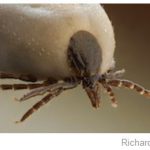
  • Immunization is the best protection against tick-borne encephalitis

    Immunization is the best protection against tick-borne encephalitis

    immunization-is-the-best-protection-against-tick-borneIn a new position paper, published in the Weekly
    Epidemiological Record today, WHO recommends vaccination against
    tick-borne encephalitis in people of all ages where the disease is
    highly endemic. Where the prevaccination incidence of the disease is
    moderate or low or is limited to particular geographical locations or
    certain outdoor activities, immunization should target individuals in
    the most severely affected groups. People travelling from non-endemic
    areas to endemic areas should be offered vaccination if their visits
    will include extensive outdoor activities.

    Since the incidence of tick-borne encephalitis may vary
    considerably between and even within geographical regions, public
    immunization strategies should be based on risk assessments conducted at
    country, regional or district level, and should be appropriate to the
    local endemic situation.

    Immunization offers the most effective protection against
    tick-borne encephalitis. Currently, there are four widely used vaccines
    of assured quality: FSME-Immun and Encepur, manufactured in Austria and
    Germany respectively, and TBE-Moscow and EnceVir, manufactured in the
    Russian Federation. The four vaccines are considered to be safe and
    efficacious.

    Tick-borne encephalitis virus is an important cause of viral
    infections of the central nervous system in eastern, central and
    northern European countries, and in northern China, Mongolia, and the
    Russian Federation.

    Approximately 10 000–12 000 clinical cases of tick-borne
    encephalitis are reported each year, but this figure is believed to be
    significantly lower than the actual total. Most infections with the
    virus result from tick bites acquired during outdoor activities in
    forested areas.

    Immunization is the best protection against tick-borne encephalitis
    Read More
    https://www.who.int/news-room/detail/19-02-2020-immunization-is-the-best-protection-against-tick-borne-encephalitis

    Views: 0

  • Statement on the meeting of the International Health Regulations (2005) Emergency Committee for Ebola virus disease in the Democratic Republic of the Congo on 12 February 2020

    Statement on the meeting of the International Health Regulations (2005) Emergency Committee for Ebola virus disease in the Democratic Republic of the Congo on 12 February 2020

    The meeting of the Emergency Committee convened by the WHO Director-General under the International Health Regulations (IHR) (2005) to review the current Ebola virus disease (EVD) outbreak in the Democratic Republic of the Congo (DRC) took place on Wednesday, 12 February 2020, from 14:00 to 16:45 Geneva time (CEST).

    Proceedings of the meeting

    Members and advisors of the Emergency Committee were convened by teleconference.

    The Secretariat welcomed the Committee and thanked them for their support. The meeting was turned over to the Chair, Dr Robert Steffen.

    Dr Steffen also welcomed the Committee and gave the floor back to the Secretariat.

    Representatives of WHO’s legal department and the department of compliance, risk management, and ethics briefed the Committee members on their roles and responsibilities.

    Committee members were reminded of their duty of confidentiality and their responsibility to disclose personal, financial, or professional connections that might be seen to constitute a conflict of interest. Each member who was present was surveyed and no conflicts of interest were judged to be relevant to the meeting.

    The Chair then reviewed the agenda for the meeting and introduced the presenters.

    Presentations were made by representatives of the Ministry of Health of the Democratic Republic of the Congo (DRC), the WHO Secretariat, and the UN Ebola Emergency Response Coordinator.

    The current situation in the DRC was reviewed. As of 10 February 2020, there were a total of 3431 cases, of which 3308 were confirmed and 123 were probable. 2253 persons have died (66%). Between 3 and 9 February 2020, three new confirmed cases were reported in Beni Health Zone, North Kivu. These three cases were already registered as contacts and two were under surveillance at the time of detection. More than 2000 contacts are being followed. There has been an increase in the number of security incidents in recent months.

    Challenges that remain include: strengthening of community acceptance for full commitment to response measures; protection of personnel at strategic health checkpoints; improvement of infection prevention and control practices in health facilities; strengthening of the local health system; and comprehensive treatment and support for patients in recovery.

    The WHO Secretariat gave an overview of the epidemiological situation, which shows an overall encouraging trend in case incidence and geographic spread. It was noted that sustaining this progress depends on the security situation and control of the well-known drivers of transmission, particularly in traditional health facilities, and on continued trust and communication with the community.

    A risk communication and community engagement programme has been developed, as has an EVD survivors programme. It is critical to ensure the long-term sustainability of these two initiatives.   

    The situation in countries neighbouring DRC was reviewed, as was preparedness in nonaffected areas of DRC. An EVD operational readiness standardized approach has been implemented in 9 priority countries. More than 2400 alerts have been investigated, and more than 14,600 health workers have been vaccinated.

    The UN Ebola Emergency Response Coordinator gave a brief report on operational support, focused on security challenges and preparations for any resurgence of disease.

    Context and Discussion

    The Committee noted a great deal of progress in the situation since its last meeting and commended the response, under the leadership of the DRC Ministry of Health and the multisectoral coordination commission established in July 2019. Support provided by WHO, UN agencies, nongovernmental organizations and other partners has also contributed to limiting the spread and impact of this virus in a difficult context. An increase in the number of alerts was attributed to strong and proactive community surveillance.

    Conclusions and Advice

    It was the unanimous view of the Committee that this event still constitutes a public health emergency of international concern (PHEIC) under the IHR (2005).

    The Committee acknowledged the revised risk assessment, which puts the risk now as high at national and regional levels, and low at the global level.

    The Committee was concerned that withdrawing the PHEIC now might have adverse consequences for the response efforts through diminishing focus. Additionally, although the primary concern of the Committee is EVD, there are serious ongoing outbreaks of other diseases, including measles and cholera, in DRC. The country continues to need support to combat infectious diseases as well as to strengthen its health system. Further, there remains an urgent need to maintain international solidarity for the response.

    The Committee noted the ongoing discussions about the interpretation in the text of the IHR (2005) of the terms international and regional spread, and about creating an intermediate level of response between the binary possibilities of PHEIC or no PHEIC, in a way that does not require reopening negotiations on the Regulations. The Committee supports these discussions, as an intermediate level would be as useful for gradually ending a PHEIC and for signaling the potential for one to be declared.

    The Committee provided the following advice to the Director-General for his issuance as revised Temporary Recommendations under the IHR (2005).

    For DRC:

    • Sustain the political commitment and multisectoral coordination approach to the response.
    • Continue to engage and build trust with associations of survivors to facilitate rapid detection of any cases arising from exposure to infected bodily fluids of survivors.
    • Continue to strengthen capacity, implementation, and coordination for community awareness and engagement, including a focus on hotspots, preventing resurgence where cases have declined, and to support survivors in their communities.
    • Further enhance the acceptance of response measures and address access and security issues by engaging influencers and decision makers for all interventions.
    • Strengthen measures to prevent and manage nosocomial infections, including systematic mapping of health facilities, targeting of IPC interventions and sustain support to those facilities through monitoring and supervision, including in private-sector and traditional health facilities.
    • Continue cross-border screening and step up monitoring at checkpoints around hotspots and at main roads.
    • Continue to implement and share real-time full-genome genetic sequencing of all new confirmed cases.
    • Strengthen measures to prevent and manage nosocomial infections, including systematic mapping of health facilities, targeting of IPC interventions and sustain support to those facilities through monitoring and supervision.
    • Strengthen preparedness in non-affected provinces of DRC, and more generally strengthen the health system across the country to respond to concurrent health emergencies.
    • Continue to implement optimal vaccine strategies that have proven maximum impact on curtailing the outbreak, as recommended by WHO’s Strategic Advisory Group of Experts (SAGE).

    For countries at risk:

    • At-risk countries should maintain their work with partners to improve their preparedness for detecting and managing imported or locally acquired cases, including the transparent sharing of detailed information on suspect cases, as required by the International Health Regulations (2005), and sharing laboratory samples of suspect cases for confirmatory testing in accordance with WHO norms and guidance.
    • Countries should continue to map population movements and sociological patterns that can predict risk of disease spread.
    • Risk communications and community engagement, especially at points of entry, should be maintained.

    For all countries:

    • As recommended previously, no country should close its borders or place any restrictions on travel and trade.
    • The Committee does not consider entry screening at airports or other ports of entry outside the region to be necessary.

    The Committee emphasized the importance of continued support by WHO and other national and international partners towards the effective implementation and monitoring of these recommendations.

    Based on this advice, the reports made by the affected State Party, and the currently available information, the Director-General accepted the Committee’s assessment and on 12 February 2020 maintained the Ebola outbreak in the Democratic Republic of the Congo as a Public Health Emergency of International Concern (PHEIC).

    The Director-General endorsed the Committee’s advice and issued them as Temporary Recommendations under IHR (2005) to reduce the international spread of Ebola, effective 12 February 2020. The Director-General thanked the Committee Members and Advisors for their advice and requested their reassessment of this situation within two months or earlier if the situation requires.

    Statement on the meeting of the International Health Regulations (2005) Emergency Committee for Ebola virus disease in the Democratic Republic of the Congo on 12 February 2020
    Read More
    https://www.who.int/news-room/detail/12-02-2020-statement-on-the-meeting-of-the-international-health-regulations-(2005)-emergency-committee-for-ebola-virus-disease-in-the-democratic-republic-of-the-congo-on-12-february-2020

    Views: 0

  • Four countries in the African region license vaccine in milestone for Ebola prevention

    The Democratic Republic of the Congo (DRC), Burundi, Ghana and Zambia have licensed an Ebola vaccine, just 90 days after World Health Organization (WHO) prequalification. Registration of the vaccine is expected in additional countries in the coming weeks.

    The licensing of the vaccine means that the manufacturer can stockpile and widely distribute this vaccine to African countries at risk of Ebola virus disease outbreaks. Once licensed doses are available, use of the vaccine will not require clinical trial or other research protocols.

    “The approval of the Ebola vaccine by these countries is another milestone in the fight against this unforgiving disease,” said WHO Director-General Dr Tedros Adhanom Ghebreyesus. “Africa has rallied to cement hard-fought progress to keep its people safe from Ebola.”

    WHO accelerated the licensing and roll-out of the Ebola vaccine by certifying that it met the organization’s standards for quality, safety and efficacy in its fastest vaccine prequalification process ever, announced in November 2019.

    The speed with which this has been achieved has been made possible by a different approach, where national licensing procedures were done in parallel based on one single scientific review process. Usually, these process are done one by one, which can take years. The process was led by WHO with the participation of the African Vaccine Regulatory Forum (an African network of national regulatory authorities and ethics committees), the European Medicines Agency, and Merck.

    “The rapid approval of the Ebola vaccine by countries in the Africa Region helps ensure this critical prevention tool will be available when and where it is needed most,” said Dr Matshidiso Moeti, WHO Regional Director for Africa. “This kind of collaboration and innovation is a model for other health priorities.”

    The injectable Ebola vaccine, Ervebo, is manufactured by Merck (known as MSD outside the US and Canada). Preliminary study results have shown a 97.5% vaccine efficacy. Data also suggests that vaccinating people who are already infected reduces their chances of dying.

    In response to the ongoing Ebola outbreak in the DRC, over 290 000 people have been vaccinated under compassionate use protocols. Once licensed doses are available, use of the vaccine in DRC will no longer require these protocols

    Read More
    https://www.who.int/news-room/detail/14-02-2020-four-countries-in-the-african-region-license-vaccine-in-milestone-for-ebola-prevention

    Views: 0

  • World experts and funders set priorities for COVID-19 research

    World experts and funders set priorities for COVID-19 research

    Leading health experts from around the world have been meeting at the World Health Organization’s Geneva headquarters to assess the current level of knowledge about the new COVID-19 disease, identify gaps and work together to accelerate and fund priority research needed to help stop this outbreak and prepare for any future outbreaks.

    The 2-day forum was convened in line with the WHO R&D Blueprint – a strategy for developing drugs and vaccines before epidemics, and accelerating research and development while they are occurring.

    “This outbreak is a test of solidarity — political, financial and scientific. We need to come together to fight a common enemy that does not respect borders, ensure that we have the resources necessary to bring this outbreak to an end and bring our best science to the forefront to find shared answers to shared problems. Research is an integral part of the outbreak response,” said WHO Director-General Dr Tedros Adhanom Ghebreyesus. “I appreciate the positive response of the research community to join us at short notice and come up with concrete plans and commitment to work together.”

    The meeting, hosted in collaboration with GloPID-R (the Global Research Collaboration for Infectious Disease Preparedness) brought together major research funders and over 300 scientists and researchers from a large variety of disciplines. They discussed all aspects of the outbreak and ways to control it including:

    • the natural history of the virus, its transmission and diagnosis;
    • animal and environmental research on the origin of the virus, including management measures at the human-animal interface;
    • epidemiological studies;
    • clinical characterization and management of disease caused by the virus;
    • infection prevention and control, including best ways to protect health care workers;
    • research and development for candidate therapeutics and vaccines;
    • ethical considerations for research;
    • and integration of social sciences into the outbreak response.

    “This meeting allowed us to identify the urgent priorities for research. As a group of funders we will continue to mobilize, coordinate and align our funding to enable the research needed to tackle this crisis and stop the outbreak, in partnership with WHO,” said Professor Yazdan Yazdanpanah, chair of GloPID-R. “Equitable access – making sure we share data and reach those most in need,  in particular those in lower and middle-income countries, is fundamental to this work which must be guided by ethical considerations at all times.”  

    During the meeting, the more than 300 scientists and researchers participating both in person and virtually agreed on a set of global research priorities. They also outlined mechanisms for continuing scientific interactions and collaborations beyond the meeting which will be coordinated and facilitated by WHO. They worked with research funders to determine how necessary resources can be mobilized so that critical research can start immediately.

    The deliberations will form the basis of a research and innovation roadmap charting all the research needed and this will be used by researchers and funders to accelerate the research response.

    Note to editors

    GloPID-R is a global alliance of international research funding organizations investing in preparedness and response to epidemics.

    World experts and funders set priorities for COVID-19 research
    Read More
    https://www.who.int/news-room/detail/12-02-2020-world-experts-and-funders-set-priorities-for-covid-19-research

    Views: 0

  • Pregnancy and breastfeeding during an Ebola virus outbreak

    Pregnancy and breastfeeding during an Ebola virus outbreak

    Women who are pregnant or breastfeeding in an Ebola outbreak face similar challenges as other population groups, but they have specific health needs which must be met.

    As the second largest Ebola outbreak in history continues in the Democratic Republic of Congo, WHO has released new clinical guidelines for healthcare providers supporting pregnant or breastfeeding women in the context of Ebola virus disease.

    Improving clinical care and reducing mortality

    92-4-000138-1Clear and coherent guidance is needed to meet the combined needs of women requiring Ebola treatment, pregnancy care and management of complications.

    Information on how to protect breastfeeding children and other members in the community from transmission of the disease is also critical.

    Limited scientific evidence on how to best manage these needs has previously been a challenge for affected countries. In addition, misconceptions that pregnant women have a higher mortality rate than other populations with Ebola may in some contexts have put pregnant women at risk of not receiving standard care.

    WHO’s Guideline on the management of pregnant and breastfeeding women in the context of Ebola virus reviews existing evidence and provides a single set of recommendations on the care continuum for women exposed to, diagnosed with, or recovered from Ebola.

    This will enable healthcare providers, emergency response teams and health policy-makers to improve prevention and treatment measures in an Ebola outbreak.

    Obstetric care at an Ebola Treatment Centre

    Optimal supportive care should be offered to all pregnant women with Ebola. Likewise, they should be offered experimental treatment and vaccination under the same conditions as non-pregnant populations.

    Ebola virus disease does increase the risk of miscarriage and early labour, requiring close clinical management at Ebola treatment centres. It is important to engage both obstetric providers and those trained in Ebola response.

    This dual expertise is also important because early Ebola and pregnancy-related symptoms can overlap. Pregnant women should be prioritised for testing to confirm an Ebola infection.

    Ebola virus can persist in pregnancy related fluids as well as breastmilk. If healthcare providers are not clear on how to manage Ebola infection risk, they may be less willing to provide care. This stigma can be life-threatening for women who experience complications during delivery.

    The new WHO guidelines advise healthcare workers on how to protect themselves while caring for pregnant women with Ebola virus disease. This includes induced labour or surgical procedures, which carry greater risk of transmission in cases of acute infection. Any invasive treatments should be carried out in full personal protective equipment.

    Breastfeeding recommendations in an Ebola outbreak

    WHO recommends that women with suspected or confirmed Ebola immediately stop breastfeeding and are prioritised for diagnostic testing. Any child exposed to Ebola through breast milk should be placed into safe care, closely monitored for symptoms over a 21-day period and fed with an appropriate breast milk substitute.  

    The guidelines strongly recommend that breastfeeding is only restarted following two consecutive negative tests of breast milk, separated by 24 hours.

    A breast milk substitute should be used even if infection is confirmed for both the mother and her child. Exceptions can be made for infants under 6 months of age who are already infected, if breast milk substitutes are not feasible, affordable, sustainable or safe and separation cannot be implemented safely.

    Women’s health and rights in a disease outbreak

    A disease outbreak does not change women’s and adolescent girls’ fundamental human right to sexual and reproductive healthcare, including evidence-based care during pregnancy and childbirth.

    Women need support to make informed reproductive health care choices for themselves and their children. Women living in an Ebola outbreak should have access to all relevant reproductive options, regardless of economic, cultural, racial or religious status, including contraception and safe abortion to the full extent of the law.

    Pregnant and breastfeeding women across affected communities need equitable and respectful care that considers the risks they face and supports the choices they make.

    Accessing the guidelines and further research

    These guidelines are now available online and may be freely downloaded. The executive summary will be available in French.

    WHO will closely monitor new data as it emerges, as there is still a pressing need to prioritise ongoing research related to Ebola virus transmission.


    Pregnancy and breastfeeding during an Ebola virus outbreak
    Read More
    https://www.who.int/news-room/detail/10-02-2020-pregnancy-and-breastfeeding-during-an-ebola-virus-outbreak

    Views: 0

  • Online training as a weapon to fight the new coronavirus

    More than 25 000 people across the globe have accessed real-time knowledge from WHO experts on how to detect, prevent, respond to and control the new coronavirus in the 10 days since the launch of an open online training.

    The learning team of the WHO Health Emergencies Programme worked with technical experts to quickly develop and publish the online course on 26 January – 4 days before the 2019-nCoV outbreak was declared a public health emergency of international concern.

    Approximately 3000 new users have registered for the training every day since its launch, demonstrating the high level of interest in the virus among health professionals and the general public. In addition, more than 200 000 people have viewed the introductory video to the course on YouTube.

    The high engagement levels emerged as the international community launched a US$675 million preparedness and response plan to fight further spread of the new coronavirus and protect states with weaker health systems.

    The free learning resource is available to anyone interested in novel coronavirus on WHO’s open learning platform for emergencies, OpenWHO.org. The platform was established 3 years ago with emergencies such as nCoV in mind, in which WHO would need to reach millions of people across the globe with real-time, accessible learning materials.

    The online training – entitled “Emerging respiratory viruses, including nCoV: methods for detection, prevention, response and control” – is currently being produced in all official UN languages and Portuguese.

    “Our job is to work with technical health experts to package knowledge using adult learning principles, quickly so that it is most useful to health workers and our staff,” said Heini Utunen, who manages OpenWHO for the WHO Health Emergencies Programme (WHE). “Our online platform – OpenWHO – is already accessed by users from every country on earth, providing more than 60 courses in 21 languages. Delivering trainings in the local language of responders is really important, especially in an emergency”.    

    WHE has been investing in learning and training to strengthen preparedness and real-time response to health emergencies. The programme developed its first-ever learning strategy in 2018 and has a small dedicated Learning and Capacity Development Unit that allows WHE to develop trainings quickly and get know-how to those who most need it at the front line.  

    For the latest information on the new coronavirus, visit the 2019-nCoV page.

    Read More
    https://www.who.int/news-room/detail/07-02-2020-online-training-as-a-weapon-to-fight-the-new-coronavirus

    Views: 0