Tag: under

  • The Sorry State Of Nigeria’s Judiciary Among Others Makes The Battle Cry For A Revolution Inevitable By Francis Adewale

    The Sorry State Of Nigeria’s Judiciary Among Others Makes The Battle Cry For A Revolution Inevitable By Francis Adewale

    Lawyers
    Lawyers

    “Those who make peaceful revolution impossible will make violent revolution inevitable.”
                                                   – President John F. Kennedy (1962)

    This week may be one of the worst weeks for Nigerian judiciary and they might have made the much vaunted Sowore’s revolution inevitable. The first salvo was the list of judges released by the National Judicial Council replete with the names of their sons and daughters as well as hangers on. Second is the farcical decision in EFCC vs Kalu where the Supreme Court “suo motu” created a new section to the constitution of Nigeria by vacating a conviction duly given under an extant law. The strange rationale by the Supreme Court is that the presiding judge, now elevated to the Court of Appeal should not have pronounced the sentence. The Court conveniently ignored the fact that the accused counsel had invited the judge to come back and continue the hearing by a formal letter!

    Gone are the days when Nigerian judiciary is famously celebrated as the last bastion of defense for the common man. The days of Kayode Esho, Chukwudifu Oputa, Muhammed Uwais is long gone. Our judiciary is no more like Caesar’s wife, above board. The problem however is not necessarily down to the hydra headed monster of corruption alone but a more sinister evil called, nepotism. It is my humble opinion that an opaque process for selection of judges led us to where we found ourselves this week. And the problem did not start with the current chief justice. The dysfunction and bastardization have been long in coming, and as we will find out in this piece, the cancer has eaten deep into the fabric of this nation. The revolution is inevitable. 

    The Sorry State Of Nigeria’s Judiciary Among Others Makes The Battle Cry For A Revolution Inevitable By Francis Adewale 1Lawyers


    What precipitate this write up is a social media post by a good friend of mine and I obtained his permission to repost his comment with my personal edits:
    “It took Orji Kalu only 4 months including Covid lockdown challenge to move from the High Court to Supreme Court to get his so called sound judgment from Supreme Court while it took ten years to get his case completed at the High Court level. Ten good years! And we are told justice in Nigeria is not cash and carry? The Supreme Court is preparing the ground for a revolution and very soon something extraordinary will take place. The same Supreme Court that will give 2021 and 2022 court date for poor defendants, sat and summarily decide a case within 4 months while cases of those facing a life sentence languish in the labyrinth of jungle justice!”

    My first response to the post, is to retort that the problem did not start with judiciary, but they seem to have led the “nunc dimitis” for the internment of democracy in Nigeria. The judiciary may have pushed us to the praecipe but they were not the only one. We all recalled the impunity days of PDP rule and how they ride roughshod on people’s right, celebrating acquisition of jets obtained from corrupt practices while hordes of masses suffer the indignity of scrapping for foods from the gutter. Towards the end of that era, we all thought, if we can just get a man of integrity into Aso Rock, someone who will brook no atom of corruption, we will change the country. The election of 2015 seems to have lulled Nigerians into thinking that all we need is someone or a duo with integrity, so we elect Buhari and Osinbajo, a puritan and a pastor and went home satiated. What we were not prepared for or more appositely choose to ignore is the fact that the vehicle that brought them into governance is none other than the decrepit system that PDP used to feather their nest. In the first 4 years, we were told that the problem is with the National Assembly where the legistlooters shifted their control of the vortex of power in Abuja, opposing every anti-corruption moves of the executives. Then come the last election where the ruling party now controls the executive and legislative arm, but corruption runs through the gamut of the judiciary and Aso Rock looks the other way while nepotism festers in its rank.

    It is as if the cancer has completely swallowed up the entire fabric of the nation. Cases involving the poor dragged on for years while those who can afford senior advocate can get quick justice. Many warned that this will sound the death knell of democracy in Nigeria. Every attempt to even build on free and fair election has been truncated by the judiciary. What with the recent confounding judgment from Imo and Bayelsa. Our two gargantuan political parties now owned our judiciary lock, stock and barrel. They sit in smoke filled rooms to determine who will be governors, legislators and judges, and those who will play ball are readily appointed as pawns in the chest board of the Nigerian ruling class, wives, nephews, cousins, sons and daughters are made judges and senior advocates overnight without recourse to any modicum of meritocracy. A friend of mine recently quipped that the problem of nepotism is not just that it defeats meritocracy and breeds mediocrity but that it infects the entire body politics and renders it comatose. Corruption can be traced, and ill-gotten wealth recovered but nepotism is more sinister. Those who obtain position of power and authority through nepotism hold fealty only to their masters who appointed them. Such appointee will readily twist the constitution, made up section that does not exist all at the behest of their “godfather”. It is insidious and evil.

    I graduated from Nigerian Law School 30 years ago, after an excellent stint at Great Ife. My class at Ife, drawn from the north, east, west middle belt and south-south has in its rank some of the best legal minds any country will be proud of. We graduated with high hopes to take on the world and change the land. Few of us found ourselves abroad on scholarship where we flourish and excel. Those in legal practice in Nigeria, either at the federal or state ministry of justice or private practice are the ones my heart bleeds for, especially those without access to members of the National Judicial Council. I have had the privilege to advance my career abroad as an attorney and public defender. I frequently sit on panels that recommend colleagues for appointment as judges in a fair, open and transparent process; something my colleagues in Nigeria could only dream of.

    When I look at the state of Nigerian legal practice my heart bleeds. The career growth of colleagues in the legal profession in Nigeria is stunted not for lack of excellence but influence in the right place. Influence peddling is an art form in Nigeria and politicians used to have the exclusive preserve of selling it to the highest bidder, but our Judicial Council seems to have mastered the art. The problem will not be this pronounced if the sons and daughters they are foisting on Nigerian judiciary are steeped in the Nigerian experience or have a modicum of merit. As many of my colleagues are apt to complain, majority of the recent appointees hardly spend few years in Nigeria. They all went to schools abroad. Totally devoid of the Nigerian experience, and constantly removed from the everyday life Nigerians suffers under. Majority of them lives in the gilded mansions of their forbears in Abuja and other state capitals, where they are rarely touched by the “better angels of our nature” to use the phrase coined by Abraham Lincoln. It is therefore no surprise that they care only for what their “godfather” demand.

    Let me however warns that the biggest mistake we could make is to think that the rot is only in the heart of our judiciary. Think again. Nepotism is next door, next street, next town and everywhere in Nigeria. It rampages through the land, be it North, East or West. Just look at our churches and mosques, who do you see minister or lead the prayers when the founder/visioner is not around? You guess right,  if you say their sons and daughters. Gone are the days when Pa Fadayomi push to have a meritorious doctor of aerodynamics succeed him. Gone are the days when the leader of the faithful in Nigeria is selected by their aptitude in the knowledge of the Quaran. Nowadays, the exit of the leader is the beginning of the reign of the progeny. It has infected our colleges and universities, scholarship and opportunities that used to be available on merit are now exclusive preserve of the vice chancelor’s children and family members. Woe betide the school senate members that dare ask questions. Advertisement for jobs that has already been reserved for the children of the privileged are means to extort money in the form of application fees a la Abba Moro immigration recruitment scheme. A recent recruitment without advertisement at our apex bank reported by Sahara Reporters shows that successful applicants names were picked out of the rolodex of the governor. Commercial Banks staff are not an exemption, they are either recruited based on sex appeal or influential ministers/senators’ “recommendation” which doesn’t come easy for the educated but less privileged applicants.

    A friend concluded an animated discussion on social media on this issue with a distinctively Nigerian resignation: “It is clear that those who do not want things to work properly in Nigeria are more powerful than those who are working towards finding solutions to our problems.” Again, my response is what do we have to lose if we embrace Omoyele Sowore’s revolution, even with its youthful disdain for experience? Especially when our current experienced leadership seems to treat the Nigerian masses with contempt. Look at it this way: They do not need our votes to win election, as they could procure midnight judgment in Abuja a la Bayelsa and Imo. They do not need to legislate to fill any lacunae in our constitutional experience as the Supreme Court proved in Kalu’s case. In fact, as long as oil flows and they have the means to fill their Cayman Island bank accounts, we may as well not exist. Greed and avarice have become the directive principle of Nigerian ruling class. To rescue ourselves from their vice grip, we need revolution now!

    Francis Adewale
    Tioluwanimi@gmail.com

    Opinion

    AddThis

    : 

    Original Author

    : 

    Francis Adewale

    Disable advertisements

    : 
    The Sorry State Of Nigeria’s Judiciary Among Others Makes The Battle Cry For A Revolution Inevitable By Francis Adewale
    Read More
    http://saharareporters.com/2020/05/09/sorry-state-nigeria%E2%80%99s-judiciary-among-others-makes-battle-cry-revolution-inevitable

    Views: 0

  • Socso’s PSP for Covid-19 screening : Only RT-PCR tests will do

    Socso’s PSP for Covid-19 screening : Only RT-PCR tests will do

    Socso’s PSP for Covid-19 screening : Only RT-PCR tests will do 2

    KUALA LUMPUR: The Social Security Organisation will only accept the ‘Reverse Transcriptase-Polymerase Chain Reaction’ (RT-PCR) method for Covid-19 screening under its Program Saringan Prihatin (PSP) initiative and not the ‘Rapid Test Kit (RTK) Antibody’ methodology.

    Socso said it was taking this measure based on the latest guidelines from the Health Ministry (KKM) on Covid-19 screening which only recognises RT-PCR as the methodology and the National Security Council’s decision on the same matter.

    “Socso views the recommendation on the Covid-19 screening methodology for workers at high risk very seriously, The screening tests will be undertaken by the existing service providers and also others who will be appointed to enable more efficient delivery.

    “This screening is compulsory for foreign workers in the construction sector or those working in red zones only,” Socso said in a statement here today.

    Prior to this, Socso had announced that under its PSP initiative on testing for Covid-19 on workers of companies operating during the Movement Control Order (MCO) period would entail two phases namely RT-PCR followed by the RTK Antibody.

    Socso will be providing more information at its Portal Prihatin Perkeso at https://prihatin.perkeso.gov.my. –Bernama

    Socso’s PSP for Covid-19 screening : Only RT-PCR tests will do
    Read More
    https://www.thesundaily.my/home/socso-s-psp-for-covid-19-screening-only-rt-pcr-tests-will-do-EK2387017

    Views: 0

  • Treasury approves 2.3m new application for BPN, total payout RM1.7bln

    Treasury approves 2.3m new application for BPN, total payout RM1.7bln

    Treasury approves 2.3m new application for BPN, total payout RM1.7bln 3

    KUALA LUMPUR: A total of 2.3 million new applications and appeals for Bantuan Prihatin Nasional (BPN) have been approved, with a cumulative total payout of RM1.7 billion, Finance Minister Tengku Datuk Seri Zafrul Tengku Abdul Aziz (pix) announced today.

    The approval came after the Malaysian Inland Revenue Board (LHDN) completed its review of these new applications and appeals, he said.

    “With the approval of these new applications and appeals, the total number of BPN recipients currently stands at 10.6 million, with a cumulative total disbursement of RM11 billion (an increase of RM1 billion on top of the initial allocation of RM10 billion),” he said in a statement today.

    Tengku Zafrul said the government hopes the BPN will benefit the Rakyat and ease their burden during this challenging period.

    The BPN is one of the government aids under the RM260-billion PRIHATIN Rakyat Economic Stimulus Package.

    The MoF opened for new applications and appeals for the BPN between April 1 – 30, 2020. –Bernama

    Treasury approves 2.3m new application for BPN, total payout RM1.7bln
    Read More
    https://www.thesundaily.my/home/treasury-approves-23m-new-application-for-bpn-total-payout-rm17bln-CL2386510

    Views: 0

  • Commemorating Smallpox Eradication – a legacy of hope, for COVID-19 and other diseases

    On 8 May 1980, the 33rd World Health Assembly officially declared: ‘The world and all its peoples have won freedom from smallpox.’ 

    The declaration marked the end of a disease that had plagued humanity for at least 3 000 years, killing 300 million people in the 20th century alone.


    It was ended, thanks to a 10-year global effort, spearheaded by the World Health Organization, that involved thousands of health workers around the world to administer half a billion vaccinations to stamp out smallpox.

    The US$ 300m price-tag to eradicate smallpox saves the world well over US$ 1 billion every year since 1980.

    Speaking at a virtual event hosted at WHO-HQ, involving key players in the eradication effort, WHO Director-General, Dr Tedros Adhanom Ghebreyesus said, “As the world confronts the COVID-19 pandemic, humanity’s victory over smallpox is a reminder of what is possible when nations come together to fight a common health threat.”

    The world got rid of smallpox thanks to an incredible demonstration of global solidarity, and because it had a safe and effective vaccine. Solidarity plus science equalled solution!


    Dr Tedros highlighted that smallpox eradication also offers hope for efforts to eliminate other infectious diseases, including polio, which is now endemic in just two countries. To date, 187 countries, territories and areas have been certified free of Guinea worm disease, with seven more to go. And the fight against malaria has so far resulted in 38 countries and territories certified as malaria-free. In the case of Tuberculosis (TB), 57 countries and territories with low TB incidence are on track to reach TB elimination.

    At the event, Dr Tedros unveiled a commemorative postal stamp to recognize the global solidarity that drove the initiative and honour the efforts of health workers who ensured its success.

    The stamp, developed by the United Nations Postal Administration (UNPA), in collaboration with WHO, signifies what national unity and global solidary can achieve. Numerous countries, such as Guinea, India, Nigeria, Philippines, Togo and others issued smallpox stamps to show support for, and raise awareness about WHO’s Intensified Smallpox Eradication Programme launched in 1967.

    WHO Regional Director for Africa, Dr Matshidiso Moeti’s earliest memories of smallpox is of her father. “I was visiting WHO headquarters, and I saw a photo of my Dad, standing with the other experts on the Global Commission. I remember him going out, doing follow-up visits with patients.  He often would go with a driver and disappear into the bush for days. I felt in awe of his tireless work. The strategies used to eradicate smallpox still apply today.”


    “Lessons learned from smallpox are used today to respond to disease outbreaks. For example, house-to-house active case-finding underpins the polio eradication programme, and ring vaccination of contacts is helping to combat the spread of the Ebola virus disease. Similarly, surveillance, case-finding, testing, contact-tracing, quarantine, and communication campaigns to dispel misinformation are central to controlling COVID-19, “ explained David Heymann, Professor of Infectious Disease Epidemiology at The London School of Hygiene & Tropical Medicine (LSHTM) and  Distinguished Fellow, Global Health Security at Chatham House, London.

    Following smallpox eradication, WHO and UNICEF launched the Expanded Programme on Immunization, under which 85% of the world’s children are vaccinated and protected from debilitating diseases.

    With the potential of a COVID-19 vaccine ahead, ensuring sufficient supplies and reaching people in hard to reach places is a high priority. Addressing vaccine hesitancy poses a significant challenge to stop the virus. Access to accurate public health information and education is critical to ensure that the public has the facts to keep themselves and others safe.

    To permanently commemorate the eradication of smallpox and the lessons learned on a global scale, rather than every 10-years, WHO is calling museums, exhibition companies, designers, curators and associations to develop an immersive, interactive and educational exhibition on smallpox and its relevance for COVID-19 and global health security.  The exhibition, which will be unveiled later this year, will promote a better understanding of public health and empower people to keep informed and safe during a pandemic.

    Notes to the media

    Smallpox stamp

    The smallpox stamp is in the denomination of CHF 1,70. It was designed by Sergio Baradat (United Nations) in collaboration with the World Health Organization and is available for purchase at unstamps.org. The stamp can be used to mail postcards and letters around the world, provided that they are sent from the UN headquarters in New York, Geneva or Vienna respectively.


    Smallpox Eradication dates

    On 9 December 1979, a global commission certified that smallpox had been eradicated, and this certification was officially accepted by the 33rd World Health Assembly in 1980.

    Museum Exhibition

    Exhibition design companies, museums, curators and other companies/organizations in this field are invited to express their interest to develop an immersive, educational exhibition on smallpox and its relevance for COVID-19 and global health security by writing to privatesectorpartners@who.int

    Read More
    https://www.who.int/news-room/detail/08-05-2020-commemorating-smallpox-eradication-a-legacy-of-hope-for-covid-19-and-other-diseases

    Views: 0

  • Medical Product Alert N°5/2020 – 7 May 2020

    Medical Product Alert N°5/2020 – 7 May 2020

    Falsified and contaminated Defibrotide identified in WHO regions of Western Pacific, Europe and Eastern Mediterranean

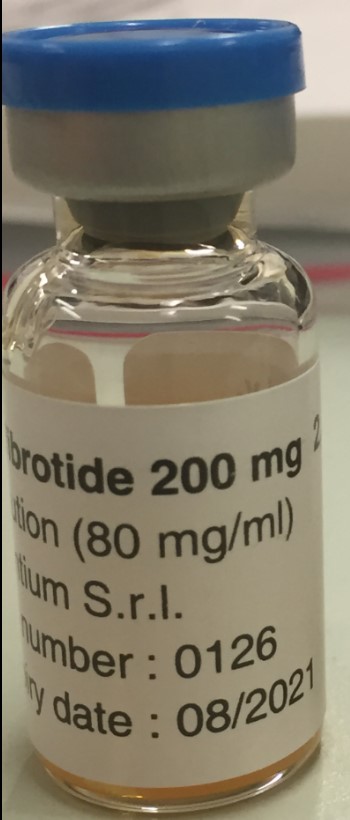
    This alert relates to falsified DEFIBROTIDE 200MG VIALS OF 2.5ML (80MG/ML) CONCENTRATE FOR SOLUTION FOR INFUSION identified in Australia, Latvia and Saudi Arabia. This product is sold under the brand name Defitelio.

    On 13 March 2020, the WHO Global Surveillance and Monitoring System on Substandard and Falsified (SF) Medical Products was informed that falsified DEFIBROTIDE 200MG vials were identified at patient level in Australia, displaying batch number 0286 (see Table 1 below for full details).

    Following enquiries with stakeholders, on 8 April 2020, WHO was informed that falsified DEFIBROTIDE 200MG vials had also been supplied to Saudi Arabia, displaying batch number 0286 and 0126 (see Table 1 below for full details).

    Following enquiries with stakeholders, on 9 April 2020, WHO was informed that falsified DEFIBROTIDE 200MG vials, displaying batch number 0126, had also been identified in Australia and Latvia.

    DEFIBROTIDE is used to treat hepatic veno-occlusive disease, in which the blood vessels in the liver become damaged and obstructed by blood clots. This can be caused by treatments prior to a stem cell transplantation.

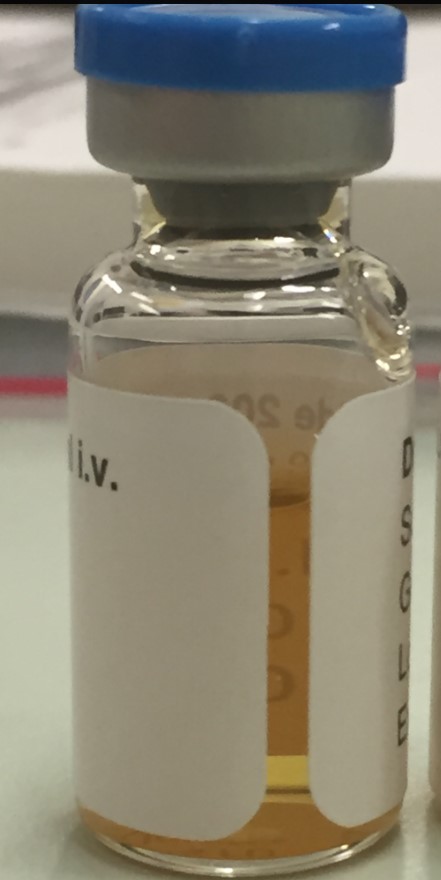
    Laboratory analyses, conducted by national medicines regulatory authorities and the manufacturer of the genuine product, established that these falsified products do not contain any of the expected active ingredient. The solution in the vials is also contaminated with mould (Cladosporium sp. and Aspergillus niger).

    Information available to WHO indicates that both batches of falsified DEFIBROTIDE 200MG vials were present within the regulated supply chain in Latvia as early as January 2020 and were also handled by medicine wholesalers in the United Kingdom in February 2020. It is important to note that widespread vigilance is required from all countries, regardless of where the product was originally identified.

    Table 1: falsified defibrotide subject of WHO Alert n°5/2020, identified in Australia, Latvia and Saudi Arabia

    Medical Product Alert N°5/2020 - 7 May 2020 4

    The two products listed in Table 1 are confirmed falsified, on the basis that there is deliberate misrepresentation of their identity, composition and source.

    The genuine manufacturer of Defibrotide, GENTIUM S.R.L has also confirmed to WHO that:

    • They did not manufacture the above products.
    • Authentic DEFIBROTIDE 200MG VIALS with batch number 0286 were supplied to Argentina, Hong Kong, Malaysia, Singapore and Turkey.
    • Authentic DEFIBROTIDE 200MG VIALS with batch number 0126 were supplied to Australia, Jordan, Kuwait, Lebanon, New Zealand, Qatar, Singapore, Turkey and the United Arab Emirates. 

      For guidance and photographs, please refer to page 2 of this Alert n°5/2020.

    Photos of Falsified DEFIBROTIDE Batch number: 0286, with expiry date: 09/2021

    Medical Product Alert N°5/2020 - 7 May 2020 5         Medical Product Alert N°5/2020 - 7 May 2020 6
    Sample from Latvia       Sample from Latvia

    Photos of Falsified DEFIBROTIDE Batch number: 0126, with expiry date: 08/2021

    Medical Product Alert N°5/2020 - 7 May 2020 7           Medical Product Alert N°5/2020 - 7 May 2020 8
    Sample from Australia       Sample from Australia

    WHO requests increased vigilance within the supply chains of countries likely to be affected by these falsified products. Increased vigilance should include hospitals, clinics, health centres, wholesalers, distributors, pharmacies and any other suppliers of medical products.

    If you are in possession of the above products, please do not use them. If you have used these falsified products, or if you suffer an adverse reaction/event having used these products, you are advised to seek immediate medical advice from a qualified healthcare professional, and to report the incident to the National Regulatory Authorities/National Pharmacovigilance Centre.

    All medical products must be obtained from licensed, authorized and reliable sources. Their authenticity and condition should be carefully checked. Seek advice from a healthcare professional in case of doubt.

    National regulatory/health authorities are advised to immediately notify WHO if these falsified products are identified in their country(ies). If you have any information concerning the manufacture, distribution, or supply of these products, please contact rapidalert@who.int.

    WHO Global Surveillance and Monitoring System for Substandard and Falsified Medical Products

    For further information, please visit our website: https://www.who.int/medicines/regulation/ssffc/en/ 

    Medical Product Alert N°5/2020 - 7 May 2020
    Read More
    https://www.who.int/news-room/detail/07-05-2020-medical-product-alert-n-5-2020

    Views: 0

  • Indonesia firmly committed to eliminating lymphatic filariasis as a public health problem

    Indonesia firmly committed to eliminating lymphatic filariasis as a public health problem

    Indonesia recently completed the last of its annual large-scale treatment for lymphatic filariasis (also known as elephantiasis or Penyakit Kaki Gajah) in Malaka District located in its southernmost province, East Nusa Tenggara. Unprecedented
    progress by the National Lymphatic Filariasis Elimination Programme has strongly placed the country on the path to achieving the elimination of lymphatic filariasis as a public health problem.

    “We reached an estimated number of 40.7 million people living in the 118 high-risk districts during this month-long treatment campaign in October 2019” said Dr Anung Sugihantono, who recently retired as Director General of Diseases
    Prevention and Control, Ministry of Health Indonesia. “
    Single doses of diethylcarbamazine citrate and albendazole facilitated by WHO were delivered to all eligible populations.”

    In 2010, an estimated 125 million Indonesians were still at risk of the disease and required treatment.

    But things changed considerably in 2015 when Indonesia mounted an annual national campaign to resolutely address transmission of the disease and to tackle the morbidity and disability associated with it. The results were apparent as early as 2017, with
    remarkable progress.

    In Indonesia, LF is considered a significant public health concern. In 2009, risk mapping identified a population of 124.5 million people needing treatment for LF. The country initiated a national level LF elimination campaign in 2015, addressing both
    disease prevention and management. 

    “In 2017 and in just two years we managed to achieve 100% geographical coverage of all people requiring treatment” said Dr Sugihantono. “It meant achieving more than 78% epidemiological coverage – much higher than the generally recommended 65% to stop transmission.”

    Transmission of lymphatic filariasis can be stopped through large-scale treatment (or mass drug administration – MDA) of entire at- risk communities with recommended medicines once a year. These medicines kill the microfilariae in an infected patient’s
    blood preventing mosquitoes to transmit1 the disease to others. Through mass treatment, the aim is to reduce the reservoir of microfilariae in the blood to a level insufficient to maintain transmission by the mosquito vector.

    This strategy to interrupt transmission is the corner-stone of the World Health Organization’s (WHO) Global Program to Eliminate Lymphatic Filariasis (GPELF). Indonesia has been using the GPELF’s strategy since 2002 using a district or city
    as its implementation unit.

    In 2005, it listed the elimination of LF as a national priority for controlling infectious diseases and the medicines it has been using in large-scale treatment programmes are diethylcarbamazine citrate (DEC) and albendazole2 which are
    largely distributed by volunteer community health workers3.

    “Community health volunteers are themselves members of the community and know how to reach people effectively to improve compliance” said Dr. Stefanus Bria Seran, the Regent of Malaka District, one of LF endemic district in Indonesia. “Besides ensuring every single person ingests the medicine given to them, these community workers help in disseminating information well before a large-scale treatment campaign and also assist in reporting activities related to each treatment campaign”. 

    Indonesia’s efforts to eliminate lymphatic filariasis began in the 1970s but faced numerous challenges including programme coordination in the many inhabited islands, conducting information, education and awareness programmes, lack of capacity and
    insufficient medicines.

    Furthermore, the situation in Indonesia is unusual than in many other countries endemic for lymphatic filariasis as the country is endemic for all three species of thread-like filarial worms – Brugia malayi, Brugia timori, and Wuchereria bancrofti –
    that cause the disease. Most of the infections in Indonesia, however, are caused by B. malayi.

    In the past, some of the factors that prevented access to the medicines (DEC and albendazole) were social stigmatization linked to the disease, the vast geography of the territory and challenges in reaching remote populations.

    With an estimated population of 242 million, Indonesia is the world’s largest island nation and consists of approximately 17,000 islands, of which 5,000–6,000 are inhabited. It is the fourth most populated nation behind China, India, and the United
    States.

    Indonesia is endemic for many other neglected tropical diseases and an estimated 110 million Indonesians are believed to suffer from at least one neglected tropical disease (NTD), including lymphatic filariasis and soil-transmitted helminth infections.
    Leptospirosis (not classified as NTD) is also widespread.

    Indonesia is the only country of WHO’s South East Asia Region with endemic schistosomiasis. Like many other countries of the Region, it also faces recurrent threats of dengue outbreaks.

    Global progress

    The world has made significant progress towards the elimination of lymphatic filariasis as a public health problem.

    Sixteen countries4 and one territory are now acknowledged by WHO to have achieved elimination of lymphatic filariasis as a public health problem.  

    Seven additional countries have successfully implemented recommended strategies, stopped large-scale treatment and are under surveillance to demonstrate that elimination has been achieved.

    The disease

    Lymphatic filariasis is caused by infection with parasitic worms living in the lymphatic system. The larval stages of the parasite (microfilaria) circulate in the blood and are transmitted from person to person by mosquitoes.

    Infection involves asymptomatic, acute, and chronic conditions. Most infections are asymptomatic, showing no external signs while contributing to transmission of the parasite. Although asymptomatic, these infections still cause damage to the lymphatic
    system and the kidneys and alter the body’s immune system.

    When lymphatic filariasis develops into chronic conditions it leads to lymphoedema (tissue swelling) or elephantiasis (skin/tissue thickening) of limbs and hydrocele (scrotal swelling). Involvement of breasts and genital organs are common.

    Manifestation of the disease after infection takes time and can result in an altered lymphatic system, causing abnormal enlargement of body parts, and leading to severe disability and social stigmatization of those affected.


    1Lymphatic filariasis is transmitted by different types of mosquitoes – e.g the Culex mosquito which widespread across urban and semi-urban areas; Anopheles, mainly found in rural areas; and, Aedes, mainly
    in endemic islands in the Pacific.

    2In 2017, WHO recommended an alternative three drug treatment to accelerate the global elimination of lymphatic filariasis. The treatment, known as IDA, involves a combination of ivermectin, diethylcarbamazine citrate and albendazole.
    It is recommended annually in settings where its use is expected to have the greatest impact.

    3Community health workers, also called ‘cadres’, are volunteers who form part of the communities they serve and work with local
    communities to educate families. Their contribution in promoting health has been significant in the country.

    4Cambodia, The Cook Islands, Egypt, Kiribati, Maldives, Marshall Islands, Niue, Palau, Sri Lanka, Thailand, Togo, Tonga, Vanuatu, Viet Nam, Wallis and Futuna, and Yemen

    Indonesia firmly committed to eliminating lymphatic filariasis as a public health problem
    Read More
    https://www.who.int/news-room/detail/29-04-2020-indonesia-firmly-committed-to-eliminating-lymphatic-filariasis-as-a-public-health-problem

    Views: 0

  • WHO urges countries to move quickly to save lives from malaria in sub-Saharan Africa

    WHO urges countries to move quickly to save lives from malaria in sub-Saharan Africa

    Severe disruptions to insecticide-treated net campaigns and in access to antimalarial medicines could lead to a doubling in the number of malaria deaths in sub-Saharan Africa this year compared to 2018, according to a new modelling analysis released by
    WHO and partners ahead of World Malaria Day (25 April).

    WHO urges countries to move fast and distribute malaria prevention and treatment tools at this stage of the COVID-19 outbreak in sub-Saharan Africa, and to do their utmost to safely maintain these essential malaria control services.

    The analysis considers nine scenarios for potential disruptions in access to core malaria control tools during the pandemic in 41 countries, and the resulting increases that may be seen in cases and deaths. 

    Under the worst-case scenario, in which all insecticide-treated net (ITN) campaigns are suspended and there is a 75% reduction in access to effective antimalarial medicines, the estimated tally of malaria deaths in sub-Saharan Africa in 2020 would reach
    769 000, twice the number of deaths reported in the region in 2018. This would represent a return to malaria mortality levels last seen 20 years ago.

    According to the World malaria report 2019, sub-Saharan Africa accounted for approximately 93% of all malaria cases and 94% of deaths in 2018. More than two-thirds of deaths were among children under the age of five.

    A window of opportunity

    To date, the number of reported cases of COVID-19 in sub-Saharan Africa has represented only a small proportion of the global total, though cases are increasing every week. This means that countries across the region have a critical window of opportunity
    to minimize disruptions in malaria prevention and treatment and save lives at this stage of the COVID-19 outbreak.

    Mass vector control campaigns should be accelerated, while ensuring that they are deployed in ways that protect health workers and communities against potential COVID-19 transmission. WHO and partners commend the leaders of Benin, the Democratic Republic of the Congo, Sierra Leone and Chad
    for initiating ITN campaigns during the pandemic. Other countries are adapting their net distribution strategies to ensure households receive the nets as quickly and safely as possible.

    Preventive therapies for pregnant women and children must be maintained. The provision of prompt diagnostic testing and effective antimalarial medicines are also essential to prevent a mild case of malaria from progressing to severe illness and death.

    WHO and partners have developed guidance to ensure that those suffering from malaria can safely receive the care they need within the package of essential health services to be delivered in COVID-19 settings. Tailoring malaria interventions in COVID-19 response includes guidance on the prevention of infection through vector control and chemoprevention, testing, treatment of cases, clinical services, supply chain and laboratory activities.

    Note to the editor

    The modelling analysis was conducted by WHO in close collaboration with partners, including PATH, the Malaria Atlas Project and the Bill & Melinda Gates Foundation. 

    The analysis is subject to uncertainties. It does not consider, for example, the effects of an interruption in indoor residual spraying or seasonal malaria chemoprevention (except in Burkina Faso); a suspension of these core malaria prevention tools would
    also lead to considerable loss of life.

    In addition, there is limited understanding of the spread of COVID-19, its epidemiology and interactions with malaria. The model will be updated as such data become available, and countries will be provided with relevant information to tailor their responses
    accordingly.

    WHO urges countries to move quickly to save lives from malaria in sub-Saharan Africa
    Read More
    https://www.who.int/news-room/detail/23-04-2020-who-urges-countries-to-move-quickly-to-save-lives-from-malaria-in-sub-saharan-africa

    Views: 0

  • Hard fought gains in immunization coverage at risk without critical health services, warns WHO

    Hard fought gains in immunization coverage at risk without critical health services, warns WHO

    Shutting down immunization services in the COVID-19 pandemic risks triggering a resurgence of diseases that can be prevented with safe and effective vaccines, warns WHO in the lead-up to World Immunization Week (24-30 April). 

    When immunization services are disrupted, even for brief periods during emergencies, the risk of vaccine-preventable disease outbreaks, such as measles and polio, increase. Last year’s deadly measles outbreak in the Democratic Republic of the
    Congo, which took more than 6000 lives in a country already facing its largest Ebola outbreak, highlights the importance of maintaining essential health services, such as immunization in times of emergency. Further disease outbreaks will also overwhelm
    health systems already battling the impacts of COVID-19.

    “Disease outbreaks must not remain a threat when we have safe and effective vaccines to protect us,” said Dr Tedros Adhanom Ghebreyesus, WHO Director-General. “While the world strives to develop a new vaccine for COVID-19 at record speed,
    we must not risk losing the fight to protect everyone, everywhere against vaccine-preventable diseases. These diseases will come roaring back if we do not vaccinate.”

    WHO is working with partners all over the world to accelerate research and development of a safe and effective vaccine and ensure equitable access for the billions of people who will need it.

    But even with an expedited process, development of a vaccine for COVID-19 will take time. Precautionary measures are essential now to help keep us safe from disease, including diseases for which vaccines already protect children and adults.

    Too many people are still excluded from the benefits of vaccines

    Prior to the COVID-19 pandemic, the world had made immense progress in ensuring that children are vaccinated. In 2018, 86 percent of children under the age of five globally were vaccinated with three doses of diphtheria, tetanus and pertussis (DTP3) and
    one dose of the measles vaccine, up from 72 percent in 2000 and 20 percent in 1980. The number of children paralyzed by polio has been reduced by 99.9 percent worldwide. 

    Yet, global vaccination coverage is still far from the 95 per cent coverage needed to fully protect communities against outbreaks of this vaccine-preventable disease. 

    In 2018 nearly 20 million children worldwide – more than 1 in 10 – missed out on lifesaving vaccines, such as measles, diphtheria and tetanus. Roughly, 13 million of the children have never received any vaccines, putting them and their communities
    at risk of disease and death. The majority of these children live in countries with already fragile health systems, further limiting their access to essential health services when they fall sick.

    Measles continues to remain an ever-present threat, especially if vaccination rates drops. Current projections indicate that the number of reported measles cases for 2019 will be at least 800 000. In 2020 there are increasing concerns about another
    resurgence, especially if vaccination rates fall due to delay or suspension of scheduled immunization activities as a result of COVID-19. 

    Outbreaks of polio, diphtheria and yellow fever are also of high concern, especially in the countries least able to respond quickly and decisively to address an emerging outbreak, as seen in previous emergencies such as the polio outbreak in Syria in
    2013. 

    Maintaining immunization services during COVID-19

    As the response to COVID-19 continues, countries must act now protect immunization services, in order to further minimize disease outbreaks and loss of life. This includes, facilitating urgent catch up programmes in places where
    services have been disrupted, ensuring strong supply chains, disease surveillance and trained health workers. Caregivers should also make sure they continue to vaccinate their children in line with national policies.

    New WHO guidelines on immunization and COVID-19 recommend that governments temporarily pause preventive immunization
    campaigns where there is no active outbreak of a vaccine-preventable disease. But it urges countries prioritize the continuation of routine immunization of children in essential service delivery, as well as adult vaccinations such as influenza
    for groups most at risk. If immunization services must be suspended, urgent catch-up vaccinations should be rescheduled as soon as possible, prioritizing those most at risk.

    Hard fought gains in immunization coverage at risk without critical health services, warns WHO
    Read More
    https://www.who.int/news-room/detail/23-04-2020-hard-fought-gains-in-immunization-coverage-at-risk-without-critical-health-services-warns-who

    Views: 0

  • MIEA warns public to beware of property scams

    MIEA warns public to beware of property scams

    MIEA warns public to beware of property scams 9

    KUALA LUMPUR: The Malaysian Institute of Estate Agents (MIEA) is advising the public to be cautious in buying and selling properties during the Movement Control Order (MCO) period to avoid falling prey to scams.

    MIEA noted that amid the MCO, the majority of Malaysians who are keen to buy or sell property will be relying on online platforms.

    “Be extra vigilant as there are still a high number of cases where the general public has fallen prey to these property pitfalls,” it said yesterday.

    MIEA president Lim Boon Ping highlighted that registered estate agents (REA) and negotiators (REN) are recognised as professionals under Malaysian law and that there are firm requirements that need to be adhered to when publishing an advertisement in order to protect the public’s interest.

    Among others, they are required to include their name, REN/REA number, contact number and the real estate firm they represent with its E registration number and the firm’s telephone number, which the public can verify on www.lppeh.gov.my.

    “There will a sudden surge on online and offline advertisement by those illegal brokers who will take advantage on the Covid-19 rise in low priced property deals and these advertisements will not contain the before-mentioned authenticity information and the public should avoid calling them,“ warned Lim.

    He reminded that if one sees an advertisement or a property deal that looks “too good to be true”, be extra cautious and do your research”.

    “Always engage a registered estate agent or a certified negotiator to verify these potential property deals,“ added Lim. — Bernama

    MIEA warns public to beware of property scams
    Read More
    https://www.thesundaily.my/local/miea-warns-public-to-beware-of-property-scams-AB2245651

    Views: 0