Tag: Today

  • To eliminate cervical cancer in the next 100 years, implementing an effective strategy is critical

    To eliminate cervical cancer in the next 100 years, implementing an effective strategy is critical

    Vaccination, screening, treatment and palliative care are the key interventions of WHO’s Draft Global Strategy towards the Elimination of Cervical Cancer as a Public Health Problem,
    the fourth most common cancer in women.

    On World Cancer Day, new estimates show that this strategy could save more than 62 million girls and women from a cervical cancer death and prevent 74 million cases within the next 100 years – but only if these interventions are used effectively
    together.

    No single intervention can eliminate cervical cancer

    These estimates, published by the WHO Cervical Cancer Elimination Modelling Consortium (CCEMC) in The Lancet, are based on the draft strategy’s targets to achieve a global coverage of 90% vaccination, 70% screening and 90% treatment by 2030.


    lancet

    Impact of HPV vaccination and cervical screening on cervical cancer elimination: a comparative modelling analysis in 78 low-income and lower-middle-income countries

    Mortality impact of achieving WHO cervical cancer elimination targets: a comparative modelling analysis in 78 low-income and lower-middle-income countries


    Developed by Member States, UN agencies and other partners, the draft global strategy seeks to redress the unequal burden of cervical cancer around the world. Nine in 10 cervical cancer deaths occur in low and lower-middle-income countries, where
    women lack access to health services.

    As Dr Tedros Adhanom Ghebreyesus, WHO’s Director-General has said, “It doesn’t have to be this way. Cervical cancer
    is one of the most preventable and treatable forms of cancer, as long as it is detected early and managed effectively.”

    This new analysis compares the impact of vaccination, screening and treatment of cervical pre-cancer lesions as single or combined interventions. Focusing on 78 countries where cervical cancer mortality is highest, the results clearly show that no
    single intervention will be sufficient to reduce levels of cervical cancer in the next 100 years to below the elimination target of 4 cases per 100,000 women per year.

    Acting immediately on all three fronts is crucial.                                                                                       

    90-70-90: a triple intervention by 2030 and beyond

    Vaccinating girls against cancer-causing types of human papillomavirus (HPV) before the age of 15 is the foundation for bringing every country’s incidence rate of cervical cancer down to the agreed elimination level.

    Right now, however, vaccination is not enough. As a single strategy, vaccination targets would only deliver a 0.1% reduction in cervical cancer mortality by 2030. Scaling up screening and treatment of cervical pre-cancer lesions at the same time would
    reduce mortality by more than one third, or 300,000 deaths, in the same period.

    The evidence shows that when all adult women are screened for cervical cancer at least twice, at ages 35 and 45, abnormalities are more likely to be detected before they become cancerous. When cancer has developed, screening increases a women’s
    likelihood of early and successful treatment, as well as palliative care if recovery is no longer an option.

    Meeting these triple-intervention targets would be a major contribution to target 3.4 of the UN Sustainable Development Goals (SDGs), a one-third reduction in premature mortality from non-communicable diseases by 2030.

    The future of cervical cancer elimination

    WHO’s global strategy towards eliminating cervical cancer aims to set the world on the right track by 2030, but it is just the beginning.

    At this pace, global elimination of cervical cancer is not predicted until 2120.

    While high HPV vaccination coverage is the primary prevention intervention, ensuring every woman has two cervical screenings in her life would accelerate elimination by 11 – 31 years, depending on the country.

    If no action is taken, cervical cancer deaths will rise almost 50% by 2030. Approval of the draft global strategy at the WHO World Health Assembly in 2020, and investment in mechanisms to deliver it, is vital.

    As the new World Cancer Report shows, only 18% of countries that currently provide screening for cervical cancer reached the recommended target of more than 70% coverage. An estimated 55% of low-income countries that reported offering
    cervical cancer screening generally lack accessible radiotherapy or surgery services.

    Elimination of cervical cancer is possible within the lifetime of today’s youngest girls, but the clock starts now and every intervention counts.


    To eliminate cervical cancer in the next 100 years, implementing an effective strategy is critical
    Read More
    https://www.who.int/news-room/detail/04-02-2020-to-eliminate-cervical-cancer-in-the-next-100-years

    Views: 0
  • WHO outlines steps to save 7 million lives from cancer

    WHO outlines steps to save 7 million lives from cancer

    The World Health Organization (WHO) today spells out the need to step up cancer services in low and middle-income countries. WHO warns that, if current trends continue, the world will see a 60% increase in cancer cases over the next two decades. The greatest increase (an estimated 81%) in new cases will occur in low- and middle-income countries, where survival rates are currently lowest.

    This is largely because these countries have had to focus limited health resources on combating infectious diseases and improving maternal and child health, while health services are not equipped to prevent, diagnose and treat cancers. In 2019, more than 90% of high-income countries reported that comprehensive treatment services for cancer were available in the public health system compared to less than 15% of low-income countries.

    “This is a wake-up call to all of us to tackle the unacceptable inequalities between cancer services in rich and poor countries,” says Dr Ren Minghui, Assistant Director-General, Universal Health Coverage/ Communicable and Noncommunicable Diseases, World Health Organization. “If people have access to primary care and referral systems then cancer can be detected early, treated effectively and cured. Cancer should not be a death sentence for anyone, anywhere.”

    Yet, progress in poorer countries is achievable. WHO and the International Agency for Research on Cancer (IARC) are releasing two coordinated reports on World Cancer Day (4 February), in response to government calls for more research into the scope and potential policies and programmes to improve cancer control.

    “At least 7 million lives could be saved over the next decade, by identifying the most appropriate science for each country situation, by basing strong cancer responses on universal health coverage, and by mobilizing different stakeholders to work together”, said Dr Tedros Adhanom Ghebreyesus, Director-General, WHO.

    WHO highlights a wide range of proven interventions to prevent new cancer cases. These include controlling tobacco use (responsible for 25% of cancer deaths), vaccinating against hepatitis B to prevent liver cancer, eliminating cervical cancer by vaccinating against HPV, screening and treatment, implementing high-impact cancer management interventions that bring value for money and ensuring access to palliative care including pain relief.

    “The past 50 years have seen tremendous advances in research on cancer prevention and treatment,” says Dr Elisabete Weiderpass, Director of IARC. “Deaths from cancer have been reduced. High-income countries have adopted prevention, early diagnosis and screening programmes, which together with better treatment, have contributed to an estimated 20% reduction in the probability of premature mortality between 2000 and 2015, but low-income countries only saw a reduction of 5%. We need to see everyone benefitting equally.” The challenge will be for countries to select treatments balancing considerations including cost, feasibility and effectiveness. Each government is tasked with choosing the appropriate innovative cancer therapies, while recognizing that established treatments, many of which are very effective and affordable, can provide benefits for cancer without causing financial hardship.

    Note to editors

    World Health Organization

    Report on Cancer: Setting priorities, investing wisely and providing care for all

    The report aims to set the global agenda on cancer, mobilize stakeholders and help countries set priorities for investing in cancer control and universal health coverage. It introduces the principles, tools and current priority cancer control interventions in the context of the current and future cancer burden and opportunities.

    International Agency for Research on Cancer

    World Cancer Report “Cancer research for cancer prevention”

    The report focuses on prevention and offers the most comprehensive overview of relevant research available to date, ranging from descriptive etiology, cellular and molecular biology, toxicology and pathology through to behavioural and social science. Key chapters include discussions on the impact of inequalities in cancer, vaccination and screening, genomic individual susceptibility to cancer and the finer identification of those at risk, which may allow ‘precision cancer prevention’.

    WHO outlines steps to save 7 million lives from cancer
    Read More
    https://www.who.int/news-room/detail/04-02-2020-who-outlines-steps-to-save-7-million-lives-from-cancer

    Views: 0

  • France pledges US$100 million (€90 million) for WHO Academy

    France pledges US$100 million (€90 million) for WHO Academy

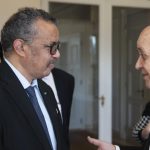
    Geneva: France’s Minister for Europe and Foreign Affairs, Mr Jean-Yves Le Drian, and Dr Tedros Adhanom Ghebreyesus,  Director-General of WHO today met at the Permanent Mission of France to the United Nations in Geneva to discuss the WHO Academy, which will be the world’s largest and most innovative lifelong learning platform in global health.

    The WHO Academy aims to reach millions of people worldwide, offering high-tech learning environments at a “hub” in Lyon with “spokes” in the six WHO regions. The Academy will provide learning opportunities for leaders, educators, researchers, health workers, WHO staff and the broader public, and will deliver high quality, multilingual learning, both online and in-person, alongside a cutting-edge simulation centre for health emergencies.

    The discussion today follows a Declaration of Intent signed by Emmanuel Macron, President of the French Republic and Dr Tedros on 11 June 2019, and a pledge by France in the amount of US$ 100 million (€ 90 million) to WHO to support the creation of the WHO Academy, which will be established as an internal division within WHO.

    “Technology and innovation in learning are creating exciting new opportunities to accelerate progress towards health for all in every country,” said Dr Tedros Adhanom Ghebreyesus, Director-General of WHO. “The WHO Academy will support millions of learners to maximize health impacts with the best evidence, adult learning approaches and state-of-the-art technologies.”

    By propelling and strengthening digital innovations and lifelong learning opportunities around the world, the WHO Academy will play an instrumental role towards achieving WHO’s triple billion goal by 2023 and the health Sustainable Development Goals: 1 billion more people will benefit from universal health coverage; 1 billion more will be better protected in health emergencies, and 1 billion more will enjoy improved health and wellbeing.

    The funding from France represents a commitment to accelerate the development of the WHO Academy, and confirms the engagement of France — a longstanding partner of WHO and a key actor in global health – and its strong support to the ambitions of 13th WHO General Programme of Work to ensure healthy lives and well-being for all ages. 


    France pledges US$100 million (€90 million) for WHO Academy
    Read More
    https://www.who.int/news-room/detail/24-02-2020-france-pledges-us100-million-for-who-academy

    Views: 0

  • Immunization is the best protection against tick-borne encephalitis

    Immunization is the best protection against tick-borne encephalitis

    immunization-is-the-best-protection-against-tick-borneIn a new position paper, published in the Weekly
    Epidemiological Record today, WHO recommends vaccination against
    tick-borne encephalitis in people of all ages where the disease is
    highly endemic. Where the prevaccination incidence of the disease is
    moderate or low or is limited to particular geographical locations or
    certain outdoor activities, immunization should target individuals in
    the most severely affected groups. People travelling from non-endemic
    areas to endemic areas should be offered vaccination if their visits
    will include extensive outdoor activities.

    Since the incidence of tick-borne encephalitis may vary
    considerably between and even within geographical regions, public
    immunization strategies should be based on risk assessments conducted at
    country, regional or district level, and should be appropriate to the
    local endemic situation.

    Immunization offers the most effective protection against
    tick-borne encephalitis. Currently, there are four widely used vaccines
    of assured quality: FSME-Immun and Encepur, manufactured in Austria and
    Germany respectively, and TBE-Moscow and EnceVir, manufactured in the
    Russian Federation. The four vaccines are considered to be safe and
    efficacious.

    Tick-borne encephalitis virus is an important cause of viral
    infections of the central nervous system in eastern, central and
    northern European countries, and in northern China, Mongolia, and the
    Russian Federation.

    Approximately 10 000–12 000 clinical cases of tick-borne
    encephalitis are reported each year, but this figure is believed to be
    significantly lower than the actual total. Most infections with the
    virus result from tick bites acquired during outdoor activities in
    forested areas.

    Immunization is the best protection against tick-borne encephalitis
    Read More
    https://www.who.int/news-room/detail/19-02-2020-immunization-is-the-best-protection-against-tick-borne-encephalitis

    Views: 0

  • WHO and FIND formalize strategic collaboration to drive universal access to essential diagnostics

    Geneva, Switzerland – 10 February 2020 – The World Health Organization (WHO) and the Foundation for Innovative New Diagnostics (FIND) announced today that a memorandum of understanding has been signed by the two organizations to formalize a strategic collaboration that will strengthen diagnosis in resource-poor countries by closing major diagnostic gaps at country level and bolstering disease surveillance that will inform public health initiatives and enhance outbreak preparedness and response.

    “This collaboration is an inspiring development that will take us a long way towards ensuring access to diagnostics to all who need them,” said Dr Tedros Adhanom Ghebreyesus, Director-General of the World Health Organization. “Global health challenges such as the ongoing novel coronavirus (2019-nCoV) outbreak demonstrates that without these essential elements of health systems, we cannot hope to promote health, keep the world safe, and serve the vulnerable. I look forward to working closely with FIND to determine what countries need and to forge a path to deliver these innovations so that no one is left behind.”

    Diagnosis is a driver of patient, financial and health systems impact, and a critical enabler of universal health coverage, but it is also the weakest link in the care cascade. This is especially true in primary healthcare settings in low- and middle-income countries. A unique and unprecedented opportunity exists to expand the role and impact of diagnostics to fully realize their potential to address major health security threats and evolving disease burdens through technological and digital advances.

    FIND has been an active partner with WHO since 2008 and a WHO Collaborating Centre since 2014, acting in the areas of laboratory strengthening and diagnostic technology evaluation. This expanded collaboration will put in place the building blocks necessary to enable transformative change in a move toward a country-led diagnostics alliance. Initial workstreams will focus on demand-driven access to essential diagnostics and the development of national Essential Diagnostics Lists, alongside collection of data that assist the scale up of diagnostics to support low- and middle-income countries on their paths to universal health coverage.

    “Each and every person has the right to a quality, timely diagnosis,” said Catharina Boehme, CEO of FIND. “Comprehensive diagnostic services underpin functional and efficient health systems not only to manage day-to-day healthcare needs, but also to ensure new disease outbreaks can be spotted and contained quickly. Working closely with WHO as part of a country-led alliance, we will strive to ensure that low- and middle-income countries have what they need to develop their own comprehensive, data-driven diagnostic strategies that enable universal health coverage and empower disease surveillance. Our ambition is that all patients, providers and decision-makers have access to the diagnostic solutions needed for optimal health outcomes.”

    The strategic collaboration agreement will initially run for a period of 5 years, until 2025.

    #  #  #

    About FIND

    FIND is a global non-profit organization that drives innovation in the development and delivery of diagnostics to combat major diseases affecting the world’s poorest populations. Our work bridges R&D to access, overcoming scientific barriers to technology development; generating evidence for regulators and policy-makers; addressing market failures; and enabling accelerated uptake and access to diagnostics in low- and middle-income countries (LMICs). Since 2003, we have been instrumental in the development of 24 new diagnostic tools used in 150 LMICs. Over 50 million FIND-supported products have been provided to our target markets since the start of 2015. A WHO Collaborating Centre, we work with more than 200 academic, industry, governmental, and civil society partners worldwide, on over 70 active projects that cross six priority disease areas. FIND is committed to a future in which diagnostics underpin treatment decisions and provide the foundation for disease surveillance, control and prevention. For more information, please visit www.finddx.org


    About WHO

    The World Health Organization is the directing and coordinating authority for health within the United Nations system. It is responsible for providing leadership on global health matters, shaping the health research agenda, setting norms and standards, articulating evidence-based policy options, providing technical support to countries and monitoring and assessing health trends. WHO is committed to the enjoyment of the highest attainable standard of health as one of the fundamental rights of every human being without distinction of race, religion, political belief, economic or social condition. WHO’s current global programme of work sets out three interconnected strategic priorities: ensuring healthy lives and well-being for all at all ages; achieving universal health coverage; and addressing health emergencies and promoting healthier populations. These priorities are linked to three ambitious targets, the “triple billion”: one billion more people to benefit from universal health coverage; one billion more people better protected from health emergencies; and one billion more people enjoying better health and well-being.


    Read More
    https://www.who.int/news-room/detail/10-02-2020-who-and-find-formalize-strategic-collaboration-to-drive-universal-access-to-essential-diagnostics

    Views: 0

  • US$675 million needed for new coronavirus preparedness and response global plan

    US$675 million needed for new coronavirus preparedness and response global plan

    To fight further spread of the new coronavirus (2019-nCoV) outbreak in China and globally, and protect states with weaker health systems, the international community has launched a US$675 million preparedness and response plan covering the months of February through to April 2020.

    “My biggest worry is that there are countries today who do not have the systems in place to detect people who have contracted with the virus, even if it were to emerge,” said Dr Tedros Adhanom Ghebreyesus, WHO Director-General. “Urgent support is needed to bolster weak health systems to detect, diagnose and care for people with the virus, to prevent further human to human transmission and protect health workers.”

    The Strategic Preparedness and Response Plan (SPRP) for the new coronavirus lays out activities and resources needed by international health organizations globally, including WHO, to implement priority public health measures in support of countries to prepare and respond to nCoV-2019 for a period February-April 2020. The objectives of the plan are to  limit human-to-human transmission of the virus, particularly in countries most vulnerable if they were to face an outbreak; identify, isolate and care for patients early; communicate critical risk and event information; minimize social and economic impact; reduce virus spread from animal sources; and address crucial unknowns.

    The plan focuses on:

    • Rapidly establishing international coordination and operational support;
    • Scaling up country readiness and response operations;
    • Accelerating priority research and innovation.

    “The effectiveness of outbreak response depends on the preparedness measures put in place before outbreaks strike,” said Dr Mike Ryan, head of WHO’s Health Emergencies Programme. “That is why we are seeking resources to safeguard the most vulnerable countries to protect people from the new coronavirus before it arrives on the doorstep.”

    As noted in the SPRP, WHO assesses that the outbreak poses a very high risk in China, and high risk regionally and globally. The risk assessment was based on factors including the likelihood of further spread, the potential impact on human health, and the varying levels of effectiveness in national preparedness and response measures. Accelerated action, as called for in the plan, can address these risks and areas requiring support.

    As of 10 a.m. Central European Time on 5 February, 25 countries have reported confirmed cases of the new coronavirus, including China, where 24,363 people had contracted the virus, or over 99% of all cases. In all other countries, 191 cases have contracted the virus.

    US$675 million needed for new coronavirus preparedness and response global plan
    Read More
    https://www.who.int/news-room/detail/05-02-2020-us-675-million-needed-for-new-coronavirus-preparedness-and-response-global-plan

    Views: 0

  • Unleashing Youth Power:A Decade of Accelerating Actions Towards Zero Female Genital Mutilation

    Joint statement by UNFPA Executive Director Dr Natalia Kanem, UNICEF Executive Director Henrietta Fore and UN Women Executive Director Phumzile Mlambo-Ngcuka and WHO Director-General Dr Tedros Adhanom Ghebreyesus on the occasion of International Day of Zero Tolerance for Female Genital Mutilation

    – “When Tabitha was growing up in rural Kenya, most of her 16-year-old peers were subjected to female genital mutilation – a human rights violation that more than 4 million girls worldwide are at risk of this year. Yet Tabitha remains unharmed, thanks to the unwavering support of her parents, who, in spite of enormous social pressure, saved their daughter from the same fate. 

    “On the International Day of Zero Tolerance for Female Genital Mutilation, we join with Tabitha and young people around the world who are standing up for their rights with urgency and energy. They are engaging their peers, families, communities and governments with a call to end this harmful act of gender-based violence once and for all, as promised by the international community in the 2030 Agenda for Sustainable Development.

     “While significant progress in eliminating the practice has been made in the last 30 years, approximately 200 million girls and women alive today have had their genitals mutilated. This can lead to long-term physical, psychological and social consequences.        

    “Support for the practice is dwindling. Adolescent girls aged 15 to 19 in countries where female genital mutilation is prevalent are less supportive of continuing the practice than are women aged 45 to 49. And in many countries, young girls are at much lower risk of being subjected to female genital mutilation than their mothers and grandmothers were. However, rapid youth population growth in countries where female genital mutilation is prevalent could lead to a significant rise in the number of girls at risk by 2030.

    “Today’s young people can play a critical role in ending the practice. Unleashing the power of youth means investing in youth-led movements to champion gender equality, an end to violence against women and girls and the elimination of harmful practices. This requires including young people as partners when designing and implementing national action plans, building relationships with youth-led organizations and networks that work to end female genital mutilation and recognize it as a form of violence against women and girls, empowering young people to lead community campaigns that challenge social norms and myths, and engaging men and boys as allies.

    “But this is not a goal young people can achieve alone, nor can it be addressed in isolation from other forms of violence against women and girls or from gender inequality. It also requires strong political leadership and commitment.

    “Last year, at the Nairobi Summit on ICPD25, governments, civil society, faith-based organizations and private companies recommitted to ending gender-based violence and harmful practices – such as female genital mutilation – in 10 years, the same timeframe for achieving the Sustainable Development Goals. In March, we mark 25 years since the Beijing Platform for Action, a global commitment to advance women’s rights across 12 critical areas, including the elimination of all harmful practices against girls and women. This year, we will announce the creation of a new Generation Equality to drive further investment and results for gender equality.


    “Now is the time to invest, translating the political commitments already made into concrete action. Now is the time to do more and do it better and faster to end the practice once and for all. Now is the time to keep our promise to Tabitha and all girls of reaching zero female genital mutilation by 2030.”


    Read More
    https://www.who.int/news-room/detail/06-02-2020-unleashing-youth-power-a-decade-of-accelerating-actions-towards-zero-female-genital-mutilation

    Views: 0

  • Female Genital Mutilation Hurts Women and Economies

    Female Genital Mutilation Hurts Women and Economies

    Female genital mutilation (FGM) exacts a crippling economic as well as human cost, according to World Health Organization (WHO).

    “FGM is not only a catastrophic abuse of human rights that significantly harms the physical and mental health of millions of girls and women; it is also a drain on a country’s vital economic resources,” said Dr Ian Askew, Director of WHO’s Department of Sexual and Reproductive Health and Research. “More investment is urgently needed to stop FGM and end the suffering it inflicts.”

    New modelling reveals that the total costs of treating the health impacts of FGM would amount to USD 1.4 billion globally per year, if all resulting medical needs were addressed. For individual countries, these costs would near 10% of their entire yearly expenditure on health on average; in some countries, this figure rises to as much as 30%.

    The interactive modelling tool that generated these data was launched on the International Day of Zero Tolerance for Female Genital Mutilation.

    Severe physical and mental health impacts for women and girls

    Women and girls living with FGM face serious risks to their health and well-being. These include immediate consequences after being cut, such as infections, bleeding or psychological trauma, as well as chronic health conditions that can occur throughout life.

    Women who have undergone the procedure are more likely to experience life-threatening complications during childbirth. They may face mental health disorders or suffer chronic infections. They may also have pain or problems when they menstruate, urinate or have sexual intercourse. 

    All of these conditions warrant much-needed medical attention and care.

    “High healthcare costs for countries mount because of the tragic personal impacts on women and girls. Governments have a moral responsibility to help end this harmful practice,” says Dr Prosper Tumusiime, Acting Director for Universal Health Coverage and the Life Course in the African Regional Office of WHO. “FGM hurts girls, imposes lifelong health risks on the women they become, and strains the healthcare systems that need to treat them.”

    Preventing FGM brings major benefits for women, girls, communities and economies

    Using data from 27 high-prevalence countries, the Cost Calculator demonstrates clear economic benefits from ending FGM. If it were abandoned now, it shows that the associated savings in health costs would be more than 60% by 2050.

    In contrast, if no action is taken, it is estimated that these costs will soar by 50% over the same time period, as populations grow and as more girls undergo the procedure.

    Since 1997, great efforts have been made to end FGM, through work within communities, research, and changes in legislation and policy. 26 countries in Africa and the Middle East now explicitly legislate against FGM, as well as 33 other countries with migrant populations from FGM-practicing countries.

    WHO is also working with countries to raise awareness of the harmful impacts of the practice among their health workers, and to engage them in prevention efforts.

    “Many countries and communities are showing that abandoning female genital mutilation is possible,” states Dr Christina Pallitto, scientist at WHO. “If countries invest to end female genital mutilation, they can prevent their girls from undergoing this harmful practice and promote the health, rights and well-being of women and girls.”

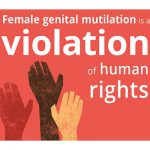
    Female genital mutilation is internationally recognized as a human rights violation. It has no medical benefits and causes only harm. WHO’s position is that FGM must never be carried out.

    Further information

    The FGM Cost Calculator will be available here, as of 00:30 CET 6 February 2020:
    www.who.int/news-room/detail/06-02-2020-economic-cost-of-female-genital-mutilation

    More on FGM

    Notes for Editors

    About FGM

    FGM includes procedures that intentionally alter or cause injury to the female genital organs for non-medical reasons. More than 200 million girls and women alive today are estimated to have undergone the practice across 30 countries in Africa, the Middle East and Asia where FGM is concentrated.

    FGM is mostly carried out on young girls between infancy and 15 years of age.

    About the FGM Cost Calculator

    The WHO FGM Cost Calculator shows the economic cost of treating the health complications caused by FGM across 27 high-prevalence countries. These costs were calculated using the WHO One Health tool and other available scientific evidence.

    Users of the tool can calculate costs by country in a ‘business as usual’ scenario; a scenario of partial abandonment of FGM, and full abandonment of FGM over a 30-year period. In addition, the distribution of costs by different types of health complications is presented by country.

    The tool does not consider other indirect costs that hit families and communities, or the socio-economic impacts of the practice, which would be significantly higher still.

    The 27 countries modelled include Benin, Burkina Faso, Central African Republic, Còte d’Ivoire, Cameroon, Chad, Djibouti, Egypt, Eritrea, Ethiopia, Ghana, Guinea, Gambia, Guinea-Bissau, Iraq, Kenya, Mali, Mauritania, Niger, Nigeria, Soudan, Senegal, Sierra Leone, Somalia, Togo, United Republic of Tanzania, Yemen.

    Female Genital Mutilation Hurts Women and Economies
    Read More
    https://www.who.int/news-room/detail/06-02-2020-female-genital-mutilation-hurts-women-and-economies

    Views: 0