Tag: Systems

  • What matters to women in the postnatal period?

    What matters to women in the postnatal period?

    The right to a positive maternity healthcare experience at every stage 

    Each pregnancy is unique and clinical needs can change across the pregnancy, childbirth and postnatal periods. One thing that never changes is the right to a positive experience at every stage. 

    Achieving the best possible physical, emotional, and psychological outcomes for every individual and newborn requires health systems to take a human rights-based approach: not only preventing maternal death and morbidity, but prioritising person-centred
    care and well-being.

    WHO is developing new guidelines for a positive experience of postnatal care, due to be published next year. To inform these guidelines and ensure that postnatal services can better meet the needs of women and their babies, WHO undertook a qualitative
    systematic review on what matters to women in the postnatal period.

    Joys and challenges in the postnatal period

    There is limited research about values and preferences in the postnatal period, defined by WHO as the first six weeks after childbirth. Studies have often focused on the results of specific postnatal interventions, rather than on the individuals who use
    them. 

    ‘What matters to women in the postnatal period: A meta-synthesis of qualitative studies,’ published in PLOS ONE, gives long-overdue respect to the authority of women’s own experiences. The authors review first-hand data from 15 countries
    and 36 studies published after the year 2000 relating to women’s beliefs, expectations and values at this significant time of life.  

    These studies affirm that a positive postnatal experience can result in joy, self-confidence and enhanced capacity to thrive as both a person and a parent.

    They are also vocal about the potential challenges of adjusting to a ‘new normal’ following childbirth, including changes in self-identity, relationships, and sexual behaviour.

    What is a positive postnatal experience? 

    A positive postnatal experience for a woman will be one that responds to her specific context and preferences. 

    It will provide the confidence, knowledge and skills women need in the weeks following childbirth, supporting them to adjust to any changes in their intimate relationships and build new family ones. Women will be better equipped to navigate physical and
    emotional challenges and to experience the dynamic achievement of personal growth. 

    This should be a shared responsibility, not a solitary one. Community has a critical role in enabling a positive postnatal experience, including partners, family and elders.

    It is crucial that healthcare providers meet each woman’s needs, as well as those of their babies. 

    Supporting choices and rights to improve postnatal health outcomes

    There are an estimated 303 000 maternal deaths annually, according to recent WHO figures. Most of these deaths occur postnatally. 

    The postnatal period is therefore a vital opportunity to improve both maternal and neonatal health and wellbeing: supporting healthy behaviors, providing life-skills education, facilitating breastfeeding, counselling women about family planning options,
    supporting good mental health, preventing and treating childbirth-related complications. 

    Health care systems that empower individuals by supporting their values, preferences and rights are fundamental to improving maternal and newborn health outcomes. 

    WHO’s guidance for positive maternity care

    WHO has recently released recommendations on antenatal care for a positive pregnancy experience, and on intrapartum care for a positive childbirth experience.

    These publications made important clinical updates, including an increase from four to eight recommended antenatal contacts, and a revision to the decision-making process for interventions to accelerate labour. 

    They also uphold every woman’s right to a positive maternity care experience: one where her pregnancy does not erase her competency, autonomy and right to participate in decision-making for her own care and the care of her newborn. 

    Women’s choices and rights to sexual and reproductive health care, including maternity care, should be respected at every stage of the continuum of maternal and newborn care. This is true across all income settings, as well as in humanitarian settings
    and during public health emergencies.

    When WHO’s postnatal guidelines are released next year, they will complete the maternity care series built around what matters to women.

    Rather than dividing care into three periods of antenatal, intrapartum and postnatal, these publications can be used to establish a model in which health systems support women, their baby and wider network physically, psychologically, socially and emotionally
    through this significant life event. 

    Other resources


    What matters to women in the postnatal period?
    Read More
    https://www.who.int/news-room/detail/22-04-2020-what-matters-to-women-in-the-postnatal-period

    Views: 0

  • Choosing the Right Email Service Provider

    Just as email marketing can be complex, so is choosing a top tier ESP (Email Service Provider). Comparing ESPs to each other isn?t always an apples-to-apples comparison. They each have their specific areas of strengths and weaknesses. For example, some ESPs excel at integration with web analytics or CRM (Customer Relationship Management) systems, some are very strong in deliverability, and others have a more intuitive interface. The differences don?t just stop there: The same piece of content sent to the same list on different ESPs will give you different delivery results.

    This white paper will help you narrow down the services that are most important to you and what to look for when selecting an ESP. It also includes an ESP Scoring Sheet!

    Read More
    http://www.associationofmarketing.org/whitepapers/view.php?whitepaper_id=72

    Views: 0

  • THE DETERMINATION OF SEX

    THE DETERMINATION OF SEX

    The term “The Determination of Sex” is employed in two general senses in scientific circles.

    The first usage is that of the biologist, and it includes within its scope merely the discovery and understanding of the causes which determine whether the embryo shall develop into a male or into a female. In the discussion of the subject from this standpoint there is but little, if any, attention given to the question of whether the sex of the unborn child may be determined by methods under the control of man. The biologist simply studies the causes which seem to lead to the production of an individual of one or the other sex, without regard to whether these causes, when discovered, may or may not be amendable to human control.

    An authority, speaking of this standpoint concerning the question referred to, says: “We may discover the causes of storms or earthquakes, and when our knowledge of them is sufficiently advanced we may be able to predict them as successfully as astronomers predict eclipses, but there is little hope that we shall ever be able to control them. So it may be with sex; a complete understanding of the causes which determine it may not necessarily give us the power of producing one or the other sex at will, or even of predicting the sex in any given case. Whether we shall ever be able to influence the causes of sex-determination cannot as yet be foretold; at present, biologists are engaged in the less practical, but immensely interesting, problem, of discovering what those causes are.”

    The second usage of the term, includes and embraces the idea of the voluntary determination or control of the sex of the future child, by means of certain methods or certain systems of treatment, etc. Of recent years, science has been devoting considerable attention to the question of whether or not man may not be able to produce any particular sex at will, by means of certain systems or methods of procedure. Many theories have been evolved, and many plans and methods have been advocated, often with the expenditure of much energy and enthusiasm on the part of the promulgators and their adherents.

    In this lesson there will be briefly presented to you the general consensus of modern thought on the subject, with a general outline of the favorite methods and systems advocated by the several schools of thought concerned in the investigation.

    Professor Doncaster, the well-known authority on the subject, says: “But little progress has been made in the direction of predicting the sex of any child, and, if possible, even less in artificially influencing the determination of its sex. When the general principles arrived at are borne in mind, it must be confessed that the prospects of our ever attaining this power of control or even of prediction are not very hopeful, but the possibility of it cannot be yet regarded as entirely excluded. The general conclusions arrived at are that sex is determined by a physiological condition of the embryonic cells, that this condition is induced, at least in the absence of disturbing causes, by the presence of a particular sex-chromosome. [A “chromosome” is a portion of the chromatin, or substance characteristic of the nucleus of the cell, this nucleus seemingly controlling the life-processes of the cell.] But there is evidence, which for the present at least cannot be neglected, that certain extraneous conditions acting on the egg or early embryo may perhaps be able to counteract the effect of sex chromosome.

    “Quite generally, then, there are two conceivable methods by which the sex might be artificially influenced in any particular case; firstly, if means could be found of ensuring that any particular fertilized ovum received the required chromosomes; and, secondly, by the discovery of methods which always effect the ovum or embryo in such a way as to produce the desired sex. Many suggestions for applying both methods have been made, some of which have attained considerable notoriety, but hitherto none of them has stood the test of practical experience. In the case of the higher animals, especially of the mammals, in which the embryo develops in the maternal uterus until long after the sex is irrevocably decided, it is obviously difficult to apply methods which might influence the sex after fertilization, even if it were certainly known that such methods were ever really effective.

    “Apart from the few experiments like those of Hertwig on rearing tadpoles at different temperatures, there have been a very few cases in which there is even a suggestion that the sex of the fertilized egg can be modified by environment, and the belief that this is possible has been entirely abandoned by many of the leading investigators of the subject. It is probable, therefore, that if it will ever be possible to predict or determine artificially the sex of a particular child, the means will have to be sought in some method of influencing the output of germ-cells in such a way that one kind is produced rather than the other. It is in this way that Heape and others interpret the results of their investigations; they find that certain conditions affect the sex-ratio of cells, and they explain the result by assuming that under some circumstances male-determining ova are produced in excess, and under other circumstances, female-determining.”

    Professor Rumley Dawson holds to the opinion that the male-determining and female-determining ova are discharged alternately from the ovaries. In woman one ovum is usually discharged each month, and it is maintained that on one month the ovum is male-determining, and in the next, female-determining. It is obvious that exceptions must occur, for boy and girl twins are quite common, but if the cases which support the hypothesis are taken by themselves, and the exceptions explained away, it is possible to make out a strong case in favor of this theory. Some authorities hold that the right ovary produces male-determining ova, and the left ovary female-determining, and that the two ovaries discharge an ovum alternately, but an impartial examination of the evidence for this belief shows that it rests on very slender foundations. Experiments on the lower animals have shown that after the complete removal of one ovary the female may produce young of both sexes. Women, also, have produced children of a particular sex after the corresponding ovary has been removed, and it is hardly possible to believe that the removal in all these cases was incomplete. On the whole it must be concluded that the theory is insufficiently supported by the evidence.

    Another widely promulgated and vigorously supported theory is that which holds that the sex of the future child may be determined by specific nutrition of the mother before conception, and in some cases after conception. Schenk’s theory, advanced about 1900, attracted much attention at the time. He based his method on the observation that a number of women whose children were all girls all excreted sugar in their urine, such as happens in the case of persons affected with diabetes. From this he suspected that the physiological condition which leads to the excretion of sugar was inimical to the development of male-determining ova, and that males could be produced by its prevention. He therefore recommended that those who desire a male child should undergo treatment similar to that prescribed for diabetes for two or three months before conception, and held that a boy would be produced by these methods. Although this method has had considerable vogue, it cannot be held to have been established on a scientific basis.

    Doncaster says “The general conclusion with regard to man must therefore be that if sex is determined solely by the spermatozoon there is no hope either of influencing or predicting it in special cases. On the other hand, there is considerable evidence that the ovum has some share in the effect, and if this is so, before any practical results are reached it will be necessary to discover which of two conceivable causes of sex-determination is the true one. It is possible that there are two kinds of ova, as well as two kinds of spermatozoa, and that there is a selective fertilization of such a kind that one kind of spermatozoon only fertilizes one kind of ovum, the second kind of spermatozoon the second kind of ovum. If this should prove to be the case, it is possible that means might be found of influencing or predicting that kind of ovum which is discharged under any set of conditions. Secondly, it is possible that the ova are potentially all alike, but that their physiological condition may under some circumstances be so altered that the sex is determined independently of the spermatozoon. * * * It is hardly possible to avoid the conclusion that the sex of the offspring may be influenced, at least under certain circumstances, by the mother. The search for means of influencing the sex of the offspring through the mother is not of necessity doomed to failure. No results of a really positive kind have been obtained hitherto, and some of the facts point so clearly to sex-determination by the male germ-cell alone in man and other animals that many investigators have concluded that the quest is hopeless; but until an adequate explanation has been given of certain phenomena discovered in the investigation of the subject, it seems more reasonable to maintain an open mind, and to regard the control of sex in man as an achievement not entirely impossible of realization.”

    Another writer on the subject has said: “Every individual among the higher animals, whether male or female, begins as an impregnated ovum in the mother’s body. Any such ovum contains elements of constitution from both of its parents. In the earliest existence of this impregnated ovum, there is a season of sexual indifference, or indecision, in which the embryo is both male and female, having the characteristic rudiments of each sex, only indifferently manifested. In this stage, the embryo is susceptible of being influenced by external conditions to develop more strongly in the one or the other direction and thus become distinctly and permanently male or female. It is evident that this is the season in the development of the individual in which influencing conditions and causes must operate in deciding its sex, although it is possible in some of the lower animals to alter the tendency of sex in the embryo from one sex to the other, even after it has been quite definitely determined. It is well established, in fact, that differences do not come from a difference in the ova themselves; that is, there is not one kind of ova from the female which becomes female, while other ova become male, for it is possible to alter the tendency toward the one sex or the other after the ovum has been fertilized and the embryo has begun its career of development. This possible change in sex tendency in the embryo also proves that sex is not decided by a difference in the spermatozoa; that is some of the sperm cells from the father are not male, while others are female, in their constitution.

    “It is incorrect to suppose, as has been held by some theorists, that one testicle give rise to male spermatozoa and the other to female spermatozoa, for both male and female offspring have been produced from the same male parent after one testicle or the other has been removed. The same is true in cases in which either ovary has been removed from the mother; that is, male and female offspring are produced from mothers in whom either ovary has been removed. In like manner, the sex of offspring is shown not to be materially affected by the comparative vigor of the parents; thus, a stronger father than mother does not necessarily produce one sex to the exclusion of the other. These negative decisions are important because they simplify the solution of the problem of sex-determination, by excluding, more or less fully, various causes which have been supposed to operate quite forcibly in deciding the sex of offspring. Some of the more positive agencies that enter into the determination of sex are found (1) in the influence of nutrition upon the embryo during its indifferent stage of sexual development, and (2) in the constitution and general condition of the mother before and during the early stages of pregnancy. These two factors appear to enter more fully than any others in the decision of the sex in offspring, and deserve the greatest consideration. The influence of food in supplying the embryo with nourishment for its development is, perhaps, the most potent of these determining causes.”

    Investigators along the line of theory indicated in the above last quotation, i. e., the theory of sex determination by means of nourishment of the mother and embryo, have presented a volume of reports which demand respectful consideration. The general report may be said to be the discovery that abundant nourishment during the period of sexual neutrality tends to produce females; while lack of abundant nutrition during such period tends to produce males.

    These experiments, of course, have been chiefly performed upon the lower animals. The frog has been a favorite subject of such experiments—the tadpole stage being the one selected, because in that stage there exists a lack of sex, the stage being one of sex neutrality. Professor Yung’s celebrated experiments will illustrate this class of experiments. Here were chosen 300 tadpoles, which when left to themselves manifested a ratio of 57 prospective females to 43 prospective males. These were divided into three classes of 100 tadpoles each. Each class was then fed upon one of several kinds of nutritious diet in order to ascertain the change in sex-tendency due to such food. The first set, with an original ratio of femaleness of 54 to 46, were fed abundantly on beef, and the ratio of femaleness was changed to 78 to 22. The second class, with a ratio of femaleness of 61 to 39, were fed on fish (specially nourishing to frogs), and the ratio changed to 81 to 19. The third class, with a ratio of 56 to 44, were fed upon a still more nutritious diet (i. e., that of frogs’ flesh), and the ratio was raised to 92 to 8. In short, the experiments showed that the increase of nourishment in diet changed every two out of three male-tendency tadpoles into females. The experiment was held to prove that a rich diet, affording nourishment, during the period of sexual neutrality in the embryo, tended to develop femaleness.

    The advocates of this theory also point to the instance of the bees. With the bees, the larva of ordinary worker-bees are fed ordinary food, and do not develop sex; while the larva which is intended to produce the queen-bee is fed specially nutritious “royal food,” and consequently develops larger size and full female sex powers. If the queen is killed, or dies, the hive of bees proceeds to produce a new queen by means of feeding a selected larva with the “royal food” and thus developing full femaleness in it. It is said by some authorities that in cases in which some other of the larva accidently receive, through mistake, crumbs of the “royal food,” they, too, grow to an extraordinary size, and develop fertility. This fact is held by the advocates of the nutrition theory to go toward establishing the fact that abundant nourishment of the embryo, during the neutral stage, tends to produce femaleness in it. They also claim that caterpillars which are very poorly nourished before entering into the chrysalis stage usually develop into male butterflies, while those highly nourished in the said stage tend to become females. Experiments on sheep have shown that when the ewes are particularly well nourished the offspring will show a large proportion of females.

    A writer, favoring the theory in question, says: “In general, it is reasonable to infer that the higher sexual organization which constitutes the female is to be attained in the greatest number of cases by embryos which have superior vital conditions during the formative period. Among human beings, some facts of general observation become significant in the light of the foregoing inferences. After epidemics, after wars, after seasons of privation and distress, the tendency is toward a majority of male births. On the other hand, abundant crops, low prices, peace, contentment and prosperity tend to increase the number of females born. Mothers in prosperous families usually have more girls; mothers in families of distress have more boys. Large, well-fed, fully developed, healthy women, who are of contented and passive disposition, generally become mothers of families abounding in girls; while mothers who are small or spare of flesh, who are poorly fed, restless, unhappy, overworked, exhausted by frequent childbearing, or who are reduced by other causes which waste their vital energies, usually give birth to a greater number of boys. As a general proposition, the facts and inferences tend to establish the truth of the doctrine with women, that, the more favorable the vital conditions of the mother during the period in which the sex of her offspring is being determined, the greater the ratio of females she will bear; the less favorable her vital conditions at such times, the greater will be her tendency to bear males. That many apparent exceptions occur does not disprove the general tendency here maintained. Moreover, it is impossible to know in all cases what were the conditions of the mother’s organism at the time in which her child was in its delicate balance between predominant femaleness and maleness; else many cases which seemingly disprove the proposition would be found to be forcible illustrations of its truth. Still further, it is probable that other causes besides those here mentioned act with greater or less effect in determining the sex of offspring.”

    Based upon this general theory of the relation of nutrition to sex-determination, many methods and systems have been devised by as many authorities, and have been followed and promulgated by as many schools. Without going into the almost endless detail which would be necessitated by a synopsis of these various methods and systems, it may be said that they all consist of plans having for their object the decrease of nutrition of the woman in cases in which male children are desired, and the increase of nutrition in cases in which female children are sought for. This increase or decrease in nutrition is enforced for a reasonable period before the time selected for the conception of the child, and also for a reasonable period after the time of conception. The decrease in nutrition does not consist of “starvation,” but rather of a “training diet” similar to that followed by athletics, and from which dietary all rich foods, sweets, etc., are absent. In fact, the average dietary advocated by the “Eat and Grow Thin” writers would seem to be almost identical with that of the “male offspring” theorists.

    Many persons who have followed the methods and systems based on the nutrition theory above mentioned claim to have been more or less successful in the production of the particular sex desired, but many exceptions to the rule are noted, and some writers on the subject are disposed to regard the reported successes as mere coincidences, and claim that the failures are seldom reported while the successes are widely heralded. The present writer presents the claims of this school to the attention of his readers, but without personally positively endorsing the idea. He is of the opinion that the data obtainable is not as yet sufficient to justify the strong claims made for the theory in some quarters; but, at the same time, he does not hesitate to say that there are many points of interest brought out in the presentation of the theory, and that many thoughtful persons seem to accept the same as reasonably well established and logical.

    Another theory which has been heard of frequently of late years is that in which it is held that the ova are expelled in alternating sex, each month. Thus, if a male ovum is expelled in January, the February ovum will be a female one, according to this theory. Under this theory if the date of conception of a child be ascertained, and the sex of the child noted at its birth, it is a simple matter to count forward from the menstrual period following which the child was conceived, and thus determine whether the ovum of any succeeding period is male or female. It should be noted, however, that the periods are regulated by the lunar months, and not the calendar months. The fact that twins of different sexes are sometimes born would seem to disturb this theory—but not more than any other theory of sex-determination voluntarily produced, for that matter. The several schools explain this apparent discrepancy by the familiar saying that “exceptions prove the rule.”

    Another theory of sex-determination is that which holds that when conception occurs within a few days after the last day of menstruation, the child will be a girl; and that when conception occurs at a later period, the child will be a boy. Methods and systems based upon this theory are also reported as being reasonably successful in producing satisfactory results. But, inasmuch as there appears to be a great difference in individual women in this respect (even according to the claims of this school of sex-determination), it would seem that it would be difficult to proceed with certainty in the matter in most cases. One of the writers advocating this method, says: “Conception within five days after the end of the menstrual period is almost certain to produce a girl child; within five days to ten days, it may be either a boy or a girl; from ten to fifteen days, it is almost sure to be a boy; from eighteen to twenty-five days is the period of probable sterility, in which conception is extremely unlikely to occur.”

    In conclusion, it may be said that Nature undoubtedly has certain rules of sex-determination which govern in these cases; and that it is possible if not indeed probable that these rules may some day be discovered by man, and turned to account; but that it is very doubtful whether the secret has as yet been solved by the investigators. The writer may be pardoned for suggesting that, in his opinion, if the discovery is ever made it will likely be found to be very simple—so simple that we have probably overlooked it because it was in too plain sight to attract our attention. Nature’s methods are usually very simple, when once discovered. She hides her processes from man by making them simple, it would seem.

    PRIVATE Sex Advice to Women By R. B. Armitage, M. D.

    For Young Wives and those who Expect to be Married.

    Views: 0

  • UK PM listened to his scientists about Covid-19, but they were slow to sound the alarm

    UK PM listened to his scientists about Covid-19, but they were slow to sound the alarm

    UK PM listened to his scientists about Covid-19, but they were slow to sound the alarm 1

    LONDON: It was early spring when British scientists laid out the bald truth to their government. It was “highly likely,“ they said, that there was now “sustained transmission” of COVID-19 in the United Kingdom.

    If unconstrained and if the virus behaved as in China, up to four-fifths of Britons could be infected and one in a hundred might die, wrote the scientists, members of an official committee set up to model the spread of pandemic flu, on March 2. Their assessment didn’t spell it out, but that was a prediction of over 500,000 deaths in this nation of nearly 70 million.

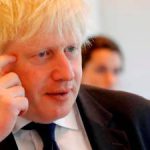
    Yet the next day, March 3, Prime Minister Boris Johnson was his cheery self. He joked that he was still shaking hands with everyone, including at a hospital treating coronavirus patients.

    “Our country remains extremely well prepared,“ Johnson said as Italy reached 79 deaths. “We already have a fantastic NHS,“ the national public health service, “fantastic testing systems and fantastic surveillance of the spread of disease.”

    Alongside him at the Downing Street press conference was Chris Whitty, the government’s chief medical adviser and himself an epidemiologist. Whitty passed on the modelling committee’s broad conclusions, including the prediction of a possible 80% infection rate and the consequent deaths. But he played them down, saying the number of people who would be infected was probably “a lot lower” and coming up with a total was “largely speculative.”

    The upbeat tone of that briefing stood in sharp contrast with the growing unease of many of the government’s scientific advisers behind the scenes. They were already convinced that Britain was on the brink of a disastrous outbreak, a Reuters investigation has found.

    Interviews with more than 20 British scientists, key officials and senior sources in Johnson’s Conservative Party, and a study of minutes of advisory committee meetings and public testimony and documents, show how these scientific advisers concluded early the virus could be devastating.

    But the interviews and documents also reveal that for more than two months, the scientists whose advice guided Downing Street did not clearly signal their worsening fears to the public or the government. Until March 12, the risk level, set by the government’s top medical advisers on the recommendation of the scientists, remained at “moderate,“ suggesting only the possibility of a wider outbreak.

    “You know, there’s a small little cadre of people in the middle, who absolutely did realise what was going on, and likely to happen,“ said John Edmunds, a professor of infectious disease modelling and a key adviser to the government, known for his work on tracking Ebola. Edmunds was among those who did call on the government to elevate the warning level earlier.

    From the outset, said Edmunds, work by scientists had shown that, with only limited interventions, the virus would trigger an “overwhelming epidemic” in which Britain’s health service was not going “to get anywhere near being able to cope with it. That was clear from the beginning.”

    But he said: “I do think there’s a bit of a worry in terms you don’t want to unnecessarily panic people.”

    Johnson, who himself has sickened with the virus, moved more slowly than the leaders of many other prosperous countries to adopt a lockdown. He has been criticised for not moving more swiftly to organise mass tests and mobilise supplies of life-saving equipment and beds. Johnson was hospitalized on April 5 and moved to intensive care the next day.

    It is too soon to judge the ultimate soundness of the UK’s early response. If history concludes that it was lacking, then the criticism levelled at the prime minister may be that, rather than ignoring the advice of his scientific advisers, he failed to question their assumptions.

    Interviews and records published so far suggest that the scientific committees that advised Johnson didn’t study, until mid-March, the option of the kind of stringent lockdown adopted early on in China, where the disease arose in December, and then followed by much of Europe and finally by Britain itself. The scientists’ reasoning: Britons, many of them assumed, simply wouldn’t accept such restrictions.

    The UK scientists were also mostly convinced – and many still are – that, once the new virus escaped China, quarantine measures would likely not succeed. Minutes of technical committees reviewed by Reuters indicate that almost no attention was paid to preparing a programme of mass testing. Other minutes and interviews show Britain was following closely a well-laid plan to fight a flu pandemic – not this deadlier disease. The scientists involved, however, deny that the flu focus ultimately made much difference.

    Now, as countries debate how to combat the virus, some experts here say, the lesson from the British experience may be that governments and scientists worldwide must increase the transparency of their planning so that their thinking and assumptions are open to challenge.

    John Ashton, a clinician and former regional director of Public Health England, the government agency overseeing healthcare, said the government’s advisers took too narrow a view and hewed to limited assumptions. They were too “narrowly drawn as scientists from a few institutions,“ he said. Their handling of COVID-19, Ashton said, shows the need for a broader approach. “In the future we need a much wider group of independent advisers.”

    Michael Cates, who succeeded Stephen Hawking as Lucasian Professor of Mathematics at Cambridge University, is leading an initiative by the Royal Society, the UK’s leading scientific body, to bring modellers in from other scientific disciplines to help understand the epidemic.

    “Without faulting anyone so far, it’s vital, where there is such a lot at stake, to throw the maximum possible light on the methods, assumptions and data built into our understanding of how this epidemic will develop,“ he told Reuters.

    In a statement to Reuters, a spokesperson for the Department of Health and Social Care said the government was delivering “a science-led action plan” to contain the outbreak. “As the public would expect, we regularly test our pandemic plans and what we learned from previous exercises has helped us to rapidly respond to COVID-19.”

    A LOW RISK TO THE PUBLIC

    When news came from China in January of a new infectious disease, Johnson had reason to believe his country was well prepared. It had some of the world’s best scientists and a well-drilled plan to deal with potentially lethal pandemics. Perhaps, some scientists say in hindsight, the plan made them slow to adapt.

    For many years, the Cabinet Office – a collection of officials who act as the prime minister’s direct arm to run the government – took the threat of pandemics seriously. Presciently, it rated pandemics as the Number 1 threat to the country, ahead of terrorism and financial crashes.

    At the centre of planning was a small group of scientists, among them Edmunds. His research group at the London School of Hygiene and Tropical Medicine runs one of the two computer modelling centres for epidemics that have mostly driven government policy. The other is at nearby Imperial College. Edmunds remembers that early in the outbreak, the data from China were sketchy, in the period “where the Chinese were trying to pretend that this wasn’t transmissible between humans.”

    Edmunds and his colleague at Imperial, Neil Ferguson, were part of an alphabet soup of committees that fed advice into the Cabinet Office machinery around the prime minister. Both were founders of the flu pandemic modelling committee, known as SPI-M, that produced the March 2 report warning of more than 500,000 deaths. This committee had met together for nearly 15 years.

    Ferguson did not respond to a request to be interviewed for this article.

    Edmunds and Ferguson were also part of NERVTAG, the New and Emerging Respiratory Virus Threats Advisory Group. Both too were members of the Scientific Advisory Group for Emergencies, known as SAGE, that advises the government in times of crisis. SAGE reports directly to Johnson and the government’s main emergency committee, COBRA.

    At first, when NERVTAG met on January 13, it studied information from China that there was “no evidence of significant human to human transmission” of the new virus, according to minutes of the meeting. The scientists agreed the risk to the UK population was “very low.”

    The evidence soon changed, but this wasn’t reflected in the official threat level. By the end of January, scientists in China began releasing clinical data. Case studies published in the British medical journal, The Lancet, showed 17% of the first 99 coronavirus cases needed critical care. Eleven patients died. Another Chinese study, in the same magazine, warned starkly of a global spread and urged: “Preparedness plans and mitigation interventions should be readied for quick deployment globally.”

    Edmunds recalled that “from about mid January onwards, it was absolutely obvious that this was serious, very serious.” Graham Medley, a professor of infectious diseases modelling at the London School and chairman of SPI-M, agreed. He said that the committee was “clear that this was going to be big from the first meeting.” At the end of January, his committee moved into “wartime” mode, he said, reporting directly into SAGE.

    Dr Jon Read, a senior lecturer in biostatistics at the University of Lancaster, also a member of SPI-M, said by the end of January it was apparent the virus had “pandemic potential” and that death rates for the elderly were brutal. “From my perspective within the sort of modelling community, everybody’s aware of this, and we’re saying that this is probably going to be pretty bad,“ he said.

    But the scientists did not articulate their fears forcefully to the government, minutes of committee meetings reveal.

    On January 21, scientists on NERVTAG endorsed the elevation of the UK risk warning from COVID-19 from “very low” to “low.” SAGE met formally for the first time the following day about the coronavirus threat. So did COBRA, which was chaired by Matt Hancock, the health secretary, who would contract the virus himself in late March. He told reporters after the meeting: “The clinical advice is that the risk to the public remains low.”

    In response to questions from Reuters, the government’s Department of Health declined to clarify how the risk levels are defined or what action, if any, they trigger. In a statement, a spokesperson said: “Increasing the risk level in the UK is a belt and braces measure which allows the government to plan for all future eventualities.”

    Two days later, China put the city of Wuhan, where the outbreak began, into a complete lockdown. Hubei, the surrounding province, would follow. But already, 17 passenger flights had flown directly from Wuhan to Britain since the start of 2020, and 614 flights from the whole of China, according to FlightRadar24, a flight-tracking service. That meant thousands of Chinese, some of them potential carriers, had come to Britain. On April 5, scientific adviser Ferguson said he estimated only one-third of infected people reaching Britain had been detected.

    As they watched China impose its lockdown, the British scientists assumed that such drastic actions would never be acceptable in a democracy like the UK. Among those modelling the outbreak, such stringent counter-measures were not, at first, examined.

    “We had milder interventions in place,“ said Edmunds, because no one thought it would be acceptable politically “to shut the country down.” He added: “We didn’t model it because it didn’t seem to be on the agenda. And Imperial (College) didn’t look at it either.” The NERVTAG committee agreed, noting in its minutes that tough measures in the short term would be pointless, as they “would only delay the UK outbreak, not prevent it.”

    That limited approach mirrored the UK’s longstanding pandemic flu strategy. The Department of Health declined a request from Reuters for a copy of its updated pandemic plan, without providing a reason. But a copy of the 2011 “UK Influenza Pandemic Preparedness Strategy 2011,“ which a spokesman said was still relevant, stated the “working presumption will be that Government will not impose any such restrictions. The emphasis will instead be on encouraging all those who have symptoms to follow the advice to stay at home and avoid spreading their illness.”

    According to one senior Conservative Party politician, who was officially briefed as the crisis unfolded, the close involvement in the response to the coronavirus of the same scientific advisers and civil servants who drew up the flu plan may have created a “cognitive bias.”

    “We had in our minds that COVID-19 was a nasty flu and needed to be treated as such,“ he said. “The implication was it was a disease that could not be stopped and that it was ultimately not that deadly.”

    While the UK was prepared to fight the flu, places in Asia like China, Hong Kong, Singapore and South Korea had built their pandemic plans with lessons learned from fighting the more lethal SARS outbreak that began in 2002, he said. SARS had a fatality rate of up to 14%. As a result, these countries, he said, were more ready to resort to widespread testing, lockdowns and other draconian measures to keep their citizens from spreading the virus.

    Scientists involved in the UK response disagree that following the government’s flu plan clouded their thinking or influenced the outbreak’s course. The plan had a “reasonable worst case” scenario as devastating as the worst predictions for COVID-19, they note.

    Mark Woolhouse, a professor of infectious diseases epidemiology at the University of Edinburgh, and a member of the SPI-M committee, said COVID-19 did behave differently than an expected pandemic flu – for example school closures proved to be far less effective in slowing the spread of the coronavirus. But, broadly, “the government has been consistently responsive to changing facts.”

    By the end of January, the government’s chief medical adviser, Whitty, was explaining to politicians in private, according to at least two people who spoke to him, that if the virus escaped China, it would in time infect the great majority of people in Britain. It could only be slowed down, not stopped. On Jan 30, the government raised the threat level to “moderate” from “low.”

    The country’s medical officers “consider it prudent for our governments to escalate planning and preparation in case of a more widespread outbreak,“ a statement said at the time. Whitty did not respond to questions from Reuters for this article.

    A TIME TO PREPARE

    On the evening of January 31, Boris Johnson sat before a fireplace in 10 Downing Street and told the nation, in a televised address: “This is the moment when the dawn breaks and the curtain goes up on a new act in our great national drama.”

    He was talking of finally delivering Brexit, or what he called “this recaptured sovereignty.” Until that moment, Johnson’s premiership had been utterly absorbed by delivering on that challenge.

    With Brexit done, Johnson had the chance to focus on other matters the following month, among them the emerging virus threat. But leaving the European Union had a consequence.

    Between February 13 and March 30, Britain missed a total of eight conference calls or meetings about the coronavirus between EU heads of state or health ministers – meetings that Britain was still entitled to join. Although Britain did later make an arrangement to attend lower-level meetings of officials, it had missed a deadline to participate in a common purchase scheme for ventilators, to which it was invited. Ventilators, vitally important to treating the direst cases of COVID-19, have fallen into short supply globally. Johnson’s spokesman blamed an administrative error.

    A Downing Street aide told Reuters that from around the end of January, Johnson concentrated his attention increasingly on the coronavirus threat, receiving “very frequent” updates at least once per day from mid February, either in person or via a daily dashboard of cases.

    In the medical and scientific world, there was growing concern about the threat of the virus to the UK. A report from Exeter University, published on February 12, warned a UK outbreak could peak within four months and, without mitigation, infect 45 million people.

    That worried Rahuldeb Sarkar, a consultant physician in respiratory medicine and critical care in the county of Kent, who foresaw that intensive care beds could be swamped. Even if disease transmission was reduced by half, he wrote in a report aimed at clinicians and actuaries in mid-February, a coronavirus outbreak in the UK would “have a chance of overwhelming the system.”

    With Whitty stating in a BBC interview on February 13 that a UK outbreak was still an “if, not a when,“ Richard Horton, a medical doctor and editor of the Lancet, said the government and public health service wasted an opportunity that month to prepare quarantine restriction measures and a programme of mass tests, and procure resources like ventilators and personal protective equipment for expanded intensive care.

    Calling the lost chance a “national scandal” in a later editorial, he would testify to parliament about a mismatch between “the urgent warning that was coming from the frontline in China” and the “somewhat pedestrian evaluation” of the threat from the scientific advice to the government.

    After developing a test for the new virus by January 10, health officials adopted a centralised approach to its deployment, initially assigning a single public laboratory in north London to perform the tests. But, according to later government statements, there was no wider plan envisaged to make use of hundreds of laboratories across the country, both public and private, that could have been recruited.

    According to emails and more than a dozen scientists interviewed by Reuters, the government issued no requests to labs for assistance with staff or testing equipment until the middle of March, when many abruptly received requests to hand over nucleic acid extraction instruments, used in testing. An executive at the Weatherall Institute of Molecular Medicine at the University of Oxford said he could have carried out up to 1,000 tests per day from February. But the call never came.

    “You would have thought that they would be bashing down the door,“ said the executive, who spoke on condition of anonymity. By April 5, Britain had carried out 195,524 tests, in contrast to at least 918,000 completed a week earlier in Germany.

    Nor was there an effective effort to expand the supply of ventilators. The Department of Health told Reuters in a statement that the government started talking to manufacturers of ventilators about procuring extra supplies in February. But it was not until March 16, after it was clear supplies could run out, that Johnson launched an appeal to industry to help ramp up production.

    Charles Bellm, managing director of Intersurgical, a global supplier of medical ventilation products based outside London, said he has been contacted by more than a dozen governments around the world, including France, New Zealand and Indonesia. But there had been no contact from the British government. “I find it somewhat surprising, I have spoken to a lot of other governments,“ he said.

    Countering such criticism, Hancock, the health minister, said the government is on track to deliver about 10,000 more ventilators in the coming weeks. One reason Britain was behind some countries on testing, he said, was the absence of a large diagnostics industry at the outbreak of the epidemic. “We didn’t have the scale.”

    GAME OVER

    It was during the school half-term holidays in February that frontline doctor Nicky Longley began to realise that early efforts to contain the disease were likely doomed.

    For weeks now, doctors and public health workers had been watching out for people with flu-like symptoms coming in from China. Longley, an infectious diseases consultant at London’s Hospital for Tropical Diseases, was part of a team that staffed a public health service helpline for those with symptoms. The plan, she said, had been to make all effort to catch every case and their contacts. And “to start with, it looked like it was working.”

    But then, bad news. First, on Wednesday the 19th of February, came the shock news from Iran of two deaths. Then, on Friday the 21st, came a death in Italy and a bloom of cases in Lombardy and Veneto regions. Britain has close links to both countries. Thousands of Britons were holidaying in Italy that week.

    “I don’t think anybody really foresaw what was happening in Italy,“ Longley said. “And I think, the minute everybody saw that, we thought: ‘This is game over now.’”

    Until then, Longley said, everyone felt “there was a chance to stamp it out” even though most were sceptical it could be done long-term. But after Iran and Italy, it was obvious containment would not work. The contact tracing continued for a while. But as the cases in London built up, and the volume of calls to the helpline mushroomed, the priority began to shift to clinical care of the serious cases. “At a certain point you have to make a decision about where you put your efforts as a workforce.”

    Edmunds noted that Iran and Italy had hardly reported a case until that point. “And then, all of sudden you had deaths recorded.” There was a rule of thumb that, in an outbreak’s early stages, for each death there were probably 1,000 cases in a community. “And so it was quite clear that there were at least thousands of cases in Italy, possibly tens of thousands of cases in Italy right then.”

    Amid the dreadful news from Italy, the scientists at NERVTAG convened by phone that Friday, 21st February. But they decided to recommend keeping the threat level at “moderate,“ where it had sat since January 30th. The minutes don’t give a detailed explanation of the decision. Edmunds, who had technical difficulties and couldn’t be heard on the call, emailed afterwards to ask the warning to be elevated to “high,“ the minutes revealed. But the warning level remained lower. It’s unclear why.

    “I just thought, are we still, we still thinking that it’s mild or something? It definitely isn’t, you know,“ said Edmunds.

    A spokesman for the government’s chief scientific adviser, Sir Patrick Vallance, didn’t directly respond to Reuters questions about the threat level. Asked whether, with hindsight, the scientists’ approach was the right one, the spokesperson said in a statement that “SAGE and advisers provide advice, while Ministers and the Government make decisions.”

    HERD IMMUNITY

    On Sunday, March 1st, Ferguson, Edmunds and other advisers spent the day with NHS public health service experts trying to work out how many hospital beds and other key resources would be needed as the outbreak exploded. By now, Italian data was showing that a tenth of all infected patients needed intensive care.

    The following day, pandemic modelling committee SPI-M produced its “consensus report” that warned the coronavirus was now transmitting freely in the UK. That Thursday, March 5, the first death in the UK was announced. Italy, which reached 827 deaths by March 11, ordered a national lockdown. Spain and France prepared to follow suit.

    Johnson held out against stringent measures, saying he was following the advice of the government’s scientists. He asserted on March 9: “We are doing everything we can to combat this outbreak, based on the very latest scientific and medical advice.”

    Indeed, the government’s Scientific Advisory Group for Emergencies, SAGE, had recommended that day, with no dissension recorded in its summary, that the UK reject a China-style lockdown. SAGE decided that “implementing a subset of measures would be ideal,“ according to a record of its conclusions. Tougher measures could create a “large second epidemic wave once the measures were lifted,“ SAGE said.

    On March 12 came a bombshell for the British public. Chris Whitty, the chief medical officer, announced Britain had moved the threat to UK citizens from “moderate” to “high.” And he said the country had moved from trying to contain the disease to trying to slow its spread. New cases were not going to be tracked at all. “It is no longer necessary for us to identify every case,“ he said. Only hospital cases would, in future, be tested for the virus. What had been an undisclosed policy was in the open: beyond a certain point, attempts to completely extinguish the virus would stop.

    The same day, putting aside his jokey self, Johnson made a speech in Downing Street, flanked by two Union Jacks and evoking the spirit of Winston Churchill’s “darkest hour” address. He warned: “I must level with you, level with the British public – more families, many more families are going to lose loved ones before their time.”

    For most Britons, it came as a shock. Several of the next day’s newspapers splashed Johnson’s words on their front pages.

    Vallance, the government’s chief scientific adviser, who chaired SAGE, said in a BBC interview on March 13 that the plan was to simply control the pace of infection. The government had, for now, rejected what he called “eye-catching measures” like stopping mass gatherings such as football games or closing schools. The “aim is to try and reduce the peak, broaden the peak, not to suppress it completely.” Most people would get the virus mildly, and this would build up “herd immunity” which, in time, would stop the disease’s progress.

    But by now, the country was rebelling. Major institutions decided to close. After players began to get infected, the professional football leagues suspended their games. As Johnson still refused to close schools and ban mass gatherings, the Daily Mirror’s banner headline, summing up a widespread feeling, asked on March 13: “Is It Enough?”

    The catalyst for a policy reversal came on March 16 with the publication of a report by Neil Ferguson’s Imperial College team. It predicted that, unconstrained, the virus could kill 510,000 people. Even the government’s “mitigation” approach could lead to 250,000 deaths and intensive care units being overwhelmed at least eight times over.

    Imperial’s prediction of over half a million deaths was no different from the report by the government’s own pandemic modelling committee two weeks earlier. Yet it helped trigger a policy turn-around, both in London and in Washington, culminating seven days later in Johnson announcing a full lockdown of Britain. The report also jarred the U.S. administration into tougher measures to slow the virus’ spread.

    Ferguson was now in isolation himself after catching the virus. Testifying by video link to a committee in Parliament, he explained why he and other scientific advisers had shifted from advocating partial social-distancing measures to warning that without a rigorous shutdown, the NHS would be overwhelmed. The reason, he said, lay in data coming out of Italy that showed large numbers of patients required critical care.

    “The revision was that, basically, estimates of the proportion of patients requiring invasive ventilation, mechanical ventilation, which is only done in a critical care unit, roughly doubled,“ he said.

    Edmunds had a different explanation for the policy shift.

    What allowed Britain to alter course, said Edmunds, was a lockdown in Italy that “opened up the policy space” coupled with new data. First came a paper by Edmunds’ own London School team that examined intermittent lockdowns, sent to the modelling committee on March 11 and validated by Edinburgh University. Ferguson’s revised Imperial research followed.

    Woolhouse, the Edinburgh professor, confirmed the sequence.

    Edmunds said these new studies together had demonstrated that if the British government imposed a lengthy period of tougher measures, perhaps relaxed periodically, then the size of the epidemic could be substantially reduced.

    Still, without a vaccine or effective treatments, it’s going to be hard to avoid a substantial part of the British population getting infected, said Edmunds. “Until you get to a vaccine, there is no way of getting out of this without certainly tens of thousands of deaths,“ he said. “And probably more than that.”

    Now subject to intense public scrutiny, the modelling teams at universities across Britain continue to work on different scenarios for how the world can escape the virus’s clutches. According to Medley, the chairman of the SPI-M pandemic modelling committee, no one now doubts, for all the initial reservations, that a lockdown was essential in Britain.

    Medley added: “At the moment we don’t know what’s going to happen in six months. All we know is that unless we stop transmission now, the health service will collapse. Yep, that’s the only thing we know for sure.” – Reuters

    UK PM listened to his scientists about Covid-19, but they were slow to sound the alarm
    Read More
    https://www.thesundaily.my/home/uk-pm-listened-to-his-scientists-about-covid-19-but-they-were-slow-to-sound-the-alarm-GE2237109

    Views: 0

  • Why African Americans are dying at higher rates from Covid-19

    Why African Americans are dying at higher rates from Covid-19

    Why African Americans are dying at higher rates from Covid-19 2

    WASHINGTON: The new coronavirus isn’t biased about who it infects – so why does data emerging from some states suggest that African Americans are bearing the brunt of the pandemic in the US?

    Experts say blacks are disproportionately impacted by underlying health conditions linked to poverty, face discrimination in medical care, and are more likely to work jobs that require them to leave their home.

    “We know that blacks are more likely to have diabetes, heart disease, lung disease,“ the nation’s top doctor, Surgeon General Jerome Adams told CBS News on Tuesday.

    These chronic illnesses, which are in turn linked to poverty and structural racism, can lead to more serious forms of the COVID-19 disease.

    Adams, who is himself black and has high blood pressure and asthma, added: “I represent that legacy of growing up poor and black in America.

    “And I, and many black Americans, are at higher risk for COVID.”

    – Emerging trend –

    There is no nationwide data available on COVID-19 cases by race, but a pattern of over-representation by black Americans has emerged in states or jurisdictions that are sharing the numbers.

    Sixty-eight percent of coronavirus deaths in Chicago have been among African Americans, who make up just 30 percent of the city’s population.

    “Those numbers take your breath away,“ the city’s mayor Lori Lightfoot said Monday at a coronavirus briefing. “This is a call to action for all of us.”

    The trend is repeated in North Carolina, Louisiana, Michigan, Wisconsin and the capital Washington.

    Doctor Georges Benjamin, executive director of the American Public Health Association, told AFP the issue was also linked to social class, with black people more likely to work jobs deemed essential that expose them to potential infection.

    “That population is more public facing,“ he said. “More bus drivers, more people taking public transportation to work, more people providing services in nursing homes, more folks working in grocery stores.”

    – Structural bias –

    The problem is compounded by implicit and explicit bias that African Americans face in the medical system.

    Doctor James Hildreth, president of the historically black Meharry Medical College in Nashville, Tennessee told AFP that in his city, most of the initial testing took place at Vanderbilt University Medical Center.

    Most of the patients who go to hospital systems like these have insurance, and it was only recently that three assessment centers run by the city of Nashville were built for the underprivileged and minority communities — one of them located at Meharry’s campus and run by its staff.

    “My point is, depending on which community you live in, and whether or not you have insurance… the chances for getting assessed are much less,“ he said.

    What’s more, it’s well documented that when black people seek care, they are less likely to have their symptoms believed or get adequately treated, Doctor Ebony Hilton, an anesthesiologist at the University of Virginia Medical Center told AFP.

    For example, black women are less likely to have their breast cancer mammograms seen by a specialist as opposed to a general radiologist, according to a 2015 Duke University study.

    Black heart patients who present with elevated levels of a group of proteins indicating cardiac injury are also less likely to be seen by specialists, per a 2018 study.

    A civil rights group wrote this week to the US health secretary, Alex Azar, calling on him to “release daily racial and ethnic demographic data related to COVID-19 testing, disease burden and patient outcomes.”

    This, said the Lawyers’ Committee for Civil Rights Under Law, was necessary to ensure a robust public health response, and to make certain care and testing aren’t being administered in a discriminatory manner.

    The group said the Centers for Disease Control and Prevention (CDC) was already collecting the information but deliberately withholding it.

    Hilton stressed that it was in the interests of Americans as a whole to address the problem, because — unlike high rates of heart disease or cancer — a wave of coronavirus spreading through the black and Hispanic population will ultimately impact everyone else.

    “When you have a system that’s not treating these people of lower social economic status and these minority groups, they are then not being tested, they’re sent back home to infect their community,“ she said.

    “Those workers who are now infected are going to the grocery store, and when the upper echelon of America are going to get their food, they will get infected too.” – AFP

    Why African Americans are dying at higher rates from Covid-19
    Read More
    https://www.thesundaily.my/world/why-african-americans-are-dying-at-higher-rates-from-covid-19-HX2231768

    Views: 0

  • WHO lists two COVID-19 tests for emergency use

    WHO has listed the first two diagnostic tests for emergency use during the Covid-19 pandemic. The move should help increase access to quality-assured, accurate tests for the disease.  It also means that the tests can now be supplied by the United
    Nations and other procurement agencies supporting the COVID-19 response.

    Both in vitro diagnostics, the tests are genesig Real-Time PCR Coronavirus (COVID-19) and cobas SARS-CoV-2 Qualitative assay for use on the cobas® 6800/8800 Systems. 

    “The emergency use listing of these products will enable countries to increase testing with quality assured diagnostics,” says Dr Mariângela Simão, WHO Assistant-Director General for Medicines and Health Products. “Facilitating
    access to accurate tests is essential for countries to address the pandemic with the best tools possible.” 

    The Emergency Use Listing procedure (EUL) was established to expedite the availability of diagnostics needed in public health emergency situations. It is intended to help procurement agencies
    and countries navigate the large presence of different devices on the market and, by assessing them, provides assurance of the products’ quality and performance.

    The genesig Real-Time PCR Coronavirus (COVID-19) (Primerdesign, United Kingdom) is an open system more suitable for laboratories with moderate sample testing capacity, while the cobas® SARS-CoV-2 for use on the cobas® 6800/8800 Systems (Roche, United States of America) is a closed system assay for larger laboratories.


    EUL listed products:

    https://www.who.int/diagnostics_laboratory/200407_eul_sars_cov2_product_list.pdf?ua=1

    Roche test:

    https://www.who.int/diagnostics_laboratory/eul_0504-046-00_cobas_sars_cov2_qualitative_assay_ifu.pdf?ua=1

    Primerdesign test:

    https://www.who.int/diagnostics_laboratory/eul_0489_185_00_path_covid19_ce_ivd_ifu_issue_2.0.pdf?ua=1

    Read More
    https://www.who.int/news-room/detail/07-04-2020-who-lists-two-covid-19-tests-for-emergency-use

    Views: 0

  • Virtual Press Conference on COVID-19- 06 April 2020

    Virtual Press Conference on COVID-19- 06 April 2020

    Originally broadcast live on 06 April 2020, the daily press briefing on coronavirus COVID-19, direct from WHO Headquarters, Geneva Switzerland with Dr Tedros WHO Director-General, Dr Micheal Ryan, Executive Director of the Health Emergencies Programme, and Dr Maria Van Kerkhove, Technical lead, WHO Health Emergencies Programme with special guests Lady Gaga and Hugh Evans, CEO and Co-founder of Global Citizen.

    Transcript:

    Speaker key:

    TJ        Tarik Jasarevic

    TAG    Dr Tedros Adhanom Ghebreyesus

    LG       Lady Gaga

    HE       Hugh Evans

    MR      Dr Michael Ryan JA  Jamie

    MK      Dr Maria Van Kerkhove KA Kai

    KT       Kate

    IN        Innocent

    YA      Yang

    00:00:19


    TJ        Good evening to everyone from Geneva and WHO headquarters. Welcome to the regular press conference on COVID-19. Journalists who are online can ask their questions by clicking  raise hand if  you are
    on Zoom.  Today we have a special guest but  I will  let Dr Tedros do his opening remarks and introduce them.  Before I give  the floor  to Dr Tedros, just to remind you, we will also be sending you some news from other
    WHO offices around the world with the audio file  from this  press briefing a little  bit  later. I give  the floor  immediately to Dr Tedros.


    00:01:07


    TAG    Good morning, good  afternoon and good  evening.  The COVID-19 pandemic continues to take a heavy toll on families, communities and nations the world over but it’s also giving rise to incredible acts of generosity,
    solidarity and co-operation. We have said consistently that we’re all in this together and we can only succeed together. We need an all- of-society approach with everyone playing their part. That includes  people  in  the entertainment
    industry.


    Today I’m very delighted to be joined by one of the biggest names in entertainment in the world, Lady Gaga, and my friend Hugh Evans, the founder and CEO of Global Citizen.

    WHO has been working with Global Citizen for several weeks on the Together At Home concert series with artists like Chris Martin and John Legend giving free online performances.

    Now we’re working with Lady Gaga and Global Citizen to take this concept and make it even bigger through the  One World  Together  At Home virtual  global  special on Saturday 18th April. It’s now my great pleasure to invite
    Lady Gaga and Hugh Evans to say more about this very special event, One World.

    00:03:10


    LG       Thank you very much, Dr Tedros. Good morning, good afternoon  and good  evening to everyone who’s listening and watching. I would  like  to thank the World  Health Organization and the
    United Nations as well as Global Citizen; thank you very much, Dr Tedros and Hugh Evans, for all of your leadership in this fight against COVID-19 and thank you very much to the World Health Organization  for asking  me to collaborate 
    with  you on this special.

    We are also very grateful to all of the healthcare professionals across the country and around the world who are on the front lines during COVID-19. This  global  pandemic  is  a catastrophe. I’m so thankful to them and I’m also
    praying for those who are sick. It’s been a pleasure to partner with Global Citizen  and we’ve been working  all together  behind  the scenes to raise money for the World Health Organization.

    I would also like to send my prayers as well to people  that are losing  their  jobs  and are having a hard time feeding themselves  and their  children.  We are raising  money  for  the World Health
    Organization’s COVID-19 Solidarity  Response  Fund and seven days ago we held a  call with more than 68 corporate leaders from some of the world’s biggest and most generous companies and I asked them to join my corporate kindness
    list as there have been many corporations and philanthropists that have been very, very generous during this time.

    00:04:38


    Since then we have also been calling on philanthropists around the world as well and tech companies included. I’d like  to reiterate our deep gratitude  to the medical  community.  My heart is very, very aching and warm for those
    who are ER doctors as well as nurses who are sleeping in cars to make sure they don’t infect their families  or  their  patients.  What you’re doing is putting  yourselves  in  harm’s way to help the world 
    and we all salute  you and you are a triumph truly.

    I am proud to say that over the past seven days we’ve raised a total of $35 million for the Solidarity Fund. This money will [inaudible]  essential PPE, supplies  and testing kits around  the world and will help improve lab capacity
    to rapidly process tests. It will also [inaudible] research development. It is so important to think globally and to support the World Health Organization to curb the pandemic and prevent future outbreaks.

    I know Dr Tedros is particularly concerned about Africa and [inaudible]. We also need to act globally by supporting local charities  and initiatives so that the front-line health  workers in most immediate need have the resources they need
    to survive during this time. It has been an honour to help with this huge broadcast event, which will take place on April 18th, where we need to tell the stories of and celebrate the front-line community, healthcare workers and their acts of kindness.

    We will be on different networks, many networks actually and I want to [inaudible] about what we’re going to be doing. What’s very important is that two things happen for all of us; that we celebrate and we highlight the singular, kind global community
    that is arising right now. Two, we want to highlight the gravity of this historically unprecedented cultural movement and, three, we want to celebrate and encourage the power of the human spirit.

    00:06:47

    I would like to, on behalf of  the World  Health Organization  and Global  Citizen,  thank Dr Tedros as well as everyone that has donated so far. We are going to continue fundraising but I would like to also let you know that
    this broadcast special is not actually a fundraiser. We all wanted to raise the money before we went on air so when we do  air  live  on  April  18th  put your wallets away, put your credit  cards away, anything 
    away that you need to and just  sit back and enjoy the show that you all very much deserve.

    I’d like to pass this now to Hugh Evans, who’s been a wonderful partner of mine. Hugh, thank you so much and thank you, Dr Tedros.

    HE       Good morning, good afternoon,  good  evening  and thank you,  Dr Tedros  and thank you, Lady Gaga. Your Excellencies,  ladies  and gentlemen;  Lady Gaga, Dr Tedros, 
    you’ve both demonstrated extraordinary leadership at an unprecedented moment when our society is being challenged like never before and we are so thankful for your leadership. I’d like to echo Lady Gaga’s sentiment and commend the incredible acts
    of bravery demonstrated by the front-line community  health  workers around the world  and I hope  that we as a shared humanity emerge from this moment forever grateful for the work of doctors, nurses, teachers, grocery store workers and all of those who are
    the backbone of our communities.

    Global health is at the very core of the global citizen mission and we must  ensure that the world’s poorest and most  marginalised  people  have  access to resources to cope with and tackle this health crisis. Through One
    World:  Together At Home on April 18th  we’ll be calling on philanthropists, corporations and governments to fund critical global COVID-19 response efforts including distribution of resources and PPE to critical front-line healthcare
    workers.

    00:09:09

    In our partnership with the WHO and United Nations Global Citizen is committed to driving action to help ensure our global health systems are strong enough to stop a future pandemic before it happens. April 18th is going to be a moment of global unity
    connecting the world through a historic global broadcast. We are bringing together the greatest artists in the world under the passionate and extremely talented curation of Lady Gaga.

    In alphabetical order some of the artists we’ll be announcing today include Alanis Morissette, Andrea Bocelli,  Billie  Eilish,  Billy  Joe Armstrong  of Green Day, Burna Boy, Chris Martin, Sir David Beckham, Eddie Vedder,
    Sir Elton John, Finneas, Idris and Sabrina Elba, J Balvin, John Legend, Kacey Musgraves, Keith Urban, Kerry Washington,  Lang Lang,  Lizzo, Maluma, Sir Paul McCartney, Priyanka Chopra Jonas, Shah Rukh Khan, Stevie Wonder and many more to be announced over the coming weeks from all corners of the globe under the passionate and extremely talented curation of Lady Gaga.

    We’re grateful to all of you for participating and supporting this critical effort. One World Together At Home will be broadcast live on Saturday April 18th 2020 at 5:00pm PDT, 8:00pm EDT and 12:00am BST, airing on ABC, NBC, Viacom and CBS networks,
    IHeartMedia, and Bell media networks and platforms in Canada. Internationally BBC1 will run the programme on Sunday April 19th and additional  international  broadcasters include BN Media Group, Multi-Choice Group and RTE in Ireland.

    00:11:43

    The digital broadcast will celebrate and support brave community  health workers who are doing life-saving work on the front line and we’ve all seen the limitations of world leaders around this world to step up and face this extraordinary challenge 
    and we want to do our best to support the essential work of the World Health Organization, driving action and raising critical funds. Thank you again, Dr Tedros, and thank you, Lady Gaga, for your leadership.

    Thank you all.

    TJ        Thank you very much to our guests for their remarks. Dr Tedros, I guess you would like to thank them too.

    TAG    Once again I would like  to thank Lady Gaga and Hugh Evans for their  partnership. We had a call last week and I was so amazed by the energy and passion of Lady Gaga. It’s incredible commitment to humanity and that’s
    when I said, I think what she has planned can happen. It’s bringing the world together to improve awareness and to mobilise  resources to fight the pandemic so I thank her for her incredible passion and commitment  and leadership and
    also to my friend, Hugh Evans, for connecting all the dots and for his leadership.

    We all look forward to joining you for the One World: Together  At Home concert on 18th April. As the pandemic continues we recognise that individuals and governments want to do everything they can to protect themselves and others and so do we.
    We understand that some countries have recommended or are considering the use of both medical  and non-medical masks in the general population to prevent the spread of COVID-19.

    00:14:21

    First and foremost medical masks must be prioritised for health workers on the front lines  of  the response. We know medical masks can help to protect health workers but they’re in short supply globally.  We’re concerned that the mass
    use of medical  masks by the general population could exacerbate the shortage of these specialised masks for the people who need them most. In some places these shortages are putting health workers in real danger.

    In healthcare facilities WHO continues to recommend the use of medical masks, respirators and other personal protective equipment for  health workers. In the community we recommend the use of medical masks by people who are sick and those who
    are caring for a sick person at home.

    WHO has been evaluating the use of medical and non-medical masks for COVID-19 more widely. Today WHO is issuing guidance and criteria to support countries in making that decision. For example countries could consider using masks in communities where other measures such as cleaning hands and physical distancing are harder to achieve because of lack of water or cramped living conditions.

    If masks are worn they must be used safely and properly. WHO has guidance on how to put on, take off and dispose of masks. What’s clear is that there is limited research in  this  area. We encourage countries that are considering the use
    of masks for the general population to study their effectiveness so we can all learn. Most importantly masks should only  ever be used as part of a comprehensive package of interventions. There is no black or white answer and no silver bullet.
    Masks alone cannot stop the pandemic. Countries must continue to find, test, isolate and treat every case and trace every contact. Mask or no mask, there are proven things all of us can do to protect ourselves and others.

    00:17:13

    Keep your distance, clean your hands, cough or sneeze into your elbow  and avoid  touching your face. Less than 100 days since WHO was notified about the new coronavirus  research has accelerated at incredible speed. The viral genome
    was mapped  in  early January and shared globally, which enabled tests to be developed and vaccine research to start. More than 70 countries have joined WHO’s Solidarity Trial to accelerate the search for an effective treatment and about
    20 institutions and companies are racing to develop a vaccine.

    WHO is committed to ensuring that as medicines and vaccines are developed they’re shared equitably with all countries  and people.  I want to thank the  Medicines  Patent Pool and Unitaid for the initiative they announced last
    Friday to include medicines and diagnostics for COVID-19 in their licensing pool.

    I also want to thank the President of Costa Rica, President Carlos Alvadaro, and the Health Minister, Daniel Salas, for their proposal to create a pool of rights to tests, medicines and vaccines with free access or licensing on reasonable and affordable
    terms for all countries. Muchas gracias, Mr President. I support this proposal and we’re working with Costa Rica to finalise the details.

    00:19:09

    Poorer countries and fragile  economies  stand to face the biggest  shock from this  pandemic and leaving anyone unprotected will  only  prolong  the health crisis  and harm economies  more.  I call
    on all countries, companies and research institutions to support open data, open science and open collaboration so that all people can enjoy the benefits of science and research.

    Finally we’re nearing the end of the Ebola outbreak in the Democratic Republic of the Congo. This is one piece of good news. If there are no more cases the Government of the Democratic Republic of Congo could declare the outbreak over  as early
    as this  Sunday.  We’re not  there yet and we remain in full response mode. We’re continuing to investigate alerts and to test samples.

    This would not have been possible without the incredible  health workers who have put themselves at risk for more than 18 months to stop this outbreak, just as health workers are putting themselves in danger to save lives from COVID-19. Health
    workers in DRC faced the 
    double threat of fighting a deadly virus in one of the world’s most dangerous and unstable regions, exposing themselves to Ebola and bullets.

    Tomorrow, as you know, is WHO’s birthday, a day we celebrate each year as World Health Day. This year we’re paying tribute to the incredible contribution of all health workers, especially nurses and midwives. Nurses and midwives are the backbone of
    every health system. They’re there from the first moments of life to the last. Tomorrow we’re publishing our first report on the state of the world’s nursing which highlights gaps and makes recommendations for all countries.

    00:22:00

    One of the lessons I hope the world learns from COVID-19 is that we must invest in health workers, not only to protect lives but also to protect livelihoods. I thank you.

    TJ        Thank you very much, Dr Tedros. Also, as always, we have Dr Mike Ryan and Dr Maria Van Kerkhove, who will be answering questions. We will  now open the floor.  I will  go to one question
    that I received by email this morning and I promised to answer; that’s Ankit Kumar from India Today. Ankit is asking; we have recently seen a spike in  cases caused through religious gatherings in India, in fact almost a third of new cases
    were linked to one gathering in India. We have also seen incidents of violence against health workers due to fear and misinformation. Is WHO concerned with these developments, what is WHO’s message to religious and community leaders and their
    followers?

    MR      First and foremost the idea of violence against health workers is driven by fear and it’s driven by misunderstanding but it’s  really  unacceptable. We ask everyone and every community to see our health workers
    as our heroes and to support them in every way we can.

    With regard to gatherings of any type, be they religious or be they for other  purposes,  there are always risks associated with such gatherings in the midst of a major epidemic. WHO has issued guidance on that. Many of these gatherings
    are now postponed or cancelled.  We’ve been working very, very closely with religious  and faith-based organisations  all  over the world including  groups  from the Islamic  tradition,  Christian 
    traditions  and others and continue to work through faith-based organisations to communicate  using  our  Epiwin platform.

    00:24:21

    We’re also continuing to develop guidance specifically  for the holy  month  of Ramadan and are working through our Eastern Mediterranean regional office to be able to advise governments and religious institutions on how best to manage
    the risks associated with such holy events.

    But it’s very important again; having COVID-19 is not anybody’s fault. Every case is a victim and every case needs to be  treated with sensitivity,  as the health workers who treat them so it’s very important that we’re not profiling COVID-19
    along  racial,  along  religious,  along ethnic lines. This is not helpful.

    TJ        Thank you very much. This was a question  from Ankit  Kumar from India  Today. Now we will go to journalists online. We will start with Jamie from Associated Press. Jamie, can you hear us?

    JA        Hi, yes. Can you hear me? TJ            Yes. Please go ahead.

    JA        Great, thank you very much. I wanted to ask you about… Over the weekend Dr Anthony Fauci mentioned that – if I understood it correctly – as much as 50% of transmission could be asymptomatic. Just aligned 
    with that, if  you could  give  us a little  bit  more  about what you’re thinking about the fact that some countries have said that this outbreak is more infectious than influenza. The CDC is saying that it’s up
    to three times more infectious than influenza so what do you have to say about that? Thanks.

    00:26:13

    MK      I’ll start and then perhaps Mike or DG would like to supplement. The modes of transmission and the way in which this virus is transmitted  are of significant  interest to all of us. What we are doing is working
    with member states, we’re working with everyone that’s affected by this, looking through the research and trying to understand  when most transmission is happening, when any transmission is happening.

    What we know from reports, what we know from published literature is that the predominant way in which transmission is occurring is amongst symptomatic individuals  and these are people that can be very early on in symptoms, even when they start
    to feel a little bit unwell. This is supported by some data that attempts to catch a virus from individuals who are symptomatic.

    We also know that it’s possible that people can transmit in the few days before they become symptomatic or in their pre-symptomatic  phase. There have been some studies  that have come out and we learned about this when we were on mission
    in China back in January or early February, that there are individuals that can shed virus one to three days before they develop symptoms.

    However it’s very important to note that even if you are pre-symptomatic or even if you don’t have any recognised symptoms you still have to transmit through  droplets,  you still  have to have these infectious particles that come out
    of your nose and your mouth. So while we know that that is possible we do not believe that it’s a major driver of transmission.

    00:27:42

    We’ve also seen modelling estimates that suggest that there’re large numbers of unrecognised transmission and I used unrecognised on purpose because I’m not saying asymptomatic. I’m saying that we may be missing people who are out there who are infected
    but we’re missing them because of current surveillance strategies. That is certainly possible in many parts of the globe.

    Whether or not those individuals are asymptomatic; we will have to wait until we see the results of serologic studies, which we hope we’ll be seeing in the coming days if not weeks.

    So what we can say is that most people are transmitting this virus while they are symptomatic.

    JA        Hi, Jamie. Just in addition because I think – I would never in any way contradict my good friend, Tony Fauci, such an eminent man. There are many different estimations of what might represent asymptomatic
    transmission or other infections in the community and we do know and everyone accepts that when the seroepidemiology studies do come online we will probably find more people who’ve been infected unknowingly; there’s no question of that.

    The thing we need to address in all of this is  very often the idea of  severity versus infection and there is a huge association  between the dose  of exposure  and the severity  of infection. We see this in many other
    infectious diseases so we also probably need to look  at who is getting sick and very sick and is the dose and the type of exposure they’re getting different to those who may be exposed and seroconverted in the community.

    00:29:26

    So it’s not just a matter of looking at how many people in the community are infected but are there specific elements  of exposure  that cause individuals  to have  a higher dose of exposure or a specific route of exposure 
    that causes more severe infection?  There is  also that concept of infectious dose when we talk about the different types of transmission. If somebody is exposed to a high dose from another individual directly or from a surface that’s
    heavily contaminated you can imagine the large dose.

    In other circumstances individual particles or virus particles potentially floating through  the air; it can be demonstrated that that may happen in certain circumstances, certainly in healthcare settings. But is that significant  in 
    terms of driving  infection,  is  that significant, does that produce an infectious dose that can successfully infect another individual?

    These are all very important things that still need to be studied. Again we’re only a number of weeks into this. I think we need to have the seroepi studies. I think  we need more information on what is the infectious  dose  and particularly 
    the relationship  between the dose  of exposure or infection and the severity of disease subsequently, which has been seen with many, many other diseases in the past including cholera, Ebola and others.

    TJ        Thank you very much, Mike and Maria. We will go now to our next question; that’s Kai Kupferschmidt. Kai, can you hear us?

    00:31:01

    KA      Yes, Tarik. Thanks a lot for taking my question. I wanted to ask about the global  push  to try and find a pre-exposure  prophylaxis  or a post-exposure  prophylaxis. I understand there’re
    several trials going on, most of them with chloroquine  or hydroxychloroquine.  I was just wondering whether you can speak a little bit to what role this could potentially play.

    Of course also there’re a lot of smaller studies going on. Is there any way to make sure that they all lead to results that can be proved in the end?

    MR      Maria can give you more detail but certainly one of the Solidarity trials – I think Solidarity 3 or 4 – we have one of the trials under design which will be a multi-centre study which will look at prophylaxis in healthcare workers to see whether there’s evidence that giving lower doses of drugs like chloroquine or hydroxychloroquine to healthcare workers would reduce their risk of becoming infected in a healthcare environment.

    Those studies are certainly underway and again there are a number of those studies underway in smaller studies around the world but again as WHO we’re trying  to bring  together  a larger set of collaborative studies that will give
    us the answers we need.

    In terms of post-exposure prophylaxis I don’t believe  we have at the moment  studies  planned but Maria can speak to that but there is certainly evidence for the use of – not proven  evidence of effectiveness but there are a number
    of studies underway and trials underway that use hyperimmune globulin  in  the treatment  of disease; in  other words  they use that purified plasma of recovered individuals to give an antibody boost to people who are
    suffering the disease.

    00:32:49

    Similar approaches have been used in post-exposure prophylaxis for other diseases but Maria may be aware of studies underway in that area.

    MK      Only to add that, as you mentioned, there are a number of smaller studies that are happening globally and across a large number of countries.  We have teams through  our science division and through GOARN,
    through the Global Outbreak Alert Network, who are pulling together  available  literature  on a number  of topics,  one  of which is  looking  at different types of therapeutics and drugs.

    The idea is until we can have a study that pulls together enough of a sample size to get these answers to these questions we’re trying  to evaluate  every piece of evidence  that is  published so that we can look at the way in
    which these studies were done, we can look at the strengths, we can look at the limitations so that can help guide us closer  towards an effective treatment for COVID-19.

    TJ        Thank you very much. The next question is from BFM Radio. Is is Kate who is with us?

    KT       Yes, hi. Good evening or good morning.  I’m from BFM Radio  Malaysia. My question is, many countries around the world have imposed lock-downs or some sort of restrictions on movement. I was wondering
    what WHO’s guidance would  be; what’s the sweet spot, the kind of data that governments need to consider before lifting or relaxing  some  of these lock- downs? Thank you very much.

    00:34:29

    MR      Thank you. It is a difficulty for governments right  now  because the lock-downs  in many situations are proving effective in dampening the flames of the epidemic  in  those countries but those
    lock-downs are also causing great economic hardship and everybody especially in the developing world needs to get to a more sustainable way of managing this epidemic and controlling COVID-19 without continuing to damage economic and social life.

    The transition strategy out  of lock-down  requires  a calibrated,  step-wise approach.  It would be probably very inadvisable just to lift a complete lock-down, all of the measures because lock-downs are a general term that
    include closure of schools, closure of  churches, stay-at- home orders, closure of workplaces. It’s a mixture of different things and I think each government needs to break out, what does our lock-down actually constitute, what are the elements
    of our lock-down, where is that happening in the country, do we now understand the epidemiology of the disease in each area in which we have an element of lock-down or shut- down.

    Then to chart the path out, you have to build strong public health capacity to take over from the lock-down. In other words the lock-down is pushing the disease down by putting people back in their homes, by separating communities. Once you raise
    the lock-down you have to have an alternative method to suppress the infection. The  way to do that is active  case finding, testing, isolation of cases, tracking of contacts, quarantining of contacts and strong community education and
    participation and ownership around normal physical distancing, hygiene and giving communities the power to control infection by in effect managing their own physical distance, managing their own capacities to support the response.

    00:36:32

    In that situation, if you’ve strong public health capacity, if you’ve got a community that’s mobilised and empowered and if you’ve strengthened your health system then you’re potentially in a position to start unlocking or unwinding the lock-down.
    The specific parameters you need to be looking at are on two sides.

    One is, it would be very inadvisable to lock down [sic] if the number  of cases coming  through the hospital is already at a level where your  occupancy of  beds is  nearly at 100%.  You need to be in a position where
    you now have free beds in your system so that you’re managing and coping with the caseload and that means you have some absorption capacity left.

    You need to look at things like the doubling  rate; how  many days does it  take for the  number of cases to double? You need to look at positivity rates; what proportion of all samples that we test are positive? You’ll see in
    somewhere like Korea two to 6% of the samples  they test are positive. Last week in New York 37% of tested samples were positive so you need to carefully look at what proportion of people you test are positive.

    00:37:45

    You need to look at the number of contacts that are generated per case and it goes on and on and WHO will be issuing guidance to countries that is a much more specific around the parameters they should be looking at. There are no absolutes here, there
    are no answers, there are no numbers that say if this number is this then you do that. That doesn’t exist but what we can do is offer countries very specific  measurements  that they need to look  at to chart the path out of lock-down.

    That step-wise approach of unlocking somewhat and then waiting to see; I think you need to say, we will stop doing this element of the shut-down  and then we will  wait and we will  look at the data and if that works we go to the next
    stage and the next stage. So a careful, calibrated, step-wise exit from lock-down with putting in place public health capacities, putting in place community capacity, building the capacity of the health system to cope should the disease bounce back up; that’s the safe path out of lock-down.

    We want to achieve it as quickly as possible and we want to avoid many countries going  into that circumstance and we still have many countries around the world who are not in a locked- down situation. In fact their epidemiology would suggest
    they can avoid the worst of this and we need to support them to avoid them going into that situation.

    The most damaging lock-downs are in many developing countries  where people  – as the  DG has said many times – can live from hand to mouth, not from pay cheque to pay cheque but from day to day and we have to find adaptive solutions
    around lock-down and around disease control in vulnerable periurban populations living in poverty,  in  poor  rural communities.  We have to find alternative, adapted ways to manage lock-downs or slow-downs or shut-downs in
    those situations.

    00:39:41

    TJ        Thank you very much. This was Kate from BFM Radio in Malaysia. Now we will  go to Nigeria to Natural Star and it’s Innocent. Innocent, can you hear us?

    IN        Thank you. Can you hear me?

    TJ        Not very well but we will try. Please go ahead.

    IN        Okay, thank you for taking my questions. I have two questions to ask. One; how will WHO assess African countries on what they’ve done concerning the lock-down and management of COVID-19?

    Then the second one; there’s news going around that vaccines are to be tested on Africans when they’re developed. How true is that and is there a window that’s in the nearer future when a vaccine will be developed for COVID-19? Thank you.

    Hello?

    TJ        Yes, we are just trying to make sure that we understood the question but we will try. MR     I think this is Nigeria. Is it?

    TJ        Yes.

    00:41:08

    MR      Maria may answer the question around vaccine development. With regard to our general assessment on lock-down – and the Director-General may wish to comment on this because he’s been speaking with many leaders in Africa
    and, I believe, spoke with  the whole of the African Union leadership and countries late last week so therefore is in a much better position than me to speak about that.

    We would characterise so far, Africa’s actually doing well in this response thus far. Countries have essential capacities for testing, many countries are taking strong action and want to really focus on finding cases and doing contact tracing and trying to stop this disease becoming much more extensive given the fact that health systems are not as strong in many countries. 

    They need support in that though, they need support in testing, they need support with protective gear and they need to be given the resources to be able to mount those types of responses so I would characterise that Africa has not suffered the worst
    of this pandemic so far. The worst of it can be avoided with very, very swift action to support those countries in Africa who really do want to take a comprehensive approach to this disease.

    With the many vulnerable  people  including  refugees and migrants  who live  in  those countries it is our responsibility to provide that support but, DG, you may wish to speak about your interactions with the African
    Union countries.

    00:42:46

    MK      I’ll answer the question  around vaccines. What we can say is  that there are a number of vaccines that are in development and vaccines will be tested through clinical trials with all ethical considerations
    in place in whichever  populations  are under  study  with informed consent, with open and transparent communication. This is of the utmost importance, that not only do we have strong, robust  scientific  evidence 
    but  we ensure that all  of the studies  that are done are done with appropriate and the highest level of ethical considerations.

    One thing on the first question around Africa is that there are a number of countries in Africa right now which have very few cases and Mike has alluded to this in his earlier response.

    Some only have imported cases and there is an opportunity here, this  window  of opportunity that the DG has spoken about exists  in  many countries  still.  There is  an opportunity to prevent the worst from happening
    in a number of countries across Africa and across countries that are still seeing their first case; in some island countries.

    We need to support those governments, those countries, all of the people in those areas to prevent the worst from happening, to prevent these individual cases from becoming clusters, these clusters from becoming community transmission. I think that’s
    where we need to put  a lot of emphasis and support so that we can prevent countries  from reaching a point  where they need to put in these very restrictive movement restrictions.

    TAG    Thank you. Thank you for that question, my brother from Nigeria. On the situation, as Mike said, of course when you see the number of cases the African continent has the lowest number of cases so far but that doesn’t mean that
    the situation will not deteriorate. It may.

    00:45:06

    So Africa should do everything to prevent this situation from getting worse and that’s why African leaders are doing their best. I had a chance to participate in a meeting, a Leaders’ Coalition which was arranged or invited by the current Chairperson
    of the African Union, the President of South Africa, President Ramaphoza and many leaders from all corners of the continent have actually participated.

    The main agenda is to have a continental strategy and also make sure that that continental strategy helps the national strategy but in addition to a coalition of political leaders or the heads of state and government they have also agreed to have a coalition of business leaders. Business leaders in Africa are also getting together because Africa will need resources and one of the major problems that was identified during the discussion
    was especially shortage of equipment starting from medical equipment, PPE and test kits and so on.

    The leaders have agreed to look for concrete solutions to address the problem and they also believe that considering the number of cases we have in the continent testing cases, tracing contacts and isolating them, meaning using the comprehensive approach,
    will actually  help. They believe that lock-downs alone may not help or the physical distancing alone cannot help and they have agreed to do everything to follow the comprehensive approach.

    From WHO’s side we have been supporting and we increased, improved  the testing capacity in Africa significantly in the past two months and many countries in Africa have now testing capability although we may have a shortage of test kits but 
    we’re working  on that too and we’re finding different ways of addressing the gap.

    00:48:06

    But we will support the African Union, we will support the Africa CDC and also we will continue working through our WHO regional office in Congo Brazzaville and continue to support and fight the pandemic together.

    Then on the vaccines issue there was, I think, a comment last week from a couple of

    scientists who said the testing ground for the new vaccines will be Africa. To be honest,  I was so appalled and it was a time when I said, when we needed solidarity these kind of racist remarks actually would not help, it goes against the solidarity.

    Africa cannot and will not be a testing ground for any vaccine. We will follow all the rules to test any vaccine or therapeutics all over the world using exactly the same rules. Whether it’s

    in Europe, Africa or wherever we will use the same protocol and if there is a need to be tested elsewhere to treat human beings the same way, equally.

    The hangover from a colonial mentality has to stop — and WHO will  not  allow  this  to happen. It was a disgrace actually  and appalling  to hear during the 21st century from scientists that kind of remark and we condemn
    this in  the strongest  terms possible  but  we assure you  that this will not happen in Africa and will not happen elsewhere, in any country. Proper protocols will be followed and human beings will be treated as human
    beings because we’re all human beings.

    00:50:37

    Then after saying this the vaccine development; we’re addressing two issues and we will be announcing as soon as possible, hopefully during this week, a big initiative to accelerate the research and development and production of vaccines and also
    design mechanisms for equitable distribution of the vaccines.

    While we’re looking for vaccines, unless we break the barriers to equitable distribution of the products, whether it’s vaccines or therapeutics, we will have a problem, so we need to address the problem ahead of time, we need to address the problem
    of access or challenges to access ahead of time.

    That’s why we will put together a mechanism and we will appoint senior people from the North and South that will work out the details on how they can accelerate production but at the same time how they can ensure equitable distribution. Solidarity
    is very important here. When a vaccine or a medicine is ready we have to be able to deliver it all over the world.

    There should not be a divide between the haves and the have-nots.

    If we say solidarity, solidarity should be in its full form and I hope each and every individual, each and every human being will go for that kind of solidarity. I thank you.

    TJ        Thank you, Dr Tedros. We’ll take a couple more questions. We go to Yang from Xinhua news agency. Yang, can you hear us?

    00:52:58

    YA      Can I hear you?

    TJ        Yes, we can hear you. Please go ahead.

    YA      As World Health Day is approaching  what do you  have to say to the  front-line medical workers in China and around the world in  the global  anti-virus  efforts? This  question is
    for Dr Tedros. Thank you.

    TJ        If we understood well, the question is what is the message to health workers in China and around the world. Maybe you can repeat the question one more time, please.

    YA      Okay. As World Health Day is approaching what would you say and what message do you want to deliver to the front-line medical workers in China  and around the world  in  the global anti-virus effort?

    TAG    I think I have said it earlier;  as you  know,  this  is  the year of  the nurse and the midwife, 2020. We were ready to celebrate it in a big way and it was supposed to be the main event in our
    Assembly in mid-May. Unfortunately we’re in this situation but  we will  be launching a report tomorrow which is the first of its kind.  It’s a report on the  state of nursing. We will launch it tomorrow during the World Health
    Day.

    00:55:01

    But while launching that report, although it’s about nursing, we will celebrate all health workers, midwives, pharmacists, doctors, you name it. I think the world is now seeing the importance and the central role that health workers play. People,
    when they’re asked, of course, to choose they would say health first because it’s only when you’re healthy that you can aspire to anything, whether it’s wealth or fame or anything. It doesn’t matter if you’re not healthy.

    If you’re not healthy the first thing you ask for is to get back your health and our health workers are making sure that happens and they’re central and very important for any individual. So not only during COVID but during other times too health
    professionals are very important because they are safeguarding that very important aspect of life — that’s health.

    So we have to celebrate them every day. Of course during COVID we can see to what extent they’re sacrificing. We have lost many of them. They’re dying while  saving lives  so my message first is to the public at large; that each and every individual 
    should  recognise, whether it’s during normal times or pandemics like now, the role of health  professionals  and help them, protect them, really appreciate and respect what they are doing.

    To the health workers, although especially during this COVID pandemic you’re working in a difficult situation you should know that your work is the most blessed one, your work is something  special to the extent of losing  your  life 
    while  helping  others to live.  We respect you and appreciate you for that and we also believe in you and that you will do everything to control this pandemic.

    00:58:11

    But you should know that you have – and the world understands – the most important job. We can see the humility which is coming from some leaders because of this pandemic. I know they’re seeing, starting from their own lives, the whole world through 
    a different  prism  and they will also see your role.

    But the most important is not the recognition from the public or from leaders but the internal commitment and passion you have and believing that you’re doing the most blessed thing  and you have all our respect and appreciation and we believe in 
    you,  that together  we will  finish this pandemic. All the respect and appreciation we have to you, the greatest respect and appreciation ever. Thank you.

    TJ        Thank you very much, Dr Tedros. I think this important message will be heard from everyone and we will  conclude  this  press briefing with these important  words from Dr Tedros. We will
    have an audio file available in the minutes to come and we invite you for our next briefing on Wednesday. Thank you.

    TAG    [Inaudible] and see you on Wednesday – tomorrow actually for the launch. Yes, see you tomorrow.

    01:00:18

    Virtual Press Conference on COVID-19- 06 April 2020
    Read More
    https://www.who.int/news-room/detail/06-04-2020-virtual-press-conference-on-covid-19–06-april-2020

    Views: 0

  • WHO and Global Citizen announce: ‘One World: Together at home’ Global Special to support healthcare workers in the fight against the COVID-19 pandemic

    WHO and Global Citizen announce: ‘One World: Together at home’ Global Special to support healthcare workers in the fight against the COVID-19 pandemic


    ‘One World: Together At Home’ global special to air on Saturday, 18 April 2020 in celebration and support of healthcare workers, broadcast to feature real experiences from doctors, nurses and families around the world.

    Powered by commitments from supporters and corporate partners in benefit of the COVID-19 Solidarity Response Fund, Broadcast special to also benefit local and regional charities that provide food, shelter and healthcare to those that need help most.

    Historic broadcast to be hosted by Jimmy Fallon of ‘The Tonight Show,’  Jimmy Kimmel of ‘Jimmy Kimmel Live’ and Stephen Colbert of ‘The Late Show with Stephen Colbert,’ Friends from Sesame Street Also on hand to help unify and inspire people around the world to take meaningful actions that increase support for the global COVID-19 response.

    Curated in collaboration with Lady Gaga, broadcast to include Alanis Morissette, Andrea Bocelli, Billie Eilish, Billie Joe Armstrong of Green Day, Burna Boy, Chris Martin, David Beckham, Eddie Vedder, Elton John, FINNEAS, Idris and Sabrina Elba, J Balvin, John Legend, Kacey Musgraves, Keith Urban, Kerry Washington, Lang Lang, Lizzo, Maluma, Paul McCartney, Priyanka Chopra Jonas,  Shah Rukh Khan and Stevie Wonder.

    ——————————————

    Geneva/New York – International advocacy organization Global Citizen and the World Health Organization today
    announced the One World: Together At Home — a globally televised and streamed special in support of the fight against the COVID-19 pandemic. One World: Together At Home will be broadcast live on Saturday, 18 April 2020 at 5:00
    p.m. PDT/8:00 p.m. EDT/12:00 a.m. GMT airing on ABC, NBC, ViacomCBS Networks, iHeartMedia and Bell Media networks and platforms in Canada. Internationally, BBC One will run the program on Sunday 19 April 2020. Additional
    international broadcasters include beIN Media Group, MultiChoice Group and RTE. The virtual broadcast will show unity among all people who are affected by COVID-19 and will also celebrate and support brave healthcare
    workers doing life-saving work on the front lines.

    Hugh Evans, Co-Founder and CEO of Global Citizen, said “As we honor and support the heroic efforts of community health workers, ‘One World: Together At Home’ aims to serve as a source of unity and encouragement in the global fight
    to end COVID-19. Through music, entertainment and impact, the global live-cast will celebrate those who risk their own health to safeguard everyone else’s.”

    One World: Together At Home will also be a multi-hour digital broadcast streaming online on multiple global platforms, including: Alibaba, Amazon Prime Video, Apple, Facebook, Instagram, LiveXLive, Tencent, Tencent Music Entertainment Group, TIDAL, TuneIn, Twitch, Twitter, Yahoo and
    YouTube. This digital special will include additional artists and performances from all over the globe as well as unique stories from the world’s healthcare heroes. For information about how to tune in and take action, visit 
    www.globalcitizen.org/togetherathome.

    “The World Health Organization is committed to defeating the coronavirus pandemic with science and public health measures, and supporting the health workers who are on the frontlines of the response,” said Dr Tedros Adhanom Ghebreyesus,
    Director-General of WHO. “We may have to be apart physically for a while, but we can still come together virtually to enjoy great music. The ‘One World: Together At Home’ concert represents a powerful show of solidarity against
    a common threat.”

    “The United Nations system is fully mobilized: supporting country responses, placing our supply chains at the world’s disposal and advocating for a global cease-fire. We are proud to join forces with ‘One World: Together At Home’
    to help suppress the transmission of the virus, minimize social-economic impacts on the global community and work together now to advance Global Goals for the future,” said António Guterres, Secretary-General of the United Nations.
    “There is no greater case for collective action than our joint response to COVID-19 – we are in this together and we will get through this together.”

    Last month in response to the global pandemic, Global Citizen launched an urgent campaign in support of the COVID-19 Solidarity Response Fund for WHO, powered by the UN Foundation. Calling on individuals to take action,
    and asking world leaders and corporations to support the response with sufficient resources, Global Citizens from over 130 countries around the world have taken tens of thousands of actions in support of the response fund.

    At this critical moment in history, Global Citizen is also calling on philanthropists to join and support immediate COVID-19 response efforts as part of the organization’s Give While You Live effort. Investors, changemakers and foundation
    leaders are being urged to actualize their giving and invest quickly in related efforts like stronger health systems and vaccine development.

    Over the past three weeks, the Together At Home series has featured performances from artists including,
    Chris Martin, John Legend, Charlie Puth, Common, Shawn Mendes, Camila Cabello, Ryan Tedder of OneRepublic, Niall Horan, Steve Aoki, Jennifer Hudson, Miguel, H.E.R., Anthony Hamilton, Rufus Wainwright, Hozier and Julianne Hough, among others in
    support of WHO and Global Citizen’s campaign.

    Commitments from supporters and corporate partners will go to the COVID-19 Solidarity Response Fund for WHO to support and equip frontline healthcare workers around the world, with masks, gowns and other vital equipment, and to local charities that provide food, shelter, and healthcare to those that need it most. These local groups have been verified
    to ensure that they are helping communities impacted by COVID-19.

    For more information about Global Citizen and the campaign to support the WHO’s Solidarity Response Fund, please visit globalcitizen.org and
    follow @GlblCtzn Twitter, Facebook and Instagram using #GlobalCitizen. 

    To learn more about WHO’s response to the pandemic and the COVID-19 Solidarity Response Fund, please go to www.who.int/COVID-19 and follow @WHO on Twitter, Facebook, Instagram,
    LinkedIn and TikTok.


    ###

    About Global Citizen:

    Global Citizen is the world’s largest movement of action takers and impact makers dedicated to ending extreme poverty by 2030. With over 10 million monthly advocates, our voices have the power to drive lasting change around sustainability, equality,
    and humanity. We post, tweet, message, vote, sign, and call to inspire those who can make things happen to act — government leaders, businesses, philanthropists, artists, and citizens — together improving lives. By downloading our
    app, Global Citizens learn about the systemic causes of extreme poverty, take action on those issues, and earn rewards, which can be redeemed for tickets to concerts, events, and experiences all over the world. To date, the actions of our community,
    along with high-level advocacy efforts and work with partners, has resulted in commitments and policy announcements from leaders valued at over $48 billion, affecting the lives of more than 2.25 billion people by 2030. For more information, visit
    www.GlobalCitizen.org.


    About the World Health Organization:

    The World Health Organization (WHO) is the United Nations’ specialized agency for health. It is an inter-governmental organization and works in collaboration with its Member States usually through the Ministries of Health. The World Health Organization
    is responsible for providing leadership on global health matters, shaping the health research agenda, setting norms and standards, articulating evidence-based policy options, providing technical support to countries and monitoring and assessing
    health trends. Learn more at www.who.int.


    About the United Nations Foundation:

    The UN Foundation brings together the ideas, people, and resources the United Nations needs to drive global progress and tackle urgent problems. To support the work of the World Health Organization (WHO) in its global work on COVID-19, UN Foundation
    helped launch the COVID-19 Solidarity Response Fund that has raised more than $100 million in less than two weeks for lifesaving work around the world.  Learn more about the COVID-19 Solidarity Response Fund at www.covid19responsefund.org. Learn more about the UN Foundation at www.unfoundation.org.
    Follow @unfoundation on Twitter and Instagram, and @United Nations Foundation on Facebook.

    —————-

    Note to Editors:

    Resources donated to the COVID-19 Solidarity Response Fund will be spent in alignment with the WHO Strategic Preparedness and Response Plan and support the work of multiple organizations. These include WHO, for tracking the virus spread, equipping
    health workers, making lab and testing tools available, and providing communities and frontline responders with the latest guidance; enabling UNICEF to equip children and families globally with evidence-based guidance to protect them from COVID-19,
    providing water, sanitation and hygiene, and basic infection prevention and control measures to vulnerable countries, and caring for vulnerable families and children; and to CEPI, the Coalition for Epidemic Preparedness Innovations, a key partner
    leading the financing for research and development for novel vaccines to combat COVID-19.


    WHO and Global Citizen announce: 'One World: Together at home' Global Special to support healthcare workers in the fight against the COVID-19 pandemic
    Read More
    https://www.who.int/news-room/detail/06-04-2020-who-and-global-citizen-announce-one-world-together-at-home-global-special-to-support-healthcare-workers-in-the-fight-against-the-covid-19-pandemic

    Views: 0