Tag: Suppliers

  • Medical Product Alert N°5/2020 – 7 May 2020

    Medical Product Alert N°5/2020 – 7 May 2020

    Falsified and contaminated Defibrotide identified in WHO regions of Western Pacific, Europe and Eastern Mediterranean

    This alert relates to falsified DEFIBROTIDE 200MG VIALS OF 2.5ML (80MG/ML) CONCENTRATE FOR SOLUTION FOR INFUSION identified in Australia, Latvia and Saudi Arabia. This product is sold under the brand name Defitelio.

    On 13 March 2020, the WHO Global Surveillance and Monitoring System on Substandard and Falsified (SF) Medical Products was informed that falsified DEFIBROTIDE 200MG vials were identified at patient level in Australia, displaying batch number 0286 (see Table 1 below for full details).

    Following enquiries with stakeholders, on 8 April 2020, WHO was informed that falsified DEFIBROTIDE 200MG vials had also been supplied to Saudi Arabia, displaying batch number 0286 and 0126 (see Table 1 below for full details).

    Following enquiries with stakeholders, on 9 April 2020, WHO was informed that falsified DEFIBROTIDE 200MG vials, displaying batch number 0126, had also been identified in Australia and Latvia.

    DEFIBROTIDE is used to treat hepatic veno-occlusive disease, in which the blood vessels in the liver become damaged and obstructed by blood clots. This can be caused by treatments prior to a stem cell transplantation.

    Laboratory analyses, conducted by national medicines regulatory authorities and the manufacturer of the genuine product, established that these falsified products do not contain any of the expected active ingredient. The solution in the vials is also contaminated with mould (Cladosporium sp. and Aspergillus niger).

    Information available to WHO indicates that both batches of falsified DEFIBROTIDE 200MG vials were present within the regulated supply chain in Latvia as early as January 2020 and were also handled by medicine wholesalers in the United Kingdom in February 2020. It is important to note that widespread vigilance is required from all countries, regardless of where the product was originally identified.

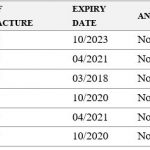
    Table 1: falsified defibrotide subject of WHO Alert n°5/2020, identified in Australia, Latvia and Saudi Arabia

    Medical Product Alert N°5/2020 - 7 May 2020 1

    The two products listed in Table 1 are confirmed falsified, on the basis that there is deliberate misrepresentation of their identity, composition and source.

    The genuine manufacturer of Defibrotide, GENTIUM S.R.L has also confirmed to WHO that:

    • They did not manufacture the above products.
    • Authentic DEFIBROTIDE 200MG VIALS with batch number 0286 were supplied to Argentina, Hong Kong, Malaysia, Singapore and Turkey.
    • Authentic DEFIBROTIDE 200MG VIALS with batch number 0126 were supplied to Australia, Jordan, Kuwait, Lebanon, New Zealand, Qatar, Singapore, Turkey and the United Arab Emirates. 

      For guidance and photographs, please refer to page 2 of this Alert n°5/2020.

    Photos of Falsified DEFIBROTIDE Batch number: 0286, with expiry date: 09/2021

    Medical Product Alert N°5/2020 - 7 May 2020 2         Medical Product Alert N°5/2020 - 7 May 2020 3
    Sample from Latvia       Sample from Latvia

    Photos of Falsified DEFIBROTIDE Batch number: 0126, with expiry date: 08/2021

    Medical Product Alert N°5/2020 - 7 May 2020 4           Medical Product Alert N°5/2020 - 7 May 2020 5
    Sample from Australia       Sample from Australia

    WHO requests increased vigilance within the supply chains of countries likely to be affected by these falsified products. Increased vigilance should include hospitals, clinics, health centres, wholesalers, distributors, pharmacies and any other suppliers of medical products.

    If you are in possession of the above products, please do not use them. If you have used these falsified products, or if you suffer an adverse reaction/event having used these products, you are advised to seek immediate medical advice from a qualified healthcare professional, and to report the incident to the National Regulatory Authorities/National Pharmacovigilance Centre.

    All medical products must be obtained from licensed, authorized and reliable sources. Their authenticity and condition should be carefully checked. Seek advice from a healthcare professional in case of doubt.

    National regulatory/health authorities are advised to immediately notify WHO if these falsified products are identified in their country(ies). If you have any information concerning the manufacture, distribution, or supply of these products, please contact rapidalert@who.int.

    WHO Global Surveillance and Monitoring System for Substandard and Falsified Medical Products

    For further information, please visit our website: https://www.who.int/medicines/regulation/ssffc/en/ 

    Medical Product Alert N°5/2020 - 7 May 2020
    Read More
    https://www.who.int/news-room/detail/07-05-2020-medical-product-alert-n-5-2020

    Views: 0

  • Accelerating Sales & Marketing with Web Collaboration

    Thanks to the expanding global workforce, heightened competition and the continued need to cut costs and drive productivity, companies today are facing myriad new challenges. Because sales and marketing are key to maximizing growth, productivity and profits, those organizations are facing mounting pressure to create efficient, customercentric processes that provide increased reach and revenue while keeping costs under
    control ? all as markets become more competitive and brands less distinguishable. To compete, companies must equip their sales and marketing teams with technology that can dramatically enhance productivity and drive innovation by improving the way they interact with customers, partners, suppliers and other employees. Web collaboration is increasingly becoming an indispensable tool in accelerating sales and marketing processes while simultaneously reducing costs.

    Read More
    http://www.associationofmarketing.org/whitepapers/view.php?whitepaper_id=67

    Views: 0

  • Medical Product Alert N°4/2020

    Medical Product Alert N°4/2020

    This Medical Product Alert relates to a number of confirmed falsified chloroquine products circulating in the WHO region of Africa. Please note that this Medical Product Alert n°4/2020 will be updated as new reports of falsified chloroquine are received and validated by WHO.

    Between 31 March and 2 April 2020, the WHO global surveillance and monitoring system on substandard and falsified (SF) medical products received nine reports of confirmed falsified chloroquine products from three countries. All reported products were identified at patient level and all have been confirmed as falsified.

    This WHO medical product alert N°4/2020 refers to nine different falsified chloroquine products, with different presentations (see Table 1). It is important to note that widespread vigilance is required from all countries, regardless of where the product was originally identified.

    Table 1: List of identified falsified chloroquine products, subject of WHO Alert N°4/2020
    table1

    All the products listed in Table 1 are confirmed as falsified, on the basis that they deliberately/fraudulently misrepresent their identity, composition or source. Indeed, it can be noted that:

    • either: the products do not contain the correct amount of the active pharmaceutical ingredient, based on the results of preliminary or full compendial analysis;
    • and/or: the products were not produced by the manufacturer whose name is stated on the product labels, and the variable data (batch number and dates) of the above products do not correspond to genuine manufacturing records;
    • and/or: the manufacturer whose name is stated on the product labels does not exist.

    Chloroquine phosphate or sulfate is referenced on the WHO Model List of Essential Medicines for the treatment of Plasmodium vivax infection (malaria). Large clinical trials are under way to generate the robust data needed to establish the efficacy and safety of chloroquine and hydroxychloroquine in the treatment of COVID-19. These medicines are currently authorized for malaria and certain autoimmune diseases and it is important that patients do not face shortages caused by stockpiling or use outside the authorized indications. 
    Both chloroquine and  hydroxychloroquine can have serious side effects, especially at high doses or when combined with other medicines.

    The SOLIDARITY trial, led by WHO, is reviewing potential treatments for COVID-19. Please refer to  WHO medical product alert n°3/2020 for general information on falsified medical products in relation to the management 
    of COVID-19.

    For photographs of products listed in Table 1, please refer to the WHO Medical Product Alert website, and 
    to the annex of this medical product alert n°4/2020 (see pages 3-7).

    WHO requests increased vigilance within the supply chains of countries likely to be affected by these falsified products. Increased vigilance should include hospitals, clinics, health centres, wholesalers, distributors, pharmacies and any other suppliers of medical products.

    If you are in possession of the above products, please do not use. If you have used these falsified products, or if you suffer an adverse reaction/event having used these products, you are advised to seek immediate medical advice from a qualified healthcare professional, and to report the incident to the National Regulatory Authorities/National Pharmacovigilance Centre.

    All medical products must be obtained from licensed, authentic and reliable sources. Their authenticity and condition should be carefully checked. Seek advice from a healthcare professional in case of doubt.

    National regulatory/health authorities are advised to immediately notify WHO if these falsified products are discovered in their country. If you have any information concerning the manufacture, distribution, or supply of these products, please contact: rapidalert@who.int. 

    WHO Global Surveillance and Monitoring System for Substandard and Falsified Medical Products
    For more information, please visit: www.who.int/medicines/regulation/ssffc/en/ 

    Annex: Photographs of falsified chloroquine products circulating in the WHO region of Africa, Medical Product Alert N°4/2020

    CAMEROON

    Photographs of confirmed falsified Chloroquine Phosphate (100mg)
    ChloroquinePhosphate250mgCameroon-1

    Photographs of confirmed falsified Chloroquine Phosphate (250mg)
    ChloroquinePhosphate250mgCameroon-2

    Photographs of confirmed falsified Chloroquine Phosphate 250mg
    ChloroquinePhosphate250mg-Cameroon 3

    DEMOCRATIC REPUBLIC OF CONGO

    Photographs of confirmed falsified CLOROQUINE 250MG
    ChloroquinePhosphate250mgDRC1

    Photographs of confirmed falsified Chloroquine Phosphate 250mg
    ChloroquinePhosphate250mgDRC2

    NIGER

    Photographs of confirmed falsified Samquine 100 (100mg)

    Samquine100-100mgNiger 1

    Photographs of confirmed falsified Chloroquine phosphate tablets B.P 100mg

    Chloroquine-phosphate-tabletsB.P100mgNiger2

    Photographs of confirmed falsified Niruquine (100mg)
    Niruquine00mgNiger3


    Medical Product Alert N°4/2020
    Read More
    https://www.who.int/news-room/detail/09-04-2020-medical-product-alert-n4-2020

    Views: 0

  • Medical Product Alert N°3/2020

    This Medical Product Alert warns consumers, healthcare professionals, and health authorities against a growing number of falsified medical products that claim to prevent, detect, treat or cure COVID-19. 

    The Coronavirus disease (COVID-19) pandemic (caused by the virus SARS-CoV-2) has increased demand for medicines, vaccines, diagnostics and reagents, all related to COVID-19, creating an opportunity for ill-intended persons to distribute falsified medical products 

    Due diligence is required from all actors in the procurement, use and administration of medical products, in particular those affected by the current crisis of, or related to, COVID-19. 

    1. FALSIFIED IN VITRO DIAGNOSTICS AND LABORATORY REAGENTS 

    WHO has received multiple reports regarding falsified in vitro diagnostics (IVDs) and laboratory reagents for the detection of SARS-CoV-2. Please refer to WHO’s Emergency Use Listing for a list of diagnostics approved for clinical use by WHO. To date, eight countries (Australia, Brazil, Canada, PR China, Russian Federation, Singapore, Republic of Korea, United States of America) have listed IVDs for COVID-19 diagnosis based on expedited regulatory assessments. Please note that, in the European Union, regulatory compliance for SARS-CoV-2 diagnostics are self-declared by the manufacturer.  

    To assist Member States and stakeholders, WHO has published the links to these emergency lists, together with contact details. These links provide information on IVDs authorized for use in the jurisdictions of the International Medical Device Regulators Forum, as well as policies and guidance. WHO will provide updated versions as new information becomes available.

    End-users are encouraged to check the labelling against the information posted by regulatory authorities upon listing to ensure they are in possession of the genuine product. This information might include product name, product code, expiry date, instructions for use and manufacturer details. 

    Unregulated websites supplying medicines and/or vaccines, particularly those concealing their physical address or landline telephone number, are frequently the source of unlicensed, substandard and falsified medical products. WHO has been made aware of various unregistered websites claiming that products on sale can treat or prevent COVID-19. Such products are likely to be falsified medicines. In addition, some websites may appear to provide easy access to legitimate medicines that are otherwise not readily available. End-buyers and consumers should be especially wary of such online scams and exert due diligence when purchasing any medical product, whether online or not.

     2. FALSIFIED MEDICINES AND VACCINES

    At this stage, WHO does not recommend any medicines to treat or cure COVID-19. However, the SOLIDARITY trial, led by WHO, is reviewing potential treatments for COVID-19. 

    WHO requests increased vigilance from national health authorities, healthcare professionals, members of the public and supply chain stakeholders worldwide to prevent the distribution of these falsified medical products. Increased vigilance should focus on hospitals, clinics, health centres, clinical laboratories, wholesalers, distributors, pharmacies and any other suppliers of medical products. All medical products must be obtained from authentic and reliable sources. Their authenticity and condition of the product should be carefully checked. Consumers are advised to seek advice from a healthcare professional in case of doubt. 

    National health authorities are requested to immediately notify WHO if these falsified products are discovered in their country. If you have any information concerning the manufacture, distribution, or supply of these products, please contact rapidalert@who.int

    WHO Global Surveillance and Monitoring System for Substandard and Falsified Medical Products
    For further information, please visit our website: https://www.who.int/medicines/regulation/ssffc/en/ 

    Read More
    https://www.who.int/news-room/detail/31-03-2020-medical-product-alert-n-3-2020

    Views: 0

  • More wipes, no jeans: Amazon limits shipments to warehouses

    More wipes, no jeans: Amazon limits shipments to warehouses

    Amazon, in an attempt to fill its warehouses with toilet paper, hand sanitizer and other items in high demand, said Tuesday that it will limit what suppliers can send to its warehouses for the next three weeks.

    Read More
    https://techxplore.com/news/2020-03-jeans-amazon-limits-shipments-warehouses.html

    Views: 0

  • Medical Product Alert N° 1/2020 (English version)

    Medical Product Alert N° 1/2020 (English version)


    Falsified antimalarials in West and Central Africa displaying an outdated WHO Essential Drugs Programme logo

    This Medical Product Alert relates to a series of confirmed falsified antimalarials circulating in West and Central Africa. Medicines subject of this alert display a similar logo to the outdated
    WHO Essential Drugs Programme logo.
     

    Since 2013, different falsified medicines, all displaying the outdated WHO Essential Drugs Programme logo, have been reported to the WHO Global Surveillance and Monitoring System by various stakeholders. The continued and widespread availability of these falsified medicines highlights a strong need for additional vigilance. WHO previously published two alerts on this issue (No.132 in Oct 2014, and No.131 in March 2014)

    This WHO medical product alert N°1/2020 refers to falsified Quinine Sulphate 300mg presented in six different combinations of batch numbers, expiry and manufacturing dates (see Table 1). The fraudulent use of the outdated WHO Essential Drugs Programme logo may create a false sense of product quality.

    Table 1: List of identified falsified Quinine Sulphate 300mg, subject of WHO Alert N°1/2020

    Medical Product Alert N° 1/2020 (English version) 6

    Recently received results of analysed samples show they do not contain any of the expected active ingredients.

    Quinine sulphate is referenced on the WHO Model List of Essential Medicines, to manage and treat severe malaria. At this stage, no adverse reactions attributed to these falsified products have been reported to WHO.    

    All the above falsified products claim to be manufactured by REMEDICA LTD – Cyprus and to contain 300mg of quinine sulphate. Remedica Ltd has confirmed that:

    • they did not manufacture the above falsified products; and
    • the variable data (batch number and dates) on the above products has never been used by Remedica.

     These falsified medicines display the following common characteristics (please see photographs):

    • grey or white plastic containers which contain 1000 loose circular tablets each;
    • display the outdated WHO Essential Drugs Programme logo;
    • English and French labelling with mistakes and inconsistencies; and
    • discovered at patient level in both regulated and unregulated outlets.

    Product details, photographs and advice to the public are available on the following pages.

    Outdated WHO Essential Drugs Programme logo 

    Medical Product Alert N° 1/2020 (English version) 7

    Photographs of confirmed falsified Quinine Sulphate 300mg tablets subject of
    Medical Product Alert N°1/2020

    1.       Falsified
    Quinine Sulphate Tablets B.P 300mg
    identified
    in Chad (Batch 44680)

    Medical Product Alert N° 1/2020 (English version) 8


    Medical Product Alert N° 1/2020 (English version) 9

    Medical Product Alert N° 1/2020 (English version) 10Medical Product Alert N° 1/2020 (English version) 11Medical Product Alert N° 1/2020 (English version) 12

    Medical Product Alert N° 1/2020 (English version) 13


    WHO requests increased vigilance within the supply chains of countries likely to be affected by these falsified products. Increased vigilance should include hospitals, clinics, health centres, wholesalers, distributors, pharmacies and any other suppliers of medical products.

    If you are in possession of the above products, please do not use. If you have used these falsified products, or if you suffer an adverse event having used these products, please seek immediate advice from a qualified healthcare professional, and ensure they report the incident to your local Ministry of Health/National Medicines Regulatory Authorities/National Pharmacovigilance Centre.

    All medical products must be obtained from authentic and reliable sources. Their authenticity and condition should be carefully checked. Seek advice from a healthcare professional in case of doubt.

    National health authorities are asked to immediately notify WHO if these falsified products are discovered in their country. If you have any information concerning the manufacture, distribution, or supply of these products, please contact rapidalert@who.int . 

    WHO Global Surveillance and Monitoring System

    for Substandard and Falsified Medical Products

    For further information, please visit our website: www.who.int/medicines/regulation/ssffc/en/


    Medical Product Alert N° 1/2020 (English version)
    Read More
    https://www.who.int/news-room/detail/09-03-2020-medical-product-alert-n-1-2020-english-version

    Views: 0

  • Light, efficient, affordable – the shape of things to come in components

    Light, efficient, affordable – the shape of things to come in components

    Lightweight technology has long been and is sure to remain a mainstay of automotive and aerospace engineering, shipbuilding and a host of other industries. Lighter materials and components could also help cut emissions that drive climate change. But lighter options are pricier, and the relatively steep cost has impeded their adoption. That is about to change thanks to the efforts of a consortium of automakers, suppliers and research institutes. Called ALLIANCE and coordinated by Daimler and the Fraunhofer Institute for Structural Durability and System Reliability LBF, this project has some good news for designers: As it turns out, it is entirely possible to build components that are up to 33 percent lighter at an added cost of less than three euros per kilogram-saved.

    Read More

    Views: 0

  • Risks in International Business

    [ad_1]

    Just as there are reasons to get into global markets, and benefits from global markets, there are also risks involved in locating companies in certain countries. Each country may have its potentials; it also has its woes that are associated with doing business with major companies. Some of the rogue countries may have all the natural minerals but the risks involved in doing business in those countries exceed the benefits. Some of the risks in international business are:

    (1) Strategic Risk

    (2) Operational Risk

    (3) Political Risk

    (4) Country Risk

    (5) Technological Risk

    (6) Environmental Risk

    (7) Economic Risk

    (8) Financial Risk

    (9) Terrorism Risk

    Strategic Risk: The ability of a firm to make a strategic decision in order to respond to the forces that are a source of risk. These forces also impact the competitiveness of a firm. Porter defines them as: threat of new entrants in the industry, threat of substitute goods and services, intensity of competition within the industry, bargaining power of suppliers, and bargaining power of consumers.

    Operational Risk: This is caused by the assets and financial capital that aid in the day-to-day business operations. The breakdown of machineries, supply and demand of the resources and products, shortfall of the goods and services, lack of perfect logistic and inventory will lead to inefficiency of production. By controlling costs, unnecessary waste will be reduced, and the process improvement may enhance the lead-time, reduce variance and contribute to efficiency in globalization.

    Political Risk: The political actions and instability may make it difficult for companies to operate efficiently in these countries due to negative publicity and impact created by individuals in the top government. A firm cannot effectively operate to its full capacity in order to maximize profit in such an unstable country’s political turbulence. A new and hostile government may replace the friendly one, and hence expropriate foreign assets.

    Country Risk: The culture or the instability of a country may create risks that may make it difficult for multinational companies to operate safely, effectively, and efficiently. Some of the country risks come from the governments’ policies, economic conditions, security factors, and political conditions. Solving one of these problems without all of the problems (aggregate) together will not be enough in mitigating the country risk.

    Technological Risk: Lack of security in electronic transactions, the cost of developing new technology, and the fact that these new technology may fail, and when all of these are coupled with the outdated existing technology, the result may create a dangerous effect in doing business in the international arena.

    Environmental Risk: Air, water, and environmental pollution may affect the health of the citizens, and lead to public outcry of the citizens. These problems may also lead to damaging the reputation of the companies that do business in that area.

    Economic Risk: This comes from the inability of a country to meet its financial obligations. The changing of foreign-investment or/and domestic fiscal or monetary policies. The effect of exchange-rate and interest rate make it difficult to conduct international business.

    Financial Risk: This area is affected by the currency exchange rate, government flexibility in allowing the firms to repatriate profits or funds outside the country. The devaluation and inflation will also impact the firm’s ability to operate at an efficient capacity and still be stable. Most countries make it difficult for foreign firms to repatriate funds thus forcing these firms to invest its funds at a less optimal level. Sometimes, firms’ assets are confiscated and that contributes to financial losses.

    Terrorism Risk: These are attacks that may stem from lack of hope; confidence; differences in culture and religious philosophy, and/or merely hate of companies by citizens of host countries. It leads to potential hostile attitudes, sabotage of foreign companies and/or kidnapping of the employers and employees. Such frustrating situations make it difficult to operate in these countries.

    Although the benefits in international business exceed the risks, firms should take a risk assessment of each country and to also include intellectual property, red tape and corruption, human resource restrictions, and ownership restrictions in the analysis, in order to consider all risks involved before venturing into any of the countries.

    [ad_2]

    Source by Sidney Okolo

    Views: 0

  • Enterpriship – The Art and Science of Entrepreneurship, Leadership, and Management

    [ad_1]

    Every individual who starts, owns, or is a member of the management team of an enterprise, should strive to build sustainable advantage. Sustainable advantage is essential to value creation because cash flows become predictable and reliable over long periods of time. As a consequence, it is easier to plan for investments in new endeavors and to maintain contingency reserves for downturns.

    Building sustainable advantage requires proficiency in the disciplines of entrepreneurship, leadership, and management. Collectively, these three disciplines embrace “enterpriship.”

    Enterpriship is both an art and a science. Art is an occupation that requires both knowledge and skills; science is method for systematizing knowledge. Through both knowledge and skills, enterpriship provides a systematized approach to building sustainable enterprises by employing the techniques of entrepreneurship, leadership, and management.

    Entrepreneurship is a competency for starting, developing, and assuming risk for an enterprise. Leadership is a competency for aspiring, inspiring, and motivating others. Management is a competency for directing and controlling events and activities – management as a “team” has the authority and responsibility for the enterprise.

    Being proficient in all three competencies requires experience. Entrepreneurs may lack the leadership and management competencies, leaders may lack entrepreneurial and management competencies, and managers may lack the entrepreneurial and leadership competencies to build a sustainable enterprise.

    Upwardly mobile entrepreneurs have to demonstrate to investors that they can build large markets. Lifestyle business enterprise owners, such as dry cleaners, hairdressers, professional service providers, restaurateurs, and retailers, are responsible for everything in their businesses. Executives and managers in larger enterprises are under constant pressure from investors to generate quality earnings on an ongoing basis.

    The enterprise depends upon the use of all three enterpriship competencies as do the employees, customers, suppliers and investors.

    When entrepreneurs start enterprises, they tend to focus on the benefits and features of their products and/or services. Intrapreneurs, who are agents of change in established enterprises, tend to do the same thing. However, focusing on products and/or services alone is insufficient for building sustainable advantage over time.

    Without people there is nothing in business. Processes must be effective and efficient at delivering quality products and/or services conveniently. If an enterprise can’t deliver, a competitor will.

    Hence, the management team collectively must be proficient in entrepreneurial, leadership, and managerial roles that dictate successful people-oriented, process-oriented, and product and/or service capabilities.

    The entrepreneurial role is both process-oriented and product-oriented, through which innovative ideas are transformed into value at every stage of an enterprise’s development.

    The leadership role is people-oriented, through which direction is set that others will follow to achieve results – equally applicable to top-level executives, team leaders within functions, or anywhere in between.

    The managerial role is process-oriented, through which resources (time, materials, and supplies) are applied to activities to achieve results.

    These three roles embrace the planning and policy development, deployment and execution, and performance measurement activities of the enterprise. Deployment means positioning the resources of the enterprise in the best markets for its products and/or services. Execution means getting things done through people and processes effectively and efficiently.

    Unless the management team employs these three enterpriship competencies collectively to address people, process, and product and/or service capabilities, the enterprise will be unable to build sustainable advantage over time, and will ultimately decline, and maybe fail.

    If the management team can systematize building sustainable advantage through the effective and efficient use of people and processes, then there more time to spend on developing the benefits and features of products and/or services. Enterpriship provides the approach…

    [ad_2]

    Source by Nigel Brooks

    Views: 1

  • Sell Junkyard Auto Parts and Make Money From Home

    [ad_1]

    A lot of people make some serious money from home selling junkyard auto parts. My husband’s been doing this for a while now and just loves it! I’m still amazed at how untapped this market is. Maybe because when you sell junkyard auto parts you’re not sitting at a computer all the time?

    But working from home doesn’t always mean making money online or just from your computer, especially if you’re doing any type of arbitrage deals.

    And there are thousands of people looking for cheap auto parts online. Why not get in the game and be one of their salvage auto parts suppliers?

    This is business that you really don’t have be a mechanic or detail specialist to make some real money, especially if you’re just dealing with interior or exterior restoration parts or basic engine parts.

    For example, a head rest is a head rest. Unscrew some parts and pull it out. Door panels are door panels. Unbolt them from the hinges and take it off. Engine components may be a bit trickier but you can always go on YouTube and find out what the parts are, what they do and even how to remove them.

    But even in this type of a business, you may want to specialize in a niche. What do I mean by a niche when it comes to used auto body parts? Pretty easy. Here are some ways to drill down a niche just by specializing…

    1. … in a particular make and model of vehicle
    2. … in sports cars
    3. … in truck parts
    4. … in engine parts
    5. … in exterior body parts
    6. … in interior restoration parts

    Just think about all of the parts that go into building a vehicle, whether it’s a truck or car. Some parts are even interchangeable between makes and models. For example, I needed a new front fender for my 2001 Mercury Villager. Did you know that the 2001 Nissan Quest has an identical body to the same year Mercury Villager?

    They do! So my husband took the parts off of a junked Quest and replaced the fender and front light assembly on my Villager.

    The cup holder assembly in my Villager cracked too. But instead of replacing that unit, he found a narrow console with built-in cup holders from a Dodge SUV that fit perfectly between the front bucket seats of our Villager. Same color and texture as the interior of our car; that console looks like it came with our van!

    So now we have three “new” cup holders in the front, and two additional cup holders for the rear seat, from one $10 used Dodge console.

    You will have to do some research on eBay before going out and spending money. You can’t just go out and buy any junkyard auto parts and expect them to sell. There are some steps involved to making this a profitable at-home business.

    1. First, get a price list from your local salvage yard. Look for the least expensive parts on the list.
    2. Look up the parts on eBay and filter by Sold listings. Take an average of what those parts are selling for and see what your profit margin is. For example, if it’s going to cost you $10 to buy the part and it’s selling on average of $85 or more, and there are a lot of them being sold, you’ve got a winner.
    3. Take into consideration how much time and effort you want to put into pulling the parts off the vehicles. Some parts are pretty easy and you’ll only need a couple of screw drivers on hand. Other parts can be rather tricky, depending on whether you’re dealing with interior, exterior or under-the-hood parts.
    4. Another thing to think about is the weather! Here on the east coast it gets really blustery during the winter. And in the spring, it can get pretty muddy out in the yard. So you need to make sure you’re dressing for the weather – be prepared for anything.

    [ad_2]

    Source by Karen S Musselman

    Views: 0