Tag: Severe

  • Shortage of personal protective equipment endangering health workers worldwide

    WHO calls on industry and governments to increase manufacturing by 40 per cent to meet rising global demand

    The World Health Organization has warned that severe and mounting disruption to the global supply of personal protective equipment (PPE) – caused by rising demand, panic buying, hoarding and misuse – is putting lives at risk from the new coronavirus and other infectious diseases.

    Healthcare workers rely on personal protective equipment to protect themselves and their patients from being infected and infecting others.

    But shortages are leaving doctors, nurses and other frontline workers dangerously ill-equipped to care for COVID-19 patients, due to limited access to supplies such as gloves, medical masks, respirators, goggles, face shields, gowns, and aprons.

    “Without secure supply chains, the risk to healthcare workers around the world is real. Industry and governments must act quickly to boost supply, ease export restrictions and put measures in place to stop speculation and hoarding. We can’t stop COVID-19 without protecting health workers first,” said WHO Director-General Dr Tedros Adhanom Ghebreyesus.

    Since the start of the COVID-19 outbreak, prices have surged. Surgical masks have seen a sixfold increase, N95 respirators have trebled and gowns have doubled.

    Supplies can take months to deliver and market manipulation is widespread, with stocks frequently sold to the highest bidder.

    WHO has so far shipped nearly half a million sets of personal protective equipment to 47 countries,* but supplies are rapidly depleting.

    Based on WHO modelling, an estimated 89 million medical masks are required for the COVID-19 response each month. For examination gloves, that figure goes up to 76 million, while international demand for goggles stands at 1.6 million per month. 

    Recent WHO guidance calls for the rational and appropriate use of PPE in healthcare settings, and the effective management of supply chains.

    WHO is working with governments, industry and the Pandemic Supply Chain Network to boost production and secure allocations for critically affected and at-risk countries.

    To meet rising global demand, WHO estimates that industry must increase manufacturing by 40 per cent.

    Governments should develop incentives for industry to ramp up production. This includes easing restrictions on the export and distribution of personal protective equipment and other medical supplies. 

    Every day, WHO is providing guidance, supporting secure supply chains, and delivering critical equipment to countries in need.  

     *** 

    NOTE TO EDITORS

    Since the start of the COVID-19 outbreak, countries that have received WHO PPE supplies include:

    • Western Pacific region: Cambodia, Fiji, Kiribati, Lao People’s Democratic Republic, Mongolia, Nauru, Papua New Guinea, Samoa, Solomon Islands, Tonga, Vanuatu and the Philippines
    • Southeast Asia region: Bangladesh, Bhutan, Maldives, Myanmar, Nepal and Timor-Leste
    • Eastern Mediteranean region: Afghanistan, Djibouti, Lebanon, Somalia, Pakistan, Sudan, Jordan, Morocco and Iran
    • Africa region: Senegal, Algeria, Ethiopia, Togo, Ivory Coast, Mauritius, Nigeria, Uganda, Tanzania, Angola, Ghana, Kenya, Zambia, Equatorial Guinea, Gambia, Madagascar, Mauritania, Mozambique, Seychelles and Zimbabwe


    Read More
    https://www.who.int/news-room/detail/03-03-2020-shortage-of-personal-protective-equipment-endangering-health-workers-worldwide

    Views: 0
  • WHO steps up action to improve access to safe blood

    WHO steps up action to improve access to safe blood

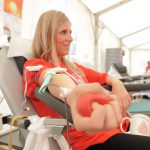
    The World Health Organization’s new action plan to speed up universal access to safe blood and blood products pulls together existing recommendations and recommends new improved ways of working. It’s the start of a four-year collaborative effort to improve blood transfusion and blood-based therapies in all countries.

    Safe blood saves lives in all sorts of circumstances, not least in emergency and epidemic settings. Blood transfusion and blood products are critical for birth delivery for both the mother and baby; the survival and quality of life of patients suffering from life-threatening conditions such as haemophilia, thalassemia, immune deficiency and cancer; treating severe injuries and carrying out medical and surgical procedures.  

    But progress in blood safety and availability has been slow in many parts of the world, placing patients’ safety at risk and putting undue pressure on health workers. Progress is also mostly restricted to developed countries. Out of the approximate 118 million blood donations collected globally, 42% are collected in high-income countries, home to 16 % of the world’s population. And one out of four low-income countries do not test all donated blood, while 54% of countries do not have surveillance systems to securitise the supply chain from blood donor to patient. 

    Challenges include: slow implementation of national blood policies and weak blood regulatory systems; insufficient number of voluntary blood donors (who are considered the safest donors); poor quality management of screening tests, blood grouping and compatibility testing; inappropriate clinical use of blood; insufficient national funding for blood safety.

    To address these, WHO has set out six key objectives for all countries and in particular those with weak blood systems:

    • appropriately structured, well-coordinated and sustainably resourced national blood systems;
    • regulatory capacity to ensure the quality and safety of blood;
    • functioning and efficiently managed blood services;
    • effective implementation of patient blood management to optimize transfusion practices;
    • effective surveillance, haemovigilance and pharmacovigilance, supported by comprehensive and accurate data collection systems;
    • partnerships, collaboration and information exchange to achieve key priorities and jointly address challenges and emerging threats at global, regional and national levels.

    The Organization looks forward to working with partners worldwide to implement the plan, improve blood supply particularly in the low and middle-income countries where this is so urgently needed, and save lives. The plan will run from 2020-2024.

    WHO steps up action to improve access to safe blood
    Read More
    https://www.who.int/news-room/detail/26-02-2020-who-steps-up-action-to-improve-access-to-safe-blood

    Views: 0

  • Female Genital Mutilation Hurts Women and Economies

    Female Genital Mutilation Hurts Women and Economies

    Female genital mutilation (FGM) exacts a crippling economic as well as human cost, according to World Health Organization (WHO).

    “FGM is not only a catastrophic abuse of human rights that significantly harms the physical and mental health of millions of girls and women; it is also a drain on a country’s vital economic resources,” said Dr Ian Askew, Director of WHO’s Department of Sexual and Reproductive Health and Research. “More investment is urgently needed to stop FGM and end the suffering it inflicts.”

    New modelling reveals that the total costs of treating the health impacts of FGM would amount to USD 1.4 billion globally per year, if all resulting medical needs were addressed. For individual countries, these costs would near 10% of their entire yearly expenditure on health on average; in some countries, this figure rises to as much as 30%.

    The interactive modelling tool that generated these data was launched on the International Day of Zero Tolerance for Female Genital Mutilation.

    Severe physical and mental health impacts for women and girls

    Women and girls living with FGM face serious risks to their health and well-being. These include immediate consequences after being cut, such as infections, bleeding or psychological trauma, as well as chronic health conditions that can occur throughout life.

    Women who have undergone the procedure are more likely to experience life-threatening complications during childbirth. They may face mental health disorders or suffer chronic infections. They may also have pain or problems when they menstruate, urinate or have sexual intercourse. 

    All of these conditions warrant much-needed medical attention and care.

    “High healthcare costs for countries mount because of the tragic personal impacts on women and girls. Governments have a moral responsibility to help end this harmful practice,” says Dr Prosper Tumusiime, Acting Director for Universal Health Coverage and the Life Course in the African Regional Office of WHO. “FGM hurts girls, imposes lifelong health risks on the women they become, and strains the healthcare systems that need to treat them.”

    Preventing FGM brings major benefits for women, girls, communities and economies

    Using data from 27 high-prevalence countries, the Cost Calculator demonstrates clear economic benefits from ending FGM. If it were abandoned now, it shows that the associated savings in health costs would be more than 60% by 2050.

    In contrast, if no action is taken, it is estimated that these costs will soar by 50% over the same time period, as populations grow and as more girls undergo the procedure.

    Since 1997, great efforts have been made to end FGM, through work within communities, research, and changes in legislation and policy. 26 countries in Africa and the Middle East now explicitly legislate against FGM, as well as 33 other countries with migrant populations from FGM-practicing countries.

    WHO is also working with countries to raise awareness of the harmful impacts of the practice among their health workers, and to engage them in prevention efforts.

    “Many countries and communities are showing that abandoning female genital mutilation is possible,” states Dr Christina Pallitto, scientist at WHO. “If countries invest to end female genital mutilation, they can prevent their girls from undergoing this harmful practice and promote the health, rights and well-being of women and girls.”

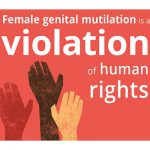
    Female genital mutilation is internationally recognized as a human rights violation. It has no medical benefits and causes only harm. WHO’s position is that FGM must never be carried out.

    Further information

    The FGM Cost Calculator will be available here, as of 00:30 CET 6 February 2020:
    www.who.int/news-room/detail/06-02-2020-economic-cost-of-female-genital-mutilation

    More on FGM

    Notes for Editors

    About FGM

    FGM includes procedures that intentionally alter or cause injury to the female genital organs for non-medical reasons. More than 200 million girls and women alive today are estimated to have undergone the practice across 30 countries in Africa, the Middle East and Asia where FGM is concentrated.

    FGM is mostly carried out on young girls between infancy and 15 years of age.

    About the FGM Cost Calculator

    The WHO FGM Cost Calculator shows the economic cost of treating the health complications caused by FGM across 27 high-prevalence countries. These costs were calculated using the WHO One Health tool and other available scientific evidence.

    Users of the tool can calculate costs by country in a ‘business as usual’ scenario; a scenario of partial abandonment of FGM, and full abandonment of FGM over a 30-year period. In addition, the distribution of costs by different types of health complications is presented by country.

    The tool does not consider other indirect costs that hit families and communities, or the socio-economic impacts of the practice, which would be significantly higher still.

    The 27 countries modelled include Benin, Burkina Faso, Central African Republic, Còte d’Ivoire, Cameroon, Chad, Djibouti, Egypt, Eritrea, Ethiopia, Ghana, Guinea, Gambia, Guinea-Bissau, Iraq, Kenya, Mali, Mauritania, Niger, Nigeria, Soudan, Senegal, Sierra Leone, Somalia, Togo, United Republic of Tanzania, Yemen.

    Female Genital Mutilation Hurts Women and Economies
    Read More
    https://www.who.int/news-room/detail/06-02-2020-female-genital-mutilation-hurts-women-and-economies

    Views: 0

  • Global study shows diabetes and heart disease can be a deadly combination

    Global study shows diabetes and heart disease can be a deadly combination

    The combination of type 2 diabetes and coronary artery disease can be deadly.

    New research from a global study led by a physician from UConn Health has found that patients with Type 2 diabetes admitted into the hospital for congestive heart failure face a one in four chance of dying over the next 18 months.

    The results were presented on June 11 at the American Diabetes Association’s (ADA) annual meeting in New Orleans and published online in the ADA journal Diabetes Care. The findings paint a much grimmer picture of the outcome for diabetes patients with severe heart disease than was previously known.

    Views: 0

  • Despite efforts, childhood obesity remains on the rise

    Despite efforts, childhood obesity remains on the rise

    The alarming increase in U.S. childhood obesity rates that began nearly 30 years ago continues unabated, with the biggest increases in severe obesity, according to a study led by a Duke Clinical Research Institute scientist.

    “Despite some other recent reports, we found no indication of a decline in obesity prevalence in the United States in any group of children aged 2 through 19,” said lead author Asheley Skinner, Ph.D., associate professor at Duke. “This is particularly true with severe obesity, which remains high, especially among adolescents.”

    Skinner, along with colleagues at the University of North Carolina at Chapel Hill and Wake Forest University, analyzed data from the National Health and Nutritional Examination Survey, a large, ongoing compilation of health information that has spanned decades.

    Views: 0

  • Herbal Cure For Joint Pain

    [ad_1]

    Joint pain can be stressful and it can also limit the activities you can do comfortably. Severe joint ailments might also restrict mobility. The most common joint ailments that cause excruciating pain include arthritis and osteoarthritis. People are always looking for ways by means of which they can cure or at least relieve the discomfort. Herbal cure is probably one of the best that you can choose for pain relief. This is considering that it revolves around natural herbs which do not have any side effects.

    Ayurveda is a natural healing process which offers a holistic approach allowing the patients to attain higher self harmony (atmay), mind (manas) and helps in regaining vital energy from the universe (prana), body and the senses. The Ayurvedic treatment process combines natural herbs and herbal minerals with no side effects. Meditation, yoga and use of massage are also practiced under this treatment to achieve complete wellness besides, getting rid of joint pain.

    Arthritis Treatment

    This is the most common joint condition people suffer from. It is a systemic, chronic inflammatory disorder which affects organs and tissues, thus leading to pain and ailing. It is a disease that can start with morning stiffness and fatigue extending to muscle ache, weakness and loss of appetite. Those suffering from this condition might use pharmaceutical drugs to relieve the pain, but it is not always a good option. Ayurvedic treatment for arthritis is probably the most effective herbal way of dealing with the pain.

    This herbal treatment revolves around internal medicines and external therapies which help in dealing with and eliminating the pain of arthritis. It uses traditional Ayurvedic treatment methods together with classical Ayurvedic medicines to help with pain relief. The treatments are made up of:

    Choorna Kizhi:

    This is considered to be the most effective of all Ayurvedic treatments when it comes to rheumatoid arthritis, arthritis and osteoarthritis. The treatment uses a mixture of natural herbs which are applied to the body to an extent that the individual sweats profusely. The treatment requires that the patient is kept in different positions including left lateral, right lateral, supine and sitting positions.

    Abhyangam:

    This treatment uses special massage oil. The oil is applied using a variety of strokes lasting for up to 45 minutes every day for at least two weeks. The treatment is most suitable for osteoarthritis, obesity and body aches among others. The treatment nourishes the body, revitalizes the nervous system, helps overcome stress and fatigue, promotes good sleep, improves physical appearance, and builds self confidence.

    Njavarakizhi:

    This is another Ayurvedic treatment where the patient suffering from joint pain is rubbed with medicated herbal oils. It is applied all over the body and in different postures, including lying and sitting. The treatment uses cooked Njavara rice and a medicinal decoction used by the therapist for at least 14 days for complete joint pain relief to be enjoyed. Regular use of the Ayurvedic pain treatment methods has a way of offering a permanent cure for arthritis. This is because complete well being is promoted during the treatment.

    [ad_2]

    Source by Shalini Mittal

    Views: 0

  • Herpes Genitalis Cure

    [ad_1]

    You’ll be glad to hear that, despite the so-called medical ‘facts’ you’ve probably heard or read, which say there is no cure for Herpes Genitalis, there is another more positive view.

    There is evidence that it is possible not just to find effective natural treatment for viral infections such as Herpes & even AIDS, but even to experience a complete cure.

    So far medical research has found no way to eradicate Herpes.

    So if you’ve tested positive for the virus you’ve probably been told there are now drugs to treat the symptoms and shorten the length of the acute attack – but that you can never get rid of the Herpes virus altogether.

    That would mean that even when you are over the first attack and you are no longer showing any symptoms the virus is still in your system and later you will probably have a flare up intermittently and need another course of treatment.

    However – it seems there are other much better possibilities than those offered medically.

    I certainly believe there are more effective ways to deal with the virus than you will be offered medically.

    The first time I saw someone successfully use a natural health method to prevent any recurrence of Herpes Genitalis was in someone who took large amounts of Tahitian Noni Juice for natural healing and then continued to take it on a regular basis over many years – and never had a recurrence of the virus after the first proven infection.

    Though she was convinced the Noni juice had saved her from further problems it is of course impossible to say whether the result was due to the Noni juice or to some other factor – such as her absolute belief in this natural treatment, for example, or perhaps some other factor in her diet or in her life – including perhaps her own healing powers that she was not at that time aware of.

    In fact it is always impossible to be certain in human beings what is the cause of a cure when it does occur – whether the person used medical or natural treatment – because there are always so many other factors that could have been involved. Even when someone takes a drug and gets better for example we cannot be certain it was the drug that produced the healing – for the same reasons.

    However – the point is – this girl was cured – by something – which shows that healing is possible.

    Over the years I have studied and used various forms of natural healing – from diets and supplements – to energy healing, laughter therapy and mind training – in an attempt to help patients who were not getting results with medical treatment or who wanted to avoid the side-effects of various medications. And although not everyone was cured there have been many cases where the healing results have been far beyond medical possibility and medical explanation.

    While still running my own medical practice for example I saw some amazing results with natural treatments. One lady was cured completely of pancreatic cancer. Another – who had been suffering severe infected psoriasis all over her body for many years – despite all medical treatments – was completely clear within a month of starting a natural treatment.

    And early in 2011 I modified my own already successful natural healing techniques after learning about university laboratory studies in which a 100% cancer cure was produced in mice – using only natural healing.

    You can learn about home remedies, experience free natural healing for Herpes Genitalis or learn how to do natural healing for yourself at Jersey Natural Health.com.

    [ad_2]

    Source by Dr Anne Curtis

    Views: 0

  • The Health Benefits of Indoor Plants

    [ad_1]

    When you think of a house plant, you probably think of a green plant that you water occasionally right? But did you know that those pretty green leaves can actually be beneficial to your health? Having indoor house plants can boost your physical, mental and spiritual health.

    Many people thing growing indoor house plants is too much trouble so they turn to the silk variety for green foliage in their homes. But there really is a different in how your home feels when the plants are real. Did you know that living plants can actually improve the air we breathe? Green plants are known for removing carbon dioxide from the air, but they can also filter harmful toxins and pollutants as well. This will make the air in your home healthier for your family, which in turn can help to keep your family healthier as well!

    In addition to helping to purify the air, having house plants in your home can actually help prevent allergies in children. If children are exposed early in life to things that typically cause allergy issues they will begin to develop a tolerance and immunity to the allergen. It works similar to custom allergy shots that people get from their allergist. The allergist does an allergy test then makes a serum of the things that the person is allergic to. The person gets weekly shots of this serum to help them build a tolerance. Exposing your family to house plants can work in the same way, by helping them build a tolerance to the plants in your home. It is important to note that if someone in your family has severe allergies you should talk to their doctor before introducing house plants into their environment.

    In addition to the physical health benefits of house plants, they help with mental health as well. When someone is depressed or lonely, caring for a living thing can help give them a purpose in life. Many people live in places where pets aren’t allowed, so a house plant is a good choice. The person becomes involved in watering, fertilizing and trimming the plant when needed. This is a great therapy for people with mental health issues.

    Being surrounded by living things is good for the soul, so having house plants is good for your spiritual health. Caring for another living thing and being exposed to the beauty can make you feel at peace with the world or at the very least your little corner of the world.

    There are so many advantages to having house plants. However, there is no health benefit in a sick or dead plant. Make sure you water your plants regularly and mix slow release fertilizer in the soil about every three months. If you care for your plants, they will give you years of beauty and the added benefit of clean air, better mental health and calming peace.

    [ad_2]

    Source by Piper Cox

    Views: 0

  • Larry Ellison – Here Is A Terrifyingly Good Rags To Riches Story

    [ad_1]

    Born to an unwed Jewish mother and an Italian American US Army Air Corps, Larry Ellison did not have a fairytale childhood at all. Unable to raise him properly, his mother gave him to her aunt for adoption at the age of just 9 years. Larry had a severe bout with pneumonia at that time. His adoptive father was a Government Employee who lost all his earnings in the Great Depression.

    Raised in a Reformed Jewish home, Larry respected people who believed in religion even though he did not believe in that stuff at all. A dropout from the University of Illinois-Champaign, Larry completed his education at the University of Chicago. This was his first tryst with computer designing.

    Larry realized that his heart was with computers. At Amadhi Corporation and Ampex Corporation, he learned the ropes of the trade. One of the projects done by him was preparing a database for the CIA. He named it ‘Oracle’.

    The year 1977 saw him venture into the business arena when he founded Software Development Laboratories along with two other friends with an initial capital of $2000. This company was rechristened ‘Oracle Systems Corporation’ in 1982. This company had its share of near bankruptcies before ruling the regional database market along with Sybase, Informix and Microsoft.

    The years 1994 to 2010 was the golden period for Larry Ellison and Oracle as they acquired Sun Microsystems and expanded their grip on their domain. Larry has the power of being the CEO of the company until 2014 after which he assumed the post of The Executive Chairman and Chief Technology Officer.

    Imagine a person starting a company with a meager sum of $2000 ending up as the seventh wealthiest man in the world in February 2017 with a net worth of $55 billion, according to Forbes. This is a true rages to riches story.

    Is It Possible For You?

    The answer to that question is yes. All you must do is get educated on the industry you will like to become affiliated with. Luckily for you, there are organizations of experts who offer free reports to help those who are in need of some information on how to multiply their income like how Larry did.

    Obviously, there are a lot of resources of the internet, but the main thing to take away is the proper method on how to capitalize on the right investment.

    [ad_2]

    Source by Marc-Eddy Drouinaud Jr

    Views: 0

  • How Drug Detox Can Help Improve Relationships

    [ad_1]

    Alcohol and drug abuse is the root cause of many problems in an individual’s life. From developing severe mental health issues and physical troubles to encountering serious challenges in one’s relationships, abuse of illegal substances is linked with innumerable adverse effects.

    It is a widely known fact that long-term, committed relationships and substance abuse do not go together. Having a partner who is engaged in drinking or abusing drugs can be an insurmountable challenge, with the negative effects rippling and influencing all the near and dear ones. In worst cases, substance abuse problem can take a heavy toll by causing an emotional distance between the partners, which eventually results in frequent fights and violence at home.

    Sadly, a person fighting substance abuse is deprived of the emotional connect with his or her partner resulting in the loss of trust and affection. Overall, such couples have a tough time dealing with this downward spiral, wherein a person drinks or uses drugs to reduce tension arising out of frequent conflicts, and vice versa.

    Substance abuse and impact on relationships

    A person abusing drugs is very likely to have a poor sex drive and may fail to maintain a healthy sexual relationship. This is because when someone is addicted to any substance, there is no room left for anything else. Some of the telltale signs that the substance abuse problem is negatively affecting one’s relationships are:

    • Not taking care of responsibilities or staying out late.
    • Rising instances of domestic violence.
    • Isolating from friends and relatives to hide the drug or alcohol problem.
    • Experiencing financial problems.

    When it comes to intimate relationships, believing that one can prevent problems by avoiding sexual relationships post sobriety is incorrect. A complete recovery is possible only when a person gets enough love and care from his or her partner. Since intimate relationships are considered one of the most rewarding parts of human existence, a lack of it can leave people feeling unwanted and incomplete.

    For a person recovering from an addiction, lack of sexual relationships might lead him or her to revisit the places that had triggered drug or alcohol abuse.

    How detox can be helpful in restoring relationships

    When a person fighting substance abuse enters a detox program, he or she needs to work harder to recover from the addiction and regain his or her ability to enjoy fruitful relationships with the loved ones. While undergoing treatment, it is important for a person to not just focus on maintaining sobriety but also reshape his or her habits and old attitudes that could act as a barrier to his or her interpersonal or intimate relationships.

    While detoxification might pave the way for a person’s recover from an addiction, it is important to ensure that it also brings back his or her sexual drive. With low self-esteem and confidence, it becomes difficult for the recovering individual to even think about any personal relationship. Undergoing a detox program can be a great help in gaining enough confidence to deal with relationship problems.

    [ad_2]

    Source by Barbara Odozi

    Views: 0