Tag: services

  • To eliminate cervical cancer in the next 100 years, implementing an effective strategy is critical

    To eliminate cervical cancer in the next 100 years, implementing an effective strategy is critical

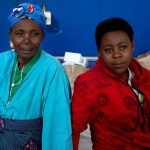
    Vaccination, screening, treatment and palliative care are the key interventions of WHO’s Draft Global Strategy towards the Elimination of Cervical Cancer as a Public Health Problem,
    the fourth most common cancer in women.

    On World Cancer Day, new estimates show that this strategy could save more than 62 million girls and women from a cervical cancer death and prevent 74 million cases within the next 100 years – but only if these interventions are used effectively
    together.

    No single intervention can eliminate cervical cancer

    These estimates, published by the WHO Cervical Cancer Elimination Modelling Consortium (CCEMC) in The Lancet, are based on the draft strategy’s targets to achieve a global coverage of 90% vaccination, 70% screening and 90% treatment by 2030.


    lancet

    Impact of HPV vaccination and cervical screening on cervical cancer elimination: a comparative modelling analysis in 78 low-income and lower-middle-income countries

    Mortality impact of achieving WHO cervical cancer elimination targets: a comparative modelling analysis in 78 low-income and lower-middle-income countries


    Developed by Member States, UN agencies and other partners, the draft global strategy seeks to redress the unequal burden of cervical cancer around the world. Nine in 10 cervical cancer deaths occur in low and lower-middle-income countries, where
    women lack access to health services.

    As Dr Tedros Adhanom Ghebreyesus, WHO’s Director-General has said, “It doesn’t have to be this way. Cervical cancer
    is one of the most preventable and treatable forms of cancer, as long as it is detected early and managed effectively.”

    This new analysis compares the impact of vaccination, screening and treatment of cervical pre-cancer lesions as single or combined interventions. Focusing on 78 countries where cervical cancer mortality is highest, the results clearly show that no
    single intervention will be sufficient to reduce levels of cervical cancer in the next 100 years to below the elimination target of 4 cases per 100,000 women per year.

    Acting immediately on all three fronts is crucial.                                                                                       

    90-70-90: a triple intervention by 2030 and beyond

    Vaccinating girls against cancer-causing types of human papillomavirus (HPV) before the age of 15 is the foundation for bringing every country’s incidence rate of cervical cancer down to the agreed elimination level.

    Right now, however, vaccination is not enough. As a single strategy, vaccination targets would only deliver a 0.1% reduction in cervical cancer mortality by 2030. Scaling up screening and treatment of cervical pre-cancer lesions at the same time would
    reduce mortality by more than one third, or 300,000 deaths, in the same period.

    The evidence shows that when all adult women are screened for cervical cancer at least twice, at ages 35 and 45, abnormalities are more likely to be detected before they become cancerous. When cancer has developed, screening increases a women’s
    likelihood of early and successful treatment, as well as palliative care if recovery is no longer an option.

    Meeting these triple-intervention targets would be a major contribution to target 3.4 of the UN Sustainable Development Goals (SDGs), a one-third reduction in premature mortality from non-communicable diseases by 2030.

    The future of cervical cancer elimination

    WHO’s global strategy towards eliminating cervical cancer aims to set the world on the right track by 2030, but it is just the beginning.

    At this pace, global elimination of cervical cancer is not predicted until 2120.

    While high HPV vaccination coverage is the primary prevention intervention, ensuring every woman has two cervical screenings in her life would accelerate elimination by 11 – 31 years, depending on the country.

    If no action is taken, cervical cancer deaths will rise almost 50% by 2030. Approval of the draft global strategy at the WHO World Health Assembly in 2020, and investment in mechanisms to deliver it, is vital.

    As the new World Cancer Report shows, only 18% of countries that currently provide screening for cervical cancer reached the recommended target of more than 70% coverage. An estimated 55% of low-income countries that reported offering
    cervical cancer screening generally lack accessible radiotherapy or surgery services.

    Elimination of cervical cancer is possible within the lifetime of today’s youngest girls, but the clock starts now and every intervention counts.


    To eliminate cervical cancer in the next 100 years, implementing an effective strategy is critical
    Read More
    https://www.who.int/news-room/detail/04-02-2020-to-eliminate-cervical-cancer-in-the-next-100-years

    Views: 0
  • WHO outlines steps to save 7 million lives from cancer

    WHO outlines steps to save 7 million lives from cancer

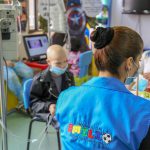
    The World Health Organization (WHO) today spells out the need to step up cancer services in low and middle-income countries. WHO warns that, if current trends continue, the world will see a 60% increase in cancer cases over the next two decades. The greatest increase (an estimated 81%) in new cases will occur in low- and middle-income countries, where survival rates are currently lowest.

    This is largely because these countries have had to focus limited health resources on combating infectious diseases and improving maternal and child health, while health services are not equipped to prevent, diagnose and treat cancers. In 2019, more than 90% of high-income countries reported that comprehensive treatment services for cancer were available in the public health system compared to less than 15% of low-income countries.

    “This is a wake-up call to all of us to tackle the unacceptable inequalities between cancer services in rich and poor countries,” says Dr Ren Minghui, Assistant Director-General, Universal Health Coverage/ Communicable and Noncommunicable Diseases, World Health Organization. “If people have access to primary care and referral systems then cancer can be detected early, treated effectively and cured. Cancer should not be a death sentence for anyone, anywhere.”

    Yet, progress in poorer countries is achievable. WHO and the International Agency for Research on Cancer (IARC) are releasing two coordinated reports on World Cancer Day (4 February), in response to government calls for more research into the scope and potential policies and programmes to improve cancer control.

    “At least 7 million lives could be saved over the next decade, by identifying the most appropriate science for each country situation, by basing strong cancer responses on universal health coverage, and by mobilizing different stakeholders to work together”, said Dr Tedros Adhanom Ghebreyesus, Director-General, WHO.

    WHO highlights a wide range of proven interventions to prevent new cancer cases. These include controlling tobacco use (responsible for 25% of cancer deaths), vaccinating against hepatitis B to prevent liver cancer, eliminating cervical cancer by vaccinating against HPV, screening and treatment, implementing high-impact cancer management interventions that bring value for money and ensuring access to palliative care including pain relief.

    “The past 50 years have seen tremendous advances in research on cancer prevention and treatment,” says Dr Elisabete Weiderpass, Director of IARC. “Deaths from cancer have been reduced. High-income countries have adopted prevention, early diagnosis and screening programmes, which together with better treatment, have contributed to an estimated 20% reduction in the probability of premature mortality between 2000 and 2015, but low-income countries only saw a reduction of 5%. We need to see everyone benefitting equally.” The challenge will be for countries to select treatments balancing considerations including cost, feasibility and effectiveness. Each government is tasked with choosing the appropriate innovative cancer therapies, while recognizing that established treatments, many of which are very effective and affordable, can provide benefits for cancer without causing financial hardship.

    Note to editors

    World Health Organization

    Report on Cancer: Setting priorities, investing wisely and providing care for all

    The report aims to set the global agenda on cancer, mobilize stakeholders and help countries set priorities for investing in cancer control and universal health coverage. It introduces the principles, tools and current priority cancer control interventions in the context of the current and future cancer burden and opportunities.

    International Agency for Research on Cancer

    World Cancer Report “Cancer research for cancer prevention”

    The report focuses on prevention and offers the most comprehensive overview of relevant research available to date, ranging from descriptive etiology, cellular and molecular biology, toxicology and pathology through to behavioural and social science. Key chapters include discussions on the impact of inequalities in cancer, vaccination and screening, genomic individual susceptibility to cancer and the finer identification of those at risk, which may allow ‘precision cancer prevention’.

    WHO outlines steps to save 7 million lives from cancer
    Read More
    https://www.who.int/news-room/detail/04-02-2020-who-outlines-steps-to-save-7-million-lives-from-cancer

    Views: 0

  • WHO Action framework to advance universal access to safe, effective and quality assured blood products 2020 -2023

    WHO Action framework to advance universal access to safe, effective and quality assured blood products 2020 -2023

    In response to calls for action, WHO has provided guidelines, physical standards, training and technical support to improve blood product quality, safety and availability in WHO regions and in countries. Despite these actions, progress in blood availability and safety under effective regulation has been slow in many parts of the world.

    For that reason, the WHO Action framework for blood products 2020-2023, proposes a renewed effort to scale up programme implementation to improve global adequacy of blood donation, and universal access to quality and safe blood and blood components for transfusion, and plasma derived medicinal products.

    The Action Framework provides strategic direction to WHO’s work for the years 2020-2023. It identifies six strategic objectives: appropriately structured, well-coordinated and sustainably resourced national blood systems; regulatory capacity to ensure the quality and safety of blood; functioning and efficiently managed blood services; effective implementation of patient blood management to optimize transfusion practices, effective surveillance, haemovigilance and pharmacovigilance, supported by comprehensive and accurate data collection systems; and partnerships, collaboration and information exchange to achieve key priorities and jointly address challenges and emerging threats at global, regional and national levels.

    The Action Framework will improve coordination and collaboration at all levels of WHO. The document will promote and strengthen new and existing partnerships, as areas for collaborative action are clearly identified. Moreover, it demonstrates the need for support to WHO (including sustainable funding) to coordinate the implementation of this ambitious plan. As a result, the Action Framework for blood products will allow WHO to more effectively carry out its mandate on blood, and to increase the impact of WHO activities to strengthen blood systems and blood regulation in countries and regions and eventually to ensure universal access to blood products worldwide.


    WHO Action framework to advance universal access to safe, effective and quality assured blood products 2020 -2023
    Read More
    https://www.who.int/news-room/detail/19-02-2020-who-action-framework-to-advance-universal-access-to-safe-effective-and-quality-assured-blood-products-2020–2023

    Views: 0

  • International Day of Women and Girls in Science

    International Day of Women and Girls in Science 1

    The theme of the 5th International Day of Women and Girls in Science, was on driving Investment in Equality in Science, Technology and Innovation in the Digitalization Era for Inclusive Green Growth with special focus on Agriculture, Technology and Digital Economy. The commemoration brought together stakeholders from high-level government officials, representatives of international organizations, foundations, private sector, civil society as well as women in science experts from around the world to explore how women in all fields of sciences can accelerate socio-economic sustainable development.


    Discussion focused on the interlinkages between gender inequality -specifically in science- digital and technological revolution, and agricultural sector for Sustainable Development. WUN Executive Director Dr Nata Menabde participated in the assembly and highlighted the key role of women and girls in science for health and emphasized on the obstacles women and girls encounter in various levels of health sector – from access to health services, to engagement in health workforce and research. She explained the systematic challenges where women are facing higher health costs than men due to their greater use of health care, as well as the need to extend coverage of health care that deals with the content of benefit packages, to ensure they include a greater range of services for girls and women of all ages. Dr Menabde also shared some conclusions from WHO’s work on nutrition, stressing that gender inequality means girls get less food, are more likely to get sick, and are less likely to be able to attend school, receive an education (including on science) and get a job. However, they are more likely to marry and get pregnant too young, be poorly nourished and have under-nourished babies. In conclusion, she mentioned that healthy women and girls are the cornerstone of healthy societies and proper nutrition is essential to empowering women and girls. Nutrition, through its effect on health and cognitive development, is also vital for academic performance and productivity to ensure healthy economies and socioeconomic development.


    Read More
    https://www.who.int/news-room/detail/11-02-2020-international-day-of-women-and-girls-in-science

    Views: 0

  • WHO Global Initiative for Childhood Cancer: progress on all fronts

    WHO Global Initiative for Childhood Cancer: progress on all fronts

     Peru shows the way forward and the courage of Ander Martinez

    “When Ander was diagnosed, I didn´t have the possibility to cover the cost of the treatment. It was very expensive, and I had nothing,” says Rosalina Tocto, 29 years mother of Ander Martínez Tocto. Ander had just been diagnosed with acute leukemia at the young age of 6 years. From the beginning, the odds were stacked against him. He and his family lived in a rural town, six hours from the nearest city. His parents did not have a formal job, placing the family under financial strain.

    Ander and his family were not alone in this situation. “In Peru, nearly 1800 children and adolescents are diagnosed with cancer every year; however, up to 70% will have a late stage, often metastatic due to delays in diagnosis,” says Dr. Juan García, medical chief of the Pediatric Department of in the National Institute of Neoplastic Diseases (INEN) in Lima, Peru. “Most of our patients come from outside Lima and the majority of parents do not have formal employment and therefore do not have any type of insurance.”

    Fortunately, Peru has made a strong commitment to Universal Health Coverage. In 2009, a law was passed to improve access to care by introducing a mandatory health insurance system and registering everyone living in extreme poverty under Seguro Integral de Salud (SIS), regardless of age or circumstance.  

    Dr. Reina Bustamante, Executive Director of the Division of Prevention and Control of Cancer of the MINSA says “UHC is an important step in public health particularly for those who lack public or private insurance like Ander. In this context, we are trying to follow WHO guidance to achieve UHC and ensure all individuals and communities receive the health services they need without suffering financial hardship.”

    In 2019, Peru was selected as a focus country for the WHO Global Initiative for Childhood Cancer as the first focus country in the Region. The Global Initiative aims to improve survival for all children with cancer to at least 60% by 2030 while reducing suffering, altogether with the potential to save an additional one million lives.

    Four main goals were formulated for the national pediatric cancer plan: (1) improve early diagnosis of childhood cancer, (2) decrease treatment abandonment, (3) implement a national pediatric cancer registry and (4) improve the quality of services in pediatric oncology units.

    Dr. Liliana Vasquez, pediatric oncologist who works as an external consultant for the Division of Prevention and Control of Cancer of MINSA said, “Ten working groups have been established to achieve the goals.”

    Dr. Vivian Perez, advisor of the Non-Communicable Diseases Office in PAHO-Peru added “the initial focus for the Initiative will be on six cancers selected as tracers for monitoring progress across the health system, alongside engagement of at least six focus countries with a record of strong political commitment and foundational efforts supporting children with cancer.”

    For Ander, his health care team, the commitments from the government of Peru and partners and Global Initiative have made it possible to be successfully treated and will now allow him to dream of a healthy future though better access to surveillance monitoring and psycho-oncological support aimed at childhood cancer survivors.

    Peru is showing what is possible for all countries. By concerted action and promoting universal health coverage, every child in the world can have access to high-quality care with the greatest likelihood of survival, and every family should be protected from financial hardship. We can do more together. 


    WHO Global Initiative for Childhood Cancer: progress on all fronts
    Read More
    https://www.who.int/news-room/detail/14-02-2020-who-global-initiative-for-childhood-cancer-progress-on-all-fronts

    Views: 0

  • WHO and FIND formalize strategic collaboration to drive universal access to essential diagnostics

    Geneva, Switzerland – 10 February 2020 – The World Health Organization (WHO) and the Foundation for Innovative New Diagnostics (FIND) announced today that a memorandum of understanding has been signed by the two organizations to formalize a strategic collaboration that will strengthen diagnosis in resource-poor countries by closing major diagnostic gaps at country level and bolstering disease surveillance that will inform public health initiatives and enhance outbreak preparedness and response.

    “This collaboration is an inspiring development that will take us a long way towards ensuring access to diagnostics to all who need them,” said Dr Tedros Adhanom Ghebreyesus, Director-General of the World Health Organization. “Global health challenges such as the ongoing novel coronavirus (2019-nCoV) outbreak demonstrates that without these essential elements of health systems, we cannot hope to promote health, keep the world safe, and serve the vulnerable. I look forward to working closely with FIND to determine what countries need and to forge a path to deliver these innovations so that no one is left behind.”

    Diagnosis is a driver of patient, financial and health systems impact, and a critical enabler of universal health coverage, but it is also the weakest link in the care cascade. This is especially true in primary healthcare settings in low- and middle-income countries. A unique and unprecedented opportunity exists to expand the role and impact of diagnostics to fully realize their potential to address major health security threats and evolving disease burdens through technological and digital advances.

    FIND has been an active partner with WHO since 2008 and a WHO Collaborating Centre since 2014, acting in the areas of laboratory strengthening and diagnostic technology evaluation. This expanded collaboration will put in place the building blocks necessary to enable transformative change in a move toward a country-led diagnostics alliance. Initial workstreams will focus on demand-driven access to essential diagnostics and the development of national Essential Diagnostics Lists, alongside collection of data that assist the scale up of diagnostics to support low- and middle-income countries on their paths to universal health coverage.

    “Each and every person has the right to a quality, timely diagnosis,” said Catharina Boehme, CEO of FIND. “Comprehensive diagnostic services underpin functional and efficient health systems not only to manage day-to-day healthcare needs, but also to ensure new disease outbreaks can be spotted and contained quickly. Working closely with WHO as part of a country-led alliance, we will strive to ensure that low- and middle-income countries have what they need to develop their own comprehensive, data-driven diagnostic strategies that enable universal health coverage and empower disease surveillance. Our ambition is that all patients, providers and decision-makers have access to the diagnostic solutions needed for optimal health outcomes.”

    The strategic collaboration agreement will initially run for a period of 5 years, until 2025.

    #  #  #

    About FIND

    FIND is a global non-profit organization that drives innovation in the development and delivery of diagnostics to combat major diseases affecting the world’s poorest populations. Our work bridges R&D to access, overcoming scientific barriers to technology development; generating evidence for regulators and policy-makers; addressing market failures; and enabling accelerated uptake and access to diagnostics in low- and middle-income countries (LMICs). Since 2003, we have been instrumental in the development of 24 new diagnostic tools used in 150 LMICs. Over 50 million FIND-supported products have been provided to our target markets since the start of 2015. A WHO Collaborating Centre, we work with more than 200 academic, industry, governmental, and civil society partners worldwide, on over 70 active projects that cross six priority disease areas. FIND is committed to a future in which diagnostics underpin treatment decisions and provide the foundation for disease surveillance, control and prevention. For more information, please visit www.finddx.org


    About WHO

    The World Health Organization is the directing and coordinating authority for health within the United Nations system. It is responsible for providing leadership on global health matters, shaping the health research agenda, setting norms and standards, articulating evidence-based policy options, providing technical support to countries and monitoring and assessing health trends. WHO is committed to the enjoyment of the highest attainable standard of health as one of the fundamental rights of every human being without distinction of race, religion, political belief, economic or social condition. WHO’s current global programme of work sets out three interconnected strategic priorities: ensuring healthy lives and well-being for all at all ages; achieving universal health coverage; and addressing health emergencies and promoting healthier populations. These priorities are linked to three ambitious targets, the “triple billion”: one billion more people to benefit from universal health coverage; one billion more people better protected from health emergencies; and one billion more people enjoying better health and well-being.


    Read More
    https://www.who.int/news-room/detail/10-02-2020-who-and-find-formalize-strategic-collaboration-to-drive-universal-access-to-essential-diagnostics

    Views: 0

  • Changes needed to increase access to colorectal cancer screening

    Changes needed to increase access to colorectal cancer screening

    Colorectal cancer is the second highest cause of cancer death in the United States, expected to claim the lives of an estimated 49,190 people in 2016. The Affordable Care Act (ACA) aimed to increase access to CRC screening by not holding patients responsible for all costs of the procedure, yet current Medicare insurance beneficiaries lacking supplemental insurance may not be able to afford colon cancer screening and treatment. This policy disproportionally puts low-income Americans at risk and adds unnecessary strains on overall health care costs, according to a commentary in the May issue of the journal Gastroenterology.

    “Study after study shows that screening saves lives,” said Chyke A. Doubeni, MD, MPH, chair and the Presidential Associate Professor of Family Medicine and Community Health at the Perelman School of Medicine at the University of Pennsylvania, and lead author of the commentary. “Yet many of those in the group most affected by this deadly disease are unable to afford the screening they critically need. We must renew efforts to ensure equitable access to and use of disease prevention, detection, and treatment services for colorectal cancer.”

    For CRC screening, a full colonoscopy is necessary, where the doctor inspects the rectum and entire colon through a flexible lighted tube, and can remove any abnormal growth. The entire colon has to be cleansed before the colonoscopy, for which the patient is usually sedated

    There are currently an estimated 55.5 million Medicare beneficiaries in the U.S. A 2010 Kaiser Family Foundation survey found that 14 percent lacked supplemental coverage. Until recently, colon cancer screening has been viewed as a one-time activity, while in practice, screening is a series of clinical activities to identify and test patients and perform diagnostic confirmation when necessary. This series of tests and steps include a diagnostic workup, which can include a biopsy to obtain a tissue sample or polypectomy, in which polyps are removed to prevent them from becoming cancerous.

    Views: 0

  • How Tinder is being used for more than just hook-ups

    How Tinder is being used for more than just hook-ups

    The developers of the dating app Tinder recently announced that new safety features would be added to its app throughout 2020. These updates include a means to connect users with emergency services when they feel unsafe and more safety information provided through the app.

    Views: 0

  • Personalization of online services: Helpful customization or furtive manipulation?

    Personalization of online services: Helpful customization or furtive manipulation?

    Whether we are looking for a restaurant tip, researching health information, or scrolling through social media posts, algorithms use the personal data they gather on us to determine what we are shown online. But how aware are people of the impact algorithms have on their digital environments? A team of researchers from the Max Planck Institute for Human Development and the University of Bristol has conducted a survey of 1,065 people in Germany to address these questions.

    Views: 0

  • How to Write Technically for the Lay Person

    [ad_1]

    While you are writing a book or for a specific magazine or article site, you must be using flowery language using striking words, long sentences, phrases or idioms. In short, you need all those elements that will make the text more catchy and will hook the readers! However, that is not the case in technical writing, i.e. when you are writing for websites that are services or products based. Built using advanced web development frameworks, they need to be produced with clean and simple content that is conversational to the buyers. Specifically, the web content must be representative of the services and the company. But, why called technical writing? A good content on the websites plays a great part in SEO and content marketing. It helps in getting the backlinks and scale up in position of the websites in the search engines to get more visitors.

    So, the next time you are preparing content for a high-end website or online application for your business, keep these tips in mind.

    #1 Know your target audience

    The first thing you need clear-off in your head is the target audience of your site. Be it a group of businessmen or corporate services clients, they are all layman! So, keep your vocabulary outright simple. Don’t use more of technical words and flowery English to make the content snappy. Instead, keep it outright simple, such that even a kid can understand what you provide from your site.

    #2 Show but don’t dictate

    Do not dictate or describe everything about your products or services to the visitors in text. Let them discover that gradually as they proceed to different pages. It makes the visitors curious and persuades them to visit more pages of your site in a session. Thus, show them what you provide, but don’t spell it.

    #3 Use simple, short sentences and active voice

    There is actually no point in over-elaborating technical stuff in the websites. Most visitors are basically skimmers and like to wrap up things quickly. So, try using shorter and simple sentences. And, also use active voice as it’s like you are directly interacting with them.

    #4 Be assertive

    Do not assume that everyone knows about your company, products or services. They don’t. But, they are coming to your site to know about it. So, write with absolute authority and command.

    #5 Avoid the jargon

    Your website is for the layman. Not only for the technically skilled ones! Be sure you are putting information that is also easily understandable by the non-specialists. Even if you need to use complex, technical or niche terms, explain them or hyperlink them to other pages that will give their basic information.

    #6 Use text to compliment the images

    While you will be putting images at every relevant point or pages on the website, create content that will perfectly compliment them. This will enhance the visuals of the site and make it more captivating for the readers.

    These explain web development just do not end with creating a great website or application. But, developers need to have some online content marketing ideas too. They have to know well what exactly can fetch a good amount of visitors to a website, besides making it design-wise attractive.

    [ad_2]

    Source by Rob Stephen

    Views: 0