Tag: Screening

  • Covid-19: 41 new cases reported, tally now 238

    Covid-19: 41 new cases reported, tally now 238

    Covid-19: 41 new cases reported, tally now 238 1

    KUALA LUMPUR: A total of 41 new COVID-19 cases were reported as at noon today, bringing cumulative cases in the country to 238, Health Director-General Datuk Dr Noor Hisham Abdullah said.

    He said all 41 new cases were linked to the tabligh religious gathering, and they involved 37 patient under investigation (PUI) cases while four more are close contact cases.

    “To date, a total 203 cases are still being treated, with five in the intensive care unit (ICU) and requiring ventilator support. The five are also being given anti-viral treatment.

    “Also, as of today, a total 1,321 samples from influenza-like-illnesses (ILI) and severe acute respiratory infections (SARI) have been tested at the Institute for Medical Research (IMR), all public health laboratories and hospitals. Of those, three samples tested positive for COVID-19,” he said in a statement, here today.

    In another development, two earlier cases (case 35 and 61) have recovered and have been discharged from the Sungai Buloh hospital, he said.

    This brings the number of recovered cases to 35 so far.

    Dr Noor Hisham also advised the public to remain calm and not to spread inaccurate information with regard to the tabligh religious gathering that took place from Feb 28-March 1.

    Also, to prevent risk of infection on those from the vulnerable communities and those prone to infection, especially the Orang Asli community, the Health Ministry (MOH) is advising organisations or groups who have plans to conduct activities with these communities to postpone them, he said.

    Dr Noor Hisham said the ministry will continue to provide health services to rural communities through outreach activities.

    “The ministry also welcomes any form of medical aid, contributions or collaborations from any party, including non-governmental organisations,” he said, adding that offers or inquiries can be submitted through the ministry’s email cprc@moh.gov.my.

    Meanwhile in an updated statement issued at 7pm, the MOH said a total 4,942 participants from the tabligh event at the Sri Petaling mosque have been identified.

    Of these, 3,069 reported themselves in at Health Clinics for examination and screening while another 137 were referred to hospitals.

    “Only 1,634 of them experienced respiratory tract infection symptoms and samples were taken, while 2,932 of them were asked to undergo home surveillance for 14 days from the last day of the gathering. Investigations and tracking of the event participants is ongoing,” the statement read. — Bernama

    Covid-19: 41 new cases reported, tally now 238
    Read More
    https://www.thesundaily.my/local/covid-19-41-new-cases-reported-tally-now-238-EC2127446

    Views: 0

  • Covid-19: 18 police personnel, family members test negative

    Covid-19: 18 police personnel, family members test negative

    Covid-19: 18 police personnel, family members test negative 2

    KUALA LUMPUR: All 18 Royal Malaysia Police (PDRM) officers, personnel and family members who have been placed under self-quarantine after showing symptoms of Covid-19 have tested negative so far for the virus.

    “Until today, the results we received were negative but the Health Ministry has directed them to be placed under self-quarantine,” Bukit Aman Internal Security and Public Order Department director Datuk Seri Acryl Sani Abdullah Sani told Bernama today.

    He said that the Bukit Aman Police Headquarters has also taken precautionary and preventive measures around the area following the virus outbreak, including providing disinfectants at all entrances as well as giving masks and gloves to all officers and personnel on field duty.

    “Apart than that, we have also decided to either cancel or postpone many activities, like the Police Day celebrations or official launches of new police stations,” he said.

    He said this was following a government advice yesterday for all government agencies to either postpone or cancel all activities where there will be a crowd.

    He said that it will be work as usual for all police personnel and officers, but with heightened preventive measures.

    Selangor Police chief Datuk Noor Azam Jamaludin, meanwhile, said those on duty at the Selangor Police Contingent Headquarters would adopt similar preventive measures to combat the virus outbreak.

    “Should any function be held, then screening of body temperature will be conducted while those on field duties will be provided with masks,” he said. — Bernama

    Covid-19: 18 police personnel, family members test negative
    Read More
    https://www.thesundaily.my/local/covid-19-18-police-personnel-family-members-test-negative-CC2127499

    Views: 0

  • Stop giving excuses, get yourselves screened, Perlis Mufti tells tabligh members

    Stop giving excuses, get yourselves screened, Perlis Mufti tells tabligh members

    Stop giving excuses, get yourselves screened, Perlis Mufti tells tabligh members 3

    KANGAR: Some tabligh (Islamic movement) members from Perlis who attended a gathering at the Sri Petaling Mosque in Kuala Lumpur last month gave several excuses when they were asked to undergo health screening.

    Perlis Mufti Associate Professor Datuk Dr Mohd Asri Zainul Abidin (pix) in a posting through his Facebook page said in fact, he was informed they have yet to go for the screening as they believe the disease is from Allah and if they are infected it is His will, so they will just have to accept it.

    “Some also argued that a mosque is a sacred place and they will be protected, fear nothing but Allah or that they will die a martyr and many other excuses,“ he said.

    As such, he urged them to undergo health check-ups to ensure the infection did not continue to spread.

    Mohd Asri said it is unfair to burden the Health Ministry further in hunting down the tabligh members to get them screened.

    “Give your cooperation, think of the other Muslims and non-Muslims. Do not go to mosques until you have been confirmed healthy,“ he added.

    Stop giving excuses, get yourselves screened, Perlis Mufti tells tabligh members
    Read More
    https://www.thesundaily.my/local/stop-giving-excuses-get-yourselves-screened-perlis-mufti-tells-tabligh-members-DC2127423

    Views: 0

  • Cervical cancer elimination initiative updates

    Cervical cancer elimination initiative updates


    Banner of the Cervical cancer Elimination newsletter

    February: Garnering international support on the path to eliminate cervical cancer

    On
    5 February, the WHO Executive Board recommended to the 73rd World
    Health Assembly the adoption of the draft Global Strategy to accelerate
    the elimination of
    cervical cancer as a public health problem, and urged its
    implementation. The proposed resolution urges Member States to implement
    the strategy, calling for the support of international organizations
    and other relevant stakeholders, and includes a request
    for the Director General to support Member states in this endeavor.
     The WHA will consider the resolution when it convenes in May 2020.  The
    session included 23 interventions from EB Member States, most of them
    in full support of the Strategy and resolution;
    18 from other Member States, 6 observers and 6 non-state actors. Dr
    Nono Simelela, ADG and Special Adviser to WHO Director-General Dr
    Tedros, responded at the end of the session, thanking delegates for the
    broad support, and addressing some of the comments
    by sharing some of the ongoing work such as the efforts with the
    immunization partners to address HPV vaccine supply challenges and
    transparency in pricing.

    Read the full story

    Read the full draft resolution

    Download the
    Draft Strategy


    Dr Nono Simelela presented the draft Global Strategy towards Eliminating Cervical Cancer as a Public Health Problem during a webinar with partners. This presentation was given as part of
    the Us vs. HPV Prevention Week webinar series hosted by the Global
    Initiative Against HPV and Cervical
    Cancer. While highlighting WHO’s life-course approach to cervical
    cancer control, Dr Simelela also explained the proposed elimination
    threshold and targets as laid out in the strategy. She also discussed
    addressing salient challenges such as redressing inequities
    and taking special considerations for women living with HIV.

    Read the full story

    Listen to the full webinar “Gathering momentum for the global elimination of cervical cancer”

    Watch the video: Cervical Cancer Elimination – developed by Basic Health International (BHI), Union for International Cancer Control (UICC) and the Global Initiative Against HPV and Cervical Cancer (GIAHC)

    Read the story:To eliminate cervical cancer in the next 100 years, implementing an effective strategy is critical


    Dr
    Simelela was invited to Rwanda to support the kick off for a national
    cervical screening program set to put Rwanda on the path towards the
    Global Strategy goals
    for elimination of cervical cancer.


    Dr Simelala with the 1st Lady of of the Republic of Rwanda, Mrs. Jeannette Kagame


    HPV DNA test self-sampling demonstrated at cervical cancer screening facility, Muhoza Health Center

    Radiotherapy facility at Rwanda Cancer Center, colleagues from MOH, WHO, RBC and CHAI


    Amongst
    others, Rwanda’s First Lady Jeannette Kagame received her for a
    discussion on how WHO can support efforts against cervical cancer in her
    own country and
    throughout Africa. Dr Simelela held discussions on cervical cancer
    screening and treatment services, including building radiotherapy
    capacity, with the dedicated staff of Ruhengeri Hospital, Butaro
    Hospital, the Muhoza health center and hospital and the Rwanda
    Military Hospital. While cervical cancer and breast cancer are the most
    prevalent cancers among the women in the country, Rwanda has
    impressively reached a 97% HPV vaccination rate since introducing a
    vaccination programme in 2011, with a target to reach 70%
    screening coverage in five years. We look forward to a continuing and
    fruitful partnership with Rwanda and all the countries who have pledged
    their commitment to eliminate this preventable cancer. Together we can
    answer WHO’s call and improve the lives of
    girls and women around the world. 


    Follow us for more updates!

    Sign up for our newsletter
     

    Cervical cancer elimination initiative updates 4For
    news and real-time updates from around the world,
    follow Dr Princess Nono Simelela on Twitter
    @DrNonoSimelela
    ADG, Special Adviser to the Director-General on Strategic Programmatic Priorities

    Upcoming events

    International Women’s Day
    8 March 2020
     
    64th Session of the Commission on the Status of Women/Beijing+25
    9 – 20 March 2020

    World Immunization Week
    24 – 30 April 2020


    Copyright © 2019 World Health Organization, All rights reserved.

    You are receiving this email because you signed up for updates from WHO.
    Thanks for helping to make the world a little healthier.

    Our mailing address is:

    World Health Organization

    Avenue Appia 20

    Geneva 27 1211

    Switzerland


    Cervical cancer elimination initiative updates
    Read More
    https://www.who.int/news-room/detail/04-03-2020-cervical-cancer-elimination-initiative-updates-december-2019

    Views: 0

  • Collapsible basket technology aims to improve drug discovery, personalized medicine

    Collapsible basket technology aims to improve drug discovery, personalized medicine

    A drug discovery scientist typically screens up to 10,000 compounds in the early stages of developing one FDA approved drug. During this high-throughput screening, candidate compounds are initially tested on cell and tissue samples.

    Read More

    Views: 0

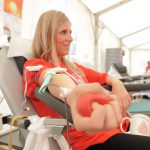
  • WHO steps up action to improve access to safe blood

    WHO steps up action to improve access to safe blood

    The World Health Organization’s new action plan to speed up universal access to safe blood and blood products pulls together existing recommendations and recommends new improved ways of working. It’s the start of a four-year collaborative effort to improve blood transfusion and blood-based therapies in all countries.

    Safe blood saves lives in all sorts of circumstances, not least in emergency and epidemic settings. Blood transfusion and blood products are critical for birth delivery for both the mother and baby; the survival and quality of life of patients suffering from life-threatening conditions such as haemophilia, thalassemia, immune deficiency and cancer; treating severe injuries and carrying out medical and surgical procedures.  

    But progress in blood safety and availability has been slow in many parts of the world, placing patients’ safety at risk and putting undue pressure on health workers. Progress is also mostly restricted to developed countries. Out of the approximate 118 million blood donations collected globally, 42% are collected in high-income countries, home to 16 % of the world’s population. And one out of four low-income countries do not test all donated blood, while 54% of countries do not have surveillance systems to securitise the supply chain from blood donor to patient. 

    Challenges include: slow implementation of national blood policies and weak blood regulatory systems; insufficient number of voluntary blood donors (who are considered the safest donors); poor quality management of screening tests, blood grouping and compatibility testing; inappropriate clinical use of blood; insufficient national funding for blood safety.

    To address these, WHO has set out six key objectives for all countries and in particular those with weak blood systems:

    • appropriately structured, well-coordinated and sustainably resourced national blood systems;
    • regulatory capacity to ensure the quality and safety of blood;
    • functioning and efficiently managed blood services;
    • effective implementation of patient blood management to optimize transfusion practices;
    • effective surveillance, haemovigilance and pharmacovigilance, supported by comprehensive and accurate data collection systems;
    • partnerships, collaboration and information exchange to achieve key priorities and jointly address challenges and emerging threats at global, regional and national levels.

    The Organization looks forward to working with partners worldwide to implement the plan, improve blood supply particularly in the low and middle-income countries where this is so urgently needed, and save lives. The plan will run from 2020-2024.

    WHO steps up action to improve access to safe blood
    Read More
    https://www.who.int/news-room/detail/26-02-2020-who-steps-up-action-to-improve-access-to-safe-blood

    Views: 0

  • To eliminate cervical cancer in the next 100 years, implementing an effective strategy is critical

    To eliminate cervical cancer in the next 100 years, implementing an effective strategy is critical

    Vaccination, screening, treatment and palliative care are the key interventions of WHO’s Draft Global Strategy towards the Elimination of Cervical Cancer as a Public Health Problem,
    the fourth most common cancer in women.

    On World Cancer Day, new estimates show that this strategy could save more than 62 million girls and women from a cervical cancer death and prevent 74 million cases within the next 100 years – but only if these interventions are used effectively
    together.

    No single intervention can eliminate cervical cancer

    These estimates, published by the WHO Cervical Cancer Elimination Modelling Consortium (CCEMC) in The Lancet, are based on the draft strategy’s targets to achieve a global coverage of 90% vaccination, 70% screening and 90% treatment by 2030.


    lancet

    Impact of HPV vaccination and cervical screening on cervical cancer elimination: a comparative modelling analysis in 78 low-income and lower-middle-income countries

    Mortality impact of achieving WHO cervical cancer elimination targets: a comparative modelling analysis in 78 low-income and lower-middle-income countries


    Developed by Member States, UN agencies and other partners, the draft global strategy seeks to redress the unequal burden of cervical cancer around the world. Nine in 10 cervical cancer deaths occur in low and lower-middle-income countries, where
    women lack access to health services.

    As Dr Tedros Adhanom Ghebreyesus, WHO’s Director-General has said, “It doesn’t have to be this way. Cervical cancer
    is one of the most preventable and treatable forms of cancer, as long as it is detected early and managed effectively.”

    This new analysis compares the impact of vaccination, screening and treatment of cervical pre-cancer lesions as single or combined interventions. Focusing on 78 countries where cervical cancer mortality is highest, the results clearly show that no
    single intervention will be sufficient to reduce levels of cervical cancer in the next 100 years to below the elimination target of 4 cases per 100,000 women per year.

    Acting immediately on all three fronts is crucial.                                                                                       

    90-70-90: a triple intervention by 2030 and beyond

    Vaccinating girls against cancer-causing types of human papillomavirus (HPV) before the age of 15 is the foundation for bringing every country’s incidence rate of cervical cancer down to the agreed elimination level.

    Right now, however, vaccination is not enough. As a single strategy, vaccination targets would only deliver a 0.1% reduction in cervical cancer mortality by 2030. Scaling up screening and treatment of cervical pre-cancer lesions at the same time would
    reduce mortality by more than one third, or 300,000 deaths, in the same period.

    The evidence shows that when all adult women are screened for cervical cancer at least twice, at ages 35 and 45, abnormalities are more likely to be detected before they become cancerous. When cancer has developed, screening increases a women’s
    likelihood of early and successful treatment, as well as palliative care if recovery is no longer an option.

    Meeting these triple-intervention targets would be a major contribution to target 3.4 of the UN Sustainable Development Goals (SDGs), a one-third reduction in premature mortality from non-communicable diseases by 2030.

    The future of cervical cancer elimination

    WHO’s global strategy towards eliminating cervical cancer aims to set the world on the right track by 2030, but it is just the beginning.

    At this pace, global elimination of cervical cancer is not predicted until 2120.

    While high HPV vaccination coverage is the primary prevention intervention, ensuring every woman has two cervical screenings in her life would accelerate elimination by 11 – 31 years, depending on the country.

    If no action is taken, cervical cancer deaths will rise almost 50% by 2030. Approval of the draft global strategy at the WHO World Health Assembly in 2020, and investment in mechanisms to deliver it, is vital.

    As the new World Cancer Report shows, only 18% of countries that currently provide screening for cervical cancer reached the recommended target of more than 70% coverage. An estimated 55% of low-income countries that reported offering
    cervical cancer screening generally lack accessible radiotherapy or surgery services.

    Elimination of cervical cancer is possible within the lifetime of today’s youngest girls, but the clock starts now and every intervention counts.


    To eliminate cervical cancer in the next 100 years, implementing an effective strategy is critical
    Read More
    https://www.who.int/news-room/detail/04-02-2020-to-eliminate-cervical-cancer-in-the-next-100-years

    Views: 0

  • WHO outlines steps to save 7 million lives from cancer

    WHO outlines steps to save 7 million lives from cancer

    The World Health Organization (WHO) today spells out the need to step up cancer services in low and middle-income countries. WHO warns that, if current trends continue, the world will see a 60% increase in cancer cases over the next two decades. The greatest increase (an estimated 81%) in new cases will occur in low- and middle-income countries, where survival rates are currently lowest.

    This is largely because these countries have had to focus limited health resources on combating infectious diseases and improving maternal and child health, while health services are not equipped to prevent, diagnose and treat cancers. In 2019, more than 90% of high-income countries reported that comprehensive treatment services for cancer were available in the public health system compared to less than 15% of low-income countries.

    “This is a wake-up call to all of us to tackle the unacceptable inequalities between cancer services in rich and poor countries,” says Dr Ren Minghui, Assistant Director-General, Universal Health Coverage/ Communicable and Noncommunicable Diseases, World Health Organization. “If people have access to primary care and referral systems then cancer can be detected early, treated effectively and cured. Cancer should not be a death sentence for anyone, anywhere.”

    Yet, progress in poorer countries is achievable. WHO and the International Agency for Research on Cancer (IARC) are releasing two coordinated reports on World Cancer Day (4 February), in response to government calls for more research into the scope and potential policies and programmes to improve cancer control.

    “At least 7 million lives could be saved over the next decade, by identifying the most appropriate science for each country situation, by basing strong cancer responses on universal health coverage, and by mobilizing different stakeholders to work together”, said Dr Tedros Adhanom Ghebreyesus, Director-General, WHO.

    WHO highlights a wide range of proven interventions to prevent new cancer cases. These include controlling tobacco use (responsible for 25% of cancer deaths), vaccinating against hepatitis B to prevent liver cancer, eliminating cervical cancer by vaccinating against HPV, screening and treatment, implementing high-impact cancer management interventions that bring value for money and ensuring access to palliative care including pain relief.

    “The past 50 years have seen tremendous advances in research on cancer prevention and treatment,” says Dr Elisabete Weiderpass, Director of IARC. “Deaths from cancer have been reduced. High-income countries have adopted prevention, early diagnosis and screening programmes, which together with better treatment, have contributed to an estimated 20% reduction in the probability of premature mortality between 2000 and 2015, but low-income countries only saw a reduction of 5%. We need to see everyone benefitting equally.” The challenge will be for countries to select treatments balancing considerations including cost, feasibility and effectiveness. Each government is tasked with choosing the appropriate innovative cancer therapies, while recognizing that established treatments, many of which are very effective and affordable, can provide benefits for cancer without causing financial hardship.

    Note to editors

    World Health Organization

    Report on Cancer: Setting priorities, investing wisely and providing care for all

    The report aims to set the global agenda on cancer, mobilize stakeholders and help countries set priorities for investing in cancer control and universal health coverage. It introduces the principles, tools and current priority cancer control interventions in the context of the current and future cancer burden and opportunities.

    International Agency for Research on Cancer

    World Cancer Report “Cancer research for cancer prevention”

    The report focuses on prevention and offers the most comprehensive overview of relevant research available to date, ranging from descriptive etiology, cellular and molecular biology, toxicology and pathology through to behavioural and social science. Key chapters include discussions on the impact of inequalities in cancer, vaccination and screening, genomic individual susceptibility to cancer and the finer identification of those at risk, which may allow ‘precision cancer prevention’.

    WHO outlines steps to save 7 million lives from cancer
    Read More
    https://www.who.int/news-room/detail/04-02-2020-who-outlines-steps-to-save-7-million-lives-from-cancer

    Views: 0

  • Statement on the meeting of the International Health Regulations (2005) Emergency Committee for Ebola virus disease in the Democratic Republic of the Congo on 12 February 2020

    Statement on the meeting of the International Health Regulations (2005) Emergency Committee for Ebola virus disease in the Democratic Republic of the Congo on 12 February 2020

    The meeting of the Emergency Committee convened by the WHO Director-General under the International Health Regulations (IHR) (2005) to review the current Ebola virus disease (EVD) outbreak in the Democratic Republic of the Congo (DRC) took place on Wednesday, 12 February 2020, from 14:00 to 16:45 Geneva time (CEST).

    Proceedings of the meeting

    Members and advisors of the Emergency Committee were convened by teleconference.

    The Secretariat welcomed the Committee and thanked them for their support. The meeting was turned over to the Chair, Dr Robert Steffen.

    Dr Steffen also welcomed the Committee and gave the floor back to the Secretariat.

    Representatives of WHO’s legal department and the department of compliance, risk management, and ethics briefed the Committee members on their roles and responsibilities.

    Committee members were reminded of their duty of confidentiality and their responsibility to disclose personal, financial, or professional connections that might be seen to constitute a conflict of interest. Each member who was present was surveyed and no conflicts of interest were judged to be relevant to the meeting.

    The Chair then reviewed the agenda for the meeting and introduced the presenters.

    Presentations were made by representatives of the Ministry of Health of the Democratic Republic of the Congo (DRC), the WHO Secretariat, and the UN Ebola Emergency Response Coordinator.

    The current situation in the DRC was reviewed. As of 10 February 2020, there were a total of 3431 cases, of which 3308 were confirmed and 123 were probable. 2253 persons have died (66%). Between 3 and 9 February 2020, three new confirmed cases were reported in Beni Health Zone, North Kivu. These three cases were already registered as contacts and two were under surveillance at the time of detection. More than 2000 contacts are being followed. There has been an increase in the number of security incidents in recent months.

    Challenges that remain include: strengthening of community acceptance for full commitment to response measures; protection of personnel at strategic health checkpoints; improvement of infection prevention and control practices in health facilities; strengthening of the local health system; and comprehensive treatment and support for patients in recovery.

    The WHO Secretariat gave an overview of the epidemiological situation, which shows an overall encouraging trend in case incidence and geographic spread. It was noted that sustaining this progress depends on the security situation and control of the well-known drivers of transmission, particularly in traditional health facilities, and on continued trust and communication with the community.

    A risk communication and community engagement programme has been developed, as has an EVD survivors programme. It is critical to ensure the long-term sustainability of these two initiatives.   

    The situation in countries neighbouring DRC was reviewed, as was preparedness in nonaffected areas of DRC. An EVD operational readiness standardized approach has been implemented in 9 priority countries. More than 2400 alerts have been investigated, and more than 14,600 health workers have been vaccinated.

    The UN Ebola Emergency Response Coordinator gave a brief report on operational support, focused on security challenges and preparations for any resurgence of disease.

    Context and Discussion

    The Committee noted a great deal of progress in the situation since its last meeting and commended the response, under the leadership of the DRC Ministry of Health and the multisectoral coordination commission established in July 2019. Support provided by WHO, UN agencies, nongovernmental organizations and other partners has also contributed to limiting the spread and impact of this virus in a difficult context. An increase in the number of alerts was attributed to strong and proactive community surveillance.

    Conclusions and Advice

    It was the unanimous view of the Committee that this event still constitutes a public health emergency of international concern (PHEIC) under the IHR (2005).

    The Committee acknowledged the revised risk assessment, which puts the risk now as high at national and regional levels, and low at the global level.

    The Committee was concerned that withdrawing the PHEIC now might have adverse consequences for the response efforts through diminishing focus. Additionally, although the primary concern of the Committee is EVD, there are serious ongoing outbreaks of other diseases, including measles and cholera, in DRC. The country continues to need support to combat infectious diseases as well as to strengthen its health system. Further, there remains an urgent need to maintain international solidarity for the response.

    The Committee noted the ongoing discussions about the interpretation in the text of the IHR (2005) of the terms international and regional spread, and about creating an intermediate level of response between the binary possibilities of PHEIC or no PHEIC, in a way that does not require reopening negotiations on the Regulations. The Committee supports these discussions, as an intermediate level would be as useful for gradually ending a PHEIC and for signaling the potential for one to be declared.

    The Committee provided the following advice to the Director-General for his issuance as revised Temporary Recommendations under the IHR (2005).

    For DRC:

    • Sustain the political commitment and multisectoral coordination approach to the response.
    • Continue to engage and build trust with associations of survivors to facilitate rapid detection of any cases arising from exposure to infected bodily fluids of survivors.
    • Continue to strengthen capacity, implementation, and coordination for community awareness and engagement, including a focus on hotspots, preventing resurgence where cases have declined, and to support survivors in their communities.
    • Further enhance the acceptance of response measures and address access and security issues by engaging influencers and decision makers for all interventions.
    • Strengthen measures to prevent and manage nosocomial infections, including systematic mapping of health facilities, targeting of IPC interventions and sustain support to those facilities through monitoring and supervision, including in private-sector and traditional health facilities.
    • Continue cross-border screening and step up monitoring at checkpoints around hotspots and at main roads.
    • Continue to implement and share real-time full-genome genetic sequencing of all new confirmed cases.
    • Strengthen measures to prevent and manage nosocomial infections, including systematic mapping of health facilities, targeting of IPC interventions and sustain support to those facilities through monitoring and supervision.
    • Strengthen preparedness in non-affected provinces of DRC, and more generally strengthen the health system across the country to respond to concurrent health emergencies.
    • Continue to implement optimal vaccine strategies that have proven maximum impact on curtailing the outbreak, as recommended by WHO’s Strategic Advisory Group of Experts (SAGE).

    For countries at risk:

    • At-risk countries should maintain their work with partners to improve their preparedness for detecting and managing imported or locally acquired cases, including the transparent sharing of detailed information on suspect cases, as required by the International Health Regulations (2005), and sharing laboratory samples of suspect cases for confirmatory testing in accordance with WHO norms and guidance.
    • Countries should continue to map population movements and sociological patterns that can predict risk of disease spread.
    • Risk communications and community engagement, especially at points of entry, should be maintained.

    For all countries:

    • As recommended previously, no country should close its borders or place any restrictions on travel and trade.
    • The Committee does not consider entry screening at airports or other ports of entry outside the region to be necessary.

    The Committee emphasized the importance of continued support by WHO and other national and international partners towards the effective implementation and monitoring of these recommendations.

    Based on this advice, the reports made by the affected State Party, and the currently available information, the Director-General accepted the Committee’s assessment and on 12 February 2020 maintained the Ebola outbreak in the Democratic Republic of the Congo as a Public Health Emergency of International Concern (PHEIC).

    The Director-General endorsed the Committee’s advice and issued them as Temporary Recommendations under IHR (2005) to reduce the international spread of Ebola, effective 12 February 2020. The Director-General thanked the Committee Members and Advisors for their advice and requested their reassessment of this situation within two months or earlier if the situation requires.

    Statement on the meeting of the International Health Regulations (2005) Emergency Committee for Ebola virus disease in the Democratic Republic of the Congo on 12 February 2020
    Read More
    https://www.who.int/news-room/detail/12-02-2020-statement-on-the-meeting-of-the-international-health-regulations-(2005)-emergency-committee-for-ebola-virus-disease-in-the-democratic-republic-of-the-congo-on-12-february-2020

    Views: 0

  • Changes needed to increase access to colorectal cancer screening

    Changes needed to increase access to colorectal cancer screening

    Colorectal cancer is the second highest cause of cancer death in the United States, expected to claim the lives of an estimated 49,190 people in 2016. The Affordable Care Act (ACA) aimed to increase access to CRC screening by not holding patients responsible for all costs of the procedure, yet current Medicare insurance beneficiaries lacking supplemental insurance may not be able to afford colon cancer screening and treatment. This policy disproportionally puts low-income Americans at risk and adds unnecessary strains on overall health care costs, according to a commentary in the May issue of the journal Gastroenterology.

    “Study after study shows that screening saves lives,” said Chyke A. Doubeni, MD, MPH, chair and the Presidential Associate Professor of Family Medicine and Community Health at the Perelman School of Medicine at the University of Pennsylvania, and lead author of the commentary. “Yet many of those in the group most affected by this deadly disease are unable to afford the screening they critically need. We must renew efforts to ensure equitable access to and use of disease prevention, detection, and treatment services for colorectal cancer.”

    For CRC screening, a full colonoscopy is necessary, where the doctor inspects the rectum and entire colon through a flexible lighted tube, and can remove any abnormal growth. The entire colon has to be cleansed before the colonoscopy, for which the patient is usually sedated

    There are currently an estimated 55.5 million Medicare beneficiaries in the U.S. A 2010 Kaiser Family Foundation survey found that 14 percent lacked supplemental coverage. Until recently, colon cancer screening has been viewed as a one-time activity, while in practice, screening is a series of clinical activities to identify and test patients and perform diagnostic confirmation when necessary. This series of tests and steps include a diagnostic workup, which can include a biopsy to obtain a tissue sample or polypectomy, in which polyps are removed to prevent them from becoming cancerous.

    Views: 0