Tag: Related

  • WHO and Global Citizen announce: ‘One World: Together at home’ Global Special to support healthcare workers in the fight against the COVID-19 pandemic

    WHO and Global Citizen announce: ‘One World: Together at home’ Global Special to support healthcare workers in the fight against the COVID-19 pandemic


    ‘One World: Together At Home’ global special to air on Saturday, 18 April 2020 in celebration and support of healthcare workers, broadcast to feature real experiences from doctors, nurses and families around the world.

    Powered by commitments from supporters and corporate partners in benefit of the COVID-19 Solidarity Response Fund, Broadcast special to also benefit local and regional charities that provide food, shelter and healthcare to those that need help most.

    Historic broadcast to be hosted by Jimmy Fallon of ‘The Tonight Show,’  Jimmy Kimmel of ‘Jimmy Kimmel Live’ and Stephen Colbert of ‘The Late Show with Stephen Colbert,’ Friends from Sesame Street Also on hand to help unify and inspire people around the world to take meaningful actions that increase support for the global COVID-19 response.

    Curated in collaboration with Lady Gaga, broadcast to include Alanis Morissette, Andrea Bocelli, Billie Eilish, Billie Joe Armstrong of Green Day, Burna Boy, Chris Martin, David Beckham, Eddie Vedder, Elton John, FINNEAS, Idris and Sabrina Elba, J Balvin, John Legend, Kacey Musgraves, Keith Urban, Kerry Washington, Lang Lang, Lizzo, Maluma, Paul McCartney, Priyanka Chopra Jonas,  Shah Rukh Khan and Stevie Wonder.

    ——————————————

    Geneva/New York – International advocacy organization Global Citizen and the World Health Organization today
    announced the One World: Together At Home — a globally televised and streamed special in support of the fight against the COVID-19 pandemic. One World: Together At Home will be broadcast live on Saturday, 18 April 2020 at 5:00
    p.m. PDT/8:00 p.m. EDT/12:00 a.m. GMT airing on ABC, NBC, ViacomCBS Networks, iHeartMedia and Bell Media networks and platforms in Canada. Internationally, BBC One will run the program on Sunday 19 April 2020. Additional
    international broadcasters include beIN Media Group, MultiChoice Group and RTE. The virtual broadcast will show unity among all people who are affected by COVID-19 and will also celebrate and support brave healthcare
    workers doing life-saving work on the front lines.

    Hugh Evans, Co-Founder and CEO of Global Citizen, said “As we honor and support the heroic efforts of community health workers, ‘One World: Together At Home’ aims to serve as a source of unity and encouragement in the global fight
    to end COVID-19. Through music, entertainment and impact, the global live-cast will celebrate those who risk their own health to safeguard everyone else’s.”

    One World: Together At Home will also be a multi-hour digital broadcast streaming online on multiple global platforms, including: Alibaba, Amazon Prime Video, Apple, Facebook, Instagram, LiveXLive, Tencent, Tencent Music Entertainment Group, TIDAL, TuneIn, Twitch, Twitter, Yahoo and
    YouTube. This digital special will include additional artists and performances from all over the globe as well as unique stories from the world’s healthcare heroes. For information about how to tune in and take action, visit 
    www.globalcitizen.org/togetherathome.

    “The World Health Organization is committed to defeating the coronavirus pandemic with science and public health measures, and supporting the health workers who are on the frontlines of the response,” said Dr Tedros Adhanom Ghebreyesus,
    Director-General of WHO. “We may have to be apart physically for a while, but we can still come together virtually to enjoy great music. The ‘One World: Together At Home’ concert represents a powerful show of solidarity against
    a common threat.”

    “The United Nations system is fully mobilized: supporting country responses, placing our supply chains at the world’s disposal and advocating for a global cease-fire. We are proud to join forces with ‘One World: Together At Home’
    to help suppress the transmission of the virus, minimize social-economic impacts on the global community and work together now to advance Global Goals for the future,” said António Guterres, Secretary-General of the United Nations.
    “There is no greater case for collective action than our joint response to COVID-19 – we are in this together and we will get through this together.”

    Last month in response to the global pandemic, Global Citizen launched an urgent campaign in support of the COVID-19 Solidarity Response Fund for WHO, powered by the UN Foundation. Calling on individuals to take action,
    and asking world leaders and corporations to support the response with sufficient resources, Global Citizens from over 130 countries around the world have taken tens of thousands of actions in support of the response fund.

    At this critical moment in history, Global Citizen is also calling on philanthropists to join and support immediate COVID-19 response efforts as part of the organization’s Give While You Live effort. Investors, changemakers and foundation
    leaders are being urged to actualize their giving and invest quickly in related efforts like stronger health systems and vaccine development.

    Over the past three weeks, the Together At Home series has featured performances from artists including,
    Chris Martin, John Legend, Charlie Puth, Common, Shawn Mendes, Camila Cabello, Ryan Tedder of OneRepublic, Niall Horan, Steve Aoki, Jennifer Hudson, Miguel, H.E.R., Anthony Hamilton, Rufus Wainwright, Hozier and Julianne Hough, among others in
    support of WHO and Global Citizen’s campaign.

    Commitments from supporters and corporate partners will go to the COVID-19 Solidarity Response Fund for WHO to support and equip frontline healthcare workers around the world, with masks, gowns and other vital equipment, and to local charities that provide food, shelter, and healthcare to those that need it most. These local groups have been verified
    to ensure that they are helping communities impacted by COVID-19.

    For more information about Global Citizen and the campaign to support the WHO’s Solidarity Response Fund, please visit globalcitizen.org and
    follow @GlblCtzn Twitter, Facebook and Instagram using #GlobalCitizen. 

    To learn more about WHO’s response to the pandemic and the COVID-19 Solidarity Response Fund, please go to www.who.int/COVID-19 and follow @WHO on Twitter, Facebook, Instagram,
    LinkedIn and TikTok.


    ###

    About Global Citizen:

    Global Citizen is the world’s largest movement of action takers and impact makers dedicated to ending extreme poverty by 2030. With over 10 million monthly advocates, our voices have the power to drive lasting change around sustainability, equality,
    and humanity. We post, tweet, message, vote, sign, and call to inspire those who can make things happen to act — government leaders, businesses, philanthropists, artists, and citizens — together improving lives. By downloading our
    app, Global Citizens learn about the systemic causes of extreme poverty, take action on those issues, and earn rewards, which can be redeemed for tickets to concerts, events, and experiences all over the world. To date, the actions of our community,
    along with high-level advocacy efforts and work with partners, has resulted in commitments and policy announcements from leaders valued at over $48 billion, affecting the lives of more than 2.25 billion people by 2030. For more information, visit
    www.GlobalCitizen.org.


    About the World Health Organization:

    The World Health Organization (WHO) is the United Nations’ specialized agency for health. It is an inter-governmental organization and works in collaboration with its Member States usually through the Ministries of Health. The World Health Organization
    is responsible for providing leadership on global health matters, shaping the health research agenda, setting norms and standards, articulating evidence-based policy options, providing technical support to countries and monitoring and assessing
    health trends. Learn more at www.who.int.


    About the United Nations Foundation:

    The UN Foundation brings together the ideas, people, and resources the United Nations needs to drive global progress and tackle urgent problems. To support the work of the World Health Organization (WHO) in its global work on COVID-19, UN Foundation
    helped launch the COVID-19 Solidarity Response Fund that has raised more than $100 million in less than two weeks for lifesaving work around the world.  Learn more about the COVID-19 Solidarity Response Fund at www.covid19responsefund.org. Learn more about the UN Foundation at www.unfoundation.org.
    Follow @unfoundation on Twitter and Instagram, and @United Nations Foundation on Facebook.

    —————-

    Note to Editors:

    Resources donated to the COVID-19 Solidarity Response Fund will be spent in alignment with the WHO Strategic Preparedness and Response Plan and support the work of multiple organizations. These include WHO, for tracking the virus spread, equipping
    health workers, making lab and testing tools available, and providing communities and frontline responders with the latest guidance; enabling UNICEF to equip children and families globally with evidence-based guidance to protect them from COVID-19,
    providing water, sanitation and hygiene, and basic infection prevention and control measures to vulnerable countries, and caring for vulnerable families and children; and to CEPI, the Coalition for Epidemic Preparedness Innovations, a key partner
    leading the financing for research and development for novel vaccines to combat COVID-19.


    WHO and Global Citizen announce: 'One World: Together at home' Global Special to support healthcare workers in the fight against the COVID-19 pandemic
    Read More
    https://www.who.int/news-room/detail/06-04-2020-who-and-global-citizen-announce-one-world-together-at-home-global-special-to-support-healthcare-workers-in-the-fight-against-the-covid-19-pandemic

    Views: 0
  • National Ethics Committees and COVID-19

    National Ethics Committees and COVID-19

    On
    Monday April 6, WHO will host a digital assembly to facilitate communication,
    collaboration and alternate between National Ethics Committees from across the
    world to assist international locations reply to the moral challenges offered by
    COVID-19. This assembly will likely be chaired by Hugh Whittall from the Nuffield
    Council on Bioethics.

    Related sources

    A selection of work addressing the COVID-19 pandemic

    National Ethics Committees and COVID-19
    Read More
    https://www.who.int/news-room/detail/04-04-2020-national-ethics-committees-and-covid-19

    Views: 0

  • WHO and UNICEF to partner on pandemic response through COVID-19 Solidarity Response Fund

    WHO and UNICEF as we speak introduced an settlement to work collectively on COVID-19 response, through the historic COVID-19 Solidarity Response Fund powered by the United Nations Foundation and Swiss Philanthropy Foundation.  

    The COVID-19 Solidarity Response Fund has been arrange to facilitate an unprecedented world response by supporting the WHO Strategic Preparedness and Response Plan. As a part of the settlement, an preliminary portion of the cash from
    the Fund – which presently stands at greater than $127 million – will circulate to UNICEF for its work with susceptible kids and communities everywhere in the world.

    “COVID-19 is an unprecedented pandemic requiring extraordinary global solidarity to urgently respond,” stated Dr Tedros Adhanom Ghebreyesus, WHO Director-General. “I’m happy that UNICEF joined the Solidarity
    Response Fund. With their in depth expertise each in fundraising and in implementing programmes, this partnership will assist us to work collectively carefully to save lives.”

    The cash collected through the fund can be used, amongst others, to practice and equip communities and health-care staff to forestall, detect and deal with COVID-19. It will assist international locations broaden their health-care capability and mitigate its social impression, particularly
    on girls, kids and susceptible social teams. And it should speed up analysis and improvement of therapies and preventive vaccines.

    As a key partner on this joined-up effort, UNICEF will lead emergency efforts to guarantee households and communities in probably the most susceptible international locations are totally engaged within the response and have entry to water, sanitation and hygiene and different an infection prevention
    and management measures. UNICEF may even guarantee kids, caretakers, and frontline responders corresponding to social staff, academics and healthcare staff are supported through evidence-based steering through its huge group outreach and nation
    packages.

    “This is an extraordinary emergency that demands an extraordinary response, and we need all-hands on deck—individuals, corporations, foundations, governments and other organizations around the world,” stated UNICEF Executive Director Henrietta
    Fore. “UNICEF is happy to be a part of the Solidarity Response Fund. It will bolster our efforts to strengthen well being and sanitation techniques and assist shield probably the most susceptible households from knock-on impacts of COVID-19 on already overstretched well being
    techniques.”

    Funds raised can be spent in alignment with the worldwide response plan, and the place wants are biggest. At the path of WHO management, it’s anticipated that sources will go immediately towards:

    • WHO, for its work to monitor the unfold of the virus, assess gaps and wants, equip frontline well being staff with private protecting gear, guarantee lab and testing instruments can be found in international locations around the globe, and maintain communities
      and frontline responders knowledgeable with the most recent technical steering.
    • UNICEF, to guarantee kids and households around the globe are outfitted with all of the evidence-based data and newest WHO steering in addition to domestically related data to shield themselves from the unfold of COVID-19; to assist
      susceptible international locations by offering entry to water, sanitation and hygiene, and primary an infection prevention and management measures; and to present entry to look after susceptible households and kids.
    • CEPI, the Coalition for Epidemic Preparedness Innovations, a key partner main the financing for analysis and improvement for novel vaccines to fight COVID-19, working carefully with WHO.

    The COVID-19 Solidarity Response Fund was arrange at WHO’s request by the UN Foundation and Swiss Philanthropy Foundation and launched three weeks in the past. It is the one manner for people and organizations to contribute immediately to WHO’s
    world efforts to deal with the pandemic. To date the fund has $127 million raised or dedicated from greater than 219,000 people from everywhere in the world plus greater than 90 world corporations and organizations. The partnership can be an amazing
    demonstration of solidarity throughout UN organizations in coordinating, partnering and supporting one another in coping with the instant and longer-term impression of the pandemic. 

    “There has never been a more urgent need for global cooperation,” stated Elizabeth Cousens, President & CEO of the UN Foundation. “The COVID-19 pandemic reveals us that all of us can play a component to cease the unfold. The unimaginable
    generosity proven to the COVID-19 Solidarity Response Fund from around the globe will assist WHO, UNICEF, CEPI and companions speed up their lifesaving work, particularly to assist probably the most susceptible communities and velocity the event of a
    vaccine.”

    ###

    Notes to editors

    About UNICEF

    UNICEF works in a few of the world’s hardest locations, to attain the world’s most deprived kids. Across greater than 190 international locations and territories, we work for each little one, in every single place, to construct a greater world for everybody.

    About WHO

    WHO is the United Nations’ specialised company for well being. It is an inter-governmental group and works in collaboration with its Member States often through the Ministries of Health. The World Health
    Organization is accountable for offering management on world well being issues, shaping the well being analysis agenda, setting norms and requirements, articulating evidence-based coverage choices, offering technical assist to international locations and monitoring
    and assessing well being tendencies. Learn extra at www.who.int.

    About the United Nations Foundation

    The UN Foundation brings collectively concepts, folks, and sources to assist the United Nations drive world progress and deal with pressing issues. Our hallmark is to collaborate for lasting change and innovate to handle humanity’s biggest challenges.
    Learn extra at www.unfoundation.org.

    Read More
    https://www.who.int/news-room/detail/03-04-2020-who-and-unicef-to-partner-on-pandemic-response-through-covid-19-solidarity-response-fund

    Views: 0

  • WHO to accelerate action to reduce the harmful use of alcohol

    The
    harmful use of alcohol causes roughly Three million deaths yearly and the
    general burden of illness and accidents attributable to alcohol consumption
    stays unacceptably excessive. The tempo of improvement and implementation of
    alcohol insurance policies has been uneven in WHO areas, and assets and capacities
    for implementation of the WHO Global technique to reduce the harmful use of
    alcohol 10 years after its endorsement don’t correspond to the magnitude of
    the issues. On this foundation, the WHO Executive Board in its choice EB146
    (14)
     known as for accelerated action to reduce the harmful use of
    alcohol. 

    The Board thought of the report on the political declaration of the third high-level meeting of the General Assembly on the prevention and control of non-communicable diseases, notably Annex 3, entitled “Implementation of the global strategy to reduce the harmful use of alcohol,” and the report on the findings of the consultative process on implementation of the global strategy to reduce the harmful use of alcohol and the way forward.

    The Board, in its choice EB146 (14),  requested  the WHO Director-General, inter alia, “to develop an action plan (2022-2030) to effectively implement the Global strategy to reduce the harmful use of alcohol as a public health priority, in consultation with Member States and relevant stakeholders, for consideration by the 75th World Health Assembly through the 150th session of the WHO Executive Board in 2022”, and “to develop a technical report on the harmful use of alcohol related to cross-border alcohol marketing, advertising and promotional activities, including targeting youth and adolescents, before the 150th session of the WHO Executive Board, which could contribute to the development of the action plan”,  in addition to “to adequately useful resource the work on the harmful use of alcohol.

    In response to choice EB146 (14), the WHO Secretariat will implement the following:

    • March– April 2020: Commissioning of the scoping evaluate on the harmful use of alcohol associated to cross-border alcohol advertising and marketing, promoting and promotional actions, together with concentrating on youth and adolescents.  Commissioning background papers for the report improvement. 
    • ­April-May 2020: Producing zero draft of the working doc for improvement of an action plan (2022-2030) to successfully implement the Global technique to reduce the harmful use with proposed important parts and parts.  
    • ­June 2020: Technical professional conferences organized by WHO headquarters to talk about zero draft of the working doc for improvement of the action plan and the content material of the technical report on the harmful use of alcohol associated to cross-border alcohol advertising and marketing, promoting and promotional actions.  
    • ­July-September 2020: Finalization of the working doc for subsequent session course of. Web-based session on the working doc for improvement of the action plan open to Member States, UN organizations and different worldwide organizations, and non-State actors. All related suggestions acquired will probably be revealed on WHO web site. 
    • ­October 2020 – March 2021: Regional technical consultations with Member States on the working doc for improvement of the action plan (2022-2030). 
    • ­March– April 2021: Development of the first draft of the action plan primarily based on the enter acquired on the working doc in the course of of the regional consultations.
    • April -June 2021: The web-based session on the first draft of the action plan open to Member States, UN organizations and different worldwide organizations, and non-State actors.  All related suggestions acquired will probably be revealed on WHO web site. Discussion of the first draft at the Third WHO Forum on alcohol, medication and addictive behaviours attended by technical focal factors from Member States, representatives of UN entities, civil society organizations, WHO collaborating centres, and academia. Consultation with financial operators in alcohol manufacturing and commerce on their contribution to decreasing the harmful use of alcohol inside their core roles.  An casual session with Member States on the first draft of the action plan.
    • ­July-August 2021: Development of the second draft of the action plan primarily based on the suggestions acquired on the first draft throughout the earlier levels of the session course of. 
    • ­August-November 2021: Briefings on the second draft of the action plan organized at the Regional Committee conferences.  Release of the technical report on the harmful use of alcohol associated to cross-border alcohol advertising and marketing, promoting and promotional actions, together with concentrating on youth and adolescents, with a abstract of fundamental findings and conclusions out there in six languages.  A proper assembly of Member States for consideration of the second draft of the action plan. Finalization of the draft action plan considered suggestions and inputs acquired from Member States and different stakeholders throughout the session course of in April -October 2021.  Development and submission of the report by the Secretariat to 150th session of the Executive Board. 
    • ­January/February 2022: The 150th session of the WHO Executive Board will think about the report of the WHO Director-General containing the draft action plan (2022-2030) to successfully implement the Global technique to reduce the harmful use of alcohol.


    WHO to accelerate action to reduce the harmful use of alcohol
    Read More
    https://www.who.int/news-room/detail/28-03-2020-who-to-accelerate-action-to-reduce-the-harmful-use-of-alcohol

    Views: 0

  • Medical Product Alert N°3/2020

    This Medical Product Alert warns consumers, healthcare professionals, and health authorities against a growing number of falsified medical products that claim to prevent, detect, treat or cure COVID-19. 

    The Coronavirus disease (COVID-19) pandemic (caused by the virus SARS-CoV-2) has increased demand for medicines, vaccines, diagnostics and reagents, all related to COVID-19, creating an opportunity for ill-intended persons to distribute falsified medical products 

    Due diligence is required from all actors in the procurement, use and administration of medical products, in particular those affected by the current crisis of, or related to, COVID-19. 

    1. FALSIFIED IN VITRO DIAGNOSTICS AND LABORATORY REAGENTS 

    WHO has received multiple reports regarding falsified in vitro diagnostics (IVDs) and laboratory reagents for the detection of SARS-CoV-2. Please refer to WHO’s Emergency Use Listing for a list of diagnostics approved for clinical use by WHO. To date, eight countries (Australia, Brazil, Canada, PR China, Russian Federation, Singapore, Republic of Korea, United States of America) have listed IVDs for COVID-19 diagnosis based on expedited regulatory assessments. Please note that, in the European Union, regulatory compliance for SARS-CoV-2 diagnostics are self-declared by the manufacturer.  

    To assist Member States and stakeholders, WHO has published the links to these emergency lists, together with contact details. These links provide information on IVDs authorized for use in the jurisdictions of the International Medical Device Regulators Forum, as well as policies and guidance. WHO will provide updated versions as new information becomes available.

    End-users are encouraged to check the labelling against the information posted by regulatory authorities upon listing to ensure they are in possession of the genuine product. This information might include product name, product code, expiry date, instructions for use and manufacturer details. 

    Unregulated websites supplying medicines and/or vaccines, particularly those concealing their physical address or landline telephone number, are frequently the source of unlicensed, substandard and falsified medical products. WHO has been made aware of various unregistered websites claiming that products on sale can treat or prevent COVID-19. Such products are likely to be falsified medicines. In addition, some websites may appear to provide easy access to legitimate medicines that are otherwise not readily available. End-buyers and consumers should be especially wary of such online scams and exert due diligence when purchasing any medical product, whether online or not.

     2. FALSIFIED MEDICINES AND VACCINES

    At this stage, WHO does not recommend any medicines to treat or cure COVID-19. However, the SOLIDARITY trial, led by WHO, is reviewing potential treatments for COVID-19. 

    WHO requests increased vigilance from national health authorities, healthcare professionals, members of the public and supply chain stakeholders worldwide to prevent the distribution of these falsified medical products. Increased vigilance should focus on hospitals, clinics, health centres, clinical laboratories, wholesalers, distributors, pharmacies and any other suppliers of medical products. All medical products must be obtained from authentic and reliable sources. Their authenticity and condition of the product should be carefully checked. Consumers are advised to seek advice from a healthcare professional in case of doubt. 

    National health authorities are requested to immediately notify WHO if these falsified products are discovered in their country. If you have any information concerning the manufacture, distribution, or supply of these products, please contact rapidalert@who.int

    WHO Global Surveillance and Monitoring System for Substandard and Falsified Medical Products
    For further information, please visit our website: https://www.who.int/medicines/regulation/ssffc/en/ 

    Read More
    https://www.who.int/news-room/detail/31-03-2020-medical-product-alert-n-3-2020

    Views: 0

  • Coronavirus: Ondo Government Shuts Down Markets, Begins Fumigation

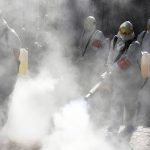
    Coronavirus: Ondo Government Shuts Down Markets, Begins Fumigation

    Coronavirus: Ondo Government Shuts Down Markets, Begins Fumigation 1

    Coronavirus: Ondo Government Shuts Down Markets, Begins Fumigation 2


    The Ondo State Government has shut down all markets including the ones selling essential commodities in the state. 

    The government said the closure was part of measures to stem the spread of Coronavirus pandemic in the country.

    In a statement, the Ondo Government said, “It has been observed that residents have flagrantly disobeyed this directive which is a potent measure to avoid the spread of COVID-19 pandemic. 

    “Compelled by this unwholesome infraction, government hereby places a total ban on all markets across Ondo State.

    “This ban is irrespective of any item. For emphasis, all markets must remain closed until further notice.”

    In a related development, Governor Rotimi Akeredolu has ordered the fumigation of all markets and motor parks across the state.

    He said, “By the time people return to the markets after the closure, they will meet the place cleaner and already fumigated.”


    PUBLIC HEALTH

    News

    AddThis

    : 

    Original Author

    : 

    Saharareporters, New York

    Disable advertisements

    : 
    Coronavirus: Ondo Government Shuts Down Markets, Begins Fumigation
    Read More
    http://saharareporters.com/2020/04/01/coronavirus-ondo-government-shuts-down-markets-begins-fumigation

    Views: 0

  • Legal Issues Arising From Management Of Covid-19 Patients By Ahmed Adetola-Kazeem

    Legal Issues Arising From Management Of Covid-19 Patients By Ahmed Adetola-Kazeem

    Legal Issues Arising From Management Of Covid-19 Patients By Ahmed Adetola-Kazeem 3

    Legal Issues Arising From Management Of Covid-19 Patients By Ahmed Adetola-Kazeem 4


    A lot of legal issues are bound to arise as an aftermath of the outbreak of Coronavirus otherwise referred to as COVID-19.  There is therefore a need to shed light on some of the issues that may arise and how to navigate them. This article will x-ray the rights of patients, the rights of health workers and the basic minimum obligations of the government.

    The Code of Medical Ethics in Nigeria 2008 lists acts that constitute professional negligence. Rule 29.4 of the Code outlines some of these acts as follows:-

    a)      Failure to attend promptly to a patient requiring urgent attention when the practitioner was in a position to do so;

    b)     Manifesting incompetence in the assessment of a patient;

    c)      Making an incorrect diagnosis particularly when the clinical features were so glaring that no reasonable skillful practitioner could have failed to notice them; 

    d)     Failure to advise, or proffering wrong advice to  a patient on the risk involved in a particular operation or course of treatment, especially if such an operation or course of treatment is likely to result in serious side effects like deformity or loss of organ, or function;

    e)      Failure to obtain the informed consent of the patient before proceeding on any surgical procedure or course of treatment when such consent was necessary; 

    f)       Making a mistake in treatment e.g. amputation of the wrong limb, carelessness that results in the termination of a pregnancy, prescribing the wrong drug, or dosage in error for a correctly diagnosed ailment, etc;

    g)     Failure to refer, or transfer a patient in good time, when such a referral or transfer was necessary;

    h)     Failure to do anything that ought reasonably to have been done under any circumstance for the good of the patient;

    i)       Failure to see a patient as often as his medical condition warrants or to make appropriate comments in the case notes of the practitioner’s observations and prescribed treatment during such visits. It also includes failure to communicate with the patient or with his relatives as may be necessary with regards to any developments, progress or prognosis in the patient’s condition.


    Rule 11.2 of the 2008 Code of Medical Ethics in Nigeria provides that, “A physician shall preserve absolute confidentiality on all he knows about his patient even after the patient has died.”

                 Rule 44 of the Code of Medical Ethics has extensive provisions on Confidentiality and when disclosure of information can be made. The Rule provides in part that:

    “Disclosure of information on the patient by the doctor can only be made following an informed consent of the patient in writing. It is clear that the ethic covers even such information as induced abortion, venereal disease, attempted suicide, concealed birth and drug dependence but would exclude situations in which a discretionary breach of confidentiality is necessary to protect the patient or the community from danger and this must be made clear to the patient at the time of the confidential disclosure. Where statutory notification of disease is involved, the consent of the patient is not required.”            

                Confidentiality: To Disclose Identity Of Covid-19 Patients Or Not To Disclose?

    COVID-19 is an infectious disease caused by a newly discovered coronavirus. Most people infected with the COVID-19 will experience mild to moderate respiratory illness and recover without requiring special treatment.  Older people, and those with underlying medical problems like cardiovascular disease, diabetes, chronic respiratory disease, and cancer are more likely to develop serious illness.[1]

    The Federal Ministry of Health confirmed the first case of COVID-19 in Nigeria on the 27th of February 2020. It is the case of an Italian citizen who works in Nigeria and returned from Milan, Italy to Lagos, Nigeria on the 25th of February 2020. In reaction to the report, the social was divided between those who want the name of the Italian disclosed and those that preferred it remains confidential. The outcry was even more when the Chief of Staff to the President tested positive according to reports from various media houses[2], but the Minister of Health decided to keep mute on the identity of the President’s aide who contacted the virus, citing confidentiality.

    It will ordinarily be wrong to disclose the medical status of someone infected with COVID-19, for instancethe case of the Italian who was the index case. However in view of the proviso to Rule 44 of the Code of Medical Ethics 2008 which provides that a discretionary breach of confidentiality is necessary in order to protect the community from danger, I am of the view that the test results of popular figures who hold strategic offices like the Chief of Staff to the President or a Governor must be disclosed to guaranty public safety. This is necessary in view of the countless number of people from all works of life they come in contact with on a daily basis.  It will be correct to have made their status public in the overriding interest of the public, since it will enable those who have come in contact with them isolate, just like we have seen in the cases of the British Prime Minister, the Bauchi State Govenor, Prince Charles, the First Lady of Canada and many more. We must commend those who announced their status in public themselves-it is the best thing to do in the interest of humanity

    The World Health Organization (WHO) provides additional guidelines for the management of coronavirus patients specifically.[3]

    Health workers should:

    •follow established occupational safety and health procedures, avoid exposing others to health and safety risks and participate in employer-provided occupational safety and health training; 

    •use provided protocols to assess, triage and treat patients; 

    •treat patients with respect, compassion and dignity; 

    •maintain patient confidentiality; 

    •swiftly follow established public health reporting procedures of suspect and confirmed cases; 

    •provide or reinforce accurate infection prevention and control and public health information, including to concerned people who have neither symptoms nor risk;

    •put on, use, take off and dispose of personal protective equipment properly;

    •self-monitor for signs of illness and self-isolate or report illness to managers, if it occurs; 

    •advise management if they are experiencing signs of undue stress or mental health challenges that require support interventions; and 

    •report  to  their  immediate  supervisor  any  situation  which  they  have  reasonable  justification  to  believe presents an imminent and serious danger to life or health.


    Doctors and health workers in Nigeria must endeavor to digest the guidelines in the Code of Medical Ethics as well as the WHO Guidelines for management of Coronavirus victims and ensure they work strictly by their provisions. A breach of these duties have dire consequences. 

    Options Available To Covid-19 Patients Who Are Victims Of Medical Negligence

    A Coronavirus patient who has suffered medical negligence has a number of options:

    1. He could file a complaint with the regulatory body (e.g. the Medical and Dental Council of Nigeria, in the cases involving a Doctor). The Doctor will in the first instance be investigated by the Medical and Dental Practitioners Investigation Panel, after which he will be tried by the Medical and Dental Practitioners Disciplinary Tribunal. If found culpable,  the Doctor may be warned, suspended from practicing for a period not exceeding 6 months or in very serious cases, have his name can be removed from the Register of Medical Practitioners. The Medical and Dental Practitioners’ Disciplinary Tribunal does not award monetary damages.

    2. A suit can be filed against the Medical Doctor, the Hospital, Agency or Government in the High Court for Medical Negligence and monetary damages will be awarded if the Defendant(s) are found culpable.

          3.  If there is an element of Crime, a report could be made to the Police who would conduct Criminal Investigation and where the investigation reveals gross negligence, recklessness or wanton disregard for life of the victim, the police can prosecute or forward the case file to the office of the Attorney General of the State for possible prosecution in deserving cases.  

    A Need To Do More For Doctors And Other Professionals In The Health Sector

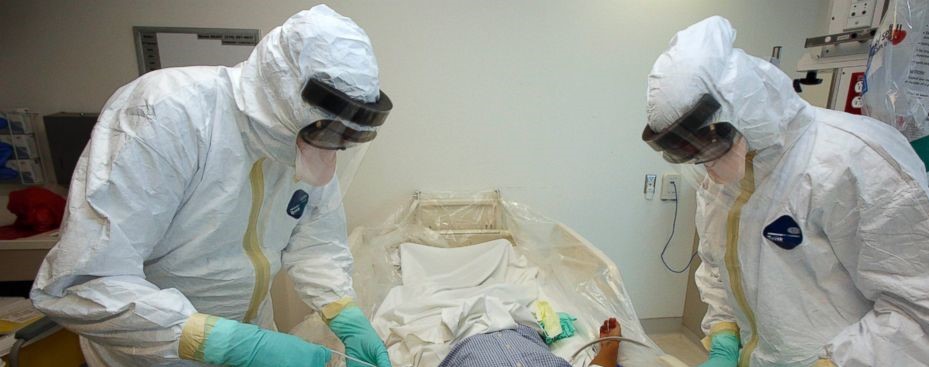
    Health workers are at the front line of any outbreak response and as such are exposed to hazards that put them at risk of infection with an outbreak pathogen (in this case COVID-19). Hazards include pathogen exposure, long working  hours,  psychological  distress,  fatigue,  occupational  burnout,  stigma,  and  physical  and  psychological violence. 

    During the outbreak of Ebola more than 500 health care workers died in Guinea, Liberia and Sierra-Leone alone. We also lost some of our finest doctors and health workers to the disease in Nigeria, the most prominent being Dr. Stella Adadevoh, who is credited with having curbed a wider spread of the Ebola virus in Nigeria by placing the index patient, Patrick Sawyer, in quarantine despite pressures from the Liberian  government. As we speak, The coronavirus is waging a war of attrition against health care workers throughout the world, but nowhere is it winning more battles at the moment than in Italy and in Spain, where protective equipment and tests have been in severely short supply for weeks. In Spain 13.6% (6500) of those affected with the coronavirus are health workers and in Italy 10% (7400) of those affected with the virus are health workers. [4] In New York dozens of health workers have been affected with the virus, while hundreds are in quarantine.[5] According to reports filtering in as the time of concluding this article, three health workers have been infected with COVID-19 in Abuja, Nigeria.[6]

    Human Rights Watch research into health system collapse in Hungary and Venezuela suggests the nations’ mismanaged, underfunded, and understaffed public healthcare system is poorly equipped to handle a COVID-19 outbreak. Patients and medical experts described a lack of basic hygiene protocol, lack of isolation rooms, and a shortage of health professionals, doctors and nurses, and medical supplies in general.

    The situation is not too different in Nigeria at the moment and except something drastic is done we might be witnessing a devastating effect of the pandemic. Nigeria’s, public health capacity has been diminished by large scale public sector corruption. Medical personnel lack surgical masks and local supplies have been diverted and shipped to other markets partly due to corruption. Many states are ill-prepared to combat the impeding surge in patients. A senior health worker with a government hospital in Abuja, in an interview with Sahara Reporters, lamented the lack of quality Personal Protective Equipment for them, adding that government must invest in the protection of health workers at the frontline of the battle against the virus. He said, “The unfortunate thing is that the government is not providing us with what to work with. It is sad that our PPE are not up to the world standard and can be penetrated by viruses. Some of us (health workers) have to use our personal funds to purchase gloves as we do not trust the ones government supplied. Nigerians should please remember us in their prayers and government should provide us with what we really need to work.” [7]

    There was report that in Bauchi State a Coronavirus patient rejected the isolation centre at the Bauchi Specialist Hospital and went back home while describing it as “too dirty”.[8]  

    It is disappointing to hear that the hazard allowance for doctors and health workers is N5,000 per month in Nigeria. The amount is very paltry compared to the risks and the attendant emotional and psychological stress suffered by the health-care workers (HWCs) particularly during monumental outbreaks like this. Unfortunately, when a patient is mismanaged, these doctors and health workers bear the burden of paying huge compensation and sometimes losing their jobs. More importantly, the brain-drain in the health sector is monumental, almost all my friends who are doctors, work abroad. Unfortunately, there are concerted efforts by the US Government to engage foreign Doctors to further fortify its health work force as COVID-19 ravages. Many young Nigerian doctors are already considering the offers because the Nigerian government has paid little attention to their welfare and the welfare of the general health workforce. To stop the exodus of our doctors, who are already in short supply, the government must act fast by improving their welfare packages in line with acceptable international standards.

    The psychological needs of doctors and health workers are also often ignored. Unsafe working conditions contribute to health worker attrition in many countries due to work-related illness and injury and the resulting fear of health workers of occupational infection, including from HIV and Tuberculosis. The 2006 World Health Report – Working Together for Health reported on a severe health workforce crisis in fifty-seven countries, most of them in Africa and Asia. [9]

    Protecting the occupational health of health workers is critical to having an adequate workforce of trained and healthy health personnel. Governments at the Federal and State levels are urged to do more by complying fully with the World Health Organization’s guidelines regarding the Rights of Health Workers while combating COVID-19. Some of the rights are:

    ·         assume overall responsibility to ensure that all necessary preventive and protective measures are taken to minimize occupational safety and health risks;

    ·         provide information, instruction and training on occupational safety and health, including; Refresher training on infection prevention and control(IPC); and Use, putting on, taking off and disposal of personal protective equipment(PPE);

    ·         provide adequate IPC and PPE supplies (masks, gloves, goggles, gowns, hand sanitizer, soap and water, cleaning supplies) in sufficient quantity to healthcare or other staff caring for suspected or confirmed COVID-19 patients, such that workers do not incur expenses for occupational safety and health requirements;

    ·         not be required to return to a work situation where there is continuing orserious danger to life or health, until the employer has taken any necessary remedial action;

    ·         allow workers to exercise the right to remove themselves from a work situation that they have reasonable justification to believe presents an imminent and serious danger to their life or health. When a health worker exercises this right, they shall be protected from any undue consequences; 

    ·         honour the right to compensation, rehabilitation and curative services if infected with COVID-19 following exposure in the workplace. This would be considered occupational exposure and resulting illness would be considered an occupational disease,

    ·         provide access to mental health and counselling resources; and 

    ·         enable co-operation between management and workers and/or their representatives. Etc.

    In conclusion, professional care givers for COVID-19 patients should uphold four basic principles formulated by Beauchamp and Childress in their book ‘Principles of Biomedical Ethics’ in order to protect themselves from liability for negligence. The four basic principles are autonomy, beneficence, non-maleficence and justice.

    Autonomy: People have the right to control what happens to their bodies. This principle simply means that an informed, competent adult patient can refuse or accept treatments, drugs, and surgeries according to their wishes. People have the right to control what happens to their bodies because they are free and rational. And these decisions must be respected by everyone, even if those decisions aren’t in the best interest of the patient.

    Beneficence: All healthcare providers must strive to improve their patient’s health, to do the most good for the patient in every situation. But what is good for one patient may not be good for another, so each situation should be considered individually. And other values that might conflict with beneficence may need to be considered.

    Non-maleficence: “First, do no harm” is the bedrock of medical ethics. In every situation, healthcare providers should avoid causing harm to their patients. You should also be aware of the doctrine of double effect, where a treatment intended for good unintentionally causes harm. This doctrine helps you make difficult decisions about whether actions with double effects can be undertaken.

    Justice: The fourth principle demands that you should try to be as fair as possible when offering treatments to patients and allocating scarce medical resources. You should be able to justify your actions in every situation. For instance, it will amount to a professional misconduct for a Health-care Worker to remove a poor man from the ventilator because a Senator was rushed in. 

    Ahmed Adetola-Kazeem is a partner in Adetola-Kazeem Legal Practice and specializes in Medical and Health Law

    Email: aadetolakazeem@gmail.com;aadetolakazeem@gaklp.com

    [1] https://www.who.int/health-topics/coronavirus#tab=tab_1(Accessed on the 28th of March 2020)

    [2] https://businessday.ng/coronavirus/article/abba-kyari-tests-positive-for-coronavirus-buhari-negative/

    https://www.channelstv.com/2020/03/24/buharis-chief-of-staff-abba-kyari-reportedly-tests-positive-for-coronavirus/ (Accessed on the 28th of March 2020)

    [3] Coronavirus Disease (Covid-19) Outbreak: Rights, Roles and Responsibilities Of Health workers, Including Key Considerations For Occupational Safety And Health”. https://www.who.int/docs/default-source/coronaviruse/who-rights-roles-respon-hw-covid-19.pdf?sfvrsn=bcabd401_0   (Accessed on the 26th of March 2020)

    [4] https://abcnews.go.com/Health/wireStory/collapsing-virus-pummels-medics-spain-italy-69789413 (Accessed on 26th March 2020)

    [5] https://www.washingtonpost.com/health/covid-19-hits-doctors-nurses-emts-threatening-health-system/2020/03/17/f21147e8-67aa-11ea-b313-df458622c2cc_story.html (Accessed on 28th of March 2020)

    [6] http://saharareporters.com/2020/03/28/exclusive-two-nurses-one-doctor-infected-coronavirus-abuja-hospital

    [7] Supra

    [8] https://www.dailytrust.com.ng/coronavirus-patient-rejects-bauchi-isolation-centre-returns-home.html (Accessed on 28th March 2020)

    [9] https://www.who.int/occupational_health/topics/hcworkers/en/(Accessed on 26th March 2020)


    Opinion

    AddThis

    : 

    Original Author

    : 

    Ahmed Adetola-Kazeem

    Disable advertisements

    : 
    Legal Issues Arising From Management Of Covid-19 Patients By Ahmed Adetola-Kazeem
    Read More
    http://saharareporters.com/2020/04/01/legal-issues-arising-management-covid-19-patients-ahmed-adetola-kazeem

    Views: 0

  • Johor cops warn 866 tabligh gathering participants to come forward

    Johor cops warn 866 tabligh gathering participants to come forward

    Johor cops warn 866 tabligh gathering participants to come forward 5

    JOHOR BARU: The remaining 866 participants of the Sri Petaling mosque Tabligh gathering from Johor who have yet to come forward for a health screening have been warned that they face strict action by the authorities.

    Johor police chief Datuk Ayob Khan Mydin Pitchay said 2,086 participants from Johor were identified to have attended the gathering and from those, 1,220 of them had undergone screenings in hospitals.

    “We have identified (the remaining 866) and we will be calling them. If they still not do want to come forward for screening, we will take strict action as we have given time numerous warnings.

    “No more deadlines for them. We will contact them and persuade them to present themselves,” he told reporters at the Johor police contingent headquarters, here today.

    In a related development, he said 73 participants of the Ijtima of Asia 2020 tabligh gathering in Sulawesi, Indonesia, have re-entered Johor via the Stulang Laut and Puteri Harbour ferry terminals since March 23.

    Ayob Khan said all of them were now undergoing a 14-day quarantine at their homes.

    On the Enhanced Movement Control Order (EMCO) enforced on two areas in Simpang Renggam, Ayob said there was one violation case reported there yesterday.

    He said the case involved two men in their 20s who tried to flee from the roadblock mounted in Parit Linau, Simpang Renggam.

    “In the 8.45pm incident, the two men were stopped at the roadblock after which they tried to escape.

    “After further checks police found 0.6 grammes of heroin in a bag carried by one of them,” he said.

    Both are now under police custody for violating the EMCO and for possession of drugs, he added. – Bernama

    Johor cops warn 866 tabligh gathering participants to come forward
    Read More
    https://www.thesundaily.my/local/johor-cops-warn-866-tabligh-gathering-participants-to-come-forward-YE2204144

    Views: 0

  • MOHE denies chartering aircraft to bring home Malaysian students in Egypt

    MOHE denies chartering aircraft to bring home Malaysian students in Egypt

    MOHE denies chartering aircraft to bring home Malaysian students in Egypt 7

    KUALA LUMPUR: The Ministry of Higher Education (MOHE) has denied claims which went viral on social media sites on the involvement of the Malaysian government in chartering a special flight to bring home Malaysian students in Egypt.

    According to MOHE, in a statement posted on Facebook today, the allegations also sparked panic among students and parents.

    “MOHE has been in touch with the Malaysian Embassy in Cairo (MEIC) and was informed that there is still no need to bring Malaysian students home at this time.

    “In this regard, MOHE has never appointed any private party as representative to bring the students home from Egypt and advised students and parents to obey the instructions issued by the Egyptian Government and related universities as a measure to curb the spread of Covid-19,” he said.

    The statement said students with any problem could report to the MEIC or the Education Malaysia Egypt (EME).

    MOHE also advised students and parents to always ensure that the source of information received such as on evacuation or other matters was via the official announcement of Wisma Putra or MEIC to avoid any future inconvenience.

    “Any further detail could be obtained from +20 111 333 0857 or +20 106 042 9387,“ the statement said. – Bernama

    MOHE denies chartering aircraft to bring home Malaysian students in Egypt
    Read More
    https://www.thesundaily.my/local/mohe-denies-chartering-aircraft-to-bring-home-malaysian-students-in-egypt-KY2203905

    Views: 0