Tag: Rehabilitation

  • WHO calls for healthy, safe and decent working conditions for all health workers, amidst COVID-19 pandemic

    WHO calls for healthy, safe and decent working conditions for all health workers, amidst COVID-19 pandemic

    On World Day for Safety and Health at Work, the World Health Organization calls upon all governments, employers and workers organizations and the global community to take urgent measures for strengthen countries’ capacities to protect occupational health and safety of health workers and emergency responders respect their rights to decent working conditions, and develop national programmes for occupational health of health workers and to provide them with occupational health services. Amidst the COVID-19 pandemic, ILO has dedicated World Day for Safety and Health at Work 2020 in addressing the outbreak of infectious diseases at work, in particular, on the COVID-19 pandemic.

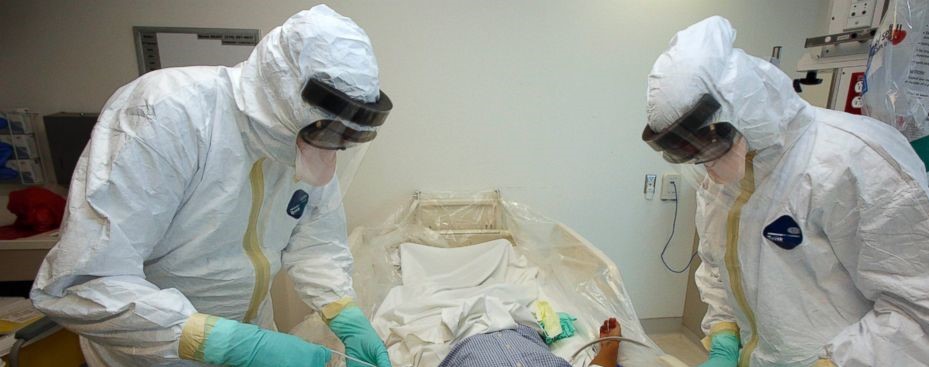
    Health workers are at the front line of the COVID-19 outbreak response and as such are exposed to hazards that put them at risk of infection. Hazards include pathogen exposure, long working hours, psychological distress, fatigue, occupational burnout, stigma, and physical and psychological violence.

    Infections with COVID-19, insufficient measures for infection prevention and control, occupational safety and health, mental health and psychosocial support for health workers result in high rates of absenteeism and deplete the health workforce – the most precision resources for stopping the COVID outbreak. 

    Key Messages and Facts

    COVID-19 infections among health workers:

    • As of 21 April 2020 countries reported to WHO that over 35, 000 health workers were infected with COVID19. This number is significantly higher because of underreporting.
    • The major occupational risks for COVID19 infection among health workers are: late recognition or suspicion of COVID-19 in patients, working in a higher-risk department, longer duty hours, sub-optimal adherence to infection prevention and control measures, such as hand hygiene practices, and lack of or improper use of personal protective equipment (PPE). Other factors have also been documented, such as inadequate or insufficient IPC training for respiratory pathogens, including the COVID-19 virus, as well as long exposure in areas in healthcare facilities where large numbers of COVID-19 patients were being cared for.
    • The prevention of infections requires the use of appropriate infection prevention and control measures by all health workers, with a special focus on the adherence to hand hygiene and personal protective equipment when caring for COVID-19 patients, as well as a combination of environmental and administrative controls
    • Health workers infected with COVID-19 following exposure in the workplace should have the right to employment injury benefits for occupational disease, including compensation, rehabilitation, and curative services.

    Violence and stigma against health workers:

    • Health workers are at high risk of violence all over the world. Between 8% and 38% of health workers suffer physical violence at some point in their careers. Many more are threatened or exposed to verbal aggression and social stigma because of their work.
    • In the COVID19 crisis, shortage of staff and resources and increasing social tensions result in increased level of violence against health workers and even attacks against health care facilities. Doctors, nurses, security personnel and those who are assisting in testing, tracing contacts and enforcing physical distancing measures to stop COVID-19 experience threats and aggression.
    • WHO calls upon governments, employers and workers organizations to institute measures for zero-tolerance to violence against health workers at the workplace and at the way to and from their workplace, and for intensifying social support and respect for health workers and their families.

    Long working hours and psychosocial hazards for health workers:

    • Many health workers have to work longer or irregular hours because of the increasing demand for health services. In addition, many countries experience shortage of health workers, or junior staff are working in demanding new roles.
    • Health workers face psychosocial hazards, which are exacerbated during emergencies where demands increase and they have to experience risk of infection witness higher suffering or mortality.
    • Long working hours, shift work, high workload and other psychosocial hazards can lead to fatigue, occupational burnout, increased psychological distress or declining mental health – affecting the health of health workers, and the quality and safety of care delivered.
    • WHO calls for adequate staffing levels and clinical rotation in healthcare facilities, measures to minimize psychosocial hazards, and provision of access to mental health and psychosocial support for health workers.

    The annual World Day for Safety and Health at Work on 28 April promotes the prevention of occupational accidents and diseases globally. It is an awareness-raising campaign intended to focus international attention on the magnitude of the problem and on how promoting and creating a safety and health culture can help reduce the number of work-related deaths and injuries.


    WHO calls for healthy, safe and decent working conditions for all health workers, amidst COVID-19 pandemic
    Read More
    https://www.who.int/news-room/detail/28-04-2020-who-calls-for-healthy-safe-and-decent-working-conditions-for-all-health-workers-amidst-covid-19-pandemic

    Views: 0

  • Legal Issues Arising From Management Of Covid-19 Patients By Ahmed Adetola-Kazeem

    Legal Issues Arising From Management Of Covid-19 Patients By Ahmed Adetola-Kazeem

    Legal Issues Arising From Management Of Covid-19 Patients By Ahmed Adetola-Kazeem 1

    Legal Issues Arising From Management Of Covid-19 Patients By Ahmed Adetola-Kazeem 2


    A lot of legal issues are bound to arise as an aftermath of the outbreak of Coronavirus otherwise referred to as COVID-19.  There is therefore a need to shed light on some of the issues that may arise and how to navigate them. This article will x-ray the rights of patients, the rights of health workers and the basic minimum obligations of the government.

    The Code of Medical Ethics in Nigeria 2008 lists acts that constitute professional negligence. Rule 29.4 of the Code outlines some of these acts as follows:-

    a)      Failure to attend promptly to a patient requiring urgent attention when the practitioner was in a position to do so;

    b)     Manifesting incompetence in the assessment of a patient;

    c)      Making an incorrect diagnosis particularly when the clinical features were so glaring that no reasonable skillful practitioner could have failed to notice them; 

    d)     Failure to advise, or proffering wrong advice to  a patient on the risk involved in a particular operation or course of treatment, especially if such an operation or course of treatment is likely to result in serious side effects like deformity or loss of organ, or function;

    e)      Failure to obtain the informed consent of the patient before proceeding on any surgical procedure or course of treatment when such consent was necessary; 

    f)       Making a mistake in treatment e.g. amputation of the wrong limb, carelessness that results in the termination of a pregnancy, prescribing the wrong drug, or dosage in error for a correctly diagnosed ailment, etc;

    g)     Failure to refer, or transfer a patient in good time, when such a referral or transfer was necessary;

    h)     Failure to do anything that ought reasonably to have been done under any circumstance for the good of the patient;

    i)       Failure to see a patient as often as his medical condition warrants or to make appropriate comments in the case notes of the practitioner’s observations and prescribed treatment during such visits. It also includes failure to communicate with the patient or with his relatives as may be necessary with regards to any developments, progress or prognosis in the patient’s condition.


    Rule 11.2 of the 2008 Code of Medical Ethics in Nigeria provides that, “A physician shall preserve absolute confidentiality on all he knows about his patient even after the patient has died.”

                 Rule 44 of the Code of Medical Ethics has extensive provisions on Confidentiality and when disclosure of information can be made. The Rule provides in part that:

    “Disclosure of information on the patient by the doctor can only be made following an informed consent of the patient in writing. It is clear that the ethic covers even such information as induced abortion, venereal disease, attempted suicide, concealed birth and drug dependence but would exclude situations in which a discretionary breach of confidentiality is necessary to protect the patient or the community from danger and this must be made clear to the patient at the time of the confidential disclosure. Where statutory notification of disease is involved, the consent of the patient is not required.”            

                Confidentiality: To Disclose Identity Of Covid-19 Patients Or Not To Disclose?

    COVID-19 is an infectious disease caused by a newly discovered coronavirus. Most people infected with the COVID-19 will experience mild to moderate respiratory illness and recover without requiring special treatment.  Older people, and those with underlying medical problems like cardiovascular disease, diabetes, chronic respiratory disease, and cancer are more likely to develop serious illness.[1]

    The Federal Ministry of Health confirmed the first case of COVID-19 in Nigeria on the 27th of February 2020. It is the case of an Italian citizen who works in Nigeria and returned from Milan, Italy to Lagos, Nigeria on the 25th of February 2020. In reaction to the report, the social was divided between those who want the name of the Italian disclosed and those that preferred it remains confidential. The outcry was even more when the Chief of Staff to the President tested positive according to reports from various media houses[2], but the Minister of Health decided to keep mute on the identity of the President’s aide who contacted the virus, citing confidentiality.

    It will ordinarily be wrong to disclose the medical status of someone infected with COVID-19, for instancethe case of the Italian who was the index case. However in view of the proviso to Rule 44 of the Code of Medical Ethics 2008 which provides that a discretionary breach of confidentiality is necessary in order to protect the community from danger, I am of the view that the test results of popular figures who hold strategic offices like the Chief of Staff to the President or a Governor must be disclosed to guaranty public safety. This is necessary in view of the countless number of people from all works of life they come in contact with on a daily basis.  It will be correct to have made their status public in the overriding interest of the public, since it will enable those who have come in contact with them isolate, just like we have seen in the cases of the British Prime Minister, the Bauchi State Govenor, Prince Charles, the First Lady of Canada and many more. We must commend those who announced their status in public themselves-it is the best thing to do in the interest of humanity

    The World Health Organization (WHO) provides additional guidelines for the management of coronavirus patients specifically.[3]

    Health workers should:

    •follow established occupational safety and health procedures, avoid exposing others to health and safety risks and participate in employer-provided occupational safety and health training; 

    •use provided protocols to assess, triage and treat patients; 

    •treat patients with respect, compassion and dignity; 

    •maintain patient confidentiality; 

    •swiftly follow established public health reporting procedures of suspect and confirmed cases; 

    •provide or reinforce accurate infection prevention and control and public health information, including to concerned people who have neither symptoms nor risk;

    •put on, use, take off and dispose of personal protective equipment properly;

    •self-monitor for signs of illness and self-isolate or report illness to managers, if it occurs; 

    •advise management if they are experiencing signs of undue stress or mental health challenges that require support interventions; and 

    •report  to  their  immediate  supervisor  any  situation  which  they  have  reasonable  justification  to  believe presents an imminent and serious danger to life or health.


    Doctors and health workers in Nigeria must endeavor to digest the guidelines in the Code of Medical Ethics as well as the WHO Guidelines for management of Coronavirus victims and ensure they work strictly by their provisions. A breach of these duties have dire consequences. 

    Options Available To Covid-19 Patients Who Are Victims Of Medical Negligence

    A Coronavirus patient who has suffered medical negligence has a number of options:

    1. He could file a complaint with the regulatory body (e.g. the Medical and Dental Council of Nigeria, in the cases involving a Doctor). The Doctor will in the first instance be investigated by the Medical and Dental Practitioners Investigation Panel, after which he will be tried by the Medical and Dental Practitioners Disciplinary Tribunal. If found culpable,  the Doctor may be warned, suspended from practicing for a period not exceeding 6 months or in very serious cases, have his name can be removed from the Register of Medical Practitioners. The Medical and Dental Practitioners’ Disciplinary Tribunal does not award monetary damages.

    2. A suit can be filed against the Medical Doctor, the Hospital, Agency or Government in the High Court for Medical Negligence and monetary damages will be awarded if the Defendant(s) are found culpable.

          3.  If there is an element of Crime, a report could be made to the Police who would conduct Criminal Investigation and where the investigation reveals gross negligence, recklessness or wanton disregard for life of the victim, the police can prosecute or forward the case file to the office of the Attorney General of the State for possible prosecution in deserving cases.  

    A Need To Do More For Doctors And Other Professionals In The Health Sector

    Health workers are at the front line of any outbreak response and as such are exposed to hazards that put them at risk of infection with an outbreak pathogen (in this case COVID-19). Hazards include pathogen exposure, long working  hours,  psychological  distress,  fatigue,  occupational  burnout,  stigma,  and  physical  and  psychological violence. 

    During the outbreak of Ebola more than 500 health care workers died in Guinea, Liberia and Sierra-Leone alone. We also lost some of our finest doctors and health workers to the disease in Nigeria, the most prominent being Dr. Stella Adadevoh, who is credited with having curbed a wider spread of the Ebola virus in Nigeria by placing the index patient, Patrick Sawyer, in quarantine despite pressures from the Liberian  government. As we speak, The coronavirus is waging a war of attrition against health care workers throughout the world, but nowhere is it winning more battles at the moment than in Italy and in Spain, where protective equipment and tests have been in severely short supply for weeks. In Spain 13.6% (6500) of those affected with the coronavirus are health workers and in Italy 10% (7400) of those affected with the virus are health workers. [4] In New York dozens of health workers have been affected with the virus, while hundreds are in quarantine.[5] According to reports filtering in as the time of concluding this article, three health workers have been infected with COVID-19 in Abuja, Nigeria.[6]

    Human Rights Watch research into health system collapse in Hungary and Venezuela suggests the nations’ mismanaged, underfunded, and understaffed public healthcare system is poorly equipped to handle a COVID-19 outbreak. Patients and medical experts described a lack of basic hygiene protocol, lack of isolation rooms, and a shortage of health professionals, doctors and nurses, and medical supplies in general.

    The situation is not too different in Nigeria at the moment and except something drastic is done we might be witnessing a devastating effect of the pandemic. Nigeria’s, public health capacity has been diminished by large scale public sector corruption. Medical personnel lack surgical masks and local supplies have been diverted and shipped to other markets partly due to corruption. Many states are ill-prepared to combat the impeding surge in patients. A senior health worker with a government hospital in Abuja, in an interview with Sahara Reporters, lamented the lack of quality Personal Protective Equipment for them, adding that government must invest in the protection of health workers at the frontline of the battle against the virus. He said, “The unfortunate thing is that the government is not providing us with what to work with. It is sad that our PPE are not up to the world standard and can be penetrated by viruses. Some of us (health workers) have to use our personal funds to purchase gloves as we do not trust the ones government supplied. Nigerians should please remember us in their prayers and government should provide us with what we really need to work.” [7]

    There was report that in Bauchi State a Coronavirus patient rejected the isolation centre at the Bauchi Specialist Hospital and went back home while describing it as “too dirty”.[8]  

    It is disappointing to hear that the hazard allowance for doctors and health workers is N5,000 per month in Nigeria. The amount is very paltry compared to the risks and the attendant emotional and psychological stress suffered by the health-care workers (HWCs) particularly during monumental outbreaks like this. Unfortunately, when a patient is mismanaged, these doctors and health workers bear the burden of paying huge compensation and sometimes losing their jobs. More importantly, the brain-drain in the health sector is monumental, almost all my friends who are doctors, work abroad. Unfortunately, there are concerted efforts by the US Government to engage foreign Doctors to further fortify its health work force as COVID-19 ravages. Many young Nigerian doctors are already considering the offers because the Nigerian government has paid little attention to their welfare and the welfare of the general health workforce. To stop the exodus of our doctors, who are already in short supply, the government must act fast by improving their welfare packages in line with acceptable international standards.

    The psychological needs of doctors and health workers are also often ignored. Unsafe working conditions contribute to health worker attrition in many countries due to work-related illness and injury and the resulting fear of health workers of occupational infection, including from HIV and Tuberculosis. The 2006 World Health Report – Working Together for Health reported on a severe health workforce crisis in fifty-seven countries, most of them in Africa and Asia. [9]

    Protecting the occupational health of health workers is critical to having an adequate workforce of trained and healthy health personnel. Governments at the Federal and State levels are urged to do more by complying fully with the World Health Organization’s guidelines regarding the Rights of Health Workers while combating COVID-19. Some of the rights are:

    ·         assume overall responsibility to ensure that all necessary preventive and protective measures are taken to minimize occupational safety and health risks;

    ·         provide information, instruction and training on occupational safety and health, including; Refresher training on infection prevention and control(IPC); and Use, putting on, taking off and disposal of personal protective equipment(PPE);

    ·         provide adequate IPC and PPE supplies (masks, gloves, goggles, gowns, hand sanitizer, soap and water, cleaning supplies) in sufficient quantity to healthcare or other staff caring for suspected or confirmed COVID-19 patients, such that workers do not incur expenses for occupational safety and health requirements;

    ·         not be required to return to a work situation where there is continuing orserious danger to life or health, until the employer has taken any necessary remedial action;

    ·         allow workers to exercise the right to remove themselves from a work situation that they have reasonable justification to believe presents an imminent and serious danger to their life or health. When a health worker exercises this right, they shall be protected from any undue consequences; 

    ·         honour the right to compensation, rehabilitation and curative services if infected with COVID-19 following exposure in the workplace. This would be considered occupational exposure and resulting illness would be considered an occupational disease,

    ·         provide access to mental health and counselling resources; and 

    ·         enable co-operation between management and workers and/or their representatives. Etc.

    In conclusion, professional care givers for COVID-19 patients should uphold four basic principles formulated by Beauchamp and Childress in their book ‘Principles of Biomedical Ethics’ in order to protect themselves from liability for negligence. The four basic principles are autonomy, beneficence, non-maleficence and justice.

    Autonomy: People have the right to control what happens to their bodies. This principle simply means that an informed, competent adult patient can refuse or accept treatments, drugs, and surgeries according to their wishes. People have the right to control what happens to their bodies because they are free and rational. And these decisions must be respected by everyone, even if those decisions aren’t in the best interest of the patient.

    Beneficence: All healthcare providers must strive to improve their patient’s health, to do the most good for the patient in every situation. But what is good for one patient may not be good for another, so each situation should be considered individually. And other values that might conflict with beneficence may need to be considered.

    Non-maleficence: “First, do no harm” is the bedrock of medical ethics. In every situation, healthcare providers should avoid causing harm to their patients. You should also be aware of the doctrine of double effect, where a treatment intended for good unintentionally causes harm. This doctrine helps you make difficult decisions about whether actions with double effects can be undertaken.

    Justice: The fourth principle demands that you should try to be as fair as possible when offering treatments to patients and allocating scarce medical resources. You should be able to justify your actions in every situation. For instance, it will amount to a professional misconduct for a Health-care Worker to remove a poor man from the ventilator because a Senator was rushed in. 

    Ahmed Adetola-Kazeem is a partner in Adetola-Kazeem Legal Practice and specializes in Medical and Health Law

    Email: aadetolakazeem@gmail.com;aadetolakazeem@gaklp.com

    [1] https://www.who.int/health-topics/coronavirus#tab=tab_1(Accessed on the 28th of March 2020)

    [2] https://businessday.ng/coronavirus/article/abba-kyari-tests-positive-for-coronavirus-buhari-negative/

    https://www.channelstv.com/2020/03/24/buharis-chief-of-staff-abba-kyari-reportedly-tests-positive-for-coronavirus/ (Accessed on the 28th of March 2020)

    [3] Coronavirus Disease (Covid-19) Outbreak: Rights, Roles and Responsibilities Of Health workers, Including Key Considerations For Occupational Safety And Health”. https://www.who.int/docs/default-source/coronaviruse/who-rights-roles-respon-hw-covid-19.pdf?sfvrsn=bcabd401_0   (Accessed on the 26th of March 2020)

    [4] https://abcnews.go.com/Health/wireStory/collapsing-virus-pummels-medics-spain-italy-69789413 (Accessed on 26th March 2020)

    [5] https://www.washingtonpost.com/health/covid-19-hits-doctors-nurses-emts-threatening-health-system/2020/03/17/f21147e8-67aa-11ea-b313-df458622c2cc_story.html (Accessed on 28th of March 2020)

    [6] http://saharareporters.com/2020/03/28/exclusive-two-nurses-one-doctor-infected-coronavirus-abuja-hospital

    [7] Supra

    [8] https://www.dailytrust.com.ng/coronavirus-patient-rejects-bauchi-isolation-centre-returns-home.html (Accessed on 28th March 2020)

    [9] https://www.who.int/occupational_health/topics/hcworkers/en/(Accessed on 26th March 2020)


    Opinion

    AddThis

    : 

    Original Author

    : 

    Ahmed Adetola-Kazeem

    Disable advertisements

    : 
    Legal Issues Arising From Management Of Covid-19 Patients By Ahmed Adetola-Kazeem
    Read More
    http://saharareporters.com/2020/04/01/legal-issues-arising-management-covid-19-patients-ahmed-adetola-kazeem

    Views: 0

  • Distinguishing Drug Abuse From Drug Addiction

    [ad_1]

    Though “drug abuse” and “drug addiction” are often used interchangeably, in reality the terms refer to two distinct behavior patterns. An individual can abuse or misuse drugs without being inevitably addicted to them. Abuse or misuse involves the use of drugs defying the culturally acceptable standards or medically prescribed doses to attain a certain effect. The substances abused may be legal, such as alcohol or prescription drugs, or illegal, like heroin and other street drugs which have no medicinal value.

    On the other hand, drug addiction, or compulsive drug use, refers to an uncontrollable desire to use a drug in spite of being aware of harmful psychological and physiological effects that they can have on the body. Addiction is often characterized by an insatiable appetite for substances by increasing the dosage, leading to a complete dependence on them.

    Since abuse and addiction are two distinct concepts, their causes are unique as well. Abuse is generally considered to be more complicated but it is not necessarily triggered by any motivational factor, unlike addiction which is caused by a powerful motivational force. Therefore, in most of the cases, abuse may not always result in addiction, but addiction can certainly lead to abuse.

    Impact of drug abuse and addiction on the brain

    It has been observed that both drug abuse and drug addiction have similar effects on mind and body. People often view abuse and addiction as a moral weakness or character flaw. One of the common myths surrounding drug use is that quitting it is directly linked to behavioral changes. In reality, addiction is a disease which alters the brain functions, hijacking the natural motivational control circuits. Thus, quitting is simply not a matter of choice or willpower. Though, the decision to use the drug initially might be voluntary, changes in the brain structure due to repeated drug use can inhibit someone’s self-control and decision-making ability, causing intense cravings.

    Experts attribute the inability to refrain from drug use to these changes in the brain. However, modern medical advancements have led to the development of an array of treatment and rehabilitation options to combat the disastrous effects of addiction and help abusers take control of their lives. Studies have shown that a combination of medications and behavioral therapy can boost the recovery process with minimal withdrawal effects.

    Possible reasons leading to drug abuse and addiction

    For those who are dependent on illegal substances, it can be difficult to know whether they have crossed the limit. Here are some possible reasons that can trigger drug abuse or addiction:

    • Connecting socially: A strong desire driven by an urge to fit into a certain group could lead people toward drugs.
    • Dealing with problems in life: Continuous drug use can get individuals accustomed to it, and soon it might become the only way to escape from problems and challenges.
    • Using drugs to combat other issues: Serious concerns, such as panic attacks or chronic pain, can cause dependence on drugs, until people discover healthier alternative methods to counter such problems.
    • Strong influence of any drug: Frequent use of drugs triggers dependence on them. Thus, what started as a voluntary choice may slowly transform into a physical and psychological need.

    Leading a drug-free life

    Many families and individuals have suffered great losses due to addiction to drugs. Fortunately, there is hope, though the battle to eliminate addiction and regain sobriety is challenging. There are numerous treatment strategies that can go a long way in helping people come out of their addiction-related problems.

    [ad_2]

    Source by Barbara Odozi

    Views: 0

  • What You Need To Know About Drug And Alcohol Addiction Treatment Programs

    [ad_1]

    A drug and alcohol addiction treatment program is one of the most successful ways to wean yourself from drugs, alcohol and all other addicting processes. If you are at the stage where you are considering drug and alcohol addiction recovery, the good news is that you are on the road to recovery. The bad news is that this is a long and very difficult journey that you will have to take. A drug rehab clinic is often one of the best ways for you to detox from alcohol and drug use. But, you need to do so with the necessary knowledge about the drug and alcohol addiction treatment program you plan to attend.

    Here are some fundamental things to consider about the drug and alcohol addiction treatment program you are considering.

    · Your drug rehab clinic should provide help for all areas of the infected person. That includes their psychological, medical, and legal problems.

    It can also address their needs for finding a way to work and overall restart their life.

    · Realize that not all treatment programs are the same for everyone. You should work with the clinic to determine the most appropriate treatment program for your specific circumstances.

    · The program should allow for continuous change to it, as the individual grows through it. As they begin to repair the damage done to them by drugs, the effective treatment program should change to accommodate these needs.

    · Time is needed. It is necessary for a person to stay in treatment for as long as possible. On average, this is about three full months. Only with enough time will the treatment be successful.

    · The drug and alcohol addiction treatment program also needs to focus on the medicinal needs of the patient. That would mean careful consideration for their specific medical concerns. Things like withdrawal medications are almost always necessary in severely addicted individuals.

    · You should realize that detoxifying the individual is not enough to stop the behavior. The drug rehab clinic needs to handle more than just this process. It needs to look for the long term rehabilitation of the individual. Detoxing is just not enough.

    · Also, you should take note that voluntary drug treatment is not always necessary. If a person is motivated to detox because of family, employment or legal problems, this can be enough to push them through it.

    Additionally, this force to go in can help them to become more successful at their program as well.

    Drug and alcohol addiction recovery does and can happen through a high quality drug and alcohol addiction treatment program. Once the alcohol and drug detox has happened, the next step is to correct the behavioral, emotional, physical and long term effects of the drugs. This can be the mark of healing when the program addresses the full scope of what is happening.

    [ad_2]

    Source by Sandy Sizemore

    Views: 1

  • The Psychology of Drug Addiction

    [ad_1]

    There is, of course, a reason why people become addicted to drugs. The psychological aspect of addiction is extremely powerful. The human mind is a marvellous thing, and the thoughts we have can become all-ruling in our lives.

    Because we are these complex creatures, with thinking and reasoning capabilities, we can often discount the mind as only a small part of what we are. This is totally wrong, and in fact the psychiatric implications of drug use (or more properly drug abuse) are ever present, and can cause major disruption in the life of an addict.

    So just what exactly are we talking about here? The psychological aspects of the mind, and how it can control our lives, has been well known to professionals in the field for many years. For example, if one is the child of an addict, be it drugs, alcohol, or whatever, your own mind will rapidly justify to you the use of these substances as being OK. Let’s face it, you love your parents and if they are doing it then it’s got to be allright and can’t possibly be bad for you. You are in effect brainwashing yourself.

    Of course, as we know from proven scientific research, it is a fact that drugs have an effect on the brain. It becomes a brain problem. Drug abusers brains get so used to having these chemicals in them that sooner or later, depending on the substance, they actually “talk” themselves into needing those chemicals to function, and so the brain gives the body various (withdrawal) symptoms in order to get those chemicals.

    So what can be done to try to beat the psychological side of drug addiction? Getting help is a tried and tested method. Talking to a trained drug abuse counsellor, or other health professional is agood start to finding ways to overcomes your addiction.

    Wherever you are, there are many excellent programs available to those with a problem with substance misuse. The best of these will treat both the mind and the body. Because, as we already know, when you initially try to reduce your dependence on drugs, your mind will give your body a variety of withdrawal symptoms in order to get its “fix”. However, with professional help it is possible to successfully break the hold that drug addiction has on your body, your mind, and your life.

    It’s not strictly necessary to go into a rehabilitation facility. However it is proven that this method is very effective. These facilities can be expensive, as also can psychologists/psychiatrists. However, most long term drug abusers find that if they work it out they are spending over a period of time far more on their habit than the cure would cost, and the benefits to your wallet can easily be calculated. Even if it’s impossible to put a price on your future wellbeing.

    [ad_2]

    Source by Chris Haycock

    Views: 0

  • A Beautiful Mind – Nobel Prize Winning Doctor John Nash

    [ad_1]

    “Nothing’s ever for sure, John. That’s the only sure thing I do know,” says the schitzotypical auditory plus visual delusion and hallucination known to John Nash as Charles. This is very true even coming from one of these three imaginary people that John Nash believes to be a part of his daily life. Although non-existent these characters including not only Charles, but his adolescent niece Marcie, and his military contact William Parcher or just Parcher, play a pivotal role in the life of professor and doctor, John Nash.

    True, much of what the public knows of the mental disorders, and specifically Schizophrenia is based on what they observe from films and television. This Oscar/Academy four time wining film, A Beautiful Mind, is a very compelling story about a genius mathematician/ cryptologist, who’s life in Cold War era America, aroused his super paranoid and delusional thought process to overwhelm his mind.

    ONSET:

    John Nash exhibited mild symptoms or schitzotypal behavior probably through his childhood. This is evident because of his avoidant personality shown by his impeded interpersonal communication and relationships, and by his moderate “word salad” that he has. His hallucinations and delusions manifested initially by his graduate school Princeton roommate Charles.

    His peers played a crucial role in his life and in his recovery. Once stabilized to a level of acceptance and coping with his symptoms he is given visitations and job opportunities to help him in reintegration. Through the entire relations ship from student to wife, Alicia Nash was interceptive and supportive of his treatment and life after treatment, including a dangerous relapse of behaviors.

    Also, his peers did not initially know how to respond to the disorder because of John Nash’s involvement with the US government. It may have opaque at times but eventually they could make light of the situation once Nash was coping and stable.

    THE PLOT THICKENS?:

    John Nash almost killed his baby son by drowning him in the tub during his major relapse. He had been pocketing the medication and eventually he regained his code breaking and psychotic behaviors. He was in the back shed while drawing the bath and got caught up in what was allegedly provided by Parcher and the US governments’ highest echelons.

    + Symptoms= Racing thoughts, Hallucinations, Delusions

    – Symptoms= Cognitive impairment, grossly distorted reality

    (Axis I and Axis II)

    RETURN TREATMENT:

    Nash was able to eventually be stabilized on his psychotropic medications and with time and strong encouragements able to cope. This was abruptly made evident by his realization that the manifestation of Marcie never aged and paired his wife’s’ strong endearment and optimism towards him.

    Self Reliance was key to his rehabilitation and integration back into society. Aside from a strong support network he found that working in his field of abstract mathematics was his tool for learning interpersonal relationships and separating reality from his reality.

    The Nobel Prize was a major pat on the back for John Nash. Although he did not know the extent of his economic theories had spilled over into, Nash was still acknowledged for his intelligence. It is his life time achievement and it is he can observe that his life was great, not grandiose.

    PAST & PRESENT THEORIES:

    Although many scientific advancement have been made in psychology and imaging techniques treatment has not evolved juristically. Although doctors can now see the brain functioning and areas of brain used in a schizophrenic person the treatment is somewhat similar to that of the 1950’s. ECT, medication, hospitalization, and reintegration are the keystones of treatment for the stabilizing of this mental disorder. Then a medical round of SSRI’s and atypical anti-psychotics are used to maintain an even keel. Hospitalization is a safe way to intervene on an individual although laws have changed regarding commitment of those deemed unsafe for society. ECT has been modernized and more finite now and can be used to treat a plethora of moderate to severe mental disorders. Also, SSRI’s are more affective and paired with support many will stay stable.

    Once John Nash was known to be schizophrenic his friends help with the families clarification of his advanced symptoms. Then they slowly allow him back into his life with some initial hesitance that eventually will turn into a subject of laughter between old friends. Although some were intolerant and mocking of his disorder and effort he was able to maintain a level of functioning on the normal plane of societal existence and even win the highest scientific achievement award.

    [ad_2]

    Source by J Greenes

    Views: 0

  • Living Alone with Hemiparesis

    [ad_1]

    Safety would be the primary concern of course when people with hemiparesis live alone or are alone for extended amounts of time. Of course your first references are your doctor, physical therapist and occupational therapists especially. This being stated, I can offer insights on some important items to consider in practical aspects of living alone after a traumatic brain injury or a stroke that result in a severe muscle weakness along the left or right side of the body and is sometimes exhibited in slight nerve damage as with me. Perhaps instead of living by them selves, it would be better to consider us living independently. At this writing, I will have reached almost thirty years of living with hemiparesis. Most of this time I was living alone and working as an engineer and writer, author.

    For us, the detrimental effects of hemiparesis are still prevalent even after initial rehabilitation and limited recovery. The effects can change with extreme variation.

    Effects When Tired or Awoken

    When the body is tired, effects can be worse and certainly more dangerous when living alone. An example is if awoken in the night, maybe by thirst, a call, or other concern. Even a healthy person could possibly stumble on sleepy legs or with eyes half open, but for those with left or right hemiparesis, the negative effects are magnified. A stumble can turn into a fall and possibly a head injury since one arm has poor strength, does not react quickly and is not likely to stop a fall. If a foot drags slightly during the day with shoes, then it can be so much worse at night even so unsafe that the person will roll over the toes so as to bruise them and fall forward on the weak side. Lessons learned here emphasize the need for uncluttered floors and hallways. A stray shoe on the floor or even newspaper can prove disastrous. Either could throw off the balance suddenly for a waking person especially in the dark.

    This brings up a suggestion for low level lighting in the home or apartment. Economical battery operated motion detector lights are available at many stores now or a search online. Even if a cane is not needed during the day; it would be wise to have a cane near the bed, even a quad cane for late night awakenings or an early morning rising. In the morning, there are other issues as tightened up leg muscles that need stretching before safely moving.

    Shower and Bathroom Safety

    Morning stretching is important, especially as we who are injured age but more importantly, shower safety needs to be addressed. There is much assistive devices available and occupational therapists can communicate effectively the needs here, however I can give you my thoughts. These are that it can be quite scary at times, especially if you have had an accident, falling in the shower, tub or bathroom before. You will need to be able to have something within reach on your good side to grab onto, basically at all times. Please note that if you can’t use the screwed in support rails and use the bars with suction cups, you really need at least two bars together. Redundant support as these are known t slip and when you have water or soap in your eyes and reach out with the bar slipping, it can be devastating. I would recommend having a bar on the entry or exit and on the opposite side. This way if a person with hemiparesis turns around there is always a bar on the good side.

    But it does not stop there. Bathroom floors are usually smooth surfaces and with one foot having no or minimal grab, then any water on a smooth tile or marble surface is like ice and can easily cause a fall when drying. Rubber backed rugs are most often used but can bunch up under feet. A work around solution for these throw rugs is rubber strips with adhesive on both sides. The local hardware store will have some rug grippers or search the web

    Dressing

    This is an area again where an occupational therapist assures you are prepared with any assistive devices for reaching around the weak side or fastening in back and collar. However, I can emphasize that so much more time needs to be available, just in case. Even though, there are assistive devices and there is ample training in doing this usually available before even leaving the hospital.

    Food Preparation, Cooking Kitchen Safety

    One’s ability to prepare meals will vary. I understand it’s good to be independent but in the kitchen it just may be smarter to minimize preparation with knives or stovetop. Even the oven can cause burns and fire easily. Having a cardboard pizza box fall onto a hot broiler iron can start a fire that is not too easy for someone with a disability to put out quickly. Sure there are now small convenient fire extinguishers available but some often need two good hands to operate correctly and then even finding it quickly can be an issue for trauma, brain injury or stroke victims.

    Fortunately, there has been an improvement In microwave dinners. This certainly would not be your first option in the past. However, I have been at this for almost thirty years now and I really have seen a great variety come on the market and costs go down. Good, healthy dinners can be cooked in one minute. I still bake chicken and pizze plus a few others but safety really needs to bethe forst priority. Losing balance and reaching out to find as hot frying pan to lean on can happen and I have personal experience, it’s not a quick heal having a burn in the palm of your good hand. Agsin here as in the bathroom, a rug with rubber backing and rug grabbers should be required.

    Mind Body Health Needs

    Concentration and Focus are the key in most everything that the person with hemiparesis might have to overcome. That is why ongoing brain training is so important.

    Human interaction, relationships contribute greatly to complex usage of our brain and even helping to stay young. Well living alone minimizes this benefit ad over time can have an adverse effect. Sure, some will say the upward potential may be limited but start with the objective of not losing ability. Without regular exercise, mind or body can atrophy to borrow a term used to describe not using muscles.

    There are free and paid sources on the web. There are now brain improvement magazines at the local supermarket and brain games are popular and effective, most even for one hand use.

    Geographic Area Specific Issues

    Depending on your locality, power outages can occur during natural events mostly as snow or ice storms, hurricanes, tornadoes. When living on the eastern coast, I lost power even when their was a high windstorm. Natural events as this can have an impact on people living with hemiparesis just as they do for others with a disability, elderly or families in general. However preparedness is the key here and living alone increases importance of having battery lighting, food, water, cell phone, radio, all available and easily attainable in possibly in the dark.

    The power loss may be worse in cold weather for this condition as detrimental effects can disable some people with this extreme muscle weakness and possibly nerve damage. This varies of course depending on person or injury but in general arms and legs can start shaking uncontrollably and a serious limitation to mobility. Poor effects are also exhibit in sudden changes of weather. Each person may experience this differently but a check with your physician is best.

    To assist in times as these, warm clothing, even a safe generator where it can be installed in a home as a backup are suggestions with heat packs available at sporting good stores or camping supply shop.

    Summary

    Some of the techniques and tips outlined here may seem obvious to some or simple but they are not always thought of ahead of time before they are used. This is evident in support forums online, knowing individuals and my own thirty years of living with hemiparesis. There are of course more but in general, consideration that movements can be slow at times as can thinking. An important point is if there is a loss of balance or tripping, it will most likely be on the weak side which of course doesn’t react fast nor have enough hand strength usually to hang on to something firmly. This is why safety is the first priority when living alone with this injury.

    [ad_2]

    Source by Leon Edward

    Views: 0

  • Sports Figures, Drugs, and America’s Drug Problem

    [ad_1]

    There have been a lot of sports figures in the news recently as a result of drugs. Most recently, Alex Rodriguez has been accused of steroid use. This was a major story as he appeared to be one of only a handful of “clean” baseball heroes of recent times. Just prior to the Rodriguez scandal was the Phelps scandal. If you are one of the three people in the country that haven’t heard, he had been photographed smoking marijuana from a bong. And drugs and sports grabbing headlines doesn’t stop there, as recent articles on Fox Sports have discussed steroid use among the 70’s Steelers, and the recent arrest of Corie Blount, a former NBA player, who was allegedly caught with 29 pounds of marijuana. There was also the arrest of Jacksonville Jaguar former first round pick Matt Jones for cocaine possession early in last year’s football season.

    An interesting article I read on the Phelps scandal was by sometimes controversial sports writer Jason Whitlock. In the article he challenges what some saw as a racial double standard, and even briefly discusses some of the issues with this country’s war on drugs. His article is related to some of the material I use in the course I teach on “The Psychology of Drugs and Drug Abuse.” I show highlights of a documentary called “American Drug War: The Last White Hope.” This film does a good job (although biased at times) of showing the dark side of this war on drugs.

    As an example of America’s misperception of the drug problem, were you aware that tobacco kills more people than all other drugs combined, including alcohol? According to Hart, Ksir, and Ray, smoking is responsible for about 440,000 premature deaths per year. In comparison, alcohol is responsible for at least 20,000 accidental deaths per year, and up to 75,000 in this country when you combine accidental deaths (car accidents, boating accidents, falls, etc.) and deaths from the ill affects on the body (cirrhosis, heart disease, etc.). And these numbers far surpass the deaths from illegal drugs (10-20,000 per year). In fact, illegal drugs kill less Americans then the misuse of prescription drugs. (I had difficulty getting accurate data on prescription drug deaths as a result of misuse, but most articles and sources make it clear that prescription drug misuse causes more deaths per year than illegal drugs).

    According to the documentary I mentioned earlier, some of the contributors to the war on drugs are the companies from the tobacco and alcohol industries. Additionally, this documentary uses interviews with former government officials to substantiate the claim that the war on drugs has been a colossal failure. Street drugs today are more plentiful, more pure, and cheaper. So what has the war on drugs accomplished? According to statistics, it has resulted in approximately 50% of the incarcerated population being jailed for non-violent drug crimes.

    The point is that there are some real misconceptions about the substance abuse problem in this country. Perhaps we are paying attention to the wrong things. Rather than paying attention to cuts in funding for substance abuse rehabilitation, or to the incarceration of non-violent drug offenders, we seem much more concerned with our appointed heroes gaining an advantage in a sport they get paid huge amounts of money to play. Or in someone we have chosen to put on a pedestal, (a 23y/o at that) for letting us down by using marijuana at a college party. We are worried about street drugs, including marijuana, when prescription drug abuse is causing far more damage. And we wouldn’t think of making tobacco or alcohol illegal, despite the fact it causes far more health and welfare problems than illegal substances.

    Don’t we contribute to the sports worship issue? Don’t we make sports figures heroes and role-models, perhaps even more so than more worthy role-models? Don’t we make sports the business it is today, by buying the jerseys, paying the ticket prices, watching the games on television, and making sports the market that it is? Aren’t we quick to dethrone someone who makes a mistake, as if perfection is the only standard we’ll accept?

    I am not pro-drugs. I am not sure if I am pro legalization; I would have to give the issue more thought, and I’m not even sure I’m qualified to voice an opinion. But I am certain we are looking in the wrong directions when we look at drugs in this country. I am hoping it is time for a change: a change which finds all individuals seeking self actualization without the need for a substance; a time where compassion rules, rather than self-righteous indignation. I don’t believe many of us are going to get self actualized or become enlightened watching sports on television. But it is a nice distraction sometimes. How about that Superbowl?

    [ad_2]

    Source by William Berry

    Views: 0

  • Life Lessons Learnt Post Drug Detox

    [ad_1]

    Drug addiction is a chronic illness that brings misery not only to the life of the individual addicted, but also to his or her loved ones. In recent years, drug addiction has become a matter of serious concern for the United States as a large number of young adults in the country are getting addicted to prescriptions drugs and illegal substances at an alarming rate.

    The “drug culture” rampant in the American society takes a heavy toll on the people’s personal as well as professional lives. Sometimes, the influence of the drug can be so strong that it may lead to several other serious issues, such as increased risk for physical and mental ailments, suicidal thoughts, and even death.

    However, drug addiction is a preventable and curable disease that can be treated with medications and counseling. Medical detoxification is the first step toward quitting the vice of addiction and leading a productive life. Though the detox process is essentially aimed at removing toxins from the body after a long-term drug use, it teaches some incredible life lessons along the way.

    Listed below are some of the lessons that people learn during drug detox in a rehabilitation program, which can be carried out for many years to come:

    1. Addiction does not discriminate

    Drug addiction can affect anybody regardless of age, gender, ethnicity, race, or even socio-economic class. Often starting as an experiment, people gradually cross the illusive line of addiction, from where there is no turning back. However, the good news is that an effective detox program can help such people get rid of the devastating habit.

    2. Increasing awareness about addiction is important

    Being aware about the ways in which a particular drug can affect an individual and knowing about the legal repercussions of its addiction can motivate a person and his or her loved ones to stay away from the drug. Also, being aware of the right detox program is important to ensure a speedy recovery for a person who is already in the clutches of destructive drug use.

    3. Addiction leaves one lonely

    Drug addiction is a chronic illness that makes an individual live in solitude. Those fighting substance abuse disconnect themselves from the external world and stay aloof from friends, relatives and other loved ones. Undergoing a detox program teaches a person to make friends, lead a social life and engage in healthy habits.

    4. Self-care is essential

    Taking care of own body and mind is important to keep oneself fit and healthy. This is also required to ensure that a vulnerable individual does not get trapped into drug addiction, and continues to lead an addiction-free life post detox.

    5. Running away from stress does not prevent drug addiction

    For many individuals, addiction generally develops when they feel low, sad or depressed. However, in a detox program, a person comes face-to-face with such negative emotions and makes efforts to develop “emotional sobriety” first, in order to lead a drug-free life.

    Leading a drug-free life is possible

    Abusing any form of drugs, including prescription drugs, is illegal and can deteriorate the life of any individual. A comprehensive detoxification is a must in every drug rehabilitation program as it prepares the patient for further treatment procedure. The complexity of detoxification depends on the nature and length of the abuse.

    [ad_2]

    Source by Barbara Odozi

    Views: 0