Tag: Protect

  • WHO and Global Citizen announce: ‘One World: Together at home’ Global Special to support healthcare workers in the fight against the COVID-19 pandemic

    WHO and Global Citizen announce: ‘One World: Together at home’ Global Special to support healthcare workers in the fight against the COVID-19 pandemic


    ‘One World: Together At Home’ global special to air on Saturday, 18 April 2020 in celebration and support of healthcare workers, broadcast to feature real experiences from doctors, nurses and families around the world.

    Powered by commitments from supporters and corporate partners in benefit of the COVID-19 Solidarity Response Fund, Broadcast special to also benefit local and regional charities that provide food, shelter and healthcare to those that need help most.

    Historic broadcast to be hosted by Jimmy Fallon of ‘The Tonight Show,’  Jimmy Kimmel of ‘Jimmy Kimmel Live’ and Stephen Colbert of ‘The Late Show with Stephen Colbert,’ Friends from Sesame Street Also on hand to help unify and inspire people around the world to take meaningful actions that increase support for the global COVID-19 response.

    Curated in collaboration with Lady Gaga, broadcast to include Alanis Morissette, Andrea Bocelli, Billie Eilish, Billie Joe Armstrong of Green Day, Burna Boy, Chris Martin, David Beckham, Eddie Vedder, Elton John, FINNEAS, Idris and Sabrina Elba, J Balvin, John Legend, Kacey Musgraves, Keith Urban, Kerry Washington, Lang Lang, Lizzo, Maluma, Paul McCartney, Priyanka Chopra Jonas,  Shah Rukh Khan and Stevie Wonder.

    ——————————————

    Geneva/New York – International advocacy organization Global Citizen and the World Health Organization today
    announced the One World: Together At Home — a globally televised and streamed special in support of the fight against the COVID-19 pandemic. One World: Together At Home will be broadcast live on Saturday, 18 April 2020 at 5:00
    p.m. PDT/8:00 p.m. EDT/12:00 a.m. GMT airing on ABC, NBC, ViacomCBS Networks, iHeartMedia and Bell Media networks and platforms in Canada. Internationally, BBC One will run the program on Sunday 19 April 2020. Additional
    international broadcasters include beIN Media Group, MultiChoice Group and RTE. The virtual broadcast will show unity among all people who are affected by COVID-19 and will also celebrate and support brave healthcare
    workers doing life-saving work on the front lines.

    Hugh Evans, Co-Founder and CEO of Global Citizen, said “As we honor and support the heroic efforts of community health workers, ‘One World: Together At Home’ aims to serve as a source of unity and encouragement in the global fight
    to end COVID-19. Through music, entertainment and impact, the global live-cast will celebrate those who risk their own health to safeguard everyone else’s.”

    One World: Together At Home will also be a multi-hour digital broadcast streaming online on multiple global platforms, including: Alibaba, Amazon Prime Video, Apple, Facebook, Instagram, LiveXLive, Tencent, Tencent Music Entertainment Group, TIDAL, TuneIn, Twitch, Twitter, Yahoo and
    YouTube. This digital special will include additional artists and performances from all over the globe as well as unique stories from the world’s healthcare heroes. For information about how to tune in and take action, visit 
    www.globalcitizen.org/togetherathome.

    “The World Health Organization is committed to defeating the coronavirus pandemic with science and public health measures, and supporting the health workers who are on the frontlines of the response,” said Dr Tedros Adhanom Ghebreyesus,
    Director-General of WHO. “We may have to be apart physically for a while, but we can still come together virtually to enjoy great music. The ‘One World: Together At Home’ concert represents a powerful show of solidarity against
    a common threat.”

    “The United Nations system is fully mobilized: supporting country responses, placing our supply chains at the world’s disposal and advocating for a global cease-fire. We are proud to join forces with ‘One World: Together At Home’
    to help suppress the transmission of the virus, minimize social-economic impacts on the global community and work together now to advance Global Goals for the future,” said António Guterres, Secretary-General of the United Nations.
    “There is no greater case for collective action than our joint response to COVID-19 – we are in this together and we will get through this together.”

    Last month in response to the global pandemic, Global Citizen launched an urgent campaign in support of the COVID-19 Solidarity Response Fund for WHO, powered by the UN Foundation. Calling on individuals to take action,
    and asking world leaders and corporations to support the response with sufficient resources, Global Citizens from over 130 countries around the world have taken tens of thousands of actions in support of the response fund.

    At this critical moment in history, Global Citizen is also calling on philanthropists to join and support immediate COVID-19 response efforts as part of the organization’s Give While You Live effort. Investors, changemakers and foundation
    leaders are being urged to actualize their giving and invest quickly in related efforts like stronger health systems and vaccine development.

    Over the past three weeks, the Together At Home series has featured performances from artists including,
    Chris Martin, John Legend, Charlie Puth, Common, Shawn Mendes, Camila Cabello, Ryan Tedder of OneRepublic, Niall Horan, Steve Aoki, Jennifer Hudson, Miguel, H.E.R., Anthony Hamilton, Rufus Wainwright, Hozier and Julianne Hough, among others in
    support of WHO and Global Citizen’s campaign.

    Commitments from supporters and corporate partners will go to the COVID-19 Solidarity Response Fund for WHO to support and equip frontline healthcare workers around the world, with masks, gowns and other vital equipment, and to local charities that provide food, shelter, and healthcare to those that need it most. These local groups have been verified
    to ensure that they are helping communities impacted by COVID-19.

    For more information about Global Citizen and the campaign to support the WHO’s Solidarity Response Fund, please visit globalcitizen.org and
    follow @GlblCtzn Twitter, Facebook and Instagram using #GlobalCitizen. 

    To learn more about WHO’s response to the pandemic and the COVID-19 Solidarity Response Fund, please go to www.who.int/COVID-19 and follow @WHO on Twitter, Facebook, Instagram,
    LinkedIn and TikTok.


    ###

    About Global Citizen:

    Global Citizen is the world’s largest movement of action takers and impact makers dedicated to ending extreme poverty by 2030. With over 10 million monthly advocates, our voices have the power to drive lasting change around sustainability, equality,
    and humanity. We post, tweet, message, vote, sign, and call to inspire those who can make things happen to act — government leaders, businesses, philanthropists, artists, and citizens — together improving lives. By downloading our
    app, Global Citizens learn about the systemic causes of extreme poverty, take action on those issues, and earn rewards, which can be redeemed for tickets to concerts, events, and experiences all over the world. To date, the actions of our community,
    along with high-level advocacy efforts and work with partners, has resulted in commitments and policy announcements from leaders valued at over $48 billion, affecting the lives of more than 2.25 billion people by 2030. For more information, visit
    www.GlobalCitizen.org.


    About the World Health Organization:

    The World Health Organization (WHO) is the United Nations’ specialized agency for health. It is an inter-governmental organization and works in collaboration with its Member States usually through the Ministries of Health. The World Health Organization
    is responsible for providing leadership on global health matters, shaping the health research agenda, setting norms and standards, articulating evidence-based policy options, providing technical support to countries and monitoring and assessing
    health trends. Learn more at www.who.int.


    About the United Nations Foundation:

    The UN Foundation brings together the ideas, people, and resources the United Nations needs to drive global progress and tackle urgent problems. To support the work of the World Health Organization (WHO) in its global work on COVID-19, UN Foundation
    helped launch the COVID-19 Solidarity Response Fund that has raised more than $100 million in less than two weeks for lifesaving work around the world.  Learn more about the COVID-19 Solidarity Response Fund at www.covid19responsefund.org. Learn more about the UN Foundation at www.unfoundation.org.
    Follow @unfoundation on Twitter and Instagram, and @United Nations Foundation on Facebook.

    —————-

    Note to Editors:

    Resources donated to the COVID-19 Solidarity Response Fund will be spent in alignment with the WHO Strategic Preparedness and Response Plan and support the work of multiple organizations. These include WHO, for tracking the virus spread, equipping
    health workers, making lab and testing tools available, and providing communities and frontline responders with the latest guidance; enabling UNICEF to equip children and families globally with evidence-based guidance to protect them from COVID-19,
    providing water, sanitation and hygiene, and basic infection prevention and control measures to vulnerable countries, and caring for vulnerable families and children; and to CEPI, the Coalition for Epidemic Preparedness Innovations, a key partner
    leading the financing for research and development for novel vaccines to combat COVID-19.


    WHO and Global Citizen announce: 'One World: Together at home' Global Special to support healthcare workers in the fight against the COVID-19 pandemic
    Read More
    https://www.who.int/news-room/detail/06-04-2020-who-and-global-citizen-announce-one-world-together-at-home-global-special-to-support-healthcare-workers-in-the-fight-against-the-covid-19-pandemic

    Views: 0

  • The War Between the Sexes – The Feminine Attitude, The Male Beauty, Men as Aesthetes and The Process of Delusion

    The War Between the Sexes – The Feminine Attitude, The Male Beauty, Men as Aesthetes and The Process of Delusion


    6. How Marriages are Arranged

    I have said that women are not sentimental, i.e., not prone to permit mere emotion and illusion to corrupt their estimation of a situation. The doctrine, perhaps, will raise a protest. The theory that they are is itself a favourite sentimentality; one sentimentality will be brought up to substantiate another; dog will eat dog. But an appeal to a few obvious facts will be enough to sustain my contention, despite the vast accumulation of romantic rubbish to the contrary.

    Turn, for example, to the field in which the two sexes come most constantly into conflict, and in which, as a result, their habits of mind are most clearly contrasted—to the field, to wit, of monogamous marriage. Surely no long argument is needed to demonstrate the superior competence and effectiveness of women here, and therewith their greater self-possession, their saner weighing of considerations, their higher power of resisting emotional suggestion. The very fact that marriages occur at all is a proof, indeed, that they are more cool-headed than men, and more adept in employing their intellectual resources, for it is plainly to a man’s interest to avoid marriage as long as possible, and as plainly to a woman’s interest to make a favourable marriage as soon as she can. The efforts of the two sexes are thus directed, in one of the capital concerns of life, to diametrically antagonistic ends. Which side commonly prevails? I leave the verdict to the jury. All normal men fight the thing off; some men are successful for relatively long periods; a few extraordinarily intelligent and courageous men (or perhaps lucky ones) escape altogether. But, taking one generation with another, as every one knows, the average man is duly married and the average woman gets a husband. Thus the great majority of women, in this clear-cut and endless conflict, make manifest their substantial superiority to the great majority of men.

    Not many men, worthy of the name, gain anything of net value by marriage, at least as the institution is now met with in Christendom. Even assessing its benefits at their most inflated worth, they are plainly overborne by crushing disadvantages. When a man marries it is no more than a sign that the feminine talent for persuasion and intimidation—i.e., the feminine talent for survival in a world of clashing concepts and desires, the feminine competence and intelligence—has forced him into a more or less abhorrent compromise with his own honest inclinations and best interests. Whether that compromise be a sign of his relative stupidity or of his relative cowardice it is all one: the two things, in their symptoms and effects, are almost identical. In the first case he marries because he has been clearly bowled over in a combat of wits; in the second he resigns himself to marriage as the safest form of liaison. In both cases his inherent sentimentality is the chief weapon in the hand of his opponent. It makes him cherish the fiction of his enterprise, and even of his daring, in the midst of the most crude and obvious operations against him. It makes him accept as real the bold play-acting that women always excel at, and at no time more than when stalking a man. It makes him, above all, see a glamour of romance in a transaction which, even at its best, contains almost as much gross trafficking, at bottom, as the sale of a mule.

    A man in full possession of the modest faculties that nature commonly apportions to him is at least far enough above idiocy to realize that marriage is a bargain in which he gets the worse of it, even when, in some detail or other, he makes a visible gain. He never, I believe, wants all that the thing offers and implies. He wants, at most, no more than certain parts. He may desire, let us say, a housekeeper to protect his goods and entertain his friends—but he may shrink from the thought of sharing his bathtub with anyone, and home cooking may be downright poisonous to him. He may yearn for a son to pray at his tomb—and yet suffer acutely at the mere approach of relatives-in-law. He may dream of a beautiful and complaisant mistress, less exigent and mercurial than any a bachelor may hope to discover—and stand aghast at admitting her to his bank-book, his family-tree and his secret ambitions. He may want company and not intimacy, or intimacy and not company. He may want a cook and not a partner in his business, or a partner in his business and not a cook. But in order to get the precise thing or things that he wants, he has to take a lot of other things that he doesn’t want—that no sane man, in truth, could imaginably want—and it is to the enterprise of forcing him into this almost Armenian bargain that the woman of his “choice” addresses herself. Once the game is fairly set, she searches out his weaknesses with the utmost delicacy and accuracy, and plays upon them with all her superior resources. He carries a handicap from the start. His sentimental and unintelligent belief in theories that she knows quite well are not true—e.g., the theory that she shrinks from him, and is modestly appalled by the banal carnalities of marriage itself—gives her a weapon against him which she drives home with instinctive and compelling art. The moment she discerns this sentimentality bubbling within him—that is, the moment his oafish smirks and eye rollings signify that he has achieved the intellectual disaster that is called falling in love—he is hers to do with as she will. Save for acts of God, he is forthwith as good as married.

    7. The Feminine Attitude

    This sentimentality in marriage is seldom, if ever, observed in women. For reasons that we shall examine later, they have much more to gain by the business than men, and so they are prompted by their cooler sagacity to enter upon it on the most favourable terms possible, and with the minimum admixture of disarming emotion. Men almost invariably get their mates by the process called falling in love; save among the aristocracies of the North and Latin men, the marriage of convenience is relatively rare; a hundred men marry “beneath” them to every woman who perpetrates the same folly. And what is meant by this so-called falling in love? What is meant by it is a procedure whereby a man accounts for the fact of his marriage, after feminine initiative and generalship have made it inevitable, by enshrouding it in a purple maze of romance—in brief, by setting up the doctrine that an obviously self-possessed and mammalian woman, engaged deliberately in the most important adventure of her life, and with the keenest understanding of its utmost implications, is a naive, tender, moony and almost disembodied creature, enchanted and made perfect by a passion that has stolen upon her unawares, and which she could not acknowledge, even to herself, without blushing to death. By this preposterous doctrine, the defeat and enslavement of the man is made glorious, and even gifted with a touch of flattering naughtiness. The sheer horsepower of his wooing has assailed and overcome her maiden modesty; she trembles in his arms; he has been granted a free franchise to work his wicked will upon her. Thus do the ambulant images of God cloak their shackles proudly, and divert the judicious with their boastful shouts.

    Women, it is almost needless to point out, are much more cautious about embracing the conventional hocus-pocus of the situation. They never acknowledge that they have fallen in love, as the phrase is, until the man has formally avowed the delusion, and so cut off his retreat; to do otherwise would be to bring down upon their heads the mocking and contumely of all their sisters. With them, falling in love thus appears in the light of an afterthought, or, perhaps more accurately, in the light of a contagion. The theory, it would seem, is that the love of the man, laboriously avowed, has inspired it instantly, and by some unintelligible magic; that it was non-existent until the heat of his own flames set it off. This theory, it must be acknowledged, has a certain element of fact in it. A woman seldom allows herself to be swayed by emotion while the principal business is yet afoot and its issue still in doubt; to do so would be to expose a degree of imbecility that is confined only to the half-wits of the sex. But once the man is definitely committed, she frequently unbends a bit, if only as a relief from the strain of a fixed purpose, and so, throwing off her customary inhibitions, she, indulges in the luxury of a more or less forced and mawkish sentiment. It is, however, almost unheard of for her to permit herself this relaxation before the sentimental intoxication of the man is assured. To do otherwise—that is, to confess, even post facto, to an anterior descent,—would expose her, as I have said, to the scorn of all other women. Such a confession would be an admission that emotion had got the better of her at a critical intellectual moment, and in the eyes of women, as in the eyes of the small minority of genuinely intelligent men, no treason to the higher cerebral centres could be more disgraceful.

    8. The Male Beauty

    This disdain of sentimental weakness, even in those higher reaches where it is mellowed by aesthetic sensibility, is well revealed by the fact that women are seldom bemused by mere beauty in men. Save on the stage, the handsome fellow has no appreciable advantage in amour over his more Gothic brother. In real life, indeed, he is viewed with the utmost suspicion by all women save the most stupid. In him the vanity native to his sex is seen to mount to a degree that is positively intolerable. It not only irritates by its very nature; it also throws about him a sort of unnatural armour, and so makes him resistant to the ordinary approaches. For this reason, the matrimonial enterprises of the more reflective and analytical sort of women are almost always directed to men whose lack of pulchritude makes them easier to bring down, and, what is more important still, easier to hold down. The weight of opinion among women is decidedly against the woman who falls in love with an Apollo. She is regarded, at best, as flighty creature, and at worst, as one pushing bad taste to the verge of indecency. Such weaknesses are resigned to women approaching senility, and to the more ignoble variety of women labourers. A shop girl, perhaps, may plausibly fall in love with a moving-picture actor, and a half-idiotic old widow may succumb to a youth with shoulders like the Parthenon, but no woman of poise and self-respect, even supposing her to be transiently flustered by a lovely buck, would yield to that madness for an instant, or confess it to her dearest friend. Women know how little such purely superficial values are worth. The voice of their order, the first taboo of their freemasonry, is firmly against making a sentimental debauch of the serious business of marriage.

    This disdain of the pretty fellow is often accounted for by amateur psychologists on the ground that women are anesthetic to beauty—that they lack the quick and delicate responsiveness of man. Nothing could be more absurd. Women, in point of fact, commonly have a far keener aesthetic sense than men. Beauty is more important to them; they give more thought to it; they crave more of it in their immediate surroundings. The average man, at least in England and America, takes a sort of bovine pride in his anaesthesia to the arts; he can think of them only as sources of tawdry and somewhat discreditable amusement; one seldom hears of him showing half the enthusiasm for any beautiful thing that his wife displays in the presence, of a fine fabric, an effective colour, or a graceful form, say in millinery.

    The truth is that women are resistant to so-called beauty in men for the simple and sufficient reason that such beauty is chiefly imaginary. A truly beautiful man, indeed, is as rare as a truly beautiful piece of jewelry. What men mistake for beauty in themselves is usually nothing save a certain hollow gaudiness, a revolting flashiness, the superficial splendour of a prancing animal. The most lovely moving picture actor, considered in the light of genuine aesthetic values, is no more than a piece of vulgarity; his like is to be found, not in the Uffizi gallery or among the harmonies of Brahms, but among the plush sofas, rococo clocks and hand-painted oil-paintings of a third-rate auction room. All women, save the least intelligent, penetrate this imposture with sharp eyes. They know that the human body, except for a brief time in infancy, is not a beautiful thing, but a hideous thing. Their own bodies give them no delight; it is their constant effort to disguise and conceal them; they never expose them aesthetically, but only as an act of the grossest sexual provocation. If it were advertised that a troupe of men of easy virtue were to appear half-clothed upon a public stage, exposing their chests, thighs, arms and calves, the only women who would go to the entertainment would be a few delayed adolescents, a psychopathic old maid or two, and a guard of indignant members of the parish Ladies Aid Society.

    9. Men as Aesthetes

    Men show no such sagacious apprehension of the relatively feeble loveliness of the human frame. The most effective lure that a woman can hold out to a man is the lure of what he fatuously conceives to be her beauty. This so-called beauty, of course, is almost always a pure illusion. The female body, even at its best is very defective in form; it has harsh curves and very clumsily distributed masses; compared to it the average milk-jug, or even cuspidor, is a thing of intelligent and gratifying design—in brief, an objet d’art. The fact was curiously (and humorously) display during the late war, when great numbers of women in all the belligerent countries began putting on uniforms. Instantly they appeared in public in their grotesque burlesques of the official garb of aviators, elevator boys, bus conductors, train guards, and so on, their deplorable deficiency in design was unescapably revealed. A man, save he be fat, i.e., of womanish contours, usually looks better in uniform than in mufti; the tight lines set off his figure.

    But a woman is at once given away: she look like a dumbbell run over by an express train. Below the neck by the bow and below the waist astern there are two masses that simply refuse to fit into a balanced composition. Viewed from the side, she presents an exaggerated S bisected by an imperfect straight line, and so she inevitably suggests a drunken dollar-mark. Her ordinary clothing cunningly conceals this fundamental imperfection. It swathes those impossible masses in draperies soothingly uncertain of outline. But putting her into uniform is like stripping her. Instantly all her alleged beauty vanishes.

    Moreover, it is extremely rare to find a woman who shows even the modest sightliness that her sex is theoretically capable of; it is only the rare beauty who is even tolerable. The average woman, until art comes to her aid, is ungraceful, misshapen, badly calved and crudely articulated, even for a woman. If she has a good torso, she is almost sure to be bow-legged. If she has good legs, she is almost sure to have bad teeth. If she has good teeth, she is almost sure to have scrawny hands, or muddy eyes, or hair like oakum, or no chin. A woman who meets fair tests all ’round is so uncommon that she becomes a sort of marvel, and usually gains a livelihood by exhibiting herself as such, either on the stage, in the half-world, or as the private jewel of some wealthy connoisseur.

    But this lack of genuine beauty in women lays on them no practical disadvantage in the primary business of their sex, for its effects are more than overborne by the emotional suggestibility, the herculean capacity for illusion, the almost total absence of critical sense of men. Men do not demand genuine beauty, even in the most modest doses; they are quite content with the mere appearance of beauty. That is to say, they show no talent whatever for differentiating between the artificial and the real. A film of face powder, skilfully applied, is as satisfying to them as an epidermis of damask. The hair of a dead Chinaman, artfully dressed and dyed, gives them as much delight as the authentic tresses of Venus. A false hip intrigues them as effectively as the soundest one of living fascia. A pretty frock fetches them quite as surely and securely as lovely legs, shoulders, hands or eyes. In brief, they estimate women, and hence acquire their wives, by reckoning up purely superficial aspects, which is just as intelligent as estimating an egg by purely superficial aspects. They never go behind the returns; it never occurs to them to analyze the impressions they receive. The result is that many a man, deceived by such paltry sophistications, never really sees his wife—that if, as God is supposed to see her, and as the embalmer will see her—until they have been married for years. All the tricks may be infantile and obvious, but in the face of so naive a spectator the temptation to continue practising them is irresistible. A trained nurse tells me that even when undergoing the extreme discomforts of parturition the great majority of women continue to modify their complexions with pulverized talcs, and to give thought to the arrangement of their hair. Such transparent devices, to be sure, reduce the psychologist to a sour sort of mirth, and yet it must be plain that they suffice to entrap and make fools of men, even the most discreet. I know of no man, indeed, who is wholly resistant to female beauty, and I know of no man, even among those engaged professionally by aesthetic problems, who habitually and automatically distinguishes the genuine, from the imitation. He may do it now and then; he may even preen himself upon his unusual discrimination; but given the right woman and the right stage setting, and he will be deceived almost as readily as a yokel fresh from the cabbage-field.

    10. The Process of Delusion

    Such poor fools, rolling their eyes in appraisement of such meagre female beauty as is on display in Christendom, bring to their judgments a capacity but slightly greater than that a cow would bring to the estimation of epistemologies. They are so unfitted for the business that they are even unable to agree upon its elements. Let one such man succumb to the plaster charms of some prancing miss, and all his friends will wonder what is the matter with him. No two are in accord as to which is the most beautiful woman in their own town or street. Turn six of them loose in millinery shop or the parlour of a bordello, and there will be no dispute whatsoever; each will offer the crown of love and beauty to a different girl.

    And what aesthetic deafness, dumbness and blindness thus open the way for, vanity instantly reinforces. That is to say, once a normal man has succumbed to the meretricious charms of a definite fair one (or, more accurately, once a definite fair one has marked him out and grabbed him by the nose), he defends his choice with all the heat and steadfastness appertaining to the defense of a point of the deepest honour. To tell a man flatly that his wife is not beautiful, or even that his stenographer or manicurist is not beautiful, is so harsh and intolerable an insult to his taste that even an enemy seldom ventures upon it. One would offend him far less by arguing that his wife is an idiot. One would relatively speaking, almost caress him by spitting into his eye. The ego of the male is simply unable to stomach such an affront. It is a weapon as discreditable as the poison of the Borgias.

    Thus, on humane grounds, a conspiracy of silence surrounds the delusion of female beauty, and so its victim is permitted to get quite as much delight out of it as if it were sound. The baits he swallows most are not edible and nourishing baits, but simply bright and gaudy ones. He succumbs to a pair of well-managed eyes, a graceful twist of the body, a synthetic complexion or a skilful display of ankles without giving the slightest thought to the fact that a whole woman is there, and that within the cranial cavity of the woman lies a brain, and that the idiosyncrasies of that brain are of vastly more importance than all imaginable physical stigmata combined. Those idiosyncrasies may make for amicable relations in the complex and difficult bondage called marriage; they may, on the contrary, make for joustings of a downright impossible character. But not many men, laced in the emotional maze preceding, are capable of any very clear examination of such facts. The truth is that they dodge the facts, even when they are favourable, and lay all stress upon the surrounding and concealing superficialities. The average stupid and sentimental man, if he has a noticeably sensible wife, is almost apologetic about it. The ideal of his sex is always a pretty wife, and the vanity and coquetry that so often go with prettiness are erected into charms. In other words, men play the love game so unintelligently that they often esteem a woman in proportion as she seems to disdain and make a mock of her intelligence. Women seldom, if ever, make that blunder. What they commonly value in a man is not mere showiness, whether physical or spiritual, but that compound of small capacities which makes up masculine efficiency and passes for masculine intelligence. This intelligence, at its highest, has a human value substantially equal to that of their own. In a man’s world it at least gets its definite rewards; it guarantees security, position, a livelihood; it is a commodity that is merchantable. Women thus accord it a certain respect, and esteem it in their husbands, and so seek it out.

    11. Biological Considerations

    So far as I can make out by experiments on laboratory animals and by such discreet vivisections as are possible under our laws, there is no biological necessity for the superior acumen and circumspection of women. That is to say, it does not lie in any anatomical or physiological advantage. The essential feminine machine is no better than the essential masculine machine; both are monuments to the maladroitness of a much over-praised Creator. Women, it would seem, actually have smaller brains than men, though perhaps not in proportion to weight. Their nervous responses, if anything, are a bit duller than those of men; their muscular coordinations are surely no prompter. One finds quite as many obvious botches among them; they have as many bodily blemishes; they are infested by the same microscopic parasites; their senses are as obtuse; their ears stand out as absurdly. Even assuming that their special malaises are wholly offset by the effects of alcoholism in the male, they suffer patently from the same adenoids, gastritis, cholelithiasis, nephritis, tuberculosis, carcinoma, arthritis and so on—in short, from the same disturbances of colloidal equilibrium that produce religion, delusions of grandeur, democracy, pyaemia, night sweats, the yearning to save humanity, and all other such distempers in men. They have, at bottom, the same weaknesses and appetites. They react in substantially the same way to all chemical and mechanical agents. A dose of hydrocyanic acid, administered per ora to the most sagacious woman imaginable, affects her just as swiftly and just as deleteriously as it affects a tragedian, a crossing-sweeper, or an ambassador to the Court of St. James. And once a bottle of Cote Rotie or Scharlachberger is in her, even the least emotional woman shows the same complex of sentimentalities that a man shows, and is as maudlin and idiotic as he is.

    Nay; the superior acumen and self-possession of women is not inherent in any peculiarity of their constitutions, and above all, not in any advantage of a purely physical character. Its springs are rather to be sought in a physical disadvantage—that is, in the mechanical inferiority of their frames, their relative lack of tractive capacity, their deficiency as brute engines. That deficiency, as every one knows, is partly a direct heritage from those females of the Pongo pygmaeus who were their probable fore-runners in the world; the same thing is to be observed in the females of almost all other species of mammals. But it is also partly due to the effects of use under civilization, and, above all, to what evolutionists call sexual selection. In other words, women were already measurably weaker than men at the dawn of human history, and that relative weakness has been progressively augmented in the interval by the conditions of human life. For one thing, the process of bringing forth young has become so much more exhausting as refinement has replaced savage sturdiness and callousness, and the care of them in infancy has become so much more onerous as the growth of cultural complexity has made education more intricate, that the two functions now lay vastly heavier burdens upon the strength and attention of a woman than they lay upon the strength and attention of any other female. And for another thing, the consequent disability and need of physical protection, by feeding and inflaming the already large vanity of man, have caused him to attach a concept of attractiveness to feminine weakness, so that he has come to esteem his woman, not in proportion as she is self-sufficient as a social animal but in proportion as she is dependent. In this vicious circle of influences women have been caught, and as a result their chief physical character today is their fragility. A woman cannot lift as much as a man. She cannot walk as far. She cannot exert as much mechanical energy in any other way. Even her alleged superior endurance, as Havelock Ellis has demonstrated in “Man and Woman,” is almost wholly mythical; she cannot, in point of fact, stand nearly so much hardship as a man can stand, and so the law, usually an ass, exhibits an unaccustomed accuracy of observation in its assumption that, whenever husband and wife are exposed alike to fatal suffering, say in a shipwreck, the wife dies first.

    So far we have been among platitudes. There is less of overt platitude in the doctrine that it is precisely this physical frailty that has given women their peculiar nimbleness and effectiveness on the intellectual side. Nevertheless, it is equally true. What they have done is what every healthy and elastic organism does in like case; they have sought compensation for their impotence in one field by employing their resources in another field to the utmost, and out of that constant and maximum use has come a marked enlargement of those resources. On the one hand the sum of them present in a given woman has been enormously increased by natural selection, so that every woman, so to speak, inherits a certain extra-masculine mental dexterity as a mere function of her femaleness. And on the other hand every woman, over and above this almost unescapable legacy from her actual grandmothers, also inherits admission to that traditional wisdom which constitutes the esoteric philosophy of woman as a whole. The virgin at adolescence is thus in the position of an unusually fortunate apprentice, for she is not only naturally gifted but also apprenticed to extraordinarily competent masters. While a boy at the same period is learning from his elders little more than a few empty technical tricks, a few paltry vices and a few degrading enthusiasms, his sister is under instruction in all those higher exercises of the wits that her special deficiencies make necessary to her security, and in particular in all those exercises which aim at overcoming the physical, and hence social and economic superiority of man by attacks upon his inferior capacity for clear reasoning, uncorrupted by illusion and sentimentality.

    12. Honour

    Here, it is obvious, the process of intellectual development takes colour from the Sklavenmoral, and is, in a sense, a product of it. The Jews, as Nietzsche has demonstrated, got their unusual intelligence by the same process; a contrary process is working in the case of the English and the Americans, and has begun to show itself in the case of the French and Germans. The sum of feminine wisdom that I have just mentioned—the body of feminine devices and competences that is handed down from generation to generation of women—is, in fact, made up very largely of doctrines and expedients that infallibly appear to the average sentimental man, helpless as he is before them, as cynical and immoral. He commonly puts this aversion into the theory that women have no sense of honour. The criticism, of course, is characteristically banal. Honour is a concept too tangled to be analyzed here, but it may be sufficient to point out that it is predicated upon a feeling of absolute security, and that, in that capital conflict between man and woman out of which rises most of man’s complaint of its absence—to wit, the conflict culminating in marriage, already described—the security of the woman is not something that is in actual being, but something that she is striving with all arms to attain. In such a conflict it must be manifest that honor can have no place. An animal fighting for its very existence uses all possible means of offence and defence, however foul. Even man, for all his boasting about honor, seldom displays it when he has anything of the first value at hazard. He is honorable, perhaps, in gambling, for gambling is a mere vice, but it is quite unusual for him to be honorable in business, for business is bread and butter. He is honorable (so long as the stake is trivial) in his sports, but he seldom permits honor to interfere with his perjuries in a lawsuit, or with hitting below the belt in any other sort of combat that is in earnest. The history of all his wars is a history of mutual allegations of dishonorable practices, and such allegations are nearly always well grounded. The best imitation of honor that he ever actually achieves in them is a highly self-conscious sentimentality which prompts him to be humane to the opponent who has been wounded, or disarmed, or otherwise made innocuous. Even here his so-called honor is little more than a form of playacting, both maudlin and dishonest. In the actual death-struggle he invariably bites.

    Perhaps one of the chief charms of woman lies precisely in the fact that they are dishonorable, i.e., that they are relatively uncivilized. In the midst of all the puerile repressions and inhibitions that hedge them round, they continue to show a gipsy spirit. No genuine woman ever gives a hoot for law if law happens to stand in the way of her private interest. She is essentially an outlaw, a rebel, what H. G. Wells calls a nomad. The boons of civilization are so noisily cried up by sentimentalists that we are all apt to overlook its disadvantages. Intrinsically, it is a mere device for regimenting men. Its perfect symbol is the goose-step. The most civilized man is simply that man who has been most successful in caging and harnessing his honest and natural instincts-that is, the man who has done most cruel violence to his own ego in the interest of the commonweal. The value of this commonweal is always overestimated. What is it at bottom? Simply the greatest good to the greatest number—of petty rogues, ignoramuses and poltroons.

    The capacity for submitting to and prospering comfortably under this cheese-monger’s civilization is far more marked in men than in women, and far more in inferior men than in men of the higher categories. It must be obvious to even so pathetic an ass as a university professor of history that very few of the genuinely first-rate men of the race have been, wholly civilized, in the sense that the term is employed in newspapers and in the pulpit. Think of Caesar, Bonaparte, Luther, Frederick the Great, Cromwell, Barbarossa, Innocent III, Bolivar, Hannibal, Alexander, and to come down to our own time, Grant, Stonewall Jackson, Bismarck, Wagner, Garibaldi and Cecil Rhodes.

    13. Women and the Emotions

    The fact that women have a greater capacity than men for controlling and concealing their emotions is not an indication that they are more civilized, but a proof that they are less civilized. This capacity, so rare today, and withal so valuable and worthy of respect, is a characteristic of savages, not of civilized men, and its loss is one of the penalties that the race has paid for the tawdry boon of civilization. Your true savage, reserved, dignified, and courteous, knows how to mask his feelings, even in the face of the most desperate assault upon them; your civilized man is forever yielding to them. Civilization, in fact, grows more and more maudlin and hysterical; especially under democracy it tends to degenerate into a mere combat of crazes; the whole aim of practical politics is to keep the populace alarmed (and hence clamorous to be led to safety) by an endless series of hobgoblins, most of them imaginary. Wars are no longer waged by the will of superior men, capable of judging dispassionately and intelligently the causes behind them and the effects flowing out of them. They are now begun by first throwing a mob into a panic; they are ended only when it has spent its ferine fury. Here the effect of civilization has been to reduce the noblest of the arts, once the repository of an exalted etiquette and the chosen avocation of the very best men of the race, to the level of a riot of peasants. All the wars of Christendom are now disgusting and degrading; the conduct of them has passed out of the hands of nobles and knights and into the hands of mob-orators, money-lenders, and atrocity-mongers. To recreate one’s self with war in the grand manner, as Prince Eugene, Marlborough and the Old Dessauer knew it, one must now go among barbarian peoples.

    Women are nearly always against war in modern times, for the reasons brought forward to justify it are usually either transparently dishonest or childishly sentimental, and hence provoke their scorn. But once the business is begun, they commonly favour its conduct outrance, and are thus in accord with the theory of the great captains of more spacious days. In Germany, during the late war, the protests against the Schrecklichkeit practised by the imperial army and navy did not come from women, but from sentimental men; in England and the United States there is no record that any woman ever raised her voice against the blockade which destroyed hundreds of thousands of German children. I was on both sides of the bloody chasm during the war, and I cannot recall meeting a single woman who subscribed to the puerile doctrine that, in so vast a combat between nations, there could still be categories of non-combatants, with a right of asylum on armed ships and in garrisoned towns. This imbecility was maintained only by men, large numbers of whom simultaneously took part in wholesale massacres of such non-combatants. The women were superior to such hypocrisy. They recognized the nature of modern war instantly and accurately, and advocated no disingenuous efforts to conceal it.

    14. Pseudo-Anaesthesia

    The feminine talent for concealing emotion is probably largely responsible for the common masculine belief that women are devoid of passion, and contemplate its manifestations in the male with something akin to trembling. Here the talent itself is helped out by the fact that very few masculine observers, on the occasions when they give attention to the matter, are in a state of mind conducive to exact observation. The truth is, of course, that there is absolutely no reason to believe that the normal woman is passionless, or that the minority of women who unquestionably are is of formidable dimensions. To be sure, the peculiar vanity of men, particularly in the Northern countries, makes them place a high value upon the virginal type of woman, and so this type tends to grow more common by sexual selection, but despite that fact, it has by no means superseded the normal type, so realistically described by the theologians and publicists of the Middle Ages. It would, however, be rash to assert that this long continued sexual selection has not made itself felt, even in the normal type. Its chief effect, perhaps, is to make it measurably easier for a woman to conquer and conceal emotion than it is for a man. But this is a mere reinforcement of a native quality or, at all events, a quality long antedating the rise of the curious preference just mentioned. That preference obviously owes its origin to the concept of private property and is most evident in those countries in which the largest proportion of males are property owners, i.e., in which the property-owning caste reaches down into the lowest conceivable strata of bounders and ignoramuses. The low-caste man is never quite sure of his wife unless he is convinced that she is entirely devoid of amorous susceptibility. Thus he grows uneasy whenever she shows any sign of responding in kind to his own elephantine emotions, and is apt to be suspicious of even so trivial a thing as a hearty response to a connubial kiss. If he could manage to rid himself of such suspicions, there would be less public gabble about anesthetic wives, and fewer books written by quacks with sure cures for them, and a good deal less cold-mutton formalism and boredom at the domestic hearth.

    I have a feeling that the husband of this sort—he is very common in the United States, and almost as common among the middle classes of England, Germany and Scandinavia—does himself a serious disservice, and that he is uneasily conscious of it. Having got himself a wife to his austere taste, he finds that she is rather depressing—that his vanity is almost as painfully damaged by her emotional inertness as it would have been by a too provocative and hedonistic spirit. For the thing that chiefly delights a man, when some woman has gone through the solemn buffoonery of yielding to his great love, is the sharp and flattering contrast between her reserve in the presence of other men and her enchanting complaisance in the presence of himself. Here his vanity is enormously tickled. To the world in general she seems remote and unapproachable; to him she is docile, fluttering, gurgling, even a bit abandoned. It is as if some great magnifico male, some inordinate czar or kaiser, should step down from the throne to play dominoes with him behind the door. The greater the contrast between the lady’s two fronts, the greater his satisfaction-up to, of course, the point where his suspicions are aroused. Let her diminish that contrast ever so little on the public side—by smiling at a handsome actor, by saying a word too many to an attentive head-waiter, by holding the hand of the rector of the parish, by winking amiably at his brother or at her sister’s husband—and at once the poor fellow begins to look for clandestine notes, to employ private inquiry agents, and to scrutinize the eyes, ears, noses and hair of his children with shameful doubts. This explains many domestic catastrophes.

    15. Mythical Anthropophagi

    The man-hating woman, like the cold woman, is largely imaginary. One often encounters references to her in literature, but who has ever met her in real life? As for me, I doubt that such a monster has ever actually existed. There are, of course, women who spend a great deal of time denouncing and reviling men, but these are certainly not genuine man-haters; they are simply women who have done their utmost to snare men, and failed. Of such sort are the majority of inflammatory suffragettes of the sex-hygiene and birth-control species. The rigid limitation of offspring, in fact, is chiefly advocated by women who run no more risk of having unwilling motherhood forced upon them than so many mummies of the Tenth Dynasty. All their unhealthy interest in such noisome matters has behind it merely a subconscious yearning to attract the attention of men, who are supposed to be partial to enterprises that are difficult or forbidden. But certainly the enterprise of dissuading such a propagandist from her gospel would not be difficult, and I know of no law forbidding it.

    I’ll begin to believe in the man-hater the day I am introduced to a woman who has definitely and finally refused a chance of marriage to a man who is of her own station in life, able to support her, unafflicted by any loathsome disease, and of reasonably decent aspect and manners—in brief a man who is thoroughly eligible. I doubt that any such woman breathes the air of Christendom. Whenever one comes to confidential terms with an unmarried woman, of course, she favours one with a long chronicle of the men she has refused to marry, greatly to their grief. But unsentimental cross-examination, at least in my experience, always develops the fact that every one of these suffered from some obvious and intolerable disqualification. Either he had a wife already and was vague about his ability to get rid of her, or he was drunk when he was brought to his proposal and repudiated it or forgot it the next day, or he was a bankrupt, or he was old and decrepit, or he was young and plainly idiotic, or he had diabetes or a bad heart, or his relatives were impossible, or he believed in spiritualism, or democracy, or the Baconian theory, or some other such nonsense. Restricting the thing to men palpably eligible, I believe thoroughly that no sane woman has ever actually muffed a chance. Now and then, perhaps, a miraculously fortunate girl has two victims on the mat simultaneously, and has to lose one. But they are seldom, if ever, both good chances; one is nearly always a duffer, thrown in in the telling to make the bourgeoisie marvel.

    16. A Conspiracy of Silence

    The reason why all this has to be stated here is simply that women, who could state it much better, have almost unanimously refrained from discussing such matters at all. One finds, indeed, a sort of general conspiracy, infinitely alert and jealous, against the publication of the esoteric wisdom of the sex, and even against the acknowledgment that any such body of erudition exists at all. Men, having more vanity and less discretion, area good deal less cautious. There is, in fact, a whole literature of masculine babbling, ranging from Machiavelli’s appalling confession of political theory to the egoistic confidences of such men as Nietzsche, Jean-Jacques Rousseau, Casanova, Max Stirner, Benvenuto Cellini, Napoleon Bonaparte and Lord Chesterfield. But it is very rarely that a Marie Bashkirtsev or Margot Asquith lets down the veils which conceal the acroamatic doctrine of the other sex. It is transmitted from mother to daughter, so to speak, behind the door. One observes its practical workings, but hears little about its principles. The causes of this secrecy are obvious. Women, in the last analysis, can prevail against men in the great struggle for power and security only by keeping them disarmed, and, in the main, unwarned. In a pitched battle, with the devil taking the hindmost, their physical and economic inferiority would inevitably bring them to disaster. Thus they have to apply their peculiar talents warily, and with due regard to the danger of arousing the foe. He must be attached without any formal challenge, and even without any suspicion of challenge. This strategy lies at the heart of what Nietzsche called the slave morality—in brief, a morality based upon a concealment of egoistic purpose, a code of ethics having for its foremost character a bold denial of its actual aim.

    Extract from IN DEFENSE OF WOMEN by H. L. Mencken

    Views: 0

  • Hospital Management In Delta Forces NYSC Doctors, Nurses To Work In Coronavirus Isolation Centre

    Hospital Management In Delta Forces NYSC Doctors, Nurses To Work In Coronavirus Isolation Centre

    Hospital Management In Delta Forces NYSC Doctors, Nurses To Work In Coronavirus Isolation Centre 1

    Hospital Management In Delta Forces NYSC Doctors, Nurses To Work In Coronavirus Isolation Centre 2


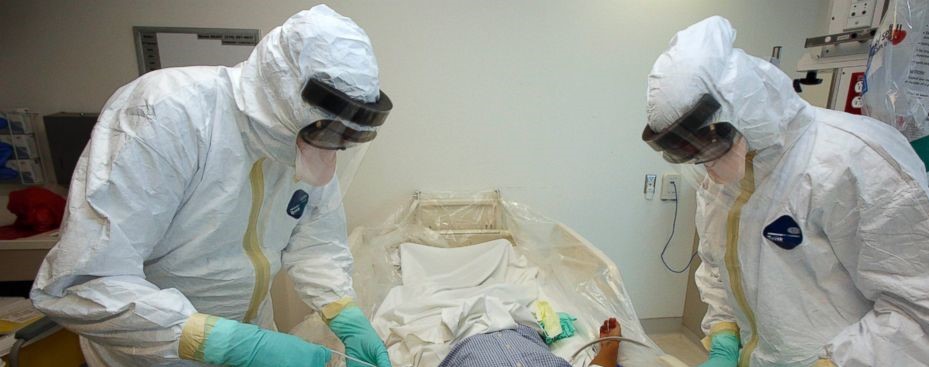
    Doctors, nurses, pharmacists partaking within the necessary National Youth Service Scheme in Asaba, Delta State, have been compelled to work with out protecting gear in an isolation for Coronavirus sufferers, findings by SaharaReporters point out.

    At the Asaba Specialist Hospital, a listing containing names of individuals, who by no means indicated curiosity to work as volunteers on the isolation centre, has been launched by the administration.

    As a outcome, these named together with NYSC members shall be compelled to work with out correct orientation, protecting gear or plans for remuneration.

    “Of the about 50 consultants who work within the hospital, solely three volunteered due to the situations of labor within the hospital. 

    “This made the management forcefully include the names of NYSC nurses, doctors and pharmacists,” a supply on the hospital instructed SaharaReporters on Friday.

    The incident has raised considerations and apprehension amongst corps members in Asaba, who expressed worry that they may very well be contaminated with the virus.

    “We are not happy with this development. We hope the state government and NYSC management can intervene and save us from contracting the virus because there is nothing to protect us,” one of many affected individuals instructed our correspondent. 

    PUBLIC HEALTH

    News

    AddThis

    : 

    Original Author

    : 

    Saharareporters, New York

    Disable commercials

    : 
    Hospital Management In Delta Forces NYSC Doctors, Nurses To Work In Coronavirus Isolation Centre
    Read More
    http://saharareporters.com/2020/04/03/hospital-management-delta-forces-nysc-doctors-nurses-work-coronavirus-isolation-centre

    Views: 0

  • RMAF transports medical, health equipment to Sarawak and Sabah

    RMAF transports medical, health equipment to Sarawak and Sabah

    RMAF transports medical, health equipment to Sarawak and Sabah 3

    KUALA LUMPUR: The Royal Malaysian Air Force (RMAF) at this time flew in medical and health equipment to Sarawak and Sabah for the usage of the states’ front-liners within the wake of the Covid-19 outbreak.

    RMAF, in a press release, stated that its A400M plane carried 100 items of aerosol packing containers, further scientific specimen to the Ministry of Health’s (MOH) amenities and Personal Protective Equipment (PPE).

    “The aerosol boxes were prepared by a non-governmental organisation, Old Putera of the Royal Military College in two types, namely the ‘Intubation Type’ (used during the endotracheal intubation procedure) and the ‘Sampling Type’ (used during the swabbing procedure).

    “The equipment aims to protect the front-liners against droplet transmission from patients,” the assertion stated.

    According to the assertion, MOH’s further scientific specimens consisted of the availability of laboratory equipment, prescription drugs, PPEs and essential medical equipment to the State Health Department to be used in health amenities.

    The medical equipment is from the MOH, National Security Council (MKN), National Disaster Management Agency (Nadma) and the Malaysian Defense Forces (APM), the assertion stated.

    The RMAF will present full assist to the federal government and different companies in coping with the unfold of the Covid-19 outbreak. – Bernama

    RMAF transports medical, health equipment to Sarawak and Sabah
    Read More
    https://www.thesundaily.my/local/rmaf-transports-medical-health-equipment-to-sarawak-and-sabah-FJ2209733

    Views: 0

  • Legal Issues Arising From Management Of Covid-19 Patients By Ahmed Adetola-Kazeem

    Legal Issues Arising From Management Of Covid-19 Patients By Ahmed Adetola-Kazeem

    Legal Issues Arising From Management Of Covid-19 Patients By Ahmed Adetola-Kazeem 4

    Legal Issues Arising From Management Of Covid-19 Patients By Ahmed Adetola-Kazeem 5


    A lot of legal issues are bound to arise as an aftermath of the outbreak of Coronavirus otherwise referred to as COVID-19.  There is therefore a need to shed light on some of the issues that may arise and how to navigate them. This article will x-ray the rights of patients, the rights of health workers and the basic minimum obligations of the government.

    The Code of Medical Ethics in Nigeria 2008 lists acts that constitute professional negligence. Rule 29.4 of the Code outlines some of these acts as follows:-

    a)      Failure to attend promptly to a patient requiring urgent attention when the practitioner was in a position to do so;

    b)     Manifesting incompetence in the assessment of a patient;

    c)      Making an incorrect diagnosis particularly when the clinical features were so glaring that no reasonable skillful practitioner could have failed to notice them; 

    d)     Failure to advise, or proffering wrong advice to  a patient on the risk involved in a particular operation or course of treatment, especially if such an operation or course of treatment is likely to result in serious side effects like deformity or loss of organ, or function;

    e)      Failure to obtain the informed consent of the patient before proceeding on any surgical procedure or course of treatment when such consent was necessary; 

    f)       Making a mistake in treatment e.g. amputation of the wrong limb, carelessness that results in the termination of a pregnancy, prescribing the wrong drug, or dosage in error for a correctly diagnosed ailment, etc;

    g)     Failure to refer, or transfer a patient in good time, when such a referral or transfer was necessary;

    h)     Failure to do anything that ought reasonably to have been done under any circumstance for the good of the patient;

    i)       Failure to see a patient as often as his medical condition warrants or to make appropriate comments in the case notes of the practitioner’s observations and prescribed treatment during such visits. It also includes failure to communicate with the patient or with his relatives as may be necessary with regards to any developments, progress or prognosis in the patient’s condition.


    Rule 11.2 of the 2008 Code of Medical Ethics in Nigeria provides that, “A physician shall preserve absolute confidentiality on all he knows about his patient even after the patient has died.”

                 Rule 44 of the Code of Medical Ethics has extensive provisions on Confidentiality and when disclosure of information can be made. The Rule provides in part that:

    “Disclosure of information on the patient by the doctor can only be made following an informed consent of the patient in writing. It is clear that the ethic covers even such information as induced abortion, venereal disease, attempted suicide, concealed birth and drug dependence but would exclude situations in which a discretionary breach of confidentiality is necessary to protect the patient or the community from danger and this must be made clear to the patient at the time of the confidential disclosure. Where statutory notification of disease is involved, the consent of the patient is not required.”            

                Confidentiality: To Disclose Identity Of Covid-19 Patients Or Not To Disclose?

    COVID-19 is an infectious disease caused by a newly discovered coronavirus. Most people infected with the COVID-19 will experience mild to moderate respiratory illness and recover without requiring special treatment.  Older people, and those with underlying medical problems like cardiovascular disease, diabetes, chronic respiratory disease, and cancer are more likely to develop serious illness.[1]

    The Federal Ministry of Health confirmed the first case of COVID-19 in Nigeria on the 27th of February 2020. It is the case of an Italian citizen who works in Nigeria and returned from Milan, Italy to Lagos, Nigeria on the 25th of February 2020. In reaction to the report, the social was divided between those who want the name of the Italian disclosed and those that preferred it remains confidential. The outcry was even more when the Chief of Staff to the President tested positive according to reports from various media houses[2], but the Minister of Health decided to keep mute on the identity of the President’s aide who contacted the virus, citing confidentiality.

    It will ordinarily be wrong to disclose the medical status of someone infected with COVID-19, for instancethe case of the Italian who was the index case. However in view of the proviso to Rule 44 of the Code of Medical Ethics 2008 which provides that a discretionary breach of confidentiality is necessary in order to protect the community from danger, I am of the view that the test results of popular figures who hold strategic offices like the Chief of Staff to the President or a Governor must be disclosed to guaranty public safety. This is necessary in view of the countless number of people from all works of life they come in contact with on a daily basis.  It will be correct to have made their status public in the overriding interest of the public, since it will enable those who have come in contact with them isolate, just like we have seen in the cases of the British Prime Minister, the Bauchi State Govenor, Prince Charles, the First Lady of Canada and many more. We must commend those who announced their status in public themselves-it is the best thing to do in the interest of humanity

    The World Health Organization (WHO) provides additional guidelines for the management of coronavirus patients specifically.[3]

    Health workers should:

    •follow established occupational safety and health procedures, avoid exposing others to health and safety risks and participate in employer-provided occupational safety and health training; 

    •use provided protocols to assess, triage and treat patients; 

    •treat patients with respect, compassion and dignity; 

    •maintain patient confidentiality; 

    •swiftly follow established public health reporting procedures of suspect and confirmed cases; 

    •provide or reinforce accurate infection prevention and control and public health information, including to concerned people who have neither symptoms nor risk;

    •put on, use, take off and dispose of personal protective equipment properly;

    •self-monitor for signs of illness and self-isolate or report illness to managers, if it occurs; 

    •advise management if they are experiencing signs of undue stress or mental health challenges that require support interventions; and 

    •report  to  their  immediate  supervisor  any  situation  which  they  have  reasonable  justification  to  believe presents an imminent and serious danger to life or health.


    Doctors and health workers in Nigeria must endeavor to digest the guidelines in the Code of Medical Ethics as well as the WHO Guidelines for management of Coronavirus victims and ensure they work strictly by their provisions. A breach of these duties have dire consequences. 

    Options Available To Covid-19 Patients Who Are Victims Of Medical Negligence

    A Coronavirus patient who has suffered medical negligence has a number of options:

    1. He could file a complaint with the regulatory body (e.g. the Medical and Dental Council of Nigeria, in the cases involving a Doctor). The Doctor will in the first instance be investigated by the Medical and Dental Practitioners Investigation Panel, after which he will be tried by the Medical and Dental Practitioners Disciplinary Tribunal. If found culpable,  the Doctor may be warned, suspended from practicing for a period not exceeding 6 months or in very serious cases, have his name can be removed from the Register of Medical Practitioners. The Medical and Dental Practitioners’ Disciplinary Tribunal does not award monetary damages.

    2. A suit can be filed against the Medical Doctor, the Hospital, Agency or Government in the High Court for Medical Negligence and monetary damages will be awarded if the Defendant(s) are found culpable.

          3.  If there is an element of Crime, a report could be made to the Police who would conduct Criminal Investigation and where the investigation reveals gross negligence, recklessness or wanton disregard for life of the victim, the police can prosecute or forward the case file to the office of the Attorney General of the State for possible prosecution in deserving cases.  

    A Need To Do More For Doctors And Other Professionals In The Health Sector

    Health workers are at the front line of any outbreak response and as such are exposed to hazards that put them at risk of infection with an outbreak pathogen (in this case COVID-19). Hazards include pathogen exposure, long working  hours,  psychological  distress,  fatigue,  occupational  burnout,  stigma,  and  physical  and  psychological violence. 

    During the outbreak of Ebola more than 500 health care workers died in Guinea, Liberia and Sierra-Leone alone. We also lost some of our finest doctors and health workers to the disease in Nigeria, the most prominent being Dr. Stella Adadevoh, who is credited with having curbed a wider spread of the Ebola virus in Nigeria by placing the index patient, Patrick Sawyer, in quarantine despite pressures from the Liberian  government. As we speak, The coronavirus is waging a war of attrition against health care workers throughout the world, but nowhere is it winning more battles at the moment than in Italy and in Spain, where protective equipment and tests have been in severely short supply for weeks. In Spain 13.6% (6500) of those affected with the coronavirus are health workers and in Italy 10% (7400) of those affected with the virus are health workers. [4] In New York dozens of health workers have been affected with the virus, while hundreds are in quarantine.[5] According to reports filtering in as the time of concluding this article, three health workers have been infected with COVID-19 in Abuja, Nigeria.[6]

    Human Rights Watch research into health system collapse in Hungary and Venezuela suggests the nations’ mismanaged, underfunded, and understaffed public healthcare system is poorly equipped to handle a COVID-19 outbreak. Patients and medical experts described a lack of basic hygiene protocol, lack of isolation rooms, and a shortage of health professionals, doctors and nurses, and medical supplies in general.

    The situation is not too different in Nigeria at the moment and except something drastic is done we might be witnessing a devastating effect of the pandemic. Nigeria’s, public health capacity has been diminished by large scale public sector corruption. Medical personnel lack surgical masks and local supplies have been diverted and shipped to other markets partly due to corruption. Many states are ill-prepared to combat the impeding surge in patients. A senior health worker with a government hospital in Abuja, in an interview with Sahara Reporters, lamented the lack of quality Personal Protective Equipment for them, adding that government must invest in the protection of health workers at the frontline of the battle against the virus. He said, “The unfortunate thing is that the government is not providing us with what to work with. It is sad that our PPE are not up to the world standard and can be penetrated by viruses. Some of us (health workers) have to use our personal funds to purchase gloves as we do not trust the ones government supplied. Nigerians should please remember us in their prayers and government should provide us with what we really need to work.” [7]

    There was report that in Bauchi State a Coronavirus patient rejected the isolation centre at the Bauchi Specialist Hospital and went back home while describing it as “too dirty”.[8]  

    It is disappointing to hear that the hazard allowance for doctors and health workers is N5,000 per month in Nigeria. The amount is very paltry compared to the risks and the attendant emotional and psychological stress suffered by the health-care workers (HWCs) particularly during monumental outbreaks like this. Unfortunately, when a patient is mismanaged, these doctors and health workers bear the burden of paying huge compensation and sometimes losing their jobs. More importantly, the brain-drain in the health sector is monumental, almost all my friends who are doctors, work abroad. Unfortunately, there are concerted efforts by the US Government to engage foreign Doctors to further fortify its health work force as COVID-19 ravages. Many young Nigerian doctors are already considering the offers because the Nigerian government has paid little attention to their welfare and the welfare of the general health workforce. To stop the exodus of our doctors, who are already in short supply, the government must act fast by improving their welfare packages in line with acceptable international standards.

    The psychological needs of doctors and health workers are also often ignored. Unsafe working conditions contribute to health worker attrition in many countries due to work-related illness and injury and the resulting fear of health workers of occupational infection, including from HIV and Tuberculosis. The 2006 World Health Report – Working Together for Health reported on a severe health workforce crisis in fifty-seven countries, most of them in Africa and Asia. [9]

    Protecting the occupational health of health workers is critical to having an adequate workforce of trained and healthy health personnel. Governments at the Federal and State levels are urged to do more by complying fully with the World Health Organization’s guidelines regarding the Rights of Health Workers while combating COVID-19. Some of the rights are:

    ·         assume overall responsibility to ensure that all necessary preventive and protective measures are taken to minimize occupational safety and health risks;

    ·         provide information, instruction and training on occupational safety and health, including; Refresher training on infection prevention and control(IPC); and Use, putting on, taking off and disposal of personal protective equipment(PPE);

    ·         provide adequate IPC and PPE supplies (masks, gloves, goggles, gowns, hand sanitizer, soap and water, cleaning supplies) in sufficient quantity to healthcare or other staff caring for suspected or confirmed COVID-19 patients, such that workers do not incur expenses for occupational safety and health requirements;

    ·         not be required to return to a work situation where there is continuing orserious danger to life or health, until the employer has taken any necessary remedial action;

    ·         allow workers to exercise the right to remove themselves from a work situation that they have reasonable justification to believe presents an imminent and serious danger to their life or health. When a health worker exercises this right, they shall be protected from any undue consequences; 

    ·         honour the right to compensation, rehabilitation and curative services if infected with COVID-19 following exposure in the workplace. This would be considered occupational exposure and resulting illness would be considered an occupational disease,

    ·         provide access to mental health and counselling resources; and 

    ·         enable co-operation between management and workers and/or their representatives. Etc.

    In conclusion, professional care givers for COVID-19 patients should uphold four basic principles formulated by Beauchamp and Childress in their book ‘Principles of Biomedical Ethics’ in order to protect themselves from liability for negligence. The four basic principles are autonomy, beneficence, non-maleficence and justice.

    Autonomy: People have the right to control what happens to their bodies. This principle simply means that an informed, competent adult patient can refuse or accept treatments, drugs, and surgeries according to their wishes. People have the right to control what happens to their bodies because they are free and rational. And these decisions must be respected by everyone, even if those decisions aren’t in the best interest of the patient.

    Beneficence: All healthcare providers must strive to improve their patient’s health, to do the most good for the patient in every situation. But what is good for one patient may not be good for another, so each situation should be considered individually. And other values that might conflict with beneficence may need to be considered.

    Non-maleficence: “First, do no harm” is the bedrock of medical ethics. In every situation, healthcare providers should avoid causing harm to their patients. You should also be aware of the doctrine of double effect, where a treatment intended for good unintentionally causes harm. This doctrine helps you make difficult decisions about whether actions with double effects can be undertaken.

    Justice: The fourth principle demands that you should try to be as fair as possible when offering treatments to patients and allocating scarce medical resources. You should be able to justify your actions in every situation. For instance, it will amount to a professional misconduct for a Health-care Worker to remove a poor man from the ventilator because a Senator was rushed in. 

    Ahmed Adetola-Kazeem is a partner in Adetola-Kazeem Legal Practice and specializes in Medical and Health Law

    Email: aadetolakazeem@gmail.com;aadetolakazeem@gaklp.com

    [1] https://www.who.int/health-topics/coronavirus#tab=tab_1(Accessed on the 28th of March 2020)

    [2] https://businessday.ng/coronavirus/article/abba-kyari-tests-positive-for-coronavirus-buhari-negative/

    https://www.channelstv.com/2020/03/24/buharis-chief-of-staff-abba-kyari-reportedly-tests-positive-for-coronavirus/ (Accessed on the 28th of March 2020)

    [3] Coronavirus Disease (Covid-19) Outbreak: Rights, Roles and Responsibilities Of Health workers, Including Key Considerations For Occupational Safety And Health”. https://www.who.int/docs/default-source/coronaviruse/who-rights-roles-respon-hw-covid-19.pdf?sfvrsn=bcabd401_0   (Accessed on the 26th of March 2020)

    [4] https://abcnews.go.com/Health/wireStory/collapsing-virus-pummels-medics-spain-italy-69789413 (Accessed on 26th March 2020)

    [5] https://www.washingtonpost.com/health/covid-19-hits-doctors-nurses-emts-threatening-health-system/2020/03/17/f21147e8-67aa-11ea-b313-df458622c2cc_story.html (Accessed on 28th of March 2020)

    [6] http://saharareporters.com/2020/03/28/exclusive-two-nurses-one-doctor-infected-coronavirus-abuja-hospital

    [7] Supra

    [8] https://www.dailytrust.com.ng/coronavirus-patient-rejects-bauchi-isolation-centre-returns-home.html (Accessed on 28th March 2020)

    [9] https://www.who.int/occupational_health/topics/hcworkers/en/(Accessed on 26th March 2020)


    Opinion

    AddThis

    : 

    Original Author

    : 

    Ahmed Adetola-Kazeem

    Disable advertisements

    : 
    Legal Issues Arising From Management Of Covid-19 Patients By Ahmed Adetola-Kazeem
    Read More
    http://saharareporters.com/2020/04/01/legal-issues-arising-management-covid-19-patients-ahmed-adetola-kazeem

    Views: 0

  • Joint Statement by QU Dongyu, Tedros Adhanom Ghebreyesus and Roberto Azevedo, Directors-General of the Food and Agriculture Organization of the United Nations (FAO), the World Health Organization (WHO) and the World Trade Organization (WTO)

    Millions of people around the world depend on international trade for their food security and livelihoods. As countries move to enact measures aiming to halt the accelerating COVID-19 pandemic, care must be taken to minimise potential impacts on the food supply or unintended consequences on global trade and food security. 

    When acting to protect the health and well-being of their citizens, countries should ensure that any trade-related measures do not disrupt the food supply chain. Such disruptions including hampering the movement of agricultural and food industry workers and extending border delays for food containers, result in the spoilage of perishables and increasing food waste. Food trade restrictions could also be linked to unjustified concerns on food safety. If such a scenario were to materialize, it would disrupt the food supply chain, with particularly pronounced consequences for the most vulnerable and food insecure populations. 

    Uncertainty about food availability can spark a wave of export restrictions, creating a shortage on the global market. Such reactions can alter the balance between food supply and demand, resulting in price spikes and increased price volatility. We learned from previous crises that such measures are particularly damaging for low-income, food-deficit countries and to the efforts of humanitarian organizations to procure food for those in desperate need.

    We must prevent the repeat of such damaging measures. It is at times like this that more, not less, international cooperation becomes vital. In the midst of the COVID-19 lockdowns, every effort must be made to ensure that trade flows as freely as possible, specially to avoid food shortage. Similarly, it is also critical that food producers and food workers at processing and retail level are protected to minimise the spread of the disease within this sector and maintain food supply chains. Consumers, in particular the most vulnerable, must continue to be able to access food within their communities under strict safety requirements.  

    We must also ensure that information on food-related trade measures, levels of food production, consumption and stocks, as well as on food prices, is available to all in real time. This reduces uncertainty and allows producers, consumers and traders to make informed decisions. Above all, it helps contain ‘panic buying’ and the hoarding of food and other essential items.

    Now is the time to show solidarity, act responsibly and adhere to our common goal of enhancing food security, food safety and nutrition and improving the general welfare of people around the world.  We must ensure that our response to COVID-19 does not unintentionally create unwarranted shortages of essential items and exacerbate hunger and malnutrition.

    Read More
    https://www.who.int/news-room/detail/30-03-2020-joint-statement-by-qu-dongyu-tedros-adhanom-ghebreyesus-and-roberto-azevedo-directors-general-of-the-food-and-agriculture-organization-of-the-united-nations-(fao)-the-world-health-organization-(who)-and-the-world-trade-organization-(wto)

    Views: 0

  • OHCHR, IOM, UNHCR and WHO joint press release: the rights and health of refugees, migrants and stateless must be protected in COVID-19 response

    In the face of the COVID-19 crisis, we are all vulnerable. The virus has shown that it does not discriminate – but many refugees, those forcibly displaced, the stateless and migrants are at heightened risk. 

    Three-quarters of the world’s refugees and many migrants are hosted in developing regions where health systems are already overwhelmed and under-capacitated.  Many live in overcrowded camps, settlements, makeshift shelters or reception centers, where they lack adequate access to health services, clean water and sanitation. 

    The situation for refugees and migrants held in formal and informal places of detention, in cramped and unsanitary conditions, is particularly worrying. Considering the lethal consequences a COVID-19 outbreak would have, they should be released without delay. Migrant children and their families and those detained without a sufficient legal basis should be immediately released.

    This disease can be controlled only if there is an inclusive approach which protects every individual’s rights to life and health.  Migrants and refugees are disproportionately vulnerable to exclusion, stigma and discrimination, particulary when undocumented.  To avert a catastrophe, governments must do all they can to protect the rights and the health of everyone. Protecting the rights and the health of all people will in fact help control the spread of the virus.

    It is vital that everyone, including all migrants and refugees, are ensured equal access to health services and are effectively included in national responses to COVID-19, including prevention, testing and treatment. Inclusion will help not only to protect the rights of refugees and migrants, but will also serve to protect public health and stem the global spread of COVID-19.  While many nations protect and host refugee and migrant populations, they are often not equipped to respond to crises such as Covid-19. To ensure refugees and migrants have adequate access to national health services, States may need additional financial support. This is where the world’s financial institutions can play a leading role in making funds available. 

    While countries are closing their borders and limiting cross-border movements, there are ways to manage border restrictions in a manner which respects international human rights and refugee protection standards, including the principle of non-refoulement, through quarantine and health checks. 

    More than ever, as COVID-19 poses a global threat to our collective humanity, our primary focus should be on the preservation of life, regardless of status.  This crisis demands a coherent, effective international approach that leaves no-one behind.  At this crucial moment we all need to rally around a common objective, fighting this deadly virus. Many refugees, displaced, stateless people and migrants have skills and resources that can also be part of the solution.

    We cannot allow fear or intolerance to undermine rights or compromise the effectiveness of responses to the global pandemic. We are all in this together. We can only defeat this virus when each and every one of us is protected. 

    Read More
    https://www.who.int/news-room/detail/31-03-2020-ohchr-iom-unhcr-and-who-joint-press-release-the-rights-and-health-of-refugees-migrants-and-stateless-must-be-protected-in-covid-19-response

    Views: 0

  • Nothing Must Happen To El-Zakzaky, Shiites Warn Buhari After Kaduna Prison Unrest

    Nothing Must Happen To El-Zakzaky, Shiites Warn Buhari After Kaduna Prison Unrest

    Nothing Must Happen To El-Zakzaky, Shiites Warn Buhari After Kaduna Prison Unrest 6

    Nothing Must Happen To El-Zakzaky, Shiites Warn Buhari After Kaduna Prison Unrest 7


    Members of the Islamic Movement in Nigeria have called on President Muhammadu Buhari to ensure the safety of their leader, Ibraheem El-Zakzaky, following a riot at Kaduna Prison by inmates on Tuesday. 

    The movement handed down the warning in a statement by Secretary of the Academic Forum of the movement, Abdullahi Muhammad Musa.

    SaharaReporters had earlier reported that inmates at the prison attempted a jailbreak after riot broke out over the Coronavirus pandemic in the country. 

    See Also

    Nothing Must Happen To El-Zakzaky, Shiites Warn Buhari After Kaduna Prison Unrest 8

    Breaking News

    BREAKING: Inmates In Kaduna Prison Attempt Jailbreak Over Coronavirus, One Feared Killed


    The inmates, who feared that they could contract the deadly virus going by the poor ventilation and lack of protective items in the facility, mobilised in large numbers on Tuesday morning in an attempt to break free from the correctional centre.

    Security personnel fired several gunshots around the facility to scare the inmates and bring the situation under control.

    One person was feared to have been killed during the chaos while several prison officials, who sustained injuries, were rushed to a teaching hospital in city for urgent medical attention.

    Reacting to the development, the IMN said, “Reliable information reaching us revealed that there is ongoing unrest in Kaduna Prison that started in the early hours of Tuesday, 31 March, 2020 over suspected cases of COVID-19.

    “The incident led to chaos and government is presently deploying more armed security men to the prison.

    “It is pertinent to state that his eminence, Sheikh Ibraheem El-Zakzaky, and his wife Malama Zeenah Ibraheem, are being detained in the same Kaduna Prison.

    “We are rightly concerned about these developments and strongly call on all relevant authorities to ensure that the security and safety of the sheikh and his wife are guaranteed.

    “We would hold the government responsible for any harm to them.

    “It is the responsibility of government to protect all inmates in such homes, especially with the outbreak of the COVID-19 pandemic ravaging the world.”

    The group called on the international community to help secure the release of their leader and his wife before they are infected with the virus.

    News

    AddThis

    : 

    Original Author

    : 

    Saharareporters, New York

    Disable advertisements

    : 
    Nothing Must Happen To El-Zakzaky, Shiites Warn Buhari After Kaduna Prison Unrest
    Read More
    http://saharareporters.com/2020/03/31/nothing-must-happen-el-zakzaky-shiites-warn-buhari-after-kaduna-prison-unrest

    Views: 0

  • Losing Her Religion: Nigeria’s Faith Unveiled In The Face Of COVID-19 By R. Evon Benson-Idahosa

    Losing Her Religion: Nigeria’s Faith Unveiled In The Face Of COVID-19 By R. Evon Benson-Idahosa

    Me, circa 1984, in my choir uniform and what was possibly the now infamous tambourine.
    Me, circa 1984, in my choir uniform and what was possibly the now infamous tambourine.

    R. Evon Benson-Idahosa, Esq
    R. Evon Benson-Idahosa, Esq

    Losing Her Religion: Nigeria’s Faith Unveiled In The Face Of COVID-19 By R. Evon Benson-Idahosa 9R. Evon Benson-Idahosa, Esq


    I remember falling asleep at a Tuesday evening church service as a 9 year old child. I had a tambourine on my lap and as I fell to the floor, it reverberated thunderously throughout the hall, drawing the attention of everyone who had been attentively listening to the dynamic preacherman. I awakened to piercing stares and side eyes- particularly from my father- whose message I had disrupted. Every Nigerian child knows that stare, that glare that silently speaks a thousand words, cloaks you in debilitating fear and assures your quivering being that there will be consequences. Needless to say, it was a quiet ride home and for the rest of the revival week, I was ushered to the front row where I forced my eyes open, humming tunes to myself to stay awake.

    Losing Her Religion: Nigeria’s Faith Unveiled In The Face Of COVID-19 By R. Evon Benson-Idahosa 10Me, circa 1984, in my choir uniform and what was possibly the now infamous tambourine.


    Saying that I literally grew up in church would be an understatement. Week long revival services, such as the one I reference above, were customary. I was also in the choir, went to Sunday school before church services on Sunday, Agape Force Children’s meetings on Saturdays, mid-week services and the occasional 6:30 am morning prayer services, followed by our home bible study with Auntie B. And because my father was Archbishop Benson Idahosa, there were no negotiations. It just was.

    At the age of10, shortly after the infamous “tambourine experience,” the truth of those messages became real and I earnestly became a follower of The Way. And so, as news began to sweep the globe of the novel corona virus and its import, I found myself immediately turning to my faith as a source of comfort and peace. I also called my mother, who now heads CGMI, the global ministry my father left when he passed away 22 years ago. Her words of encouragement and the tone of her voice assured me that, as we like to say in Nigeria, ‘it is well.’

    And it will be.

    But for now, the pandemic continues to rage, as thousands succumb to its will. First China. Then South Korea. Japan. An epidemic. Then Italy, the UK, the US. Thousands upon thousands of cases were being reported and every day brought the reality closer to home. Then it became a global pandemic and as it stands, the WHO estimates that there are 719,700 confirmed cases globally, with almost 34,000 deaths.

    On February 28th, Nigeria, Africa’s most populous nation, confirmed its index case of the corona virus which arrived the country via an Italian businessman. As I write, her Centre for Disease Control is reporting a total of 135 confirmed cases and two deaths, having conducted just several hundred tests, even though thousands of passengers have arrived from varying countries since the index. Self isolation has been deemed an advisory, not mandatory measure.

    Nigeria has taken what some would consider drastic, yet in this writer’s opinion, insufficient and strikingly Western style measures to address what is likely to come in the absence of a miracle. In addition to finally closing her borders from international travelers, including Nigerians, schools have been shut down, civil servants are being asked to work from home, “social distancing” policies are being enacted and several states, including my home state of Edo, have prohibited religious, social and public gatherings of more than 20 persons.

    In a country where over 90% of her citizens profess to be religious, most Nigerians are accustomed to turning to their faith in times of crisis. The corona virus pandemic is no exception. Many who had strayed from God are now repenting of their sins and brandishing the sign of the cross as they leave their homes. Others are praying for a “Passover,” as CNN and other news outlets flood us with “end of the world,” doomsday messaging. As a result, many of us are yearning to collectively gather to pray.

    Whether the desire to collectively gather is buttressed by denial (“coronavirus is not here” — “the spirit of corona virus is dead in Nigeria”) or stems from a deep seeded longing for God to show mercy to a healthcare system that is wholly unprepared to handle the worst case scenario, the fact remains that Nigeria’s religious faithfuls are unaccustomed to missing gatherings for anything. Services are considered sacred times to commune with God and to be encouraged by the brethren. Others hang on to every word of their clerics who, in some cases, insist on serving as a religious crutch- intermediaries between their congregants and God. Many believers who engage with God on a transactional basis come bearing tithes and/or offerings in the hopes that God will hear their prayers. (He hears them regardless.)

    As such, the prohibition on religious gatherings of more than 20 (which essentially translates to a prohibition of services in general) has resulted in many Nigerian believers losing their ‘religion,’ i.e., left bewildered as to how to make the adjustment to a God who potentially exists outside the four walls of their churches; to a God who speaks directly to them in God’s long forgotten voice. Who, precisely, are Nigerian believers without our religions and religious houses of worship?

    Could it be that for the first time in a long time, Nigerian believers are being presented with a church-less opportunity to develop even more meaningful personal relationships with their God; to ‘lay hands’ on themselves and speak words of healing into their children from a God who has always heard them? Could this pandemic serve as an opportunity for believers to be what Murray Bowen describes as a ‘non-anxious presence’ to those who may be paralyzed by fear? Or as a practical example, to give our hired staff the much deserved paid time off to assuage the fears of their own elderly parents? As we creatively consider our individual responses, it is imperative that we recognise that our actions are a reflection of what we truly believe about our faith and the One who implores us to be salt and light.

    As the Church, however, it is unhelpful that some of our pastors are refusing to comply. The other day, I was tagged on a rather unfortunate video of a pastor irresponsibly screaming to congregants that the corona virus cannot withstand Nigeria’s “corrosive anointing.” However, even Jesus instructed us to obey the law of the land (render unto Caesar what is Caesar’s). This blatant refusal to consider the reality that may most aggressively affect those on the margins begs the question of why some churches are so adamant against temporarily closing their doors.

    Sure, we all need hope and encouragement in these perilous and uncertain times, but have we not, after all these years, fed the flock enough “meat” to trust that they can and will turn to God for themselves? Or are we, draped in our own egos, more selfishly concerned that they may not return to our fold and thus, affect our financial bottom line?

    It is not a lack of faith to use wisdom or to be practical. Even Jesus reached out his hand to save Peter when he could easily have let him drown and then used his “corrosive anointing” to raise him from the dead. Wisdom is profitable to direct and I believe my father, who I consider one of the greatest men of faith to ever walk this earth, would have done the needful to protect the sheep. My mother most certainly is.

    To this end, some larger churches are offering their services online. However, for the working poor who faithfully make up the backbone of most Nigerian churches, internet connectivity and/or live streaming of an entire service make that option impractical and/or unaffordable. They are the ones, who because they live day to day, cannot afford to practice social distancing, “stay at home” and for some, even “wash your hands,” because soap becomes a luxury when one’s ‘daily bread’ is devoid of the ‘daily.’ If our government does not step up to courageously seek support that is tailored to our unique realities and then provide that support to those on the margins, the import of the corona virus in our beloved Nigeria could be felt by generations to come.

    As such, could this pandemic present an opportunity for churches to fill the glaring gaps and practically serve the last and the least in a manner that reveals who we profess to be as followers of The Way? Might this be an opportunity for the church to put our egos aside and creatively heed Jesus’ instructions to ‘feed my sheep’, to apply the Balm of Gilead, by serving those who will be most physically, mentally and economically impacted? Practically speaking, could we convert our sanctuaries to temporary hospitals or food pantries where those in need can obtain essentials? Can we use the funds of those who have faithfully donated over the years to buy ventilators and personal protective gear for our hospitals and health workers on the front lines? Can we purchase hygiene products and distribute them to those who may be confined to their homes? This, I believe, is our mandate.

    At the end of the day, my faith in God runs deep. It has guided my life since I was 10 and I prayerfully trust that we will get through this. But as the Nigerian Church temporarily loses her ‘religion’ and her faith is unveiled in the face of COVID-19, she is presented with an opportunity to reverberate thunderously and rise up to be who she professes for such a novel time as this. After all, in the words of Dietrich Bonhoeffer, ‘the church is the church only when it exists for others…not dominating, but helping and serving.’

    WRITTEN BY

    R. Evon Benson-Idahosa, Esq.

    Lead table turner and expert troublemaker at Pathfinders Justice Initiative (www.pathfindersji.org); creating more space for women at the table.


    Opinion

    AddThis

    : 

    Featured Image

    : 

    Losing Her Religion: Nigeria’s Faith Unveiled In The Face Of COVID-19 By R. Evon Benson-Idahosa 11

    Original Author

    : 

    R. Evon Benson-Idahosa, Esq

    Disable advertisements

    : 
    Losing Her Religion: Nigeria’s Faith Unveiled In The Face Of COVID-19 By R. Evon Benson-Idahosa
    Read More
    http://saharareporters.com/2020/03/31/losing-her-religion-nigeria%E2%80%99s-faith-unveiled-face-covid-19-r-evon-benson-idahosa

    Views: 0