Tag: Period

  • WHO EB recommends the adoption of the strategy for elimination of cervical cancer

    WHO EB recommends the adoption of the strategy for elimination of cervical cancer

    20200203_WHO_Executive_Board_021

    Co-sponsored by 20 Member States and the EU, the draft resolution for the
    Seventy-Third World Health Assembly (WHA) was presented on 5 February,
    2020, at EB146.

     The proposal followed Executive Board Members’ review of the Director-General’s report.

    The proposed resolution recommends that the World Health Assembly adopt the global
    strategy to accelerate the elimination of cervical cancer as a public
    health problem and its associated goals and targets for the period
    2020–2030.  It also urges Member States to implement the
    strategy, calling for the support of international organizations and
    other relevant stakeholders, and includes a request for the Director
    General to support Member states in this endeavor.   The WHA will
    consider the resolution when it convenes in May 2020.


    WHO EB recommends the adoption of the strategy for elimination of cervical cancer
    Read More
    https://www.who.int/news-room/detail/05-02-2020-who-eb-recommends-the-adoption-of-the-strategy-for-elimination-of-cervical-cancer

    Views: 0

  • To eliminate cervical cancer in the next 100 years, implementing an effective strategy is critical

    To eliminate cervical cancer in the next 100 years, implementing an effective strategy is critical

    Vaccination, screening, treatment and palliative care are the key interventions of WHO’s Draft Global Strategy towards the Elimination of Cervical Cancer as a Public Health Problem,
    the fourth most common cancer in women.

    On World Cancer Day, new estimates show that this strategy could save more than 62 million girls and women from a cervical cancer death and prevent 74 million cases within the next 100 years – but only if these interventions are used effectively
    together.

    No single intervention can eliminate cervical cancer

    These estimates, published by the WHO Cervical Cancer Elimination Modelling Consortium (CCEMC) in The Lancet, are based on the draft strategy’s targets to achieve a global coverage of 90% vaccination, 70% screening and 90% treatment by 2030.


    lancet

    Impact of HPV vaccination and cervical screening on cervical cancer elimination: a comparative modelling analysis in 78 low-income and lower-middle-income countries

    Mortality impact of achieving WHO cervical cancer elimination targets: a comparative modelling analysis in 78 low-income and lower-middle-income countries


    Developed by Member States, UN agencies and other partners, the draft global strategy seeks to redress the unequal burden of cervical cancer around the world. Nine in 10 cervical cancer deaths occur in low and lower-middle-income countries, where
    women lack access to health services.

    As Dr Tedros Adhanom Ghebreyesus, WHO’s Director-General has said, “It doesn’t have to be this way. Cervical cancer
    is one of the most preventable and treatable forms of cancer, as long as it is detected early and managed effectively.”

    This new analysis compares the impact of vaccination, screening and treatment of cervical pre-cancer lesions as single or combined interventions. Focusing on 78 countries where cervical cancer mortality is highest, the results clearly show that no
    single intervention will be sufficient to reduce levels of cervical cancer in the next 100 years to below the elimination target of 4 cases per 100,000 women per year.

    Acting immediately on all three fronts is crucial.                                                                                       

    90-70-90: a triple intervention by 2030 and beyond

    Vaccinating girls against cancer-causing types of human papillomavirus (HPV) before the age of 15 is the foundation for bringing every country’s incidence rate of cervical cancer down to the agreed elimination level.

    Right now, however, vaccination is not enough. As a single strategy, vaccination targets would only deliver a 0.1% reduction in cervical cancer mortality by 2030. Scaling up screening and treatment of cervical pre-cancer lesions at the same time would
    reduce mortality by more than one third, or 300,000 deaths, in the same period.

    The evidence shows that when all adult women are screened for cervical cancer at least twice, at ages 35 and 45, abnormalities are more likely to be detected before they become cancerous. When cancer has developed, screening increases a women’s
    likelihood of early and successful treatment, as well as palliative care if recovery is no longer an option.

    Meeting these triple-intervention targets would be a major contribution to target 3.4 of the UN Sustainable Development Goals (SDGs), a one-third reduction in premature mortality from non-communicable diseases by 2030.

    The future of cervical cancer elimination

    WHO’s global strategy towards eliminating cervical cancer aims to set the world on the right track by 2030, but it is just the beginning.

    At this pace, global elimination of cervical cancer is not predicted until 2120.

    While high HPV vaccination coverage is the primary prevention intervention, ensuring every woman has two cervical screenings in her life would accelerate elimination by 11 – 31 years, depending on the country.

    If no action is taken, cervical cancer deaths will rise almost 50% by 2030. Approval of the draft global strategy at the WHO World Health Assembly in 2020, and investment in mechanisms to deliver it, is vital.

    As the new World Cancer Report shows, only 18% of countries that currently provide screening for cervical cancer reached the recommended target of more than 70% coverage. An estimated 55% of low-income countries that reported offering
    cervical cancer screening generally lack accessible radiotherapy or surgery services.

    Elimination of cervical cancer is possible within the lifetime of today’s youngest girls, but the clock starts now and every intervention counts.


    To eliminate cervical cancer in the next 100 years, implementing an effective strategy is critical
    Read More
    https://www.who.int/news-room/detail/04-02-2020-to-eliminate-cervical-cancer-in-the-next-100-years

    Views: 0

  • Pregnancy and breastfeeding during an Ebola virus outbreak

    Pregnancy and breastfeeding during an Ebola virus outbreak

    Women who are pregnant or breastfeeding in an Ebola outbreak face similar challenges as other population groups, but they have specific health needs which must be met.

    As the second largest Ebola outbreak in history continues in the Democratic Republic of Congo, WHO has released new clinical guidelines for healthcare providers supporting pregnant or breastfeeding women in the context of Ebola virus disease.

    Improving clinical care and reducing mortality

    92-4-000138-1Clear and coherent guidance is needed to meet the combined needs of women requiring Ebola treatment, pregnancy care and management of complications.

    Information on how to protect breastfeeding children and other members in the community from transmission of the disease is also critical.

    Limited scientific evidence on how to best manage these needs has previously been a challenge for affected countries. In addition, misconceptions that pregnant women have a higher mortality rate than other populations with Ebola may in some contexts have put pregnant women at risk of not receiving standard care.

    WHO’s Guideline on the management of pregnant and breastfeeding women in the context of Ebola virus reviews existing evidence and provides a single set of recommendations on the care continuum for women exposed to, diagnosed with, or recovered from Ebola.

    This will enable healthcare providers, emergency response teams and health policy-makers to improve prevention and treatment measures in an Ebola outbreak.

    Obstetric care at an Ebola Treatment Centre

    Optimal supportive care should be offered to all pregnant women with Ebola. Likewise, they should be offered experimental treatment and vaccination under the same conditions as non-pregnant populations.

    Ebola virus disease does increase the risk of miscarriage and early labour, requiring close clinical management at Ebola treatment centres. It is important to engage both obstetric providers and those trained in Ebola response.

    This dual expertise is also important because early Ebola and pregnancy-related symptoms can overlap. Pregnant women should be prioritised for testing to confirm an Ebola infection.

    Ebola virus can persist in pregnancy related fluids as well as breastmilk. If healthcare providers are not clear on how to manage Ebola infection risk, they may be less willing to provide care. This stigma can be life-threatening for women who experience complications during delivery.

    The new WHO guidelines advise healthcare workers on how to protect themselves while caring for pregnant women with Ebola virus disease. This includes induced labour or surgical procedures, which carry greater risk of transmission in cases of acute infection. Any invasive treatments should be carried out in full personal protective equipment.

    Breastfeeding recommendations in an Ebola outbreak

    WHO recommends that women with suspected or confirmed Ebola immediately stop breastfeeding and are prioritised for diagnostic testing. Any child exposed to Ebola through breast milk should be placed into safe care, closely monitored for symptoms over a 21-day period and fed with an appropriate breast milk substitute.  

    The guidelines strongly recommend that breastfeeding is only restarted following two consecutive negative tests of breast milk, separated by 24 hours.

    A breast milk substitute should be used even if infection is confirmed for both the mother and her child. Exceptions can be made for infants under 6 months of age who are already infected, if breast milk substitutes are not feasible, affordable, sustainable or safe and separation cannot be implemented safely.

    Women’s health and rights in a disease outbreak

    A disease outbreak does not change women’s and adolescent girls’ fundamental human right to sexual and reproductive healthcare, including evidence-based care during pregnancy and childbirth.

    Women need support to make informed reproductive health care choices for themselves and their children. Women living in an Ebola outbreak should have access to all relevant reproductive options, regardless of economic, cultural, racial or religious status, including contraception and safe abortion to the full extent of the law.

    Pregnant and breastfeeding women across affected communities need equitable and respectful care that considers the risks they face and supports the choices they make.

    Accessing the guidelines and further research

    These guidelines are now available online and may be freely downloaded. The executive summary will be available in French.

    WHO will closely monitor new data as it emerges, as there is still a pressing need to prioritise ongoing research related to Ebola virus transmission.


    Pregnancy and breastfeeding during an Ebola virus outbreak
    Read More
    https://www.who.int/news-room/detail/10-02-2020-pregnancy-and-breastfeeding-during-an-ebola-virus-outbreak

    Views: 0

  • WHO and FIND formalize strategic collaboration to drive universal access to essential diagnostics

    Geneva, Switzerland – 10 February 2020 – The World Health Organization (WHO) and the Foundation for Innovative New Diagnostics (FIND) announced today that a memorandum of understanding has been signed by the two organizations to formalize a strategic collaboration that will strengthen diagnosis in resource-poor countries by closing major diagnostic gaps at country level and bolstering disease surveillance that will inform public health initiatives and enhance outbreak preparedness and response.

    “This collaboration is an inspiring development that will take us a long way towards ensuring access to diagnostics to all who need them,” said Dr Tedros Adhanom Ghebreyesus, Director-General of the World Health Organization. “Global health challenges such as the ongoing novel coronavirus (2019-nCoV) outbreak demonstrates that without these essential elements of health systems, we cannot hope to promote health, keep the world safe, and serve the vulnerable. I look forward to working closely with FIND to determine what countries need and to forge a path to deliver these innovations so that no one is left behind.”

    Diagnosis is a driver of patient, financial and health systems impact, and a critical enabler of universal health coverage, but it is also the weakest link in the care cascade. This is especially true in primary healthcare settings in low- and middle-income countries. A unique and unprecedented opportunity exists to expand the role and impact of diagnostics to fully realize their potential to address major health security threats and evolving disease burdens through technological and digital advances.

    FIND has been an active partner with WHO since 2008 and a WHO Collaborating Centre since 2014, acting in the areas of laboratory strengthening and diagnostic technology evaluation. This expanded collaboration will put in place the building blocks necessary to enable transformative change in a move toward a country-led diagnostics alliance. Initial workstreams will focus on demand-driven access to essential diagnostics and the development of national Essential Diagnostics Lists, alongside collection of data that assist the scale up of diagnostics to support low- and middle-income countries on their paths to universal health coverage.

    “Each and every person has the right to a quality, timely diagnosis,” said Catharina Boehme, CEO of FIND. “Comprehensive diagnostic services underpin functional and efficient health systems not only to manage day-to-day healthcare needs, but also to ensure new disease outbreaks can be spotted and contained quickly. Working closely with WHO as part of a country-led alliance, we will strive to ensure that low- and middle-income countries have what they need to develop their own comprehensive, data-driven diagnostic strategies that enable universal health coverage and empower disease surveillance. Our ambition is that all patients, providers and decision-makers have access to the diagnostic solutions needed for optimal health outcomes.”

    The strategic collaboration agreement will initially run for a period of 5 years, until 2025.

    #  #  #

    About FIND

    FIND is a global non-profit organization that drives innovation in the development and delivery of diagnostics to combat major diseases affecting the world’s poorest populations. Our work bridges R&D to access, overcoming scientific barriers to technology development; generating evidence for regulators and policy-makers; addressing market failures; and enabling accelerated uptake and access to diagnostics in low- and middle-income countries (LMICs). Since 2003, we have been instrumental in the development of 24 new diagnostic tools used in 150 LMICs. Over 50 million FIND-supported products have been provided to our target markets since the start of 2015. A WHO Collaborating Centre, we work with more than 200 academic, industry, governmental, and civil society partners worldwide, on over 70 active projects that cross six priority disease areas. FIND is committed to a future in which diagnostics underpin treatment decisions and provide the foundation for disease surveillance, control and prevention. For more information, please visit www.finddx.org


    About WHO

    The World Health Organization is the directing and coordinating authority for health within the United Nations system. It is responsible for providing leadership on global health matters, shaping the health research agenda, setting norms and standards, articulating evidence-based policy options, providing technical support to countries and monitoring and assessing health trends. WHO is committed to the enjoyment of the highest attainable standard of health as one of the fundamental rights of every human being without distinction of race, religion, political belief, economic or social condition. WHO’s current global programme of work sets out three interconnected strategic priorities: ensuring healthy lives and well-being for all at all ages; achieving universal health coverage; and addressing health emergencies and promoting healthier populations. These priorities are linked to three ambitious targets, the “triple billion”: one billion more people to benefit from universal health coverage; one billion more people better protected from health emergencies; and one billion more people enjoying better health and well-being.


    Read More
    https://www.who.int/news-room/detail/10-02-2020-who-and-find-formalize-strategic-collaboration-to-drive-universal-access-to-essential-diagnostics

    Views: 0

  • US$675 million needed for new coronavirus preparedness and response global plan

    US$675 million needed for new coronavirus preparedness and response global plan

    To fight further spread of the new coronavirus (2019-nCoV) outbreak in China and globally, and protect states with weaker health systems, the international community has launched a US$675 million preparedness and response plan covering the months of February through to April 2020.

    “My biggest worry is that there are countries today who do not have the systems in place to detect people who have contracted with the virus, even if it were to emerge,” said Dr Tedros Adhanom Ghebreyesus, WHO Director-General. “Urgent support is needed to bolster weak health systems to detect, diagnose and care for people with the virus, to prevent further human to human transmission and protect health workers.”

    The Strategic Preparedness and Response Plan (SPRP) for the new coronavirus lays out activities and resources needed by international health organizations globally, including WHO, to implement priority public health measures in support of countries to prepare and respond to nCoV-2019 for a period February-April 2020. The objectives of the plan are to  limit human-to-human transmission of the virus, particularly in countries most vulnerable if they were to face an outbreak; identify, isolate and care for patients early; communicate critical risk and event information; minimize social and economic impact; reduce virus spread from animal sources; and address crucial unknowns.

    The plan focuses on:

    • Rapidly establishing international coordination and operational support;
    • Scaling up country readiness and response operations;
    • Accelerating priority research and innovation.

    “The effectiveness of outbreak response depends on the preparedness measures put in place before outbreaks strike,” said Dr Mike Ryan, head of WHO’s Health Emergencies Programme. “That is why we are seeking resources to safeguard the most vulnerable countries to protect people from the new coronavirus before it arrives on the doorstep.”

    As noted in the SPRP, WHO assesses that the outbreak poses a very high risk in China, and high risk regionally and globally. The risk assessment was based on factors including the likelihood of further spread, the potential impact on human health, and the varying levels of effectiveness in national preparedness and response measures. Accelerated action, as called for in the plan, can address these risks and areas requiring support.

    As of 10 a.m. Central European Time on 5 February, 25 countries have reported confirmed cases of the new coronavirus, including China, where 24,363 people had contracted the virus, or over 99% of all cases. In all other countries, 191 cases have contracted the virus.

    US$675 million needed for new coronavirus preparedness and response global plan
    Read More
    https://www.who.int/news-room/detail/05-02-2020-us-675-million-needed-for-new-coronavirus-preparedness-and-response-global-plan

    Views: 0

  • Female Genital Mutilation Hurts Women and Economies

    Female Genital Mutilation Hurts Women and Economies

    Female genital mutilation (FGM) exacts a crippling economic as well as human cost, according to World Health Organization (WHO).

    “FGM is not only a catastrophic abuse of human rights that significantly harms the physical and mental health of millions of girls and women; it is also a drain on a country’s vital economic resources,” said Dr Ian Askew, Director of WHO’s Department of Sexual and Reproductive Health and Research. “More investment is urgently needed to stop FGM and end the suffering it inflicts.”

    New modelling reveals that the total costs of treating the health impacts of FGM would amount to USD 1.4 billion globally per year, if all resulting medical needs were addressed. For individual countries, these costs would near 10% of their entire yearly expenditure on health on average; in some countries, this figure rises to as much as 30%.

    The interactive modelling tool that generated these data was launched on the International Day of Zero Tolerance for Female Genital Mutilation.

    Severe physical and mental health impacts for women and girls

    Women and girls living with FGM face serious risks to their health and well-being. These include immediate consequences after being cut, such as infections, bleeding or psychological trauma, as well as chronic health conditions that can occur throughout life.

    Women who have undergone the procedure are more likely to experience life-threatening complications during childbirth. They may face mental health disorders or suffer chronic infections. They may also have pain or problems when they menstruate, urinate or have sexual intercourse. 

    All of these conditions warrant much-needed medical attention and care.

    “High healthcare costs for countries mount because of the tragic personal impacts on women and girls. Governments have a moral responsibility to help end this harmful practice,” says Dr Prosper Tumusiime, Acting Director for Universal Health Coverage and the Life Course in the African Regional Office of WHO. “FGM hurts girls, imposes lifelong health risks on the women they become, and strains the healthcare systems that need to treat them.”

    Preventing FGM brings major benefits for women, girls, communities and economies

    Using data from 27 high-prevalence countries, the Cost Calculator demonstrates clear economic benefits from ending FGM. If it were abandoned now, it shows that the associated savings in health costs would be more than 60% by 2050.

    In contrast, if no action is taken, it is estimated that these costs will soar by 50% over the same time period, as populations grow and as more girls undergo the procedure.

    Since 1997, great efforts have been made to end FGM, through work within communities, research, and changes in legislation and policy. 26 countries in Africa and the Middle East now explicitly legislate against FGM, as well as 33 other countries with migrant populations from FGM-practicing countries.

    WHO is also working with countries to raise awareness of the harmful impacts of the practice among their health workers, and to engage them in prevention efforts.

    “Many countries and communities are showing that abandoning female genital mutilation is possible,” states Dr Christina Pallitto, scientist at WHO. “If countries invest to end female genital mutilation, they can prevent their girls from undergoing this harmful practice and promote the health, rights and well-being of women and girls.”

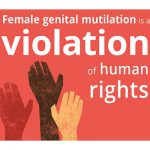
    Female genital mutilation is internationally recognized as a human rights violation. It has no medical benefits and causes only harm. WHO’s position is that FGM must never be carried out.

    Further information

    The FGM Cost Calculator will be available here, as of 00:30 CET 6 February 2020:
    www.who.int/news-room/detail/06-02-2020-economic-cost-of-female-genital-mutilation

    More on FGM

    Notes for Editors

    About FGM

    FGM includes procedures that intentionally alter or cause injury to the female genital organs for non-medical reasons. More than 200 million girls and women alive today are estimated to have undergone the practice across 30 countries in Africa, the Middle East and Asia where FGM is concentrated.

    FGM is mostly carried out on young girls between infancy and 15 years of age.

    About the FGM Cost Calculator

    The WHO FGM Cost Calculator shows the economic cost of treating the health complications caused by FGM across 27 high-prevalence countries. These costs were calculated using the WHO One Health tool and other available scientific evidence.

    Users of the tool can calculate costs by country in a ‘business as usual’ scenario; a scenario of partial abandonment of FGM, and full abandonment of FGM over a 30-year period. In addition, the distribution of costs by different types of health complications is presented by country.

    The tool does not consider other indirect costs that hit families and communities, or the socio-economic impacts of the practice, which would be significantly higher still.

    The 27 countries modelled include Benin, Burkina Faso, Central African Republic, Còte d’Ivoire, Cameroon, Chad, Djibouti, Egypt, Eritrea, Ethiopia, Ghana, Guinea, Gambia, Guinea-Bissau, Iraq, Kenya, Mali, Mauritania, Niger, Nigeria, Soudan, Senegal, Sierra Leone, Somalia, Togo, United Republic of Tanzania, Yemen.

    Female Genital Mutilation Hurts Women and Economies
    Read More
    https://www.who.int/news-room/detail/06-02-2020-female-genital-mutilation-hurts-women-and-economies

    Views: 0
  • The Four Horsemen of Marital Apocalypse

    [ad_1]

    Stop to consider your last fight with your spouse. The exact subject may escape you at the moment. We understand. After a while, the spats – over bills, your job, in-laws or the dishes still in the sink – can all blur together. But contrary to popular belief, it’s not the amount of conflict in your marriage or what you argue about that determines your relationship’s survival rate. to marriage researchers, how a couple fights tends to be the best predicator of whether they’ll end up enjoying their golden years together or battling it out in divorce court. So learning to fight less may not be quite as important as learning to fight fair.

    Four Deadly Sins of Marriage

    Dr. John Gottman of University of Washington, one of the foremost marriage researchers, claims he can predict with 90 percent accuracy if a couple will divorce. In his storied “love lab,” Gottman studies how couples interact, particularly how they communicate with each other in heated moments. After 30 years of research, he has pinpointed four behaviors that seem to invariably spell disaster in any marriage. He ominously refers to them as “The Four Horsemen of the Apocalypse.” Every couple needs to be vigilant and ensure none of the four gallop into their marriage and wreak irreversible havoc.

    Horseman #1: Criticism

    The most common horseman that emerges in long-term relationships is criticism. Frustrations, annoyances and resentment inevitably build up when couples live together – day in and day out. And criticism can be how these emotions manifest in the heat of an argument.

    Note that criticism differs from complaining. Criticism focuses on the person. Complaining focuses on the behavior. This may seem like subtle nuance but research shows it is a distinction that makes a significant difference in the long term. For example, this is a critical statement: “You always drive around in circles. You are an awful driver with a terrible sense of direction.” These words are dripping with blame and accusation. They are a personal attack.

    Unlike criticism, complaining has more to do with how the other person’s behavior makes you feel. Complaining usually begins with an “I” instead of “you”: “I get so frustrated when you are driving and don’t know where you are going.” See the difference? The second statement is a negative comment about something you wish were otherwise. So though “I” statements can seem awkward, they really help keep the carnage manageable during explosive moments.

    Horseman #2: Contempt

    You’re an idiot. You can’t do anything right. You make me sick. These contemptuous words have no place in any relationship you value. They are meant to explicitly humiliate or wound. They are toxic and indefensible. Period.

    Contempt includes but is not limited to name-calling, hostility and sarcasm. Keep in mind that contempt can also be conveyed non-verbally. An excessively harsh tone or disgusted eye roll can escalate your garden-variety argument into WWIII in the blink of an eye. Avoid contempt in your arguments at all cost. It is the basest, most childish tactic to resort to in a fight. Strive to respect your wife even when you disagree or feel upset with her. Contempt is like a poison. It will single-handedly erode intimacy. It destroys a sense of security and mutual respect. It does real damage because it makes a partner feel belittled and unloved.

    Horseman #3: Defensiveness

    Criticism+Contempt=Defensiveness. Defensive statements become practically an involuntary reflex in homes where contempt and criticism are regular visitors. It is understandable. After all, who wouldn’t put up their guard in response to an accusatory, belittling spouse? Defensiveness is fundamentally a self-preserving tactic.

    As understandable as this response can be, it is still hugely destructive. It builds walls. Rather than allow room for connectedness, the foundation for conflict resolution, it tends to breed emotional distance. Defensiveness blocks healing and forgiveness.

    Horseman #4: Stonewalling

    Because stonewalling is not explicitly aggressive, couples often underestimate its destructive potential. But it can be just as devastating to a relationship in its passiveness. It is, in effect, giving up. It is withdrawing emotionally. It is essentially closing the door to a resolution.

    Stonewallers withdraw partly because they can feel overwhelmed with emotion. They may keep their faces expressionless, avoid eye contact, hold their posture rigid, avoid any signs of listening such as nodding or encouraging sounds. They radiate icy distance and disapproval to their partners.

    The Secret to Fighting Fair

    Now that you know the four horsemen, make a conscious effort to keep them in the stable before they trample your marriage. One of the best ways to do this is to make “repair attempts” during your next argument. According to Gottman, repair attempts are any words or actions that prevent a conflict from escalating out of control. As simple as it sounds, repair attempts keep a marriage from becoming negative, hostile and distant.

    Repair attempts can be as basic as changing the topic, giving a compliment, apologizing or saying, “I’ve been cranky all day, can we start over?” It can be as simple as saying, “Don’t worry, we’ll get through this” or cracking a joke to diffuse tension. Research even shows couples who touch during arguments also tend to show higher relationship satisfaction. Do whatever works for you when conflict rears its ugly head.

    Remember, the more entrenched the negative patterns of behavior in your marriage become, the more difficult it becomes to break them. Don’t become a victim of these negative cycles. When two mature people can take ownership and be flexible, they will keep their marriage strong even though they may not always agree. As a Scottish proverb says, “Better bend than break.”

    [ad_2]

    Source by Grant Langston

    Views: 0

  • Manifesting Better Finances Through Subliminals Audios

    [ad_1]

    When we are at the point in life where we need to ensure our money and finances are doing alright, some people might be discomforted to see and realize that their money situations might need some help.

    This is about changing our minds and brains to help us act and think differently. We know that we might need a better financial situation and subliminals can help us by gradually changing our thoughts to encourage better money related habits.

    Somehow too much of society started accepting and practicing inefficient and poor money habits that literally brought their finances down to very low point.

    It is clear that a lot of people want to change their finances for the better, but it is not clear how this might be achieved over time and that is where subliminal usage comes in.

    We just have to accept that very particular subliminal audios can be used to change and shift our thoughts into something far more desirable. They can hone our mental and emotional focus so that our lives change for the better both in the short term and in the months and years to come.

    Consistent listening is required to reap the greatest rewards from subliminals, but that is one of the new positive habits that the audios can help us achieve. As you listen more your brain and life start to reflect very deep and dynamic changes over time, and that is why these audios are so powerful.

    Some might be hesitant and almost doubtful that such deep and drastic change can come from listening to subliminals, but this is about using the audios and they have to be listened to in order to gain their benefits.

    That is why a lot of people stay stuck and idle in their money lives because they do not change their habits over time, and they do not do anything that can immediately alter and shift their mental and physical habits in a very short period of time.

    Subliminals can be used to enact very powerful and deep change, but the consistent listening part is where a lot of people fall away and that is simply not a problem when you consider how immensely powerful they can be on our lives.

    The only drawback is that you need to keep listening in order to gain the higher benefits and advantages that the audios can bring you, and for most of us that isn’t much of a problem considering how deeply our lives and finances will change over the coming weeks and months.

    [ad_2]

    Source by Donald B. Johnson

    Views: 0

  • How to Build a Structured Sales Pipeline

    [ad_1]

    Following on from my earlier article “Developing a structured pipeline – The Issues” this article describes how to build the all too elusive, structured sales pipeline.

    So to recap: what should a structured pipeline report aim to achieve?

    Firstly, it should enable you to view each sale in a consistent manner.

    Second, it should clearly identify if a sales opportunity has progressed or stagnated.

    Thirdly, it should contained a factoring index which will more accurately reflect the true value of the pipeline

    Fourthly, it should provide sales and/or company management with a consistent and reliable prediction of business that should be closed in the forthcoming period.

    Fifth, it should be simple and relatively easy to complete (salespeople as a breed are poor at filling in reports).

    Sixth, it should be focused on numbers rather than opinion.

    To build a consistent view of each sales opportunity take the sales cycle in your business and break it down into discrete milestones.

    So for example,

    – Milestone 1 is a lead or an enquiry who has identified desire to purchase your product or service.

    – Milestone 2 to progress the sale you need to demonstrate the product

    – Milestone 3 they have the budget to pay for your product

    – Milestone 4 you have submitted a proposal

    – Milestone 5 you’re on the shortlist

    – Milestone 6 you have a verbal order

    – Milestone 7 you have a written order.

    The next step is to put percentages against these milestones for example,

    1) 5%,

    2) 10%,

    3) 20%,

    4) 25%,

    5) 50%,

    6) 90%,

    7) 100%.

    This approach allows you to build a factored pipeline i.e. the value of the opportunity time the percentage milestone. Don’t get hung up about whether the percentages should be this or that number what we are building is something that will give you a consistent view across all your sales opportunities and not something which reflects the precise chance of winning per opportunity. The progress of the sale can be shown in any way you like; this could be as a table, a graph, or a set of traffic light colours going from red to green as you move along the sales process. Other information you need is simple the prospect name, if it is a new or existing customer, the value of the opportunity and a projected win date.

    By constructing what I have described you’ve gone a long way to getting a grip on your sales performance, you’ve now turned sales reporting into a set of numbers which over time you can analyse. For example you’ll see which sales have stagnated because they wont have moved along the pipeline for a period of time, you’ll be able to identify how overoptimistic you sales force are by comparing the projected win date with the actual win date. Most commonly this is between 3-6 months.

    Now that you have a factored pipeline you can start to build up metrics on the relationship between the size of your pipeline and your monthly sales. It also now enables you to look forward because as your factored pipeline rises and falls to will your sales, thus you can act early as soon as you see your pipeline numbers dip.

    You’re now at last starting to get some sensible numbers to enable you to plan your business and you have moved from a jolly nice chat to a shorter focused and more effective sales meeting. As the Meerkat would say “simples.”

    [ad_2]

    Source by Laurence Ainsworth

    Views: 0