Tag: Patient

  • King decrees all Malaysians to obey movement control order

    King decrees all Malaysians to obey movement control order

    King decrees all Malaysians to obey movement control order 1

    KUALA LUMPUR: Yang di-Pertuan Agong Al-Sultan Abdullah Ri’ayatuddin Al-Mustafa Billah Shah (pix) today decreed all Malaysians to obey the movement control order announced by Prime Minister Tan Sri Muhyiddin Yassin yesterday and to give full cooperation in containing the spread of Covid-19 infections in the country.

    The order will take effect from tomorrow until March 31.

    Comptroller of the Royal Household of Istana Negara Datuk Ahmad Fadil Shamsuddin said His Majesty, nevertheless, said that the people should face the situation calmly to help the government and the relevant authorities tackle the situation effectively.

    “His Majesty urges the people not to take the movement control lightly. The people were also asked to follow the guidelines and preventive measures issued by the Ministry of Health because this is our mutual responsibility to ensure safety and wellbeing of our families, our communities and our beloved country,” he said in a statement issued by Istana Negara today.

    He said Al-Sultan Abdullah also viewed seriously the rising number of positive Covid-19 cases in Malaysia, which was recorded at 553 yesterday and had placed his full trust in the government and the authorities to discharge their duties in containing the spread of the disease.

    Ahmad Fadil said His Majesty was well aware that the people might feel that the action taken by the Perikatan Nasional government had made it difficult for them to go about their daily activities.

    “However, we must try to understand and be patient because the government cannot wait for the situation to become more critical to take drastic action.

    “As the Head of State, His Majesty also called on all Malaysians, regardless of race and religion, to stay united and play their parts to help the government in containing the spread of Covid-19 in the country.

    “His Majesty believes that with the strong spirit, concern and cooperation from the people, we will be able to contain the spread of the disease quickly and effectively,” he said.

    Ahmad Fadil said Al-Sultan Abdullah also decreed all Malaysians to refer to the Online Health Advisory Service or the National Crisis Preparedness and Response Centre (CPRC) via the Ministry of Health’s website to find the answers to all their doubts and questions so as to prevent the spread of fake news and false information that may cause panic and confusion among themselves.

    The Yang di-Pertuan Agong also expressed appreciation and thanks to the government under the leadership of Muhyiddin, government agencies and most of all to the unsung heroes, the medical staff and healthcare personnel, the civil servants and all the others who have sacrificed their time and energy in ensuring that all preventive measures and control of the infectious disease were being implemented efficiently.

    “His Majesty also called on all Muslims to join him to pray to Allah SWT so that all our efforts be blessed and so that the COVID-19 situation can be tackled and put to end as soon as possible. InsyaAllah,” he said. – Bernama

    King decrees all Malaysians to obey movement control order
    Read More
    https://www.thesundaily.my/local/king-decrees-all-malaysians-to-obey-movement-control-order-YD2140919

    Views: 0

  • Covid-19: 41 new cases reported, tally now 238

    Covid-19: 41 new cases reported, tally now 238

    Covid-19: 41 new cases reported, tally now 238 2

    KUALA LUMPUR: A total of 41 new COVID-19 cases were reported as at noon today, bringing cumulative cases in the country to 238, Health Director-General Datuk Dr Noor Hisham Abdullah said.

    He said all 41 new cases were linked to the tabligh religious gathering, and they involved 37 patient under investigation (PUI) cases while four more are close contact cases.

    “To date, a total 203 cases are still being treated, with five in the intensive care unit (ICU) and requiring ventilator support. The five are also being given anti-viral treatment.

    “Also, as of today, a total 1,321 samples from influenza-like-illnesses (ILI) and severe acute respiratory infections (SARI) have been tested at the Institute for Medical Research (IMR), all public health laboratories and hospitals. Of those, three samples tested positive for COVID-19,” he said in a statement, here today.

    In another development, two earlier cases (case 35 and 61) have recovered and have been discharged from the Sungai Buloh hospital, he said.

    This brings the number of recovered cases to 35 so far.

    Dr Noor Hisham also advised the public to remain calm and not to spread inaccurate information with regard to the tabligh religious gathering that took place from Feb 28-March 1.

    Also, to prevent risk of infection on those from the vulnerable communities and those prone to infection, especially the Orang Asli community, the Health Ministry (MOH) is advising organisations or groups who have plans to conduct activities with these communities to postpone them, he said.

    Dr Noor Hisham said the ministry will continue to provide health services to rural communities through outreach activities.

    “The ministry also welcomes any form of medical aid, contributions or collaborations from any party, including non-governmental organisations,” he said, adding that offers or inquiries can be submitted through the ministry’s email cprc@moh.gov.my.

    Meanwhile in an updated statement issued at 7pm, the MOH said a total 4,942 participants from the tabligh event at the Sri Petaling mosque have been identified.

    Of these, 3,069 reported themselves in at Health Clinics for examination and screening while another 137 were referred to hospitals.

    “Only 1,634 of them experienced respiratory tract infection symptoms and samples were taken, while 2,932 of them were asked to undergo home surveillance for 14 days from the last day of the gathering. Investigations and tracking of the event participants is ongoing,” the statement read. — Bernama

    Covid-19: 41 new cases reported, tally now 238
    Read More
    https://www.thesundaily.my/local/covid-19-41-new-cases-reported-tally-now-238-EC2127446

    Views: 0

  • Sarikei MP admitted to Sibu hospital as PUI for Covid-19

    Sarikei MP admitted to Sibu hospital as PUI for Covid-19

    Sarikei MP admitted to Sibu hospital as PUI for Covid-19 3

    SIBU: Sarikei Member of Parliament Wong Ling Biu (pix) of DAP has been admitted to the Sibu Hospital as a patient under investigation (PUI) for Covid-19.

    Sarawak Health Director Dr Chin Zin Hing, when contacted by Bernama, confirmed that Wong has been admitted to the hospital and was a PUI.

    Wong is said to have attended several political meetings in Kuala Lumpur from Feb 29 until last week following the political upheaval that led to the collapse of the Pakatan Harapan government.

    Meanwhile, it is learnt that the Sibu Hospital has set up three teams, comprising medical officers and staff, to operate an infectious disease ward, with each team to work a 12-hour shift per day, for any eventuality of positive Covid-19 cases.

    They have been told to have their personal belongings packed and a new job roster has been arranged for them.

    Deputy Sarawak Chief Minister Datuk Amar Douglas Uggah Embas, who is the State Disaster Management Committee chairman, is expected to visit the hospital tomorrow to see the preparations made by the hospital.

    Apart from the Sibu Hospital, the Kemuyang Youth Camp, about 21km from here, has been identified as another centre for quarantine of Covid-19 patients.

    Sibu Medical Officer Dr Teh Jo Hun, when contacted by Bernama, confirmed the matter, saying it was still at the planning stage.

    He also confirmed that a thermal scanner had been installed at the Sibu Airport to check passengers arriving from outside of Sarawak.

    “The thermal scanner was installed on Feb 16. We have three staff at a time to operate the scanner,” he said, adding that there are two teams working two shifts for the purpose until 9pm daily.

    Sibu Airport manager Zainuddin Abu Nasir when contacted said Malaysia Airports Holdings Bhd had purchased two portable thermal scanners to check its employees.

    Meanwhile, the Rector of Sacred Cathedral Reverend Father Philip Hu had urged the Catholics in Sibu to hold special prayer at 3pm daily to seek God’s mercy to end the pandemic and to pray for those who are ill with Covid-19. — Bernama

    Sarikei MP admitted to Sibu hospital as PUI for Covid-19
    Read More
    https://www.thesundaily.my/local/sarikei-mp-admitted-to-sibu-hospital-as-pui-for-covid-19-DC2127544

    Views: 0

  • Medical Product Alert N° 1/2020 (English version)

    Medical Product Alert N° 1/2020 (English version)


    Falsified antimalarials in West and Central Africa displaying an outdated WHO Essential Drugs Programme logo

    This Medical Product Alert relates to a series of confirmed falsified antimalarials circulating in West and Central Africa. Medicines subject of this alert display a similar logo to the outdated
    WHO Essential Drugs Programme logo.
     

    Since 2013, different falsified medicines, all displaying the outdated WHO Essential Drugs Programme logo, have been reported to the WHO Global Surveillance and Monitoring System by various stakeholders. The continued and widespread availability of these falsified medicines highlights a strong need for additional vigilance. WHO previously published two alerts on this issue (No.132 in Oct 2014, and No.131 in March 2014)

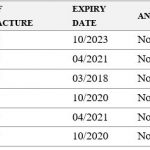
    This WHO medical product alert N°1/2020 refers to falsified Quinine Sulphate 300mg presented in six different combinations of batch numbers, expiry and manufacturing dates (see Table 1). The fraudulent use of the outdated WHO Essential Drugs Programme logo may create a false sense of product quality.

    Table 1: List of identified falsified Quinine Sulphate 300mg, subject of WHO Alert N°1/2020

    Medical Product Alert N° 1/2020 (English version) 4

    Recently received results of analysed samples show they do not contain any of the expected active ingredients.

    Quinine sulphate is referenced on the WHO Model List of Essential Medicines, to manage and treat severe malaria. At this stage, no adverse reactions attributed to these falsified products have been reported to WHO.    

    All the above falsified products claim to be manufactured by REMEDICA LTD – Cyprus and to contain 300mg of quinine sulphate. Remedica Ltd has confirmed that:

    • they did not manufacture the above falsified products; and
    • the variable data (batch number and dates) on the above products has never been used by Remedica.

     These falsified medicines display the following common characteristics (please see photographs):

    • grey or white plastic containers which contain 1000 loose circular tablets each;
    • display the outdated WHO Essential Drugs Programme logo;
    • English and French labelling with mistakes and inconsistencies; and
    • discovered at patient level in both regulated and unregulated outlets.

    Product details, photographs and advice to the public are available on the following pages.

    Outdated WHO Essential Drugs Programme logo 

    Medical Product Alert N° 1/2020 (English version) 5

    Photographs of confirmed falsified Quinine Sulphate 300mg tablets subject of
    Medical Product Alert N°1/2020

    1.       Falsified
    Quinine Sulphate Tablets B.P 300mg
    identified
    in Chad (Batch 44680)

    Medical Product Alert N° 1/2020 (English version) 6


    Medical Product Alert N° 1/2020 (English version) 7

    Medical Product Alert N° 1/2020 (English version) 8Medical Product Alert N° 1/2020 (English version) 9Medical Product Alert N° 1/2020 (English version) 10

    Medical Product Alert N° 1/2020 (English version) 11


    WHO requests increased vigilance within the supply chains of countries likely to be affected by these falsified products. Increased vigilance should include hospitals, clinics, health centres, wholesalers, distributors, pharmacies and any other suppliers of medical products.

    If you are in possession of the above products, please do not use. If you have used these falsified products, or if you suffer an adverse event having used these products, please seek immediate advice from a qualified healthcare professional, and ensure they report the incident to your local Ministry of Health/National Medicines Regulatory Authorities/National Pharmacovigilance Centre.

    All medical products must be obtained from authentic and reliable sources. Their authenticity and condition should be carefully checked. Seek advice from a healthcare professional in case of doubt.

    National health authorities are asked to immediately notify WHO if these falsified products are discovered in their country. If you have any information concerning the manufacture, distribution, or supply of these products, please contact rapidalert@who.int . 

    WHO Global Surveillance and Monitoring System

    for Substandard and Falsified Medical Products

    For further information, please visit our website: www.who.int/medicines/regulation/ssffc/en/


    Medical Product Alert N° 1/2020 (English version)
    Read More
    https://www.who.int/news-room/detail/09-03-2020-medical-product-alert-n-1-2020-english-version

    Views: 0

  • WHO steps up action to improve access to safe blood

    WHO steps up action to improve access to safe blood

    The World Health Organization’s new action plan to speed up universal access to safe blood and blood products pulls together existing recommendations and recommends new improved ways of working. It’s the start of a four-year collaborative effort to improve blood transfusion and blood-based therapies in all countries.

    Safe blood saves lives in all sorts of circumstances, not least in emergency and epidemic settings. Blood transfusion and blood products are critical for birth delivery for both the mother and baby; the survival and quality of life of patients suffering from life-threatening conditions such as haemophilia, thalassemia, immune deficiency and cancer; treating severe injuries and carrying out medical and surgical procedures.  

    But progress in blood safety and availability has been slow in many parts of the world, placing patients’ safety at risk and putting undue pressure on health workers. Progress is also mostly restricted to developed countries. Out of the approximate 118 million blood donations collected globally, 42% are collected in high-income countries, home to 16 % of the world’s population. And one out of four low-income countries do not test all donated blood, while 54% of countries do not have surveillance systems to securitise the supply chain from blood donor to patient. 

    Challenges include: slow implementation of national blood policies and weak blood regulatory systems; insufficient number of voluntary blood donors (who are considered the safest donors); poor quality management of screening tests, blood grouping and compatibility testing; inappropriate clinical use of blood; insufficient national funding for blood safety.

    To address these, WHO has set out six key objectives for all countries and in particular those with weak blood systems:

    • appropriately structured, well-coordinated and sustainably resourced national blood systems;
    • regulatory capacity to ensure the quality and safety of blood;
    • functioning and efficiently managed blood services;
    • effective implementation of patient blood management to optimize transfusion practices;
    • effective surveillance, haemovigilance and pharmacovigilance, supported by comprehensive and accurate data collection systems;
    • partnerships, collaboration and information exchange to achieve key priorities and jointly address challenges and emerging threats at global, regional and national levels.

    The Organization looks forward to working with partners worldwide to implement the plan, improve blood supply particularly in the low and middle-income countries where this is so urgently needed, and save lives. The plan will run from 2020-2024.

    WHO steps up action to improve access to safe blood
    Read More
    https://www.who.int/news-room/detail/26-02-2020-who-steps-up-action-to-improve-access-to-safe-blood

    Views: 0

  • WHO Action framework to advance universal access to safe, effective and quality assured blood products 2020 -2023

    WHO Action framework to advance universal access to safe, effective and quality assured blood products 2020 -2023

    In response to calls for action, WHO has provided guidelines, physical standards, training and technical support to improve blood product quality, safety and availability in WHO regions and in countries. Despite these actions, progress in blood availability and safety under effective regulation has been slow in many parts of the world.

    For that reason, the WHO Action framework for blood products 2020-2023, proposes a renewed effort to scale up programme implementation to improve global adequacy of blood donation, and universal access to quality and safe blood and blood components for transfusion, and plasma derived medicinal products.

    The Action Framework provides strategic direction to WHO’s work for the years 2020-2023. It identifies six strategic objectives: appropriately structured, well-coordinated and sustainably resourced national blood systems; regulatory capacity to ensure the quality and safety of blood; functioning and efficiently managed blood services; effective implementation of patient blood management to optimize transfusion practices, effective surveillance, haemovigilance and pharmacovigilance, supported by comprehensive and accurate data collection systems; and partnerships, collaboration and information exchange to achieve key priorities and jointly address challenges and emerging threats at global, regional and national levels.

    The Action Framework will improve coordination and collaboration at all levels of WHO. The document will promote and strengthen new and existing partnerships, as areas for collaborative action are clearly identified. Moreover, it demonstrates the need for support to WHO (including sustainable funding) to coordinate the implementation of this ambitious plan. As a result, the Action Framework for blood products will allow WHO to more effectively carry out its mandate on blood, and to increase the impact of WHO activities to strengthen blood systems and blood regulation in countries and regions and eventually to ensure universal access to blood products worldwide.


    WHO Action framework to advance universal access to safe, effective and quality assured blood products 2020 -2023
    Read More
    https://www.who.int/news-room/detail/19-02-2020-who-action-framework-to-advance-universal-access-to-safe-effective-and-quality-assured-blood-products-2020–2023

    Views: 0

  • WHO and FIND formalize strategic collaboration to drive universal access to essential diagnostics

    Geneva, Switzerland – 10 February 2020 – The World Health Organization (WHO) and the Foundation for Innovative New Diagnostics (FIND) announced today that a memorandum of understanding has been signed by the two organizations to formalize a strategic collaboration that will strengthen diagnosis in resource-poor countries by closing major diagnostic gaps at country level and bolstering disease surveillance that will inform public health initiatives and enhance outbreak preparedness and response.

    “This collaboration is an inspiring development that will take us a long way towards ensuring access to diagnostics to all who need them,” said Dr Tedros Adhanom Ghebreyesus, Director-General of the World Health Organization. “Global health challenges such as the ongoing novel coronavirus (2019-nCoV) outbreak demonstrates that without these essential elements of health systems, we cannot hope to promote health, keep the world safe, and serve the vulnerable. I look forward to working closely with FIND to determine what countries need and to forge a path to deliver these innovations so that no one is left behind.”

    Diagnosis is a driver of patient, financial and health systems impact, and a critical enabler of universal health coverage, but it is also the weakest link in the care cascade. This is especially true in primary healthcare settings in low- and middle-income countries. A unique and unprecedented opportunity exists to expand the role and impact of diagnostics to fully realize their potential to address major health security threats and evolving disease burdens through technological and digital advances.

    FIND has been an active partner with WHO since 2008 and a WHO Collaborating Centre since 2014, acting in the areas of laboratory strengthening and diagnostic technology evaluation. This expanded collaboration will put in place the building blocks necessary to enable transformative change in a move toward a country-led diagnostics alliance. Initial workstreams will focus on demand-driven access to essential diagnostics and the development of national Essential Diagnostics Lists, alongside collection of data that assist the scale up of diagnostics to support low- and middle-income countries on their paths to universal health coverage.

    “Each and every person has the right to a quality, timely diagnosis,” said Catharina Boehme, CEO of FIND. “Comprehensive diagnostic services underpin functional and efficient health systems not only to manage day-to-day healthcare needs, but also to ensure new disease outbreaks can be spotted and contained quickly. Working closely with WHO as part of a country-led alliance, we will strive to ensure that low- and middle-income countries have what they need to develop their own comprehensive, data-driven diagnostic strategies that enable universal health coverage and empower disease surveillance. Our ambition is that all patients, providers and decision-makers have access to the diagnostic solutions needed for optimal health outcomes.”

    The strategic collaboration agreement will initially run for a period of 5 years, until 2025.

    #  #  #

    About FIND

    FIND is a global non-profit organization that drives innovation in the development and delivery of diagnostics to combat major diseases affecting the world’s poorest populations. Our work bridges R&D to access, overcoming scientific barriers to technology development; generating evidence for regulators and policy-makers; addressing market failures; and enabling accelerated uptake and access to diagnostics in low- and middle-income countries (LMICs). Since 2003, we have been instrumental in the development of 24 new diagnostic tools used in 150 LMICs. Over 50 million FIND-supported products have been provided to our target markets since the start of 2015. A WHO Collaborating Centre, we work with more than 200 academic, industry, governmental, and civil society partners worldwide, on over 70 active projects that cross six priority disease areas. FIND is committed to a future in which diagnostics underpin treatment decisions and provide the foundation for disease surveillance, control and prevention. For more information, please visit www.finddx.org


    About WHO

    The World Health Organization is the directing and coordinating authority for health within the United Nations system. It is responsible for providing leadership on global health matters, shaping the health research agenda, setting norms and standards, articulating evidence-based policy options, providing technical support to countries and monitoring and assessing health trends. WHO is committed to the enjoyment of the highest attainable standard of health as one of the fundamental rights of every human being without distinction of race, religion, political belief, economic or social condition. WHO’s current global programme of work sets out three interconnected strategic priorities: ensuring healthy lives and well-being for all at all ages; achieving universal health coverage; and addressing health emergencies and promoting healthier populations. These priorities are linked to three ambitious targets, the “triple billion”: one billion more people to benefit from universal health coverage; one billion more people better protected from health emergencies; and one billion more people enjoying better health and well-being.


    Read More
    https://www.who.int/news-room/detail/10-02-2020-who-and-find-formalize-strategic-collaboration-to-drive-universal-access-to-essential-diagnostics

    Views: 0

  • Changes needed to increase access to colorectal cancer screening

    Changes needed to increase access to colorectal cancer screening

    Colorectal cancer is the second highest cause of cancer death in the United States, expected to claim the lives of an estimated 49,190 people in 2016. The Affordable Care Act (ACA) aimed to increase access to CRC screening by not holding patients responsible for all costs of the procedure, yet current Medicare insurance beneficiaries lacking supplemental insurance may not be able to afford colon cancer screening and treatment. This policy disproportionally puts low-income Americans at risk and adds unnecessary strains on overall health care costs, according to a commentary in the May issue of the journal Gastroenterology.

    “Study after study shows that screening saves lives,” said Chyke A. Doubeni, MD, MPH, chair and the Presidential Associate Professor of Family Medicine and Community Health at the Perelman School of Medicine at the University of Pennsylvania, and lead author of the commentary. “Yet many of those in the group most affected by this deadly disease are unable to afford the screening they critically need. We must renew efforts to ensure equitable access to and use of disease prevention, detection, and treatment services for colorectal cancer.”

    For CRC screening, a full colonoscopy is necessary, where the doctor inspects the rectum and entire colon through a flexible lighted tube, and can remove any abnormal growth. The entire colon has to be cleansed before the colonoscopy, for which the patient is usually sedated

    There are currently an estimated 55.5 million Medicare beneficiaries in the U.S. A 2010 Kaiser Family Foundation survey found that 14 percent lacked supplemental coverage. Until recently, colon cancer screening has been viewed as a one-time activity, while in practice, screening is a series of clinical activities to identify and test patients and perform diagnostic confirmation when necessary. This series of tests and steps include a diagnostic workup, which can include a biopsy to obtain a tissue sample or polypectomy, in which polyps are removed to prevent them from becoming cancerous.

    Views: 0

  • Cervical Traction: The Best Way to Heal a Sore Neck

    [ad_1]

    Traction is a centuries old treatment that has been administered by chiropractors for healing conditions like a sore neck or a sore back. Alternately, traction therapy may be used for decompressing any of the ailing joints.

    Who Can Use Traction Therapy

    Traction may broadly be seen as application of continuous force to stretch the spine. It is also very often used and is highly effective for treatment of musculoskeletal conditions, i.e. injuries that are not externally visible, but involve muscles, ligaments, joints, tendons, nerves, bones or the supporting structures. For muscular disorders, including muscle spasms, dislocation or for fracture, traction therapy can be very useful, and is often applied for arms, legs, back or neck.

    Traction Therapy for Neck related Issues

    In particular, traction therapy can be greatly effective for neck related problems. While neck traction is very often applied to ensure pain relief, there are various mechanisms by which it heals the neck.

    1. When traction is applied on the neck, soft tissues and joints are mobilized in the cervical spine.

    2. Alternately, it relieves pressure from the pinched nerve root by applying decompressive forces,

    3. And also reduces herniations on the spine.

    4. By applying traction, one can align any dislocations in the cervical spine, and this can effectively stabilize an injury in the cervical spine.

    5. And for anyone who has a faulty neck posture, such as the forward head posture, home traction therapy can enable the patient to get the curve in the neck again.

    6. This also works very well for anyone who suffers from conditions like military neck, wherein the curve of the neck is not bent forward, as it should ideally be. When a patient suffers from military neck, the curve of the neck is either straight or bent backwards, and with cervical traction, the patient benefits in the long term. Cervical traction not just ensures pain relief for the patient, but also increases the cervical range of motion, such that the patient can comfortably return to everyday activities.

    If one is able to treat a sore neck at home, it simply speeds up the healing process, and might even suffice in terms of treatment. Home cervical traction is advantageous because while it ensures long term pain relief, it is a non invasive treatment methodology.

    When cervical traction is administered, it relieves neck pain by stretching the soft tissue, or the tissues such as tendons, ligaments and fibrous tissue which surround, connect or support the backbone. This in turn works towards separating the spinal joint structures and ensures pain relief.

    With constant traction, the muscles are fatigued out, and the strain then rests on the joints. So with traction, the joint spaces are widened, and this induces pain relief as pressure on the cervical nerves is reduced.

    Cervical Traction: Is It Painful?

    People often wonder if traction therapy or traction devices in particular are painful. But traction therapy has been in prominence for centuries, and has worked very effectively for healing conditions like a stiff neck.

    Moreover, nowadays one can find some highly refined cervical traction devices which allow the patient to himself control the pressure. These are air inflated devices which work using a hand operated air pump, and allow the patient to adjust the air pressure to suit his needs and comfort levels.

    [ad_2]

    Source by Harshad Jethra

    Views: 0

  • Pharmacy Technician Jobs – Positive Aspects

    [ad_1]

    There often are several different positive aspects to pharmacy technician jobs. Individuals that become interested in this profession usually are looking to be of assistance to other people. These people will be given an amazing opportunity to help others every day of their career. This is advantageous for people that want to make a positive impact on the world around them.

    Individuals in this profession will be given the opportunity to help customers understand the medication that they are taking. This is advantageous because the social action will be good for the person that is performing the job. Customers usually appreciate when they are able to understand what they are putting into their body.

    People involved with this profession also will have the ability to work closely with the pharmacist to make completely certain that medications are being distributed properly. Answering customer questions is also important so that there is not interaction between medications. People involved with this line of employment often will be able to explain things very clearly to individuals.

    People that are involved with this work will also make sure that paperwork is filed properly. Documentation is a very important part of this profession. When a person has the ability to stay organized and they will be very successful in this line of making money. Organization is important so that mistakes do not happen when medication is dispensed.

    These individuals will also help to make sure that there are no problems between different medications that a patient is taking. The responsibilities of an individual that has this job will vary throughout the day. The various responsibilities will make the job extremely enjoyable for anyone that has chosen this career path.

    Interacting with medical professionals is also part of the responsibilities. Clarifying information in regards to prescriptions can also be part of the job description. Performing this task is extremely valuable so that people do not wind up taking the wrong medications. It will be very clear to understand the obligations involved with this type of employment.

    Pharmacy technician jobs are very interesting and challenging. People that are making valid attempts to look for a fantastic job that will keep them intellectually stimulated will be very pleased with this career choice. When an individual has the opportunity to remain intellectually stimulated when performing their job they will usually succeed very well. Professional success is very important to individuals who are part of this line of work.

    [ad_2]

    Source by Susan Bean

    Views: 0