Tag: Patient

  • Medical Product Alert N°5/2020 – 7 May 2020

    Medical Product Alert N°5/2020 – 7 May 2020

    Falsified and contaminated Defibrotide identified in WHO regions of Western Pacific, Europe and Eastern Mediterranean

    This alert relates to falsified DEFIBROTIDE 200MG VIALS OF 2.5ML (80MG/ML) CONCENTRATE FOR SOLUTION FOR INFUSION identified in Australia, Latvia and Saudi Arabia. This product is sold under the brand name Defitelio.

    On 13 March 2020, the WHO Global Surveillance and Monitoring System on Substandard and Falsified (SF) Medical Products was informed that falsified DEFIBROTIDE 200MG vials were identified at patient level in Australia, displaying batch number 0286 (see Table 1 below for full details).

    Following enquiries with stakeholders, on 8 April 2020, WHO was informed that falsified DEFIBROTIDE 200MG vials had also been supplied to Saudi Arabia, displaying batch number 0286 and 0126 (see Table 1 below for full details).

    Following enquiries with stakeholders, on 9 April 2020, WHO was informed that falsified DEFIBROTIDE 200MG vials, displaying batch number 0126, had also been identified in Australia and Latvia.

    DEFIBROTIDE is used to treat hepatic veno-occlusive disease, in which the blood vessels in the liver become damaged and obstructed by blood clots. This can be caused by treatments prior to a stem cell transplantation.

    Laboratory analyses, conducted by national medicines regulatory authorities and the manufacturer of the genuine product, established that these falsified products do not contain any of the expected active ingredient. The solution in the vials is also contaminated with mould (Cladosporium sp. and Aspergillus niger).

    Information available to WHO indicates that both batches of falsified DEFIBROTIDE 200MG vials were present within the regulated supply chain in Latvia as early as January 2020 and were also handled by medicine wholesalers in the United Kingdom in February 2020. It is important to note that widespread vigilance is required from all countries, regardless of where the product was originally identified.

    Table 1: falsified defibrotide subject of WHO Alert n°5/2020, identified in Australia, Latvia and Saudi Arabia

    Medical Product Alert N°5/2020 - 7 May 2020 1

    The two products listed in Table 1 are confirmed falsified, on the basis that there is deliberate misrepresentation of their identity, composition and source.

    The genuine manufacturer of Defibrotide, GENTIUM S.R.L has also confirmed to WHO that:

    • They did not manufacture the above products.
    • Authentic DEFIBROTIDE 200MG VIALS with batch number 0286 were supplied to Argentina, Hong Kong, Malaysia, Singapore and Turkey.
    • Authentic DEFIBROTIDE 200MG VIALS with batch number 0126 were supplied to Australia, Jordan, Kuwait, Lebanon, New Zealand, Qatar, Singapore, Turkey and the United Arab Emirates. 

      For guidance and photographs, please refer to page 2 of this Alert n°5/2020.

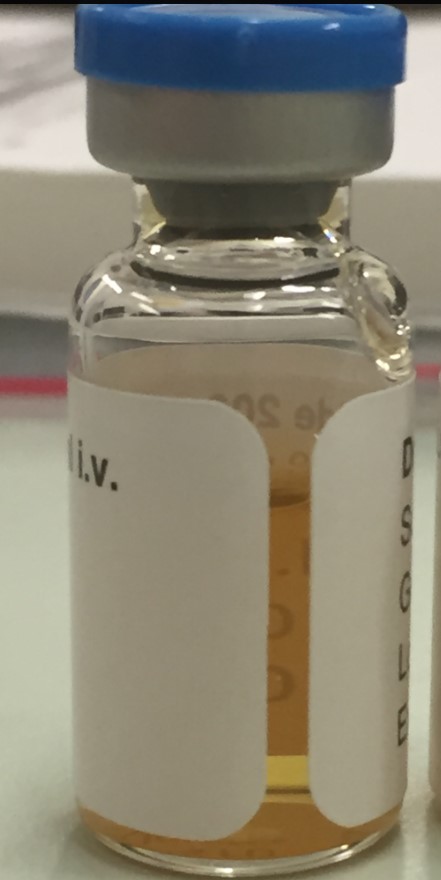
    Photos of Falsified DEFIBROTIDE Batch number: 0286, with expiry date: 09/2021

    Medical Product Alert N°5/2020 - 7 May 2020 2         Medical Product Alert N°5/2020 - 7 May 2020 3
    Sample from Latvia       Sample from Latvia

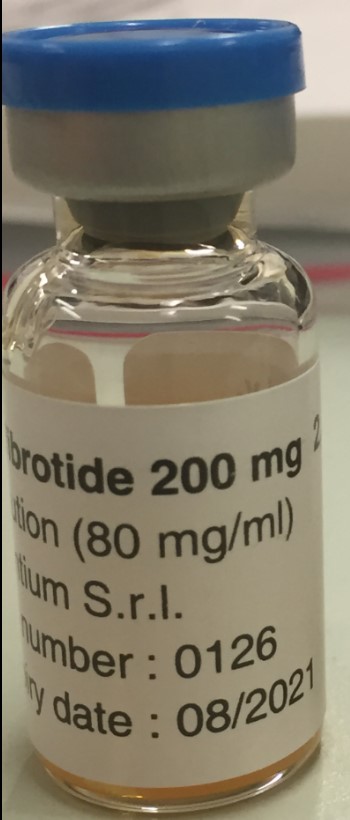
    Photos of Falsified DEFIBROTIDE Batch number: 0126, with expiry date: 08/2021
    Medical Product Alert N°5/2020 - 7 May 2020 4           Medical Product Alert N°5/2020 - 7 May 2020 5
    Sample from Australia       Sample from Australia

    WHO requests increased vigilance within the supply chains of countries likely to be affected by these falsified products. Increased vigilance should include hospitals, clinics, health centres, wholesalers, distributors, pharmacies and any other suppliers of medical products.

    If you are in possession of the above products, please do not use them. If you have used these falsified products, or if you suffer an adverse reaction/event having used these products, you are advised to seek immediate medical advice from a qualified healthcare professional, and to report the incident to the National Regulatory Authorities/National Pharmacovigilance Centre.

    All medical products must be obtained from licensed, authorized and reliable sources. Their authenticity and condition should be carefully checked. Seek advice from a healthcare professional in case of doubt.

    National regulatory/health authorities are advised to immediately notify WHO if these falsified products are identified in their country(ies). If you have any information concerning the manufacture, distribution, or supply of these products, please contact rapidalert@who.int.

    WHO Global Surveillance and Monitoring System for Substandard and Falsified Medical Products

    For further information, please visit our website: https://www.who.int/medicines/regulation/ssffc/en/ 

    Medical Product Alert N°5/2020 - 7 May 2020
    Read More
    https://www.who.int/news-room/detail/07-05-2020-medical-product-alert-n-5-2020

    Views: 0

  • Indonesia firmly committed to eliminating lymphatic filariasis as a public health problem

    Indonesia firmly committed to eliminating lymphatic filariasis as a public health problem

    Indonesia recently completed the last of its annual large-scale treatment for lymphatic filariasis (also known as elephantiasis or Penyakit Kaki Gajah) in Malaka District located in its southernmost province, East Nusa Tenggara. Unprecedented
    progress by the National Lymphatic Filariasis Elimination Programme has strongly placed the country on the path to achieving the elimination of lymphatic filariasis as a public health problem.

    “We reached an estimated number of 40.7 million people living in the 118 high-risk districts during this month-long treatment campaign in October 2019” said Dr Anung Sugihantono, who recently retired as Director General of Diseases
    Prevention and Control, Ministry of Health Indonesia. “
    Single doses of diethylcarbamazine citrate and albendazole facilitated by WHO were delivered to all eligible populations.”

    In 2010, an estimated 125 million Indonesians were still at risk of the disease and required treatment.

    But things changed considerably in 2015 when Indonesia mounted an annual national campaign to resolutely address transmission of the disease and to tackle the morbidity and disability associated with it. The results were apparent as early as 2017, with
    remarkable progress.

    In Indonesia, LF is considered a significant public health concern. In 2009, risk mapping identified a population of 124.5 million people needing treatment for LF. The country initiated a national level LF elimination campaign in 2015, addressing both
    disease prevention and management. 

    “In 2017 and in just two years we managed to achieve 100% geographical coverage of all people requiring treatment” said Dr Sugihantono. “It meant achieving more than 78% epidemiological coverage – much higher than the generally recommended 65% to stop transmission.”

    Transmission of lymphatic filariasis can be stopped through large-scale treatment (or mass drug administration – MDA) of entire at- risk communities with recommended medicines once a year. These medicines kill the microfilariae in an infected patient’s
    blood preventing mosquitoes to transmit1 the disease to others. Through mass treatment, the aim is to reduce the reservoir of microfilariae in the blood to a level insufficient to maintain transmission by the mosquito vector.

    This strategy to interrupt transmission is the corner-stone of the World Health Organization’s (WHO) Global Program to Eliminate Lymphatic Filariasis (GPELF). Indonesia has been using the GPELF’s strategy since 2002 using a district or city
    as its implementation unit.

    In 2005, it listed the elimination of LF as a national priority for controlling infectious diseases and the medicines it has been using in large-scale treatment programmes are diethylcarbamazine citrate (DEC) and albendazole2 which are
    largely distributed by volunteer community health workers3.

    “Community health volunteers are themselves members of the community and know how to reach people effectively to improve compliance” said Dr. Stefanus Bria Seran, the Regent of Malaka District, one of LF endemic district in Indonesia. “Besides ensuring every single person ingests the medicine given to them, these community workers help in disseminating information well before a large-scale treatment campaign and also assist in reporting activities related to each treatment campaign”. 

    Indonesia’s efforts to eliminate lymphatic filariasis began in the 1970s but faced numerous challenges including programme coordination in the many inhabited islands, conducting information, education and awareness programmes, lack of capacity and
    insufficient medicines.

    Furthermore, the situation in Indonesia is unusual than in many other countries endemic for lymphatic filariasis as the country is endemic for all three species of thread-like filarial worms – Brugia malayi, Brugia timori, and Wuchereria bancrofti –
    that cause the disease. Most of the infections in Indonesia, however, are caused by B. malayi.

    In the past, some of the factors that prevented access to the medicines (DEC and albendazole) were social stigmatization linked to the disease, the vast geography of the territory and challenges in reaching remote populations.

    With an estimated population of 242 million, Indonesia is the world’s largest island nation and consists of approximately 17,000 islands, of which 5,000–6,000 are inhabited. It is the fourth most populated nation behind China, India, and the United
    States.

    Indonesia is endemic for many other neglected tropical diseases and an estimated 110 million Indonesians are believed to suffer from at least one neglected tropical disease (NTD), including lymphatic filariasis and soil-transmitted helminth infections.
    Leptospirosis (not classified as NTD) is also widespread.

    Indonesia is the only country of WHO’s South East Asia Region with endemic schistosomiasis. Like many other countries of the Region, it also faces recurrent threats of dengue outbreaks.

    Global progress

    The world has made significant progress towards the elimination of lymphatic filariasis as a public health problem.

    Sixteen countries4 and one territory are now acknowledged by WHO to have achieved elimination of lymphatic filariasis as a public health problem.  

    Seven additional countries have successfully implemented recommended strategies, stopped large-scale treatment and are under surveillance to demonstrate that elimination has been achieved.

    The disease

    Lymphatic filariasis is caused by infection with parasitic worms living in the lymphatic system. The larval stages of the parasite (microfilaria) circulate in the blood and are transmitted from person to person by mosquitoes.

    Infection involves asymptomatic, acute, and chronic conditions. Most infections are asymptomatic, showing no external signs while contributing to transmission of the parasite. Although asymptomatic, these infections still cause damage to the lymphatic
    system and the kidneys and alter the body’s immune system.

    When lymphatic filariasis develops into chronic conditions it leads to lymphoedema (tissue swelling) or elephantiasis (skin/tissue thickening) of limbs and hydrocele (scrotal swelling). Involvement of breasts and genital organs are common.

    Manifestation of the disease after infection takes time and can result in an altered lymphatic system, causing abnormal enlargement of body parts, and leading to severe disability and social stigmatization of those affected.


    1Lymphatic filariasis is transmitted by different types of mosquitoes – e.g the Culex mosquito which widespread across urban and semi-urban areas; Anopheles, mainly found in rural areas; and, Aedes, mainly
    in endemic islands in the Pacific.

    2In 2017, WHO recommended an alternative three drug treatment to accelerate the global elimination of lymphatic filariasis. The treatment, known as IDA, involves a combination of ivermectin, diethylcarbamazine citrate and albendazole.
    It is recommended annually in settings where its use is expected to have the greatest impact.

    3Community health workers, also called ‘cadres’, are volunteers who form part of the communities they serve and work with local
    communities to educate families. Their contribution in promoting health has been significant in the country.

    4Cambodia, The Cook Islands, Egypt, Kiribati, Maldives, Marshall Islands, Niue, Palau, Sri Lanka, Thailand, Togo, Tonga, Vanuatu, Viet Nam, Wallis and Futuna, and Yemen

    Indonesia firmly committed to eliminating lymphatic filariasis as a public health problem
    Read More
    https://www.who.int/news-room/detail/29-04-2020-indonesia-firmly-committed-to-eliminating-lymphatic-filariasis-as-a-public-health-problem

    Views: 0

  • MAEPS quarantine centre in Serdang to receive Covid-19 patients next week

    MAEPS quarantine centre in Serdang to receive Covid-19 patients next week

    MAEPS quarantine centre in Serdang to receive Covid-19 patients next week 6

    KUALA LUMPUR: The Covid-19 Low-Risk Patient Quarantine and Treatment Centre at the Malaysia Agro Exposition Park Serdang (MAEPS) in Serdang near here is expected to receive patients next week.

    Mardi Corp Group chief executive officer Zaidi Shahrim however said so far, it had no information on the exact date when the authorities would send the Covid-19 patients there for quarantine.

    “MAEPS will receive low-risk Covid-19 patients from around the Klang Valley, Malacca and several areas in Perak,” he said last night in an interview via Skype that broadcast live on the Bernama 7.45 programme.

    On the challenges faced throughout the process of transforming MAEPS into a quarantine centre in just a short period of time, Zaidi said said it was difficult to get supplies from contractors as many were ‘bound’ by the Movement Control Order (MCO).

    “We received the instruction during the first phase of the MCO but Alhamdulillah, with the close cooperation between various government agencies such as the Ministry of Health (MOH), Nadma (the National Disaster Management Agency), the Fire and Rescue Department and private companies, we managed to realise it within four days,” he added.

    Zaidi said MAEPS is equipped with hospital-like facilities such as beds, bathrooms, dressing room, toilet, lounge and so on.

    Among the services provided at the centre are clinical services, ward for Covid-19 patients, resuscitation rooms to stabilise patients in emergency situations, ambulance, pharmacy, X-ray, and pathology laboratory services.

    The quarantine centre which has the capacity to place up to 600 patients at any one time is coordinated by Nadma with the cooperation of the MOH, the Malaysian Armed Forces, the Fire and Rescue Department, the Civil Defence Force, the Social Welfare Department and the Public Works Department. — Bernama

    MAEPS quarantine centre in Serdang to receive Covid-19 patients next week
    Read More
    https://www.thesundaily.my/local/maeps-quarantine-centre-in-serdang-to-receive-covid-19-patients-next-week-MB2245538

    Views: 0

  • Speed of Covid-19 deaths shock doctors and nurses

    Speed of Covid-19 deaths shock doctors and nurses

    Speed of Covid-19 deaths shock doctors and nurses 7

    NEW YORK: One medical worker called it “insane”, another said it induces paranoia – the speed with which patients are dying from the novel coronavirus is shocking even veteran doctors and nurses as they scramble to determine how to stop such sudden deterioration.

    Patients “look fine, feel fine, then you turn around and they’re unresponsive”, said Diana Torres, a nurse at Mount Sinai Hospital in New York, the epicentre of the pandemic in the US where the virus has infected nearly 430,000 people and caused more than 14,700 deaths.

    “I’m paranoid, scared to walk out of their rooms.”

    It isn’t just the elderly or patients with underlying health conditions, who can be fine one minute, and at death’s door the next.

    It can happen for the young and healthy, too, health professionals told Reuters.

    A young woman died unexpectedly while nurse Laurie Douglas was on duty at Our Lady of the Lake Hospital in Baton Rouge, Louisiana.

    After 34 years on the job, Douglas said she normally has “an intuition of who is going to fade and who may improve”.

    “But these people are throwing that out the window.

    “Last week, she was planning her wedding.

    “This week, her family is planning her funeral,“ she said, referring to the deceased patient.

    Patients might enter the hospital with strong oxygen levels and be engaged in happy conversation, said a resident emergency doctor at New York-Presbyterian Hospital, only to be “gasping for breath” and intubated a few hours later.

    “The scary thing is there are no rules to it,“ the resident said on condition of anonymity.

    These scenes are playing out everywhere as Covid-19 has infected more than 1.4 million worldwide and killed more than 85,000 as of Wednesday.

    The quick turns for the worse are likely products of an “overly exuberant” reaction by the immune system as it fights the virus, said Dr Otto Yang, an infectious disease specialist at the UCLA Medical Centre in Los Angeles.

    Called a cytokine storm, it occurs when the body overproduces immune cells and their activating compounds – cytokines – causing dangerously high blood pressure, lung damage and organ failure.

    Emily Muzyka, 25, a nurse in the New York suburbs, said she reached her breaking point last week, when a relatively healthy 44-year-old woman needed sudden intubation.

    “I had a meltdown that night,“ she said.

    “I cried to my boyfriend.”

    Intubation refers to inserting a tube into the mouth and through the airway of a Covid-19 patient struggling to breathe, so they can be hooked to a mechanical ventilator.

    Journalist Anick Jesdanun, who was in good health and had run 83 marathons, died last week from Covid-19, according to a post on Facebook by his cousin Prinda Mulpramook.

    Jesdanun, who was 51, at first didn’t need hospitalisation, according to the post.

    He had begun to recover and showed clear lungs and strong vital signs during a doctor’s visit in late March. But “a sudden setback” sent him to the emergency room on April 1, and “13 hours later we lost him”, Mulpramook wrote.

    A nurse at Mount Sinai’s intensive care unit recalled watching patients’ kidneys quickly shut down, adding that many require intravenous drips of the blood thinner Heparin.

    “It’s insane how sick they get, how quickly.

    “We’re really trying hard to figure out how to treat them.”

    Some of those hospitals are experimenting with unproven drugs in hopes of helping patients, including the anti-malaria medication hydroxychloroquine.

    “We’re essentially throwing the kitchen sink at these patients,“ a doctor said.

    Speed of Covid-19 deaths shock doctors and nurses
    Read More
    https://www.thesundaily.my/home/speed-of-covid-19-deaths-shock-doctors-and-nurses-AF2241516

    Views: 0

  • Medical Product Alert N°4/2020

    Medical Product Alert N°4/2020

    This Medical Product Alert relates to a number of confirmed falsified chloroquine products circulating in the WHO region of Africa. Please note that this Medical Product Alert n°4/2020 will be updated as new reports of falsified chloroquine are received and validated by WHO.

    Between 31 March and 2 April 2020, the WHO global surveillance and monitoring system on substandard and falsified (SF) medical products received nine reports of confirmed falsified chloroquine products from three countries. All reported products were identified at patient level and all have been confirmed as falsified.

    This WHO medical product alert N°4/2020 refers to nine different falsified chloroquine products, with different presentations (see Table 1). It is important to note that widespread vigilance is required from all countries, regardless of where the product was originally identified.

    Table 1: List of identified falsified chloroquine products, subject of WHO Alert N°4/2020
    table1

    All the products listed in Table 1 are confirmed as falsified, on the basis that they deliberately/fraudulently misrepresent their identity, composition or source. Indeed, it can be noted that:

    • either: the products do not contain the correct amount of the active pharmaceutical ingredient, based on the results of preliminary or full compendial analysis;
    • and/or: the products were not produced by the manufacturer whose name is stated on the product labels, and the variable data (batch number and dates) of the above products do not correspond to genuine manufacturing records;
    • and/or: the manufacturer whose name is stated on the product labels does not exist.

    Chloroquine phosphate or sulfate is referenced on the WHO Model List of Essential Medicines for the treatment of Plasmodium vivax infection (malaria). Large clinical trials are under way to generate the robust data needed to establish the efficacy and safety of chloroquine and hydroxychloroquine in the treatment of COVID-19. These medicines are currently authorized for malaria and certain autoimmune diseases and it is important that patients do not face shortages caused by stockpiling or use outside the authorized indications. 
    Both chloroquine and  hydroxychloroquine can have serious side effects, especially at high doses or when combined with other medicines.

    The SOLIDARITY trial, led by WHO, is reviewing potential treatments for COVID-19. Please refer to  WHO medical product alert n°3/2020 for general information on falsified medical products in relation to the management 
    of COVID-19.

    For photographs of products listed in Table 1, please refer to the WHO Medical Product Alert website, and 
    to the annex of this medical product alert n°4/2020 (see pages 3-7).

    WHO requests increased vigilance within the supply chains of countries likely to be affected by these falsified products. Increased vigilance should include hospitals, clinics, health centres, wholesalers, distributors, pharmacies and any other suppliers of medical products.

    If you are in possession of the above products, please do not use. If you have used these falsified products, or if you suffer an adverse reaction/event having used these products, you are advised to seek immediate medical advice from a qualified healthcare professional, and to report the incident to the National Regulatory Authorities/National Pharmacovigilance Centre.

    All medical products must be obtained from licensed, authentic and reliable sources. Their authenticity and condition should be carefully checked. Seek advice from a healthcare professional in case of doubt.

    National regulatory/health authorities are advised to immediately notify WHO if these falsified products are discovered in their country. If you have any information concerning the manufacture, distribution, or supply of these products, please contact: rapidalert@who.int. 

    WHO Global Surveillance and Monitoring System for Substandard and Falsified Medical Products
    For more information, please visit: www.who.int/medicines/regulation/ssffc/en/ 

    Annex: Photographs of falsified chloroquine products circulating in the WHO region of Africa, Medical Product Alert N°4/2020

    CAMEROON

    Photographs of confirmed falsified Chloroquine Phosphate (100mg)
    ChloroquinePhosphate250mgCameroon-1

    Photographs of confirmed falsified Chloroquine Phosphate (250mg)
    ChloroquinePhosphate250mgCameroon-2

    Photographs of confirmed falsified Chloroquine Phosphate 250mg
    ChloroquinePhosphate250mg-Cameroon 3

    DEMOCRATIC REPUBLIC OF CONGO

    Photographs of confirmed falsified CLOROQUINE 250MG
    ChloroquinePhosphate250mgDRC1

    Photographs of confirmed falsified Chloroquine Phosphate 250mg
    ChloroquinePhosphate250mgDRC2

    NIGER

    Photographs of confirmed falsified Samquine 100 (100mg)

    Samquine100-100mgNiger 1

    Photographs of confirmed falsified Chloroquine phosphate tablets B.P 100mg

    Chloroquine-phosphate-tabletsB.P100mgNiger2

    Photographs of confirmed falsified Niruquine (100mg)
    Niruquine00mgNiger3


    Medical Product Alert N°4/2020
    Read More
    https://www.who.int/news-room/detail/09-04-2020-medical-product-alert-n4-2020

    Views: 0

  • We receive criticism daily, but it’s okay, we need it to improve: Annuar

    We receive criticism daily, but it’s okay, we need it to improve: Annuar

    We receive criticism daily, but it’s okay, we need it to improve: Annuar 8

    PETALING JAYA: Taking to Twitter with photographs of homeless people receiving shelter, Federal Territories Minister Tan Sri Annuar Musa said criticisms are needed for improvements.

    “We were criticised almost daily, but I think it’s ok. We need criticism in order to improve. Just be patient and remain steadfast in doing our level best during this difficult time,” Annuar tweeted.

    The minister has also posted other pictures showing homeless people receiving haircuts and places to sleep during the Movement Control Order (MCO).

    We receive criticism daily, but it’s okay, we need it to improve: Annuar
    Read More
    https://www.thesundaily.my/local/we-receive-criticism-daily-but-it-s-okay-we-need-it-to-improve-annuar-JE2237380

    Views: 0

  • Why African Americans are dying at higher rates from Covid-19

    Why African Americans are dying at higher rates from Covid-19

    Why African Americans are dying at higher rates from Covid-19 9

    WASHINGTON: The new coronavirus isn’t biased about who it infects – so why does data emerging from some states suggest that African Americans are bearing the brunt of the pandemic in the US?

    Experts say blacks are disproportionately impacted by underlying health conditions linked to poverty, face discrimination in medical care, and are more likely to work jobs that require them to leave their home.

    “We know that blacks are more likely to have diabetes, heart disease, lung disease,“ the nation’s top doctor, Surgeon General Jerome Adams told CBS News on Tuesday.

    These chronic illnesses, which are in turn linked to poverty and structural racism, can lead to more serious forms of the COVID-19 disease.

    Adams, who is himself black and has high blood pressure and asthma, added: “I represent that legacy of growing up poor and black in America.

    “And I, and many black Americans, are at higher risk for COVID.”

    – Emerging trend –

    There is no nationwide data available on COVID-19 cases by race, but a pattern of over-representation by black Americans has emerged in states or jurisdictions that are sharing the numbers.

    Sixty-eight percent of coronavirus deaths in Chicago have been among African Americans, who make up just 30 percent of the city’s population.

    “Those numbers take your breath away,“ the city’s mayor Lori Lightfoot said Monday at a coronavirus briefing. “This is a call to action for all of us.”

    The trend is repeated in North Carolina, Louisiana, Michigan, Wisconsin and the capital Washington.

    Doctor Georges Benjamin, executive director of the American Public Health Association, told AFP the issue was also linked to social class, with black people more likely to work jobs deemed essential that expose them to potential infection.

    “That population is more public facing,“ he said. “More bus drivers, more people taking public transportation to work, more people providing services in nursing homes, more folks working in grocery stores.”

    – Structural bias –

    The problem is compounded by implicit and explicit bias that African Americans face in the medical system.

    Doctor James Hildreth, president of the historically black Meharry Medical College in Nashville, Tennessee told AFP that in his city, most of the initial testing took place at Vanderbilt University Medical Center.

    Most of the patients who go to hospital systems like these have insurance, and it was only recently that three assessment centers run by the city of Nashville were built for the underprivileged and minority communities — one of them located at Meharry’s campus and run by its staff.

    “My point is, depending on which community you live in, and whether or not you have insurance… the chances for getting assessed are much less,“ he said.

    What’s more, it’s well documented that when black people seek care, they are less likely to have their symptoms believed or get adequately treated, Doctor Ebony Hilton, an anesthesiologist at the University of Virginia Medical Center told AFP.

    For example, black women are less likely to have their breast cancer mammograms seen by a specialist as opposed to a general radiologist, according to a 2015 Duke University study.

    Black heart patients who present with elevated levels of a group of proteins indicating cardiac injury are also less likely to be seen by specialists, per a 2018 study.

    A civil rights group wrote this week to the US health secretary, Alex Azar, calling on him to “release daily racial and ethnic demographic data related to COVID-19 testing, disease burden and patient outcomes.”

    This, said the Lawyers’ Committee for Civil Rights Under Law, was necessary to ensure a robust public health response, and to make certain care and testing aren’t being administered in a discriminatory manner.

    The group said the Centers for Disease Control and Prevention (CDC) was already collecting the information but deliberately withholding it.

    Hilton stressed that it was in the interests of Americans as a whole to address the problem, because — unlike high rates of heart disease or cancer — a wave of coronavirus spreading through the black and Hispanic population will ultimately impact everyone else.

    “When you have a system that’s not treating these people of lower social economic status and these minority groups, they are then not being tested, they’re sent back home to infect their community,“ she said.

    “Those workers who are now infected are going to the grocery store, and when the upper echelon of America are going to get their food, they will get infected too.” – AFP

    Why African Americans are dying at higher rates from Covid-19
    Read More
    https://www.thesundaily.my/world/why-african-americans-are-dying-at-higher-rates-from-covid-19-HX2231768

    Views: 0

  • All SARI patients will initially be treated as Covid-19 cases: Health DG

    All SARI patients will initially be treated as Covid-19 cases: Health DG

    All SARI patients will initially be treated as Covid-19 cases: Health DG 10

    PUTRAJAYA: All Severe Acute Respiratory Infection (SARI) patients should be treated as Covid-19 circumstances till confirmed in any other case, mentioned Health director-general Datuk Dr Noor Hisham Abdullah (pix).

    He mentioned 12 healthcare employees have been suspected of contracting Covid-19 after they have been contaminated whereas treating pneumonia or SARI patients.

    “So protection is very important for us; our healthcare workers must take precaution … all the necessary precaution to avoid getting the infection (Covid-19),” he mentioned at a each day media briefing on Covid-19 right here right now.

    Explaining additional, Noor Hisham mentioned any affected person who failed to present full info when looking for therapy may jeopardise the security of healthcare employees.

    “If a patient comes to our hospital and clinic and hides some of the information … then you put the healthcare workers at risk (of being infected with Covid-19),” he mentioned.

    He mentioned healthcare employees had been advised to deal with these having cough and chilly with signs of pneumonia as suspected Covid-19 circumstances till investigation confirmed in any other case. — Bernama

    All SARI patients will initially be treated as Covid-19 cases: Health DG
    Read More
    https://www.thesundaily.my/local/all-sari-patients-will-initially-be-treated-as-covid-19-cases-health-dg-MA2211691

    Views: 0

  • Covid-19 vaccine in about a year: Health DG

    Covid-19 vaccine in about a year: Health DG 11

    PUTRAJAYA: A vaccine for Covid-19 is predicted to be obtainable in the market in about a 12 months as checks and analysis on it’s nonetheless on the early section, in line with Health director-general Datuk Dr Noor Hisham Abdullah.

    He stated the World Health Organisation (WHO) are nonetheless wanting into a few compounds and analysis to develop a vaccine for this illness.

    “So it will take probably about a year or a year and a half before we can get the vaccine in the market.

    “Research is ongoing and hopefully by doing the research, we can get the vaccine as soon as possible,“ he said at the daily Covid-19 media briefing, here today.

    In another development, Dr Noor Hisham said the Health Ministry (MOH) had accepted several Covid-19 patients who have recovered as volunteers for research on blood plasma.

    “Two or three patients who have recovered are coming forward to contribute to science and technology.

    “They are donating their blood to help MOH carry out research and for science to look at the viscosity of antibodies (which will be used to treat Covid-19 patients),” he stated.

    He added that MOH would earlier display blood donors (former sufferers) to make sure they’re freed from the virus and of different infections comparable to Hepatitis C and so forth.

    MOH will even conduct Covid-19 take a look at on the blood donors to make sure they’re actually freed from the virus.

    “After that, MOH will take blood from them and separate it into red blood cells and plasma. The plasma will later be sent to IMR (Institute for Medical Research) to study its antibody viscosity.

    “The procedure will be repeated after two weeks. If the antibody viscosity is high, then MOH may use the plasma from the patient to treat other patients,” he added. – Bernama

    Covid-19 vaccine in about a year: Health DG
    Read More
    https://www.thesundaily.my/local/covid-19-vaccine-in-about-a-year-health-dg-AA2211651

    Views: 0

  • Death of M’sian preacher in northern Indian city raises alarm

    Death of M’sian preacher in northern Indian city raises alarm 12

    PETALING JAYA: The loss of life of a Malaysian preacher in the Indian city of Araria on Thursday has raised alarms, though authorities have but to substantiate the precise trigger of his demise.

    Md Khairani Lookman, 65, reached the northern Indian city after having landed in New Delhi on March 6, which is 1,300km away from Araria. He arrived there on March 21.

    “He offered namaz and soon after fell unconscious and died,” the Hindustan Times quoted a neighborhood resident as saying immediately.

    Khairani was rushed to Araria district hospital the place he was declared useless. An post-mortem was performed on the deceased.

    “We cannot say anything at this point whether the preacher was a Covid-19 patient or not,” the paper quoted a physician as saying.

    As a precaution, 9 preachers who had been staying on the identical mosque as Khairani have been quarantined.

    Death of M’sian preacher in northern Indian city raises alarm
    Read More
    https://www.thesundaily.my/local/death-of-m-sian-preacher-in-northern-indian-city-raises-alarm-GA2211594

    Views: 0