Tag: Occupational

  • WHO calls for healthy, safe and decent working conditions for all health workers, amidst COVID-19 pandemic

    WHO calls for healthy, safe and decent working conditions for all health workers, amidst COVID-19 pandemic

    On World Day for Safety and Health at Work, the World Health Organization calls upon all governments, employers and workers organizations and the global community to take urgent measures for strengthen countries’ capacities to protect occupational health and safety of health workers and emergency responders respect their rights to decent working conditions, and develop national programmes for occupational health of health workers and to provide them with occupational health services. Amidst the COVID-19 pandemic, ILO has dedicated World Day for Safety and Health at Work 2020 in addressing the outbreak of infectious diseases at work, in particular, on the COVID-19 pandemic.

    Health workers are at the front line of the COVID-19 outbreak response and as such are exposed to hazards that put them at risk of infection. Hazards include pathogen exposure, long working hours, psychological distress, fatigue, occupational burnout, stigma, and physical and psychological violence.

    Infections with COVID-19, insufficient measures for infection prevention and control, occupational safety and health, mental health and psychosocial support for health workers result in high rates of absenteeism and deplete the health workforce – the most precision resources for stopping the COVID outbreak. 

    Key Messages and Facts

    COVID-19 infections among health workers:

    • As of 21 April 2020 countries reported to WHO that over 35, 000 health workers were infected with COVID19. This number is significantly higher because of underreporting.
    • The major occupational risks for COVID19 infection among health workers are: late recognition or suspicion of COVID-19 in patients, working in a higher-risk department, longer duty hours, sub-optimal adherence to infection prevention and control measures, such as hand hygiene practices, and lack of or improper use of personal protective equipment (PPE). Other factors have also been documented, such as inadequate or insufficient IPC training for respiratory pathogens, including the COVID-19 virus, as well as long exposure in areas in healthcare facilities where large numbers of COVID-19 patients were being cared for.
    • The prevention of infections requires the use of appropriate infection prevention and control measures by all health workers, with a special focus on the adherence to hand hygiene and personal protective equipment when caring for COVID-19 patients, as well as a combination of environmental and administrative controls
    • Health workers infected with COVID-19 following exposure in the workplace should have the right to employment injury benefits for occupational disease, including compensation, rehabilitation, and curative services.

    Violence and stigma against health workers:

    • Health workers are at high risk of violence all over the world. Between 8% and 38% of health workers suffer physical violence at some point in their careers. Many more are threatened or exposed to verbal aggression and social stigma because of their work.
    • In the COVID19 crisis, shortage of staff and resources and increasing social tensions result in increased level of violence against health workers and even attacks against health care facilities. Doctors, nurses, security personnel and those who are assisting in testing, tracing contacts and enforcing physical distancing measures to stop COVID-19 experience threats and aggression.
    • WHO calls upon governments, employers and workers organizations to institute measures for zero-tolerance to violence against health workers at the workplace and at the way to and from their workplace, and for intensifying social support and respect for health workers and their families.

    Long working hours and psychosocial hazards for health workers:

    • Many health workers have to work longer or irregular hours because of the increasing demand for health services. In addition, many countries experience shortage of health workers, or junior staff are working in demanding new roles.
    • Health workers face psychosocial hazards, which are exacerbated during emergencies where demands increase and they have to experience risk of infection witness higher suffering or mortality.
    • Long working hours, shift work, high workload and other psychosocial hazards can lead to fatigue, occupational burnout, increased psychological distress or declining mental health – affecting the health of health workers, and the quality and safety of care delivered.
    • WHO calls for adequate staffing levels and clinical rotation in healthcare facilities, measures to minimize psychosocial hazards, and provision of access to mental health and psychosocial support for health workers.

    The annual World Day for Safety and Health at Work on 28 April promotes the prevention of occupational accidents and diseases globally. It is an awareness-raising campaign intended to focus international attention on the magnitude of the problem and on how promoting and creating a safety and health culture can help reduce the number of work-related deaths and injuries.


    WHO calls for healthy, safe and decent working conditions for all health workers, amidst COVID-19 pandemic
    Read More
    https://www.who.int/news-room/detail/28-04-2020-who-calls-for-healthy-safe-and-decent-working-conditions-for-all-health-workers-amidst-covid-19-pandemic

    Views: 0

  • Legal Issues Arising From Management Of Covid-19 Patients By Ahmed Adetola-Kazeem

    Legal Issues Arising From Management Of Covid-19 Patients By Ahmed Adetola-Kazeem

    Legal Issues Arising From Management Of Covid-19 Patients By Ahmed Adetola-Kazeem 1

    Legal Issues Arising From Management Of Covid-19 Patients By Ahmed Adetola-Kazeem 2


    A lot of legal issues are bound to arise as an aftermath of the outbreak of Coronavirus otherwise referred to as COVID-19.  There is therefore a need to shed light on some of the issues that may arise and how to navigate them. This article will x-ray the rights of patients, the rights of health workers and the basic minimum obligations of the government.

    The Code of Medical Ethics in Nigeria 2008 lists acts that constitute professional negligence. Rule 29.4 of the Code outlines some of these acts as follows:-

    a)      Failure to attend promptly to a patient requiring urgent attention when the practitioner was in a position to do so;

    b)     Manifesting incompetence in the assessment of a patient;

    c)      Making an incorrect diagnosis particularly when the clinical features were so glaring that no reasonable skillful practitioner could have failed to notice them; 

    d)     Failure to advise, or proffering wrong advice to  a patient on the risk involved in a particular operation or course of treatment, especially if such an operation or course of treatment is likely to result in serious side effects like deformity or loss of organ, or function;

    e)      Failure to obtain the informed consent of the patient before proceeding on any surgical procedure or course of treatment when such consent was necessary; 

    f)       Making a mistake in treatment e.g. amputation of the wrong limb, carelessness that results in the termination of a pregnancy, prescribing the wrong drug, or dosage in error for a correctly diagnosed ailment, etc;

    g)     Failure to refer, or transfer a patient in good time, when such a referral or transfer was necessary;

    h)     Failure to do anything that ought reasonably to have been done under any circumstance for the good of the patient;

    i)       Failure to see a patient as often as his medical condition warrants or to make appropriate comments in the case notes of the practitioner’s observations and prescribed treatment during such visits. It also includes failure to communicate with the patient or with his relatives as may be necessary with regards to any developments, progress or prognosis in the patient’s condition.


    Rule 11.2 of the 2008 Code of Medical Ethics in Nigeria provides that, “A physician shall preserve absolute confidentiality on all he knows about his patient even after the patient has died.”

                 Rule 44 of the Code of Medical Ethics has extensive provisions on Confidentiality and when disclosure of information can be made. The Rule provides in part that:

    “Disclosure of information on the patient by the doctor can only be made following an informed consent of the patient in writing. It is clear that the ethic covers even such information as induced abortion, venereal disease, attempted suicide, concealed birth and drug dependence but would exclude situations in which a discretionary breach of confidentiality is necessary to protect the patient or the community from danger and this must be made clear to the patient at the time of the confidential disclosure. Where statutory notification of disease is involved, the consent of the patient is not required.”            

                Confidentiality: To Disclose Identity Of Covid-19 Patients Or Not To Disclose?

    COVID-19 is an infectious disease caused by a newly discovered coronavirus. Most people infected with the COVID-19 will experience mild to moderate respiratory illness and recover without requiring special treatment.  Older people, and those with underlying medical problems like cardiovascular disease, diabetes, chronic respiratory disease, and cancer are more likely to develop serious illness.[1]

    The Federal Ministry of Health confirmed the first case of COVID-19 in Nigeria on the 27th of February 2020. It is the case of an Italian citizen who works in Nigeria and returned from Milan, Italy to Lagos, Nigeria on the 25th of February 2020. In reaction to the report, the social was divided between those who want the name of the Italian disclosed and those that preferred it remains confidential. The outcry was even more when the Chief of Staff to the President tested positive according to reports from various media houses[2], but the Minister of Health decided to keep mute on the identity of the President’s aide who contacted the virus, citing confidentiality.

    It will ordinarily be wrong to disclose the medical status of someone infected with COVID-19, for instancethe case of the Italian who was the index case. However in view of the proviso to Rule 44 of the Code of Medical Ethics 2008 which provides that a discretionary breach of confidentiality is necessary in order to protect the community from danger, I am of the view that the test results of popular figures who hold strategic offices like the Chief of Staff to the President or a Governor must be disclosed to guaranty public safety. This is necessary in view of the countless number of people from all works of life they come in contact with on a daily basis.  It will be correct to have made their status public in the overriding interest of the public, since it will enable those who have come in contact with them isolate, just like we have seen in the cases of the British Prime Minister, the Bauchi State Govenor, Prince Charles, the First Lady of Canada and many more. We must commend those who announced their status in public themselves-it is the best thing to do in the interest of humanity

    The World Health Organization (WHO) provides additional guidelines for the management of coronavirus patients specifically.[3]

    Health workers should:

    •follow established occupational safety and health procedures, avoid exposing others to health and safety risks and participate in employer-provided occupational safety and health training; 

    •use provided protocols to assess, triage and treat patients; 

    •treat patients with respect, compassion and dignity; 

    •maintain patient confidentiality; 

    •swiftly follow established public health reporting procedures of suspect and confirmed cases; 

    •provide or reinforce accurate infection prevention and control and public health information, including to concerned people who have neither symptoms nor risk;

    •put on, use, take off and dispose of personal protective equipment properly;

    •self-monitor for signs of illness and self-isolate or report illness to managers, if it occurs; 

    •advise management if they are experiencing signs of undue stress or mental health challenges that require support interventions; and 

    •report  to  their  immediate  supervisor  any  situation  which  they  have  reasonable  justification  to  believe presents an imminent and serious danger to life or health.


    Doctors and health workers in Nigeria must endeavor to digest the guidelines in the Code of Medical Ethics as well as the WHO Guidelines for management of Coronavirus victims and ensure they work strictly by their provisions. A breach of these duties have dire consequences. 

    Options Available To Covid-19 Patients Who Are Victims Of Medical Negligence

    A Coronavirus patient who has suffered medical negligence has a number of options:

    1. He could file a complaint with the regulatory body (e.g. the Medical and Dental Council of Nigeria, in the cases involving a Doctor). The Doctor will in the first instance be investigated by the Medical and Dental Practitioners Investigation Panel, after which he will be tried by the Medical and Dental Practitioners Disciplinary Tribunal. If found culpable,  the Doctor may be warned, suspended from practicing for a period not exceeding 6 months or in very serious cases, have his name can be removed from the Register of Medical Practitioners. The Medical and Dental Practitioners’ Disciplinary Tribunal does not award monetary damages.

    2. A suit can be filed against the Medical Doctor, the Hospital, Agency or Government in the High Court for Medical Negligence and monetary damages will be awarded if the Defendant(s) are found culpable.

          3.  If there is an element of Crime, a report could be made to the Police who would conduct Criminal Investigation and where the investigation reveals gross negligence, recklessness or wanton disregard for life of the victim, the police can prosecute or forward the case file to the office of the Attorney General of the State for possible prosecution in deserving cases.  

    A Need To Do More For Doctors And Other Professionals In The Health Sector

    Health workers are at the front line of any outbreak response and as such are exposed to hazards that put them at risk of infection with an outbreak pathogen (in this case COVID-19). Hazards include pathogen exposure, long working  hours,  psychological  distress,  fatigue,  occupational  burnout,  stigma,  and  physical  and  psychological violence. 

    During the outbreak of Ebola more than 500 health care workers died in Guinea, Liberia and Sierra-Leone alone. We also lost some of our finest doctors and health workers to the disease in Nigeria, the most prominent being Dr. Stella Adadevoh, who is credited with having curbed a wider spread of the Ebola virus in Nigeria by placing the index patient, Patrick Sawyer, in quarantine despite pressures from the Liberian  government. As we speak, The coronavirus is waging a war of attrition against health care workers throughout the world, but nowhere is it winning more battles at the moment than in Italy and in Spain, where protective equipment and tests have been in severely short supply for weeks. In Spain 13.6% (6500) of those affected with the coronavirus are health workers and in Italy 10% (7400) of those affected with the virus are health workers. [4] In New York dozens of health workers have been affected with the virus, while hundreds are in quarantine.[5] According to reports filtering in as the time of concluding this article, three health workers have been infected with COVID-19 in Abuja, Nigeria.[6]

    Human Rights Watch research into health system collapse in Hungary and Venezuela suggests the nations’ mismanaged, underfunded, and understaffed public healthcare system is poorly equipped to handle a COVID-19 outbreak. Patients and medical experts described a lack of basic hygiene protocol, lack of isolation rooms, and a shortage of health professionals, doctors and nurses, and medical supplies in general.

    The situation is not too different in Nigeria at the moment and except something drastic is done we might be witnessing a devastating effect of the pandemic. Nigeria’s, public health capacity has been diminished by large scale public sector corruption. Medical personnel lack surgical masks and local supplies have been diverted and shipped to other markets partly due to corruption. Many states are ill-prepared to combat the impeding surge in patients. A senior health worker with a government hospital in Abuja, in an interview with Sahara Reporters, lamented the lack of quality Personal Protective Equipment for them, adding that government must invest in the protection of health workers at the frontline of the battle against the virus. He said, “The unfortunate thing is that the government is not providing us with what to work with. It is sad that our PPE are not up to the world standard and can be penetrated by viruses. Some of us (health workers) have to use our personal funds to purchase gloves as we do not trust the ones government supplied. Nigerians should please remember us in their prayers and government should provide us with what we really need to work.” [7]

    There was report that in Bauchi State a Coronavirus patient rejected the isolation centre at the Bauchi Specialist Hospital and went back home while describing it as “too dirty”.[8]  

    It is disappointing to hear that the hazard allowance for doctors and health workers is N5,000 per month in Nigeria. The amount is very paltry compared to the risks and the attendant emotional and psychological stress suffered by the health-care workers (HWCs) particularly during monumental outbreaks like this. Unfortunately, when a patient is mismanaged, these doctors and health workers bear the burden of paying huge compensation and sometimes losing their jobs. More importantly, the brain-drain in the health sector is monumental, almost all my friends who are doctors, work abroad. Unfortunately, there are concerted efforts by the US Government to engage foreign Doctors to further fortify its health work force as COVID-19 ravages. Many young Nigerian doctors are already considering the offers because the Nigerian government has paid little attention to their welfare and the welfare of the general health workforce. To stop the exodus of our doctors, who are already in short supply, the government must act fast by improving their welfare packages in line with acceptable international standards.

    The psychological needs of doctors and health workers are also often ignored. Unsafe working conditions contribute to health worker attrition in many countries due to work-related illness and injury and the resulting fear of health workers of occupational infection, including from HIV and Tuberculosis. The 2006 World Health Report – Working Together for Health reported on a severe health workforce crisis in fifty-seven countries, most of them in Africa and Asia. [9]

    Protecting the occupational health of health workers is critical to having an adequate workforce of trained and healthy health personnel. Governments at the Federal and State levels are urged to do more by complying fully with the World Health Organization’s guidelines regarding the Rights of Health Workers while combating COVID-19. Some of the rights are:

    ·         assume overall responsibility to ensure that all necessary preventive and protective measures are taken to minimize occupational safety and health risks;

    ·         provide information, instruction and training on occupational safety and health, including; Refresher training on infection prevention and control(IPC); and Use, putting on, taking off and disposal of personal protective equipment(PPE);

    ·         provide adequate IPC and PPE supplies (masks, gloves, goggles, gowns, hand sanitizer, soap and water, cleaning supplies) in sufficient quantity to healthcare or other staff caring for suspected or confirmed COVID-19 patients, such that workers do not incur expenses for occupational safety and health requirements;

    ·         not be required to return to a work situation where there is continuing orserious danger to life or health, until the employer has taken any necessary remedial action;

    ·         allow workers to exercise the right to remove themselves from a work situation that they have reasonable justification to believe presents an imminent and serious danger to their life or health. When a health worker exercises this right, they shall be protected from any undue consequences; 

    ·         honour the right to compensation, rehabilitation and curative services if infected with COVID-19 following exposure in the workplace. This would be considered occupational exposure and resulting illness would be considered an occupational disease,

    ·         provide access to mental health and counselling resources; and 

    ·         enable co-operation between management and workers and/or their representatives. Etc.

    In conclusion, professional care givers for COVID-19 patients should uphold four basic principles formulated by Beauchamp and Childress in their book ‘Principles of Biomedical Ethics’ in order to protect themselves from liability for negligence. The four basic principles are autonomy, beneficence, non-maleficence and justice.

    Autonomy: People have the right to control what happens to their bodies. This principle simply means that an informed, competent adult patient can refuse or accept treatments, drugs, and surgeries according to their wishes. People have the right to control what happens to their bodies because they are free and rational. And these decisions must be respected by everyone, even if those decisions aren’t in the best interest of the patient.

    Beneficence: All healthcare providers must strive to improve their patient’s health, to do the most good for the patient in every situation. But what is good for one patient may not be good for another, so each situation should be considered individually. And other values that might conflict with beneficence may need to be considered.

    Non-maleficence: “First, do no harm” is the bedrock of medical ethics. In every situation, healthcare providers should avoid causing harm to their patients. You should also be aware of the doctrine of double effect, where a treatment intended for good unintentionally causes harm. This doctrine helps you make difficult decisions about whether actions with double effects can be undertaken.

    Justice: The fourth principle demands that you should try to be as fair as possible when offering treatments to patients and allocating scarce medical resources. You should be able to justify your actions in every situation. For instance, it will amount to a professional misconduct for a Health-care Worker to remove a poor man from the ventilator because a Senator was rushed in. 

    Ahmed Adetola-Kazeem is a partner in Adetola-Kazeem Legal Practice and specializes in Medical and Health Law

    Email: aadetolakazeem@gmail.com;aadetolakazeem@gaklp.com

    [1] https://www.who.int/health-topics/coronavirus#tab=tab_1(Accessed on the 28th of March 2020)

    [2] https://businessday.ng/coronavirus/article/abba-kyari-tests-positive-for-coronavirus-buhari-negative/

    https://www.channelstv.com/2020/03/24/buharis-chief-of-staff-abba-kyari-reportedly-tests-positive-for-coronavirus/ (Accessed on the 28th of March 2020)

    [3] Coronavirus Disease (Covid-19) Outbreak: Rights, Roles and Responsibilities Of Health workers, Including Key Considerations For Occupational Safety And Health”. https://www.who.int/docs/default-source/coronaviruse/who-rights-roles-respon-hw-covid-19.pdf?sfvrsn=bcabd401_0   (Accessed on the 26th of March 2020)

    [4] https://abcnews.go.com/Health/wireStory/collapsing-virus-pummels-medics-spain-italy-69789413 (Accessed on 26th March 2020)

    [5] https://www.washingtonpost.com/health/covid-19-hits-doctors-nurses-emts-threatening-health-system/2020/03/17/f21147e8-67aa-11ea-b313-df458622c2cc_story.html (Accessed on 28th of March 2020)

    [6] http://saharareporters.com/2020/03/28/exclusive-two-nurses-one-doctor-infected-coronavirus-abuja-hospital

    [7] Supra

    [8] https://www.dailytrust.com.ng/coronavirus-patient-rejects-bauchi-isolation-centre-returns-home.html (Accessed on 28th March 2020)

    [9] https://www.who.int/occupational_health/topics/hcworkers/en/(Accessed on 26th March 2020)


    Opinion

    AddThis

    : 

    Original Author

    : 

    Ahmed Adetola-Kazeem

    Disable advertisements

    : 
    Legal Issues Arising From Management Of Covid-19 Patients By Ahmed Adetola-Kazeem
    Read More
    http://saharareporters.com/2020/04/01/legal-issues-arising-management-covid-19-patients-ahmed-adetola-kazeem

    Views: 0

  • HR Ministry: Death of two men resulted from private, illegal gold mining activities

    HR Ministry: Death of two men resulted from private, illegal gold mining activities

    HR Ministry: Death of two men resulted from private, illegal gold mining activities 3

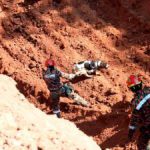
    ALOR STAR: The Human Resources Ministry today announced that the deaths of two men at the foot of Gunung Jerai in Gurun on Sunday, was the result of private and illegal gold mining activities they had undertaken.

    In a statement, the ministry said it had conducted an investigation, through the Department of Occupational Safety and Health (DOSH), into the deaths of the two men who were buried in a landslide.

    The investigation which began at 8.30am yesterday, found that the victims had died as a result of the illegal mining activities.

    Under the Occupational Safety and Health (Notification of Accident, Dangerous Occurrence, Occupational Poisoning and Occupational Disease) Regulations 2004, an exemption from reporting accidents to DOSH, applies to those who are self-employed and are injured at their own premises.

    “Therefore, in accordance with the regulation, the accident related to the incident does not need to be reported to DOSH,” the ministry said.

    The bodies of the two men, Roslan Saidin, 52, and Md Noor Shaari, 68, were recovered yesterday afternoon.

    The landslide which occurred at 6pm on Sunday, is believed to have been caused by excavation works carried out in a 12 metre-deep pit. The two men were allegedly hunting for treasure believed to have been hidden in the foot of the mountain. – Bernama

    HR Ministry: Death of two men resulted from private, illegal gold mining activities
    Read More
    https://www.thesundaily.my/local/hr-ministry-death-of-two-men-resulted-from-private-illegal-gold-mining-activities-HB2175955

    Views: 0

  • COVID 19: Occupational Health

    COVID 19: Occupational Health

    WHO resources for protection of health workers and emergency responders

    The protection of health workers is one of the priorities for the response to COVID19 outbreaks. Occupational health services in health care facilities have an important role for protecting health workers and ensuring the business continuity of health care services.

    WHO resources for non-healthcare workplaces

    Non-healthcare workplaces, such as businesses and enterprises have also the responsibility to protect the health and safety of their workers and those affected by their operations.

    Infographics

    Prevention COVID-19 at the workplace

    COVID 19: Occupational Health
    Read More
    https://www.who.int/news-room/detail/09-03-2020-covid-19-occupational-health

    Views: 0

  • COVID-19 for health workers’

    COVID-19 for health workers’

    WHO resources for protection of health workers and emergency responders

    The protection of health workers is one of the priorities for the response to COVID19 outbreaks. Occupational health services in health care facilities have an important role for protecting health workers and ensuring the business continuity of health care services.

    WHO resources for non-healthcare workplaces

    Non-healthcare workplaces, such as businesses and enterprises have also the responsibility to protect the health and safety of their workers and those affected by their operations.

    Infographics

    Prevention COVID-19 at the workplace


    COVID-19 for health workers’
    Read More
    https://www.who.int/news-room/detail/09-03-2020-covid-19-for-health-workers

    Views: 0

  • Make Dry Ice Blasting Your Small Business Opportunity

    [ad_1]

    What is dry ice blasting? Dry ice blasting is a form of abrasive blasting industrial cleaning that uses a solid form of carbon dioxide known as dry ice. Pellets or ice is shot through pressurized air stream of either one hose or two hose machines.

    Which system is best? Most systems today are the single hose technology. Technology using the single hose was created by the Cold Jet company in 1986. One advantage of the single hose system is that it avoids the possible dangers of a pressurized hopper by the use of a quick cycle airlock. Another advantage of the single hose system is that it has more power and you can use a longer hose.

    Making massive money! There are many ways to make money cleaning with dry ice. Many people prefer dry ice blasting for paint removal, because it is less harsh than sand blasting. Another great business opportunity is to clean food processing equipment. Because it can decontaminate surfaces that could contain salmonella and e. Coli. Dry ice can clean without residue so the environmental protection agency prefers it to many kinds of solvent based cleaners. The aerospace industry also uses dry ice blasting to sensitive equipment like clean semiconductors. Manufacturers are also a great business opportunity because cleaning with cold can be used for maintaining their equipment and can drastically reduce their down time.

    The freeze jet is just one of several different types of dry ice blasting equipment. For around $3,000 you can usually purchase a dry ice blasting machine.

    What about safety? How safe is this type of industrial cleaning? Cleaning with cold (normal pressure is -78 c(-108 f) can be toxic if the concentration is over 1%. Asphyxia can be caused because of oxygen removal so dry ice must be used in a well ventilated area.

    Safety Equipment: Typical safety equipment will include a positive pressure blast hood or helmet. Air hoses are attached to a grade D pressurized air supply, which is mandated by Occupational Safety and Health Administration (OSHA). Also using ear plugs for hearing protection is part of the usual safety equipment. Body protection usually includes gloves and overalls as well as a leather coat and chaps.

    What fees can I charge? How much money can I make in this industrial cleaning business? Total typical fees can range in the $300.00 per hour range, so it can be one of the more lucrative types of industrial cleaning.

    The Benefits of Dry Ice Blasting: This type of industrial Cleaning meets EPA, USDA, and FDA guidelines. Has less clean up of the waste material. Extends the life of the equipment. Cleans more thoroughly. Reduces or eliminates equipment damage. Provides a safer cleaning environment. Is Non-polluting and environmental friendly. Can destroy and eliminate bacterial and fungal growth.

    How can I get started? You can get started with your small business by beginning with a business plan. A business plan is a formal statement of business goals, reasons they are attainable, and plans for reaching them. It may also contain background information about the organization or team attempting to reach those goals. It should also contain a good marketing plan. Then apply for small business government grants or small business loans, so you can purchase equipment.

    Having your own business can help you to end money worries. Having a business plan is essential to having a successful small business. Knowing how to market your small business for little or no money is an important key to your business success as well. Imagine how much more profit you can have when you don’t have to budget much on advertising.

    Get colossal cash from government contracts. Companies interested in selling their products and services to the federal government (the United States General Services Administration) can prepare by fulfilling applicable requirements, and registering in the appropriate systems. Companies may also participate by seeking sub-contracting opportunities with current contract holders. The General Services Administration provides and contracts for Billions of dollars’ worth of products and services for federal agencies.

    In summary dry ice blasting can be an extremely profitable business and helps with the environment as well.

    [ad_2]

    Source by Brian Mahoney

    Views: 0

  • Living Alone with Hemiparesis

    [ad_1]

    Safety would be the primary concern of course when people with hemiparesis live alone or are alone for extended amounts of time. Of course your first references are your doctor, physical therapist and occupational therapists especially. This being stated, I can offer insights on some important items to consider in practical aspects of living alone after a traumatic brain injury or a stroke that result in a severe muscle weakness along the left or right side of the body and is sometimes exhibited in slight nerve damage as with me. Perhaps instead of living by them selves, it would be better to consider us living independently. At this writing, I will have reached almost thirty years of living with hemiparesis. Most of this time I was living alone and working as an engineer and writer, author.

    For us, the detrimental effects of hemiparesis are still prevalent even after initial rehabilitation and limited recovery. The effects can change with extreme variation.

    Effects When Tired or Awoken

    When the body is tired, effects can be worse and certainly more dangerous when living alone. An example is if awoken in the night, maybe by thirst, a call, or other concern. Even a healthy person could possibly stumble on sleepy legs or with eyes half open, but for those with left or right hemiparesis, the negative effects are magnified. A stumble can turn into a fall and possibly a head injury since one arm has poor strength, does not react quickly and is not likely to stop a fall. If a foot drags slightly during the day with shoes, then it can be so much worse at night even so unsafe that the person will roll over the toes so as to bruise them and fall forward on the weak side. Lessons learned here emphasize the need for uncluttered floors and hallways. A stray shoe on the floor or even newspaper can prove disastrous. Either could throw off the balance suddenly for a waking person especially in the dark.

    This brings up a suggestion for low level lighting in the home or apartment. Economical battery operated motion detector lights are available at many stores now or a search online. Even if a cane is not needed during the day; it would be wise to have a cane near the bed, even a quad cane for late night awakenings or an early morning rising. In the morning, there are other issues as tightened up leg muscles that need stretching before safely moving.

    Shower and Bathroom Safety

    Morning stretching is important, especially as we who are injured age but more importantly, shower safety needs to be addressed. There is much assistive devices available and occupational therapists can communicate effectively the needs here, however I can give you my thoughts. These are that it can be quite scary at times, especially if you have had an accident, falling in the shower, tub or bathroom before. You will need to be able to have something within reach on your good side to grab onto, basically at all times. Please note that if you can’t use the screwed in support rails and use the bars with suction cups, you really need at least two bars together. Redundant support as these are known t slip and when you have water or soap in your eyes and reach out with the bar slipping, it can be devastating. I would recommend having a bar on the entry or exit and on the opposite side. This way if a person with hemiparesis turns around there is always a bar on the good side.

    But it does not stop there. Bathroom floors are usually smooth surfaces and with one foot having no or minimal grab, then any water on a smooth tile or marble surface is like ice and can easily cause a fall when drying. Rubber backed rugs are most often used but can bunch up under feet. A work around solution for these throw rugs is rubber strips with adhesive on both sides. The local hardware store will have some rug grippers or search the web

    Dressing

    This is an area again where an occupational therapist assures you are prepared with any assistive devices for reaching around the weak side or fastening in back and collar. However, I can emphasize that so much more time needs to be available, just in case. Even though, there are assistive devices and there is ample training in doing this usually available before even leaving the hospital.

    Food Preparation, Cooking Kitchen Safety

    One’s ability to prepare meals will vary. I understand it’s good to be independent but in the kitchen it just may be smarter to minimize preparation with knives or stovetop. Even the oven can cause burns and fire easily. Having a cardboard pizza box fall onto a hot broiler iron can start a fire that is not too easy for someone with a disability to put out quickly. Sure there are now small convenient fire extinguishers available but some often need two good hands to operate correctly and then even finding it quickly can be an issue for trauma, brain injury or stroke victims.

    Fortunately, there has been an improvement In microwave dinners. This certainly would not be your first option in the past. However, I have been at this for almost thirty years now and I really have seen a great variety come on the market and costs go down. Good, healthy dinners can be cooked in one minute. I still bake chicken and pizze plus a few others but safety really needs to bethe forst priority. Losing balance and reaching out to find as hot frying pan to lean on can happen and I have personal experience, it’s not a quick heal having a burn in the palm of your good hand. Agsin here as in the bathroom, a rug with rubber backing and rug grabbers should be required.

    Mind Body Health Needs

    Concentration and Focus are the key in most everything that the person with hemiparesis might have to overcome. That is why ongoing brain training is so important.

    Human interaction, relationships contribute greatly to complex usage of our brain and even helping to stay young. Well living alone minimizes this benefit ad over time can have an adverse effect. Sure, some will say the upward potential may be limited but start with the objective of not losing ability. Without regular exercise, mind or body can atrophy to borrow a term used to describe not using muscles.

    There are free and paid sources on the web. There are now brain improvement magazines at the local supermarket and brain games are popular and effective, most even for one hand use.

    Geographic Area Specific Issues

    Depending on your locality, power outages can occur during natural events mostly as snow or ice storms, hurricanes, tornadoes. When living on the eastern coast, I lost power even when their was a high windstorm. Natural events as this can have an impact on people living with hemiparesis just as they do for others with a disability, elderly or families in general. However preparedness is the key here and living alone increases importance of having battery lighting, food, water, cell phone, radio, all available and easily attainable in possibly in the dark.

    The power loss may be worse in cold weather for this condition as detrimental effects can disable some people with this extreme muscle weakness and possibly nerve damage. This varies of course depending on person or injury but in general arms and legs can start shaking uncontrollably and a serious limitation to mobility. Poor effects are also exhibit in sudden changes of weather. Each person may experience this differently but a check with your physician is best.

    To assist in times as these, warm clothing, even a safe generator where it can be installed in a home as a backup are suggestions with heat packs available at sporting good stores or camping supply shop.

    Summary

    Some of the techniques and tips outlined here may seem obvious to some or simple but they are not always thought of ahead of time before they are used. This is evident in support forums online, knowing individuals and my own thirty years of living with hemiparesis. There are of course more but in general, consideration that movements can be slow at times as can thinking. An important point is if there is a loss of balance or tripping, it will most likely be on the weak side which of course doesn’t react fast nor have enough hand strength usually to hang on to something firmly. This is why safety is the first priority when living alone with this injury.

    [ad_2]

    Source by Leon Edward

    Views: 0

  • Physical Therapy and Sports Medicine – Know the Differences

    [ad_1]

    It isn’t unusual to use the terms sports medicine and physical therapy interchangeably. However the two aren’t exactly the same things even though you may find yourself the patient of both fields at the same time.

    While compatible, the difference between the two branches of medical discipline is clear. Both are effective for treating injuries, diseases and disorders of the muscle and skeletal systems of the body and both are useful for the prevention of future injury or disease symptom reoccurence. By taking an individual look at both types of medical assistance, you will soon see the differences between physical therapy and sports medicine.

    Let’s take a look at the field of physical therapy first. Unlike sports medicine, physical therapy as a whole is devoted to correcting any injury, disease, or disorder of the bones and muscles that can be treated with non invasive techniques. The focus is to provide patients with relief from pain, improve their muscle, joint, and bone function, while providing techniques the patient can use on their own for additional healing. The primary tools of a therapist are good diagnosing and evaluating skills, knowledge of the musculoskeletal system, and knowledge of which therapy is effective for each situation.

    One large difference between the two is that physical therapy doesn’t only deal with sports related injuries or problems. Physical therapists can choose to specialize in their careers with emphasis on things like pediatrics, geriatrics, and neurology. Other areas of expertise included in physical therapy are sports, cardiovascular sciences, and occupational therapy.

    When you are looking at the differences between these two healing arts you certainly can’t overlook sports medicine. The type of medical discipline is solely used for sports related injuries and disorders. While sports physical therapy techniques are commonly used in addition to sports medicine, sports medicine may involve surgeries, procedures, and medications not used in physical therapy. Sports medicine practitioners also can have specialty fields as well. Orthopedics and skeletal emphasis are common. Advanced study of how long term sporting activities and treating sports related injuries are always a part of this particular discipline.

    Understanding the difference between physical therapy and sports medicine may be key to determining how to best treat your physical problem. While they can and are commonly used together, each one has its own distinct benefit. Your medical care team can further help distinguish the two and point you in the right direction in terms of your health care needs. The important thing is take care of any injury, sports related or not, to ensure your body’s function in the years to come.

    The difference between these two medical approaches is obvious. Although the two are often used together, each one has its own purpose and uses. Your doctor can give you advice on which specialist is right for your needs.

    [ad_2]

    Source by John Groth

    Views: 0