Tag: Months

  • New WHO recommendations to prevent tuberculosis aim to save millions of lives

    Geneva –  New World Health Organization (WHO) guidance will help countries accelerate efforts to stop people with tuberculosis (TB) infection becoming sick with TB by giving them preventive treatment.

    A quarter of the world‘s population is estimated to be infected with TB bacteria. These people are neither sick nor contagious. However, they are at greater risk of developing TB disease, especially those with weakened immunity. Offering them TB
    preventive treatment will not only protect them from becoming sick but also cut down on the risk of transmission in the community.  

    As we mark World TB Day 2020, the disease remains the world’s top infectious killer. In 2018, 10 million people fell ill with TB worldwide and 1.5 million people lost their lives to this disease.

    “COVID-19 is highlighting just how vulnerable people with lung diseases and weakened immune systems can be,“ said Dr Tedros Adhanom Ghebreyesus, WHO Director-General. “The world committed to end TB by 2030; improving prevention is key
    to making this happen. Millions of people need to be able to take TB preventive treatment to stop the onset of disease, avert suffering and save lives”.

    Dr Tedros highlighted the importance to continue efforts to tackle longstanding health problems, including TB during global outbreaks such as COVID-19. At the same time, programmes already in place to combat TB and other major infectious diseases
    can be leveraged to make the response to COVID-19 more effective and rapid.

    Although some progress has been made towards targets set at the UN high-level Meeting on TB in 2018, TB preventive treatment has been largely neglected. Global leaders committed to ensuring access to TB preventive treatment to at least 24 million contacts
    of people with active TB and 6 million people living with HIV by 2022.  To date only a fraction of that target has been reached, with countries putting less than 430,000 contacts and 1.8 million people on TB preventive treatment in 2018.

    TB remains the top cause of death among people with HIV. TB preventive treatment works synergistically with antiretroviral therapy to prevent TB and save lives. Reinvigorated efforts by governments, health services, partners, donors and civil society
    will be needed to increase access to TB preventive treatment to the levels targeted.

    The new consolidated guidelines recommend a range of innovative approaches to scale up access to TB preventive treatment:

    • WHO recommends a scale-up of TB preventive treatment among populations at highest risk including household contacts of TB patients, people living with HIV and other people at risk with lowered” immunity or living in crowded settings.
    • WHO recommends an integration of TB preventive treatment services into ongoing case finding efforts for active TB. All household contacts of TB patients and people living with HIV are recommended to be screened
      for active TB. If active TB is ruled out, they should be initiated on TB preventive treatment.
    • WHO recommends that either a tuberculin skin test  or interferon-gamma release assay (IGRA) be used to test for TB infection. Both tests are helpful to find people more likely to benefit from TB preventive treatment
      but should not become a barrier to scale-up access. Testing for TB infection is not required before starting TB preventive treatment in people living with HIV, and children under 5 years who are contacts of people with active TB.
    • WHO recommends new shorter options for preventive treatment in addition to the widely used 6 months of daily isoniazid. The shorter options that are now recommended range from a 1 month daily regimen of rifapentine plus isoniazid
      to 3 months weekly rifapentine plus isoniazid, 3 months daily rifampicin plus isoniazid, or 4 months of daily rifampicin alone.

    “As people around the globe come together to commemorate World TB Day, WHO is calling on governments, affected communities, civil society organizations, health-care providers, donors, partners and the industry to unite forces and step up
    the TB response – notably for TB preventive treatment – to ensure no one is left behind,” said Dr Tereza Kasaeva, Director of WHO’s Global TB Programme. “The new WHO guidance shows the way forward for millions to rapidly
    access new tools and shorter, safer options for preventive treatment. The time for action is now.”

    TB preventive treatment is an affordable intervention that can prevent families from sliding into poverty and preserve the health and economy of whole communities. WHO anticipates that as new and safer drugs come onto the markets, and as prices
    fall, it will become a highly-cost effective way to save millions of lives.


    NOTES FOR EDITORS:

    WORK BY WHO AND PARTNERS

    WHO works closely with Member States including the US Government and technical and funding partners such as UNITAID to enhance access to shorter TB preventive treatment regimens. UNITAID-supported projects such as IMPAACT4TB and Cap-TB projects
    enabled by WHO with partners in Brazil, Cambodia, Cameroon, Côte d’Ivoire, Democratic Republic of Congo, Ethiopia, Ghana, India, Indonesia, Kenya, Lesotho, Malawi, Mozambique, South Africa, Uganda, United Republic of Tanzania and
    Zimbabwe are leading the way. The new treatment options are also now more affordable, thanks to the significant price drop of rifapentine – a key drug – facilitated recently by UNITAID, the Global Fund to Fight AIDS, Tuberculosis and Malaria
    and global biopharmaceutical company Sanofi, along with forthcoming arrangements underway with generic manufacturers.

    MORE ABOUT THE GUIDELINES

    The new consolidated WHO guidelines come with an operational handbook to help guide countries step-by-step as they take TB preventive treatment to scale. This includes guidance on how to prioritize and invest from demand creation for TB prevention
    to supervision and monitoring of the programme.

    The guidelines and operational handbook are also accompanied by an innovative mobile application – Prevent TB –to help health-care workers manage TB preventive treatment in their communities. Its online dashboard allows programme
    managers to visualize and monitor data in real time. The application can be customized by countries to suit their specific settings and is currently being adopted in India and Philippines.

    WORLD TB DAY

    The new guidelines and tools are being released ahead of World TB Day. World TB Day is observed on March 24 each year to raise public awareness and understanding about the world’s deadliest infectious killer – TB and its devastating
    health, social and economic impact on people around the world. Under the theme “It’s Time”, the spotlight this year is on urgently accelerating the TB response to save lives and end suffering.

    Read More
    https://www.who.int/news-room/detail/24-03-2020-new-who-recommendations-to-prevent-tuberculosis-aim-to-save-millions-of-lives

    Views: 0
  • Yahoo Assures its Users about their Privacy

    The past six months have been a little rough for tech companies providing online services. Ever since the reports of National Security Agency monitoring the traffic as well as the data related to the users of these sites was out, many started doubting their privacy being safe. There were reports of NSA monitoring the data on private international fiber links which connected to data centers of Yahoo as well as Google…

    Read More
    http://www.associationofmarketing.org/articles/view.php?article_id=14148

    Views: 0

  • JUST IN: Nigerian Government Sets Up Presidential Task Force On Coronavirus

    JUST IN: Nigerian Government Sets Up Presidential Task Force On Coronavirus

    JUST IN: Nigerian Government Sets Up Presidential Task Force On Coronavirus 1

    JUST IN: Nigerian Government Sets Up Presidential Task Force On Coronavirus 2


    The Nigerian Government has set-up a Presidential Task Force for the control of Coronavirus in the country.

    Boss Mustapha, Secretary to the Government of the Federation, will chair the 12-member committee.

    Mustapha while inaugurating the committee on Tuesday in Abuja, said it had six months to complete its assignment.

    PUBLIC HEALTH

    News

    AddThis

    : 

    Original Author

    : 

    SaharaReporters, New York

    Disable advertisements

    : 
    JUST IN: Nigerian Government Sets Up Presidential Task Force On Coronavirus
    Read More
    http://saharareporters.com/2020/03/17/just-nigerian-government-sets-presidential-task-force-coronavirus

    Views: 0

  • EXCLUSIVE: SARS Operatives Unlawfully Arrest Four Men At Night Club In Port Harcourt, Refuse To Disclose Whereabouts To Relatives Two Months After

    EXCLUSIVE: SARS Operatives Unlawfully Arrest Four Men At Night Club In Port Harcourt, Refuse To Disclose Whereabouts To Relatives Two Months After

    EXCLUSIVE: SARS Operatives Unlawfully Arrest Four Men At Night Club In Port Harcourt, Refuse To Disclose Whereabouts To Relatives Two Months After 3

    EXCLUSIVE: SARS Operatives Unlawfully Arrest Four Men At Night Club In Port Harcourt, Refuse To Disclose Whereabouts To Relatives Two Months After 4

    EXCLUSIVE: SARS Operatives Unlawfully Arrest Four Men At Night Club In Port Harcourt, Refuse To Disclose Whereabouts To Relatives Two Months After 5

    The petition
    The petition

    EXCLUSIVE: SARS Operatives Unlawfully Arrest Four Men At Night Club In Port Harcourt, Refuse To Disclose Whereabouts To Relatives Two Months After 6


    Four young men in Port Harcourt, Rivers State, remain missing two months after being unlawfully arrested by personnel of the Special Anti-Robbery Squad.

    The four were arrested at Boss Lounge, a popular nightclub along Woji Road in GRA, Port Harcourt, on Sunday, January 5, 2020 around 8:00pm and their whereabouts have remained unknown since that period.

    Efforts by their family members to locate the four persons have been rebuffed by the police, who deny having a hand in their ordeal. 

    Narrating the incident to SaharaReporters, Mr Ezekiel Tariuwa, elder brother of one of the missing young men, Kingsley, said a Mobile Police officer in charge of security at the lounge, gave access to the SARS officials into the facility to effect the arrest of Kingsley and the three others.

    According to Tariuwa, the police in Rivers have denied ordering the arrest and claimed not to be aware of the incident and whereabouts of the young men.

    He said, “My brother, Kingsley Tariuwa, was arrested alongside three others at the Boss Lounge, on Sunday, January 5, 2020, at around 8:00pm by SARS. 

    “The SARS officers were actually cleared by a Mobile Policeman named Elisha Hassan, who is in charge of security at the facility.

    “Someone at the lounge, who recognised my brother, had to call someone that alerted one of my siblings to the fact that Kingsley had been arrested.

    “We tried calling his phone number from around 9:00pm, it was ringing but there was no response until around 11:30pm when someone picked up the call but all I could hear were voices of police officers ordering them to write statements.

    “The line soon dropped and up until this moment, the number had remained switched off.”

    Speaking further, Tariuwa disclosed that he had been to the SARS headquarters in Port Harcourt several times to search for his brother but the officers deny carrying out any arrest the previous night each time he went there.

    He stated, “I met one officer named Supol Amanze Onyegbula, who sent a junior officer to check their cells if the persons I was looking for were there. 

    “The officer came back and said they were not in their custody.

    “He then advised me to go to radio room at the state police headquarters so that they could help me do a radio search for my brother instead of walking from one station to another.

    “I went there, the lady on duty radioed all the stations around but none of them confirmed to have them in custody. I was there for more than two hours and it was still negative.

    “The lady at the radio room advised me to go and confirm once again from the policeman at Boss Lounge about which people actually made the arrest.”

    Tariuwa further revealed that in the course of his findings, the identity of the SARS official, who led the operation was revealed, adding that the man indirectly confessed to killing the four persons.

    He said, “The Mobile Police officer at Boss Lounge told me that it was men from the Special Anti-Robbery Squad that made the arrest and that one of the SARS officers gave him his number. 

    “He then called the number of the SARS officer, put it on loudspeaker so that I could hear what the man would say while I was standing next to him. 

    “When the SARS officer picked the call, he then told him that he was the Mobile Policeman at the night club where they arrested four young men the previous night and that their relatives were there with him. 

    “The SARS officer then said in pidgin that, ‘Forget them! Them don come our office today, commander tell them say no be we arrest the boys. In fact we don travel those boys, we don clear them, no where he reach, nothing go happen’.”

    Tariuwa disclosed that after running a check on mobile application, Truecaller, with the SARS officer’s number, the name was revealed as Francis Nwankwo.

    He said that a petition had been sent to the Rivers State Commissioner of Police, Mustapha Dandaura, who directed the DCP, CIID, to oversee the matter.

    He added that during the course of investigation, all parties concerned were invited for interrogation and while they honoured the invitation, the SARS officer refused to visit the state CIID.

    Tariuwa also revealed that the Mobile Police officer at Boss Lounge was detained by the command.

    According to the aggrieved man, Nwankwo, the SARS officer, denied arresting anyone at Boss Lounge when he was called by the investigating officer at the state CIID.

    Irked by the slow pace of investigation by the Rivers State Police and ludicrous cooperation of the SARS, Tariuwa lodged another complaint at the Police Complaint Response Unit, which he said triggered some results. 

    EXCLUSIVE: SARS Operatives Unlawfully Arrest Four Men At Night Club In Port Harcourt, Refuse To Disclose Whereabouts To Relatives Two Months After 7


    He said, “After I petitioned the Police CRU in Abuja, two days later, the SARS officers showed up at the state CIID, gave their statements but did not show up with my brother and others arrested. 

    EXCLUSIVE: SARS Operatives Unlawfully Arrest Four Men At Night Club In Port Harcourt, Refuse To Disclose Whereabouts To Relatives Two Months After 8


    “The day that the DCP gave us to update us on their final investigation was the day that the OC, General Investigations, told us that the case had been transferred to Abuja. 

    EXCLUSIVE: SARS Operatives Unlawfully Arrest Four Men At Night Club In Port Harcourt, Refuse To Disclose Whereabouts To Relatives Two Months After 9The petition


    “The result of their investigations has not been relayed to us, no words on the whereabouts of my brother. 

    “The only thing the OC, General Investigation, said was that SARS had agreed that they arrested my brother but they have not told us his current state or the other three men.”

    Apart from family members of Kingsley Tariuwa, relatives of the three other young men unlawfully seized and arbitrarily detained by Rivers State SARS officials are demanding justice. 

    Over recent months, SARS officials have been behind many unlawful arrests, detentions and even killings across Nigeria. For instance, on February 22, 2020, SARS officials arrested a player of Remo Stars Football Club in Sagamu, Ogun State, named Tiyamu Kazeem after accusing him of being an Internet fraudster. While taking him away in their van, the policemen pushed him from the vehicle on motion and on to an oncoming car which crushed and killed him instantly. The incident led to violent protests all across Sagamu, forcing authorities to ban the activities of SARS in the area.

    In April 2019, personnel of the Federal Special Anti-Robbery Squad shot dead a young man named Kolade Johnson in the Mangoro area of Lagos while he was watching an English Premier League match. The policemen claimed to be chasing cult gangs when the bullet from their gun hit and killed the young man. The list is indeed endless. 

    Though police authorities announced a handful of measures put in place to check the excesses of SARS operatives, nothing significant has changed about the unit as they continue to torment innocent Nigerians.

    Human Rights

    Police

    Exclusive

    News

    AddThis

    : 

    Featured Image

    : 

    EXCLUSIVE: SARS Operatives Unlawfully Arrest Four Men At Night Club In Port Harcourt, Refuse To Disclose Whereabouts To Relatives Two Months After 10

    Original Author

    : 

    SaharaReporters, New York

    Disable advertisements

    : 
    EXCLUSIVE: SARS Operatives Unlawfully Arrest Four Men At Night Club In Port Harcourt, Refuse To Disclose Whereabouts To Relatives Two Months After
    Read More
    http://saharareporters.com/2020/03/17/exclusive-sars-operatives-unlawfully-arrest-four-men-night-club-port-harcourt-refuse

    Views: 0

  • WHO teams with partners to mitigate the potential impact of the COVID-19 pandemic in malaria-affected areas

    The rapid spread of COVID-19 is testing the resilience of robust health systems around the world. WHO and its partners are taking measures to mitigate the potential impact of sustained transmission of the coronavirus in malaria-endemic settings –
    particularly in sub-Saharan Africa, which shoulders more than 90% of the global malaria burden.

    To date, a small proportion of the global COVID-19 cases have been identified in malaria-affected countries. However, as of 17 March, 25 countries in the African Region had reported cases of COVID-19, and local transmission of the disease had been detected
    in 6 countries (Algeria, Cameroon, Kenya, Rwanda, Senegal, South Africa).

    “At this point, we still don’t know what the COVID-19 pandemic will look like in sub-Saharan Africa,” said Dr Pedro Alonso, Director of the WHO Global Malaria Programme. “But we do know that when public health emergencies have
    hit parts of Africa with weak health systems and high malaria transmission, the impact on malaria disease and death has been very severe.”

    The 2014-2016 Ebola outbreak in Guinea, Liberia and Sierra Leone, for example, undermined malaria control efforts and led to a massive increase in malaria-related illness and death in the 3 countries.

    Joint action 

    To support malaria-affected countries, WHO has identified the need for a set of inter-related actions among global partners: 

    • generating, using and disseminating accurate information; 
    • mitigating against health system disruptions; and 
    • ensuring the continuity of routine malaria-specific interventions while also providing, where needed, additional emergency measures, such as mass drug administration, in health systems significantly impacted by COVID-19. 

    The Organization convened partners on 17 March to discuss areas of collaboration, coordination and next steps.

    WHO has begun monitoring the evolving geographic location of COVID-19 cases to understand the extent to which the coronavirus and malaria affect the same target groups. This information will reveal who is likely to be at greatest risk, where and when,
    and thus inform the need for malaria-specific interventions to save lives.

    In parallel, WHO is working across the 3 levels of the organization to ensure that any advice intended to curb coronavirus transmission and to guide COVID-19 disease management is appropriate in malaria-affected settings.  

    In recent days, there have been reports of disruptions, as a result of COVID-19, in the production and global supply chains of essential malaria commodities, such as the long-lasting insecticidal nets, diagnostic testing and antimalarial medicines. Coordinated
    efforts are required to ensure the availability of key malaria control tools – particularly in countries with a high burden of the disease – and that efforts to limit transmission of COVID-19 do not compromise access to malaria prevention,
    diagnosis and treatment services. 

    Malaria-affected countries may also experience disruptions in health systems in the coming months. A marked increase in febrile patients seeking treatment for COVID-19 at health facilities, for example, would present a significant challenge for a health
    workforce that may itself be depleted by the disease.

    Policy guidance

    WHO is developing guidance for national malaria control programmes and implementing partners to prepare them for the challenges they may face as result of COVID-19.  Among other areas, the guidance will address the mitigation of stockouts of
    malaria medicines and commodities; the use of preventive malaria therapy for health workers; the deployment of emergency measures in some settings; and the generation of information relating to the geographic distribution and populations affected
    by COVID-19 in malaria-endemic settings.  

    Restrictions around grouping people together – for training, social and behavior change communication activities, fixed-site distribution and clinical care – as well as the restrictions around movement of people in the country, will require
    significant adaptations in order to deliver quality interventions and care.

    All people living in malaria-affected areas are advised to follow same precautions as the general population, including: frequent hand-washing, respiratory hygiene, social distancing, seeking prompt medical care if symptoms arise (cough, fever,
    difficulty breathing), and other WHO-recommended actions. 

    WHO stands ready to work with countries and other stakeholders to mitigate the negative impact of the coronavirus on malaria responses worldwide and, where possible, contribute towards a successful COVID-19 response.  

    About COVID-19

    COVID-19 is the infectious disease caused by the most recently discovered coronavirus. This new virus and disease were unknown before the outbreak began in Wuhan, China, in December 2019. Essential information on the COVID-19 pandemic can be found in
    a dedicated WHO site.

    About malaria

    Malaria is a preventable and treatable disease caused by parasites that are transmitted to people through the bites of infected female Anopheles mosquitoes. In 2018, there were an estimated 228 million cases of malaria worldwide and
    405 000 malaria-related deaths. For more on malaria, visit: www.who.int/malaria

    Read More
    https://www.who.int/news-room/detail/18-03-2020-who-teams-with-partners-to-mitigate-the-potential-impact-of-the-covid-19-pandemic-in-malaria-affected-areas

    Views: 0

  • Perak govt to provide one-off RM500 assistance to hawkers, small traders

    Perak govt to provide one-off RM500 assistance to hawkers, small traders

    Perak govt to provide one-off RM500 assistance to hawkers, small traders 12

    IPOH: The Perak state government will provide special assistance to about 4,000 hawkers and small traders, in the form of a one-off payment of RM500 each, following the imposition of the nationwide movement control order effective from today until March 31 to curb the spread of Covid-19.

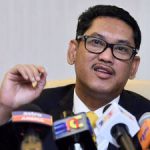
    Mentri Besar Datuk Seri Ahmad Faizal Azumu (pix) said the assistance would soon be given to all hawkers and traders registered with local authorities in Perak.

    “The total cost of this aid is estimated to be almost RM2 million,“ he said in a statement today.

    In addition, the state government will bear half of the rental of food stalls under the purview of all local authorities for the months of March and April – this initiative will cost more than RM770,000.

    To honour the 1,500 Perak Health Department front liners involved in the fight against Covid-19, the state government will sponsor lunches and dinners over a two-week period, Ahmad Faizal added, explaining that this will cost nearly RM200,000.

    He added that a special allocation of RM160,000 made possible by the state government and some state government-linked companies, would be used to purchase additional equipment needed by health department personnel. – Bernama

    Perak govt to provide one-off RM500 assistance to hawkers, small traders
    Read More
    https://www.thesundaily.my/local/perak-govt-to-provide-one-off-rm500-assistance-to-hawkers-small-traders-KA2147518

    Views: 0

  • How soon will we have a coronavirus vaccine? The race against covid-19

    How soon will we have a coronavirus vaccine? The race against covid-19

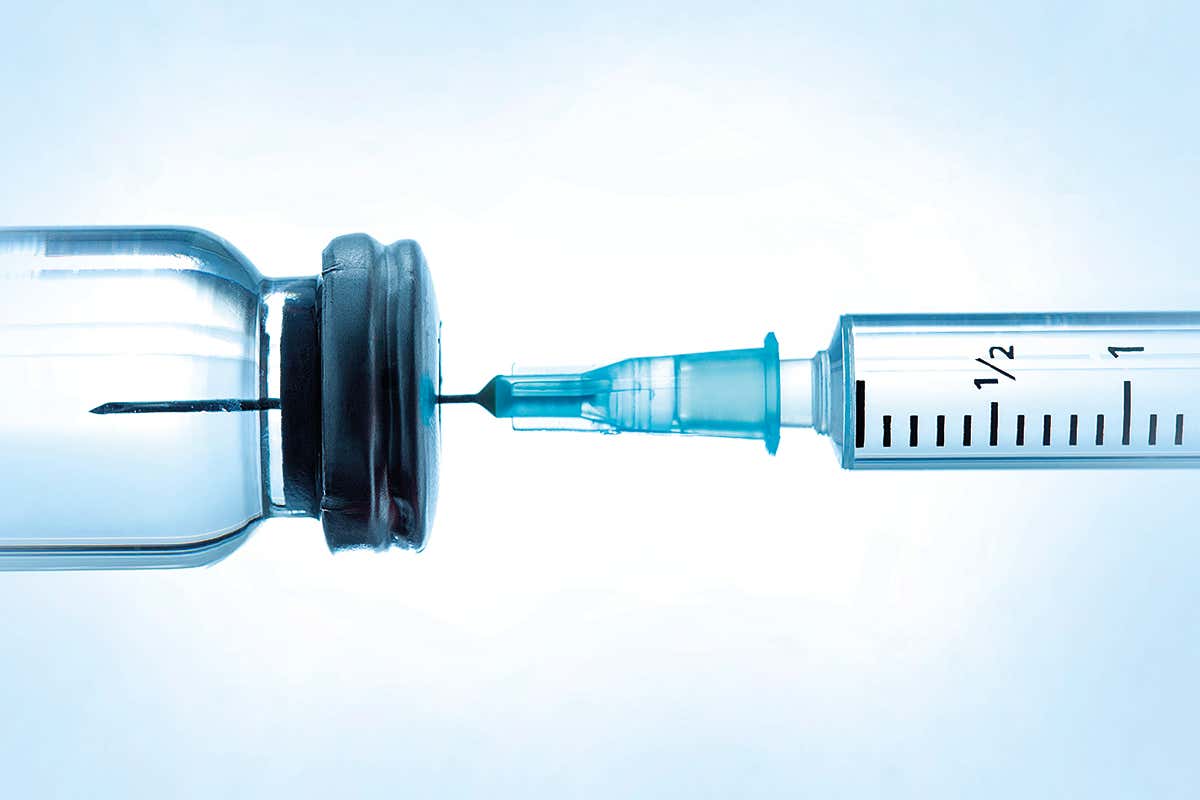
    The hope is that we will have a coronavirus vaccine in 12-18 months, but for that to happen we may have to rely on untested techniques – and that comes with its own risks.
    How soon will we have a coronavirus vaccine? The race against covid-19
    Read More
    https://www.newscientist.com/article/2237742-how-soon-will-we-have-a-coronavirus-vaccine-the-race-against-covid-19/?utm_campaign=RSS%7CNSNS&utm_source=NSNS&utm_medium=RSS&utm_content=home

    Views: 0

  • PN govt faces difficult economic situation, says Saifuddin Nasution

    PN govt faces difficult economic situation, says Saifuddin Nasution

    PN govt faces difficult economic situation, says Saifuddin Nasution 13

    PETALING JAYA: The government may face an uphill task trying to recover the country’s economy due to the impact of the Covid-19 pandemic.

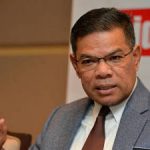
    Former Domestic Trade and Consumer Affairs Minister Datuk Seri Saifuddin Nasution (pix) pointed out that the previous Pakatan Harapan administration had based the country’s 2020 Budget on the crude oil price of US$62 (RM269) per barrel.

    However, he noted that the global virus outbreak has caused oil price to plummet by half to around US$30 (RM130) per barrel.

    Saifuddin said this, coupled with the expected tax collection when the budget was announced in October, meant the government’s revenue could be far below than initially predicted.

    “Basing on the oil price alone, we could lose about RM10 billion in potential revenue. This does not yet include incomes from the various other sectors.

    “Based on my experience being in the Cabinet, I would say that the government’s financial situation now is very complicated,” he told a press conference that was streamed on Facebook today.

    Saifuddin was asked to comment if he believed the government has the financial strength to provide RM600 for up to six months to any Malaysian forced to go on unpaid leave due to Covid-19, as announced by Prime Minister Tan Sri Muhyiddin Yassin.

    The PKR secretary-general said the financial assistance would only make up a small portion of the government’s spending, reminding the current Perikatan Nasional (PN) administration that it still has debt commitments.

    “If they don’t pay according to schedule, it will affect our country’s position from various ratings agencies.

    “We may still be able to take up loans in the future, but then we will have to pay a higher interest rate,” he said.

    PN govt faces difficult economic situation, says Saifuddin Nasution
    Read More
    https://www.thesundaily.my/local/pn-govt-faces-difficult-economic-situation-says-saifuddin-nasution-BC2141164

    Views: 0

  • Air France says to cut capacity between 70 and 90% over next two months

    Air France says to cut capacity between 70 and 90% over next two months

    Air France said Monday it will slash flight capacity by 70-90 percent over the next two months due to the coronavirus outbreak, joining a host of other airlines taking similar action.

    Read More
    https://techxplore.com/news/2020-03-air-france-capacity-months.html

    Views: 0