Tag: Medical

  • Shortage of personal protective equipment endangering health workers worldwide

    WHO calls on industry and governments to increase manufacturing by 40 per cent to meet rising global demand

    The World Health Organization has warned that severe and mounting disruption to the global supply of personal protective equipment (PPE) – caused by rising demand, panic buying, hoarding and misuse – is putting lives at risk from the new coronavirus and other infectious diseases.

    Healthcare workers rely on personal protective equipment to protect themselves and their patients from being infected and infecting others.

    But shortages are leaving doctors, nurses and other frontline workers dangerously ill-equipped to care for COVID-19 patients, due to limited access to supplies such as gloves, medical masks, respirators, goggles, face shields, gowns, and aprons.

    “Without secure supply chains, the risk to healthcare workers around the world is real. Industry and governments must act quickly to boost supply, ease export restrictions and put measures in place to stop speculation and hoarding. We can’t stop COVID-19 without protecting health workers first,” said WHO Director-General Dr Tedros Adhanom Ghebreyesus.

    Since the start of the COVID-19 outbreak, prices have surged. Surgical masks have seen a sixfold increase, N95 respirators have trebled and gowns have doubled.

    Supplies can take months to deliver and market manipulation is widespread, with stocks frequently sold to the highest bidder.

    WHO has so far shipped nearly half a million sets of personal protective equipment to 47 countries,* but supplies are rapidly depleting.

    Based on WHO modelling, an estimated 89 million medical masks are required for the COVID-19 response each month. For examination gloves, that figure goes up to 76 million, while international demand for goggles stands at 1.6 million per month. 

    Recent WHO guidance calls for the rational and appropriate use of PPE in healthcare settings, and the effective management of supply chains.

    WHO is working with governments, industry and the Pandemic Supply Chain Network to boost production and secure allocations for critically affected and at-risk countries.

    To meet rising global demand, WHO estimates that industry must increase manufacturing by 40 per cent.

    Governments should develop incentives for industry to ramp up production. This includes easing restrictions on the export and distribution of personal protective equipment and other medical supplies. 

    Every day, WHO is providing guidance, supporting secure supply chains, and delivering critical equipment to countries in need.  

     *** 

    NOTE TO EDITORS

    Since the start of the COVID-19 outbreak, countries that have received WHO PPE supplies include:

    • Western Pacific region: Cambodia, Fiji, Kiribati, Lao People’s Democratic Republic, Mongolia, Nauru, Papua New Guinea, Samoa, Solomon Islands, Tonga, Vanuatu and the Philippines
    • Southeast Asia region: Bangladesh, Bhutan, Maldives, Myanmar, Nepal and Timor-Leste
    • Eastern Mediteranean region: Afghanistan, Djibouti, Lebanon, Somalia, Pakistan, Sudan, Jordan, Morocco and Iran
    • Africa region: Senegal, Algeria, Ethiopia, Togo, Ivory Coast, Mauritius, Nigeria, Uganda, Tanzania, Angola, Ghana, Kenya, Zambia, Equatorial Guinea, Gambia, Madagascar, Mauritania, Mozambique, Seychelles and Zimbabwe


    Read More
    https://www.who.int/news-room/detail/03-03-2020-shortage-of-personal-protective-equipment-endangering-health-workers-worldwide

    Views: 0
  • UN releases US$15 million to help vulnerable countries battle the spread of the coronavirus

    UN releases US$15 million to help vulnerable countries battle the spread of the coronavirus

    UN Humanitarian Chief Mark Lowcock today released US$15 million from the Central Emergency Response Fund (CERF) to help fund global efforts to contain the COVID-19 virus.

    The announcement came as the World Health Organization (WHO) upgraded the global risk of the coronavirus outbreak to “very high” – its top level of risk assessment. The WHO has said there is still a chance of containing the virus if its chain of transmission is broken.

    The sudden increases of cases in Italy, the Islamic Republic of Iran and the Republic of Korea are deeply concerning. There are now cases linked to Iran in Bahrain, Iraq, Kuwait and Oman, along with cases linked to Italy in Algeria, Austria, Croatia, Germany, Spain and Switzerland.

    The UN funding has been released to the WHO and the United Nations Children’s Fund (UNICEF). It will fund essential activities including monitoring the spread of the virus, investigating cases, and the operation of national laboratories.

    The WHO has called for US$675 million to fund the fight against coronavirus. There is a window of opportunity to contain the spread of the virus if countries take robust measures to detect cases early, isolate and care for patients, and trace contacts.

    Emergency Relief Coordinator and Under-Secretary-General for Humanitarian Affairs, Mark Lowcock said: “We do not yet see evidence that the virus is spreading freely. As long as that’s the case, we still have a chance of containing it.

    “But swift and robust action must be taken to detect cases early, isolate and care for patients, and trace contacts. We must act now to stop this virus from putting more lives at risk.

    “This grant from the UN’s Emergency Fund will help countries with fragile health systems boost their detection and response operations. It has the potential to save the lives of millions of vulnerable people.”

    This is a critical juncture in the outbreak. The focus is on containing COVID-19 by strengthening surveillance, conducting thorough outbreak investigations to identify contacts and applying appropriate measures to prevent further spread.

    Tedros Adhanom Ghebreyesus, WHO Director-General, said: “The potential spread of the virus to countries with weaker health systems is one of our biggest concerns. These funds will help support these countries get ready for detecting and isolating cases, protecting their health workers, and treating patients with dignity and appropriate care. This will help us save lives and push back the virus”

    UNICEF is leading on preventative actions in communities across the affected countries with risk communication, providing hygiene and medical kits to schools and health clinics and monitoring the impact of the outbreak to support continuity of care, education and social services.

    “At this pivotal moment, every effort must be made to push back against the outbreak,” said UNICEF Executive Director Henrietta Fore. “These crucial funds will support our global efforts to bolster weaker health systems and inform children, pregnant women and families about how to protect themselves.”

    Since it was launched in 2006, CERF has provided more than $6 billion to over 100 countries and helped hundreds of millions of people.

    UN releases US$15 million to help vulnerable countries battle the spread of the coronavirus
    Read More
    https://www.who.int/news-room/detail/01-03-2020-un-releases-us-15-million-to-help-vulnerable-countries-battle-the-spread-of-the-coronavirus

    Views: 0

  • WHO steps up action to improve access to safe blood

    WHO steps up action to improve access to safe blood

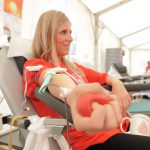
    The World Health Organization’s new action plan to speed up universal access to safe blood and blood products pulls together existing recommendations and recommends new improved ways of working. It’s the start of a four-year collaborative effort to improve blood transfusion and blood-based therapies in all countries.

    Safe blood saves lives in all sorts of circumstances, not least in emergency and epidemic settings. Blood transfusion and blood products are critical for birth delivery for both the mother and baby; the survival and quality of life of patients suffering from life-threatening conditions such as haemophilia, thalassemia, immune deficiency and cancer; treating severe injuries and carrying out medical and surgical procedures.  

    But progress in blood safety and availability has been slow in many parts of the world, placing patients’ safety at risk and putting undue pressure on health workers. Progress is also mostly restricted to developed countries. Out of the approximate 118 million blood donations collected globally, 42% are collected in high-income countries, home to 16 % of the world’s population. And one out of four low-income countries do not test all donated blood, while 54% of countries do not have surveillance systems to securitise the supply chain from blood donor to patient. 

    Challenges include: slow implementation of national blood policies and weak blood regulatory systems; insufficient number of voluntary blood donors (who are considered the safest donors); poor quality management of screening tests, blood grouping and compatibility testing; inappropriate clinical use of blood; insufficient national funding for blood safety.

    To address these, WHO has set out six key objectives for all countries and in particular those with weak blood systems:

    • appropriately structured, well-coordinated and sustainably resourced national blood systems;
    • regulatory capacity to ensure the quality and safety of blood;
    • functioning and efficiently managed blood services;
    • effective implementation of patient blood management to optimize transfusion practices;
    • effective surveillance, haemovigilance and pharmacovigilance, supported by comprehensive and accurate data collection systems;
    • partnerships, collaboration and information exchange to achieve key priorities and jointly address challenges and emerging threats at global, regional and national levels.

    The Organization looks forward to working with partners worldwide to implement the plan, improve blood supply particularly in the low and middle-income countries where this is so urgently needed, and save lives. The plan will run from 2020-2024.

    WHO steps up action to improve access to safe blood
    Read More
    https://www.who.int/news-room/detail/26-02-2020-who-steps-up-action-to-improve-access-to-safe-blood

    Views: 0

  • Engineers develop miniaturized ‘warehouse robots’ for biotechnology applications

    Engineers develop miniaturized ‘warehouse robots’ for biotechnology applications

    UCLA engineers have developed minuscule warehouse logistics robots that could help expedite and automate medical diagnostic technologies and other applications that move and manipulate tiny drops of fluid. The study was published in Science Robotics.

    Read More

    Views: 0

  • The economic cost of female genital mutilation

    The economic cost of female genital mutilation

    An interactive data tool launched by WHO reveals for the first time the current and future financial cost of health care for women living with conditions caused by female genital mutilation (FGM).

    The total costs amount to USD 1.4 billion annually.

    fgm-cost-thumbnail

    The FGM Cost Calculator is being launched on this year’s International Day of Zero Tolerance for FGM. This new tool shows that if FGM were abandoned now the associated savings
    in health costs would be more than 60% by 2050. This data, available for 27 of the 30 countries where FGM is practiced, will strengthen the economic argument of community activists, policy makers, programme planners and donors working to end this
    human rights violation.

    Q&As on the FGM Cost Calculator
    Access the FGM Cost Calculator

    A human rights violation with economic costs

    FGM includes procedures that intentionally alter or cause injury to the female genital organs for non-medical reasons. More than 200 million girls and women alive today have been cut in 30 countries in Africa, the Middle East and Asia where FGM is concentrated.
    [1] An extreme form of gender discrimination, it is recognized internationally as a violation of the human rights of girls and women: including the right to health, security and physical integrity and the right to be free from torture and cruel, inhuman
    or degrading treatment.

    FGM has no health benefits and causes only harm. Women and girls who are subjected to FGM are at risk of both short- and long-term negative health consequences – including for their physical, sexual, mental, and social well-being.

    The direct financial cost of treating the negative health complications caused by FGM can span generations, starting as early as childbirth. This puts a significant economic burden on health systems and national budgets, especially in countries with rates
    of FGM greater than 10%.

    Until now, there have been limited data on the financial costs associated with FGM, making it hard to demonstrate the cost-effectiveness of programmes and policies that can prevent FGM by 2030 – a global priority in the Sustainable Development Agenda.
    The new WHO Cost Calculator now provides an economic argument which can be used by those advocating for an end to FGM.

    Calculating health care costs of FGM

    Users of the new FGM Cost Calculator can choose a country and identify current costs of treating health conditions caused by FGM. Since the tool is interactive, it produces bespoke graphs showing the potential amount of money saved if FGM is prevented
    by a selected percentage.

    If no action is taken to prevent FGM, it is estimated that related health costs will soar by 50% by 2050, as populations grow and as more girls undergo the procedure.

    How it works

    The FGM Cost Calculator combines data on health risk associated with FGM, health costs and national FGM prevalence to analyze the economic impact on national health services of treating the consequences of these harmful practices.

    Health risk data were taken from a WHO database created for this analysis, pooling all available information from systematic reviews of health consequences of FGM. The following categories were used, each with a biological link to FGM: gynaecological,
    obstetric, urological, mental and sexual, as well as the immediate health complications that can result following the cutting.

    To be included in the calculator, a health condition needed to show evidence of increased risk when comparing women with and without FGM. It also needed to have a treatment which could be implemented and costed in the health sector.

    Health costs were calculated from the WHO One Health Tool and other data. The financial burden of treating selected health conditions was calculated at a national level.

    A strong case for investment in preventing FGM

    Rates of FGM have declined over the past 30 years, but not fast enough to keep up with population growth. If trends continue, the number of girls and women undergoing FGM will rise significantly in the next 15 years, in turn raising national health care
    costs of caring for them.

    Additional resources are urgently needed to scale up interventions that can prevent FGM in the future and reduce health complications.

    By providing quantifiable numbers on the cost of treating health conditions directly linked to FGM, for the first time, the FGM Cost Calculator can be a crucial tool in building an investment case for a future where no girl or woman is cut.


    [1] Female Genital Mutilation/Cutting: A Global Concern, UNICEF, New York, 2016
    The economic cost of female genital mutilation
    Read More
    https://www.who.int/news-room/detail/06-02-2020-economic-cost-of-female-genital-mutilation

    Views: 0

  • WHO Global Initiative for Childhood Cancer: progress on all fronts

    WHO Global Initiative for Childhood Cancer: progress on all fronts

     Peru shows the way forward and the courage of Ander Martinez

    “When Ander was diagnosed, I didn´t have the possibility to cover the cost of the treatment. It was very expensive, and I had nothing,” says Rosalina Tocto, 29 years mother of Ander Martínez Tocto. Ander had just been diagnosed with acute leukemia at the young age of 6 years. From the beginning, the odds were stacked against him. He and his family lived in a rural town, six hours from the nearest city. His parents did not have a formal job, placing the family under financial strain.

    Ander and his family were not alone in this situation. “In Peru, nearly 1800 children and adolescents are diagnosed with cancer every year; however, up to 70% will have a late stage, often metastatic due to delays in diagnosis,” says Dr. Juan García, medical chief of the Pediatric Department of in the National Institute of Neoplastic Diseases (INEN) in Lima, Peru. “Most of our patients come from outside Lima and the majority of parents do not have formal employment and therefore do not have any type of insurance.”

    Fortunately, Peru has made a strong commitment to Universal Health Coverage. In 2009, a law was passed to improve access to care by introducing a mandatory health insurance system and registering everyone living in extreme poverty under Seguro Integral de Salud (SIS), regardless of age or circumstance.  

    Dr. Reina Bustamante, Executive Director of the Division of Prevention and Control of Cancer of the MINSA says “UHC is an important step in public health particularly for those who lack public or private insurance like Ander. In this context, we are trying to follow WHO guidance to achieve UHC and ensure all individuals and communities receive the health services they need without suffering financial hardship.”

    In 2019, Peru was selected as a focus country for the WHO Global Initiative for Childhood Cancer as the first focus country in the Region. The Global Initiative aims to improve survival for all children with cancer to at least 60% by 2030 while reducing suffering, altogether with the potential to save an additional one million lives.

    Four main goals were formulated for the national pediatric cancer plan: (1) improve early diagnosis of childhood cancer, (2) decrease treatment abandonment, (3) implement a national pediatric cancer registry and (4) improve the quality of services in pediatric oncology units.

    Dr. Liliana Vasquez, pediatric oncologist who works as an external consultant for the Division of Prevention and Control of Cancer of MINSA said, “Ten working groups have been established to achieve the goals.”

    Dr. Vivian Perez, advisor of the Non-Communicable Diseases Office in PAHO-Peru added “the initial focus for the Initiative will be on six cancers selected as tracers for monitoring progress across the health system, alongside engagement of at least six focus countries with a record of strong political commitment and foundational efforts supporting children with cancer.”

    For Ander, his health care team, the commitments from the government of Peru and partners and Global Initiative have made it possible to be successfully treated and will now allow him to dream of a healthy future though better access to surveillance monitoring and psycho-oncological support aimed at childhood cancer survivors.

    Peru is showing what is possible for all countries. By concerted action and promoting universal health coverage, every child in the world can have access to high-quality care with the greatest likelihood of survival, and every family should be protected from financial hardship. We can do more together. 


    WHO Global Initiative for Childhood Cancer: progress on all fronts
    Read More
    https://www.who.int/news-room/detail/14-02-2020-who-global-initiative-for-childhood-cancer-progress-on-all-fronts

    Views: 0

  • WHO to accelerate research and innovation for new coronavirus

    WHO to accelerate research and innovation for new coronavirus

    WHO is convening a global research and innovation forum to mobilize international action in response to the new coronavirus (2019-nCoV). 
    “Harnessing the power of science is critical for bringing this outbreak under control,” said WHO Director-General Dr Tedros Adhanom Ghebreyesus. “There are questions we need answers to, and tools we need developed as quickly as possible. WHO is playing an important coordinating role by bringing the scientific community together to identify research priorities and accelerate progress.”
    The forum, to be held 11-12 February in Geneva, is organized in collaboration with the Global Research Collaboration for Infectious Disease Preparedness.
    The forum will bring together key players including leading scientists as well as public health agencies, ministries of health and research funders pursuing 2019-nCoV critical animal health and public health research and the development of vaccines, therapeutics and diagnostics, among other innovations. 
    Participants will discuss several areas of research, including identifying the source of the virus as well as sharing of biological samples and genetic sequences.
     
    Experts will build on existing SARS and MERS coronavirus research and identify knowledge gaps and research priorities in order to accelerate scientific information and medical products most needed to minimize the impact of the 2019-nCoV outbreak.  
    The meeting is expected to produce a global research agenda for the new coronavirus, setting priorities and frameworks that can guide which projects are undertaken first. “Understanding the disease, its reservoirs, transmission and clinical severity and then developing effective counter-measures is critical for the control of the outbreak, to reduce deaths and minimize the economic impact,” said Dr. Soumya Swaminathan, WHO Chief Scientist.
    This will also fast-track the development and evaluation of effective diagnostic tests, vaccines and medicines, while establishing mechanisms for affordable access to vulnerable populations and facilitating community engagement.
    “The WHO R&D Blueprint is a global strategy and preparedness platform that drives coordinated development of drugs and vaccines before epidemics, and allows the rapid activation of R&D activities during epidemics. It speeds up the availability of the diagnostics, vaccines and treatments and technologies that ultimately save lives,” added Dr Michael Ryan, Executive Director, WHO Health Emergencies Programme.  
    Setting clear global research priorities for the novel coronavirus should lead to more efficient investments, high-quality research and synergies among global researchers.

    WHO to accelerate research and innovation for new coronavirus
    Read More
    https://www.who.int/news-room/detail/06-02-2020-who-to-accelerate-research-and-innovation-for-new-coronavirus

    Views: 0

  • Female Genital Mutilation Hurts Women and Economies

    Female Genital Mutilation Hurts Women and Economies

    Female genital mutilation (FGM) exacts a crippling economic as well as human cost, according to World Health Organization (WHO).

    “FGM is not only a catastrophic abuse of human rights that significantly harms the physical and mental health of millions of girls and women; it is also a drain on a country’s vital economic resources,” said Dr Ian Askew, Director of WHO’s Department of Sexual and Reproductive Health and Research. “More investment is urgently needed to stop FGM and end the suffering it inflicts.”

    New modelling reveals that the total costs of treating the health impacts of FGM would amount to USD 1.4 billion globally per year, if all resulting medical needs were addressed. For individual countries, these costs would near 10% of their entire yearly expenditure on health on average; in some countries, this figure rises to as much as 30%.

    The interactive modelling tool that generated these data was launched on the International Day of Zero Tolerance for Female Genital Mutilation.

    Severe physical and mental health impacts for women and girls

    Women and girls living with FGM face serious risks to their health and well-being. These include immediate consequences after being cut, such as infections, bleeding or psychological trauma, as well as chronic health conditions that can occur throughout life.

    Women who have undergone the procedure are more likely to experience life-threatening complications during childbirth. They may face mental health disorders or suffer chronic infections. They may also have pain or problems when they menstruate, urinate or have sexual intercourse. 

    All of these conditions warrant much-needed medical attention and care.

    “High healthcare costs for countries mount because of the tragic personal impacts on women and girls. Governments have a moral responsibility to help end this harmful practice,” says Dr Prosper Tumusiime, Acting Director for Universal Health Coverage and the Life Course in the African Regional Office of WHO. “FGM hurts girls, imposes lifelong health risks on the women they become, and strains the healthcare systems that need to treat them.”

    Preventing FGM brings major benefits for women, girls, communities and economies

    Using data from 27 high-prevalence countries, the Cost Calculator demonstrates clear economic benefits from ending FGM. If it were abandoned now, it shows that the associated savings in health costs would be more than 60% by 2050.

    In contrast, if no action is taken, it is estimated that these costs will soar by 50% over the same time period, as populations grow and as more girls undergo the procedure.

    Since 1997, great efforts have been made to end FGM, through work within communities, research, and changes in legislation and policy. 26 countries in Africa and the Middle East now explicitly legislate against FGM, as well as 33 other countries with migrant populations from FGM-practicing countries.

    WHO is also working with countries to raise awareness of the harmful impacts of the practice among their health workers, and to engage them in prevention efforts.

    “Many countries and communities are showing that abandoning female genital mutilation is possible,” states Dr Christina Pallitto, scientist at WHO. “If countries invest to end female genital mutilation, they can prevent their girls from undergoing this harmful practice and promote the health, rights and well-being of women and girls.”

    Female genital mutilation is internationally recognized as a human rights violation. It has no medical benefits and causes only harm. WHO’s position is that FGM must never be carried out.

    Further information

    The FGM Cost Calculator will be available here, as of 00:30 CET 6 February 2020:
    www.who.int/news-room/detail/06-02-2020-economic-cost-of-female-genital-mutilation

    More on FGM

    Notes for Editors

    About FGM

    FGM includes procedures that intentionally alter or cause injury to the female genital organs for non-medical reasons. More than 200 million girls and women alive today are estimated to have undergone the practice across 30 countries in Africa, the Middle East and Asia where FGM is concentrated.

    FGM is mostly carried out on young girls between infancy and 15 years of age.

    About the FGM Cost Calculator

    The WHO FGM Cost Calculator shows the economic cost of treating the health complications caused by FGM across 27 high-prevalence countries. These costs were calculated using the WHO One Health tool and other available scientific evidence.

    Users of the tool can calculate costs by country in a ‘business as usual’ scenario; a scenario of partial abandonment of FGM, and full abandonment of FGM over a 30-year period. In addition, the distribution of costs by different types of health complications is presented by country.

    The tool does not consider other indirect costs that hit families and communities, or the socio-economic impacts of the practice, which would be significantly higher still.

    The 27 countries modelled include Benin, Burkina Faso, Central African Republic, Còte d’Ivoire, Cameroon, Chad, Djibouti, Egypt, Eritrea, Ethiopia, Ghana, Guinea, Gambia, Guinea-Bissau, Iraq, Kenya, Mali, Mauritania, Niger, Nigeria, Soudan, Senegal, Sierra Leone, Somalia, Togo, United Republic of Tanzania, Yemen.

    Female Genital Mutilation Hurts Women and Economies
    Read More
    https://www.who.int/news-room/detail/06-02-2020-female-genital-mutilation-hurts-women-and-economies

    Views: 0

  • Overweight and obese type 2 patients show improvements with structured nutrition therapy

    Overweight and obese type 2 patients show improvements with structured nutrition therapy

    Researchers at Joslin Diabetes Center have announced the results of a study that may change how nutrition therapy is delivered to overweight and obese patients with type 2 diabetes. The “Nutrition Pathway Study” compared three models of nutrition therapy and found that a highly structured nutrition plan provides the most significant impact on A1C, body weight and lipid profiles. The study results were presented at the American Diabetes Association’s 76th Scientific Sessions in New Orleans, Louisiana.

    Participants in the structured nutrition therapy arm of the study reduced A1C by an average of 0.67 percent and reduced body weight by an average of 3.5 Kg over 16 weeks. According to Osama Hamdy, M.D., Ph.D., Medical Director of the Obesity Clinical Program at Joslin Diabetes Center and lead investigator on the study, these results were achieved without increasing exercise, changing medications or undertaking behavioral changes.

    “This drop in A1C due to nutrition therapy alone is much better than what we have been able to achieve with many of the current medications for type 2 diabetes ,” said Dr. Hamdy. “This is very encouraging since participants in the study have lived with type 2 diabetes for more than 10 years and were not able to control their blood glucose or weight with multiple medications.”

    Views: 0