Tag: Level

  • Medical Product Alert N° 1/2020 (English version)

    Medical Product Alert N° 1/2020 (English version)


    Falsified antimalarials in West and Central Africa displaying an outdated WHO Essential Drugs Programme logo

    This Medical Product Alert relates to a series of confirmed falsified antimalarials circulating in West and Central Africa. Medicines subject of this alert display a similar logo to the outdated
    WHO Essential Drugs Programme logo.
     

    Since 2013, different falsified medicines, all displaying the outdated WHO Essential Drugs Programme logo, have been reported to the WHO Global Surveillance and Monitoring System by various stakeholders. The continued and widespread availability of these falsified medicines highlights a strong need for additional vigilance. WHO previously published two alerts on this issue (No.132 in Oct 2014, and No.131 in March 2014)

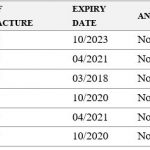
    This WHO medical product alert N°1/2020 refers to falsified Quinine Sulphate 300mg presented in six different combinations of batch numbers, expiry and manufacturing dates (see Table 1). The fraudulent use of the outdated WHO Essential Drugs Programme logo may create a false sense of product quality.

    Table 1: List of identified falsified Quinine Sulphate 300mg, subject of WHO Alert N°1/2020

    Medical Product Alert N° 1/2020 (English version) 1

    Recently received results of analysed samples show they do not contain any of the expected active ingredients.

    Quinine sulphate is referenced on the WHO Model List of Essential Medicines, to manage and treat severe malaria. At this stage, no adverse reactions attributed to these falsified products have been reported to WHO.    

    All the above falsified products claim to be manufactured by REMEDICA LTD – Cyprus and to contain 300mg of quinine sulphate. Remedica Ltd has confirmed that:

    • they did not manufacture the above falsified products; and
    • the variable data (batch number and dates) on the above products has never been used by Remedica.

     These falsified medicines display the following common characteristics (please see photographs):

    • grey or white plastic containers which contain 1000 loose circular tablets each;
    • display the outdated WHO Essential Drugs Programme logo;
    • English and French labelling with mistakes and inconsistencies; and
    • discovered at patient level in both regulated and unregulated outlets.

    Product details, photographs and advice to the public are available on the following pages.

    Outdated WHO Essential Drugs Programme logo 

    Medical Product Alert N° 1/2020 (English version) 2

    Photographs of confirmed falsified Quinine Sulphate 300mg tablets subject of
    Medical Product Alert N°1/2020

    1.       Falsified
    Quinine Sulphate Tablets B.P 300mg
    identified
    in Chad (Batch 44680)

    Medical Product Alert N° 1/2020 (English version) 3


    Medical Product Alert N° 1/2020 (English version) 4

    Medical Product Alert N° 1/2020 (English version) 5Medical Product Alert N° 1/2020 (English version) 6Medical Product Alert N° 1/2020 (English version) 7

    Medical Product Alert N° 1/2020 (English version) 8


    WHO requests increased vigilance within the supply chains of countries likely to be affected by these falsified products. Increased vigilance should include hospitals, clinics, health centres, wholesalers, distributors, pharmacies and any other suppliers of medical products.

    If you are in possession of the above products, please do not use. If you have used these falsified products, or if you suffer an adverse event having used these products, please seek immediate advice from a qualified healthcare professional, and ensure they report the incident to your local Ministry of Health/National Medicines Regulatory Authorities/National Pharmacovigilance Centre.

    All medical products must be obtained from authentic and reliable sources. Their authenticity and condition should be carefully checked. Seek advice from a healthcare professional in case of doubt.

    National health authorities are asked to immediately notify WHO if these falsified products are discovered in their country. If you have any information concerning the manufacture, distribution, or supply of these products, please contact rapidalert@who.int . 

    WHO Global Surveillance and Monitoring System

    for Substandard and Falsified Medical Products

    For further information, please visit our website: www.who.int/medicines/regulation/ssffc/en/


    Medical Product Alert N° 1/2020 (English version)
    Read More
    https://www.who.int/news-room/detail/09-03-2020-medical-product-alert-n-1-2020-english-version

    Views: 0

  • Enabling battery-powered silicon chips to work faster and longer

    Enabling battery-powered silicon chips to work faster and longer

    A team of researchers from NUS have invented a novel class of reconfiguration techniques that adaptively extends both the minimum power consumption and the maximum performance of digital circuits, well beyond common voltage scaling. Such extended adaptation allows digital silicon chips to operate at lower power during normal use, and at higher performance level when necessary.

    Read More

    Views: 0

  • Global gathering of ministers determines road safety agenda to 2030

    The 3rd Global Ministerial Conference on Road Safety convened 1700 delegates from around 140 countries, including more than 70 ministers and vice-ministers and heads of international agencies, civil society organizations, foundations and private companies. Hosted at the request of the UN General Assembly by the Government of Sweden in collaboration with WHO, the theme was “Achieving Global Goals 2030”, highlighting the connections between road safety and achievement of other Sustainable Development Goal targets.

    Through its 6 high-level panels and 18 parallel sessions, the Ministerial Conference addressed a range of topics, from building effective leadership for road safety to promoting sustainable cities and communities, mitigating climate change through road safety, and ensuring the safety of pedestrians and cyclists. The gathering was instrumental in reviewing progress in the Decade of Action for Road Safety 2011-2020 and defining ways to accelerate action on proven strategies to save lives. Among many pre-events, the 2nd World Youth Assembly for Road Safety hosted by YOURS: Youth for Road Safety and co-hosted by WHO, brought 200 young leaders together proclaiming “Enough is enough!” and claiming their space at the decision-making table for sustainable mobility.

    The Ministerial Conference culminated in the forward-looking “Stockholm Declaration”, which calls for a new global target to reduce road traffic deaths and injuries by 50% by 2030. In addition, it invites strengthened efforts on activities in all five pillars of the Global Plan for the Decade of Action: better road safety management; safer roads, vehicles and people; and enhanced post-crash care. It also calls for speeding up the shift to safe, affordable, accessible and sustainable modes of transport like walking, cycling and public transport. WHO is asked to continue to produce the series of global status reports, as a means of monitoring progress towards achievement of the 12 Global Road Safety Performance Targets.

    Today, around 1.35 million people lose their lives on the world’s roads every year, and as many as 50 million are injured. More than one quarter of those killed and injured are pedestrians and cyclists. Road traffic injuries are now the leading cause of death for children and young adults aged 5-29 years. Given the enormous human suffering and major economic losses for families and societies, road traffic deaths remain an unacceptable price to pay for mobility.

    Read More
    https://www.who.int/news-room/detail/20-02-2020-global-gathering-of-ministers-determines-road-safety-agenda-to-2030

    Views: 0

  • UN releases US$15 million to help vulnerable countries battle the spread of the coronavirus

    UN releases US$15 million to help vulnerable countries battle the spread of the coronavirus

    UN Humanitarian Chief Mark Lowcock today released US$15 million from the Central Emergency Response Fund (CERF) to help fund global efforts to contain the COVID-19 virus.

    The announcement came as the World Health Organization (WHO) upgraded the global risk of the coronavirus outbreak to “very high” – its top level of risk assessment. The WHO has said there is still a chance of containing the virus if its chain of transmission is broken.

    The sudden increases of cases in Italy, the Islamic Republic of Iran and the Republic of Korea are deeply concerning. There are now cases linked to Iran in Bahrain, Iraq, Kuwait and Oman, along with cases linked to Italy in Algeria, Austria, Croatia, Germany, Spain and Switzerland.

    The UN funding has been released to the WHO and the United Nations Children’s Fund (UNICEF). It will fund essential activities including monitoring the spread of the virus, investigating cases, and the operation of national laboratories.

    The WHO has called for US$675 million to fund the fight against coronavirus. There is a window of opportunity to contain the spread of the virus if countries take robust measures to detect cases early, isolate and care for patients, and trace contacts.

    Emergency Relief Coordinator and Under-Secretary-General for Humanitarian Affairs, Mark Lowcock said: “We do not yet see evidence that the virus is spreading freely. As long as that’s the case, we still have a chance of containing it.

    “But swift and robust action must be taken to detect cases early, isolate and care for patients, and trace contacts. We must act now to stop this virus from putting more lives at risk.

    “This grant from the UN’s Emergency Fund will help countries with fragile health systems boost their detection and response operations. It has the potential to save the lives of millions of vulnerable people.”

    This is a critical juncture in the outbreak. The focus is on containing COVID-19 by strengthening surveillance, conducting thorough outbreak investigations to identify contacts and applying appropriate measures to prevent further spread.

    Tedros Adhanom Ghebreyesus, WHO Director-General, said: “The potential spread of the virus to countries with weaker health systems is one of our biggest concerns. These funds will help support these countries get ready for detecting and isolating cases, protecting their health workers, and treating patients with dignity and appropriate care. This will help us save lives and push back the virus”

    UNICEF is leading on preventative actions in communities across the affected countries with risk communication, providing hygiene and medical kits to schools and health clinics and monitoring the impact of the outbreak to support continuity of care, education and social services.

    “At this pivotal moment, every effort must be made to push back against the outbreak,” said UNICEF Executive Director Henrietta Fore. “These crucial funds will support our global efforts to bolster weaker health systems and inform children, pregnant women and families about how to protect themselves.”

    Since it was launched in 2006, CERF has provided more than $6 billion to over 100 countries and helped hundreds of millions of people.

    UN releases US$15 million to help vulnerable countries battle the spread of the coronavirus
    Read More
    https://www.who.int/news-room/detail/01-03-2020-un-releases-us-15-million-to-help-vulnerable-countries-battle-the-spread-of-the-coronavirus

    Views: 0

  • The economic cost of female genital mutilation

    The economic cost of female genital mutilation

    An interactive data tool launched by WHO reveals for the first time the current and future financial cost of health care for women living with conditions caused by female genital mutilation (FGM).

    The total costs amount to USD 1.4 billion annually.

    fgm-cost-thumbnail

    The FGM Cost Calculator is being launched on this year’s International Day of Zero Tolerance for FGM. This new tool shows that if FGM were abandoned now the associated savings
    in health costs would be more than 60% by 2050. This data, available for 27 of the 30 countries where FGM is practiced, will strengthen the economic argument of community activists, policy makers, programme planners and donors working to end this
    human rights violation.

    Q&As on the FGM Cost Calculator
    Access the FGM Cost Calculator

    A human rights violation with economic costs

    FGM includes procedures that intentionally alter or cause injury to the female genital organs for non-medical reasons. More than 200 million girls and women alive today have been cut in 30 countries in Africa, the Middle East and Asia where FGM is concentrated.
    [1] An extreme form of gender discrimination, it is recognized internationally as a violation of the human rights of girls and women: including the right to health, security and physical integrity and the right to be free from torture and cruel, inhuman
    or degrading treatment.

    FGM has no health benefits and causes only harm. Women and girls who are subjected to FGM are at risk of both short- and long-term negative health consequences – including for their physical, sexual, mental, and social well-being.

    The direct financial cost of treating the negative health complications caused by FGM can span generations, starting as early as childbirth. This puts a significant economic burden on health systems and national budgets, especially in countries with rates
    of FGM greater than 10%.

    Until now, there have been limited data on the financial costs associated with FGM, making it hard to demonstrate the cost-effectiveness of programmes and policies that can prevent FGM by 2030 – a global priority in the Sustainable Development Agenda.
    The new WHO Cost Calculator now provides an economic argument which can be used by those advocating for an end to FGM.

    Calculating health care costs of FGM

    Users of the new FGM Cost Calculator can choose a country and identify current costs of treating health conditions caused by FGM. Since the tool is interactive, it produces bespoke graphs showing the potential amount of money saved if FGM is prevented
    by a selected percentage.

    If no action is taken to prevent FGM, it is estimated that related health costs will soar by 50% by 2050, as populations grow and as more girls undergo the procedure.

    How it works

    The FGM Cost Calculator combines data on health risk associated with FGM, health costs and national FGM prevalence to analyze the economic impact on national health services of treating the consequences of these harmful practices.

    Health risk data were taken from a WHO database created for this analysis, pooling all available information from systematic reviews of health consequences of FGM. The following categories were used, each with a biological link to FGM: gynaecological,
    obstetric, urological, mental and sexual, as well as the immediate health complications that can result following the cutting.

    To be included in the calculator, a health condition needed to show evidence of increased risk when comparing women with and without FGM. It also needed to have a treatment which could be implemented and costed in the health sector.

    Health costs were calculated from the WHO One Health Tool and other data. The financial burden of treating selected health conditions was calculated at a national level.

    A strong case for investment in preventing FGM

    Rates of FGM have declined over the past 30 years, but not fast enough to keep up with population growth. If trends continue, the number of girls and women undergoing FGM will rise significantly in the next 15 years, in turn raising national health care
    costs of caring for them.

    Additional resources are urgently needed to scale up interventions that can prevent FGM in the future and reduce health complications.

    By providing quantifiable numbers on the cost of treating health conditions directly linked to FGM, for the first time, the FGM Cost Calculator can be a crucial tool in building an investment case for a future where no girl or woman is cut.


    [1] Female Genital Mutilation/Cutting: A Global Concern, UNICEF, New York, 2016
    The economic cost of female genital mutilation
    Read More
    https://www.who.int/news-room/detail/06-02-2020-economic-cost-of-female-genital-mutilation

    Views: 0

  • To eliminate cervical cancer in the next 100 years, implementing an effective strategy is critical

    To eliminate cervical cancer in the next 100 years, implementing an effective strategy is critical

    Vaccination, screening, treatment and palliative care are the key interventions of WHO’s Draft Global Strategy towards the Elimination of Cervical Cancer as a Public Health Problem,
    the fourth most common cancer in women.

    On World Cancer Day, new estimates show that this strategy could save more than 62 million girls and women from a cervical cancer death and prevent 74 million cases within the next 100 years – but only if these interventions are used effectively
    together.

    No single intervention can eliminate cervical cancer

    These estimates, published by the WHO Cervical Cancer Elimination Modelling Consortium (CCEMC) in The Lancet, are based on the draft strategy’s targets to achieve a global coverage of 90% vaccination, 70% screening and 90% treatment by 2030.


    lancet

    Impact of HPV vaccination and cervical screening on cervical cancer elimination: a comparative modelling analysis in 78 low-income and lower-middle-income countries

    Mortality impact of achieving WHO cervical cancer elimination targets: a comparative modelling analysis in 78 low-income and lower-middle-income countries


    Developed by Member States, UN agencies and other partners, the draft global strategy seeks to redress the unequal burden of cervical cancer around the world. Nine in 10 cervical cancer deaths occur in low and lower-middle-income countries, where
    women lack access to health services.

    As Dr Tedros Adhanom Ghebreyesus, WHO’s Director-General has said, “It doesn’t have to be this way. Cervical cancer
    is one of the most preventable and treatable forms of cancer, as long as it is detected early and managed effectively.”

    This new analysis compares the impact of vaccination, screening and treatment of cervical pre-cancer lesions as single or combined interventions. Focusing on 78 countries where cervical cancer mortality is highest, the results clearly show that no
    single intervention will be sufficient to reduce levels of cervical cancer in the next 100 years to below the elimination target of 4 cases per 100,000 women per year.

    Acting immediately on all three fronts is crucial.                                                                                       

    90-70-90: a triple intervention by 2030 and beyond

    Vaccinating girls against cancer-causing types of human papillomavirus (HPV) before the age of 15 is the foundation for bringing every country’s incidence rate of cervical cancer down to the agreed elimination level.

    Right now, however, vaccination is not enough. As a single strategy, vaccination targets would only deliver a 0.1% reduction in cervical cancer mortality by 2030. Scaling up screening and treatment of cervical pre-cancer lesions at the same time would
    reduce mortality by more than one third, or 300,000 deaths, in the same period.

    The evidence shows that when all adult women are screened for cervical cancer at least twice, at ages 35 and 45, abnormalities are more likely to be detected before they become cancerous. When cancer has developed, screening increases a women’s
    likelihood of early and successful treatment, as well as palliative care if recovery is no longer an option.

    Meeting these triple-intervention targets would be a major contribution to target 3.4 of the UN Sustainable Development Goals (SDGs), a one-third reduction in premature mortality from non-communicable diseases by 2030.

    The future of cervical cancer elimination

    WHO’s global strategy towards eliminating cervical cancer aims to set the world on the right track by 2030, but it is just the beginning.

    At this pace, global elimination of cervical cancer is not predicted until 2120.

    While high HPV vaccination coverage is the primary prevention intervention, ensuring every woman has two cervical screenings in her life would accelerate elimination by 11 – 31 years, depending on the country.

    If no action is taken, cervical cancer deaths will rise almost 50% by 2030. Approval of the draft global strategy at the WHO World Health Assembly in 2020, and investment in mechanisms to deliver it, is vital.

    As the new World Cancer Report shows, only 18% of countries that currently provide screening for cervical cancer reached the recommended target of more than 70% coverage. An estimated 55% of low-income countries that reported offering
    cervical cancer screening generally lack accessible radiotherapy or surgery services.

    Elimination of cervical cancer is possible within the lifetime of today’s youngest girls, but the clock starts now and every intervention counts.


    To eliminate cervical cancer in the next 100 years, implementing an effective strategy is critical
    Read More
    https://www.who.int/news-room/detail/04-02-2020-to-eliminate-cervical-cancer-in-the-next-100-years

    Views: 0

  • Key dates for nursing and midwifery discussions in May 2020

    Key dates for nursing and midwifery discussions in May 2020

    WHO has declared 2020 as the International Year of the Nurse and the Midwife to mark the bicentenary of the birth of the founder of modern nursing, Florence Nightingale and to recognize the critical contribution both professions make to global health. May is a key moment to catalyse high-level dialogue and collaborative engagements for moving forward the findings of The State of the World’s Nursing Report, which will be launched on World Health Day, 7 April 2020, as part of the activities of the International Year of the Nurse and the Midwife.

    Key dates for May 2020

    Ninth WHO Global Forum for Government Chief Nursing and Midwifery Officers (GCNMOs) and the Eighth Triad Meeting, 13–15 May, Geneva– organized jointly by WHO, the International Confederation of Midwives and the International Council of Nurses. The meetings will be held at the Centre International de Conférence (CICG), immediately prior to the Seventy-third World Health Assembly. (by invitation only)

    Health for All, Film Festival, 16 May (PM), Geneva – special focus on nursing and midwifery film submission

    Walk the Talk, 17 May (AM), Geneva – special focus will be given to nurses and midwives in celebration of the International Year of the Nurse and Midwife. We encourage you to register at https://www.who.int/news-room/events/detail/2020/05/17/default-calendar/walk-the-talk-the-health-for-all-challenge

    World Health Assembly 17- 20 May, Geneva


    Key dates for nursing and midwifery discussions in May 2020
    Read More
    https://www.who.int/news-room/detail/20-02-2020-key-dates-for-nursing-and-midwifery-discussions-in-may-2020

    Views: 0

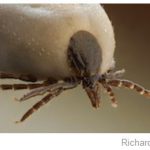
  • Immunization is the best protection against tick-borne encephalitis

    Immunization is the best protection against tick-borne encephalitis

    immunization-is-the-best-protection-against-tick-borneIn a new position paper, published in the Weekly
    Epidemiological Record today, WHO recommends vaccination against
    tick-borne encephalitis in people of all ages where the disease is
    highly endemic. Where the prevaccination incidence of the disease is
    moderate or low or is limited to particular geographical locations or
    certain outdoor activities, immunization should target individuals in
    the most severely affected groups. People travelling from non-endemic
    areas to endemic areas should be offered vaccination if their visits
    will include extensive outdoor activities.

    Since the incidence of tick-borne encephalitis may vary
    considerably between and even within geographical regions, public
    immunization strategies should be based on risk assessments conducted at
    country, regional or district level, and should be appropriate to the
    local endemic situation.

    Immunization offers the most effective protection against
    tick-borne encephalitis. Currently, there are four widely used vaccines
    of assured quality: FSME-Immun and Encepur, manufactured in Austria and
    Germany respectively, and TBE-Moscow and EnceVir, manufactured in the
    Russian Federation. The four vaccines are considered to be safe and
    efficacious.

    Tick-borne encephalitis virus is an important cause of viral
    infections of the central nervous system in eastern, central and
    northern European countries, and in northern China, Mongolia, and the
    Russian Federation.

    Approximately 10 000–12 000 clinical cases of tick-borne
    encephalitis are reported each year, but this figure is believed to be
    significantly lower than the actual total. Most infections with the
    virus result from tick bites acquired during outdoor activities in
    forested areas.

    Immunization is the best protection against tick-borne encephalitis
    Read More
    https://www.who.int/news-room/detail/19-02-2020-immunization-is-the-best-protection-against-tick-borne-encephalitis

    Views: 0

  • Statement on the meeting of the International Health Regulations (2005) Emergency Committee for Ebola virus disease in the Democratic Republic of the Congo on 12 February 2020

    Statement on the meeting of the International Health Regulations (2005) Emergency Committee for Ebola virus disease in the Democratic Republic of the Congo on 12 February 2020

    The meeting of the Emergency Committee convened by the WHO Director-General under the International Health Regulations (IHR) (2005) to review the current Ebola virus disease (EVD) outbreak in the Democratic Republic of the Congo (DRC) took place on Wednesday, 12 February 2020, from 14:00 to 16:45 Geneva time (CEST).

    Proceedings of the meeting

    Members and advisors of the Emergency Committee were convened by teleconference.

    The Secretariat welcomed the Committee and thanked them for their support. The meeting was turned over to the Chair, Dr Robert Steffen.

    Dr Steffen also welcomed the Committee and gave the floor back to the Secretariat.

    Representatives of WHO’s legal department and the department of compliance, risk management, and ethics briefed the Committee members on their roles and responsibilities.

    Committee members were reminded of their duty of confidentiality and their responsibility to disclose personal, financial, or professional connections that might be seen to constitute a conflict of interest. Each member who was present was surveyed and no conflicts of interest were judged to be relevant to the meeting.

    The Chair then reviewed the agenda for the meeting and introduced the presenters.

    Presentations were made by representatives of the Ministry of Health of the Democratic Republic of the Congo (DRC), the WHO Secretariat, and the UN Ebola Emergency Response Coordinator.

    The current situation in the DRC was reviewed. As of 10 February 2020, there were a total of 3431 cases, of which 3308 were confirmed and 123 were probable. 2253 persons have died (66%). Between 3 and 9 February 2020, three new confirmed cases were reported in Beni Health Zone, North Kivu. These three cases were already registered as contacts and two were under surveillance at the time of detection. More than 2000 contacts are being followed. There has been an increase in the number of security incidents in recent months.

    Challenges that remain include: strengthening of community acceptance for full commitment to response measures; protection of personnel at strategic health checkpoints; improvement of infection prevention and control practices in health facilities; strengthening of the local health system; and comprehensive treatment and support for patients in recovery.

    The WHO Secretariat gave an overview of the epidemiological situation, which shows an overall encouraging trend in case incidence and geographic spread. It was noted that sustaining this progress depends on the security situation and control of the well-known drivers of transmission, particularly in traditional health facilities, and on continued trust and communication with the community.

    A risk communication and community engagement programme has been developed, as has an EVD survivors programme. It is critical to ensure the long-term sustainability of these two initiatives.   

    The situation in countries neighbouring DRC was reviewed, as was preparedness in nonaffected areas of DRC. An EVD operational readiness standardized approach has been implemented in 9 priority countries. More than 2400 alerts have been investigated, and more than 14,600 health workers have been vaccinated.

    The UN Ebola Emergency Response Coordinator gave a brief report on operational support, focused on security challenges and preparations for any resurgence of disease.

    Context and Discussion

    The Committee noted a great deal of progress in the situation since its last meeting and commended the response, under the leadership of the DRC Ministry of Health and the multisectoral coordination commission established in July 2019. Support provided by WHO, UN agencies, nongovernmental organizations and other partners has also contributed to limiting the spread and impact of this virus in a difficult context. An increase in the number of alerts was attributed to strong and proactive community surveillance.

    Conclusions and Advice

    It was the unanimous view of the Committee that this event still constitutes a public health emergency of international concern (PHEIC) under the IHR (2005).

    The Committee acknowledged the revised risk assessment, which puts the risk now as high at national and regional levels, and low at the global level.

    The Committee was concerned that withdrawing the PHEIC now might have adverse consequences for the response efforts through diminishing focus. Additionally, although the primary concern of the Committee is EVD, there are serious ongoing outbreaks of other diseases, including measles and cholera, in DRC. The country continues to need support to combat infectious diseases as well as to strengthen its health system. Further, there remains an urgent need to maintain international solidarity for the response.

    The Committee noted the ongoing discussions about the interpretation in the text of the IHR (2005) of the terms international and regional spread, and about creating an intermediate level of response between the binary possibilities of PHEIC or no PHEIC, in a way that does not require reopening negotiations on the Regulations. The Committee supports these discussions, as an intermediate level would be as useful for gradually ending a PHEIC and for signaling the potential for one to be declared.

    The Committee provided the following advice to the Director-General for his issuance as revised Temporary Recommendations under the IHR (2005).

    For DRC:

    • Sustain the political commitment and multisectoral coordination approach to the response.
    • Continue to engage and build trust with associations of survivors to facilitate rapid detection of any cases arising from exposure to infected bodily fluids of survivors.
    • Continue to strengthen capacity, implementation, and coordination for community awareness and engagement, including a focus on hotspots, preventing resurgence where cases have declined, and to support survivors in their communities.
    • Further enhance the acceptance of response measures and address access and security issues by engaging influencers and decision makers for all interventions.
    • Strengthen measures to prevent and manage nosocomial infections, including systematic mapping of health facilities, targeting of IPC interventions and sustain support to those facilities through monitoring and supervision, including in private-sector and traditional health facilities.
    • Continue cross-border screening and step up monitoring at checkpoints around hotspots and at main roads.
    • Continue to implement and share real-time full-genome genetic sequencing of all new confirmed cases.
    • Strengthen measures to prevent and manage nosocomial infections, including systematic mapping of health facilities, targeting of IPC interventions and sustain support to those facilities through monitoring and supervision.
    • Strengthen preparedness in non-affected provinces of DRC, and more generally strengthen the health system across the country to respond to concurrent health emergencies.
    • Continue to implement optimal vaccine strategies that have proven maximum impact on curtailing the outbreak, as recommended by WHO’s Strategic Advisory Group of Experts (SAGE).

    For countries at risk:

    • At-risk countries should maintain their work with partners to improve their preparedness for detecting and managing imported or locally acquired cases, including the transparent sharing of detailed information on suspect cases, as required by the International Health Regulations (2005), and sharing laboratory samples of suspect cases for confirmatory testing in accordance with WHO norms and guidance.
    • Countries should continue to map population movements and sociological patterns that can predict risk of disease spread.
    • Risk communications and community engagement, especially at points of entry, should be maintained.

    For all countries:

    • As recommended previously, no country should close its borders or place any restrictions on travel and trade.
    • The Committee does not consider entry screening at airports or other ports of entry outside the region to be necessary.

    The Committee emphasized the importance of continued support by WHO and other national and international partners towards the effective implementation and monitoring of these recommendations.

    Based on this advice, the reports made by the affected State Party, and the currently available information, the Director-General accepted the Committee’s assessment and on 12 February 2020 maintained the Ebola outbreak in the Democratic Republic of the Congo as a Public Health Emergency of International Concern (PHEIC).

    The Director-General endorsed the Committee’s advice and issued them as Temporary Recommendations under IHR (2005) to reduce the international spread of Ebola, effective 12 February 2020. The Director-General thanked the Committee Members and Advisors for their advice and requested their reassessment of this situation within two months or earlier if the situation requires.

    Statement on the meeting of the International Health Regulations (2005) Emergency Committee for Ebola virus disease in the Democratic Republic of the Congo on 12 February 2020
    Read More
    https://www.who.int/news-room/detail/12-02-2020-statement-on-the-meeting-of-the-international-health-regulations-(2005)-emergency-committee-for-ebola-virus-disease-in-the-democratic-republic-of-the-congo-on-12-february-2020

    Views: 0
  • International Day of Women and Girls in Science

    International Day of Women and Girls in Science 9

    The theme of the 5th International Day of Women and Girls in Science, was on driving Investment in Equality in Science, Technology and Innovation in the Digitalization Era for Inclusive Green Growth with special focus on Agriculture, Technology and Digital Economy. The commemoration brought together stakeholders from high-level government officials, representatives of international organizations, foundations, private sector, civil society as well as women in science experts from around the world to explore how women in all fields of sciences can accelerate socio-economic sustainable development.


    Discussion focused on the interlinkages between gender inequality -specifically in science- digital and technological revolution, and agricultural sector for Sustainable Development. WUN Executive Director Dr Nata Menabde participated in the assembly and highlighted the key role of women and girls in science for health and emphasized on the obstacles women and girls encounter in various levels of health sector – from access to health services, to engagement in health workforce and research. She explained the systematic challenges where women are facing higher health costs than men due to their greater use of health care, as well as the need to extend coverage of health care that deals with the content of benefit packages, to ensure they include a greater range of services for girls and women of all ages. Dr Menabde also shared some conclusions from WHO’s work on nutrition, stressing that gender inequality means girls get less food, are more likely to get sick, and are less likely to be able to attend school, receive an education (including on science) and get a job. However, they are more likely to marry and get pregnant too young, be poorly nourished and have under-nourished babies. In conclusion, she mentioned that healthy women and girls are the cornerstone of healthy societies and proper nutrition is essential to empowering women and girls. Nutrition, through its effect on health and cognitive development, is also vital for academic performance and productivity to ensure healthy economies and socioeconomic development.


    Read More
    https://www.who.int/news-room/detail/11-02-2020-international-day-of-women-and-girls-in-science

    Views: 0