Tag: International

  • Shortage of personal protective equipment endangering health workers worldwide

    WHO calls on industry and governments to increase manufacturing by 40 per cent to meet rising global demand

    The World Health Organization has warned that severe and mounting disruption to the global supply of personal protective equipment (PPE) – caused by rising demand, panic buying, hoarding and misuse – is putting lives at risk from the new coronavirus and other infectious diseases.

    Healthcare workers rely on personal protective equipment to protect themselves and their patients from being infected and infecting others.

    But shortages are leaving doctors, nurses and other frontline workers dangerously ill-equipped to care for COVID-19 patients, due to limited access to supplies such as gloves, medical masks, respirators, goggles, face shields, gowns, and aprons.

    “Without secure supply chains, the risk to healthcare workers around the world is real. Industry and governments must act quickly to boost supply, ease export restrictions and put measures in place to stop speculation and hoarding. We can’t stop COVID-19 without protecting health workers first,” said WHO Director-General Dr Tedros Adhanom Ghebreyesus.

    Since the start of the COVID-19 outbreak, prices have surged. Surgical masks have seen a sixfold increase, N95 respirators have trebled and gowns have doubled.

    Supplies can take months to deliver and market manipulation is widespread, with stocks frequently sold to the highest bidder.

    WHO has so far shipped nearly half a million sets of personal protective equipment to 47 countries,* but supplies are rapidly depleting.

    Based on WHO modelling, an estimated 89 million medical masks are required for the COVID-19 response each month. For examination gloves, that figure goes up to 76 million, while international demand for goggles stands at 1.6 million per month. 

    Recent WHO guidance calls for the rational and appropriate use of PPE in healthcare settings, and the effective management of supply chains.

    WHO is working with governments, industry and the Pandemic Supply Chain Network to boost production and secure allocations for critically affected and at-risk countries.

    To meet rising global demand, WHO estimates that industry must increase manufacturing by 40 per cent.

    Governments should develop incentives for industry to ramp up production. This includes easing restrictions on the export and distribution of personal protective equipment and other medical supplies. 

    Every day, WHO is providing guidance, supporting secure supply chains, and delivering critical equipment to countries in need.  

     *** 

    NOTE TO EDITORS

    Since the start of the COVID-19 outbreak, countries that have received WHO PPE supplies include:

    • Western Pacific region: Cambodia, Fiji, Kiribati, Lao People’s Democratic Republic, Mongolia, Nauru, Papua New Guinea, Samoa, Solomon Islands, Tonga, Vanuatu and the Philippines
    • Southeast Asia region: Bangladesh, Bhutan, Maldives, Myanmar, Nepal and Timor-Leste
    • Eastern Mediteranean region: Afghanistan, Djibouti, Lebanon, Somalia, Pakistan, Sudan, Jordan, Morocco and Iran
    • Africa region: Senegal, Algeria, Ethiopia, Togo, Ivory Coast, Mauritius, Nigeria, Uganda, Tanzania, Angola, Ghana, Kenya, Zambia, Equatorial Guinea, Gambia, Madagascar, Mauritania, Mozambique, Seychelles and Zimbabwe


    Read More
    https://www.who.int/news-room/detail/03-03-2020-shortage-of-personal-protective-equipment-endangering-health-workers-worldwide

    Views: 0

  • A Joint Statement on Tourism and COVID-19 – UNWTO and WHO Call for Responsibility and Coordination

    A Joint Statement on Tourism and COVID-19 – UNWTO and WHO Call for Responsibility and Coordination

    As the current outbreak of the Coronavirus Disease (COVID-19) continues to develop, the World Health Organization (WHO) and the World Tourism Organization (UNWTO) are committed to working together in guiding the travel and tourism sectors’ response to COVID-19.

    On 30 January 2020, the Director-General of the World Health Organization (WHO) declared the outbreak of COVID-19 to be a Public Health Emergency of International Concern and issued a set of Temporary Recommendations. WHO did not recommend any travel or trade restriction based on the current information available. WHO is working closely with global experts, governments and partners to rapidly expand scientific knowledge on this new virus, to track the spread and virulence of the virus, and to provide advice to countries and the global community on measures to protect health and prevent the spread of this outbreak.

    Cooperation is key

    The tourism sector is fully committed to putting people and their well-being first. International cooperation is vital for ensuring the sector can effectively contribute to the containment of COVID-19. UNWTO and WHO are working in close consultation and with other partners to assist States in ensuring that health measures be implemented in ways that minimize unnecessary interference with international traffic and trade.

    Tourism’s response needs to be measured and consistent, proportionate to the public health threat and based on local risk assessment, involving every part of the tourism value chain – public bodies, private companies and tourists, in line with WHO’s overall guidance and recommendations.

    UNWTO and WHO stand ready to work closely with all those communities and countries affected by the current health emergency, to build for a better and more resilient future. Travel restrictions going beyond these may cause unnecessary interference with international traffic, including negative repercussions on the tourism sector.

    At this challenging time, UNWTO and WHO join the international community in standing in solidarity with affected countries.

    A Joint Statement on Tourism and COVID-19 - UNWTO and WHO Call for Responsibility and Coordination
    Read More
    https://www.who.int/news-room/detail/27-02-2020-a-joint-statement-on-tourism-and-covid-19—unwto-and-who-call-for-responsibility-and-coordination

    Views: 0

  • The economic cost of female genital mutilation

    The economic cost of female genital mutilation

    An interactive data tool launched by WHO reveals for the first time the current and future financial cost of health care for women living with conditions caused by female genital mutilation (FGM).

    The total costs amount to USD 1.4 billion annually.

    fgm-cost-thumbnail

    The FGM Cost Calculator is being launched on this year’s International Day of Zero Tolerance for FGM. This new tool shows that if FGM were abandoned now the associated savings
    in health costs would be more than 60% by 2050. This data, available for 27 of the 30 countries where FGM is practiced, will strengthen the economic argument of community activists, policy makers, programme planners and donors working to end this
    human rights violation.

    Q&As on the FGM Cost Calculator
    Access the FGM Cost Calculator

    A human rights violation with economic costs

    FGM includes procedures that intentionally alter or cause injury to the female genital organs for non-medical reasons. More than 200 million girls and women alive today have been cut in 30 countries in Africa, the Middle East and Asia where FGM is concentrated.
    [1] An extreme form of gender discrimination, it is recognized internationally as a violation of the human rights of girls and women: including the right to health, security and physical integrity and the right to be free from torture and cruel, inhuman
    or degrading treatment.

    FGM has no health benefits and causes only harm. Women and girls who are subjected to FGM are at risk of both short- and long-term negative health consequences – including for their physical, sexual, mental, and social well-being.

    The direct financial cost of treating the negative health complications caused by FGM can span generations, starting as early as childbirth. This puts a significant economic burden on health systems and national budgets, especially in countries with rates
    of FGM greater than 10%.

    Until now, there have been limited data on the financial costs associated with FGM, making it hard to demonstrate the cost-effectiveness of programmes and policies that can prevent FGM by 2030 – a global priority in the Sustainable Development Agenda.
    The new WHO Cost Calculator now provides an economic argument which can be used by those advocating for an end to FGM.

    Calculating health care costs of FGM

    Users of the new FGM Cost Calculator can choose a country and identify current costs of treating health conditions caused by FGM. Since the tool is interactive, it produces bespoke graphs showing the potential amount of money saved if FGM is prevented
    by a selected percentage.

    If no action is taken to prevent FGM, it is estimated that related health costs will soar by 50% by 2050, as populations grow and as more girls undergo the procedure.

    How it works

    The FGM Cost Calculator combines data on health risk associated with FGM, health costs and national FGM prevalence to analyze the economic impact on national health services of treating the consequences of these harmful practices.

    Health risk data were taken from a WHO database created for this analysis, pooling all available information from systematic reviews of health consequences of FGM. The following categories were used, each with a biological link to FGM: gynaecological,
    obstetric, urological, mental and sexual, as well as the immediate health complications that can result following the cutting.

    To be included in the calculator, a health condition needed to show evidence of increased risk when comparing women with and without FGM. It also needed to have a treatment which could be implemented and costed in the health sector.

    Health costs were calculated from the WHO One Health Tool and other data. The financial burden of treating selected health conditions was calculated at a national level.

    A strong case for investment in preventing FGM

    Rates of FGM have declined over the past 30 years, but not fast enough to keep up with population growth. If trends continue, the number of girls and women undergoing FGM will rise significantly in the next 15 years, in turn raising national health care
    costs of caring for them.

    Additional resources are urgently needed to scale up interventions that can prevent FGM in the future and reduce health complications.

    By providing quantifiable numbers on the cost of treating health conditions directly linked to FGM, for the first time, the FGM Cost Calculator can be a crucial tool in building an investment case for a future where no girl or woman is cut.


    [1] Female Genital Mutilation/Cutting: A Global Concern, UNICEF, New York, 2016
    The economic cost of female genital mutilation
    Read More
    https://www.who.int/news-room/detail/06-02-2020-economic-cost-of-female-genital-mutilation

    Views: 0

  • WHO EB recommends the adoption of the strategy for elimination of cervical cancer

    WHO EB recommends the adoption of the strategy for elimination of cervical cancer

    20200203_WHO_Executive_Board_021

    Co-sponsored by 20 Member States and the EU, the draft resolution for the
    Seventy-Third World Health Assembly (WHA) was presented on 5 February,
    2020, at EB146.

     The proposal followed Executive Board Members’ review of the Director-General’s report.

    The proposed resolution recommends that the World Health Assembly adopt the global
    strategy to accelerate the elimination of cervical cancer as a public
    health problem and its associated goals and targets for the period
    2020–2030.  It also urges Member States to implement the
    strategy, calling for the support of international organizations and
    other relevant stakeholders, and includes a request for the Director
    General to support Member states in this endeavor.   The WHA will
    consider the resolution when it convenes in May 2020.


    WHO EB recommends the adoption of the strategy for elimination of cervical cancer
    Read More
    https://www.who.int/news-room/detail/05-02-2020-who-eb-recommends-the-adoption-of-the-strategy-for-elimination-of-cervical-cancer

    Views: 0

  • WHO outlines steps to save 7 million lives from cancer

    WHO outlines steps to save 7 million lives from cancer

    The World Health Organization (WHO) today spells out the need to step up cancer services in low and middle-income countries. WHO warns that, if current trends continue, the world will see a 60% increase in cancer cases over the next two decades. The greatest increase (an estimated 81%) in new cases will occur in low- and middle-income countries, where survival rates are currently lowest.

    This is largely because these countries have had to focus limited health resources on combating infectious diseases and improving maternal and child health, while health services are not equipped to prevent, diagnose and treat cancers. In 2019, more than 90% of high-income countries reported that comprehensive treatment services for cancer were available in the public health system compared to less than 15% of low-income countries.

    “This is a wake-up call to all of us to tackle the unacceptable inequalities between cancer services in rich and poor countries,” says Dr Ren Minghui, Assistant Director-General, Universal Health Coverage/ Communicable and Noncommunicable Diseases, World Health Organization. “If people have access to primary care and referral systems then cancer can be detected early, treated effectively and cured. Cancer should not be a death sentence for anyone, anywhere.”

    Yet, progress in poorer countries is achievable. WHO and the International Agency for Research on Cancer (IARC) are releasing two coordinated reports on World Cancer Day (4 February), in response to government calls for more research into the scope and potential policies and programmes to improve cancer control.

    “At least 7 million lives could be saved over the next decade, by identifying the most appropriate science for each country situation, by basing strong cancer responses on universal health coverage, and by mobilizing different stakeholders to work together”, said Dr Tedros Adhanom Ghebreyesus, Director-General, WHO.

    WHO highlights a wide range of proven interventions to prevent new cancer cases. These include controlling tobacco use (responsible for 25% of cancer deaths), vaccinating against hepatitis B to prevent liver cancer, eliminating cervical cancer by vaccinating against HPV, screening and treatment, implementing high-impact cancer management interventions that bring value for money and ensuring access to palliative care including pain relief.

    “The past 50 years have seen tremendous advances in research on cancer prevention and treatment,” says Dr Elisabete Weiderpass, Director of IARC. “Deaths from cancer have been reduced. High-income countries have adopted prevention, early diagnosis and screening programmes, which together with better treatment, have contributed to an estimated 20% reduction in the probability of premature mortality between 2000 and 2015, but low-income countries only saw a reduction of 5%. We need to see everyone benefitting equally.” The challenge will be for countries to select treatments balancing considerations including cost, feasibility and effectiveness. Each government is tasked with choosing the appropriate innovative cancer therapies, while recognizing that established treatments, many of which are very effective and affordable, can provide benefits for cancer without causing financial hardship.

    Note to editors

    World Health Organization

    Report on Cancer: Setting priorities, investing wisely and providing care for all

    The report aims to set the global agenda on cancer, mobilize stakeholders and help countries set priorities for investing in cancer control and universal health coverage. It introduces the principles, tools and current priority cancer control interventions in the context of the current and future cancer burden and opportunities.

    International Agency for Research on Cancer

    World Cancer Report “Cancer research for cancer prevention”

    The report focuses on prevention and offers the most comprehensive overview of relevant research available to date, ranging from descriptive etiology, cellular and molecular biology, toxicology and pathology through to behavioural and social science. Key chapters include discussions on the impact of inequalities in cancer, vaccination and screening, genomic individual susceptibility to cancer and the finer identification of those at risk, which may allow ‘precision cancer prevention’.

    WHO outlines steps to save 7 million lives from cancer
    Read More
    https://www.who.int/news-room/detail/04-02-2020-who-outlines-steps-to-save-7-million-lives-from-cancer

    Views: 0

  • Key dates for nursing and midwifery discussions in May 2020

    Key dates for nursing and midwifery discussions in May 2020

    WHO has declared 2020 as the International Year of the Nurse and the Midwife to mark the bicentenary of the birth of the founder of modern nursing, Florence Nightingale and to recognize the critical contribution both professions make to global health. May is a key moment to catalyse high-level dialogue and collaborative engagements for moving forward the findings of The State of the World’s Nursing Report, which will be launched on World Health Day, 7 April 2020, as part of the activities of the International Year of the Nurse and the Midwife.

    Key dates for May 2020

    Ninth WHO Global Forum for Government Chief Nursing and Midwifery Officers (GCNMOs) and the Eighth Triad Meeting, 13–15 May, Geneva– organized jointly by WHO, the International Confederation of Midwives and the International Council of Nurses. The meetings will be held at the Centre International de Conférence (CICG), immediately prior to the Seventy-third World Health Assembly. (by invitation only)

    Health for All, Film Festival, 16 May (PM), Geneva – special focus on nursing and midwifery film submission

    Walk the Talk, 17 May (AM), Geneva – special focus will be given to nurses and midwives in celebration of the International Year of the Nurse and Midwife. We encourage you to register at https://www.who.int/news-room/events/detail/2020/05/17/default-calendar/walk-the-talk-the-health-for-all-challenge

    World Health Assembly 17- 20 May, Geneva


    Key dates for nursing and midwifery discussions in May 2020
    Read More
    https://www.who.int/news-room/detail/20-02-2020-key-dates-for-nursing-and-midwifery-discussions-in-may-2020

    Views: 0

  • Statement on the meeting of the International Health Regulations (2005) Emergency Committee for Ebola virus disease in the Democratic Republic of the Congo on 12 February 2020

    Statement on the meeting of the International Health Regulations (2005) Emergency Committee for Ebola virus disease in the Democratic Republic of the Congo on 12 February 2020

    The meeting of the Emergency Committee convened by the WHO Director-General under the International Health Regulations (IHR) (2005) to review the current Ebola virus disease (EVD) outbreak in the Democratic Republic of the Congo (DRC) took place on Wednesday, 12 February 2020, from 14:00 to 16:45 Geneva time (CEST).

    Proceedings of the meeting

    Members and advisors of the Emergency Committee were convened by teleconference.

    The Secretariat welcomed the Committee and thanked them for their support. The meeting was turned over to the Chair, Dr Robert Steffen.

    Dr Steffen also welcomed the Committee and gave the floor back to the Secretariat.

    Representatives of WHO’s legal department and the department of compliance, risk management, and ethics briefed the Committee members on their roles and responsibilities.

    Committee members were reminded of their duty of confidentiality and their responsibility to disclose personal, financial, or professional connections that might be seen to constitute a conflict of interest. Each member who was present was surveyed and no conflicts of interest were judged to be relevant to the meeting.

    The Chair then reviewed the agenda for the meeting and introduced the presenters.

    Presentations were made by representatives of the Ministry of Health of the Democratic Republic of the Congo (DRC), the WHO Secretariat, and the UN Ebola Emergency Response Coordinator.

    The current situation in the DRC was reviewed. As of 10 February 2020, there were a total of 3431 cases, of which 3308 were confirmed and 123 were probable. 2253 persons have died (66%). Between 3 and 9 February 2020, three new confirmed cases were reported in Beni Health Zone, North Kivu. These three cases were already registered as contacts and two were under surveillance at the time of detection. More than 2000 contacts are being followed. There has been an increase in the number of security incidents in recent months.

    Challenges that remain include: strengthening of community acceptance for full commitment to response measures; protection of personnel at strategic health checkpoints; improvement of infection prevention and control practices in health facilities; strengthening of the local health system; and comprehensive treatment and support for patients in recovery.

    The WHO Secretariat gave an overview of the epidemiological situation, which shows an overall encouraging trend in case incidence and geographic spread. It was noted that sustaining this progress depends on the security situation and control of the well-known drivers of transmission, particularly in traditional health facilities, and on continued trust and communication with the community.

    A risk communication and community engagement programme has been developed, as has an EVD survivors programme. It is critical to ensure the long-term sustainability of these two initiatives.   

    The situation in countries neighbouring DRC was reviewed, as was preparedness in nonaffected areas of DRC. An EVD operational readiness standardized approach has been implemented in 9 priority countries. More than 2400 alerts have been investigated, and more than 14,600 health workers have been vaccinated.

    The UN Ebola Emergency Response Coordinator gave a brief report on operational support, focused on security challenges and preparations for any resurgence of disease.

    Context and Discussion

    The Committee noted a great deal of progress in the situation since its last meeting and commended the response, under the leadership of the DRC Ministry of Health and the multisectoral coordination commission established in July 2019. Support provided by WHO, UN agencies, nongovernmental organizations and other partners has also contributed to limiting the spread and impact of this virus in a difficult context. An increase in the number of alerts was attributed to strong and proactive community surveillance.

    Conclusions and Advice

    It was the unanimous view of the Committee that this event still constitutes a public health emergency of international concern (PHEIC) under the IHR (2005).

    The Committee acknowledged the revised risk assessment, which puts the risk now as high at national and regional levels, and low at the global level.

    The Committee was concerned that withdrawing the PHEIC now might have adverse consequences for the response efforts through diminishing focus. Additionally, although the primary concern of the Committee is EVD, there are serious ongoing outbreaks of other diseases, including measles and cholera, in DRC. The country continues to need support to combat infectious diseases as well as to strengthen its health system. Further, there remains an urgent need to maintain international solidarity for the response.

    The Committee noted the ongoing discussions about the interpretation in the text of the IHR (2005) of the terms international and regional spread, and about creating an intermediate level of response between the binary possibilities of PHEIC or no PHEIC, in a way that does not require reopening negotiations on the Regulations. The Committee supports these discussions, as an intermediate level would be as useful for gradually ending a PHEIC and for signaling the potential for one to be declared.

    The Committee provided the following advice to the Director-General for his issuance as revised Temporary Recommendations under the IHR (2005).

    For DRC:

    • Sustain the political commitment and multisectoral coordination approach to the response.
    • Continue to engage and build trust with associations of survivors to facilitate rapid detection of any cases arising from exposure to infected bodily fluids of survivors.
    • Continue to strengthen capacity, implementation, and coordination for community awareness and engagement, including a focus on hotspots, preventing resurgence where cases have declined, and to support survivors in their communities.
    • Further enhance the acceptance of response measures and address access and security issues by engaging influencers and decision makers for all interventions.
    • Strengthen measures to prevent and manage nosocomial infections, including systematic mapping of health facilities, targeting of IPC interventions and sustain support to those facilities through monitoring and supervision, including in private-sector and traditional health facilities.
    • Continue cross-border screening and step up monitoring at checkpoints around hotspots and at main roads.
    • Continue to implement and share real-time full-genome genetic sequencing of all new confirmed cases.
    • Strengthen measures to prevent and manage nosocomial infections, including systematic mapping of health facilities, targeting of IPC interventions and sustain support to those facilities through monitoring and supervision.
    • Strengthen preparedness in non-affected provinces of DRC, and more generally strengthen the health system across the country to respond to concurrent health emergencies.
    • Continue to implement optimal vaccine strategies that have proven maximum impact on curtailing the outbreak, as recommended by WHO’s Strategic Advisory Group of Experts (SAGE).

    For countries at risk:

    • At-risk countries should maintain their work with partners to improve their preparedness for detecting and managing imported or locally acquired cases, including the transparent sharing of detailed information on suspect cases, as required by the International Health Regulations (2005), and sharing laboratory samples of suspect cases for confirmatory testing in accordance with WHO norms and guidance.
    • Countries should continue to map population movements and sociological patterns that can predict risk of disease spread.
    • Risk communications and community engagement, especially at points of entry, should be maintained.

    For all countries:

    • As recommended previously, no country should close its borders or place any restrictions on travel and trade.
    • The Committee does not consider entry screening at airports or other ports of entry outside the region to be necessary.

    The Committee emphasized the importance of continued support by WHO and other national and international partners towards the effective implementation and monitoring of these recommendations.

    Based on this advice, the reports made by the affected State Party, and the currently available information, the Director-General accepted the Committee’s assessment and on 12 February 2020 maintained the Ebola outbreak in the Democratic Republic of the Congo as a Public Health Emergency of International Concern (PHEIC).

    The Director-General endorsed the Committee’s advice and issued them as Temporary Recommendations under IHR (2005) to reduce the international spread of Ebola, effective 12 February 2020. The Director-General thanked the Committee Members and Advisors for their advice and requested their reassessment of this situation within two months or earlier if the situation requires.

    Statement on the meeting of the International Health Regulations (2005) Emergency Committee for Ebola virus disease in the Democratic Republic of the Congo on 12 February 2020
    Read More
    https://www.who.int/news-room/detail/12-02-2020-statement-on-the-meeting-of-the-international-health-regulations-(2005)-emergency-committee-for-ebola-virus-disease-in-the-democratic-republic-of-the-congo-on-12-february-2020

    Views: 0

  • International Day of Women and Girls in Science

    International Day of Women and Girls in Science 1

    The theme of the 5th International Day of Women and Girls in Science, was on driving Investment in Equality in Science, Technology and Innovation in the Digitalization Era for Inclusive Green Growth with special focus on Agriculture, Technology and Digital Economy. The commemoration brought together stakeholders from high-level government officials, representatives of international organizations, foundations, private sector, civil society as well as women in science experts from around the world to explore how women in all fields of sciences can accelerate socio-economic sustainable development.


    Discussion focused on the interlinkages between gender inequality -specifically in science- digital and technological revolution, and agricultural sector for Sustainable Development. WUN Executive Director Dr Nata Menabde participated in the assembly and highlighted the key role of women and girls in science for health and emphasized on the obstacles women and girls encounter in various levels of health sector – from access to health services, to engagement in health workforce and research. She explained the systematic challenges where women are facing higher health costs than men due to their greater use of health care, as well as the need to extend coverage of health care that deals with the content of benefit packages, to ensure they include a greater range of services for girls and women of all ages. Dr Menabde also shared some conclusions from WHO’s work on nutrition, stressing that gender inequality means girls get less food, are more likely to get sick, and are less likely to be able to attend school, receive an education (including on science) and get a job. However, they are more likely to marry and get pregnant too young, be poorly nourished and have under-nourished babies. In conclusion, she mentioned that healthy women and girls are the cornerstone of healthy societies and proper nutrition is essential to empowering women and girls. Nutrition, through its effect on health and cognitive development, is also vital for academic performance and productivity to ensure healthy economies and socioeconomic development.


    Read More
    https://www.who.int/news-room/detail/11-02-2020-international-day-of-women-and-girls-in-science

    Views: 0

  • World experts and funders set priorities for COVID-19 research

    World experts and funders set priorities for COVID-19 research

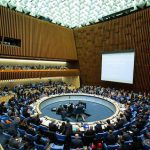
    Leading health experts from around the world have been meeting at the World Health Organization’s Geneva headquarters to assess the current level of knowledge about the new COVID-19 disease, identify gaps and work together to accelerate and fund priority research needed to help stop this outbreak and prepare for any future outbreaks.

    The 2-day forum was convened in line with the WHO R&D Blueprint – a strategy for developing drugs and vaccines before epidemics, and accelerating research and development while they are occurring.

    “This outbreak is a test of solidarity — political, financial and scientific. We need to come together to fight a common enemy that does not respect borders, ensure that we have the resources necessary to bring this outbreak to an end and bring our best science to the forefront to find shared answers to shared problems. Research is an integral part of the outbreak response,” said WHO Director-General Dr Tedros Adhanom Ghebreyesus. “I appreciate the positive response of the research community to join us at short notice and come up with concrete plans and commitment to work together.”

    The meeting, hosted in collaboration with GloPID-R (the Global Research Collaboration for Infectious Disease Preparedness) brought together major research funders and over 300 scientists and researchers from a large variety of disciplines. They discussed all aspects of the outbreak and ways to control it including:

    • the natural history of the virus, its transmission and diagnosis;
    • animal and environmental research on the origin of the virus, including management measures at the human-animal interface;
    • epidemiological studies;
    • clinical characterization and management of disease caused by the virus;
    • infection prevention and control, including best ways to protect health care workers;
    • research and development for candidate therapeutics and vaccines;
    • ethical considerations for research;
    • and integration of social sciences into the outbreak response.

    “This meeting allowed us to identify the urgent priorities for research. As a group of funders we will continue to mobilize, coordinate and align our funding to enable the research needed to tackle this crisis and stop the outbreak, in partnership with WHO,” said Professor Yazdan Yazdanpanah, chair of GloPID-R. “Equitable access – making sure we share data and reach those most in need,  in particular those in lower and middle-income countries, is fundamental to this work which must be guided by ethical considerations at all times.”  

    During the meeting, the more than 300 scientists and researchers participating both in person and virtually agreed on a set of global research priorities. They also outlined mechanisms for continuing scientific interactions and collaborations beyond the meeting which will be coordinated and facilitated by WHO. They worked with research funders to determine how necessary resources can be mobilized so that critical research can start immediately.

    The deliberations will form the basis of a research and innovation roadmap charting all the research needed and this will be used by researchers and funders to accelerate the research response.

    Note to editors

    GloPID-R is a global alliance of international research funding organizations investing in preparedness and response to epidemics.

    World experts and funders set priorities for COVID-19 research
    Read More
    https://www.who.int/news-room/detail/12-02-2020-world-experts-and-funders-set-priorities-for-covid-19-research

    Views: 0