Tag: Injuries

  • Nothing Must Happen To El-Zakzaky, Shiites Warn Buhari After Kaduna Prison Unrest

    Nothing Must Happen To El-Zakzaky, Shiites Warn Buhari After Kaduna Prison Unrest

    Nothing Must Happen To El-Zakzaky, Shiites Warn Buhari After Kaduna Prison Unrest 1

    Nothing Must Happen To El-Zakzaky, Shiites Warn Buhari After Kaduna Prison Unrest 2


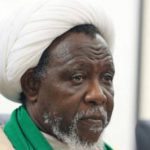
    Members of the Islamic Movement in Nigeria have called on President Muhammadu Buhari to ensure the safety of their leader, Ibraheem El-Zakzaky, following a riot at Kaduna Prison by inmates on Tuesday. 

    The movement handed down the warning in a statement by Secretary of the Academic Forum of the movement, Abdullahi Muhammad Musa.

    SaharaReporters had earlier reported that inmates at the prison attempted a jailbreak after riot broke out over the Coronavirus pandemic in the country. 

    See Also

    Nothing Must Happen To El-Zakzaky, Shiites Warn Buhari After Kaduna Prison Unrest 3

    Breaking News

    BREAKING: Inmates In Kaduna Prison Attempt Jailbreak Over Coronavirus, One Feared Killed


    The inmates, who feared that they could contract the deadly virus going by the poor ventilation and lack of protective items in the facility, mobilised in large numbers on Tuesday morning in an attempt to break free from the correctional centre.

    Security personnel fired several gunshots around the facility to scare the inmates and bring the situation under control.

    One person was feared to have been killed during the chaos while several prison officials, who sustained injuries, were rushed to a teaching hospital in city for urgent medical attention.

    Reacting to the development, the IMN said, “Reliable information reaching us revealed that there is ongoing unrest in Kaduna Prison that started in the early hours of Tuesday, 31 March, 2020 over suspected cases of COVID-19.

    “The incident led to chaos and government is presently deploying more armed security men to the prison.

    “It is pertinent to state that his eminence, Sheikh Ibraheem El-Zakzaky, and his wife Malama Zeenah Ibraheem, are being detained in the same Kaduna Prison.

    “We are rightly concerned about these developments and strongly call on all relevant authorities to ensure that the security and safety of the sheikh and his wife are guaranteed.

    “We would hold the government responsible for any harm to them.

    “It is the responsibility of government to protect all inmates in such homes, especially with the outbreak of the COVID-19 pandemic ravaging the world.”

    The group called on the international community to help secure the release of their leader and his wife before they are infected with the virus.

    News

    AddThis

    : 

    Original Author

    : 

    Saharareporters, New York

    Disable advertisements

    : 
    Nothing Must Happen To El-Zakzaky, Shiites Warn Buhari After Kaduna Prison Unrest
    Read More
    http://saharareporters.com/2020/03/31/nothing-must-happen-el-zakzaky-shiites-warn-buhari-after-kaduna-prison-unrest

    Views: 0

  • Snatch thieves strike as customers line up at pharmacy (Video)

    Snatch thieves strike as customers line up at pharmacy (Video)

    Snatch thieves strike as customers line up at pharmacy (Video) 4

    KLANG: A 44-year-old clerk who was waiting for her turn to buy items at a pharmacy in Taman Bayu Perdana here suffered an injury after being attacked by snatch thieves today.

    The woman suffered light injuries to her neck, knee and head after she was dragged by a snatch thief who had snuck up on her while she waited for her turn to patronise the Kim Chuan pharmacy at about 12.40pm.

    South Klang police chief ACP Shamsul Amar Ramli said the suspects, who came on a motorcycle, wore full face helmets and face masks.

    He said while the rider waited, his pillion rider hopped off before he tugged the victim’s handbag.

    Shamsul Amar said when the woman fell, the robber snatched the handbag and escaped the scene with his accomplice. The woman lost her personal documents, cash and credit cards.

    He added that the robbers’ motorcycle was fitted with fake registration plates.

    Footage of the incident, which was captured on a closed-circuit television camera, showed the victim waiting for her turn outside the pharmacy with two other female customers ahead of her.

    The victim is seen standing closest to the side lane of the pharmacy that is located in a corner unit shoplot and is seen falling on the street when the robber attacks her.

    The video went viral on social media today.

    Watch video here

    Snatch thieves strike as customers line up at pharmacy (Video)
    Read More
    https://www.thesundaily.my/local/snatch-thieves-strike-as-customers-line-up-at-pharmacy-video-DJ2193423

    Views: 0

  • Brain ultrasound scanner could speed diagnosis of head injuries

    Brain ultrasound scanner could speed diagnosis of head injuries

    The ultrasound technology used to image fetuses is being adapted to visualise the brain, perhaps allowing for rapid diagnosis of stroke or sports head injuries
    Brain ultrasound scanner could speed diagnosis of head injuries
    Read More
    https://www.newscientist.com/article/2237894-brain-ultrasound-scanner-could-speed-diagnosis-of-head-injuries/?utm_campaign=RSS%7CNSNS&utm_source=NSNS&utm_medium=RSS&utm_content=home

    Views: 0

  • End in sight, but flare-ups likely in the Ebola outbreak in the Democratic Republic of the Congo

    End in sight, but flare-ups likely in the Ebola outbreak in the Democratic Republic of the Congo

    Remarks by Dr Ibrahima Socé Fall, World Health Organization Assistant Director-General, Emergency Response


    Good afternoon. 

    I hope that your busy week was interrupted, like mine, with a moment of joy on Tuesday.

    That moment was the celebration of a woman being discharged from an Ebola treatment centre in Beni. Her name is Masiko.

    She was the last person in the Democratic Republic of the Congo confirmed to have Ebola.

    Health workers and other responders sacrificed a lot to get to this point. 

    Since the outbreak was declared in August 2018 there have been 420 attacks on health facilities in DRC, resulting in 11 deaths and 86 injuries among health care workers and patients.

    It’s been a huge amount of work. At the peak of the outbreak, more than 120 cases were being reported each week. 28 health zones were affected, with cases appearing 1200 kilometres apart. In response:

    • 11 labs have been set up to test around 3500 samples each week
    • 11 Ebola treatment centres were set up to care for people with Ebola
    • 300 000 people have been vaccinated
    • 250 000 contacts have been registered
    • 26 000 safe and dignified burials have been conducted
    • More than 3000 health facilities were identified for infection prevention and control support
    • More than 1000 metric tonnes of supplies have been delivered
    • An Ebola vaccine has been licensed, and two treatments found to be highly effective
    • Almost 160 000 million people have been screened for Ebola symptoms at borders or other points of control

    This work is continuing. The outbreak isn’t over. WHO recommends waiting two full incubation periods – that’s 42 days – after the last person tests negative a second time before declaring the end of the outbreak.

    We must stay in active response mode to get us over that finish line.

    We have to be prepared for other cases emerging. It’s is a very real risk.

    Remember that during the Ebola outbreak in West Africa flare-ups of new cases occurred after the end of the outbreak.

    There are four reasons why new cases may emerge during this 42-day period, or even after the end of the outbreak.

    • First, because of the complex security environment, Ebola transmission outside of groups under monitoring is possible.  
    • Second, Ebola virus can persist in used needles, syringes or vials for several weeks.
    • Third, Ebola virus can persist in the body fluids of survivors for many months, and can be transmitted well after recovery, or in rare cases can result in relapse – as we’ve already seen during this outbreak.
    • Finally, Ebola virus is present in an animal reservoir in the region, and there is always a risk of a new spillover to humans.

    This is why it’s critical to maintain surveillance and rapid response capacities.

    And that’s what we are doing. We’re still in full response mode.

    In addition to the activities I already mentioned, I have to underline how critical it is to continue supporting the Survivor Programme, which provides follow-up care for almost all of the 1169 survivors in 26 health areas in North Kivu and Ituri. The programme also helps reduce the risks of re-introduction events. 

    We need to continue this work until the end of the outbreak, to keep the capacity in place to rapidly respond to flare-ups, to keep supporting survivors after the outbreak, and to transition the capacities built in this response toward building a stronger health system. 

    But to be very frank, right now the world risks dropping the baton at the finish line. WHO faces an immediate US $20 million funding gap. If no new resources are received, we will run out of money before the end of the outbreak.

    We appreciate the generosity of donors who have supported the response since August 2018. Now we need to get over the finish line. WHO is calling on the international community to help us end this outbreak, and keep our promises to communities to build a stronger health system.

    If we are forced to scale back operations because of a lack of funds, and then a new case emerges, we might not have the people and resources on the ground that we need to shut down transmission quickly. Just a single case could re-ignite the epidemic.

    That would be a tragedy. An avoidable tragedy. 

    It is important that the global community doesn’t only focus efforts when there is an immediate threat, then walk away when the threat subsides.

    The health system has to be strong to stop much more than Ebola. It has to stop malaria, measles, cholera, and now COVID-19.

    There is a lot more work to do.

    Thank you.


    End in sight, but flare-ups likely in the Ebola outbreak in the Democratic Republic of the Congo
    Read More
    https://www.who.int/news-room/detail/06-03-2020-end-in-sight-but-flare-ups-likely-in-the-ebola-outbreak-in-the-democratic-republic-of-the-congo

    Views: 0

  • Global gathering of ministers determines road safety agenda to 2030

    The 3rd Global Ministerial Conference on Road Safety convened 1700 delegates from around 140 countries, including more than 70 ministers and vice-ministers and heads of international agencies, civil society organizations, foundations and private companies. Hosted at the request of the UN General Assembly by the Government of Sweden in collaboration with WHO, the theme was “Achieving Global Goals 2030”, highlighting the connections between road safety and achievement of other Sustainable Development Goal targets.

    Through its 6 high-level panels and 18 parallel sessions, the Ministerial Conference addressed a range of topics, from building effective leadership for road safety to promoting sustainable cities and communities, mitigating climate change through road safety, and ensuring the safety of pedestrians and cyclists. The gathering was instrumental in reviewing progress in the Decade of Action for Road Safety 2011-2020 and defining ways to accelerate action on proven strategies to save lives. Among many pre-events, the 2nd World Youth Assembly for Road Safety hosted by YOURS: Youth for Road Safety and co-hosted by WHO, brought 200 young leaders together proclaiming “Enough is enough!” and claiming their space at the decision-making table for sustainable mobility.

    The Ministerial Conference culminated in the forward-looking “Stockholm Declaration”, which calls for a new global target to reduce road traffic deaths and injuries by 50% by 2030. In addition, it invites strengthened efforts on activities in all five pillars of the Global Plan for the Decade of Action: better road safety management; safer roads, vehicles and people; and enhanced post-crash care. It also calls for speeding up the shift to safe, affordable, accessible and sustainable modes of transport like walking, cycling and public transport. WHO is asked to continue to produce the series of global status reports, as a means of monitoring progress towards achievement of the 12 Global Road Safety Performance Targets.

    Today, around 1.35 million people lose their lives on the world’s roads every year, and as many as 50 million are injured. More than one quarter of those killed and injured are pedestrians and cyclists. Road traffic injuries are now the leading cause of death for children and young adults aged 5-29 years. Given the enormous human suffering and major economic losses for families and societies, road traffic deaths remain an unacceptable price to pay for mobility.

    Read More
    https://www.who.int/news-room/detail/20-02-2020-global-gathering-of-ministers-determines-road-safety-agenda-to-2030

    Views: 0

  • WHO steps up action to improve access to safe blood

    WHO steps up action to improve access to safe blood

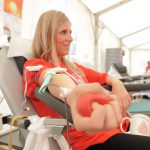
    The World Health Organization’s new action plan to speed up universal access to safe blood and blood products pulls together existing recommendations and recommends new improved ways of working. It’s the start of a four-year collaborative effort to improve blood transfusion and blood-based therapies in all countries.

    Safe blood saves lives in all sorts of circumstances, not least in emergency and epidemic settings. Blood transfusion and blood products are critical for birth delivery for both the mother and baby; the survival and quality of life of patients suffering from life-threatening conditions such as haemophilia, thalassemia, immune deficiency and cancer; treating severe injuries and carrying out medical and surgical procedures.  

    But progress in blood safety and availability has been slow in many parts of the world, placing patients’ safety at risk and putting undue pressure on health workers. Progress is also mostly restricted to developed countries. Out of the approximate 118 million blood donations collected globally, 42% are collected in high-income countries, home to 16 % of the world’s population. And one out of four low-income countries do not test all donated blood, while 54% of countries do not have surveillance systems to securitise the supply chain from blood donor to patient. 

    Challenges include: slow implementation of national blood policies and weak blood regulatory systems; insufficient number of voluntary blood donors (who are considered the safest donors); poor quality management of screening tests, blood grouping and compatibility testing; inappropriate clinical use of blood; insufficient national funding for blood safety.

    To address these, WHO has set out six key objectives for all countries and in particular those with weak blood systems:

    • appropriately structured, well-coordinated and sustainably resourced national blood systems;
    • regulatory capacity to ensure the quality and safety of blood;
    • functioning and efficiently managed blood services;
    • effective implementation of patient blood management to optimize transfusion practices;
    • effective surveillance, haemovigilance and pharmacovigilance, supported by comprehensive and accurate data collection systems;
    • partnerships, collaboration and information exchange to achieve key priorities and jointly address challenges and emerging threats at global, regional and national levels.

    The Organization looks forward to working with partners worldwide to implement the plan, improve blood supply particularly in the low and middle-income countries where this is so urgently needed, and save lives. The plan will run from 2020-2024.

    WHO steps up action to improve access to safe blood
    Read More
    https://www.who.int/news-room/detail/26-02-2020-who-steps-up-action-to-improve-access-to-safe-blood

    Views: 0

  • Ministers to agree new global road safety agenda to 2030

    Ministers to agree new global road safety agenda to 2030

    Government ministers and senior officials from over 100 countries will meet in Stockholm, Sweden from 19-20 February to discuss new steps to halve road traffic deaths and injuries by 2030, in line with global targets agreed in the United Nations Sustainable Development Goals (SDGs).

    “The fact that an estimated 1.35 million lives are lost every year due to road traffic collisions is an outrage. It is an unacceptable price to pay for mobility,” said Dr Tedros Adhanom Ghebreyesus, Director-General at the World Health Organization (WHO).

    Road traffic injuries are now the leading cause of death for children and young adults aged 5 to 29 years, according to WHO’s most recent Global status report on road safety.

    More than half of all road traffic deaths occur among pedestrians, cyclists and motorcyclists. The risk of a road traffic death remains three times higher in low-income countries than in high-income countries. Moreover, as many as 50 million people experience non-fatal road injuries, which impose human suffering and major economic losses.

    “Most road traffic deaths and injuries can be prevented, using tried and tested strategies,” added Dr Tedros. “This conference is an opportunity for the world to embrace a new agenda to radically reduce the number of lives lost on our roads and re-think how we can provide access to safe, affordable, accessible and sustainable transport systems for all.”

    Progress in road safety

    Many countries have already made progress through effective road safety management and focusing on better legislation and enforcement around key risks such as speeding; drinking and driving, and failing to use seatbelts. They have also improved infrastructure through measures such as safer sidewalks and dedicated lanes for cyclists; implemented vehicle standards such as those that mandate advanced braking and electronic stability control; and enhanced post-crash care.

    Improvements have occurred when a number of sectors have been involved – including transport, health, urban planning and law enforcement, among others. Success has also depended mainly on strong leadership and political will at the highest level of government and in close collaboration with civil society and the private sector.

    The Stockholm Declaration

    Hosted by the Government of Sweden in collaboration with WHO, the 3rd Global Ministerial Conference on Road Safety offers delegates an opportunity to share successes and lessons learned, chart future strategic directions for global road safety, and define ways to fast-track progress around proven strategies to save lives.

    The Stockholm Declaration will be presented as the final outcome document of the Ministerial Conference calling for strong political will and international cooperation as well as partnerships across many sectors of society. The Declaration will lay out key recommendations for accelerated action to drive progress towards halving global road traffic deaths and injuries by 2030.

    Beyond preventing human suffering and major economic losses, addressing road traffic deaths and injuries has positive impact across all aspects of society and development ─ including those linked to environment, climate change, education, employment, energy, poverty, human rights and equality ─ as outlined in the SDG targets.

    Note to editors:

    Road safety is reflected in the SDGs agreed in 2015, with two dedicated targets: (a) 3.6 aimed at preventing road traffic deaths and injuries and (b) 11.2 providing access to safe, affordable, accessible and sustainable transport systems for all.

    Achieving these targets would lead to increases in walking, cycling and using public transport, in other words, those modes of transport which impact most favorably on noncommunicable diseases like heart and lung diseases, cancer and diabetes. It would also contribute to reducing environmental risks, such as air and noise pollution, and steering sustainable urbanization, with less congestion and universal access to safe, inclusive and green public spaces. 

    Ministers to agree new global road safety agenda to 2030
    Read More
    https://www.who.int/news-room/detail/07-02-2020-ministers-to-agree-new-global-road-safety-agenda-to-2030

    Views: 0

  • Cervical Traction: The Best Way to Heal a Sore Neck

    [ad_1]

    Traction is a centuries old treatment that has been administered by chiropractors for healing conditions like a sore neck or a sore back. Alternately, traction therapy may be used for decompressing any of the ailing joints.

    Who Can Use Traction Therapy

    Traction may broadly be seen as application of continuous force to stretch the spine. It is also very often used and is highly effective for treatment of musculoskeletal conditions, i.e. injuries that are not externally visible, but involve muscles, ligaments, joints, tendons, nerves, bones or the supporting structures. For muscular disorders, including muscle spasms, dislocation or for fracture, traction therapy can be very useful, and is often applied for arms, legs, back or neck.

    Traction Therapy for Neck related Issues

    In particular, traction therapy can be greatly effective for neck related problems. While neck traction is very often applied to ensure pain relief, there are various mechanisms by which it heals the neck.

    1. When traction is applied on the neck, soft tissues and joints are mobilized in the cervical spine.

    2. Alternately, it relieves pressure from the pinched nerve root by applying decompressive forces,

    3. And also reduces herniations on the spine.

    4. By applying traction, one can align any dislocations in the cervical spine, and this can effectively stabilize an injury in the cervical spine.

    5. And for anyone who has a faulty neck posture, such as the forward head posture, home traction therapy can enable the patient to get the curve in the neck again.

    6. This also works very well for anyone who suffers from conditions like military neck, wherein the curve of the neck is not bent forward, as it should ideally be. When a patient suffers from military neck, the curve of the neck is either straight or bent backwards, and with cervical traction, the patient benefits in the long term. Cervical traction not just ensures pain relief for the patient, but also increases the cervical range of motion, such that the patient can comfortably return to everyday activities.

    If one is able to treat a sore neck at home, it simply speeds up the healing process, and might even suffice in terms of treatment. Home cervical traction is advantageous because while it ensures long term pain relief, it is a non invasive treatment methodology.

    When cervical traction is administered, it relieves neck pain by stretching the soft tissue, or the tissues such as tendons, ligaments and fibrous tissue which surround, connect or support the backbone. This in turn works towards separating the spinal joint structures and ensures pain relief.

    With constant traction, the muscles are fatigued out, and the strain then rests on the joints. So with traction, the joint spaces are widened, and this induces pain relief as pressure on the cervical nerves is reduced.

    Cervical Traction: Is It Painful?

    People often wonder if traction therapy or traction devices in particular are painful. But traction therapy has been in prominence for centuries, and has worked very effectively for healing conditions like a stiff neck.

    Moreover, nowadays one can find some highly refined cervical traction devices which allow the patient to himself control the pressure. These are air inflated devices which work using a hand operated air pump, and allow the patient to adjust the air pressure to suit his needs and comfort levels.

    [ad_2]

    Source by Harshad Jethra

    Views: 0

  • Pranic Psychotherapy Release From Addictions or Compulsive Behaviour

    [ad_1]

    I start by defining ‘ MCKS pranic psychotherapy’. It is a method which is based on pranic healing techniques of scanning, cleansing, energizing, shielding, and releasing. These techniques are based on the principles of transmissibility of energy from practitioner to client, on receptivity of client to receiving the healing prana, and on the shielding of the chakras and aura from penetration by negative thought entities and elementals.

    Elementals are energy beings which are composed of thought entities that feed on intense emotions of anger, fear, grief, or hatred. A thought entity is an idea which has attached to it a strong emotion which gives it substance in the energy field. This entity resides in the aura, in the mental field, and can penetrate through chakras when the webs are cracked, torn, or damaged. These webs can be repaired and sealed with gold pranic light energy which the practitioner intends and transmits through their hand chakra or crystal wand.

    The power of intention moving energy is at the core of the basis for pranic healing being effective.

    Crystal wands are used by the practitioner of pranic psychotherapy to accelerate the intensity of energy which can be transmitted to the client and reduces considerably the absorption of negative energies involved in the healing process which may be attracted to stick to the hands and arms of the practitioner which is manipulating the energy during the healing process. This absorption of negative energy on the arms and hands of the pranic practitioner is greater when a crystal is not used. This requires the practitioner’s use of an alcohol spray with certain essential oils to dissipate any negative energies which may be adhered to the hands and arms while cleansing.

    Depression, anxiety, and addictions can be consequences of suffering trauma or injury whether physically, emotionally, mentally or spiritually. These injuring consequences leave wounds upon the recipient and are often accompanied by recurring thoughts, emotions, and when severe, hallucinations, which inflict suffering and despair. These consequences can also be paralyzing and prevent the client from taking action to be gainfully employed, to maximize one’s life potential, and to be socially active and productive financially, and to be successfully engaged in relationships at all levels.

    The grace of pranic psychotherapy is in its ability to remove these negative energies which accompany trauma, injury, or accidents. The psychic shielding is also a necessary feature of this treatment to ensure that these negative energies don’t return to inflict emotional and mental pain. There is often the need for subsequent repeat treatments to fully and completely remove all negative energies and elementals which are causing the recurring thoughts, emotions, and patterns.

    The sealing, repairing, and strengthening of the chakral webs further ensures the healing of the etheric body and preventing elementals and negative thought entities penetrating the chakras and affecting the emotional and mental body of the client.

    Master Choa Kok Sui has created this protocol which is administered through certified associate pranic healers, like myself, who have been trained in pranic psythotherapy and have documented successes with treating clients with the above mentioned wounds.

    So far I’ve only mentioned how pranic psychotherapy can be useful to treat injuries from trauma resulting in anxiety, depression, and/or motivational paralysis.

    Another important treatment feature of this pranic psychotherapy technique is to treat individuals suffering from addictive tendencies and obsessive compulsive tendencies.

    The same principles apply wherein the negative thought and emotional entities are creating audio and/or video tapes of incidents of trauma or woundedness which are repeated and which induce a continuous pattern of destructive repeated behaviours which become addictions or obsessive compulsive patterns of behaviour.

    Pranic Psychotherapy can be useful treatment technique for addiction to smoking, alcohol or drugs, and other repetitive negative behaviours which are destructive, self-harming, or self-limiting.

    These treatments have been successful in reducing and eliminating panic attacks which clients have experienced in social contexts. The triggers which bring on these panic attacks have been identified and the removal of the anxiety energies around the aura and chakras has prevented triggering of panic attacks in future situations.

    The shielding of the chakras and aura are also a necessary ingredient of this healing technique to protect the client from persistent and recurring thoughts and emotions which are symptomatic.

    The element of openness and receptivity must be mentioned as being an essential aspect of the healing process. The presence of these elements is necessary to obtain a successful outcome.

    There are also other reasons why people don’t heal. Carolyn Myss makes mention in her book: “Why People Don’t Heal”. In her book she makes mention of the karmic reason for people not healing from a particular wound. In summary the reasons may be that this person has lessons to learn in this incarnation and that this soul needs to go through this trial or tribulation to learn a particular lesson. Past life negative karma catches up with us, if not resolved, and requires it being worked out, perhaps in this incarnation. That’s why inner reflection and firm resolutions are necessary to heal whatever remains of past life karmas which have been destructive to self or others.

    [ad_2]

    Source by Roger Fontaine

    Views: 0

  • Benefits Of A Healthy Lifestyle

    [ad_1]

    Here are 8 benefits of a healthy lifestyle.

    This Article is written to reach the public with a simple and clear method to point out and to reap the benefits of a healthy lifestyle while reducing the risks of chronic diseases such as diabetes.

    With the increased understanding of our bodies that we have gained from science over the past few decades, the benefits of a healthy lifestyle are becoming more apparent, along with the reasons why we should detoxify the body at least once a year to remove harmful bacteria, and even worms, from our digestive system. For people of all ages, weights, and abilities the benefits of a healthy lifestyle are endless. But for now let’s look at eight simple benefits of a healthy lifestyle.

    1. Your Health:

    Good Health is not something that you buy from a drug store or a department store, but can be achieved by practicing collective patterns of health-related behavior, based on choices made from available options. Following this logic, if you wish to realize the benefits of a healthy lifestyle, you have to repeat some healthy pattern as a part of your daily or weekly activities, some patterns like eating right and exercising. Other benefits includes: Reduced health care costs, reduced illness and injuries, reduced doctors visit, Keeps you employed and improved employee/employer relations.

    2. Weight:

    Managing your weight is the key to attaining all of the health benefits of a Healthy Lifestyle. A weight reduction of just 10 percent will significantly reduce risk of heart disease and other obesity-related illnesses. Obesity/overweight is the second leading contributing factor to many childhood diseases such as orthopedic disorders, sleep apnea, type II diabetes mellitus, asthma, high blood pressure and cholesterol, skin disorders, emotional and psychosocial problems (Spigel, 2002), and many more. Weight-bearing exercise such as walking and strength training helps slow the onset of and/or prevent osteoporosis and some research shows that participating in such activities can actually build bone density and begin to reverse the disease. Other benefits are: Weight reduction, reduced tension and stress, improved well-being, Enhanced self-image and self-esteem and improved physical function.

    3. Exercise:

    Although drugs alone can often bring cholesterol down to normal levels, diet and exercise provide benefits that drugs don’t. They’ll lower blood pressure, reduce weight, and lower the risk of developing diabetes. A sedentary lifestyle is a dangerous risk factor for disease. Exercise and a healthy diet helps the body use insulin more efficiently and can help control, alleviate and prevent many diseases. Exercise, cessation of tobacco consumption, eating a high-fiber, low-fat diet, controlling body weight, and learning to cope with stress, reduce the risk of heart disease.

    4. Medical:

    We all want a trim and have healthy body for a variety of aesthetic, social and medical reasons. Healthy living is truly the best medicine. In a study conducted by Tufts University at the New England Medical Center, among patients with cardiovascular disease, an exercise program was shown to significantly reduce LDL cholesterol and other risk factors beyond what’s provided by drug therapy. Even modest weight loss can help reduce medical and pharmacy costs, help avoid bariatric surgery, and co-morbidities such as asthma, hypertension, and diabetes.

    5. Wellness:

    Wellness is about being comfortable in your space: your body, your attitude, and your environment. A healthy lifestyle can greatly increase a person’s longevity. And even though catching something contagious like a cold or flu is sometimes unavoidable, having the wisdom that feeling healthy is a better way to live should have you asking yourself why you are not taking action to live each day as beneficially as possible. The issue with a lot of people nowadays is that they are so busy working and/or taking care of everyone around them, that they neglect their own health and wellness. Make sure your heart is healthy and your bones are strong and Keep it that way to see the benefits of a healthy lifestyle.

    6. Care:

    The best way to ensure good health is by taking care of yourself. The Care stakes are high but the potential rewards are great-preventing premature death, unnecessary illness, and disability, controlling health care cost, and maintaining a high quality of life into old age. With a healthy lifestyle, you are who you are and you don’t have to be self-conscious about those things that you otherwise would be if you didn’t care about your lifestyle

    7. Control:

    With a healthy lifestyle, you have more control of your life as you work with your body against those aspects of living which may work to hold you back if you would let them. With a healthy lifestyle, you have control over your sleep patterns so that you feel generally well rested throughout the day. With a healthy lifestyle, everything works together to help other aspects of your lifestyle make sense and benefit you. Science has proven that healthy weight loss, healthy eating and fitness routines make dramatic improvements in health, and help control common chronic illnesses like high cholesterol, high blood pressure, diabetes, stress, and general lack of stamina.

    8. Strength:

    Another benefit of a healthy lifestyle is a steady flow of stamina and strength; you can perform activities and exercises that will enhance your flexibility. With a healthy lifestyle, you have a balanced and varied diet that provides your body its needed nutrients and energy as well. You have strength to train to help build the muscle that supports the bones and joints; therefore decreasing the risk of falls and fractures. Cardiovascular exercise, also known as aerobic exercise, strengthens the heart muscle, therefore increases the heart’s efficiency. As we age, our bones biologically begin to lose mass and strength. Weight-bearing exercise such as walking and strength training helps slow the onset of and/or prevent osteoporosis and some research shows that participating in such activities can actually build bone density and begin to reverse the disease.

    The good news is you don’t have to train like an Olympic athlete to enjoy the benefits of a healthy lifestyle. The secret and logic are repeating a chosen healthy pattern as a part of your daily or weekly activities. We hope that this will get you to a healthy lifestyle if you are not there already. A healthy lifestyle is a way of life.

    [ad_2]

    Source by Fortune Ezeoha

    Views: 0