Tag: Healthcare

  • Data-collection platform improving healthcare globally

    Data-collection platform improving healthcare globally

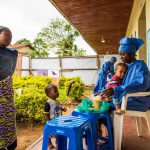
    Frontline health workers represent the lifeblood of many healthcare systems in low- and middle-income countries around the world. Often overworked and underpaid, these workers operate outside hospital settings to meet the community’s poorest people where they live and work, ensuring healthcare initiatives impact the families that need them most.

    Read More

    Views: 0

  • Shortage of personal protective equipment endangering health workers worldwide

    WHO calls on industry and governments to increase manufacturing by 40 per cent to meet rising global demand

    The World Health Organization has warned that severe and mounting disruption to the global supply of personal protective equipment (PPE) – caused by rising demand, panic buying, hoarding and misuse – is putting lives at risk from the new coronavirus and other infectious diseases.

    Healthcare workers rely on personal protective equipment to protect themselves and their patients from being infected and infecting others.

    But shortages are leaving doctors, nurses and other frontline workers dangerously ill-equipped to care for COVID-19 patients, due to limited access to supplies such as gloves, medical masks, respirators, goggles, face shields, gowns, and aprons.

    “Without secure supply chains, the risk to healthcare workers around the world is real. Industry and governments must act quickly to boost supply, ease export restrictions and put measures in place to stop speculation and hoarding. We can’t stop COVID-19 without protecting health workers first,” said WHO Director-General Dr Tedros Adhanom Ghebreyesus.

    Since the start of the COVID-19 outbreak, prices have surged. Surgical masks have seen a sixfold increase, N95 respirators have trebled and gowns have doubled.

    Supplies can take months to deliver and market manipulation is widespread, with stocks frequently sold to the highest bidder.

    WHO has so far shipped nearly half a million sets of personal protective equipment to 47 countries,* but supplies are rapidly depleting.

    Based on WHO modelling, an estimated 89 million medical masks are required for the COVID-19 response each month. For examination gloves, that figure goes up to 76 million, while international demand for goggles stands at 1.6 million per month. 

    Recent WHO guidance calls for the rational and appropriate use of PPE in healthcare settings, and the effective management of supply chains.

    WHO is working with governments, industry and the Pandemic Supply Chain Network to boost production and secure allocations for critically affected and at-risk countries.

    To meet rising global demand, WHO estimates that industry must increase manufacturing by 40 per cent.

    Governments should develop incentives for industry to ramp up production. This includes easing restrictions on the export and distribution of personal protective equipment and other medical supplies. 

    Every day, WHO is providing guidance, supporting secure supply chains, and delivering critical equipment to countries in need.  

     *** 

    NOTE TO EDITORS

    Since the start of the COVID-19 outbreak, countries that have received WHO PPE supplies include:

    • Western Pacific region: Cambodia, Fiji, Kiribati, Lao People’s Democratic Republic, Mongolia, Nauru, Papua New Guinea, Samoa, Solomon Islands, Tonga, Vanuatu and the Philippines
    • Southeast Asia region: Bangladesh, Bhutan, Maldives, Myanmar, Nepal and Timor-Leste
    • Eastern Mediteranean region: Afghanistan, Djibouti, Lebanon, Somalia, Pakistan, Sudan, Jordan, Morocco and Iran
    • Africa region: Senegal, Algeria, Ethiopia, Togo, Ivory Coast, Mauritius, Nigeria, Uganda, Tanzania, Angola, Ghana, Kenya, Zambia, Equatorial Guinea, Gambia, Madagascar, Mauritania, Mozambique, Seychelles and Zimbabwe


    Read More
    https://www.who.int/news-room/detail/03-03-2020-shortage-of-personal-protective-equipment-endangering-health-workers-worldwide

    Views: 0

  • Simplified modelling of application and infrastructure

    Simplified modelling of application and infrastructure

    In recent years, the global market has seen a tremendous rise in utility computing, which serves as the back-end for practically any new technology, methodology or advancement in ICT, from healthcare to aerospace. The industry is entering a new era of heterogeneous, software-defined, high-performance computing environments and brings with it new challenges.

    Read More

    Views: 0

  • Assessing national guidelines on responding to violence against children in the Eastern Mediterranean Region

    Assessing national guidelines on responding to violence against children in the Eastern Mediterranean Region

    In 2019 WHO published guidelines on the health sector response to child maltreatment which describe the role of frontline healthcare providers in recognizing child abuse and neglect and providing appropriate physical and mental health care to child victims of violence. WHO’s Regional Office for the Eastern Mediterranean is using these guidelines to assess and where needed improve existing national health protocols to ensure that child victims of violence receive appropriate support and treatment.


    Assessing national guidelines on responding to violence against children in the Eastern Mediterranean Region
    Read More
    https://www.who.int/news-room/detail/18-02-2020-assessing-national-guidelines-on-responding-to-violence-against-children-in-the-eastern-mediterranean-region

    Views: 0

  • Pregnancy and breastfeeding during an Ebola virus outbreak

    Pregnancy and breastfeeding during an Ebola virus outbreak

    Women who are pregnant or breastfeeding in an Ebola outbreak face similar challenges as other population groups, but they have specific health needs which must be met.

    As the second largest Ebola outbreak in history continues in the Democratic Republic of Congo, WHO has released new clinical guidelines for healthcare providers supporting pregnant or breastfeeding women in the context of Ebola virus disease.

    Improving clinical care and reducing mortality

    92-4-000138-1Clear and coherent guidance is needed to meet the combined needs of women requiring Ebola treatment, pregnancy care and management of complications.

    Information on how to protect breastfeeding children and other members in the community from transmission of the disease is also critical.

    Limited scientific evidence on how to best manage these needs has previously been a challenge for affected countries. In addition, misconceptions that pregnant women have a higher mortality rate than other populations with Ebola may in some contexts have put pregnant women at risk of not receiving standard care.

    WHO’s Guideline on the management of pregnant and breastfeeding women in the context of Ebola virus reviews existing evidence and provides a single set of recommendations on the care continuum for women exposed to, diagnosed with, or recovered from Ebola.

    This will enable healthcare providers, emergency response teams and health policy-makers to improve prevention and treatment measures in an Ebola outbreak.

    Obstetric care at an Ebola Treatment Centre

    Optimal supportive care should be offered to all pregnant women with Ebola. Likewise, they should be offered experimental treatment and vaccination under the same conditions as non-pregnant populations.

    Ebola virus disease does increase the risk of miscarriage and early labour, requiring close clinical management at Ebola treatment centres. It is important to engage both obstetric providers and those trained in Ebola response.

    This dual expertise is also important because early Ebola and pregnancy-related symptoms can overlap. Pregnant women should be prioritised for testing to confirm an Ebola infection.

    Ebola virus can persist in pregnancy related fluids as well as breastmilk. If healthcare providers are not clear on how to manage Ebola infection risk, they may be less willing to provide care. This stigma can be life-threatening for women who experience complications during delivery.

    The new WHO guidelines advise healthcare workers on how to protect themselves while caring for pregnant women with Ebola virus disease. This includes induced labour or surgical procedures, which carry greater risk of transmission in cases of acute infection. Any invasive treatments should be carried out in full personal protective equipment.

    Breastfeeding recommendations in an Ebola outbreak

    WHO recommends that women with suspected or confirmed Ebola immediately stop breastfeeding and are prioritised for diagnostic testing. Any child exposed to Ebola through breast milk should be placed into safe care, closely monitored for symptoms over a 21-day period and fed with an appropriate breast milk substitute.  

    The guidelines strongly recommend that breastfeeding is only restarted following two consecutive negative tests of breast milk, separated by 24 hours.

    A breast milk substitute should be used even if infection is confirmed for both the mother and her child. Exceptions can be made for infants under 6 months of age who are already infected, if breast milk substitutes are not feasible, affordable, sustainable or safe and separation cannot be implemented safely.

    Women’s health and rights in a disease outbreak

    A disease outbreak does not change women’s and adolescent girls’ fundamental human right to sexual and reproductive healthcare, including evidence-based care during pregnancy and childbirth.

    Women need support to make informed reproductive health care choices for themselves and their children. Women living in an Ebola outbreak should have access to all relevant reproductive options, regardless of economic, cultural, racial or religious status, including contraception and safe abortion to the full extent of the law.

    Pregnant and breastfeeding women across affected communities need equitable and respectful care that considers the risks they face and supports the choices they make.

    Accessing the guidelines and further research

    These guidelines are now available online and may be freely downloaded. The executive summary will be available in French.

    WHO will closely monitor new data as it emerges, as there is still a pressing need to prioritise ongoing research related to Ebola virus transmission.


    Pregnancy and breastfeeding during an Ebola virus outbreak
    Read More
    https://www.who.int/news-room/detail/10-02-2020-pregnancy-and-breastfeeding-during-an-ebola-virus-outbreak

    Views: 0

  • WHO and FIND formalize strategic collaboration to drive universal access to essential diagnostics

    Geneva, Switzerland – 10 February 2020 – The World Health Organization (WHO) and the Foundation for Innovative New Diagnostics (FIND) announced today that a memorandum of understanding has been signed by the two organizations to formalize a strategic collaboration that will strengthen diagnosis in resource-poor countries by closing major diagnostic gaps at country level and bolstering disease surveillance that will inform public health initiatives and enhance outbreak preparedness and response.

    “This collaboration is an inspiring development that will take us a long way towards ensuring access to diagnostics to all who need them,” said Dr Tedros Adhanom Ghebreyesus, Director-General of the World Health Organization. “Global health challenges such as the ongoing novel coronavirus (2019-nCoV) outbreak demonstrates that without these essential elements of health systems, we cannot hope to promote health, keep the world safe, and serve the vulnerable. I look forward to working closely with FIND to determine what countries need and to forge a path to deliver these innovations so that no one is left behind.”

    Diagnosis is a driver of patient, financial and health systems impact, and a critical enabler of universal health coverage, but it is also the weakest link in the care cascade. This is especially true in primary healthcare settings in low- and middle-income countries. A unique and unprecedented opportunity exists to expand the role and impact of diagnostics to fully realize their potential to address major health security threats and evolving disease burdens through technological and digital advances.

    FIND has been an active partner with WHO since 2008 and a WHO Collaborating Centre since 2014, acting in the areas of laboratory strengthening and diagnostic technology evaluation. This expanded collaboration will put in place the building blocks necessary to enable transformative change in a move toward a country-led diagnostics alliance. Initial workstreams will focus on demand-driven access to essential diagnostics and the development of national Essential Diagnostics Lists, alongside collection of data that assist the scale up of diagnostics to support low- and middle-income countries on their paths to universal health coverage.

    “Each and every person has the right to a quality, timely diagnosis,” said Catharina Boehme, CEO of FIND. “Comprehensive diagnostic services underpin functional and efficient health systems not only to manage day-to-day healthcare needs, but also to ensure new disease outbreaks can be spotted and contained quickly. Working closely with WHO as part of a country-led alliance, we will strive to ensure that low- and middle-income countries have what they need to develop their own comprehensive, data-driven diagnostic strategies that enable universal health coverage and empower disease surveillance. Our ambition is that all patients, providers and decision-makers have access to the diagnostic solutions needed for optimal health outcomes.”

    The strategic collaboration agreement will initially run for a period of 5 years, until 2025.

    #  #  #

    About FIND

    FIND is a global non-profit organization that drives innovation in the development and delivery of diagnostics to combat major diseases affecting the world’s poorest populations. Our work bridges R&D to access, overcoming scientific barriers to technology development; generating evidence for regulators and policy-makers; addressing market failures; and enabling accelerated uptake and access to diagnostics in low- and middle-income countries (LMICs). Since 2003, we have been instrumental in the development of 24 new diagnostic tools used in 150 LMICs. Over 50 million FIND-supported products have been provided to our target markets since the start of 2015. A WHO Collaborating Centre, we work with more than 200 academic, industry, governmental, and civil society partners worldwide, on over 70 active projects that cross six priority disease areas. FIND is committed to a future in which diagnostics underpin treatment decisions and provide the foundation for disease surveillance, control and prevention. For more information, please visit www.finddx.org


    About WHO

    The World Health Organization is the directing and coordinating authority for health within the United Nations system. It is responsible for providing leadership on global health matters, shaping the health research agenda, setting norms and standards, articulating evidence-based policy options, providing technical support to countries and monitoring and assessing health trends. WHO is committed to the enjoyment of the highest attainable standard of health as one of the fundamental rights of every human being without distinction of race, religion, political belief, economic or social condition. WHO’s current global programme of work sets out three interconnected strategic priorities: ensuring healthy lives and well-being for all at all ages; achieving universal health coverage; and addressing health emergencies and promoting healthier populations. These priorities are linked to three ambitious targets, the “triple billion”: one billion more people to benefit from universal health coverage; one billion more people better protected from health emergencies; and one billion more people enjoying better health and well-being.


    Read More
    https://www.who.int/news-room/detail/10-02-2020-who-and-find-formalize-strategic-collaboration-to-drive-universal-access-to-essential-diagnostics

    Views: 0

  • Female Genital Mutilation Hurts Women and Economies

    Female Genital Mutilation Hurts Women and Economies

    Female genital mutilation (FGM) exacts a crippling economic as well as human cost, according to World Health Organization (WHO).

    “FGM is not only a catastrophic abuse of human rights that significantly harms the physical and mental health of millions of girls and women; it is also a drain on a country’s vital economic resources,” said Dr Ian Askew, Director of WHO’s Department of Sexual and Reproductive Health and Research. “More investment is urgently needed to stop FGM and end the suffering it inflicts.”

    New modelling reveals that the total costs of treating the health impacts of FGM would amount to USD 1.4 billion globally per year, if all resulting medical needs were addressed. For individual countries, these costs would near 10% of their entire yearly expenditure on health on average; in some countries, this figure rises to as much as 30%.

    The interactive modelling tool that generated these data was launched on the International Day of Zero Tolerance for Female Genital Mutilation.

    Severe physical and mental health impacts for women and girls

    Women and girls living with FGM face serious risks to their health and well-being. These include immediate consequences after being cut, such as infections, bleeding or psychological trauma, as well as chronic health conditions that can occur throughout life.

    Women who have undergone the procedure are more likely to experience life-threatening complications during childbirth. They may face mental health disorders or suffer chronic infections. They may also have pain or problems when they menstruate, urinate or have sexual intercourse. 

    All of these conditions warrant much-needed medical attention and care.

    “High healthcare costs for countries mount because of the tragic personal impacts on women and girls. Governments have a moral responsibility to help end this harmful practice,” says Dr Prosper Tumusiime, Acting Director for Universal Health Coverage and the Life Course in the African Regional Office of WHO. “FGM hurts girls, imposes lifelong health risks on the women they become, and strains the healthcare systems that need to treat them.”

    Preventing FGM brings major benefits for women, girls, communities and economies

    Using data from 27 high-prevalence countries, the Cost Calculator demonstrates clear economic benefits from ending FGM. If it were abandoned now, it shows that the associated savings in health costs would be more than 60% by 2050.

    In contrast, if no action is taken, it is estimated that these costs will soar by 50% over the same time period, as populations grow and as more girls undergo the procedure.

    Since 1997, great efforts have been made to end FGM, through work within communities, research, and changes in legislation and policy. 26 countries in Africa and the Middle East now explicitly legislate against FGM, as well as 33 other countries with migrant populations from FGM-practicing countries.

    WHO is also working with countries to raise awareness of the harmful impacts of the practice among their health workers, and to engage them in prevention efforts.

    “Many countries and communities are showing that abandoning female genital mutilation is possible,” states Dr Christina Pallitto, scientist at WHO. “If countries invest to end female genital mutilation, they can prevent their girls from undergoing this harmful practice and promote the health, rights and well-being of women and girls.”

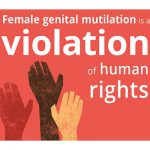
    Female genital mutilation is internationally recognized as a human rights violation. It has no medical benefits and causes only harm. WHO’s position is that FGM must never be carried out.

    Further information

    The FGM Cost Calculator will be available here, as of 00:30 CET 6 February 2020:
    www.who.int/news-room/detail/06-02-2020-economic-cost-of-female-genital-mutilation

    More on FGM

    Notes for Editors

    About FGM

    FGM includes procedures that intentionally alter or cause injury to the female genital organs for non-medical reasons. More than 200 million girls and women alive today are estimated to have undergone the practice across 30 countries in Africa, the Middle East and Asia where FGM is concentrated.

    FGM is mostly carried out on young girls between infancy and 15 years of age.

    About the FGM Cost Calculator

    The WHO FGM Cost Calculator shows the economic cost of treating the health complications caused by FGM across 27 high-prevalence countries. These costs were calculated using the WHO One Health tool and other available scientific evidence.

    Users of the tool can calculate costs by country in a ‘business as usual’ scenario; a scenario of partial abandonment of FGM, and full abandonment of FGM over a 30-year period. In addition, the distribution of costs by different types of health complications is presented by country.

    The tool does not consider other indirect costs that hit families and communities, or the socio-economic impacts of the practice, which would be significantly higher still.

    The 27 countries modelled include Benin, Burkina Faso, Central African Republic, Còte d’Ivoire, Cameroon, Chad, Djibouti, Egypt, Eritrea, Ethiopia, Ghana, Guinea, Gambia, Guinea-Bissau, Iraq, Kenya, Mali, Mauritania, Niger, Nigeria, Soudan, Senegal, Sierra Leone, Somalia, Togo, United Republic of Tanzania, Yemen.

    Female Genital Mutilation Hurts Women and Economies
    Read More
    https://www.who.int/news-room/detail/06-02-2020-female-genital-mutilation-hurts-women-and-economies

    Views: 0

  • Repricing on Health Insurance Claims

    [ad_1]

    We have all heard the stories of the emergency room claim that cost $10,000 for a broken thumb, or the person who had to file bankruptcy from the huge bill while using a network outside of their HMO. These stories have been the fuel for arguments on what should be done with our Nation’s healthcare system. The truth is these stories occur more than most people realize, and many have misconceptions on how this happens. This is why it is crucial to have the right billing network to take advantage of most favorable, predetermined pricing available.

    Lets take a look at a couple of scenarios where one person is stuck with a high medical bill and the other is protected. Suppose that two people walk into an emergency room for the same injury, one having adequate health insurance and the other having none. The emergency room is going to immediately know that each patient will be billed differently. The person with the right network billing plan will be able to take advantage of a nationwide network, allowing predetermined pricing for most any medical condition you can name. The other will be at the mercy of what the emergency room decides to charge. Depending on the medical condition, the difference of what is paid out could be upwards of tens of thousands of dollars. The catch is, in order to receive this predetermined billing you must have access to the participating billing network.

    When you take a closer look at how these billing networks work it becomes clear where you may be exposed, especially on smaller networks. No one knows this better than the self employed and those who do not get insurance offered through work. When an individual purchases health insurance on the exchange (Healthcare.gov), the only network options available in Texas are HMO, or restricted networks. These networks are formed for the insurance company and the medical institution to share losses, while hoping to bring in excess volume of patients to offset the claims. Even these smaller type of HMO networks can have big holes in their billing networks. For example, if an individual has a surgery within their HMO network they may still have an unpleasant surprise when the final bill comes. Although their surgeon is likely covered, both the anesthesiologist and the surgical tools rented for the surgery might fall out of the billing HMO network, causing thousands of dollars to be paid by the patient. You guessed it, not a word of warning, just a bill that the health insurance will not cover well after the surgery.

    The only way to avoid a small HMO network pricing trap is to take advantage of much larger billing networks, allowing you to avoid the uncovered pitfalls. These larger networks, or providers, can have hundreds of thousands of doctors and medical institutions participating coast to coast. Many of these nationwide networks make it mandatory for their preferred discount to be the primary, or front runner, method of billing, protecting the patient’s financial interests from any threat of overpricing. In fact, these predetermined pricing modules are so accurate some insurance companies form their coverage to mirror the preferred billing, therefore limiting the out of pocket expense by thousands of dollars. Those who utilize this service can rest easy knowing that their interests will be protected moving forward from the right billing network with unrestricted networks nationwide.

    Although these billing network giants are elusive in today’s ACA health insurance environment, they do exist across the nation, Texas included. In fact, I have helped dozens and dozens of clients take advantage of these unrestricted networks over the last few months alone, at much more reasonable premiums than ACA policies. It is important to consider the network billing plans when choosing the right heath insurance plan for your family, especially for those who do not qualify for a subsidy (Federal income credit given to those with limited financial means). It is extremely important to speak to a health insurance professional who has access to these unrestricted billing networks, in order to protect your financial interests.

    [ad_2]

    Source by Cal J Burgess

    Views: 0