Iron in the tank. It seems like a fairy tale, but iron has a bright future as a fuel. Clean from the pump, no CO2 emissions, that’s what researchers at Eindhoven University of Technology say.
Read More
Views: 0

Iron in the tank. It seems like a fairy tale, but iron has a bright future as a fuel. Clean from the pump, no CO2 emissions, that’s what researchers at Eindhoven University of Technology say.
Read More
Views: 0

As the current outbreak of the Coronavirus Disease (COVID-19) continues to develop, the World Health Organization (WHO) and the World Tourism Organization (UNWTO) are committed to working together in guiding the travel and tourism sectors’ response to COVID-19.
On 30 January 2020, the Director-General of the World Health Organization (WHO) declared the outbreak of COVID-19 to be a Public Health Emergency of International Concern and issued a set of Temporary Recommendations. WHO did not recommend any travel or trade restriction based on the current information available. WHO is working closely with global experts, governments and partners to rapidly expand scientific knowledge on this new virus, to track the spread and virulence of the virus, and to provide advice to countries and the global community on measures to protect health and prevent the spread of this outbreak.
Cooperation is key
The tourism sector is fully committed to putting people and their well-being first. International cooperation is vital for ensuring the sector can effectively contribute to the containment of COVID-19. UNWTO and WHO are working in close consultation and with other partners to assist States in ensuring that health measures be implemented in ways that minimize unnecessary interference with international traffic and trade.
Tourism’s response needs to be measured and consistent, proportionate to the public health threat and based on local risk assessment, involving every part of the tourism value chain – public bodies, private companies and tourists, in line with WHO’s overall guidance and recommendations.
UNWTO and WHO stand ready to work closely with all those communities and countries affected by the current health emergency, to build for a better and more resilient future. Travel restrictions going beyond these may cause unnecessary interference with international traffic, including negative repercussions on the tourism sector.
At this challenging time, UNWTO and WHO join the international community in standing in solidarity with affected countries.

Read More
https://www.who.int/news-room/detail/27-02-2020-a-joint-statement-on-tourism-and-covid-19—unwto-and-who-call-for-responsibility-and-coordination
Views: 0
An interactive data tool launched by WHO reveals for the first time the current and future financial cost of health care for women living with conditions caused by female genital mutilation (FGM).
The total costs amount to USD 1.4 billion annually.

The FGM Cost Calculator is being launched on this year’s International Day of Zero Tolerance for FGM. This new tool shows that if FGM were abandoned now the associated savings
in health costs would be more than 60% by 2050. This data, available for 27 of the 30 countries where FGM is practiced, will strengthen the economic argument of community activists, policy makers, programme planners and donors working to end this
human rights violation.
Q&As on the FGM Cost Calculator
Access the FGM Cost Calculator
FGM includes procedures that intentionally alter or cause injury to the female genital organs for non-medical reasons. More than 200 million girls and women alive today have been cut in 30 countries in Africa, the Middle East and Asia where FGM is concentrated.
[1] An extreme form of gender discrimination, it is recognized internationally as a violation of the human rights of girls and women: including the right to health, security and physical integrity and the right to be free from torture and cruel, inhuman
or degrading treatment.
FGM has no health benefits and causes only harm. Women and girls who are subjected to FGM are at risk of both short- and long-term negative health consequences – including for their physical, sexual, mental, and social well-being.
The direct financial cost of treating the negative health complications caused by FGM can span generations, starting as early as childbirth. This puts a significant economic burden on health systems and national budgets, especially in countries with rates
of FGM greater than 10%.
Until now, there have been limited data on the financial costs associated with FGM, making it hard to demonstrate the cost-effectiveness of programmes and policies that can prevent FGM by 2030 – a global priority in the Sustainable Development Agenda.
The new WHO Cost Calculator now provides an economic argument which can be used by those advocating for an end to FGM.
Users of the new FGM Cost Calculator can choose a country and identify current costs of treating health conditions caused by FGM. Since the tool is interactive, it produces bespoke graphs showing the potential amount of money saved if FGM is prevented
by a selected percentage.
If no action is taken to prevent FGM, it is estimated that related health costs will soar by 50% by 2050, as populations grow and as more girls undergo the procedure.
The FGM Cost Calculator combines data on health risk associated with FGM, health costs and national FGM prevalence to analyze the economic impact on national health services of treating the consequences of these harmful practices.
Health risk data were taken from a WHO database created for this analysis, pooling all available information from systematic reviews of health consequences of FGM. The following categories were used, each with a biological link to FGM: gynaecological,
obstetric, urological, mental and sexual, as well as the immediate health complications that can result following the cutting.
To be included in the calculator, a health condition needed to show evidence of increased risk when comparing women with and without FGM. It also needed to have a treatment which could be implemented and costed in the health sector.
Health costs were calculated from the WHO One Health Tool and other data. The financial burden of treating selected health conditions was calculated at a national level.
Rates of FGM have declined over the past 30 years, but not fast enough to keep up with population growth. If trends continue, the number of girls and women undergoing FGM will rise significantly in the next 15 years, in turn raising national health care
costs of caring for them.
Additional resources are urgently needed to scale up interventions that can prevent FGM in the future and reduce health complications.
By providing quantifiable numbers on the cost of treating health conditions directly linked to FGM, for the first time, the FGM Cost Calculator can be a crucial tool in building an investment case for a future where no girl or woman is cut.
[1] Female Genital Mutilation/Cutting: A Global Concern, UNICEF, New York, 2016

Read More
https://www.who.int/news-room/detail/06-02-2020-economic-cost-of-female-genital-mutilation
Views: 0
Vaccination, screening, treatment and palliative care are the key interventions of WHO’s Draft Global Strategy towards the Elimination of Cervical Cancer as a Public Health Problem,
the fourth most common cancer in women.
On World Cancer Day, new estimates show that this strategy could save more than 62 million girls and women from a cervical cancer death and prevent 74 million cases within the next 100 years – but only if these interventions are used effectively
together.
These estimates, published by the WHO Cervical Cancer Elimination Modelling Consortium (CCEMC) in The Lancet, are based on the draft strategy’s targets to achieve a global coverage of 90% vaccination, 70% screening and 90% treatment by 2030.

Developed by Member States, UN agencies and other partners, the draft global strategy seeks to redress the unequal burden of cervical cancer around the world. Nine in 10 cervical cancer deaths occur in low and lower-middle-income countries, where
women lack access to health services.
As Dr Tedros Adhanom Ghebreyesus, WHO’s Director-General has said, “It doesn’t have to be this way. Cervical cancer
is one of the most preventable and treatable forms of cancer, as long as it is detected early and managed effectively.”
This new analysis compares the impact of vaccination, screening and treatment of cervical pre-cancer lesions as single or combined interventions. Focusing on 78 countries where cervical cancer mortality is highest, the results clearly show that no
single intervention will be sufficient to reduce levels of cervical cancer in the next 100 years to below the elimination target of 4 cases per 100,000 women per year.
Acting immediately on all three fronts is crucial.
Vaccinating girls against cancer-causing types of human papillomavirus (HPV) before the age of 15 is the foundation for bringing every country’s incidence rate of cervical cancer down to the agreed elimination level.
Right now, however, vaccination is not enough. As a single strategy, vaccination targets would only deliver a 0.1% reduction in cervical cancer mortality by 2030. Scaling up screening and treatment of cervical pre-cancer lesions at the same time would
reduce mortality by more than one third, or 300,000 deaths, in the same period.
The evidence shows that when all adult women are screened for cervical cancer at least twice, at ages 35 and 45, abnormalities are more likely to be detected before they become cancerous. When cancer has developed, screening increases a women’s
likelihood of early and successful treatment, as well as palliative care if recovery is no longer an option.
Meeting these triple-intervention targets would be a major contribution to target 3.4 of the UN Sustainable Development Goals (SDGs), a one-third reduction in premature mortality from non-communicable diseases by 2030.
WHO’s global strategy towards eliminating cervical cancer aims to set the world on the right track by 2030, but it is just the beginning.
At this pace, global elimination of cervical cancer is not predicted until 2120.
While high HPV vaccination coverage is the primary prevention intervention, ensuring every woman has two cervical screenings in her life would accelerate elimination by 11 – 31 years, depending on the country.
If no action is taken, cervical cancer deaths will rise almost 50% by 2030. Approval of the draft global strategy at the WHO World Health Assembly in 2020, and investment in mechanisms to deliver it, is vital.
As the new World Cancer Report shows, only 18% of countries that currently provide screening for cervical cancer reached the recommended target of more than 70% coverage. An estimated 55% of low-income countries that reported offering
cervical cancer screening generally lack accessible radiotherapy or surgery services.
Elimination of cervical cancer is possible within the lifetime of today’s youngest girls, but the clock starts now and every intervention counts.

Read More
https://www.who.int/news-room/detail/04-02-2020-to-eliminate-cervical-cancer-in-the-next-100-years
Views: 0
The World Health Organization (WHO) today spells out the need to step up cancer services in low and middle-income countries. WHO warns that, if current trends continue, the world will see a 60% increase in cancer cases over the next two decades. The greatest increase (an estimated 81%) in new cases will occur in low- and middle-income countries, where survival rates are currently lowest.
This is largely because these countries have had to focus limited health resources on combating infectious diseases and improving maternal and child health, while health services are not equipped to prevent, diagnose and treat cancers. In 2019, more than 90% of high-income countries reported that comprehensive treatment services for cancer were available in the public health system compared to less than 15% of low-income countries.
“This is a wake-up call to all of us to tackle the unacceptable inequalities between cancer services in rich and poor countries,” says Dr Ren Minghui, Assistant Director-General, Universal Health Coverage/ Communicable and Noncommunicable Diseases, World Health Organization. “If people have access to primary care and referral systems then cancer can be detected early, treated effectively and cured. Cancer should not be a death sentence for anyone, anywhere.”
Yet, progress in poorer countries is achievable. WHO and the International Agency for Research on Cancer (IARC) are releasing two coordinated reports on World Cancer Day (4 February), in response to government calls for more research into the scope and potential policies and programmes to improve cancer control.
“At least 7 million lives could be saved over the next decade, by identifying the most appropriate science for each country situation, by basing strong cancer responses on universal health coverage, and by mobilizing different stakeholders to work together”, said Dr Tedros Adhanom Ghebreyesus, Director-General, WHO.
WHO highlights a wide range of proven interventions to prevent new cancer cases. These include controlling tobacco use (responsible for 25% of cancer deaths), vaccinating against hepatitis B to prevent liver cancer, eliminating cervical cancer by vaccinating against HPV, screening and treatment, implementing high-impact cancer management interventions that bring value for money and ensuring access to palliative care including pain relief.
“The past 50 years have seen tremendous advances in research on cancer prevention and treatment,” says Dr Elisabete Weiderpass, Director of IARC. “Deaths from cancer have been reduced. High-income countries have adopted prevention, early diagnosis and screening programmes, which together with better treatment, have contributed to an estimated 20% reduction in the probability of premature mortality between 2000 and 2015, but low-income countries only saw a reduction of 5%. We need to see everyone benefitting equally.” The challenge will be for countries to select treatments balancing considerations including cost, feasibility and effectiveness. Each government is tasked with choosing the appropriate innovative cancer therapies, while recognizing that established treatments, many of which are very effective and affordable, can provide benefits for cancer without causing financial hardship.
World Health Organization
Report on Cancer: Setting priorities, investing wisely and providing care for all
The report aims to set the global agenda on cancer, mobilize stakeholders and help countries set priorities for investing in cancer control and universal health coverage. It introduces the principles, tools and current priority cancer control interventions in the context of the current and future cancer burden and opportunities.
International Agency for Research on Cancer
World Cancer Report “Cancer research for cancer prevention”
The report focuses on prevention and offers the most comprehensive overview of relevant research available to date, ranging from descriptive etiology, cellular and molecular biology, toxicology and pathology through to behavioural and social science. Key chapters include discussions on the impact of inequalities in cancer, vaccination and screening, genomic individual susceptibility to cancer and the finer identification of those at risk, which may allow ‘precision cancer prevention’.

Read More
https://www.who.int/news-room/detail/04-02-2020-who-outlines-steps-to-save-7-million-lives-from-cancer
Views: 0
No single country is adequately protecting children’s health, their environment and their futures, finds a landmark report released today by a Commission of over 40 child and adolescent health experts from around the world. The Commission was convened by the World Health Organization (WHO), UNICEF and The Lancet.
The report, A Future for the World’s Children?, finds that the health and future of every child and adolescent worldwide is under immediate threat from ecological degradation, climate change and exploitative marketing practices that push heavily processed fast food, sugary drinks, alcohol and tobacco at children.
“Despite improvements in child and adolescent health over the past 20 years, progress has stalled, and is set to reverse,” said former Prime Minister of New Zealand and Co-Chair of the Commission, Helen Clark. “It has been estimated that around 250 million children under five years old in low- and middle-income countries are at risk of not reaching their developmental potential, based on proxy measures of stunting and poverty. But of even greater concern, every child worldwide now faces existential threats from climate change and commercial pressures.
“Countries need to overhaul their approach to child and adolescent health, to ensure that we not only look after our children today but protect the world they will inherit in the future,” she added.
The report includes a new global index of 180 countries, comparing performance on child flourishing, including measures of child survival and well-being, such as health, education, and nutrition; sustainability, with a proxy for greenhouse gas emissions, and equity, or income gaps. [Top & Bottom 10 countries; Full Global Index on pp. 35-38] [1]
According to the report, while the poorest countries need to do more to support their children’s ability to live healthy lives, excessive carbon emissions – disproportionately from wealthier countries – threaten the future of all children. If global warming exceeds 4°C by the year 2100 in line with current projections, this would lead to devastating health consequences for children, due to rising ocean levels, heatwaves, proliferation of diseases like malaria and dengue, and malnutrition.
The index shows that children in Norway, the Republic of Korea, and the Netherlands have the best chance at survival and well-being, while children in Central African Republic, Chad, Somalia, Niger and Mali face the worst odds. However, when authors took per capita CO2 emissions into account, the top countries trail behind: Norway ranked 156, the Republic of Korea 166, and the Netherlands 160. Each of the three emits 210% more CO2 per capita than their 2030 target. The United States of America (USA), Australia, and Saudi Arabia are among the ten worst emitters.
“More than 2 billion people live in countries where development is hampered by humanitarian crises, conflicts, and natural disasters, problems increasingly linked with climate change,” said Minister Awa Coll-Seck from Senegal, Co-Chair of the Commission. “While some of the poorest countries have among the lowest CO2 emissions, many are exposed to the harshest impacts of a rapidly changing climate. Promoting better conditions today for children to survive and thrive nationally does not have to come at the cost of eroding children’s futures globally.”
The only countries on track to beat CO2 emission per capita targets by 2030, while also performing fairly (within the top 70) on child flourishing measures are: Albania, Armenia, Grenada, Jordan, Moldova, Sri Lanka, Tunisia, Uruguay and Viet Nam.
The report also highlights the distinct threat posed to children from harmful marketing. Evidence suggests that children in some countries see as many as 30,000 advertisements on television alone in a single year, while youth exposure to vaping (e-cigarettes) advertisements increased by more than 250% in the USA over two years, reaching more than 24 million young people.
Professor Anthony Costello, one of the Commission’s authors, said: “Industry self-regulation has failed. Studies in Australia, Canada, Mexico, New Zealand and the USA – among many others – have shown that self-regulation has not hampered commercial ability to advertise to children. For example, despite industry signing up to self-regulation in Australia, children and adolescent viewers were still exposed to 51 million alcohol ads during just one year of televised football, cricket and rugby. And the reality could be much worse still: we have few facts and figures about the huge expansion of social media advertising and algorithms aimed at our children.”
Children’s exposure to commercial marketing of junk food and sugary beverages is associated with purchase of unhealthy foods and overweight and obesity, linking predatory marketing to the alarming rise in childhood obesity. The number of obese children and adolescents increased from 11 million in 1975 to 124 million in 2016 – an 11-fold increase, with dire individual and societal costs.
To protect children, the independent Commission authors call for a new global movement driven by and for children. Specific recommendations include:
Dr. Richard Horton, Editor-in-Chief of The Lancet family of journals, said: “The opportunity is great. The evidence is available. The tools are at hand. From heads-of-state to local government, from UN leaders to children themselves, this Commission
calls for the birth of a new era for child and adolescent health. It will take courage and commitment to deliver. It is the supreme test of our generation.”
“From the climate crisis to obesity and harmful commercial marketing, children around the world are having to contend with threats that were unimaginable just a few generations ago,” said Henrietta Fore, UNICEF Executive Director. “It
is time for a rethink on child health, one which places children at the top of every government’s development agenda and puts their well-being above all considerations.”
“This report shows that the world’s decision makers are, too often, failing today’s children and youth: failing to protect their health, failing to protect their rights, and failing to protect their planet,” Dr Tedros Adhanom Ghebreyesus,
Director-General of the World Health Organization said. “This must be a wakeup call for countries to invest in child health and development, ensure their voices are heard, protect their rights, and build a future that is fit for children.”
Notes to editors
[1] About the index; please see pp. 35-38 of the report, with technical details in the Annex, pp. 19-72
[2] This Commission was funded by the Bill & Melinda Gates Foundation.
For more information or to set up interviews with report authors, please contact any of the listed media contacts.

Read More
https://www.who.int/news-room/detail/19-02-2020-world-failing-to-provide-children-with-a-healthy-life-and-a-climate-fit-for-their-future-who-unicef-lancet
Views: 0
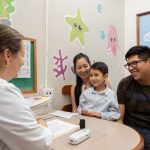
Peru shows the way forward and the courage of Ander Martinez
“When Ander was diagnosed, I didn´t have the possibility to cover the cost of the treatment. It was very expensive, and I had nothing,” says Rosalina Tocto, 29 years mother of Ander Martínez Tocto. Ander had just been diagnosed with acute leukemia at the young age of 6 years. From the beginning, the odds were stacked against him. He and his family lived in a rural town, six hours from the nearest city. His parents did not have a formal job, placing the family under financial strain.
Ander and his family were not alone in this situation. “In Peru, nearly 1800 children and adolescents are diagnosed with cancer every year; however, up to 70% will have a late stage, often metastatic due to delays in diagnosis,” says Dr. Juan García, medical chief of the Pediatric Department of in the National Institute of Neoplastic Diseases (INEN) in Lima, Peru. “Most of our patients come from outside Lima and the majority of parents do not have formal employment and therefore do not have any type of insurance.”
Fortunately, Peru has made a strong commitment to Universal Health Coverage. In 2009, a law was passed to improve access to care by introducing a mandatory health insurance system and registering everyone living in extreme poverty under Seguro Integral de Salud (SIS), regardless of age or circumstance.
Dr. Reina Bustamante, Executive Director of the Division of Prevention and Control of Cancer of the MINSA says “UHC is an important step in public health particularly for those who lack public or private insurance like Ander. In this context, we are trying to follow WHO guidance to achieve UHC and ensure all individuals and communities receive the health services they need without suffering financial hardship.”
In 2019, Peru was selected as a focus country for the WHO Global Initiative for Childhood Cancer as the first focus country in the Region. The Global Initiative aims to improve survival for all children with cancer to at least 60% by 2030 while reducing suffering, altogether with the potential to save an additional one million lives.
Four main goals were formulated for the national pediatric cancer plan: (1) improve early diagnosis of childhood cancer, (2) decrease treatment abandonment, (3) implement a national pediatric cancer registry and (4) improve the quality of services in pediatric oncology units.
Dr. Liliana Vasquez, pediatric oncologist who works as an external consultant for the Division of Prevention and Control of Cancer of MINSA said, “Ten working groups have been established to achieve the goals.”
Dr. Vivian Perez, advisor of the Non-Communicable Diseases Office in PAHO-Peru added “the initial focus for the Initiative will be on six cancers selected as tracers for monitoring progress across the health system, alongside engagement of at least six focus countries with a record of strong political commitment and foundational efforts supporting children with cancer.”
For Ander, his health care team, the commitments from the government of Peru and partners and Global Initiative have made it possible to be successfully treated and will now allow him to dream of a healthy future though better access to surveillance monitoring and psycho-oncological support aimed at childhood cancer survivors.
Peru is showing what is possible for all countries. By concerted action and promoting universal health coverage, every child in the world can have access to high-quality care with the greatest likelihood of survival, and every family should be protected from financial hardship. We can do more together.

Read More
https://www.who.int/news-room/detail/14-02-2020-who-global-initiative-for-childhood-cancer-progress-on-all-fronts
Views: 0
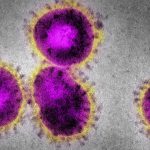
Leading health experts from around the world have been meeting at the World Health Organization’s Geneva headquarters to assess the current level of knowledge about the new COVID-19 disease, identify gaps and work together to accelerate and fund priority research needed to help stop this outbreak and prepare for any future outbreaks.
The 2-day forum was convened in line with the WHO R&D Blueprint – a strategy for developing drugs and vaccines before epidemics, and accelerating research and development while they are occurring.
“This outbreak is a test of solidarity — political, financial and scientific. We need to come together to fight a common enemy that does not respect borders, ensure that we have the resources necessary to bring this outbreak to an end and bring our best science to the forefront to find shared answers to shared problems. Research is an integral part of the outbreak response,” said WHO Director-General Dr Tedros Adhanom Ghebreyesus. “I appreciate the positive response of the research community to join us at short notice and come up with concrete plans and commitment to work together.”
The meeting, hosted in collaboration with GloPID-R (the Global Research Collaboration for Infectious Disease Preparedness) brought together major research funders and over 300 scientists and researchers from a large variety of disciplines. They discussed all aspects of the outbreak and ways to control it including:
“This meeting allowed us to identify the urgent priorities for research. As a group of funders we will continue to mobilize, coordinate and align our funding to enable the research needed to tackle this crisis and stop the outbreak, in partnership with WHO,” said Professor Yazdan Yazdanpanah, chair of GloPID-R. “Equitable access – making sure we share data and reach those most in need, in particular those in lower and middle-income countries, is fundamental to this work which must be guided by ethical considerations at all times.”
During the meeting, the more than 300 scientists and researchers participating both in person and virtually agreed on a set of global research priorities. They also outlined mechanisms for continuing scientific interactions and collaborations beyond the meeting which will be coordinated and facilitated by WHO. They worked with research funders to determine how necessary resources can be mobilized so that critical research can start immediately.
The deliberations will form the basis of a research and innovation roadmap charting all the research needed and this will be used by researchers and funders to accelerate the research response.
GloPID-R is a global alliance of international research funding organizations investing in preparedness and response to epidemics.

Read More
https://www.who.int/news-room/detail/12-02-2020-world-experts-and-funders-set-priorities-for-covid-19-research
Views: 0
Good afternoon everyone and apologies for being late, and apologies too from Dr Tedros, who is just about to land in the Democratic Republic of the Congo where he is following up on important Ebola matters and meeting with President Tshisekdi and many others to look at the future post-Ebola of the health system in Congo.
I’m sure you’ll understand how important a task and mission that is given the last year-and-a-half in Congo and the ongoing struggles in that country to deliver effective healthcare and reduce suffering and mortality from infectious diseases.
Let me start by updating you on the latest numbers.
In the last 24 hours China has reported 1,820 laboratory-confirmed cases, bringing the total to 46,550.
In addition, China reported 13,332 clinically confirmed cases in Hubei province, and crucially, we understand that most of these cases relate to a period going back over days and weeks and are retrospectively reported as cases, sometimes back to the beginning of the outbreak itself.
So this increase that you’ve all seen in the last 24 hours is largely down to a change in how cases are being diagnosed and reported.
So, in other words, in Hubei province only, a trained medical professional can now classify a suspected case of COVID-19 as a clinically-confirmed case on the basis of chest imaging, rather than having to have a laboratory confirmation.
This allows clinicians to move and report cases more quickly, not having to wait for lab confirmation, ensuring that people get to clinical care more quickly, and also allows public health responses in terms of contact tracing and other important public health measures to be initiated.
As you’ve noticed with suspect cases, there have been some backlogs in testing and this is also going to help ensure that people get adequate care and adequate public health measures can be taken.
So we are not dealing, from what we understand, with a spike in cases of 14,000 on one day.
To an extent this is an artefact of the reporting and we are working with our colleagues in China, and our team there are working very hard to see exactly how many days and weeks and how those numbers are spread across those days and weeks.
In the rest of China and the rest of the world, laboratory confirmation for reporting is still required.
WHO will continue to track both laboratory and clinically-confirmed cases in Hubei province.
We’ve seen this spike in the number of cases reported in China, but this does not represent a significant change in the trajectory of the outbreak.
Outside China, there are 447 cases from 24 other countries, and now two deaths. In addition to the death in the Philippines, there is now one more death in Japan.
We have said consistently that we need to be cautious when drawing conclusions from daily reported numbers. I think we were having that discussion yesterday and I think the numbers today speak to that.
We need to be very careful when interpreting any extremes. Be it in incubation period, be it in daily numbers, we must take all numbers into account, we must look at all numbers seriously but we also must try and interpret what those numbers mean and not react directly to the number itself.
The number of countries reporting cases has still not changed and outside the cases on the Diamond Princess cruise ship, we’re not seeing a dramatic increase in transmission outside China.
That is the current picture. We’re still saying to governments around the world that we still have an opportunity to prepare for the potential spread of the virus.
Regarding the Diamond Princess cruise ship, which is currently quarantined in Yokohama, 218 passengers have tested positive for the virus, which does represent the largest cluster of COVID-19 cases outside China.
This morning, I briefed health ministers from the European Union, convened by Croatia, the presidency, about COVID-19 and our teams are working with governments and partners of the European Union to ensure that the latest information is disseminated, that preparations are made and there’s good coordination between ourselves and the European Union and our WHO Regional Office for Europe.
And we very much welcome the strong support from the European Union in supporting countries with weaker health systems and ensuring that other countries have the investment and support needed to prepare for the arrival of the virus.
In terms of the international mission, the advanced team and their Chinese counterparts have now finalized the scope of work and design of the mission and we expect the rest of the international team to start arriving in China over the weekend.
Thank you.
Read More
https://www.who.int/news-room/detail/13-02-2020-remarks-by-dr-michael-ryan-executive-director-who-health-emergencies-programme-at-media-briefing-on-covid-19-on-13-february-2020
Views: 0
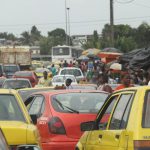
Government ministers and senior officials from over 100 countries will meet in Stockholm, Sweden from 19-20 February to discuss new steps to halve road traffic deaths and injuries by 2030, in line with global targets agreed in the United Nations Sustainable Development Goals (SDGs).
“The fact that an estimated 1.35 million lives are lost every year due to road traffic collisions is an outrage. It is an unacceptable price to pay for mobility,” said Dr Tedros Adhanom Ghebreyesus, Director-General at the World Health Organization (WHO).
Road traffic injuries are now the leading cause of death for children and young adults aged 5 to 29 years, according to WHO’s most recent Global status report on road safety.
More than half of all road traffic deaths occur among pedestrians, cyclists and motorcyclists. The risk of a road traffic death remains three times higher in low-income countries than in high-income countries. Moreover, as many as 50 million people experience non-fatal road injuries, which impose human suffering and major economic losses.
“Most road traffic deaths and injuries can be prevented, using tried and tested strategies,” added Dr Tedros. “This conference is an opportunity for the world to embrace a new agenda to radically reduce the number of lives lost on our roads and re-think how we can provide access to safe, affordable, accessible and sustainable transport systems for all.”
Progress in road safety
Many countries have already made progress through effective road safety management and focusing on better legislation and enforcement around key risks such as speeding; drinking and driving, and failing to use seatbelts. They have also improved infrastructure through measures such as safer sidewalks and dedicated lanes for cyclists; implemented vehicle standards such as those that mandate advanced braking and electronic stability control; and enhanced post-crash care.
Improvements have occurred when a number of sectors have been involved – including transport, health, urban planning and law enforcement, among others. Success has also depended mainly on strong leadership and political will at the highest level of government and in close collaboration with civil society and the private sector.
The Stockholm Declaration
Hosted by the Government of Sweden in collaboration with WHO, the 3rd Global Ministerial Conference on Road Safety offers delegates an opportunity to share successes and lessons learned, chart future strategic directions for global road safety, and define ways to fast-track progress around proven strategies to save lives.
The Stockholm Declaration will be presented as the final outcome document of the Ministerial Conference calling for strong political will and international cooperation as well as partnerships across many sectors of society. The Declaration will lay out key recommendations for accelerated action to drive progress towards halving global road traffic deaths and injuries by 2030.
Beyond preventing human suffering and major economic losses, addressing road traffic deaths and injuries has positive impact across all aspects of society and development ─ including those linked to environment, climate change, education, employment, energy, poverty, human rights and equality ─ as outlined in the SDG targets.
Note to editors:
Road safety is reflected in the SDGs agreed in 2015, with two dedicated targets: (a) 3.6 aimed at preventing road traffic deaths and injuries and (b) 11.2 providing access to safe, affordable, accessible and sustainable transport systems for all.
Achieving these targets would lead to increases in walking, cycling and using public transport, in other words, those modes of transport which impact most favorably on noncommunicable diseases like heart and lung diseases, cancer and diabetes. It would also contribute to reducing environmental risks, such as air and noise pollution, and steering sustainable urbanization, with less congestion and universal access to safe, inclusive and green public spaces.

Read More
https://www.who.int/news-room/detail/07-02-2020-ministers-to-agree-new-global-road-safety-agenda-to-2030
Views: 0