Tag: Front

  • Legal Issues Arising From Management Of Covid-19 Patients By Ahmed Adetola-Kazeem

    Legal Issues Arising From Management Of Covid-19 Patients By Ahmed Adetola-Kazeem

    Legal Issues Arising From Management Of Covid-19 Patients By Ahmed Adetola-Kazeem 1

    Legal Issues Arising From Management Of Covid-19 Patients By Ahmed Adetola-Kazeem 2


    A lot of legal issues are bound to arise as an aftermath of the outbreak of Coronavirus otherwise referred to as COVID-19.  There is therefore a need to shed light on some of the issues that may arise and how to navigate them. This article will x-ray the rights of patients, the rights of health workers and the basic minimum obligations of the government.

    The Code of Medical Ethics in Nigeria 2008 lists acts that constitute professional negligence. Rule 29.4 of the Code outlines some of these acts as follows:-

    a)      Failure to attend promptly to a patient requiring urgent attention when the practitioner was in a position to do so;

    b)     Manifesting incompetence in the assessment of a patient;

    c)      Making an incorrect diagnosis particularly when the clinical features were so glaring that no reasonable skillful practitioner could have failed to notice them; 

    d)     Failure to advise, or proffering wrong advice to  a patient on the risk involved in a particular operation or course of treatment, especially if such an operation or course of treatment is likely to result in serious side effects like deformity or loss of organ, or function;

    e)      Failure to obtain the informed consent of the patient before proceeding on any surgical procedure or course of treatment when such consent was necessary; 

    f)       Making a mistake in treatment e.g. amputation of the wrong limb, carelessness that results in the termination of a pregnancy, prescribing the wrong drug, or dosage in error for a correctly diagnosed ailment, etc;

    g)     Failure to refer, or transfer a patient in good time, when such a referral or transfer was necessary;

    h)     Failure to do anything that ought reasonably to have been done under any circumstance for the good of the patient;

    i)       Failure to see a patient as often as his medical condition warrants or to make appropriate comments in the case notes of the practitioner’s observations and prescribed treatment during such visits. It also includes failure to communicate with the patient or with his relatives as may be necessary with regards to any developments, progress or prognosis in the patient’s condition.


    Rule 11.2 of the 2008 Code of Medical Ethics in Nigeria provides that, “A physician shall preserve absolute confidentiality on all he knows about his patient even after the patient has died.”

                 Rule 44 of the Code of Medical Ethics has extensive provisions on Confidentiality and when disclosure of information can be made. The Rule provides in part that:

    “Disclosure of information on the patient by the doctor can only be made following an informed consent of the patient in writing. It is clear that the ethic covers even such information as induced abortion, venereal disease, attempted suicide, concealed birth and drug dependence but would exclude situations in which a discretionary breach of confidentiality is necessary to protect the patient or the community from danger and this must be made clear to the patient at the time of the confidential disclosure. Where statutory notification of disease is involved, the consent of the patient is not required.”            

                Confidentiality: To Disclose Identity Of Covid-19 Patients Or Not To Disclose?

    COVID-19 is an infectious disease caused by a newly discovered coronavirus. Most people infected with the COVID-19 will experience mild to moderate respiratory illness and recover without requiring special treatment.  Older people, and those with underlying medical problems like cardiovascular disease, diabetes, chronic respiratory disease, and cancer are more likely to develop serious illness.[1]

    The Federal Ministry of Health confirmed the first case of COVID-19 in Nigeria on the 27th of February 2020. It is the case of an Italian citizen who works in Nigeria and returned from Milan, Italy to Lagos, Nigeria on the 25th of February 2020. In reaction to the report, the social was divided between those who want the name of the Italian disclosed and those that preferred it remains confidential. The outcry was even more when the Chief of Staff to the President tested positive according to reports from various media houses[2], but the Minister of Health decided to keep mute on the identity of the President’s aide who contacted the virus, citing confidentiality.

    It will ordinarily be wrong to disclose the medical status of someone infected with COVID-19, for instancethe case of the Italian who was the index case. However in view of the proviso to Rule 44 of the Code of Medical Ethics 2008 which provides that a discretionary breach of confidentiality is necessary in order to protect the community from danger, I am of the view that the test results of popular figures who hold strategic offices like the Chief of Staff to the President or a Governor must be disclosed to guaranty public safety. This is necessary in view of the countless number of people from all works of life they come in contact with on a daily basis.  It will be correct to have made their status public in the overriding interest of the public, since it will enable those who have come in contact with them isolate, just like we have seen in the cases of the British Prime Minister, the Bauchi State Govenor, Prince Charles, the First Lady of Canada and many more. We must commend those who announced their status in public themselves-it is the best thing to do in the interest of humanity

    The World Health Organization (WHO) provides additional guidelines for the management of coronavirus patients specifically.[3]

    Health workers should:

    •follow established occupational safety and health procedures, avoid exposing others to health and safety risks and participate in employer-provided occupational safety and health training; 

    •use provided protocols to assess, triage and treat patients; 

    •treat patients with respect, compassion and dignity; 

    •maintain patient confidentiality; 

    •swiftly follow established public health reporting procedures of suspect and confirmed cases; 

    •provide or reinforce accurate infection prevention and control and public health information, including to concerned people who have neither symptoms nor risk;

    •put on, use, take off and dispose of personal protective equipment properly;

    •self-monitor for signs of illness and self-isolate or report illness to managers, if it occurs; 

    •advise management if they are experiencing signs of undue stress or mental health challenges that require support interventions; and 

    •report  to  their  immediate  supervisor  any  situation  which  they  have  reasonable  justification  to  believe presents an imminent and serious danger to life or health.


    Doctors and health workers in Nigeria must endeavor to digest the guidelines in the Code of Medical Ethics as well as the WHO Guidelines for management of Coronavirus victims and ensure they work strictly by their provisions. A breach of these duties have dire consequences. 

    Options Available To Covid-19 Patients Who Are Victims Of Medical Negligence

    A Coronavirus patient who has suffered medical negligence has a number of options:

    1. He could file a complaint with the regulatory body (e.g. the Medical and Dental Council of Nigeria, in the cases involving a Doctor). The Doctor will in the first instance be investigated by the Medical and Dental Practitioners Investigation Panel, after which he will be tried by the Medical and Dental Practitioners Disciplinary Tribunal. If found culpable,  the Doctor may be warned, suspended from practicing for a period not exceeding 6 months or in very serious cases, have his name can be removed from the Register of Medical Practitioners. The Medical and Dental Practitioners’ Disciplinary Tribunal does not award monetary damages.

    2. A suit can be filed against the Medical Doctor, the Hospital, Agency or Government in the High Court for Medical Negligence and monetary damages will be awarded if the Defendant(s) are found culpable.

          3.  If there is an element of Crime, a report could be made to the Police who would conduct Criminal Investigation and where the investigation reveals gross negligence, recklessness or wanton disregard for life of the victim, the police can prosecute or forward the case file to the office of the Attorney General of the State for possible prosecution in deserving cases.  

    A Need To Do More For Doctors And Other Professionals In The Health Sector

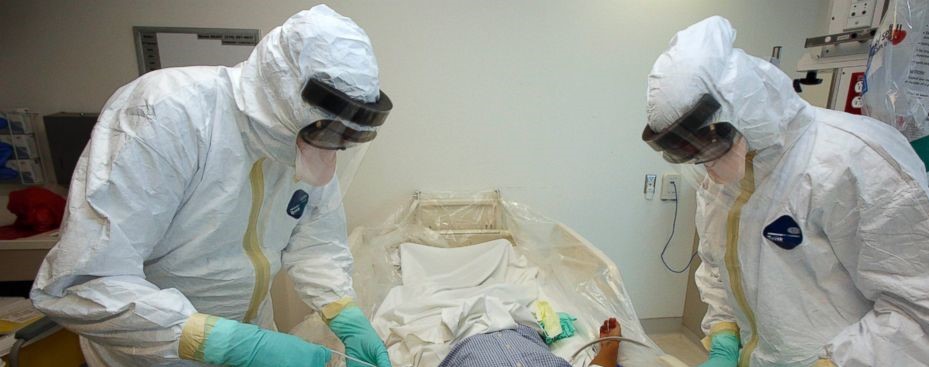
    Health workers are at the front line of any outbreak response and as such are exposed to hazards that put them at risk of infection with an outbreak pathogen (in this case COVID-19). Hazards include pathogen exposure, long working  hours,  psychological  distress,  fatigue,  occupational  burnout,  stigma,  and  physical  and  psychological violence. 

    During the outbreak of Ebola more than 500 health care workers died in Guinea, Liberia and Sierra-Leone alone. We also lost some of our finest doctors and health workers to the disease in Nigeria, the most prominent being Dr. Stella Adadevoh, who is credited with having curbed a wider spread of the Ebola virus in Nigeria by placing the index patient, Patrick Sawyer, in quarantine despite pressures from the Liberian  government. As we speak, The coronavirus is waging a war of attrition against health care workers throughout the world, but nowhere is it winning more battles at the moment than in Italy and in Spain, where protective equipment and tests have been in severely short supply for weeks. In Spain 13.6% (6500) of those affected with the coronavirus are health workers and in Italy 10% (7400) of those affected with the virus are health workers. [4] In New York dozens of health workers have been affected with the virus, while hundreds are in quarantine.[5] According to reports filtering in as the time of concluding this article, three health workers have been infected with COVID-19 in Abuja, Nigeria.[6]

    Human Rights Watch research into health system collapse in Hungary and Venezuela suggests the nations’ mismanaged, underfunded, and understaffed public healthcare system is poorly equipped to handle a COVID-19 outbreak. Patients and medical experts described a lack of basic hygiene protocol, lack of isolation rooms, and a shortage of health professionals, doctors and nurses, and medical supplies in general.

    The situation is not too different in Nigeria at the moment and except something drastic is done we might be witnessing a devastating effect of the pandemic. Nigeria’s, public health capacity has been diminished by large scale public sector corruption. Medical personnel lack surgical masks and local supplies have been diverted and shipped to other markets partly due to corruption. Many states are ill-prepared to combat the impeding surge in patients. A senior health worker with a government hospital in Abuja, in an interview with Sahara Reporters, lamented the lack of quality Personal Protective Equipment for them, adding that government must invest in the protection of health workers at the frontline of the battle against the virus. He said, “The unfortunate thing is that the government is not providing us with what to work with. It is sad that our PPE are not up to the world standard and can be penetrated by viruses. Some of us (health workers) have to use our personal funds to purchase gloves as we do not trust the ones government supplied. Nigerians should please remember us in their prayers and government should provide us with what we really need to work.” [7]

    There was report that in Bauchi State a Coronavirus patient rejected the isolation centre at the Bauchi Specialist Hospital and went back home while describing it as “too dirty”.[8]  

    It is disappointing to hear that the hazard allowance for doctors and health workers is N5,000 per month in Nigeria. The amount is very paltry compared to the risks and the attendant emotional and psychological stress suffered by the health-care workers (HWCs) particularly during monumental outbreaks like this. Unfortunately, when a patient is mismanaged, these doctors and health workers bear the burden of paying huge compensation and sometimes losing their jobs. More importantly, the brain-drain in the health sector is monumental, almost all my friends who are doctors, work abroad. Unfortunately, there are concerted efforts by the US Government to engage foreign Doctors to further fortify its health work force as COVID-19 ravages. Many young Nigerian doctors are already considering the offers because the Nigerian government has paid little attention to their welfare and the welfare of the general health workforce. To stop the exodus of our doctors, who are already in short supply, the government must act fast by improving their welfare packages in line with acceptable international standards.

    The psychological needs of doctors and health workers are also often ignored. Unsafe working conditions contribute to health worker attrition in many countries due to work-related illness and injury and the resulting fear of health workers of occupational infection, including from HIV and Tuberculosis. The 2006 World Health Report – Working Together for Health reported on a severe health workforce crisis in fifty-seven countries, most of them in Africa and Asia. [9]

    Protecting the occupational health of health workers is critical to having an adequate workforce of trained and healthy health personnel. Governments at the Federal and State levels are urged to do more by complying fully with the World Health Organization’s guidelines regarding the Rights of Health Workers while combating COVID-19. Some of the rights are:

    ·         assume overall responsibility to ensure that all necessary preventive and protective measures are taken to minimize occupational safety and health risks;

    ·         provide information, instruction and training on occupational safety and health, including; Refresher training on infection prevention and control(IPC); and Use, putting on, taking off and disposal of personal protective equipment(PPE);

    ·         provide adequate IPC and PPE supplies (masks, gloves, goggles, gowns, hand sanitizer, soap and water, cleaning supplies) in sufficient quantity to healthcare or other staff caring for suspected or confirmed COVID-19 patients, such that workers do not incur expenses for occupational safety and health requirements;

    ·         not be required to return to a work situation where there is continuing orserious danger to life or health, until the employer has taken any necessary remedial action;

    ·         allow workers to exercise the right to remove themselves from a work situation that they have reasonable justification to believe presents an imminent and serious danger to their life or health. When a health worker exercises this right, they shall be protected from any undue consequences; 

    ·         honour the right to compensation, rehabilitation and curative services if infected with COVID-19 following exposure in the workplace. This would be considered occupational exposure and resulting illness would be considered an occupational disease,

    ·         provide access to mental health and counselling resources; and 

    ·         enable co-operation between management and workers and/or their representatives. Etc.

    In conclusion, professional care givers for COVID-19 patients should uphold four basic principles formulated by Beauchamp and Childress in their book ‘Principles of Biomedical Ethics’ in order to protect themselves from liability for negligence. The four basic principles are autonomy, beneficence, non-maleficence and justice.

    Autonomy: People have the right to control what happens to their bodies. This principle simply means that an informed, competent adult patient can refuse or accept treatments, drugs, and surgeries according to their wishes. People have the right to control what happens to their bodies because they are free and rational. And these decisions must be respected by everyone, even if those decisions aren’t in the best interest of the patient.

    Beneficence: All healthcare providers must strive to improve their patient’s health, to do the most good for the patient in every situation. But what is good for one patient may not be good for another, so each situation should be considered individually. And other values that might conflict with beneficence may need to be considered.

    Non-maleficence: “First, do no harm” is the bedrock of medical ethics. In every situation, healthcare providers should avoid causing harm to their patients. You should also be aware of the doctrine of double effect, where a treatment intended for good unintentionally causes harm. This doctrine helps you make difficult decisions about whether actions with double effects can be undertaken.

    Justice: The fourth principle demands that you should try to be as fair as possible when offering treatments to patients and allocating scarce medical resources. You should be able to justify your actions in every situation. For instance, it will amount to a professional misconduct for a Health-care Worker to remove a poor man from the ventilator because a Senator was rushed in. 

    Ahmed Adetola-Kazeem is a partner in Adetola-Kazeem Legal Practice and specializes in Medical and Health Law

    Email: aadetolakazeem@gmail.com;aadetolakazeem@gaklp.com

    [1] https://www.who.int/health-topics/coronavirus#tab=tab_1(Accessed on the 28th of March 2020)

    [2] https://businessday.ng/coronavirus/article/abba-kyari-tests-positive-for-coronavirus-buhari-negative/

    https://www.channelstv.com/2020/03/24/buharis-chief-of-staff-abba-kyari-reportedly-tests-positive-for-coronavirus/ (Accessed on the 28th of March 2020)

    [3] Coronavirus Disease (Covid-19) Outbreak: Rights, Roles and Responsibilities Of Health workers, Including Key Considerations For Occupational Safety And Health”. https://www.who.int/docs/default-source/coronaviruse/who-rights-roles-respon-hw-covid-19.pdf?sfvrsn=bcabd401_0   (Accessed on the 26th of March 2020)

    [4] https://abcnews.go.com/Health/wireStory/collapsing-virus-pummels-medics-spain-italy-69789413 (Accessed on 26th March 2020)

    [5] https://www.washingtonpost.com/health/covid-19-hits-doctors-nurses-emts-threatening-health-system/2020/03/17/f21147e8-67aa-11ea-b313-df458622c2cc_story.html (Accessed on 28th of March 2020)

    [6] http://saharareporters.com/2020/03/28/exclusive-two-nurses-one-doctor-infected-coronavirus-abuja-hospital

    [7] Supra

    [8] https://www.dailytrust.com.ng/coronavirus-patient-rejects-bauchi-isolation-centre-returns-home.html (Accessed on 28th March 2020)

    [9] https://www.who.int/occupational_health/topics/hcworkers/en/(Accessed on 26th March 2020)


    Opinion

    AddThis

    : 

    Original Author

    : 

    Ahmed Adetola-Kazeem

    Disable advertisements

    : 
    Legal Issues Arising From Management Of Covid-19 Patients By Ahmed Adetola-Kazeem
    Read More
    http://saharareporters.com/2020/04/01/legal-issues-arising-management-covid-19-patients-ahmed-adetola-kazeem

    Views: 0

  • Losing Her Religion: Nigeria’s Faith Unveiled In The Face Of COVID-19 By R. Evon Benson-Idahosa

    Losing Her Religion: Nigeria’s Faith Unveiled In The Face Of COVID-19 By R. Evon Benson-Idahosa

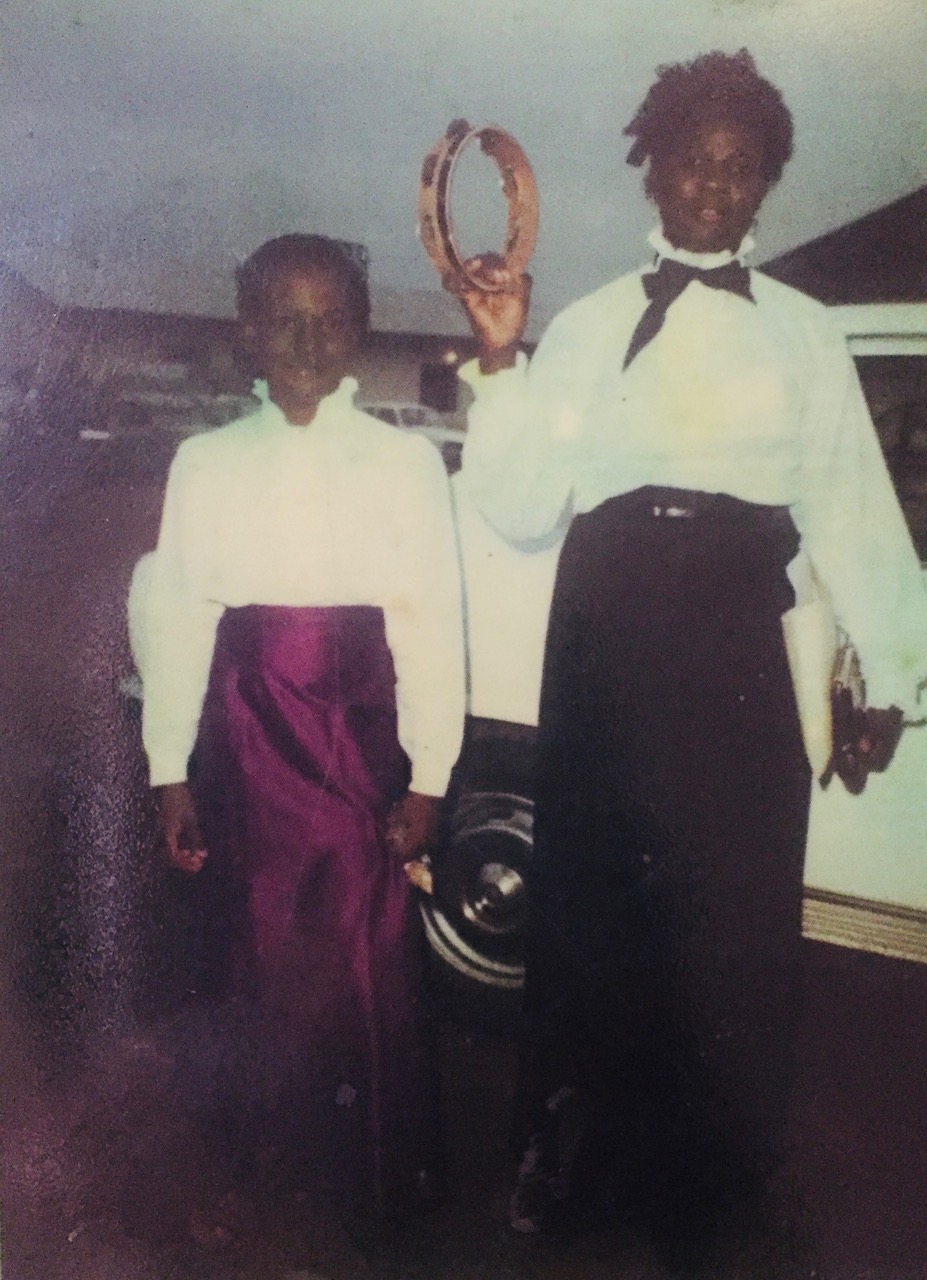
    Me, circa 1984, in my choir uniform and what was possibly the now infamous tambourine.
    Me, circa 1984, in my choir uniform and what was possibly the now infamous tambourine.

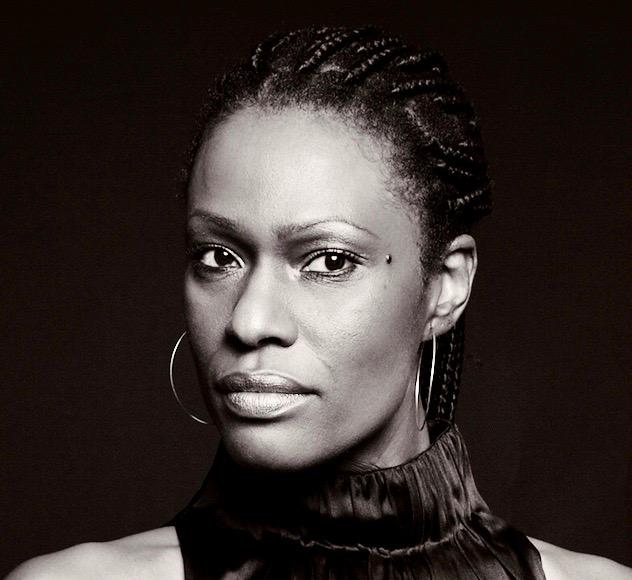
    R. Evon Benson-Idahosa, Esq
    R. Evon Benson-Idahosa, Esq

    Losing Her Religion: Nigeria’s Faith Unveiled In The Face Of COVID-19 By R. Evon Benson-Idahosa 3R. Evon Benson-Idahosa, Esq


    I remember falling asleep at a Tuesday evening church service as a 9 year old child. I had a tambourine on my lap and as I fell to the floor, it reverberated thunderously throughout the hall, drawing the attention of everyone who had been attentively listening to the dynamic preacherman. I awakened to piercing stares and side eyes- particularly from my father- whose message I had disrupted. Every Nigerian child knows that stare, that glare that silently speaks a thousand words, cloaks you in debilitating fear and assures your quivering being that there will be consequences. Needless to say, it was a quiet ride home and for the rest of the revival week, I was ushered to the front row where I forced my eyes open, humming tunes to myself to stay awake.

    Losing Her Religion: Nigeria’s Faith Unveiled In The Face Of COVID-19 By R. Evon Benson-Idahosa 4Me, circa 1984, in my choir uniform and what was possibly the now infamous tambourine.


    Saying that I literally grew up in church would be an understatement. Week long revival services, such as the one I reference above, were customary. I was also in the choir, went to Sunday school before church services on Sunday, Agape Force Children’s meetings on Saturdays, mid-week services and the occasional 6:30 am morning prayer services, followed by our home bible study with Auntie B. And because my father was Archbishop Benson Idahosa, there were no negotiations. It just was.

    At the age of10, shortly after the infamous “tambourine experience,” the truth of those messages became real and I earnestly became a follower of The Way. And so, as news began to sweep the globe of the novel corona virus and its import, I found myself immediately turning to my faith as a source of comfort and peace. I also called my mother, who now heads CGMI, the global ministry my father left when he passed away 22 years ago. Her words of encouragement and the tone of her voice assured me that, as we like to say in Nigeria, ‘it is well.’

    And it will be.

    But for now, the pandemic continues to rage, as thousands succumb to its will. First China. Then South Korea. Japan. An epidemic. Then Italy, the UK, the US. Thousands upon thousands of cases were being reported and every day brought the reality closer to home. Then it became a global pandemic and as it stands, the WHO estimates that there are 719,700 confirmed cases globally, with almost 34,000 deaths.

    On February 28th, Nigeria, Africa’s most populous nation, confirmed its index case of the corona virus which arrived the country via an Italian businessman. As I write, her Centre for Disease Control is reporting a total of 135 confirmed cases and two deaths, having conducted just several hundred tests, even though thousands of passengers have arrived from varying countries since the index. Self isolation has been deemed an advisory, not mandatory measure.

    Nigeria has taken what some would consider drastic, yet in this writer’s opinion, insufficient and strikingly Western style measures to address what is likely to come in the absence of a miracle. In addition to finally closing her borders from international travelers, including Nigerians, schools have been shut down, civil servants are being asked to work from home, “social distancing” policies are being enacted and several states, including my home state of Edo, have prohibited religious, social and public gatherings of more than 20 persons.

    In a country where over 90% of her citizens profess to be religious, most Nigerians are accustomed to turning to their faith in times of crisis. The corona virus pandemic is no exception. Many who had strayed from God are now repenting of their sins and brandishing the sign of the cross as they leave their homes. Others are praying for a “Passover,” as CNN and other news outlets flood us with “end of the world,” doomsday messaging. As a result, many of us are yearning to collectively gather to pray.

    Whether the desire to collectively gather is buttressed by denial (“coronavirus is not here” — “the spirit of corona virus is dead in Nigeria”) or stems from a deep seeded longing for God to show mercy to a healthcare system that is wholly unprepared to handle the worst case scenario, the fact remains that Nigeria’s religious faithfuls are unaccustomed to missing gatherings for anything. Services are considered sacred times to commune with God and to be encouraged by the brethren. Others hang on to every word of their clerics who, in some cases, insist on serving as a religious crutch- intermediaries between their congregants and God. Many believers who engage with God on a transactional basis come bearing tithes and/or offerings in the hopes that God will hear their prayers. (He hears them regardless.)

    As such, the prohibition on religious gatherings of more than 20 (which essentially translates to a prohibition of services in general) has resulted in many Nigerian believers losing their ‘religion,’ i.e., left bewildered as to how to make the adjustment to a God who potentially exists outside the four walls of their churches; to a God who speaks directly to them in God’s long forgotten voice. Who, precisely, are Nigerian believers without our religions and religious houses of worship?

    Could it be that for the first time in a long time, Nigerian believers are being presented with a church-less opportunity to develop even more meaningful personal relationships with their God; to ‘lay hands’ on themselves and speak words of healing into their children from a God who has always heard them? Could this pandemic serve as an opportunity for believers to be what Murray Bowen describes as a ‘non-anxious presence’ to those who may be paralyzed by fear? Or as a practical example, to give our hired staff the much deserved paid time off to assuage the fears of their own elderly parents? As we creatively consider our individual responses, it is imperative that we recognise that our actions are a reflection of what we truly believe about our faith and the One who implores us to be salt and light.

    As the Church, however, it is unhelpful that some of our pastors are refusing to comply. The other day, I was tagged on a rather unfortunate video of a pastor irresponsibly screaming to congregants that the corona virus cannot withstand Nigeria’s “corrosive anointing.” However, even Jesus instructed us to obey the law of the land (render unto Caesar what is Caesar’s). This blatant refusal to consider the reality that may most aggressively affect those on the margins begs the question of why some churches are so adamant against temporarily closing their doors.

    Sure, we all need hope and encouragement in these perilous and uncertain times, but have we not, after all these years, fed the flock enough “meat” to trust that they can and will turn to God for themselves? Or are we, draped in our own egos, more selfishly concerned that they may not return to our fold and thus, affect our financial bottom line?

    It is not a lack of faith to use wisdom or to be practical. Even Jesus reached out his hand to save Peter when he could easily have let him drown and then used his “corrosive anointing” to raise him from the dead. Wisdom is profitable to direct and I believe my father, who I consider one of the greatest men of faith to ever walk this earth, would have done the needful to protect the sheep. My mother most certainly is.

    To this end, some larger churches are offering their services online. However, for the working poor who faithfully make up the backbone of most Nigerian churches, internet connectivity and/or live streaming of an entire service make that option impractical and/or unaffordable. They are the ones, who because they live day to day, cannot afford to practice social distancing, “stay at home” and for some, even “wash your hands,” because soap becomes a luxury when one’s ‘daily bread’ is devoid of the ‘daily.’ If our government does not step up to courageously seek support that is tailored to our unique realities and then provide that support to those on the margins, the import of the corona virus in our beloved Nigeria could be felt by generations to come.

    As such, could this pandemic present an opportunity for churches to fill the glaring gaps and practically serve the last and the least in a manner that reveals who we profess to be as followers of The Way? Might this be an opportunity for the church to put our egos aside and creatively heed Jesus’ instructions to ‘feed my sheep’, to apply the Balm of Gilead, by serving those who will be most physically, mentally and economically impacted? Practically speaking, could we convert our sanctuaries to temporary hospitals or food pantries where those in need can obtain essentials? Can we use the funds of those who have faithfully donated over the years to buy ventilators and personal protective gear for our hospitals and health workers on the front lines? Can we purchase hygiene products and distribute them to those who may be confined to their homes? This, I believe, is our mandate.

    At the end of the day, my faith in God runs deep. It has guided my life since I was 10 and I prayerfully trust that we will get through this. But as the Nigerian Church temporarily loses her ‘religion’ and her faith is unveiled in the face of COVID-19, she is presented with an opportunity to reverberate thunderously and rise up to be who she professes for such a novel time as this. After all, in the words of Dietrich Bonhoeffer, ‘the church is the church only when it exists for others…not dominating, but helping and serving.’

    WRITTEN BY

    R. Evon Benson-Idahosa, Esq.

    Lead table turner and expert troublemaker at Pathfinders Justice Initiative (www.pathfindersji.org); creating more space for women at the table.


    Opinion

    AddThis

    : 

    Featured Image

    : 

    Losing Her Religion: Nigeria’s Faith Unveiled In The Face Of COVID-19 By R. Evon Benson-Idahosa 5

    Original Author

    : 

    R. Evon Benson-Idahosa, Esq

    Disable advertisements

    : 
    Losing Her Religion: Nigeria’s Faith Unveiled In The Face Of COVID-19 By R. Evon Benson-Idahosa
    Read More
    http://saharareporters.com/2020/03/31/losing-her-religion-nigeria%E2%80%99s-faith-unveiled-face-covid-19-r-evon-benson-idahosa

    Views: 0

  • Coronavirus: Nigerian Government Evacuates Stranded NCDC Staff From Congo

    Coronavirus: Nigerian Government Evacuates Stranded NCDC Staff From Congo

    Coronavirus: Nigerian Government Evacuates Stranded NCDC Staff From Congo 6

    Coronavirus: Nigerian Government Evacuates Stranded NCDC Staff From Congo 7


    The Nigerian Government has evacuated staff of the Nigerian Centre for Disease Control stranded in the Republic of Congo.

    In a statement, Nigeria’s Ambassador to Republic of Congo, Deborah Iliya, commended the government and Ministry of Foreign Affairs for deploying an aircraft to airlift the stranded personnel back to Nigeria.

    According to Iliya, the NCDC staff had travelled to Brazzaville, Republic of Congo, to undergo a special capacity building course by the World Health Organisation in order to expand their knowledge of Coronavirus management.

    The statement reads, “The medical team had been stranded following the closure of air and land borders by the host country ostensibly for similar situation. 

    “In the same vein, the ambassador, on behalf of the Government of Nigeria, has commended the government and good people of the Republic of Congo for the singular act of solidarity and standing on good relations by the temporal opening of her airport to facilitate the departure of the team on March 26, 2020. 

    “This act has in no small measure further strengthened the bilateral harmony that exists between the two countries.

    “This trying moment calls for unity, support for each other and forging a common front against Coronavirus and all that stands against peace.”

    At the moment, Africa has 4,480 confirmed cases of Coronavirus and 135 deaths, with 97 infections and one death coming from Nigeria.

    PUBLIC HEALTH

    News

    AddThis

    : 

    Original Author

    : 

    Saharareporters, New York

    Disable advertisements

    : 
    Coronavirus: Nigerian Government Evacuates Stranded NCDC Staff From Congo
    Read More
    http://saharareporters.com/2020/03/29/coronavirus-nigerian-government-evacuates-stranded-ncdc-staff-congo

    Views: 0

  • RM200 monthly assistance for firefighters during MCO: Zuraida

    RM200 monthly assistance for firefighters during MCO: Zuraida

    RM200 monthly assistance for firefighters during MCO: Zuraida 8

    KUALA LUMPUR: Housing and Local Government Minister Zuraida Kamaruddin (pix) today announced that Malaysian Fire and Rescue Department (JBPM) personnel will receive RM200 per month throughout the implementation of the Movement Control Order (MCO).

    She said the incentive was an appreciation of their roles and services as front liners as the country sought to combat the spread of the Covid-19 outbreak.

    “In recognition of the roles of JBPM personnel as front liners, the government through the ministry will provide RM200 per month throughout the MCO period,” she said in a public service announcement which was broadcast on all television stations today.

    She said the incentive was part of her ministry’s initiatives implemented under the RM250 billion people-centric economic stimulus package (Prihatin) announced by Prime Minister Tan Sri Muhyiddin Yassin on Friday.

    The Prihatin package covers all walks of life and also focuses on the B40 group, including those living in low-cost flats across the country, small traders and factory workers.

    Zuraida said several other initiatives implemented by her ministry under the Prihatin package include the six months rental payment exemption for the People’s Housing Projects (PPRs) under the ministry’s management, involving 3,636 units of housing and costing the government RM3 million.

    “There is also a six-month deferment of monthly repayment from April to September for the Rent to Own (RTO) of PPR units under the ministry’s management involving a total of RM5.7 million and 4,649 units of houses,” she said.

    Zuraida, who is also Ampang MP, said to ease the burden of borrowers, all pawn brokers registered under the ministry were directed to extend the redemption period without charging interest during the MCO period. – Bernama

    RM200 monthly assistance for firefighters during MCO: Zuraida
    Read More
    https://www.thesundaily.my/local/rm200-monthly-assistance-for-firefighters-during-mco-zuraida-NJ2193528

    Views: 0

  • TNB pledges RM150m to support tiered electricity rebate

    TNB pledges RM150m to support tiered electricity rebate

    TNB pledges RM150m to support tiered electricity rebate 9

    KUALA LUMPUR: Tenaga Nasional Berhad (TNB) has pledged RM150 million to support the government’s announcement of a tiered electricity rebate to assist affected Malaysians following the extension of the Movement Control Order (MCO) period until April 14.

    TNB president and chief executive officer Datuk Seri Amir Hamzah Azizan said the reduced electricity bills would be jointly subsidised by the government, TNB as well as funds from the Kumpulan Wang Industri Elektrik (KWIE).

    “TNB is fully supportive of the government’s effort to provide some relief to the affected households as well as committed to channel funds towards initiatives that can directly assist the Malaysians,” he said.

    He said TNB has also recently pledged RM10 million to the Ministry of Health to help replenish diminishing medical supplies at the front lines of the nation’s medical and healthcare institutions in the fight against Covid-19.

    On Friday, the Prime Minister Tan Sri Muhyiddin Yassin announced a tiered rebate for electricity bills of between 15% and 50% for domestic users in Peninsular Malaysia, with almost 90% of residential consumers in Peninsular Malaysia would automatically receive the rebate effective on April 1 until Sept 30.

    It said under the tiered rebate, three million domestic consumers with monthly consumption below 200 kilowatt hour (kWh) would receive 50% rebate, 1.5 million consumers with monthly consumption between 201kWh and 300kWh would receive 25% rebate and 2.2 million consumers with monthly consumption between 301kWh and 600kWh would be receiving 15% rebate.

    Those among the B40 group would be benefiting from the highest rebate rate of 50% that would be reflected in electricity bills beginning May. — Bernama

    TNB pledges RM150m to support tiered electricity rebate
    Read More
    https://www.thesundaily.my/local/tnb-pledges-rm150m-to-support-tiered-electricity-rebate-DG2190014

    Views: 0

  • Things You Should Know To Succeed as a Publisher in Affiliate Marketing

    Success as an affiliate publisher requires a lot of time and effort at the front end in order to achieve incremental and hard-earned success down the road. If you view affiliate marketing as an easy way to earn money, you should probably move on to something that requires less effort and time (because affiliate marketing requires both)…

    Read More
    http://www.associationofmarketing.org/articles/view.php?article_id=7568

    Views: 0

  • Wearable strain sensor using light transmittance helps measure physical signals better

    Wearable strain sensor using light transmittance helps measure physical signals better

    KAIST researchers have developed a novel wearable strain sensor based on the modulation of optical transmittance of a carbon nanotube (CNT)-embedded elastomer. The sensor is capable of sensitive, stable, and continuous measurement of physical signals. This technology, featured in the March 4th issue of ACS Applied Materials & Interfaces as a front cover article, shows great potential for the detection of subtle human motions and the real-time monitoring of body postures for healthcare applications.

    Read More
    https://techxplore.com/news/2020-03-wearable-strain-sensor-transmittance-physical.html

    Views: 0

  • Nigerian Youth Have Gone To Sleep? By Tao Bakare

    Nigerian Youth Have Gone To Sleep? By Tao Bakare

    Nigerian Youth Have Gone To Sleep? By Tao Bakare 10

    Nigerian Youth Have Gone To Sleep? By Tao Bakare 11


    Woke up this morning to the unfortunate reality of the Nigerian state, the failure of her youth to take up responsibilities as the thread and wool that holds her fabric together.
      
    Flashback to the time when our past heroes, who were at the time youths, took up giant strides and went through the battles, upheavals, fights that ensured the liberation of the Nigerian state.
     
    In the nineties, Nigeria was lucky to have the likes of Chinua Achebe, Wole Soyinka, Fela Anikulapo Kuti, Gani Fawehinmi, Femi Falana amongst others responsible for the many historical and  ground-breaking achievement through measures of journalism, arts, literature and activism amongst others.
      
    Unfortunately, today, the reverse is the case, as we now have illiterates, educated hypocrites and mediocres that make up over sixty five percent of the Nigerian population.
      
    However, the blame cannot solely lie on the youths themselves, as it is loud enough that our leaders whom we entrusted our future unto have failed woefully to deliver in this respect. But also, it is noteworthy that the youths themselves have not helped to correct the anomalies, but have glaringly resolved to fold arms and watch their own future rubbed in the mud.
     
     In the Nigeria of today, youths have been relegated to the position of back benchers, applauding mammoth and mere on Lookers in the running of state affairs, which they ought to be at the fore front, as in the times of the West African Students Union, when students, youths, led liberation movements across Africa, and also saw to the independence of West African states.
     
    Obviously, it is crystal clear that youths, who occupy the largest percentage of Nigeria’s population now see themselves and thus submit to our doomed leaders, as election thugs, political hallelujah boys, political assassins and trash can. Instead of them to look ahead, beyond ethic bigotry and difference, it is unfortunate they now lead ethnic hate discussions and debates both online and offline, in turn, parading themselves as useless ‘ leaders of tomorrow’. I wonder how this country will pay it’s debts in the next twenty years, with this kind of bad debtors in town, the so called youths.
     
    In a sane society, the youths should be the ultimate institution of political accountability and policy partner to the government, thereby, holding erring leaders accountable. Also, youths should serve as the rebranding tool for a collapsing or collapsed entity, like ours.
      
    Recently, the chief of police, ordered for the disbandment of zonal SARS in Ogun State following the death of a  promising young man, Tiamiyu Kazeem popularly known as Kaka, who until his death was the Vice Captain of Remo Stars Football Club.
       
    The order of the IGP, came, not only regarding the fact that the young man who was the victim of yet another SARS menace, was a known football star, but also because the youths in Sagamu community flaunted their power as youths!
      
    Moral of this recent case and it’s achievement, is that, so much can be achieved if youths wake up from their long mouth drooling slumber and take full responsibility for their own future.
      
    Nevertheless, if they fall to do this, I fear they may sleep and never wake up.

    The time To Take It Back is now!
     

    Opinion

    AddThis

    : 

    Original Author

    : 

    Tao Bakare

    Disable advertisements

    : 
    Nigerian Youth Have Gone To Sleep? By Tao Bakare
    Read More
    http://saharareporters.com/2020/03/22/nigerian-youth-have-gone-sleep-tao-bakare

    Views: 0

  • Meet Carlo, an ancient reptile who had part of his face bitten off

    Meet Carlo, an ancient reptile who had part of his face bitten off

    A fossil of a predatory reptile from the dinosaur era is missing the front of its jaws, suggesting it was attacked by a rival that bit them off
    Meet Carlo, an ancient reptile who had part of his face bitten off
    Read More
    https://www.newscientist.com/article/2236849-meet-carlo-an-ancient-reptile-who-had-part-of-his-face-bitten-off/?utm_campaign=RSS%7CNSNS&utm_source=NSNS&utm_medium=RSS&utm_content=home

    Views: 0

  • Perak govt to provide one-off RM500 assistance to hawkers, small traders

    Perak govt to provide one-off RM500 assistance to hawkers, small traders

    Perak govt to provide one-off RM500 assistance to hawkers, small traders 12

    IPOH: The Perak state government will provide special assistance to about 4,000 hawkers and small traders, in the form of a one-off payment of RM500 each, following the imposition of the nationwide movement control order effective from today until March 31 to curb the spread of Covid-19.

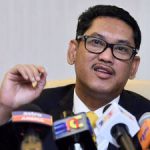
    Mentri Besar Datuk Seri Ahmad Faizal Azumu (pix) said the assistance would soon be given to all hawkers and traders registered with local authorities in Perak.

    “The total cost of this aid is estimated to be almost RM2 million,“ he said in a statement today.

    In addition, the state government will bear half of the rental of food stalls under the purview of all local authorities for the months of March and April – this initiative will cost more than RM770,000.

    To honour the 1,500 Perak Health Department front liners involved in the fight against Covid-19, the state government will sponsor lunches and dinners over a two-week period, Ahmad Faizal added, explaining that this will cost nearly RM200,000.

    He added that a special allocation of RM160,000 made possible by the state government and some state government-linked companies, would be used to purchase additional equipment needed by health department personnel. – Bernama

    Perak govt to provide one-off RM500 assistance to hawkers, small traders
    Read More
    https://www.thesundaily.my/local/perak-govt-to-provide-one-off-rm500-assistance-to-hawkers-small-traders-KA2147518

    Views: 0