Tag: Figures

  • What matters to women in the postnatal period?

    What matters to women in the postnatal period?

    The right to a positive maternity healthcare experience at every stage 

    Each pregnancy is unique and clinical needs can change across the pregnancy, childbirth and postnatal periods. One thing that never changes is the right to a positive experience at every stage. 

    Achieving the best possible physical, emotional, and psychological outcomes for every individual and newborn requires health systems to take a human rights-based approach: not only preventing maternal death and morbidity, but prioritising person-centred
    care and well-being.

    WHO is developing new guidelines for a positive experience of postnatal care, due to be published next year. To inform these guidelines and ensure that postnatal services can better meet the needs of women and their babies, WHO undertook a qualitative
    systematic review on what matters to women in the postnatal period.

    Joys and challenges in the postnatal period

    There is limited research about values and preferences in the postnatal period, defined by WHO as the first six weeks after childbirth. Studies have often focused on the results of specific postnatal interventions, rather than on the individuals who use
    them. 

    ‘What matters to women in the postnatal period: A meta-synthesis of qualitative studies,’ published in PLOS ONE, gives long-overdue respect to the authority of women’s own experiences. The authors review first-hand data from 15 countries
    and 36 studies published after the year 2000 relating to women’s beliefs, expectations and values at this significant time of life.  

    These studies affirm that a positive postnatal experience can result in joy, self-confidence and enhanced capacity to thrive as both a person and a parent.

    They are also vocal about the potential challenges of adjusting to a ‘new normal’ following childbirth, including changes in self-identity, relationships, and sexual behaviour.

    What is a positive postnatal experience? 

    A positive postnatal experience for a woman will be one that responds to her specific context and preferences. 

    It will provide the confidence, knowledge and skills women need in the weeks following childbirth, supporting them to adjust to any changes in their intimate relationships and build new family ones. Women will be better equipped to navigate physical and
    emotional challenges and to experience the dynamic achievement of personal growth. 

    This should be a shared responsibility, not a solitary one. Community has a critical role in enabling a positive postnatal experience, including partners, family and elders.

    It is crucial that healthcare providers meet each woman’s needs, as well as those of their babies. 

    Supporting choices and rights to improve postnatal health outcomes

    There are an estimated 303 000 maternal deaths annually, according to recent WHO figures. Most of these deaths occur postnatally. 

    The postnatal period is therefore a vital opportunity to improve both maternal and neonatal health and wellbeing: supporting healthy behaviors, providing life-skills education, facilitating breastfeeding, counselling women about family planning options,
    supporting good mental health, preventing and treating childbirth-related complications. 

    Health care systems that empower individuals by supporting their values, preferences and rights are fundamental to improving maternal and newborn health outcomes. 

    WHO’s guidance for positive maternity care

    WHO has recently released recommendations on antenatal care for a positive pregnancy experience, and on intrapartum care for a positive childbirth experience.

    These publications made important clinical updates, including an increase from four to eight recommended antenatal contacts, and a revision to the decision-making process for interventions to accelerate labour. 

    They also uphold every woman’s right to a positive maternity care experience: one where her pregnancy does not erase her competency, autonomy and right to participate in decision-making for her own care and the care of her newborn. 

    Women’s choices and rights to sexual and reproductive health care, including maternity care, should be respected at every stage of the continuum of maternal and newborn care. This is true across all income settings, as well as in humanitarian settings
    and during public health emergencies.

    When WHO’s postnatal guidelines are released next year, they will complete the maternity care series built around what matters to women.

    Rather than dividing care into three periods of antenatal, intrapartum and postnatal, these publications can be used to establish a model in which health systems support women, their baby and wider network physically, psychologically, socially and emotionally
    through this significant life event. 

    Other resources


    What matters to women in the postnatal period?
    Read More
    https://www.who.int/news-room/detail/22-04-2020-what-matters-to-women-in-the-postnatal-period

    Views: 0

  • COVID-19: NCDC Urged To Increase Transparency Around Number Of Tests Conducted

    COVID-19: NCDC Urged To Increase Transparency Around Number Of Tests Conducted

    COVID-19: NCDC Urged To Increase Transparency Around Number Of Tests Conducted 1

    COVID-19: NCDC Urged To Increase Transparency Around Number Of Tests Conducted 2


    The Nigeria Center for Disease Control has been urged to make public the daily number of Nigerians screened for Coronavirus.

    A coalition of civil society groups led by Civic Media Lab said the figures will help Nigerians and the world know the true state of the COVID-19 pandemic in the country.

    “The fight against Coronavirus is a common fight in which all Nigerians are enlisted.

    “However, as stakeholders in the fight against Coronavirus this disease, we request to have this critical piece of the puzzle so that we would know how far along we are in securing a victory,” CML Director, Oluwaseun Akinfolarin, said in a statement on Tuesday. 

    Akinfolarin said the strategy that has worked in places that have seen significant reduction in the number of cases has been due to four factors namely: testing, isolation, treatment and tracing. 

    See Also

    COVID-19: NCDC Urged To Increase Transparency Around Number Of Tests Conducted 3

    Sahara Reporters

    Civic Media Lab Calls For Transparency In NCDC Testing Figures


    “Testing is the most critical of these four critical success factors, without testing, it is difficult to know who has been infected and stopping the spread through innocent infection of others is not feasible. “While not trying to second guess the knowledge and wisdom of the professionals in NCDC, we can follow the simple logic that we cannot control what you cannot see and the simple way of seeing is by doing these tests,” Akinfolarin said.

    According to the World Health Organisation, diagnostic testing for COVID-19 is critical in helping to track the virus, understand the epidemiology, inform case management, and to suppress transmission.

    Akinfolarin explained that the countries that are successfully managing this crisis tested thousands of citizens daily at the outset. 

    Nigeria is falling behind when compared to other countries, according to him.

    He said the coalition will support the Federal Government and NCDC in every way possible during this crisis but wishes to demand cooperation, transparency, accountability and proactive disclosure of information from all those concerned.

    Other members of the coalition are The Interactive Initiative for Social Impact, HEDA Resource Centre, Civil Society Network against Corruption, Reboot, Centre for Advocacy, Transparency and Accountability Initiative, and PARE.

    PUBLIC HEALTH

    News

    AddThis

    : 

    Original Author

    : 

    SaharaReporters, New York

    Disable advertisements

    : 
    COVID-19: NCDC Urged To Increase Transparency Around Number Of Tests Conducted
    Read More
    http://saharareporters.com/2020/04/07/covid-19-ncdc-urged-increase-transparency-around-number-tests-conducted

    Views: 0

  • People allowed to leave China’s Wuhan as Covid-19 lockdown eases

    People allowed to leave China’s Wuhan as Covid-19 lockdown eases

    People allowed to leave China’s Wuhan as Covid-19 lockdown eases 4

    WUHAN: The central Chinese city of Wuhan began allowing people to leave on Wednesday for the first time since it was locked down 76 days ago to contain the novel coronavirus, despite fears of a second wave of infection if such restrictions are eased too soon.

    China sealed off the city of 11 million people on Jan. 23 after it became clear that the flu-like virus that had emerged there late last year was highly contagious and potentially deadly.

    The first train to carry departing passengers out of the city left at 00:50 a.m. (1650 GMT), and outbound highways were opened to vehicular traffic around the same time.

    “I’m very happy, I’m going home today,“ migrant worker Liu Xiaomin told Reuters as she stood with her suitcases inside Wuhan’s Hankou railway station, bound for Xiangyang city.

    The topic “Wuhan lifts lockdown” quickly became the top trending topic on China’s Twitter-like Weibo platform, with posters leaving comments such as “welcome back Wuhan”.

    Based on ticket sales, 55,000 people will leave Wuhan by train on Wednesday, state broadcaster CCTV reported, citing the railway authority.

    That is slightly more than the number of people who have caught the virus in Wuhan since December. The death toll in the city has reached 2,571, about 80% of the total fatalities in China, according to official figures.

    At its peak, the lockdown saw people forcibly confined to their homes and the transport and industrial hub resembled a ghost town, with streets deserted except for police patrols and emergency vehicles.

    But such restrictions have eased in recent days as new infections dropped to a trickle. Mainland China reported no coronavirus deaths for the first time on Tuesday, and Wuhan has counted only two new infections in the past fortnight.

    Authorities are walking a fine line between allowing greater freedom of movement and economic activity while also guarding against a second wave of infection, with particular concern around imported cases and people who show no symptoms but can still pass on the virus.

    Wuhan residents are still urged not to leave their neighbourhoods, the city and even the province unless necessary, health officials said on Tuesday.

    Many people remain fearful of catching the disease, with China reporting 137 new asymptomatic cases on April 7.

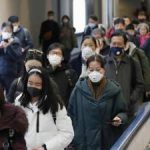
    “The number of asymptomatic patients has been slowly going up, I’m worried about this,“ said Yang Chengjun, who was leaving Wuhan by train to get back to his design job in Fuzhou. He was wearing a knee-length raincoat and speaking through a mask.

    Tall barriers continue to surround housing compounds in Wuhan and residents can only leave if they have a green health code or documents showing a valid reason.

    Migrant worker Liu said she and her husband would still be careful about going outside even when they get home to Xiangyang city.

    “My mood will be better but when I get back I still won’t go out too much,“ she said.

    Interactive graphic tracking global spread of coronavirus: open https://tmsnrt.rs/3aIRuz7 in an external browser. – Reuters

    People allowed to leave China’s Wuhan as Covid-19 lockdown eases
    Read More
    https://www.thesundaily.my/world/people-allowed-to-leave-china-s-wuhan-as-covid-19-lockdown-eases-EB2232134

    Views: 0

  • The Masculine Bag of Tricks

    The Masculine Bag of Tricks

    What males, of their egoism, consistently mistake for a deficiency of intelligence in girl is merely an incapacity for mastering that mass of small mental tips, that advanced of petty knowledges, that assortment of cerebral rubber stamps, which constitutes the chief psychological tools of the typical male. A person thinks that he’s extra clever than his spouse as a result of he can add up a column of figures extra precisely, and since he understands the imbecile jargon of the inventory market, and since he is ready to distinguish between the concepts of rival politicians, and since he’s aware about the trivialities of some sordid and degrading enterprise or occupation, say soap-selling or the legislation.

    But these empty abilities, of course, should not actually indicators of a profound intelligence; they’re, actually, merely superficial accomplishments, and their acquirement places little extra pressure on the psychological powers than a chimpanzee suffers in studying learn how to catch a penny or scratch a match. The entire bag of tips of the typical enterprise man, and even of the typical skilled man, is inordinately infantile.

    It takes no extra precise sagacity to hold on the on a regular basis hawking and haggling of the world, or to ladle out its regular doses of unhealthy drugs and worse legislation, than it takes to function a taxicab or fry a pan of fish. No observant particular person, certainly, can come into shut contact with the overall run of enterprise {and professional} males—I confine myself to those that appear to get on on the earth, and exclude the admitted failures—with out marvelling at their mental lethargy, their incurable ingenuousness, their appalling lack of bizarre sense.

    The late Charles Francis Adams, a grandson of one American President and a great-grandson of one other, after a protracted lifetime in intimate affiliation with some of the chief enterprise “geniuses” of that paradise of merchants and usurers, the United States, reported in his previous age that he had by no means heard a single one of them say something price listening to. These have been vigorous and masculine males, and in a person’s world they have been profitable males, however intellectually they have been all clean cartridges.

    There is, certainly, honest floor for arguing that, if males of that kidney have been genuinely clever, they might by no means succeed at their gross and driveling considerations—that their very capability to grasp and retain such balderdash as constitutes their inventory in commerce is proof of their inferior mentality. The notion is definitely supported by the acquainted incompetency of first fee males for what are referred to as sensible considerations. One couldn’t suppose of Aristotle or Beethoven multiplying 3,472,701 by 99,999 with out making a mistake, nor might one suppose of him remembering the vary of this or that railway share for 2 years, or the quantity of ten-penny nails in 100 weight, or the freight on lard from Galveston to Rotterdam. And by the identical token one couldn’t think about him professional at billiards, or at grouse-shooting, or at golf, or at another of the idiotic video games at which what are referred to as profitable males generally divert themselves. In his nice examine of British genius,

    Havelock Ellis discovered that an incapacity for such petty expertness was seen in virtually all first fee males. They are unhealthy at tying cravats. They don’t perceive the trendy card video games. They are puzzled by book-keeping. They know nothing of get together politics. In temporary, they’re inert and impotent within the very fields of endeavour that see the typical males’s highest performances, and are simply surpassed by males who, in precise intelligence, are about as far under them because the Simidae.

    This lack of talent at handbook and psychological tips of a trivial character—which should inevitably seem to a barber or a dentist as stupidity, and to a profitable haberdasher as downright imbecility—is a personality that males of the primary class share with girls of the primary, second and even third lessons. There is on the backside of it, in reality, one thing unmistakably female; its look in a person is sort of invariably accompanied by the opposite contact of femaleness that I’ve described. Nothing, certainly, may very well be plainer than the truth that girls, as a category, are sadly poor within the small expertness of males as a category.

    One seldom, if ever, hears of them succeeding within the occupations which carry out such expertness most lavishly—for instance, tuning pianos, repairing clocks, practising legislation, (ie., matching petty tips with another lawyer), portray portraits, retaining books, or managing factories—regardless of the circumstance that the good majority of such occupations are effectively inside their bodily powers, and that few of them supply any very formidable social boundaries to feminine entrance. There isn’t any exterior cause why girls should not succeed as operative surgeons; the best way is vast open, the rewards are massive, and there’s a particular demand for them on grounds of modesty. Nevertheless, not many ladies graduates in drugs undertake surgical procedure and it’s uncommon for one of them to make a hit of it.

    There is, once more, no exterior cause why girls shouldn’t prosper on the bar, or as editors of newspapers, or as managers of the lesser kind of factories, or within the wholesale commerce, or as hotel-keepers. The taboos that stand in the best way are of very small power; numerous adventurous girls have defied them with impunity; as soon as the door is entered there stays no particular handicap inside. But, as each one is aware of, the quantity of girls truly practising these trades and professions may be very small, and few of them have attained to any distinction in competitors with males.

    Extract from IN DEFENSE OF WOMEN by H. L. Mencken

    Views: 0

  • Nigeria’s Unhealthy Healthcare In Eye Of Coronavirus By Runcie C.W. Chidebe

    Nigeria’s Unhealthy Healthcare In Eye Of Coronavirus By Runcie C.W. Chidebe

    Nigeria’s Unhealthy Healthcare In Eye Of Coronavirus By Runcie C.W. Chidebe 5

    Nigeria’s Unhealthy Healthcare In Eye Of Coronavirus By Runcie C.W. Chidebe 6


    Coronavirus (COVID-19) is right here to show us a lesson; I hope we be taught. Nigeria’s healthcare is unhealthy. But as an alternative of fixing it our rulers have been busy flying up and down to profit from different nation’s productive well being system. With Coronavirus, actuality is upon us. No extra operating abroad for medical trip. Our rulers can’t journey to the United Kingdom, United States of America or India anymore for medical care. These nations are additionally hanging on their final breath, battling to outlive the COVID-19 pandemic. 

    In 2017, President Muhammadu Buhari spent 103 days in London receiving medical therapy for an undisclosed sickness, spending taxpayers’ cash as an alternative of investing within the nation’s healthcare. Thousands of Nigerians died in the identical interval from totally different sicknesses. More than 3,000 girls died of breast most cancers, greater than 2,000 girls died of cervical most cancers and greater than 1,500 males died of prostate most cancers, in line with World Health Organization (WHO) figures on annual most cancers mortality.  

    I had hoped that on his return to Nigeria, President Buhari would declare a state of emergency within the nation’s well being sector. Painfully, nothing of such occurred. Nigeria’s funds allocation to healthcare has remained lower than 5% of the whole funds for the previous 5 years. Simply put, in 2020 the federal authorities budgeted N2,000 (£4.2) for every Nigerian with a complete of N427.Three billion as funds allocation to the well being sector whereas the United Kingdom budgeted £2,159.6 for every citizen with a complete well being funds of £143.4billion. It is similar dismal story within the states throughout Nigeria. Healthcare isn’t a precedence. In some states in Nigeria, a hospital is a 20-minute boat journey and an hour-long automobile journey. Because many poor Nigerians don’t personal boats, a girl in labour may bleed to loss of life earlier than she reaches the hospital.

    On March 22, 2018, Bill Gates, founding father of Microsoft and the Bill & Melinda Gates Foundation, criticized Nigerian authorities’s poor funding of healthcare within the nation. In his phrases, “One in three children is chronically malnourished.” This tragedy has large implications for the economic system. According to the World Bank, addressing the stunting disaster in Nigeria would add virtually $30 billion to Nigeria’s GDP. It is painful that regardless of Mr. Gates assertion, nothing has modified. Nigeria has remained one of many nations on this planet with the worst healthcare system with over 60 deaths per 1000 stay births. Nigeria has one of many worst most cancers survival charges on this planet, with solely 2 to three most cancers radiotherapy machines working at any time and fewer than 70 oncologists for a inhabitants of over 200 million. 

    COVID-19 is exposing the insensitivity of our leaders to issues that matter most to us. That Nigerians are disobeying the federal government’s security recommendation on COVID-19 is a transparent reflection of residents’ distrust for his or her leaders. Many Nigerians belief their non secular leaders greater than they belief our political leaders. Successive governments have failed the nation, and it doesn’t appear like factor will change anytime quickly. 

    Nigeria is a rustic the place our rulers make legal guidelines as we speak and break the identical legal guidelines tomorrow. The Nigeria Centre for Diseases Control (NCDC) adopted the World Health Organization (WHO) guideline and strongly inspired all Nigerians coming from sure nations to self-isolate and monitor themselves, as a method to comprise or to delay the unfold of COVID-19. The president’s Chief of Staff, Abba Kyari, returned from Germany and as an alternative of isolating himself he was leaping from one state to a different, attending occasions and conferences with totally different folks, breaching the federal government’s personal advice and inserting the lives of different Nigerians in danger! 

    Now that COVID-19 is in Nigeria we have to face it with all that we’ve. But can we? The Nigeria Centre for Disease Control (NCDC) is now the nation’s solely perceived hope. Many Nigerians have been calling NCDC scorching traces, criticizing NCDC for not testing sufficient folks. But we must always face the music and never the dancer. NCDC is crippled and never effectively outfitted to guard Nigerians from the illness. 

    In 2016, NCDC budgeted N3.7m for its recurrent and N248m for capital allocations. That is a complete of N251.7m. Out of this, solely N155m was launched to the centre. In the identical 12 months, 1,166 Nigerians died of Cerebrospinal Meningitis. In 2017, the NCDC had a funds of N1.5b. Only N782m was launched. In the identical 12 months, greater than 120 Nigerians contracted Monkeypox and 7 folks died from the illness. That identical 12 months, the Presidency budgeted N77m for Aso Rock lease, N1b for journeys and sitting allowances, and N94m for meals. In 2018, the NCDC had a funds of N1.9b. Only N654m was launched. In the identical 12 months, N7.2b was proposed for Presidential Air Fleet. N440m was proposed for necessary improve and set up of stay TV and web service within the presidential aircrafts, N375m for brand spanking new cabin administration, N418m for the touchdown gears. In whole, over N1b was budgeted for the presidential aircrafts which is used for medical tourism and frequent journeys overseas. 

    On November 12, 2018, the NCDC institution invoice was signed by President Muhammadu Buhari, because of the efforts of Senator Mao Ohuabunwa, the then Chair, Senate Committee on Primary Healthcare and Communicable Diseases. On this premise, the NCDC was empowered with a laws for its work in stopping and making ready for outbreaks of infectious illnesses. Interestingly, the NCDC acquired the worst funds in 2019, the 12 months following the passage of the NCDC Act. The Centre had a funds of N1.4b, however solely N224m was launched. In the identical 12 months, over 472 Nigerians have been identified with Lassa fever and over 110 folks died from this viral hemorrhagic fever. Clearly, NCDC can’t carry out magic. They need assistance. Nigeria is grossly under-testing for COVID-19, the laboratories usually are not sufficient, and NCDC and its affiliate businesses wouldn’t have sufficient manpower and sources. 

    Months in the past, being unwell evoked empathy; as we speak being unwell evokes concern. The concern of COVID-19? No! It is the concern of not gaining access to the care that you just want, the concern of absence of ventilators, the concern of a damaged well being system. It is the concern of loss of life. Our political leaders have stolen from the sick by corruption. Many Nigerian governors construct non-functional hospitals of their states. Usually, after the commissioning of those hospitals, all of the CT Scan, Magnetic Resonance Imaging (MRI) and different medical machines—a few of them faux—are returned to the place they have been bought or left to rot. 

    Hospitals in Nigeria are among the worst on this planet. Our educating hospitals at the moment are museums the place lower than 5% of medical trial and analysis is occurring due to poor laboratory. Medical tourism has due to this fact grow to be the norm. Dubai hospitals, Saudi Arabian hospitals, and so on., are promoting in Abuja and Lagos for Nigerian sufferers. They are recruiting Nigerian docs, together with consultants. Nigeria isn’t solely going through “brain drain,” we’re additionally going through “patient drain.” Our docs and nurses work within the worst situations. Hazard allowance for well being staff is about N5,000 whereas wardrobe allowance for members of the National Assembly runs into hundreds of thousands. 

    Now is the time for Nigeria to confront its healthcare disaster. The Nigerian authorities should settle for its failure. Our political leaders should brace as much as their duty and critically replicate on the issue their greed has delivered to Nigeria. This is the time to put money into a result-oriented healthcare system. Health is wealth because the saying goes. healthcare system is the muse of any nation. 

    If we survive COVID-19, we have to contemplate a legislation to limit all public officers from searching for medical care overseas. It could also be perceived as strict, however it can save future generations since we don’t know which pandemic would come subsequent and when. 

    Let’s give each Nigerian an area to stay and a not probability to die. 

    Runcie C.W. Chidebe is Executive Director, Project PINK BLUE. He is at the moment a Commonwealth Scholar on Transforming and Leading in Health Care at Birmingham City University, United Kingdom. He tweets @runciecwc

    Opinion

    AddThis

    : 

    Original Author

    : 

    Runcie C.W. Chidebe

    Disable commercials

    : 
    Nigeria’s Unhealthy Healthcare In Eye Of Coronavirus By Runcie C.W. Chidebe
    Read More
    http://saharareporters.com/2020/04/03/nigeria%E2%80%99s-unhealthy-healthcare-eye-coronavirus-runcie-cw-chidebe

    Views: 0

  • Results! Is Your Business Built on a Solid Foundation or Are You on Shaky Ground? 3 Ways to Tell

    January 2005 was a turning level in my enterprise. It was the month I included my enterprise which led to 2005 being the yr I broke 6-figures. I’m not going to say incorporating immediately led to me lastly attaining this milestone nevertheless it actually was a part of the equation. Read on to be taught why, plus discover out in case you want to work on enterprise basis.

    Read More
    http://www.associationofmarketing.org/articles/view.php?article_id=6323

    Views: 0

  • Legal Issues Arising From Management Of Covid-19 Patients By Ahmed Adetola-Kazeem

    Legal Issues Arising From Management Of Covid-19 Patients By Ahmed Adetola-Kazeem

    Legal Issues Arising From Management Of Covid-19 Patients By Ahmed Adetola-Kazeem 7

    Legal Issues Arising From Management Of Covid-19 Patients By Ahmed Adetola-Kazeem 8


    A lot of legal issues are bound to arise as an aftermath of the outbreak of Coronavirus otherwise referred to as COVID-19.  There is therefore a need to shed light on some of the issues that may arise and how to navigate them. This article will x-ray the rights of patients, the rights of health workers and the basic minimum obligations of the government.

    The Code of Medical Ethics in Nigeria 2008 lists acts that constitute professional negligence. Rule 29.4 of the Code outlines some of these acts as follows:-

    a)      Failure to attend promptly to a patient requiring urgent attention when the practitioner was in a position to do so;

    b)     Manifesting incompetence in the assessment of a patient;

    c)      Making an incorrect diagnosis particularly when the clinical features were so glaring that no reasonable skillful practitioner could have failed to notice them; 

    d)     Failure to advise, or proffering wrong advice to  a patient on the risk involved in a particular operation or course of treatment, especially if such an operation or course of treatment is likely to result in serious side effects like deformity or loss of organ, or function;

    e)      Failure to obtain the informed consent of the patient before proceeding on any surgical procedure or course of treatment when such consent was necessary; 

    f)       Making a mistake in treatment e.g. amputation of the wrong limb, carelessness that results in the termination of a pregnancy, prescribing the wrong drug, or dosage in error for a correctly diagnosed ailment, etc;

    g)     Failure to refer, or transfer a patient in good time, when such a referral or transfer was necessary;

    h)     Failure to do anything that ought reasonably to have been done under any circumstance for the good of the patient;

    i)       Failure to see a patient as often as his medical condition warrants or to make appropriate comments in the case notes of the practitioner’s observations and prescribed treatment during such visits. It also includes failure to communicate with the patient or with his relatives as may be necessary with regards to any developments, progress or prognosis in the patient’s condition.


    Rule 11.2 of the 2008 Code of Medical Ethics in Nigeria provides that, “A physician shall preserve absolute confidentiality on all he knows about his patient even after the patient has died.”

                 Rule 44 of the Code of Medical Ethics has extensive provisions on Confidentiality and when disclosure of information can be made. The Rule provides in part that:

    “Disclosure of information on the patient by the doctor can only be made following an informed consent of the patient in writing. It is clear that the ethic covers even such information as induced abortion, venereal disease, attempted suicide, concealed birth and drug dependence but would exclude situations in which a discretionary breach of confidentiality is necessary to protect the patient or the community from danger and this must be made clear to the patient at the time of the confidential disclosure. Where statutory notification of disease is involved, the consent of the patient is not required.”            

                Confidentiality: To Disclose Identity Of Covid-19 Patients Or Not To Disclose?

    COVID-19 is an infectious disease caused by a newly discovered coronavirus. Most people infected with the COVID-19 will experience mild to moderate respiratory illness and recover without requiring special treatment.  Older people, and those with underlying medical problems like cardiovascular disease, diabetes, chronic respiratory disease, and cancer are more likely to develop serious illness.[1]

    The Federal Ministry of Health confirmed the first case of COVID-19 in Nigeria on the 27th of February 2020. It is the case of an Italian citizen who works in Nigeria and returned from Milan, Italy to Lagos, Nigeria on the 25th of February 2020. In reaction to the report, the social was divided between those who want the name of the Italian disclosed and those that preferred it remains confidential. The outcry was even more when the Chief of Staff to the President tested positive according to reports from various media houses[2], but the Minister of Health decided to keep mute on the identity of the President’s aide who contacted the virus, citing confidentiality.

    It will ordinarily be wrong to disclose the medical status of someone infected with COVID-19, for instancethe case of the Italian who was the index case. However in view of the proviso to Rule 44 of the Code of Medical Ethics 2008 which provides that a discretionary breach of confidentiality is necessary in order to protect the community from danger, I am of the view that the test results of popular figures who hold strategic offices like the Chief of Staff to the President or a Governor must be disclosed to guaranty public safety. This is necessary in view of the countless number of people from all works of life they come in contact with on a daily basis.  It will be correct to have made their status public in the overriding interest of the public, since it will enable those who have come in contact with them isolate, just like we have seen in the cases of the British Prime Minister, the Bauchi State Govenor, Prince Charles, the First Lady of Canada and many more. We must commend those who announced their status in public themselves-it is the best thing to do in the interest of humanity

    The World Health Organization (WHO) provides additional guidelines for the management of coronavirus patients specifically.[3]

    Health workers should:

    •follow established occupational safety and health procedures, avoid exposing others to health and safety risks and participate in employer-provided occupational safety and health training; 

    •use provided protocols to assess, triage and treat patients; 

    •treat patients with respect, compassion and dignity; 

    •maintain patient confidentiality; 

    •swiftly follow established public health reporting procedures of suspect and confirmed cases; 

    •provide or reinforce accurate infection prevention and control and public health information, including to concerned people who have neither symptoms nor risk;

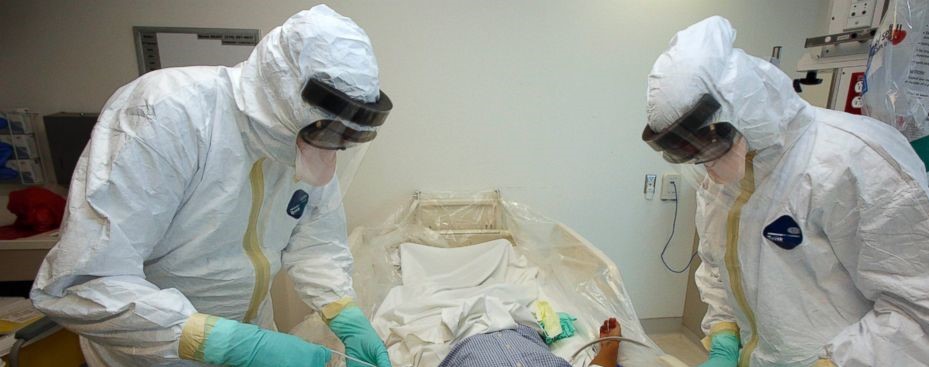
    •put on, use, take off and dispose of personal protective equipment properly;

    •self-monitor for signs of illness and self-isolate or report illness to managers, if it occurs; 

    •advise management if they are experiencing signs of undue stress or mental health challenges that require support interventions; and 

    •report  to  their  immediate  supervisor  any  situation  which  they  have  reasonable  justification  to  believe presents an imminent and serious danger to life or health.


    Doctors and health workers in Nigeria must endeavor to digest the guidelines in the Code of Medical Ethics as well as the WHO Guidelines for management of Coronavirus victims and ensure they work strictly by their provisions. A breach of these duties have dire consequences. 

    Options Available To Covid-19 Patients Who Are Victims Of Medical Negligence

    A Coronavirus patient who has suffered medical negligence has a number of options:

    1. He could file a complaint with the regulatory body (e.g. the Medical and Dental Council of Nigeria, in the cases involving a Doctor). The Doctor will in the first instance be investigated by the Medical and Dental Practitioners Investigation Panel, after which he will be tried by the Medical and Dental Practitioners Disciplinary Tribunal. If found culpable,  the Doctor may be warned, suspended from practicing for a period not exceeding 6 months or in very serious cases, have his name can be removed from the Register of Medical Practitioners. The Medical and Dental Practitioners’ Disciplinary Tribunal does not award monetary damages.

    2. A suit can be filed against the Medical Doctor, the Hospital, Agency or Government in the High Court for Medical Negligence and monetary damages will be awarded if the Defendant(s) are found culpable.

          3.  If there is an element of Crime, a report could be made to the Police who would conduct Criminal Investigation and where the investigation reveals gross negligence, recklessness or wanton disregard for life of the victim, the police can prosecute or forward the case file to the office of the Attorney General of the State for possible prosecution in deserving cases.  

    A Need To Do More For Doctors And Other Professionals In The Health Sector

    Health workers are at the front line of any outbreak response and as such are exposed to hazards that put them at risk of infection with an outbreak pathogen (in this case COVID-19). Hazards include pathogen exposure, long working  hours,  psychological  distress,  fatigue,  occupational  burnout,  stigma,  and  physical  and  psychological violence. 

    During the outbreak of Ebola more than 500 health care workers died in Guinea, Liberia and Sierra-Leone alone. We also lost some of our finest doctors and health workers to the disease in Nigeria, the most prominent being Dr. Stella Adadevoh, who is credited with having curbed a wider spread of the Ebola virus in Nigeria by placing the index patient, Patrick Sawyer, in quarantine despite pressures from the Liberian  government. As we speak, The coronavirus is waging a war of attrition against health care workers throughout the world, but nowhere is it winning more battles at the moment than in Italy and in Spain, where protective equipment and tests have been in severely short supply for weeks. In Spain 13.6% (6500) of those affected with the coronavirus are health workers and in Italy 10% (7400) of those affected with the virus are health workers. [4] In New York dozens of health workers have been affected with the virus, while hundreds are in quarantine.[5] According to reports filtering in as the time of concluding this article, three health workers have been infected with COVID-19 in Abuja, Nigeria.[6]

    Human Rights Watch research into health system collapse in Hungary and Venezuela suggests the nations’ mismanaged, underfunded, and understaffed public healthcare system is poorly equipped to handle a COVID-19 outbreak. Patients and medical experts described a lack of basic hygiene protocol, lack of isolation rooms, and a shortage of health professionals, doctors and nurses, and medical supplies in general.

    The situation is not too different in Nigeria at the moment and except something drastic is done we might be witnessing a devastating effect of the pandemic. Nigeria’s, public health capacity has been diminished by large scale public sector corruption. Medical personnel lack surgical masks and local supplies have been diverted and shipped to other markets partly due to corruption. Many states are ill-prepared to combat the impeding surge in patients. A senior health worker with a government hospital in Abuja, in an interview with Sahara Reporters, lamented the lack of quality Personal Protective Equipment for them, adding that government must invest in the protection of health workers at the frontline of the battle against the virus. He said, “The unfortunate thing is that the government is not providing us with what to work with. It is sad that our PPE are not up to the world standard and can be penetrated by viruses. Some of us (health workers) have to use our personal funds to purchase gloves as we do not trust the ones government supplied. Nigerians should please remember us in their prayers and government should provide us with what we really need to work.” [7]

    There was report that in Bauchi State a Coronavirus patient rejected the isolation centre at the Bauchi Specialist Hospital and went back home while describing it as “too dirty”.[8]  

    It is disappointing to hear that the hazard allowance for doctors and health workers is N5,000 per month in Nigeria. The amount is very paltry compared to the risks and the attendant emotional and psychological stress suffered by the health-care workers (HWCs) particularly during monumental outbreaks like this. Unfortunately, when a patient is mismanaged, these doctors and health workers bear the burden of paying huge compensation and sometimes losing their jobs. More importantly, the brain-drain in the health sector is monumental, almost all my friends who are doctors, work abroad. Unfortunately, there are concerted efforts by the US Government to engage foreign Doctors to further fortify its health work force as COVID-19 ravages. Many young Nigerian doctors are already considering the offers because the Nigerian government has paid little attention to their welfare and the welfare of the general health workforce. To stop the exodus of our doctors, who are already in short supply, the government must act fast by improving their welfare packages in line with acceptable international standards.

    The psychological needs of doctors and health workers are also often ignored. Unsafe working conditions contribute to health worker attrition in many countries due to work-related illness and injury and the resulting fear of health workers of occupational infection, including from HIV and Tuberculosis. The 2006 World Health Report – Working Together for Health reported on a severe health workforce crisis in fifty-seven countries, most of them in Africa and Asia. [9]

    Protecting the occupational health of health workers is critical to having an adequate workforce of trained and healthy health personnel. Governments at the Federal and State levels are urged to do more by complying fully with the World Health Organization’s guidelines regarding the Rights of Health Workers while combating COVID-19. Some of the rights are:

    ·         assume overall responsibility to ensure that all necessary preventive and protective measures are taken to minimize occupational safety and health risks;

    ·         provide information, instruction and training on occupational safety and health, including; Refresher training on infection prevention and control(IPC); and Use, putting on, taking off and disposal of personal protective equipment(PPE);

    ·         provide adequate IPC and PPE supplies (masks, gloves, goggles, gowns, hand sanitizer, soap and water, cleaning supplies) in sufficient quantity to healthcare or other staff caring for suspected or confirmed COVID-19 patients, such that workers do not incur expenses for occupational safety and health requirements;

    ·         not be required to return to a work situation where there is continuing orserious danger to life or health, until the employer has taken any necessary remedial action;

    ·         allow workers to exercise the right to remove themselves from a work situation that they have reasonable justification to believe presents an imminent and serious danger to their life or health. When a health worker exercises this right, they shall be protected from any undue consequences; 

    ·         honour the right to compensation, rehabilitation and curative services if infected with COVID-19 following exposure in the workplace. This would be considered occupational exposure and resulting illness would be considered an occupational disease,

    ·         provide access to mental health and counselling resources; and 

    ·         enable co-operation between management and workers and/or their representatives. Etc.

    In conclusion, professional care givers for COVID-19 patients should uphold four basic principles formulated by Beauchamp and Childress in their book ‘Principles of Biomedical Ethics’ in order to protect themselves from liability for negligence. The four basic principles are autonomy, beneficence, non-maleficence and justice.

    Autonomy: People have the right to control what happens to their bodies. This principle simply means that an informed, competent adult patient can refuse or accept treatments, drugs, and surgeries according to their wishes. People have the right to control what happens to their bodies because they are free and rational. And these decisions must be respected by everyone, even if those decisions aren’t in the best interest of the patient.

    Beneficence: All healthcare providers must strive to improve their patient’s health, to do the most good for the patient in every situation. But what is good for one patient may not be good for another, so each situation should be considered individually. And other values that might conflict with beneficence may need to be considered.

    Non-maleficence: “First, do no harm” is the bedrock of medical ethics. In every situation, healthcare providers should avoid causing harm to their patients. You should also be aware of the doctrine of double effect, where a treatment intended for good unintentionally causes harm. This doctrine helps you make difficult decisions about whether actions with double effects can be undertaken.

    Justice: The fourth principle demands that you should try to be as fair as possible when offering treatments to patients and allocating scarce medical resources. You should be able to justify your actions in every situation. For instance, it will amount to a professional misconduct for a Health-care Worker to remove a poor man from the ventilator because a Senator was rushed in. 

    Ahmed Adetola-Kazeem is a partner in Adetola-Kazeem Legal Practice and specializes in Medical and Health Law

    Email: aadetolakazeem@gmail.com;aadetolakazeem@gaklp.com

    [1] https://www.who.int/health-topics/coronavirus#tab=tab_1(Accessed on the 28th of March 2020)

    [2] https://businessday.ng/coronavirus/article/abba-kyari-tests-positive-for-coronavirus-buhari-negative/

    https://www.channelstv.com/2020/03/24/buharis-chief-of-staff-abba-kyari-reportedly-tests-positive-for-coronavirus/ (Accessed on the 28th of March 2020)

    [3] Coronavirus Disease (Covid-19) Outbreak: Rights, Roles and Responsibilities Of Health workers, Including Key Considerations For Occupational Safety And Health”. https://www.who.int/docs/default-source/coronaviruse/who-rights-roles-respon-hw-covid-19.pdf?sfvrsn=bcabd401_0   (Accessed on the 26th of March 2020)

    [4] https://abcnews.go.com/Health/wireStory/collapsing-virus-pummels-medics-spain-italy-69789413 (Accessed on 26th March 2020)

    [5] https://www.washingtonpost.com/health/covid-19-hits-doctors-nurses-emts-threatening-health-system/2020/03/17/f21147e8-67aa-11ea-b313-df458622c2cc_story.html (Accessed on 28th of March 2020)

    [6] http://saharareporters.com/2020/03/28/exclusive-two-nurses-one-doctor-infected-coronavirus-abuja-hospital

    [7] Supra

    [8] https://www.dailytrust.com.ng/coronavirus-patient-rejects-bauchi-isolation-centre-returns-home.html (Accessed on 28th March 2020)

    [9] https://www.who.int/occupational_health/topics/hcworkers/en/(Accessed on 26th March 2020)


    Opinion

    AddThis

    : 

    Original Author

    : 

    Ahmed Adetola-Kazeem

    Disable advertisements

    : 
    Legal Issues Arising From Management Of Covid-19 Patients By Ahmed Adetola-Kazeem
    Read More
    http://saharareporters.com/2020/04/01/legal-issues-arising-management-covid-19-patients-ahmed-adetola-kazeem

    Views: 0

  • Email Marketing Metrics

    Email marketing is one of the best online marketing strategies around, and is a great way to drive highly targeted traffic to your website. This online marketing technique routinely provides some of the highest ROI figures in the online advertising industry, making it appealing to just about every type of…

    Read More
    http://www.associationofmarketing.org/articles/view.php?article_id=6668

    Views: 0

  • Email Marketing Metrics

    Email marketing is one of the best online marketing strategies around, and is a great way to drive highly targeted traffic to your website. This online marketing technique routinely provides some of the highest ROI figures in the online advertising industry, making it appealing to just about every type of business. However, in order to get the most out of your email marketing campaigns, it is important that you pay attention to several key metrics…

    Read More
    http://www.associationofmarketing.org/articles/view.php?article_id=6784

    Views: 0

  • 156 new Covid-19 cases as of noon today, tally now 2,626: Health DG (Updated)

    156 new Covid-19 cases as of noon today, tally now 2,626: Health DG (Updated)

    156 new Covid-19 cases as of noon today, tally now 2,626: Health DG (Updated) 9

    PETALING JAYA: There were 156 new Covid-19 cases, with three deaths recorded at noon today, which brings the total number of infected and deceased cases to 2,626 and 37, respectively.

    “To date, (out of the 2,626 new cases), 94 are being treated in intensive care and of these, 62 cases require breathing assistance,” Health director-general Datuk Dr Noor Hisham Abdullah said in a statement.

    He also noted that the country saw a record number of 91 patients having recovered and discharged in one day. This brings the number of those who have recovered to 479.

    There was no drastic increase of Covid-19 cases here so far.

    He explained that recording 150 to 200 cases a day is considered stable and attributes the number to active case inspections according to the ministry.

    “We have been observing cases closely and have compared the figures to other countries, to which we can say there has been no significant increase so far.”

    “What we fear is a sudden surge of between 900 to 1,000 cases in a day,“ he said.

    Hisham also shared that the Health Ministry has managed to increase the number of hospitals providing Covid-19 screening services across the nation, from 57 to 70 hospitals.

    The number of hospitals equipped to treat Covid-19 cases has also been increased from 26 to 38, thanks to cooperation from the Malaysian Armed Forces and the University of Malaya University Medical Center.

    “Seven of these hospitals are specialised in treating Covid-19 patients,” he said.

    Of the three fatalities, the 35th victim was a 57-year-old woman with a history of diabetes who had travelled to Indonesia. She was treated at the Sungai Buloh Hospital.

    Case 36 was a 47-year-old Malaysian, treated at the Sarawak General Hospital on March 23.

    Case 37 was A 46-year-old female. She had a history of high blood pressure and an autoimmune disease. She was hospitalised at the Miri Hospital in Sarawak.

    156 new Covid-19 cases as of noon today, tally now 2,626: Health DG (Updated)
    Read More
    https://www.thesundaily.my/local/156-new-covid-19-cases-as-of-noon-today-tally-now-2626-health-dg-updated-IM2196309

    Views: 0