Tag: condition

  • Medical Product Alert N°5/2020 – 7 May 2020

    Medical Product Alert N°5/2020 – 7 May 2020

    Falsified and contaminated Defibrotide identified in WHO regions of Western Pacific, Europe and Eastern Mediterranean

    This alert relates to falsified DEFIBROTIDE 200MG VIALS OF 2.5ML (80MG/ML) CONCENTRATE FOR SOLUTION FOR INFUSION identified in Australia, Latvia and Saudi Arabia. This product is sold under the brand name Defitelio.

    On 13 March 2020, the WHO Global Surveillance and Monitoring System on Substandard and Falsified (SF) Medical Products was informed that falsified DEFIBROTIDE 200MG vials were identified at patient level in Australia, displaying batch number 0286 (see Table 1 below for full details).

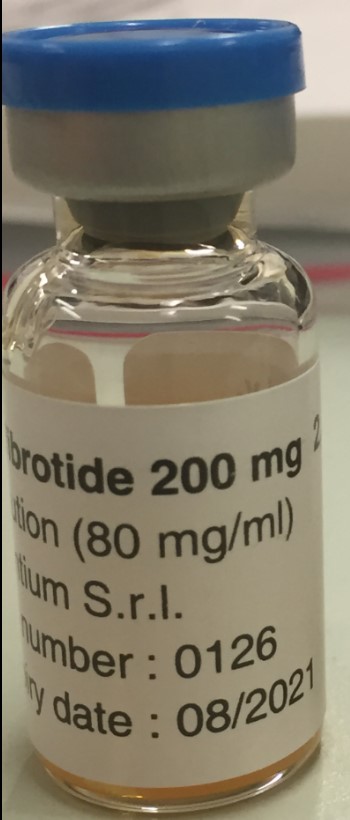
    Following enquiries with stakeholders, on 8 April 2020, WHO was informed that falsified DEFIBROTIDE 200MG vials had also been supplied to Saudi Arabia, displaying batch number 0286 and 0126 (see Table 1 below for full details).

    Following enquiries with stakeholders, on 9 April 2020, WHO was informed that falsified DEFIBROTIDE 200MG vials, displaying batch number 0126, had also been identified in Australia and Latvia.

    DEFIBROTIDE is used to treat hepatic veno-occlusive disease, in which the blood vessels in the liver become damaged and obstructed by blood clots. This can be caused by treatments prior to a stem cell transplantation.

    Laboratory analyses, conducted by national medicines regulatory authorities and the manufacturer of the genuine product, established that these falsified products do not contain any of the expected active ingredient. The solution in the vials is also contaminated with mould (Cladosporium sp. and Aspergillus niger).

    Information available to WHO indicates that both batches of falsified DEFIBROTIDE 200MG vials were present within the regulated supply chain in Latvia as early as January 2020 and were also handled by medicine wholesalers in the United Kingdom in February 2020. It is important to note that widespread vigilance is required from all countries, regardless of where the product was originally identified.

    Table 1: falsified defibrotide subject of WHO Alert n°5/2020, identified in Australia, Latvia and Saudi Arabia

    Medical Product Alert N°5/2020 - 7 May 2020 1

    The two products listed in Table 1 are confirmed falsified, on the basis that there is deliberate misrepresentation of their identity, composition and source.

    The genuine manufacturer of Defibrotide, GENTIUM S.R.L has also confirmed to WHO that:

    • They did not manufacture the above products.
    • Authentic DEFIBROTIDE 200MG VIALS with batch number 0286 were supplied to Argentina, Hong Kong, Malaysia, Singapore and Turkey.
    • Authentic DEFIBROTIDE 200MG VIALS with batch number 0126 were supplied to Australia, Jordan, Kuwait, Lebanon, New Zealand, Qatar, Singapore, Turkey and the United Arab Emirates. 

      For guidance and photographs, please refer to page 2 of this Alert n°5/2020.

    Photos of Falsified DEFIBROTIDE Batch number: 0286, with expiry date: 09/2021

    Medical Product Alert N°5/2020 - 7 May 2020 2         Medical Product Alert N°5/2020 - 7 May 2020 3
    Sample from Latvia       Sample from Latvia

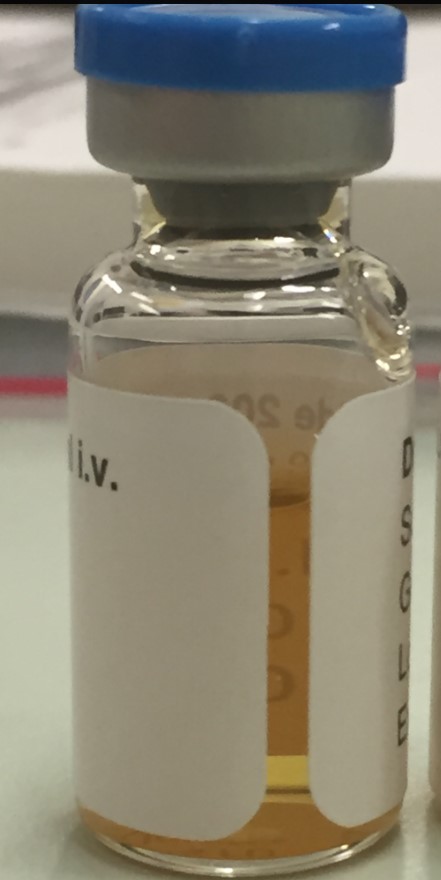
    Photos of Falsified DEFIBROTIDE Batch number: 0126, with expiry date: 08/2021

    Medical Product Alert N°5/2020 - 7 May 2020 4           Medical Product Alert N°5/2020 - 7 May 2020 5
    Sample from Australia       Sample from Australia

    WHO requests increased vigilance within the supply chains of countries likely to be affected by these falsified products. Increased vigilance should include hospitals, clinics, health centres, wholesalers, distributors, pharmacies and any other suppliers of medical products.

    If you are in possession of the above products, please do not use them. If you have used these falsified products, or if you suffer an adverse reaction/event having used these products, you are advised to seek immediate medical advice from a qualified healthcare professional, and to report the incident to the National Regulatory Authorities/National Pharmacovigilance Centre.

    All medical products must be obtained from licensed, authorized and reliable sources. Their authenticity and condition should be carefully checked. Seek advice from a healthcare professional in case of doubt.

    National regulatory/health authorities are advised to immediately notify WHO if these falsified products are identified in their country(ies). If you have any information concerning the manufacture, distribution, or supply of these products, please contact rapidalert@who.int.

    WHO Global Surveillance and Monitoring System for Substandard and Falsified Medical Products

    For further information, please visit our website: https://www.who.int/medicines/regulation/ssffc/en/ 

    Medical Product Alert N°5/2020 - 7 May 2020
    Read More
    https://www.who.int/news-room/detail/07-05-2020-medical-product-alert-n-5-2020

    Views: 0

  • Massive proportion of world’s population are living with herpes infection

    Massive proportion of world’s population are living with herpes infection

    Virus causing genital herpes may put millions of people at greater risk of infection with HIV

    About half a billion people worldwide are living with genital herpes, and several billion have an oral herpes infection, new estimates show.

    Authored by staff at the University of Bristol, World Health Organization (WHO), and Weill Cornell Medical College-Qatar, and published in the Bulletin of the World Health Organization,
    the new study estimates the global infection prevalence and incidence of herpes simplex virus types 1 and 2 (HSV-1 and HSV-2) in 2016. 

    “Herpes infection affects millions of people across the globe and can have far-reaching health effects. We need more investment and commitment to develop better treatment and prevention tools for this infection.” says Dr Sami Gottlieb, Medical
    Officer at WHO and an author of the study.

    Prevalence and incidence

    An estimated 491.5 million people were living with HSV-2 infection in 2016, equivalent to 13.2% of the world’s population aged 15 to 49 years. HSV-2 is almost exclusively sexually transmitted, causing infection in the genital or anal area (genital
    herpes).

    An estimated 3.7 billion people had HSV-1 infection during the same year – around 66.6% of the world’s population aged 0 to 49. HSV-1 is mainly transmitted by oral to oral contact to cause infection in or around the mouth (oral herpes). However,
    HSV-1 can also be transmitted to the genital area through oral-genital contact – during oral sex – to cause genital herpes. Most HSV-1 infections were oral; however, between 122 million to 192 million people were estimated to have genital
    HSV-1 infection, depending on the assumptions used in the estimation model.

    Because herpes is a lifelong infection, estimated prevalence increased with age; HSV-2 prevalence was also higher among women and in the WHO African Region.

    Health and social impacts

    Most people living with herpes, caused by either HSV-1 or 2, are unaware they have the infection.

    When symptoms do occur however, oral herpes infection can lead to painful sores around the mouth (“cold sores”). Genital herpes infection can cause recurring, often painful, genital sores, often referred to as genital ulcer disease. 

    WHO and partners published a study in March 2020 estimating that around 5% of the world’s population (187 million people) suffered from at least one episode of herpes-related genital ulcer disease in 2016 (1). Most of these episodes were due to
    HSV-2, which can recur frequently over many years.

    Recurrent symptoms of genital herpes can lead to stigma and psychological distress, and can have an important impact on quality of life and sexual relationships. However, in time, most people with herpes adjust to living with the infection.

    “Genital herpes is a substantial health concern worldwide – beyond the potential pain and discomfort suffered by people living with the infection, the associated social consequences can have a profound effect on sexual and reproductive health”
    says Dr Ian Askew, Director of the Department of Sexual and Reproductive Health and Research at WHO. 

    Herpes and HIV

    A strong association exists between HSV-2 infection and HIV infection. In 2019, WHO commissioned a modeling study to estimate how much HSV-2 infection might contribute to HIV incidence. The study estimated that almost 30% of new sexually acquired HIV
    infections in 2016 worldwide were likely attributable to HSV-2 infection (2). 

    Evidence shows that people with HSV-2 infection are at least three times more likely to become infected with HIV, if exposed. HSV-2 leads to inflammation and small breaks in the genital and anal skin that can make it easier for HIV to cause infection.
    In addition, people with both HIV and HSV-2 infection are more likely to spread HIV to others.

    Women have higher biologic susceptibility to both HSV-2 and HIV. Women living in the WHO Africa Region have the highest HSV-2 prevalence and exposure to HIV – putting them at greatest risk of HIV infection, with negative implications for their health
    and well-being. 

    For people living with HIV (or who are living with other conditions that compromise their immune systems) as well as HSV-2, the symptoms of herpes can be more severe and more frequent. 

    Neonatal herpes

    Neonatal herpes can occur when an infant is exposed to HSV in the genital tract during delivery. This is a rare condition, occurring in an estimated 10 out of every 100,000 births globally, but can lead to lasting neurologic disability or death. The risk
    for neonatal herpes is greatest when a mother acquires HSV infection for the first time in late pregnancy. Women who have genital herpes before they become pregnant are at very low risk of transmitting HSV to their infants.

    No cure – better treatment and prevention needed

    There is no cure for herpes. At present, antiviral medications, such as acyclovir, famciclovir, and valacyclovir, can help to reduce the severity and frequency of symptoms but cannot cure the infection.

    As well as increasing awareness about HSV infection and its symptoms, improved access to antiviral medications and heightened HIV prevention efforts for those with genital HSV symptoms are needed globally. 

    In addition, development of better treatment and prevention interventions is needed, particularly HSV vaccines. WHO and partners are working to accelerate research to develop new strategies for prevention and control of HSV infections. Such research includes
    the development of HSV vaccines and topical microbicides. Several candidate vaccines and microbicides are currently being studied.

    “A vaccine against HSV infection would not only help to promote and protect the health and well-being of millions of people, particularly women, worldwide – it could also potentially have an impact on slowing the spread of HIV, if developed
    and provided alongside other HIV prevention strategies” says Dr Meg Doherty, Director of the WHO Department of Global HIV, Hepatitis, and STI Programmes.

    Related publications

    WHO guidelines for the treatment of Genital Herpes Simplex Virus

    WHO preferred product characteristics for herpes simplex virus vaccines


    ———————-

    (1) Looker KJ, Johnston C, Welton NJ, et al. The global and regional burden of genital ulcer disease due to herpes simplex virus: a natural history modelling study. BMJ Glob Health. 2020;5(3):e001875. doi: 10.1136/bmjgh-2019- 001875.

    (2) Looker KJ, Welton NJ, Sabin KM, et al.Global and regional estimates of the contribution of herpes simplex virus type 2 infection to HIV incidence: a population attributable fraction analysis using published epidemiological data. Lancet Infect Dis.2020;20(2):240-249. doi: 10.1016/S1473-3099(19)30470-0.

    Massive proportion of world’s population are living with herpes infection
    Read More
    https://www.who.int/news-room/detail/01-05-2020-massive-proportion-world-population-living-with-herpes-infection

    Views: 0

  • Maternal infections in health facilities

    Maternal infections in health facilities

    A clearer picture of the global impact 

    New research from the Global Maternal Sepsis Study (GLOSS), a major WHO/HRP initiative, shows that infection has a much larger impact on global maternal mortality and morbidity than previously thought.

    Logo of the Lancet Global HealthThe
    results from GLOSS, published in The Lancet Global Health, are the first to provide data on frequency of maternal infections and
    sepsis across the pregnancy and post-pregnancy period, in a large number of health facilities around the world. 

    Around 11 women per 1000 live births had an infection which resulted in or contributed to what is known as a severe maternal outcome – either they died or nearly died – during their hospitalization. 

    Urgent improvement is needed to manage this life-threatening risk faced by all pregnant and recently pregnant women, wherever they are in the world. 

    What is maternal sepsis and how does it lead to maternal death?

    Maternal sepsis is a life-threatening condition that arises when the body’s response to infection causes injury to its own tissues and organs during pregnancy, child-birth, post-abortion or the postpartum period.

    The latest global estimates place sepsis due to obstetric infections as the third most common cause of maternal mortality. However, this only includes infections as a direct result of pregnancy, such as endometritis or post-caesarean wound infections.

    Few
    previous studies include post-abortion infections. Neither do they address indirect infections such as respiratory and meningitis, which are aggravated by pregnancy but not directly caused by it.

    A better understanding of maternal infection

    GLOSS was a massive facility-based data collection effort led by WHO, accompanied by a ‘STOP SEPSIS!’ campaign to increase awareness among healthcare providers.

    The study gathered data on women who were admitted with suspected or confirmed infection during pregnancy or post-pregnancy over a one-week period in 2017. More than 2800 women participated in the study in 52 countries.

    GLOSS included healthcare facilities that care for women during pregnancy, childbirth or at the end of pregnancy, as well as facilities without maternity service but where women could be hospitalized during or after pregnancy, and data on infections
    which are not usually recorded as maternal sepsis, including post-abortion and indirect infections. 

    The result is a more complete understanding of the frequency and impact of maternal infections in health facilities. 

    GLOSS calls attention not only to the wider range of risks faced by pregnant women but also to the long period of time during which they are at risk. 

    Putting global numbers on maternal infection and sepsis

    Overall, around 70 pregnant or recently-pregnant women per 1000 live births were found to have a maternal infection needing hospital management. 

    Across the study, 11 women with either direct or indirect infection per 1000 live births developed a severe maternal outcome, but in low- and middle-income countries up to 15 women per 1000 births were affected.

    Infections were the underlying cause of most of the deaths recorded during the study, primarily post-abortion infection and indirect infections. Infections were also present in about a third of deaths attributed to other causes, such as postpartum
    haemorrhage.

    This suggests that the contribution of infection to global maternal mortality and morbidity may be larger than current reports of maternal sepsis mortality suggest.

    Preventing, identifying and treating maternal infection and sepsis

    Some of the most common maternal infections found in the study, such as urinary tract infections, post-caesarean and post-abortion infections, are largely preventable and treatable.

    GLOSS results suggest that current levels of monitoring and clinical care across health facilities are not enough to prevent, identify and treat levels of maternal infection effectively. 

    For instance, a complete set of vital signs was not reported for a third of the women in the study, on the day their infection was suspected or diagnosed. Delays in antimicrobial therapy were frequent.

    GLOSS also shows marked differences across countries, with the highest burden in low- and middle-income countries, compared with high-income countries.

    This may reflect the impact of broader health determinants in different country contexts. Challenges of overcrowding, limited access to water and sanitation and constraints to safe births by skilled birth attendants can reduce the ability of healthcare
    providers to manage the frequency and outcome of maternal infections.

    An opportunity to implement evidence-based practice

    GLOSS gives healthcare providers, policy-makers, and the public at large an opportunity: to mobilise around these data improve evidence-based practice, and save lives. 

    WHO has produced a number of resources which can support timely action to prevent, diagnose and treat maternal infection, as well as activities such as the upcoming SAVE LIVES: Clean Your Hands campaign
    on 5 May which celebrates the central role played by nurses and midwives in clean health care. 

    In addition, WHO will publish a global sepsis epidemiology report around the 73rd World Health Assembly (WHA) in May, as requested in the
    2017
    WHA Resolution on Improving the prevention, diagnosis and clinical managementof sepsis.

    Understanding why and how infection affects women is essential for equipping healthcare providers with life-saving knowledge and enabling health care systems to bring down global maternal mortality and morbidity.

    Related publications

    WHO recommendations for prevention and treatment of maternal peripartum infections

    WHO Clinical practice handbook for safe abortion

    Global guidelines on the prevention of surgical site infection

    WHO statement on maternal sepsis

    World Health Assembly resolution on Improving the prevention, diagnosis and clinical management of sepsis

    Health Topics

    Antimicrobial resistance

    Infection Prevention and Control

    Water Sanitation Hygiene

    Other links

    Global Maternal Sepsis Study

    SAVE LIVES: Clean Your Hands 5 May 2020


    Maternal infections in health facilities
    Read More
    https://www.who.int/news-room/detail/27-04-2020-maternal-infections-in-health-facilities

    Views: 0

  • Lifting restrictions ‘too quickly’ could lead to deadly resurgence of Covid-19: WHO

    Lifting restrictions ‘too quickly’ could lead to deadly resurgence of Covid-19: WHO

    Lifting restrictions ‘too quickly’ could lead to deadly resurgence of Covid-19: WHO 6

    GENEVA: World Health Organisation (WHO) Director-General Tedros Adhanom Ghebreyesus warned here on Friday that lifting restrictions “too quickly” could lead to a deadly resurgence of Covid-19, Xinhua news agency reported.

    Noting at a regular press briefing that “some countries are already planning the transition out of stay-at-home restrictions,“ the WHO chief warned that lifting restrictions too quickly could lead to a deadly resurgence.

    “The way down can be as dangerous as the way up if not managed properly,“ he said, underlining that the WHO is working with affected countries on strategies for gradually and safely easing restrictions.

    Some European countries are already considering relaxing their restriction measures as they see a slowing trend in the number of Covid-19 infections.

    Austria, for instance, aims to gradually ease the exit restrictions and reopen shops and businesses from mid-April. Switzerland also suggested “the first relaxations” by the end of April.

    The WHO chief stressed that decision of lifting restrictions should be made on the condition that transmission is controlled; that sufficient public health and medical services are available; that outbreak risks in special settings like long-term care facilities are minimised; that preventive measures are in place in workplaces, schools and other places where it’s essential for people to go; that importation risks can be managed; and that communities are fully aware and engaged in the transition.

    Globally, nearly 1.5 million confirmed cases of Covid-19 have now been reported to the WHO, as well as more than 92,000 deaths. — Bernama

    Lifting restrictions ‘too quickly’ could lead to deadly resurgence of Covid-19: WHO
    Read More
    https://www.thesundaily.my/world/lifting-restrictions-too-quickly-could-lead-to-deadly-resurgence-of-covid-19-who-IB2245956

    Views: 0

  • THE SCIENCE OF EUGENICS

    THE SCIENCE OF EUGENICS

    No one who keeps in even only fair touch with the affairs of the world of today can have failed to notice the frequent mention of the term “Eugenics” in the newspapers, magazine, and books of the hour. And yet, many persons seem to be in doubt as to the meaning and use of the term; some thinking that it refers to some new “ism” or “ology,” or perhaps to some new and strange doctrine concerning the relations of the sexes. In view of this fact, the writer has thought it well to give the readers of this book a brief, though somewhat comprehensive, view of the general subject of Eugenics.

    Eugenics, sometimes known as the Science of Parenthood, has well been styled “the New Science,” for it has forced itself into public notice within the past ten or fifteen years, whereas before that time it was practically unknown to the general public. At the present time some of the world’s greatest thinkers have spoken or written on the subject, and many regard it as one of the most vital branches of human research, endeavor, and study, for the future of the race is involved in the solution of its problems. In its general phase of race-betterment, Eugenics is receiving the attention of statesmen, sociologists and patriots; in its particular phases, the earnest attention, interest and study of men and women who wish offspring of the best quality obtainable.

    The spirit of Eugenics may be expressed in the words of Dr. G. Stanley Hall, president of Clark University, who has said: “Our duty of all duties is to transmit the sacred torch of life undiminished, and, if possible, a little brightened, to our children.{66} This is the chief end of men and women. All posterity slumbers in our bodies, as we did in our ancestors. The basis of the new biological ethics of today, and of the future, is that everything is right that makes for the welfare of the yet unborn, and all is wrong that injures them, and to do so is the unpardonable sin—the only one nature knows.”

    That phase of Eugenics which has brought the new science more prominently before the public mind, and which has enrolled on its roster the names of some of the world’s most eminent scientists, sociologists, and writers—the phase of race-betterment from the standpoint of sociology—has led many to believe that Eugenics is confined to that phase, and is but a movement toward “the successful breeding of the human race” on a universal scale. To many, such a movement while deemed commendable and desirable nevertheless lacks the appeal of the heart and affections—it seems to be of the head alone. But when such persons are brought to their realization that Eugenics is also a movement to promote the bearing of children—to enable each mated couple to bring forth perfect offspring—then the heart is enlisted as a co-worker with the head.

    The sociological phase of Eugenics—the phase of Race Culture in general—is being vigorously advanced by societies and organizations in various parts of the world, the parent organization being the Eugenics Education Society, of London, England. Dr. C. W. Saleeby, one of those prominent in the work of the said Society, has the following to say concerning the work of that organization:

    “The Eugenics Education Society exists to uphold the ideal of Parenthood as the highest and most responsible of human powers; to proclaim that the racial instinct is therefore supremely sacred, and its exercise{67} through marriage, for the service of the future, the loftiest of all privileges. It stands for a transfigured sentiment of parenthood which regards with solicitude not child and grandchild only, but the generations to come hereafter—fathers of the future creating and providing for the remote children. That which too many schools of thought and practice have derided or defiled, it seeks to elevate and ennoble. Parenthood on the part of the diseased, the insane, the alcoholic—where these conditions promise to be transmitted—must be denounced as a crime against the future. In these directions the Society stands for active legislation, and for the formation of that public opinion which legislation, if it is to be effective, must express. Parenthood on the part of the worthy must be buttressed, guided, and extolled. The Society stands for the education of the young regarding the responsibility and holiness of the racial function of parenthood.”

    The Eugenists hold that in the near future our children, looking back upon the present and the past state of indifference and neglect concerning the important subject of bearing and rearing of children, will experience the same horror that we now feel when we look back upon the indifference to the horrors of human slavery, imprisonment for debt, cruelty toward prisoners, treatment of the insane, executions for trivial offences, etc., on the part of our ancestors. Our descendants will deem it almost inconceivable that we, their ancestors, could have been so blind and criminally negligent.

    But, as leading Eugenists have pointed out, the new science does not confine its attention to the subject of preventive measures, important as they are—it also directs its attention to the constructive phase of the subject, i. e., the production of better children. While Eugenics strives to prevent the unfit from flooding the race with unfit progeny, it at the same time strives to{68} educate the race so that the fit may bear and rear better offsprings. It is not sufficient merely to eliminate the unfit—we must also improve, and still further render fit, the fit members of the race. The fit must not be allowed to remain merely the fit—we must evolve a fitter—and ever move onward toward the realization of the ideal of the fittest. We must not only strive to eliminate the beast in the race of men—we must also aid the race to unfold in the direction of the super-man.

    The Eugenists know that much of the talk concerning Race Suicide is not only futile and uncalled for, but is also in a sense misleading and actually dangerous. The real danger of Race Suicide comes not from the decreasing birth-rate, but from the excessive, ignorant, and unscientific bearing and rearing of children by unfit parents. It is not so much a matter of how many children are born, as of how they are born, what kind of children they are, and how they are reared physically, mentally and morally, and how many survive. It is not so much that the lower death-rate be avoided, says the Eugenist, as it is that the higher death-rate be overcome. The intelligent stockbreeder grasps this scientific law of the Eugenists when he endeavors to produce the best young, and then to take care of them that they survive and reach a healthy maturity. To the Eugenist, it is not so much a question of “more,” but of “better”—not so much a question of quantity as of quality—not so much a question of production, but of conservation and preservation.

    Dr. Saleeby refers to the death-rate of London, which is but 16 to the 1000, as compared to that of Bombay, which is 79 to the 1000. He adds: “It is asserted that in many large Indian cities the infant mortality approaches one-half of all the children born. What it amounts to in such cities as Canton and Pekin we can only surmise with{69} horror. * * * * Unless it be supposed by bishops and others, then, that a peculiar value attaches to the production of a baby shortly to be buried, the suggestion evidently is the same as that to which every humanitarian and social and patriotic impulse guides us, namely, the reduction of the death-rate, and especially of infant mortality. * * * * Hence the Eugenists and the Episcopal Bench may join hands so far as the reduction of the death-rate is concerned, and the only persons with whom a practical quarrel remains are those who applaud the mother who boasts that she has buried twelve.”

    The Eugenists urge that if the principles applied to plant-life by that master of his science, Luther Burbank, were applied to the production and rearing of young human life, in a few generations we should have a race so far advanced beyond the present average as to be almost god-like by comparison. But this means a far different thing from the ideal of merely “more children”—it requires the manifestation of the ideal of “better children,” well born, carefully reared, well nourished, and scientifically educated. And this rearing, nourishing, and education must not be confined to the physical part of the child’s nature—it must proceed along the three-fold line of physical, mental, and moral culture.

    The Eugenists have been actively concerned with the question of the prevention of the transmission of undesirable qualities to offspring. They have held that while crime is more frequently rather the result of evil environment than of criminal heredity, nevertheless there is a large class of children who are “born criminals”—that is, born with such a decided tendency toward criminal acts that the slightest influence of environment may, and often does, serve to kindle into a blaze the undesirable and criminal characteristics.

    Dr. Saleeby says of this: “In the face of the work of{70} Lombroso and his school, exaggerated though some of their conclusions may be, we cannot dispute the existence of born criminals and the criminal type. There are undoubtedly many such persons in modern society. There is an abundance of crime which no education, practiced or imaginable, would eliminate. Present day psychology and medicine and, for the matter of that, ordinary common-sense, can readily distinguish cases at both extremes—the mattoid or semi-insane criminal at one end, and the decent citizen who yields to exceptional temptation at the other end.”

    The Eugenists quote as an instance of the above contention the celebrated case of Max Jukes, a notorious criminal and drunkard, who as the records show us was the ancestor of a foul brood of descendants which cost the State of New York over a million dollars in seventy-five years. Among these descendants were 200 thieves and murderers; 285 subject to idiocy, blindness or deafness; 90 prostitutes; and 300 children born prematurely. It is possible that a portion of this evil result was caused not alone by bad heredity but, at least in part, by the suggestion of the environment, and the influence of example of the parents; but even so, the primal cause was that Max Jukes, the notoriously unfit ancestor, was allowed to propagate this evil brood, destined to be born and reared under the most adverse conditions and environment.

    The Eugenists also place great importance upon the prevention of insane persons becoming parents. To those who consider that this is but an exceptional and rare occurrence, the Eugenists reply that a large percentage of insane patients in asylums have a family history showing insanity in one or both parents; that reports show that there are thousands of feeble-minded women in every large city allowed to (yes, often actually compelled to) bear children to their husbands or male companions.

    Ribot says: “Every work on insanity is a plea for heredity.” Maudsley says: “More than one-fourth and less than one-half of all insanity is heredity.” Riddell says: “Of the great causes of insanity, alcoholism is perhaps the greatest, while morbid heredity ranks next. Insanity is largely the result of degeneracy. Most persons who become mentally deranged are the offspring of neurotic, drunken, insane or feeble-minded parents.” While it by no means follows that one must manifest traits of insanity or mental disturbance simply because one of his parents suffered from a like trouble—and we believe that many a one has frightened himself into those conditions by pure auto-suggestion inspired by a one-sided belief in heredity—still it is unquestionably true that a fair mind must concede that wisdom and a proper sense of right and justice would require that parents of unsound mental tendencies should not be permitted to bring into the world children who might inherit a tendency toward a like, or worse, condition.

    The Eugenists also have called the attention of the thinking public to the danger of deaf-and-dumb persons transmitting their condition to their offspring. Of this Dr. Saleeby says: “The condition known as deaf-mutism is congenital or due to innate defect in about one-half of all the cases in Great Britain.” Dr. Love says: “In every institution, examples may be found of deaf-mute children who have had one or two deaf parents or grandparents, and of two or more deaf-mute children belonging to one family.” A case is noted in England where a deaf-and-dumb man having been killed by an accident, his relatives could not identify the body, as the wife and sister were blind, deaf-and-dumb, and the four children were deaf-and-dumb. The man and his wife were both deaf-and-dumb when they were married, the wife being also blind.

    Perhaps no subject has aroused the active Eugenists{72} to a greater pitch of indignation than the ascertained results of the effect upon offspring of parents addicted to the over-indulgence in alcohol. It is known by the records that a large number of cases of feeble-mindedness and actual insanity are due to inebriety of parents, and often of grandparents, or ancestors for several generations. Epilepsy, idiocy, and criminality are also traceable in many cases to drunkenness of parents. Dr. Saleeby, moved by indignation by the ascertained results of the investigations of the Eugenists, has said: “Parenthood must be forbidden to the dipsomaniac, the chronic inebriate, or the drunkard, whether male or female.”

    Professor Grenier, writing on the subject of alcoholic degeneration, has said: “Alcohol is one of the most active agents in the degeneracy of the race. The indelible effects produced by heredity are not to be remedied. Alcoholic descendants are often inferior beings, a notable proportion coming under the categories of idiots, imbeciles, and the debilitated. The morbid influence of parents is maximum when conception has taken place at the time of drunkenness of one or both parties. Those with hereditary alcoholism show a tendency to excess; half of them become alcoholics; a large number of cases of neurosis have their principal cause in alcoholic antecedents. The larger portion of the sons of alcoholics have convulsions in early infancy. Epilepsy is almost characteristic of the alcoholism of parents, when it is not an index of a nervous disposition of the whole family. The alcoholic delirium is more frequent in the descendants of alcoholics than in their parents, which indicates their intellectual degeneration.”

    What has been said of alcoholism of course applies to the use of narcotics and other drugs. Galton cites a case in which “a man who had had two healthy children acquired the cocaine habit, and while suffering from the{73} symptoms of chronic poisoning engendered two idiots.” And yet had anyone publicly instructed the wife of this man regarding the use of contraceptives, such person would have been liable to imprisonment!

    Another subject engaging the active attention of the Eugenists, and which is discussed to considerable extent in the privacy of their meetings, but which must be voiced only very carefully in the public prints owing to the “murderous silence” which society prefers to maintain on the subject, is of the influence of venereal diseases as racial poisons transmissible to offspring. Dr. Saleeby has well said: “No other disease can rival syphilis in its hideous influence upon parenthood and the future. But it is no crime for a man to marry, infect his innocent bride and their children; no crime against the laws of our lawgivers, but a heinous outrage against nature’s decrees. When at last our laws are based on nature’s laws, criminal marriages of this kind may be put an end to.”

    The above stated facts are not pleasant reading for most persons, and many pass over them hurriedly, thereby hoping to escape the mental discomfort which the hearing and learning of unpleasant truths so often produce. But the subject will not down—it is forcing itself to the attention of the thinking members of society today in a manner which will admit of no escape. These facts must be faced, and steps must be taken by society to protect the race from degeneration and actual Race Suicide. And the Science of Eugenics is pointing the way.

    Dr. Saleeby says of this phase of Eugenics: “Negative Eugenics will seek to define the diseases and defects which are really hereditary; to name those the transmission of which is already known to occur, and to raise the average of the race by interfering as far as may be with the parenthood of persons suffering from these{74} transmissible disorders. Only thus can certain of the gravest evils of society, as, for instance, feeble-mindedness, insanity, and crime due to inherited degeneracy, be suppressed; and if Race-Culture were absolutely incapable of effecting anything whatever in the way of increasing the fertility of the worthiest classes and individuals, its services in the negative direction here briefly outlined would be of incalculable value. To this policy we shall most certainly come; but here, as in other cases, I trust far more to the influence of an educated public opinion than in legislation; though there are certain forms of transmissible disease, interfering in no way with the responsibility of the individual, the transmission of which should be visited with the utmost rigor of the law, and regarded as utterly criminal, no less than sheer murder.”

    But the Science of Eugenics is concerned not only with telling society what “not to do”—it is equally concerned with telling it “what to do.” It has its Positive as well as its Negative side. After pointing out the evils of procreation on the part of the unfit, it then proceeds to tell the fit how to best serve the interests of the unborn. Eugenics is not satisfied with merely plucking out the foul weeds which have encumbered the fair garden of life—it seeks also to furnish to the real flowers better soil, and improved conditions, and to give them the benefit of the best selection, breeding and conditions, that they may evolve and improve into still more glorious products of nature’s power.

    The Eugenists earnestly advocate laws and public opinion tending to protect mothers and expectant mothers. They recognize the supremacy of motherhood, and aim to encourage and protect it. They decry the common indifference toward this function which is all important in the preservation and evolution of the race, and which neglect is well expressed in the complaint of{75} Bouchacourt, who said: “The dregs of the human species—the blind, the deaf-mute, the degenerate, the imbecile, the epileptic—are better protected than are pregnant women.”

    The Eugenists believe in educating women for motherhood, and in protecting them from conditions which interfere with that important function of their life. They are not fully agreed upon the methods to be pursued in cases of expectant mothers whose lack of proper support prevents them from obtaining the proper nourishment, etc., but in a general way it may be said that they agree in holding that the expectant mother should be looked upon as the honored ward of the State, and should be properly provided for from the public funds.

    The Eugenists also believe in educating the father, or prospective father. They hold that every man should be made acquainted with the duties and responsibilities of fatherhood, and should so conduct and order his life that the production and rearing of a family should result as a consummation of a long cherished ideal. The man should be taught to prepare himself, physically, mentally, and morally, for his coming responsibility to the race. He should also be taught to respect and regard motherhood, and to make it his business to secure and preserve the best possible conditions for the mother of his own children, and the mothers of other men’s children, not as an act of mere sentiment, but as a public duty, a patriotic service, a racial obligation.

    The Eugenists believe in teaching young men and young women on the subject of sexual physiology and psychology. They hold that the race is now criminally negligent in such matters, and that young men and women, by the thousands, enter into the state of marriage and parenthood with no knowledge regarding the sacred functions which they are to bring into activity. They{76} believe that the first requisite of scientific parenthood is and must be a sane knowledge of the physiology of sex, and the psychology of sex. There must be sane education concerning the sexual organism, its laws, its functions, its normal and healthy condition, its anatomy, physiology and hygiene.

    The average physician of several years’ experience can tell tales of almost incredible ignorance on the part of persons who have recently entered into the relationship of marriage. In some cases the ignorance is more than a mere absence of knowledge, for it consists of an array of false-knowledge, untruthful ideas, of often serious importance. It is sad enough to think how the ignorance and false-knowledge may work results hurtful to the young couple themselves, but it is even sadder to realize that these same ignorant or wrongly-informed young persons must gain their real knowledge through sad experience which is to be paid for not only by themselves but also by their children. It is a hard saying, but true that “the knowledge of the majority of young parents is gained by experience paid for by their unborn children.”

    The Eugenists look forward to the coming of the day when it will be regarded as reprehensible to allow young persons to enter into the relationship of marriage without a sane, practical knowledge of their own reproductive organism and functions, and of their physiological duties to themselves, their companions in marriage, and to their children born or to be born. We may, in due time, see a practical realization of the ideal set forth by Dr. Newell Dwight Hillis, who said: “The State that makes a man study two years before a license as druggist is given; that makes a young lawyer or doctor study three years before being permitted to practice, ought to ask the young man or young woman to pass an equally rigid examination {77}before license is given to found an American home, and set up an American family.”

    This idea of the scientific preparation for parenthood is a new one for many, but the coming generations will recognize its importance to the individual and to the race. Many who recognize the influence of pre-natal culture in so far as is concerned the physical, mental, and moral condition of the mother during pregnancy, have failed to perceive that an equally important influence is exerted by the physical, mental and moral condition of both parents before the conception of the child. These conditions are reflected, often very markedly, in the child, and an avoidance of consideration in this respect is often almost criminal negligence.

    Eugenists deplore the haphazard way in which children are so often conceived. More care is often bestowed upon the conditions precedent to the conception of the domestic animals than is given by their owners to the conditions preceding the conception of their own offspring. Too often, while in the case of the domestic animals the utmost care is exercised regarding the arrangement for the breeding of valuable stock, the human offspring are mere “accidents,” conceived without intention, forethought, or preparation; and too often is such conception undesired, regretted and unwelcome.

    This state of affairs is utterly unworthy of civilized man with the knowledge of science at his command, and the intellect and will with which to carry out the plain dictates of reason and duty. Nature does her part unhindered in the case of the lower animals, and man should use her principles as a foundation upon which to build a structure which reason and intelligence should supply the materials. Instead of this, man too often discards Nature’s plain rules entirely, and also refuses to use his reason, and, instead, allows himself to be ruled by selfish{78} inclinations and desires, and ignoble motives.

    To those who may ask: “But why should we give all this time, care and trouble to the young of the race—what is their claim upon us that demands so much of us in return for so little on their part?” the answer is plain. We should do this not alone because of the natural feeling of love for our own offspring which is innate in all normal human beings, but we should also do this because we owe a duty to the race in and which we are units—a duty which demands that we supply to the race the best material, and only the best, for its preservation, continuance, and betterment.

    The spirit of the age is pointing out the direction indicated by Eugenics and scientific Birth Control. And it is a spirit in which the best mental and spiritual powers of man are called into action. A new consciousness—the “race consciousness”—is awakening within the best of the race, and accompanying it is a new conscience—a “race conscience”—is manifesting within us, and is giving the individual a sense of right and wrong toward future generations, just as his earlier-awakened social conscience has opened his eyes to his duties toward his neighbors.

    Man is beginning to feel that all men are his brothers, and that the future generations of men are in a sense his children. The new ideal of “Let us build posterity worthily” has begun to supplant the old narrow idea humorously expressed in the famous bull of Sir Boyce Roche, who said, “Why should we do anything for posterity—what has posterity ever done for us?”

    As Dr. Saleeby has well said: “If the struggle toward individual perfection be religious, so assuredly is the struggle, less egoistic indeed, toward racial perfection. * * * And they that shall be of us shall build up the old waste places; for we shall raise up the foundations of many generations.”

    And in all this, also, we find ever present the distinctive note of modern thought, viz., “Not more children, but better ones; not more births, but less deaths and more survivals; not numerical birth values, but qualitative birth values and numerical survival values.”

    PRIVATE Sex Advice to Women By R. B. Armitage, M. D.

    For Young Wives and those who Expect to be Married.

    Views: 0

  • GENERAL ADVICE TO WOMEN ON SEX SUBJECTS

    GENERAL ADVICE TO WOMEN ON SEX SUBJECTS

    In this lesson the writer seeks to direct the attention of his women readers to certain subjects upon which the average woman is not well informed, and upon which she usually requires sound, sane, clean, frank information. In many cases women hesitate to ask even their family physicians for such information, and, although there is no rational reason for it, they even shrink from consulting better informed and capable women concerning these subjects.

    Sexual Feeling. Owing to erroneous teachings, and irrational prejudices arising from ancient distorted and perverted ideals of sex, many women have grown to maturity under the erroneous belief that it is a sign of immorality, or at least low ideals and depraved nature, for a woman to experience sexual emotions or feelings, wishes or desires. So true is this that even many married women seek to withhold from their husbands the knowledge that any sexual feeling is experienced by the wife.

    Such a belief is of course absurd. It is as natural for a woman to experience normal sexual feeling as it is for her to experience any other feeling aroused by natural instincts and organism. Without such instinct and the feelings arising therefrom, there would be no mating or marriage, and no perpetuation of the race. The woman experiencing such feelings should not allow herself to imagine that she is depraved or perverted, or immoral in thought and feeling. Incredible as it may appear to a normal, healthy-minded man, it is true that thousands of young women have lost self-respect, and have lapsed into a morbid state of mind, because of the occasional manifestation of their normal sexual feeling.

    This does not, of course, mean that the woman must necessarily manifest into action the feeling experienced by her. On the contrary, she must acquire self-mastery and self-control, just as she must in other phases of her life. It may help some women of this kind to realize that the sex feeling and impulses, arising unbidden (and often unwelcomed) from the depths of their subconscious mentality, are essentially creative impulses. If the woman be unmarried, or if married and placed under conditions in which the marital relation with the husband is impossible or undesirable, then she can transmute this creative energy in some form of creative work—in work which leads to the creation, manufacture, building-up, or composing something. There is a hint here which will prove a great blessing to the woman who will understand and apply the principle suggested—for many other women have found it so.

    As for the married woman, there is no reason whatsoever why she should seek to withhold from her husband the knowledge that she is possessed of normal, natural, healthy sexual feeling. In fact, the withholding of such information, and the concealment and deception arising therefrom, has often done much to bring marital inharmony between husband and wife. If there is any deception to be practiced in the marital association of husband and wife, it should rather be in the opposite direction, i. e., in the direction of pretending the emotional feeling when it exists only partially or is absent. The last matter, however, is one for the exercise of the judgment and conviction of each individual woman; but the first mentioned admonition is one which should be observed, as it is based on honesty, truth, and good judgment as well.

    Alcohol and Sexuality. It needs no extended argument to convince the average person that an individual will do things when under the influence of drink that he or she would not do when perfectly sober. It is an old saying that “When the wine is in, the wits are out.” But there is a deeper connection and relation between alcoholic drink and sexual indiscretions than is usually realized by the average person. Besides the commonly known weakening of will-power and self-control arising from the influence of strong drink, there are certain influences concerning the sexual nature and arising from the presence of alcohol in the system, which are not known to most persons. So true is this that the writer has thought it well to utter a few words of warning to his women readers concerning these things.

    In the first place, there is an exhilarating effect arising from certain kinds of liquor, wines, and other forms of alcoholic drinks, which manifests directly in an excitement of the sexual centers and organism. In many cases a strong sexual excitement, absent at other times, is aroused, and the person is carried away with the force of passion unknown under other circumstances. Added to this the weakened will-power arising from too much drink, and we have an explanation of many cases of “mistakes” of women. It would appear that women are even more susceptible than are men to unusual sexual excitement arising from alcoholic drinks; and that, therefore, they should be especially cautious in the indulgence in such drinks, particularly when in the company of strange men, or men careless in regard to sexual morality and respect for women in their company.

    But there is still a deeper reason, based upon the latest discoveries in psychology, why caution in this respect should be observed by women. We allude to the discovery that alcohol first affects the mental and emotional tendencies of more recent racial acquirement, acting so as to paralyze and inhibit the activities thereof, and to thus release the activity of the more primitive emotions and motive activities. Thus, the woman under the influence of alcohol finds that the more recent racial traits, such as sexual control, restraint, sexual morality, conventional observations, etc., are practically temporarily paralyzed in inhibitual—or to use the current slang phrase, are “put out of commission” for the time being; and, at the same time, the old elemental, savage, barbaric, “cave man” instincts, habits, and methods of action, are brought to the surface, and proceed to manifest their activity if opportunity be granted for the same—and the opportunity is usually granted. This being seen to be true, it is seen that the woman so under the influence of liquor is, for the time being, little more than a “cave woman,” or barbarian, with all the lax sex morality of the latter, and with all the tendencies to manifest into activity the primitive impulses arising in her nature and demanding expression. Added to this the weakening of will-power always accompanying the alcoholic influence, it is seen that the woman under the influence of strong drink is an easy prey to designing men, and a willing victim to her own lower passions.

    An authority of sex subjects says: “That Bacchus, the god of wine, is the strongest ally of Venus, the goddess of love, using the term Love in its physical sense, as the French use the word ‘amour,’ has been well known to the ancient Greeks and Romans, as it is well known today to every saloon-keeper and every keeper of a disreputable house. And all measures to combat venereal diseases and to prevent girls from making a false step will only be partially successful if we do not at the same time carry on a strong educational campaign against alcoholic indulgence. * * * Of what use are warnings to a girl, when under the influence of a heavy dinner and a bottle of champagne, to which she is unaccustomed, her passion is aroused to a degree she has never experienced before, her will is paralyzed and she yields, though deep down in her consciousness something tells her she shouldn’t? She yields, becomes pregnant, and is in the deepest agony for several months, and has a wound which will probably never heal for the rest of her life. Of what use have all the lectures, books, and maternal injunctions been to her? * * * I believe that the sex instinct can be stimulated artificially beyond the natural needs, and among the artificial stimulants of the sex instinct alcohol occupies the first place. And bear in mind that alcohol produces even a stronger effect upon women, in exciting the sexual passion, than it does on men. Women are more easily upset by stimulants and narcotics, and that is the reason why it is more dangerous for women to drink than it is for men. It is impossible to give statistics and exact or even approximate figures. But there is no question in my mind, in the mind of any careful investigator, that if alcoholic beverages could be eliminated, the number of cases of venereal infection would be diminished by about one-half. And what is true of venereal disease is also true of the seduction of young girls. Alcohol is the most efficient weapon that either the refined Don Juan or the vulgar pimp has in his possession.”

    Our advice to the woman who is asked to drink liquor when in the company of a man outside of her immediate family circle is emphatically this: DON’T DO IT!

    The Menstrual Period. As strange as it may appear to those women who have had the advantage of intelligent maternal advice, it is a fact known to all physicians that many mothers permit their young daughters to enter into the stage of puberty, with the accompanying menstrual flow, without having first instructed the daughter as to the meaning and character of this phenomenon of her nature, and without having given her advice concerning the proper care of herself during this period.

    Physicians constantly experience cases in which the young girl to whom the first menstrual flow having come, without previous knowledge on her part, has supposed it to be the result of a wound, or of a diseased condition, and has attempted to stop the flow by the application of cold water. Even where a partial knowledge has been attained by the girl, she is found to lack the knowledge of the proper hygienic care of herself during the period. The mothers in such cases are criminally negligent, and have alluded a false modesty or prudery to interfere with a natural and necessary maternal duty.

    The approach of the first menstruation is often accompanied by unusual physical, mental and emotional changes in the young girl. Her nervous system is affected, and she is apt to become irritable or morbid, or even somewhat “flighty.” Her appetite may become irregular, and there is often present a craving for indigestible food. A physical languor is often experienced, and there may be pains in the back and legs, chilliness and headaches, and a general upsetting of the usual physical condition, accompanied by a manifestation of peevishness and irritability. These unpleasant symptoms usually disappear when the periodical menstrual flow is permanently established. In fact, they are frequently superseded by the awakened energy and heightened spirits of healthy, normal adolescence.

    The time of the beginning of the menstrual period varies according to climate, race, condition of health, and temperament. In the tropical countries, menstruation begins from the tenth to the fourteenth year; in temperate countries, from the thirteenth to the sixteenth; in cold countries, from the fifteenth to the twentieth year. The Italian, Hebrew, Spanish, or French girl is apt to menstruate earlier than the English, German, or Swedish girl. The Negro girl menstruates early, as a rule. The full-blooded girl usually menstruates earlier than the anemic one.

    Normally, menstruation should proceed naturally and without pain or suffering. When pain or suffering is experienced in connection with menstruation, it is simply because of some lack of health in the general system; and when such general health is restored, the trouble ceases. Painful menstruation is called “dysmenorrhea,” and arises from several causes, principal among which are the following: Errors in diet, errors in dress, undue exposure, constipation, lack of proper exercise, or to a contracted or congested condition of the Uterus or the Fallopian Tubes. The pain, however, cannot be considered as a feature of normal menstruation, for the latter is no more painful than a normal movement of the bowels—the painful condition results from abnormal conditions, the removal of these conditions resulting in the cure of the complaint.

    Dysmenorrhea should be treated by the discarding of all unhygienic clothing, tight shoes, etc., and their replacement by rational clothing; the dietary should be carefully scanned, and improper articles replaced by nourishing elements of food—discard the pastries, pickles, confections, and stimulants, and substitute sensible articles of diet; if constipation is present, remove it by eating articles of food which promote free movements of the bowels, and drink more water each day; take a proper amount of exercise—housework is as good a form of exercise as any; many authorities advocate the free drinking of water prior to and during the menstrual period—some going so far as to say that where there is painful menstruation there is always a lack of a proper amount of water taken into the system. In some cases Dysmenorrhea is due to disorders of the general nervous system, and treatment therefore should be sought at the hands of a capable physician.

    Amenorrhea, another disorder arising in connection with the menstrual process, consists of the retention or suppression of the menses, or of “scanty” menses, or occasional “skipping” of the periods. This condition is apt to be manifest in cases of extreme obesity or “fatness;” the nervous system being burdened with superfluous flesh, its menstrual rhythm is often affected. Suppression of the menses also sometimes results from exposure and disturbing mental emotions. The most approved treatment is that of remedying the abnormal general physical condition, proper diet, and the use of hot drinks, hot sitz baths, and hot enemas about the time of the beginning of the normal period.

    Menorrhagia, another menstrual-period disorder, consists of very profuse flowing—it is, in fact, a mild form of hemorrhage. It usually arises from general debility, shocks, too violent exercise or labor, and also in many cases from undue and too frequent sexual intercourse. Sometimes the excessive flow occurs during the regular menstrual period, while in other cases it may manifest itself out of season—sometimes as often as two or three times a month. The duration of the normal period of menstrual flow, however, varies greatly among different women; the normal period may be said to last from two to six days, so what might be an excessive flow for one woman would be only normal for another—temperament plays a large part in determining the quantity of the menses.

    Some of the accompanying symptoms of Menorrhagia, or profuse flow, are lassitude, shortness of breath, faintness, dizziness, headache, irritability and nervousness, and often also leucorrhea between periods. The general treatment consists in measures calculated to bring the general health of the woman back to the normal. The building up of the general system, by means of nourishing food, proper exercise, etc., will almost always result in curing this disorder.

    A well-known authority has well said: “The hygiene of menstruation can be expressed in two words: Cleanliness and Rest.”

    So far as Rest is concerned, the woman need not be urged to take it at this period—that is, if she is able to do so. Care should be taken not to exercise unduly at this time, and under the head of exercise may be included dancing, horseback riding, and automobiling, as well as the more common forms of athletic work.

    It would seem that common sense and the general desire for cleanliness and daintiness would cause all women to observe the plain hygienic laws of Cleanliness at the time of the menstrual period. And, indeed, it is probable that such would be the case were it not for the fact that some ancient superstitions still exert their power over the mind of many women, in regard to the use of water during the menstrual period. While it is true that cold baths, or cold-water bathing, are not advisable for the average woman during the menstrual period (although some especially robust women bathe and swim as usual during this period), this prohibition does not apply to the use of warm water during the period. Lukewarm baths are permissible at this time; and the woman should wash the external genital parts with warm water, with soap if desired, every morning and evening of the period. A vaginal douche of lukewarm water is an excellent adjunct to the bathing of the parts.

    It is astonishing to meet with the superstitious prejudice existing in the minds of some women concerning the use of the vaginal douche; these good creatures seem tothink that it is either unnatural and unhealthy, or else is something “not respectable,” and fit only for the use of immoral women. These women should get in touch with modern hygienic methods, and learn to use the douche at least during their menstrual periods. At this time, if the plain rules of cleanliness are not observed, there often occurs a decomposition of the blood which has gathered in or about the genitals, and an offensive odor is manifested. Some women, while feeling distressed about this odor, are afraid to use lukewarm water in washing themselves, owing to some old unexplored superstition handed down from the great-grandmother’s time.

    The napkins should be changed at least every morning and evening. Unclean napkins may lead to infection, and it is probable that many cases of leucorrhea have their origin in lack of cleanliness concerning the napkins, cloths, or rags, used during menstruation. It may seem almost incredible to the average woman reader, but physicians know of cases (usually among the poorer and more ignorant foreign classes) in which the girl is instructed by her mother, grandmother, or aunts, that she must wear the original cloth or rag during the entire period, as she will “catch cold” by a change to a clean, fresh cloth while the flow continued. Imagine the result of such a practice! This last is an extreme instance, of course, but it will serve to show the absurd and harmful notions prevalent concerning this important natural function, and its incidents.

    Leucorrhea. A very common disorder among women is that known as Leucorrhea, or “the whites.” It consists of a discharge from the Vagina, or the Uterus through the Vagina. It is, in fact, of a catarrhal nature, and results from an over-secretion of the mucus fluids which, in proper quantity, keep the mucus membrane of the said organs in good condition. The discharge manifests in various shades and degrees of consistency. From the character of the discharge, physicians are able to determine whether it comes from the Vagina or the Uterus. The discharge from the Vagina usually is a light creamy fluid; that from the neck of the Uterus is a sticky, thick fluid flowing rather freely; that from the lining of the Uterus is alkaline, and generally precedes and follows menstruation; and that accompanying ulceration of the womb is semi-purulent and offensive in odor.

    Leucorrhea has many causes, among which may be mentioned the following: getting chilled feet or body, particularly during the menstrual period; over exertion and overwork standing on one’s feet; chills following dancing in overheated rooms; excessive worry or emotional strain, etc. It is a quite common complaint, and some assert that fully twenty-five per cent (perhaps more) of all women suffer from it to at least some extent.

    The general treatment of Leucorrhea consists of the building up of the entire system by the proper hygienic methods. Constipation should be removed, and the system is built up by the proper articles of food, exercise, etc. The use of the proper douches are also advised by the best practitioners. Physicians also treat inflamed areas by local treatments consisting of painting the Vagina or neck of the Uterus with certain medicinal solutions. Certain suppositories and douches are also employed in some cases. It is always better to consult a good physician in these cases, particularly where the trouble is aggravated or of long standing.

    A popular writer on the subject gives the following prescription for a vaginal injection: White Fluid Hydrastics, 2 ounces; Borax, 1/2 ounce; Distilled Witch Hazel Extract, 1 pint. Use of this preparation one ounce, diluted in a pint of lukewarm water, as a vaginal injection, taken twice each day.

    A well-known authority gives the following advice concerning treatment of Leucorrhea: “One of the simplest things is an alum tampon. You take a piece of absorbent cotton, about the size of a fist, spread it out, put about a tablespoonful of powdered alum on it, fold it up, tie a string around the center, insert it in the vagina as far as it will go, and leave it in twenty-four hours. Then pull it gently by the string and syringe yourself with a quart or two of warm water. Such a tampon may be inserted every other day or every third day, and I have known where this simple treatment alone produced a cure. In some cases, however, douches work better, and the two best things for douching are: tincture of iodine and lactic acid. Buy, say, four ounces of tincture of iodine, and use two teaspoonsful in two quarts of hot water in a douche bag. This injection should be used twice a day, morning and night. Of the lactic acid you buy, say, a pint, and use two tablespoonsful to two quarts of water. The lactic acid has the advantage over the tincture of iodine that it is colorless, while the iodine is dark and stains whatever it comes in contact with. Sometimes I order the use of the tincture of iodine and the lactic acid alternately: for one douche the tincture of iodine, for the next the lactic acid, and so on. When the condition improves, it is sufficient to use one teaspoonful of the tincture of iodine and one tablespoonful of the lactic acid to two quarts of water. These injections are quite efficient and have the advantage of being perfectly harmless. One point about the injections: they should be taken not in the standing or squatting position (in which position the fluid comes right out), but while laying down, over a douche pan. The douche bag should be only about a foot above the bed, so that the irrigating fluid may come out slowly; the patient, after each injection taken in the daytime, should remain at least half an hour in bed (in the nighttime she stays all night in bed.) This gives the injection a better chance to come in contact with all the parts of the vagina, and a portion of it comes in contact with the cervix, where it exerts a healing effect. Avoid the use of patent medicines.”

    Uterine Displacement. The woman suffering from Uterine Displacement should, of course, consult a competent physician and be governed by his advice. The following suggestions, however, will be found to be of service in many cases:

    In the case of Prolapsus, or falling of the womb, many women have found great relief, and in many cases permanent improvement, by taking occasional rests in bed for an hour or so, with the feet and lower part of the legs raised at least eight inches above the level of the head. In this plan, the Uterus is replaced by gravitation. Some authorities advise practicing waist-breathing while lying in this position, thus exercising the abdominal muscles. Dr. Taylor says: “Increase the pump-like action of the chest, and it will be found that the displaced viscera will return to their normal position.” Some have also found relief from the use of alum-water vaginal injections once or twice each day. The alum-water is prepared by dissolving one heaping teaspoonful of powdered alum in a pint of lukewarm water. This last treatment often strengthens the vaginal muscles whose yielding has at least partially been the cause of the falling womb.

    In cases of Retroversion, in which the Uterus is turned or bent backward, the “knee and chest” position will often aid in causing the organ to regain its normal position. In this position the woman kneels, and rests her chest upon the bed, thus causing the hips to be elevated.

    In cases of Antroversion, in which the Uterus is turned or bent forward, relief is often obtained by the woman resting upon the back, using a pillow to elevate her hips.

    Intercourse During Menstruation. It would seem that the natural esthetic repulsion to the exercise of the marital relations during the menstrual period should be sufficient to deter men and women from indulgence at this time; but many seem to have overcome this instinctive repulsion, and to these a stronger reason must be given—and the reason is at hand. The reasons in question are as follows: first, that congestion of the Uterus and Ovaries sometimes results from this unnatural practice; second, that the man may possibly contract an inflammation of the urethra by infection from the degenerated membrane, tissue, blood, etc., of the menstrual flow; and third, that such practices may result in the aggravation of discharges from the woman, such as leucorrhea, etc.

    Intercourse During Pregnancy. The best authorities advise total abstinence from sexual intercourse during the period of pregnancy; but in view of the fact that such abstinence is very difficult for most men, and that few will persist in it, it is thought well to point out the fact that at least an extreme moderation is desirable in such cases. A leading authority says on this point: “During the first four months of pregnancy, no change need be made in the usual sex relations; their intensity should be moderated, their frequency need not. During the fifth, sixth, and seventh months, intercourse should be indulged in at rarer intervals—once in two or three weeks—the act should be performed without any violence or intensity. During the eighth and ninth months relations had best be given up altogether. And this abstinence should last until about six weeks after the birth of the child. During this period the uterus undergoes what we call involution; that is, it goes back to the size and shape it had before pregnancy, and it is best not to disturb this process by sexual excitement, which causes engorgement and congestion.”

    Sterility in Women. Sterility, or barrenness, i. e., the inability to bear children, is frequently met with among married people. It is usually blamed upon the woman, whereas in at least one-half of the cases the fault is with the man.

    The causes of sterility in women are usually one or more of the following: Inflammation of the Fallopian Tubes, which may have been caused by gonorrhea or ordinary inflammation—in some rare cases childbirth has been known to set up an inflammation in this region, which has prevented the woman from future childbearing—the inflammation causes the tubes to clog up or become closed, so that no more ova can pass through them from the ovaries to the womb; in some cases, also, severe cases of leucorrhea have caused sterility, as the discharge is sometimes fatal to the life of the spermatozoa and destroys them; in other cases misplacement of the womb causes sterility; also severe inflammation of the neck or mouth of the womb operates in the same way, in some cases. In cases of sterility, the woman should have an examination made by a competent physician, and it often will be found that the cure of the disorders above noted will work a cure of the sterility.

    But, in all cases of sterility, it will be found that the husband should be examined as well as the wife—in fact, many authorities insist that the husband should be examined first. Venereal diseases frequently produce sterility in the man, although he is loath to admit this and is apt to place the blame entirely upon the woman.

    Miscarriage and Abortions. The terms “miscarriage,” and “abortion,” respectively, mean the expulsion of the fetus from the womb before its natural time of delivery. In common usage, the term “miscarriage” is usually employed to indicate instances in which the premature delivery has occurred without any voluntary act on the partof the woman, or other persons acting with her permission; the term “abortion” being reserved for instances in which the miscarriage has been voluntarily produced.

    When the fetus dies within the womb of the mother, it is usually expelled spontaneously within a few days or even a few hours. Some women suffer from certain weakness which result in habitual miscarriage; such women seem unable to carry the child for the full natural term, and lose it at some time during the period of gestation. Like results often arise from certain diseases, principal among which is syphilis. In some cases the physician produces what is known as “therapeutic abortion,” for the purpose of saving the life of the woman—this is sanctioned by medical custom and by law. Other forms of abortion, performed for the purpose of preventing the progress of the gestation, and designed for the destruction of the embryo or fetus, are known as “criminal abortion,” and are punishable by several legal penalties.

    Abortions are frequently followed by severe illness, invalidism, or even death for the woman. Many women have had their entire lives ruined by this evil practice. It is one of the curses of modern civilization, and one which must be removed by means of rational instruction and education along the lines of sexual science if the race is to be prevented from deterioration. The subject will be further considered in the subsequent lessons in this book.

    The best advice to those who have contemplated the performance of abortion is simply this: Don’t; Don’t; DON’T!

    PRIVATE Sex Advice to Women By R. B. Armitage, M. D.

    For Young Wives and those who Expect to be Married.

    Views: 0

  • Marketing Strategy & Planning: The Road Map

    Many small to medium sized businesses face a common struggle; a balancing act of plans, strategies, departments and decisions. All of the elements are present, all of the gears in working condition, but business isn’t exactly booming at the pace it had anticipated or forecasted for. What exactly does this growth and sustainability require? In a turbulent economy teeming with congested airwaves and aggressive business practices, it’s about standing out from the crowd. And surprisingly, your marketing strategy has a lot more to do with it than you might realize.

    Read More
    http://www.associationofmarketing.org/articles/view.php?article_id=5335

    Views: 0

  • Speed of Covid-19 deaths shock doctors and nurses

    Speed of Covid-19 deaths shock doctors and nurses

    Speed of Covid-19 deaths shock doctors and nurses 7

    NEW YORK: One medical worker called it “insane”, another said it induces paranoia – the speed with which patients are dying from the novel coronavirus is shocking even veteran doctors and nurses as they scramble to determine how to stop such sudden deterioration.

    Patients “look fine, feel fine, then you turn around and they’re unresponsive”, said Diana Torres, a nurse at Mount Sinai Hospital in New York, the epicentre of the pandemic in the US where the virus has infected nearly 430,000 people and caused more than 14,700 deaths.

    “I’m paranoid, scared to walk out of their rooms.”

    It isn’t just the elderly or patients with underlying health conditions, who can be fine one minute, and at death’s door the next.

    It can happen for the young and healthy, too, health professionals told Reuters.

    A young woman died unexpectedly while nurse Laurie Douglas was on duty at Our Lady of the Lake Hospital in Baton Rouge, Louisiana.

    After 34 years on the job, Douglas said she normally has “an intuition of who is going to fade and who may improve”.

    “But these people are throwing that out the window.

    “Last week, she was planning her wedding.

    “This week, her family is planning her funeral,“ she said, referring to the deceased patient.

    Patients might enter the hospital with strong oxygen levels and be engaged in happy conversation, said a resident emergency doctor at New York-Presbyterian Hospital, only to be “gasping for breath” and intubated a few hours later.

    “The scary thing is there are no rules to it,“ the resident said on condition of anonymity.

    These scenes are playing out everywhere as Covid-19 has infected more than 1.4 million worldwide and killed more than 85,000 as of Wednesday.

    The quick turns for the worse are likely products of an “overly exuberant” reaction by the immune system as it fights the virus, said Dr Otto Yang, an infectious disease specialist at the UCLA Medical Centre in Los Angeles.

    Called a cytokine storm, it occurs when the body overproduces immune cells and their activating compounds – cytokines – causing dangerously high blood pressure, lung damage and organ failure.

    Emily Muzyka, 25, a nurse in the New York suburbs, said she reached her breaking point last week, when a relatively healthy 44-year-old woman needed sudden intubation.

    “I had a meltdown that night,“ she said.

    “I cried to my boyfriend.”

    Intubation refers to inserting a tube into the mouth and through the airway of a Covid-19 patient struggling to breathe, so they can be hooked to a mechanical ventilator.

    Journalist Anick Jesdanun, who was in good health and had run 83 marathons, died last week from Covid-19, according to a post on Facebook by his cousin Prinda Mulpramook.

    Jesdanun, who was 51, at first didn’t need hospitalisation, according to the post.

    He had begun to recover and showed clear lungs and strong vital signs during a doctor’s visit in late March. But “a sudden setback” sent him to the emergency room on April 1, and “13 hours later we lost him”, Mulpramook wrote.

    A nurse at Mount Sinai’s intensive care unit recalled watching patients’ kidneys quickly shut down, adding that many require intravenous drips of the blood thinner Heparin.

    “It’s insane how sick they get, how quickly.

    “We’re really trying hard to figure out how to treat them.”

    Some of those hospitals are experimenting with unproven drugs in hopes of helping patients, including the anti-malaria medication hydroxychloroquine.

    “We’re essentially throwing the kitchen sink at these patients,“ a doctor said.

    Speed of Covid-19 deaths shock doctors and nurses
    Read More
    https://www.thesundaily.my/home/speed-of-covid-19-deaths-shock-doctors-and-nurses-AF2241516

    Views: 0

  • Medical Product Alert N°4/2020

    Medical Product Alert N°4/2020

    This Medical Product Alert relates to a number of confirmed falsified chloroquine products circulating in the WHO region of Africa. Please note that this Medical Product Alert n°4/2020 will be updated as new reports of falsified chloroquine are received and validated by WHO.

    Between 31 March and 2 April 2020, the WHO global surveillance and monitoring system on substandard and falsified (SF) medical products received nine reports of confirmed falsified chloroquine products from three countries. All reported products were identified at patient level and all have been confirmed as falsified.

    This WHO medical product alert N°4/2020 refers to nine different falsified chloroquine products, with different presentations (see Table 1). It is important to note that widespread vigilance is required from all countries, regardless of where the product was originally identified.

    Table 1: List of identified falsified chloroquine products, subject of WHO Alert N°4/2020
    table1

    All the products listed in Table 1 are confirmed as falsified, on the basis that they deliberately/fraudulently misrepresent their identity, composition or source. Indeed, it can be noted that:

    • either: the products do not contain the correct amount of the active pharmaceutical ingredient, based on the results of preliminary or full compendial analysis;
    • and/or: the products were not produced by the manufacturer whose name is stated on the product labels, and the variable data (batch number and dates) of the above products do not correspond to genuine manufacturing records;
    • and/or: the manufacturer whose name is stated on the product labels does not exist.

    Chloroquine phosphate or sulfate is referenced on the WHO Model List of Essential Medicines for the treatment of Plasmodium vivax infection (malaria). Large clinical trials are under way to generate the robust data needed to establish the efficacy and safety of chloroquine and hydroxychloroquine in the treatment of COVID-19. These medicines are currently authorized for malaria and certain autoimmune diseases and it is important that patients do not face shortages caused by stockpiling or use outside the authorized indications. 
    Both chloroquine and  hydroxychloroquine can have serious side effects, especially at high doses or when combined with other medicines.

    The SOLIDARITY trial, led by WHO, is reviewing potential treatments for COVID-19. Please refer to  WHO medical product alert n°3/2020 for general information on falsified medical products in relation to the management 
    of COVID-19.

    For photographs of products listed in Table 1, please refer to the WHO Medical Product Alert website, and 
    to the annex of this medical product alert n°4/2020 (see pages 3-7).

    WHO requests increased vigilance within the supply chains of countries likely to be affected by these falsified products. Increased vigilance should include hospitals, clinics, health centres, wholesalers, distributors, pharmacies and any other suppliers of medical products.

    If you are in possession of the above products, please do not use. If you have used these falsified products, or if you suffer an adverse reaction/event having used these products, you are advised to seek immediate medical advice from a qualified healthcare professional, and to report the incident to the National Regulatory Authorities/National Pharmacovigilance Centre.

    All medical products must be obtained from licensed, authentic and reliable sources. Their authenticity and condition should be carefully checked. Seek advice from a healthcare professional in case of doubt.

    National regulatory/health authorities are advised to immediately notify WHO if these falsified products are discovered in their country. If you have any information concerning the manufacture, distribution, or supply of these products, please contact: rapidalert@who.int. 

    WHO Global Surveillance and Monitoring System for Substandard and Falsified Medical Products
    For more information, please visit: www.who.int/medicines/regulation/ssffc/en/ 

    Annex: Photographs of falsified chloroquine products circulating in the WHO region of Africa, Medical Product Alert N°4/2020

    CAMEROON

    Photographs of confirmed falsified Chloroquine Phosphate (100mg)
    ChloroquinePhosphate250mgCameroon-1

    Photographs of confirmed falsified Chloroquine Phosphate (250mg)
    ChloroquinePhosphate250mgCameroon-2

    Photographs of confirmed falsified Chloroquine Phosphate 250mg
    ChloroquinePhosphate250mg-Cameroon 3

    DEMOCRATIC REPUBLIC OF CONGO

    Photographs of confirmed falsified CLOROQUINE 250MG
    ChloroquinePhosphate250mgDRC1

    Photographs of confirmed falsified Chloroquine Phosphate 250mg
    ChloroquinePhosphate250mgDRC2

    NIGER

    Photographs of confirmed falsified Samquine 100 (100mg)

    Samquine100-100mgNiger 1

    Photographs of confirmed falsified Chloroquine phosphate tablets B.P 100mg

    Chloroquine-phosphate-tabletsB.P100mgNiger2

    Photographs of confirmed falsified Niruquine (100mg)
    Niruquine00mgNiger3


    Medical Product Alert N°4/2020
    Read More
    https://www.who.int/news-room/detail/09-04-2020-medical-product-alert-n4-2020

    Views: 0

  • Glossary of Youth: Its Education, Regimen, and Hygiene, by G. Stanley Hall

    Glossary of Youth: Its Education, Regimen, and Hygiene, by G. Stanley Hall

    GLOSSARY

    AGAMIC. Unmarried; unmarriageable, sometimes non-sexed.

    AGENIC. Lacking in reproductive power; sterile.

    AMPHIMIXIS. That form of reproduction which involves the mingling of substance from two individuals so as to effect a mixture of hereditary characteristics. It includes the phenomena of conjugation and fertilization among both unicellular and multicellular organisms.

    ANABOLISM. See METABOLISM.

    ANAMNESIC. Pertaining to or aiding recollection.

    ANEMIC. Deficient in blood; bloodless.

    ANTHROPOMORPHISM. The attributing of human characteristics to natural, supernatural, or divine beings.

    ANTHROPOMETRY. Science of measurement of the human body.

    ARTIFACT. Any artificial product.

    APHASIA. Impairment or lose of the ability to understand or use speech.

    ASSOCIATIONISM. The psychological theory which regards the laws of association as the fundamental laws of mental action and development.

    ATAVISTIC. Pertaining to reversion through the influence of heredity to remote ancestral characteristics.

    ATAXIC. Pertaining to inability to coördinate voluntary movements; irregular.

    CALAMO-PAPYRUS. Reed papyrus or pen-paper.

    CATABOLISM. See METABOLISM.

    CATHARSIS. Purgation or cleansing. Aristotle’s esthetic theory that little renders immune for much.

    CEREBRATION. Brain action, conscious or unconscious.

    CHOREA. St. Vitus’s dance; a nervous disease marked by irregular and involuntary movements of the limbs and face.

    CHRESTOMATHY. A collection of extracts and choice pieces.

    CHRISTENTHUM. The Christian belief; the spirit of Christianity.

    COMMANDO EXERCISES. Gymnastic exercises whose order is dependent upon the spoken command of the director.

    CORTEX. The gray matter of the brain, mostly on its surface.

    CORTICAL. Pertaining to the cortex.

    CRANIOMETRY. The measurement of skulls.

    CRYPTOGAMOUS. Having an obscure mode of fertilization; or, of plants that do not blossom.

    CULTUS. A system of religious belief and worship.

    DEUTSCHENTHUM. The spirit of the German people.

    DIATHESIS. A constitutional predisposition.

    EPHEBIC. Pertaining to the Greek system of instruction given to young men to fit them for citizenship; adolescent.

    EPIGONI. Successors; followers who only follow.

    EPISTEMOLOGY. The theory of knowledge; that branch of logic which undertakes to explain how knowledge is possible and to define its limitations, meaning, and worth.

    EUPEPTIC. Having good digestion.

    EUPHORIA. The sense of well-being; of fullness of life.

    EVIRATION. Emasculation; loss of manly characteristics.

    FERAL. Wild by nature; untamed; undomesticated.

    FORMICARY. An artificial ants’ nest.

    GEMÜTH. Disposition; the entire affective soul and its habitual state.

    HEBETUDE. Dullness; stupidity.

    HEDONISTIC. Relating to hedonism, that form of Greek philosophy which taught that pleasure is the chief end of existence.

    HETAERA. A Greek courtesan. This class was often highly trained in music and social art, and represented the highest grade of culture among Greek women.

    HETEROGENY. (1) The spontaneous generation of animals and vegetables, low in the scale of organization, from inorganic elements. (2) That kind of generation in which the parent, whether plant or animal, produces offspring differing in structure or habit from itself, but in which after one or more generations the original form reappears.

    HETERONOMOUS. Having a different name.

    HOROLOGY. The science of measuring time and of constructing instruments for that purpose.

    HYGEIA. The Greek goddess of health; health.

    HYPERMETHODIC. Methodic to excess; overmethodic.

    HYPERTROPHY. Excessive growth.

    INDISCERPTIBLE. Incapable of being destroyed by separation of parts.

    INHIBITION. Interference with the normal result of a nervous excitement by an opposing force.

    IRRADIATION. The diffusion of nervous stimuli out of the path of normal discharge which, as a result of the excitation of a peripheral end organ may excite other central organs than those directly connected with it.

    KINESOLOGICAL. Pertaining to the science of tests and measurements of bodily strength.

    KINESOMETER. An instrument for measuring muscular strength.

    MEDULLATION. The investment of nerve fibers with a protective covering or medullary sheath, consisting of white, fat-like matter.

    MERISTIC. Pertaining to the levels or spinal and cerebral segments of the body.

    METABOLISM. The act or process by which, on the one hand, dead food is built up into living matter—anabolism, and by which, on the other, the living matter is broken down into simpler products within a cell or organism—catabolism.

    METAMORPHOSIS. Change of form or structure; transformation.

    METEMPSYCHOSIS. The doctrine of the transmigration of the soul from one body to another.

    MONOPHRASTIC. Pertaining to or consisting of a single phrase.

    MONOTECHNIC. Pertaining to a single art or craft.

    MORPHOLOGY. The science of form and structure of plants and animals without regard to function.

    MYOLOGY. The scientific knowledge of the muscular system.

    MYTHOPOEIC. Producing or having a tendency to produce myths.

    NOETIC. Of, pertaining to, or conceived by, mind.

    NUANCE. Slight shade; difference; distinction; degree.

    ORTHOGENIC. Pertaining to right beginning and development.

    ORTHOPEDIC. Relating to the art of curing deformities.

    OSSUARY. A depository of dry bones.

    PALEOPSYCHIC. Pertaining to the antiquity of the soul.

    PANTHEISTIC. Relating to that doctrine which holds that the entire phenomenal universe, including man and nature, is the ever-changing manifestation of God, who rises to self-consciousness and personality only in man.

    PATRISTICS. That department of study occupied with the doctrines and writings of the fathers of the Christian Church.

    PHOBIA. Excessive or morbid fear of anything.

    PHYLETICALLY. In accordance with the phylum or race; racially.

    PHYLETIC. Pertaining to a race or clan.

    PHYLOGENY. The history of the evolution of a species or group; tribal history; ancestral development as opposed to ontogeny or the development of the individual.

    PHYLUM. A term introduced by Haeckel to designate the great branches of the animal and vegetable kingdoms. Each phylum may include several classes.

    PICKELHAUBE. The spiked helmet of the German army.

    PLANKTON. Sea animals and plants collectively; distinguished from coast or bottom forms and floating in a great mass.

    POLYGAMIC (LOVE). Pertaining to the habit of having more than one mate of the opposite sex.

    POLYPHRASTIC. Having many phrases; pertaining to rambling, incoherent speech.

    POST-SIMIAN. Pertaining to an age later than that in which simian or monkey-like forms prevailed.

    PRENUBILE. Pertaining to the age before sexual maturity or marriageability is reached.

    PRIE DIEU. A praying desk.

    PROPEDEUTIC. Preliminary; introductory.

    PROPHYLACTIC. Any medicine or measure efficacious in preventing disease.

    PSEUDOPHOBIAC. Pertaining to a morbid condition in which the subject is continually in fear of having said something not strictly true.

    PSYCHOGENESIS. The origin and development of soul.

    PSYCHONOMIC. Pertaining to the laws of mind.

    PSYCHOSIS. Mental constitution or condition; any change in consciousness, especially if abnormal.

    PUBERTY. The age of sexual maturity.

    PUBESCENT. Relating to the dawning of puberty.

    PYGMOID. Of pygmy size and form.

    RABULIST. A chronic wrangler; one who argues about everything.

    SCHEMA. A synopsis; a summary. In the Kantian sense, a general type.

    SCHEMATISM. An outline of any systematic arrangement; an outline.

    SUPERFOETATION. A second conception some time after a prior one, by which two foetuses of different age exist together in the same female. Often used figuratively.

    TEMIBILITY. (From Italian temibile, to be feared.) The principle of adjustment of penalty to crime in just that degree necessary to prevent a repetition of the criminal act.

    TIC. A nervous affection of the muscles; a twitching.

    TRANSCENDENTAL. In the Kantian system having an a priori character, transcending experience, presupposed in and necessary to experience.

    TRAUMATA. Wounds.

    TRAUMATISM. A wound; any morbid condition produced by wounds or other external violence.

    VERBIGERATION. The continual utterance of certain words or phrases at short intervals, without reference to their meaning, as seen in insane Gedankenflucht or rapid flight of thought.

    Extract from Youth: Its Education, Regimen, and Hygiene, by G. Stanley Hall

    Views: 0