Tag: Caused

  • Adequate blood supply in the country: National Blood Centre

    Adequate blood supply in the country: National Blood Centre

    Adequate blood supply in the country: National Blood Centre 1

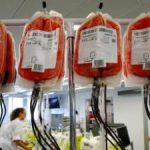
    KUALA LUMPUR: The supply of blood in the country is still sufficient at a safe level so far, said National Blood Centre (PDN) director Dr Noryati Abu Amin.

    However, she said PDN and other blood centres are still in need of blood donors to continue replenishing blood stock at an optimum level all the time.

    According to her, blood donation is still available during the Movement Control Order (MCO) period as the activity is considered an essential service under the Health Ministry for the treatment of patients.

    While it cannot be denied that blood donation throughout the country would be affected following Covid-19 and the enforcement of MCO, Dr Noryati said various efforts including stepping up promotions via social media as well as extending the operation hours at collection centres have been carried out.

    “So far, the supply of all types of blood is sufficient, however many blood donation campaigns were cancelled over fears that the people maybe infected with Covid-19 which also caused a drop in the number of donors,” she told Bernama.

    Dr Noryati added that several additional measures were taken to prevent the spread of Covid-19 when individuals came to donate blood, among them was limiting the number of donors at a location at any one time.

    “Apart from that, measures such as social distancing and practice of good hygiene especially washing hands with soap and water as well as providing initial screening such as checking body temperature and inquiring the travel history of the donor, she said.

    In this regard, she urged the people to continue donating blood regularly to ensure the supply of blood is always at a safe level.

    “Having an adequate supply of blood at all time is very important to treat patients such as emergency victims, expecting mothers who may experience bleeding complications during delivery, cancer and thalassemia patients as well as patients undergoing major surgeries,” she said.

    Members of the public can donate blood at three locations in the Klang Valley namely PDN in Jalan Tun Razak on Monday to Friday from 7.30am to 8pm and on Saturday and Sunday, from 8am to 6pm.

    Besides that, the PDN Donation Suite in Midvalley Megamall starts daily from 10am to 5pm while the Puspanita Blood Donation Suite in Putrajaya operates from Tuesday to Friday from 10am to 7pm and on weekends from 9am to 6pm.

    Meanwhile, the blood supply at the Blood Centre of Tuanku Ja’afar Hospital Seremban (HTJS) is also sufficient, said Negri Sembilan Health acting director Dr Mohammad Faid Abd Rashid.

    Speaking to Bernama, he said the centre has enough blood for patients,

    “During the MOC period, the centre is still operating on Saturday and Sunday from 9am to 3pm and on Monday to Friday from 8 am to 4.30 pm.

    “The supply of blood however depends on healthy and non-risky donors who have to adhere to the regulations of the hospital,” he said.

    Dr Mohammad Faid said those who display Covid-19 symptoms or have just returned from abroad or have close contact with suspected Covid-19 cases would not be allowed to donate blood. — Bernama

    Adequate blood supply in the country: National Blood Centre
    Read More
    https://www.thesundaily.my/local/adequate-blood-supply-in-the-country-national-blood-centre-BA2165883

    Views: 0

  • Nigerian Government Postpones National Sports Festival Over Coronavirus

    Nigerian Government Postpones National Sports Festival Over Coronavirus

    Nigerian Government Postpones National Sports Festival Over Coronavirus 2

    Nigerian Government Postpones National Sports Festival Over Coronavirus 3


    The Nigerian Government has announced the postponement of the National Sports Festival earlier scheduled to begin in Benin, Edo State, next week.

    Making the announcement on Tuesday, Minister of Sports, Sunday Dare, disclosed that the decision was caused by the Coronavirus pandemic.

    Nigeria on Tuesday recorded the third case of the deadly virus after a woman, who arrived from the United Kingdom on March 13, tested positive to the disease. 

    See Also

    Nigerian Government Postpones National Sports Festival Over Coronavirus 4

    Breaking News

    BREAKING: Nigeria Confirms Third Coronavirus Case


    In a post on Twitter, Dare said, “Following the briefing of Mr President from myself and Minister of State for Health on COVID 19, Mr President approved the immediate postponement of Edo Sports Festival to a future date.”


    PUBLIC HEALTH

    Sports

    News

    AddThis

    : 

    Original Author

    : 

    SaharaReporters, New York

    Disable advertisements

    : 
    Nigerian Government Postpones National Sports Festival Over Coronavirus
    Read More
    http://saharareporters.com/2020/03/17/nigerian-government-postpones-national-sports-festival-over-coronavirus

    Views: 0

  • Netflix establishes $100 million virus relief fund

    Netflix establishes $100 million virus relief fund

    Netflix said Friday it is establishing a $100 million relief fund for workers in the worldwide creative community affected by the coronavirus-caused halt of most film and television production.

    Read More
    https://techxplore.com/news/2020-03-netflix-million-virus-relief-creative.html

    Views: 0

  • Huge drop in fuel prices, again

    Huge drop in fuel prices, again

    Huge drop in fuel prices, again 5

    KUALA LUMPUR: The retail prices of RON95 and RON97 petrol will drop by 38 sen and 36 sen respectively for the March 21 to 27 period.

    The Finance Ministry, in a statement today, said the prices of RON95 and RON97 will be RM1.44 and RM1.74 per litre respectively from midnight tonight until March 27.

    The price of diesel will also drop by 12 sen to RM1.75 per litre.

    “The decline in the retail price of petroleum products is due to the continued decline in global crude oil prices following the global economic uncertainty caused by the Covid-19 outbreak,” the statement said.

    The ministry said the government continues to monitor the impact of changes in global crude oil prices and will take appropriate measures to ensure the welfare and wellbeing of the people, especially the small and medium enterprises (SMEs) and those in the B40 category. — Bernama

    Huge drop in fuel prices, again
    Read More
    https://www.thesundaily.my/local/huge-drop-in-fuel-prices-again-XD2162770

    Views: 0

  • Dracunculiasis eradication: intensifying surveillance amid continued zero human cases in Ethiopia and Mali

    Dracunculiasis eradication: intensifying surveillance amid continued zero human cases in Ethiopia and Mali

    A total of 54 human cases of dracunculiasis (guinea-worm disease) were reported to the World Health Organization (WHO) in 2019, with Chad reporting 48 out of the 54 cases.

    In Chad, Ethiopia, Mali and South Sudan, trained volunteers are supporting surveillance and detection of infections in domestic dogs and cats. Surveillance has been heightened, as evidenced by the increase in reports of rumoured human cases which in 2019 peaked at 108 207 out of which 106 678 were investigated within 24 hours.

    “We are working with the broader scientific community to understand the epidemiology of animal infections, mainly in dogs in Chad, where the highest number of human cases were reported in 2019,” said Dr Dieudonné Sankara, who leads WHO’s eradication and elimination team in the Department of Control of Neglected Tropical Diseases. “Interestingly, there have been no human cases in Ethiopia and Mali, and 4 human cases in South Sudan in 2019, compared with 10 in 2018.”

    In Mali, the number of animals infected with Dracunculus medinensis (the guinea-worm) has decreased from 20 animals in 2018 to 8 dogs and 1 cat in 2019. However, insecurity remains a challenge to freely accessing some endemic areas in Mali.

    Conversely, Chad reported 1935 infections in dogs and 46 in cats in 2019, an increase of 85% from 2018, and a 176% increase among humans.

    Angola reported only 1 human case in 2019. Community-based surveillance is being reinforced mainly in Cunene Province where a case was reported in 2018.

    In South Sudan, integrated surveillance activities have been carried out with the trachoma and onchocerciasis control programmes, in accordance with WHO’s recommendation that programmes collaborate, integrate and co-implement activities, whenever possible, to strengthen surveillance.

    In order to strengthen cross-border surveillance, WHO led a mission to Cameroon in November 2019 to investigate circumstances around an “imported” case in the country’s Far North Region. Discussions were held with the health authorities to establish active surveillance in all villages in the area, including training for application of temephos.[1]  

    Also, in 2019, and with the support of trained field workers, vector control was intensified to larvicide ponds and water sources in more than 400 villages, compared with 72 villages in 2018.

    In late 2019, WHO supported cross-border meetings with officials of national dracunculiasis eradication programmes from Mali, Burkina Faso and Côte d’Ivoire in West Africa; between Ethiopia and South Sudan in East Africa, and between Angola and Namibia in Southern Africa, to share experiences and plan joint surveillance activities across the borders to prevent transmission of the disease.

    The disease

    Dracunculiasis is a crippling parasitic disease caused by infection with D. medinensis, a long, thread-like worm. It is usually transmitted when people drink stagnant water contaminated with parasite-infected water fleas.

    WHO works with Member States and in partnership with The Carter Center and the United Nations Children’s Fund to support efforts to eradicate the disease. WHO provides technical guidance, works with national programmes to coordinate surveillance in dracunculiasis-free areas, and monitors and reports on the progress achieved.

    WHO is the only Organization mandated to certify countries as free of transmission of the disease following the recommendations of the International Commission for the Certification of Dracunculiasis Eradication.

    Since 1995, WHO has certified a total of 199 countries, territories and areas, including 187 Member States, as free of dracunculiasis transmission.

    [1] Temephos is a cyclopicide used to kill water fleas (cyclops) that carry the infective guinea-worm larvae.


    Dracunculiasis eradication: intensifying surveillance amid continued zero human cases in Ethiopia and Mali
    Read More
    https://www.who.int/news-room/detail/19-03-2020-dracunculiasis-eradication-intensifying-surveillance-amid-continued-zero-human-cases-in-ethiopia-and-mali

    Views: 0

  • WHO teams with partners to mitigate the potential impact of the COVID-19 pandemic in malaria-affected areas

    The rapid spread of COVID-19 is testing the resilience of robust health systems around the world. WHO and its partners are taking measures to mitigate the potential impact of sustained transmission of the coronavirus in malaria-endemic settings –
    particularly in sub-Saharan Africa, which shoulders more than 90% of the global malaria burden.

    To date, a small proportion of the global COVID-19 cases have been identified in malaria-affected countries. However, as of 17 March, 25 countries in the African Region had reported cases of COVID-19, and local transmission of the disease had been detected
    in 6 countries (Algeria, Cameroon, Kenya, Rwanda, Senegal, South Africa).

    “At this point, we still don’t know what the COVID-19 pandemic will look like in sub-Saharan Africa,” said Dr Pedro Alonso, Director of the WHO Global Malaria Programme. “But we do know that when public health emergencies have
    hit parts of Africa with weak health systems and high malaria transmission, the impact on malaria disease and death has been very severe.”

    The 2014-2016 Ebola outbreak in Guinea, Liberia and Sierra Leone, for example, undermined malaria control efforts and led to a massive increase in malaria-related illness and death in the 3 countries.

    Joint action 

    To support malaria-affected countries, WHO has identified the need for a set of inter-related actions among global partners: 

    • generating, using and disseminating accurate information; 
    • mitigating against health system disruptions; and 
    • ensuring the continuity of routine malaria-specific interventions while also providing, where needed, additional emergency measures, such as mass drug administration, in health systems significantly impacted by COVID-19. 

    The Organization convened partners on 17 March to discuss areas of collaboration, coordination and next steps.

    WHO has begun monitoring the evolving geographic location of COVID-19 cases to understand the extent to which the coronavirus and malaria affect the same target groups. This information will reveal who is likely to be at greatest risk, where and when,
    and thus inform the need for malaria-specific interventions to save lives.

    In parallel, WHO is working across the 3 levels of the organization to ensure that any advice intended to curb coronavirus transmission and to guide COVID-19 disease management is appropriate in malaria-affected settings.  

    In recent days, there have been reports of disruptions, as a result of COVID-19, in the production and global supply chains of essential malaria commodities, such as the long-lasting insecticidal nets, diagnostic testing and antimalarial medicines. Coordinated
    efforts are required to ensure the availability of key malaria control tools – particularly in countries with a high burden of the disease – and that efforts to limit transmission of COVID-19 do not compromise access to malaria prevention,
    diagnosis and treatment services. 

    Malaria-affected countries may also experience disruptions in health systems in the coming months. A marked increase in febrile patients seeking treatment for COVID-19 at health facilities, for example, would present a significant challenge for a health
    workforce that may itself be depleted by the disease.

    Policy guidance

    WHO is developing guidance for national malaria control programmes and implementing partners to prepare them for the challenges they may face as result of COVID-19.  Among other areas, the guidance will address the mitigation of stockouts of
    malaria medicines and commodities; the use of preventive malaria therapy for health workers; the deployment of emergency measures in some settings; and the generation of information relating to the geographic distribution and populations affected
    by COVID-19 in malaria-endemic settings.  

    Restrictions around grouping people together – for training, social and behavior change communication activities, fixed-site distribution and clinical care – as well as the restrictions around movement of people in the country, will require
    significant adaptations in order to deliver quality interventions and care.

    All people living in malaria-affected areas are advised to follow same precautions as the general population, including: frequent hand-washing, respiratory hygiene, social distancing, seeking prompt medical care if symptoms arise (cough, fever,
    difficulty breathing), and other WHO-recommended actions. 

    WHO stands ready to work with countries and other stakeholders to mitigate the negative impact of the coronavirus on malaria responses worldwide and, where possible, contribute towards a successful COVID-19 response.  

    About COVID-19

    COVID-19 is the infectious disease caused by the most recently discovered coronavirus. This new virus and disease were unknown before the outbreak began in Wuhan, China, in December 2019. Essential information on the COVID-19 pandemic can be found in
    a dedicated WHO site.

    About malaria

    Malaria is a preventable and treatable disease caused by parasites that are transmitted to people through the bites of infected female Anopheles mosquitoes. In 2018, there were an estimated 228 million cases of malaria worldwide and
    405 000 malaria-related deaths. For more on malaria, visit: www.who.int/malaria

    Read More
    https://www.who.int/news-room/detail/18-03-2020-who-teams-with-partners-to-mitigate-the-potential-impact-of-the-covid-19-pandemic-in-malaria-affected-areas

    Views: 0

  • PN govt faces difficult economic situation, says Saifuddin Nasution

    PN govt faces difficult economic situation, says Saifuddin Nasution

    PN govt faces difficult economic situation, says Saifuddin Nasution 6

    PETALING JAYA: The government may face an uphill task trying to recover the country’s economy due to the impact of the Covid-19 pandemic.

    Former Domestic Trade and Consumer Affairs Minister Datuk Seri Saifuddin Nasution (pix) pointed out that the previous Pakatan Harapan administration had based the country’s 2020 Budget on the crude oil price of US$62 (RM269) per barrel.

    However, he noted that the global virus outbreak has caused oil price to plummet by half to around US$30 (RM130) per barrel.

    Saifuddin said this, coupled with the expected tax collection when the budget was announced in October, meant the government’s revenue could be far below than initially predicted.

    “Basing on the oil price alone, we could lose about RM10 billion in potential revenue. This does not yet include incomes from the various other sectors.

    “Based on my experience being in the Cabinet, I would say that the government’s financial situation now is very complicated,” he told a press conference that was streamed on Facebook today.

    Saifuddin was asked to comment if he believed the government has the financial strength to provide RM600 for up to six months to any Malaysian forced to go on unpaid leave due to Covid-19, as announced by Prime Minister Tan Sri Muhyiddin Yassin.

    The PKR secretary-general said the financial assistance would only make up a small portion of the government’s spending, reminding the current Perikatan Nasional (PN) administration that it still has debt commitments.

    “If they don’t pay according to schedule, it will affect our country’s position from various ratings agencies.

    “We may still be able to take up loans in the future, but then we will have to pay a higher interest rate,” he said.

    PN govt faces difficult economic situation, says Saifuddin Nasution
    Read More
    https://www.thesundaily.my/local/pn-govt-faces-difficult-economic-situation-says-saifuddin-nasution-BC2141164

    Views: 0

  • `Tikus` caught, brothers sought for shooting construction supervisor

    `Tikus` caught, brothers sought for shooting construction supervisor

    `Tikus` caught, brothers sought for shooting construction supervisor 7

    SIBU: A 47-year-old man involved in the shooting of a construction supervisor in front of a restaurant in Paradom, about 14 km from here yesterday afternoon, has been arrested by police.

    The suspect known as Tie Teck Ming who goes by the nickname ‘Tikus’, was held by a team from the Sibu Criminal Investigation Department in the Sungai Bidut area, nearly 17 km from the scene today.

    “We are currently questioning (the suspect) and will get a remand order against him tomorrow,“ said Sibu District police chief Stanley Jonathan Ringgit when met at the Central Police Station here.

    Two of the suspects’ brothers, aged 43 and 46, are still at large.

    Asked if the suspect was mentally disturbed as reported in a newspaper yesterday or under the influence of drugs, Stanley said the suspect showed no signs of mental impairment.

    However, he said the suspect may have been under the influence of drugs when provoking the victim, which ended up causing a fight between them.

    “During this period, we will be conducting a urine test on him,“ he added.

    In the incident at about 5pm yesterday, the victim and his friend were at a restaurant before ‘Tikus’ came and caused a commotion.

    A fistfight ensued, in which the suspect used a piece of wood to whack Tikus before the latter ran away with his younger brother Teck Hing, 43.

    The two of them then returned to the scene with Teck Ha, 46, armed with a machete and shotgun, and the victim was shot and injured while trying to escape in his four-wheel-drive vehicle.

    The victim later gave his statement to the police while receiving treatment at the Sibu Hospital.

    Classifying the case under Section 307 of the Penal Code for attempted murder, Stanley urged those with information on the whereabouts of Tikus’ two brothers to immediately contact the police, and warned that the two were armed and dangerous. – Bernama

    `Tikus` caught, brothers sought for shooting construction supervisor
    Read More
    https://www.thesundaily.my/local/tikus-caught-brothers-sought-for-shooting-construction-supervisor-KC2136851

    Views: 0

  • Boeing factory employee tests positive for virus

    Boeing factory employee tests positive for virus

    US aviation giant Boeing said Monday that one of its factory workers had tested positive for COVID-19, the illness caused by the novel coronavirus—the company’s first known case.

    Read More

    Views: 0

  • Shortage of personal protective equipment endangering health workers worldwide

    WHO calls on industry and governments to increase manufacturing by 40 per cent to meet rising global demand

    The World Health Organization has warned that severe and mounting disruption to the global supply of personal protective equipment (PPE) – caused by rising demand, panic buying, hoarding and misuse – is putting lives at risk from the new coronavirus and other infectious diseases.

    Healthcare workers rely on personal protective equipment to protect themselves and their patients from being infected and infecting others.

    But shortages are leaving doctors, nurses and other frontline workers dangerously ill-equipped to care for COVID-19 patients, due to limited access to supplies such as gloves, medical masks, respirators, goggles, face shields, gowns, and aprons.

    “Without secure supply chains, the risk to healthcare workers around the world is real. Industry and governments must act quickly to boost supply, ease export restrictions and put measures in place to stop speculation and hoarding. We can’t stop COVID-19 without protecting health workers first,” said WHO Director-General Dr Tedros Adhanom Ghebreyesus.

    Since the start of the COVID-19 outbreak, prices have surged. Surgical masks have seen a sixfold increase, N95 respirators have trebled and gowns have doubled.

    Supplies can take months to deliver and market manipulation is widespread, with stocks frequently sold to the highest bidder.

    WHO has so far shipped nearly half a million sets of personal protective equipment to 47 countries,* but supplies are rapidly depleting.

    Based on WHO modelling, an estimated 89 million medical masks are required for the COVID-19 response each month. For examination gloves, that figure goes up to 76 million, while international demand for goggles stands at 1.6 million per month. 

    Recent WHO guidance calls for the rational and appropriate use of PPE in healthcare settings, and the effective management of supply chains.

    WHO is working with governments, industry and the Pandemic Supply Chain Network to boost production and secure allocations for critically affected and at-risk countries.

    To meet rising global demand, WHO estimates that industry must increase manufacturing by 40 per cent.

    Governments should develop incentives for industry to ramp up production. This includes easing restrictions on the export and distribution of personal protective equipment and other medical supplies. 

    Every day, WHO is providing guidance, supporting secure supply chains, and delivering critical equipment to countries in need.  

     *** 

    NOTE TO EDITORS

    Since the start of the COVID-19 outbreak, countries that have received WHO PPE supplies include:

    • Western Pacific region: Cambodia, Fiji, Kiribati, Lao People’s Democratic Republic, Mongolia, Nauru, Papua New Guinea, Samoa, Solomon Islands, Tonga, Vanuatu and the Philippines
    • Southeast Asia region: Bangladesh, Bhutan, Maldives, Myanmar, Nepal and Timor-Leste
    • Eastern Mediteranean region: Afghanistan, Djibouti, Lebanon, Somalia, Pakistan, Sudan, Jordan, Morocco and Iran
    • Africa region: Senegal, Algeria, Ethiopia, Togo, Ivory Coast, Mauritius, Nigeria, Uganda, Tanzania, Angola, Ghana, Kenya, Zambia, Equatorial Guinea, Gambia, Madagascar, Mauritania, Mozambique, Seychelles and Zimbabwe


    Read More
    https://www.who.int/news-room/detail/03-03-2020-shortage-of-personal-protective-equipment-endangering-health-workers-worldwide

    Views: 0