Category: Health

  • Plus Size and Pregnant

    A majority of plus sized women who are pregnant will experience a healthy pregnancy, but they are at a risk of having a more bumpy ride than someone who is not overweight.

    Women who are overweight, or have a body mass index (BMI) of 25 or more are at a greater risk of certain pregnancy complications like gestational diabetes and preeclampsia.  No knows for sure why weight matters so much, as far as most doctors are concerned it is just one piece of the puzzle.  The truth is most plus size women go on to have completely uneventful pregnancies and deliver perfect healthy babies as long as they eat well, exercise and watch their weight throughout pregnancy.  The biggest problem with being plus sized and pregnant is that you are at a greater for some of the following.

    Studies have shown that overweight women have a higher rate of neural tube defects which are problems with how your baby’s brain and spinal cord develop.  These studies are unable to pin point exactly why overweight women are at a higher risk and have a higher rate.  Some studies have shown that overweight women have lower blood folate levels than a woman who is of normal weight.  Folate is needed especially in the early stages of pregnancy to help avoid neaural tube defects.  Because of this, if you are overweight your doctor may prescribe you a prenatal vitamin with 1000 micrograms of folic acid.  In fact, if you are overweight and planning on becoming pregnant, you may want to start taking folic acid before you even conceive.

    Gestational diabetes is another complication that overweight women are at a greater risk of developing.  Gestational diabetes is elevated blood-sugar level during pregnancy.  The National Institute of Child Health and Human Development estimate that women with normal BMI which is between 19 and 24 have a 2% chance of developing gestational diabetes.  Overweight women have a 6% chance of developing this condition and obese women or women who have a BMI of 30 or more have a 9% chance of being diagnosed with gestational diabetes.  Remember though that if you are diagnosed with this, you can still go on and have a healthy pregnancy with a modified eating plan.

    Almost 10% of obese and overweight women develop a condition called gestational hypertension.  This is when your blood pressure becomes high with a reading of 140 over 90 or higher after your 20th week of pregnancy but you do not have any protein in your urine.

    Gestational hypertension is usually a small concern but can put you at a higher risk for preeclampsia (which is indicated by high blood pressure AND protein in your urine), intrauterine growth restriction, preterm birth, placental abruption and still birth.  If you do go on to develop preeclampsia, your weight is probably not that big of a factor.  In fact if you are under 35 and overweight you have LESS of a chance of developing preeclampsia that a woman over 35 and a healthy weight.

    Perhaps the most common complication for overweight women is longer labors and the possible risk of a cesarean section.  Nearly 26-35% of deliveries are cesarean delivery.    You are at a bigger risk if you have been diagnosed with preeclampsia or gestational hypertension or have a large baby.
    Eating healthy throughout your pregnancy and working with your doctor to manage your weight will help reduce these risks and increase your already high chances of having a healthy pregnancy and a healthy baby.

    Views: 0
  • Healthy weight gain for pregnancy

    Most doctors will tell you that you should gain anywhere between 25-30 pounds through out your pregnancy.  You should aim to gain about 3.5 pounds during your first trimester, although more often than not most women find that they lose weight their first trimester.  The culprit to this is morning sickness.  Some women suffer from such a severe case of morning sickness they can not keep anything down.  Chances are your doctor will not be too concerned if you lose a few pounds that first trimester as long as you gain steady throughout the next two trimesters.

    Your second trimester is where you will probably put on most of your weight.  Most women put on about a pound a week, so roughly four or five pounds a month which brings their second trimester weight gain to about 12-15 pounds.  Some women put on more while others put on less.  Do not be surprised if you put on a lot of weight one month and not so much your next.

    For the 7th and 8th month you will should probably continue about a pound each week or so.  Look to gain between 8 and 10 pounds those months.  Most women find that their weight gain slows down in the 9th month.  You might find your weight gain coming to a end as your due date draws nearer.  This can be a sign that labor is on the horizon.  Or, you may find that your weight gain continues especially if you are retaining a lot of water.

    So where does all this weight go? It doesn’t really make sense that you should gain between 25-30 pounds if your baby is only going to weigh between 7 and 8 pounds.  Let’s break down where the extra weight goes.

    First, you have your baby.  A average baby weights about 7 1/2 pounds.  Some can weigh more and some weigh less.  That amniotic fluid that your baby has been swimming in for the past nine months weighs about 2 pounds.  Figure in about 2 pounds for your breast enlargement and 1 1/2 pounds for your placenta.  Your uterus, which started off about the size of a golf ball has grown to weigh about 2 pounds.  Your body should be producing about 4 pounds of extra blood by the end of your pregnancy and about 7 extra pounds of fat.  Let’s not forget the extra fluid of about 4 pounds that your body might be holding on to.  All this equals to the grand total of about 30 pounds.

    Now keep in mind this is just a estimate and not a guarantee of how your weight will fall.  There are women who wind up having a 10 pound baby and others who have a 5 pound baby.  The key is to maintain a healthy weight gain throughout your pregnancy.  Your body needs extra calories and it is best for you and your baby if those extra calories come from food that has a lot of nutritional value such as fruits, vegetables or protein.  Staying away from junk for will help you curb your weight gain.

    When it comes to taking the weight off, do not be surprise if your body hangs on to it especially those first days after delivery.  Once you are home keep this in mind that it took nine months to gain that weight so gives yourself at least a good nine months to take it off.

    Views: 0

  • Gestational Diabetes

    You are twenty eight weeks pregnant! Congratulations, you have made it to your third trimester with a picture perfect pregnancy.  You go in to see your obgyn for your appointment and the bomb drops.  You have gestational diabetes.

    Gestational diabetes is one of the most common pregnancy complications that women face.  It is when pregnant women have high blood sugar levels during their pregnancy.  It is not really known what can cause gestational diabetes.  Some experts say that overweight women have a higher risk of developing gestational diabetes, but there is not much evidence to support this.

    What is known about gestational diabetes is that one of the only cures is to deliver the baby.  After delivery your blood sugar level will go back down to normal.  The common treatment for gestational diabetes has been insulin shots.   Just as if you had diabetes when you were not pregnant, you would have to take shots each day.    Some women find though that by changing their diet, they are able to manage their gestational diabetes without having to give themselves a shot of insulin.

    If you are looking to make dietary changes your doctor will probably refer you to a nutritionist.  They will look at several factors when designing a meal plan for you.  First they will look at your weight before you got pregnant and how much you have gained since them.  Next they will look at your activity level and your blood level.  Then they will work with you to design an eating plan that has just the right amount of carbohydrates.

    Some of the guidelines you should follow are to spread your carbs out through out the day by eating three small meals and two to four snacks.  Breakfast might be a meal where you will want to eat less carbs since they can cause your blood sugar to rise quickly.  Instead eat a protein filled breakfast with eggs, or even meat.   Giving up sweets is one of the best things you can do if you have been diagnosed with gestational diabetes and will make your meal plan easier to follow.

    It is also important to that you do not skip meals or try going on a low carb diet.  This is going to cause your blood levels to fall to low levels and can leave you exhausted and legatheric.  Chances are you will have to test your blood sugar levels regularly to make sure you are at a safe level.  Some women are so sensitive that they can tell when their levels are low and know what steps to take to correct it.

    Not taking the steps to keep your gestational diabetes under control not only puts you at a risk of developing type 2 diabetes’s later in life, but you are also putting the life of your baby at risk.  Babies born from moms who were diagnosed with gestational diabetes tend to be larger than those who aren’t.  Most doctors will not let a women go past her due date if she has gestational diabetes and a few will not even let them go as far as their due date before inducting them.   Larger babies could mean more delivery complications and increase your chance of a c- section.

    Gestational diabetes is so common these days that no one bats an eye if you say you have it.  By eating a healthy diet and watching your sugar level, you will be able to control your blood sugar level and continue with your perfect pregnancy.

    Views: 0

  • Gaining Weight Too Slowly During Pregnancy

    Just as gaining too much weight can be harmful to you and your baby, not gaining enough weight can be harmful also.  There are some women out there who are so terrified at gaining weight that they eat next to nothing during their pregnancy.  Please do not do this, you could be depriving your baby of the vitamins and minerals it needs and you increase your chances of having a small baby.  Babies who are underweight at delivery are at a greater risk for health problems than babies who are of average weight at delivery.

    If you find that you have gained nothing during your first trimester, do not worry. Some women do not gain anything during those first three months and some even lose some weight thanks to morning sickness.  Your baby’s needs are relatively tiny at that point.  It is when you are in your second and third trimesters that you should make sure you are gaining weight according.

    If you find that you are not gaining as much weight as you should, you should try to fatten up your diet.  Increase your fat intake by a serving or too.  This will increase your calorie intake but won’t decrease your appetite.  Do not increase your fat by more than a serving or two.  There are better and healthier ways to increase your weight gain.

    If you are one of the lucky few women who do not gain weight easy, you might not want to foods with the lowest amount of calories.  You can still eat healthy but you want to up your calorie intake.  Try eating avocados and more cheeses along with some beans too.  Indulge in some snacks also.  Try to add at least three snacks into your schedule.  Make sure you have a decent amount of calories but not so many calories that your ruin your appetite for your next meal.  If you are not allergic to peanuts, try some apple slices with peanut butter or some whole wheat crackers which some low fat cheese slices.

    Take some time out of your busy life to relax.  Not gaining enough weight could be a sign that you are doing too much.  You could be burning up the calories you eat instead of using them to nourish your baby.  Try cutting back on your exercise if you have an exercise routine.  You also want to make sure you eat after a workout to replace the calories you just lost.  If you are working while you are pregnant and it is a stressful job, make sure you take the time out of your busy day for lunch and snacks.

    Throughout all of this, check in with your doctor.  Your doctor may want to run some tests to make sure that you do not have a thyroid condition or any other undiagnosed medical problem that might keep you from gaining weight.   You may also want to keep track of what you eat so you can show your doctor and talk about any changes that might need to be made to your diet.   You may not be eating enough and you may find that you need to eat more.

    Views: 0

  • Eating Well While Dealing With Morning Sickness

    There are a few women out there in this world who sail through their pregnancy without so much of glimpse of queasiness.  The rest of us have no such luck.  Chances are you are the type of women who the mere smell of what use to be your favorite food sends you running to the nearest toilet.  The mere sight of steak can send you heaving and just thinking about eating that salad turns you greener than the romaine lettuce it contains.   You probably curse the silly fool who named it “morning sickness” when all pregnant women know it is more like all day sickness.

    There are different degrees of morning sickness.  Each woman and each pregnancy is different.  I spent the first three months of my first pregnancy over a toilet and unable to look at any sort of vegetable or meat.  However I made it through my second pregnancy with only a few spurts to the bathroom and hardly any aversions.  The good news is though, this is usually only temporary.  Most women start feeling better between their 12th and 14th week of pregnancy.  Even better news is that your baby is handling this much better than you are. As hard as it is to eat healthy during this period there are some things you can do to help ease your discomfort.

    For starters, eat often.  It has been shown that an empty stomach tends to make your morning sickness even worse.  This is why so many of us feel so bad when we first wake up.  We’ve had nothing in our system which means our stomach acids are going crazy since nothing is there to soak them up.  The trick to this is to eat often.  Try eating six mini meals a days and make sure you have plenty of snacks.  Make sure you eat often in bed.  Before you go to bed for the night have a snack that is high in protein and in carbs such as nuts and raisins,  yogurt and bread stick or a cheese and crackers.   Keep a stash of crackers or ginger cookies by your bed and make sure you have one before you even think about getting out of bed in the morning.

    You will always want to eat mainly carbs and protein.  Stick with crackers or fruit to give you some comfort during those first few months.  Other good snacks are pretzels, saltines and whole grain toast.  For fruits stick with melons and bananas.  For your protein add a little cheese or some nuts to your snacks or any time you are feeling a little green.  Yogurt is also an excellent choice when fighting morning sickness also.

    Make sure you drink your water.  If you are vomiting it is essential that you stay hydrated.  Making sure you stay hydrated is probably more important that making sure you eat those first few months.  Becoming dehydrated can cause a problem for you and your little one so make sure you drink at least 8 glasses of water or juice through out the day.  You can also suck on ice chips or fruit juice popsicles if you are having problems keeping liquids down.

    The most important thing to keep in mind those first three months is not to beat yourself up if you can not eat as healthy as you would like to.  You will still have plenty of time to make up for it after you get through this storm.   Just make smart choices when it comes to what you eat and snack on and that will pave the way for when you can eat as a normal person.

    Views: 0

  • Eating for Breastfeeding

    In your third trimester, your baby was old enough to start getting a taste of the foods his or her mommy likes.   Now that your baby is here and you’re breast feeding, your baby will get an even better taste of your favorite food.

    Typically if you are nursing your baby you should produce anywhere from 23 to 27 ounces of milk a day. In order to do this, you need to increase your calorie intake by about 500 more a day.

    You also have to increase your water consumption to at least 2 1/2 to 3 quarts of water a day.  You may notice that you are thirstier during nursing session.  This is because the water you drink goes right to milk production.    Try not to drink more than 3 quarts of water a day.  Anything more than 3 quarts can reduce the amount of milk your body produces.

    As stated earlier, you need to up your calorie intake. Plan to take in about 2500 calories a day or more if you are planning to nurse for longer than three months. These extra calories should not come from junk food. Junk food and sweets are just empty calories and offer no nutritional value to you or your baby. Eat more protein.  A good rule of thumb is to eat 1 gram of protein each day for every pound you weigh. If you weigh 150, aim to eat 150grams of protein a day.

    If you were not doing so during pregnancy, adopt the six meals a day program. Eat breakfast, a midday snack, lunch, a mid afternoon snack, dinner and a night time snack. Your body is going to be making milk continually so it is a good idea to keep it charged with calories through out the day.

    There are some foods you might want to avoid during pregnancy. Pretty much everything passes through breast milk and to the baby. This is why the first thing pediatricians advise nursing moms to do when their baby has colic is to look at what they are eating. Chocolate has been blamed in many cases of colic and can cause an upset tummy for most babies.  f you have a baby with a tummy ache think back to see if you had a candy bar or even a cookie in the hours before you nursed. The best advice is to stay away from chocolate while you are nursing.

    Stay away from greasy and spicy foods while you are breastfeeding. Greasy foods sometimes upset adults stomachs, imagine what it  would do to your baby’s immature stomach?  Wait until your baby is older and no longer nursing before you start making trips back to McDonalds.

    You may also want to stay away from garlic and onions while you are breast feeding. Both of these can flavor the breast milk and you may find that your little one  will not nurse if you have eaten these. Your little one may be just a tad too young to appreciate the taste of garlic and onions anyway. Remember it takes a few hours for the food you eat to make its way into your breast milk. You may have eaten one of these foods right before you nurse and see your baby is fine but by either the following nursing session or the one after you might find your baby having a reaction then.

    Your breast milk does not only taste like what you eat, but also what you drink. Just as with pregnancy, you should stay away from a lot of caffeine while breastfeeding. You might need some coffee or caffeine filled soda to keep you functioning and a cup or two will not hurt you or your baby, but too much could have disastrous effects. Just as we experience the jitters and shakes from too much caffeine, your baby does also. Keep your caffeine down to a minimum.

    You have made an excellent choice breastfeeding your baby.  Keep it up by making good choices as to what you eat.

    Views: 0

  • Caffeine and Pregnancy: How much is too much

    One of the first things most of us women prepare to say goodbye to once we see those two pink lines on our pregnancy tests is caffeine. Many women will stop their caffeine habit cold turkey out of the sheer fear of doing some sort of damage to the new life growing inside of them. These women will swear off anything that has caffeine in it from coffee, and soda to even chocolate.  Then there are some of us who will still drink caffeine but cut back.  Instead of drinking five cups of coffee a day, we might cut back to at least one cup of coffee to get us through the day.

    Our mothers and grandmothers will probably tell us that they drank the same amount of caffeine pregnant as they did when they were not pregnant and their children turned out fine.  However a lot more research has been done since their time and studies are showing that too much caffeine can cause some complications such as preterm labor and/or low birth weight.

    So how much caffeine is too much caffeine? Doctors are telling their patients that a moderate amount of caffeine will not harm their babies.  Even though caffeine does cross the placenta, anything less than 300 milligrams a day (an 8 ounce cup of strong coffee) will not do any harm.  Anything over 300 milligrams puts your baby at risk and studies have also shown that women who drink more than 300 milligrams of caffeine a day during their first trimester have a slightly higher risk of a miscarriage.

    Studies have also shown that women who had over 500 milligrams of caffeine a day had babies who had faster heart rates and faster breathing rates.  These babies also spent more time awake in their first few days of life rather than peacefully sleeping after their long journey.

    There are a number of other reasons why we women might want to cut back on the amount of caffeine we drink during pregnancy.  For starters, it has no nutritional value.  If there is ever a time for us to be aware of our nutritional needs it is when we are pregnant.  Second, caffeine is a stimulant which will increase your heart rate and can cause insomnia and headaches which can put some stress on your growing little one.  Third,  caffeine can cause heartburn.  If you have been pregnant before you know that heartburn can be a burden to begin with,  and caffeine just makes it worse.  Lastly it is a diuretic which means it can cause you to lose fluids which can put you at a risk of becoming dehydrated.

    While it is not necessary for you to give up all caffeine through out the duration of your pregnancy, you should learn how to drink it in moderation or don’t drink it at all.  If you can not handle having only one cup of coffee a day,  then you might be better off drinking no coffee at all.  Stick with caffeine free sodas and even decaf coffee.  Remember though that decaf  coffee still contains small traces of caffeine so make sure you take that into consideration.

    Views: 0

  • 11 Ways to Reduce Your Risk of Cancer

    11 Ways to Reduce Your Risk of Cancer

    Cancer is a group of diseases involving abnormal cell growth with the potential to invade or spread to other parts of the body. These contrast with benign tumors, which do not spread.

    Cancer is one of the world’s leading causes of death, but fortunately about 33% cases can be prevented, according to the World Health Organization. There’s no magic pill to keep you from getting cancer, but you can do some things to improve your odds.

    Wear Sunscreen

    Harmful rays from the sun can give you more than a sunburn. Ultraviolet radiation can cause skin cancer, the most common kind of cancer in the U.S. Most cases are curable if they’re found and treated early. Sunscreen with a sun protection factor (SPF) of 30 or higher can help protect you.

    Risk of CancerEat More Vegetables

    Vegetables and fruits can help lower your risk of a range of cancers in your mouth, throat, windpipe, and esophagus. These foods have things that help your cells prevent damage that may lead to cancer later. You should get at least 2 1/2 cups of fruits and vegetables a day.

    Get cancer screenings

    Different types of cancer screenings and tests can check for different types, like breast, colon, prostate, or skin. Consult your doctor to know which of these screenings you really need.

    Don’t Reckon With Supplements

    It’s better to get nutrients from whole foods than supplements.
    A diet rich in vegetables, fruits, and whole grains is better than nutritional supplements to lower your risk of cancer. Supplements may help with certain conditions, but don’t bet on them to prevent cancer.

    Reduce Your Intake of Sugar

    Too much of sugar consumption enhances the risk of obesity and cancer.
    Foods or drinks with a lot of sugar tend to have more calories per ounce. You don’t have to avoid the sugar entirely, but watch out for food and drinks with added sweeteners.

    Get Vaccinated for HPV

    Human papillomavirus (HPV) is the most common sexually transmitted infection (STI).
    Many people with HPV don’t develop any symptoms but can still infect others through sexual contact. Symptoms may include warts on the genitals or surrounding skin.
    There’s no cure for the virus and warts may go away on their own. Treatment focuses on removing the warts. A vaccine that prevents the HPV strains most likely to cause genital warts and cervical cancer is recommended for boys and girls.Girls can get the vaccine between the ages of 9 and 26, and boys from 9 to 21. Using condoms can also lower your chances of getting HPV.

    Exercise a Lot

    Exercise reduces your risk of several cancers and other health problems.
    People who a lot exercise are less likely to get cancer of the colon, breast, or uterus. Being active also can help head off other health problems like heart disease or diabetes.

    Avoid Using Tobacco

    Do you smoke? It causes various kinds of cancer, as well as heart and lung disease. Tobacco use remains a major preventable cause of cancer.

    Drop the Weight

    Obesity is a preventable risk factor for cancer.
    Nearly 70% of Americans are overweight or obese — and those extra pounds drive up your chances of several types of cancer, including in your esophagus, pancreas, colon, kidneys, and thyroid gland.

    Eat Less of Red Meat

    Reduce your consumption of red meat along with cured meats like bacon, hot dogs, and lunchmeat, to reduce your risk of colon and stomach cancers.

    Reduce Your Intake of Alcohol

    Excess alcohol consumption can raise your risk of cancers of the digestive system — your stomach, liver, and colon, among others — as well as breast and throat cancer. It can hurt tissues in your body, damage your liver, and mix with other chemicals to harm your cells.

    Views: 0

  • Immune Defence

    Immune Defence

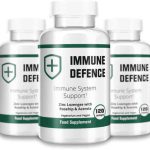
    Immune Defence is a 100% natural supplement in the form of lozenges that helps the immune system fight against infection. Its unique combination of ingredients that contain Zinc, Rosehip, and Acerola, helps soothe the throat when fighting off a cold, feeling a bit groggy, or in the middle of something stressful.

    300x250_v1

    This immune system booster that dissolves in the mouth and bathes the back of the throat in Zinc ions, also comes with all the benefits of vitamin C and selenium supplements to help alleviate common cold symptoms. 

    There’s a growing public interest in reinforcing their immune system easily and naturally. Immune Defence gives you the opportunity to target a broad audience from young families to middle age adults with this high-quality product backed by a 100-day money-back guarantee.

    Views: 0

  • Are people living with HIV at increased risk of being infected with the virus that causes COVID-19?

    Are people living with HIV at increased risk of being infected with the virus that causes COVID-19?

    People living with HIV with advanced disease, those with low CD4 and high viral load and those who are not taking antiretroviral treatment have an increased risk of infections and related complications in general.  It is unknown if the immunosuppression of HIV will put a person at greater risk for COVID-19, thus, until more is known, additional precautions for all people with advanced HIV or poorly controlled HIV, should be employed

    At present there is no evidence that the risk of infection or complications of COVID-19 is different among people living with HIV who are clinically and immunologically stable on antiretroviral treatment when compared with the general population.  Some people living with HIV may have known risk factors for COVID-19 complications, such as diabetes, hypertension and other noncommunicable diseases and as such may have increased risk of COVID-19 unrelated to HIV.  We know that during the SARS and MERS outbreaks there were only a few case reports of mild disease among people living with HIV.

    To date, there is a case report of a person living with HIV who had COVID-19 and recovered and a small study on risk factors and antiretrovirals used among people living with HIV with COVID-19 from China.  This study reported similar rates of COVID-19 disease as compared to the entire population and increased risk with older age, but not with low CD4, high viral load level or antiretroviral regimen[4]. Current clinical data suggest the main mortality risk factors are linked to older age and other comorbidities including cardiovascular disease, diabetes, chronic respiratory disease, and hypertension. Some very healthy people have also developed severe disease from the coronavirus infection

    PLHIV are advised to take the same precautions as the general population

    • wash hands often
    • cough etiquette
    • physical distancing
    • seek medical care if symptomatic
    • self-isolation if in contact with someone with COVID-19 and
    • other actions per the government response

    People living with HIV who are taking antiretroviral drugs should ensure that they have at least 30 days and up to 6-month supply of medicines and ensure that their vaccinations are up to date (influenza and pneumococcal vaccines). Adequate supplies of medicines to treat co-infections and comorbidities and addiction should also be ensured.

    Views: 0