Category: Health Articles

  • Schistosomiasis elimination: refocusing on snail control to sustain progress

    Schistosomiasis elimination: refocusing on snail control to sustain progress

    Substantial progress has been made during the past decade to prevent and control schistosomiasis (also known as bilharziasis) globally. The disease affects more than 230 million people, mostly in sub-Saharan Africa.

    Progress is mainly due to large-scale periodic treatment of affected populations with praziquantel, the only medicine recommended by the World Health Organization (WHO) against all forms of schistosomiasis. Regular treatment cures mild symptoms and prevents
    progression to severe, chronic disease.

    “Through progressive scale-up of periodic large-scale treatment
    to control morbidity in many endemic countries, we are closer to
    achieving the minimum target of 75% global coverage of all school‐aged
    children,
    ” said Dr Amadou Garba Djirmay, who leads WHO’s global schistosomiasis control programme. “But
    if we want to achieve elimination, we must go a step further to
    introduce snail control in hot spots and in areas targeting elimination.
    This is bound to increase impact and accelerate progress towards
    interruption of transmission
    .”

    Expansion of treatment is largely supported by donated praziquantel from Merck KGaA of up to 250 million tablets annually. In 2018, almost 78 million children were treated, representing 63% of all school‐aged children eligible for treatment.

    Transmission: role of snails

    Schistosomiasis is an acute, chronic parasitic disease caused by infection with trematode worms of the genus Schistosoma. It is prevalent in tropical and subtropical areas, especially in poor, rural communities that have little or no access to
    safe drinking‐water and basic sanitation. Infection is transmitted when people suffering from schistosomiasis contaminate freshwater sources when evacuating urine and faeces containing the parasite’s eggs.

    Once an egg comes into contact with fresh water, it releases miracidia (hatchlings) which enter a snail and produce hundreds of cercariae (larvae) daily. The cercariae enter the human body on contact with the skin and develop into adult worms.

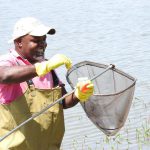
    Besides treatment with praziquantel, eliminating snail hosts and improving sanitation are important methods for sustainable prevention of the disease. Dam and irrigation projects are known to be potential sites for outbreaks of the disease. Snail management,
    often achieved through mollusciciding, can help to reduce transmission by eliminating these intermediate snail hosts.

    Vector control

    In 2017, the World Health Assembly – WHO’s decision making body – adopted resolution WHA70.16 on the Global Vector Control
    Response, calling on Member States to develop or adapt national vector control strategies and operational plans. The strategy aims to reduce by at least 40% the incidence of vector borne diseases, including schistosomiasis, by 2025.

    In response, WHO is reinforcing snail control as part of its strategic approach to achieve the target of eliminating schistosomiasis as a public health problem and, ultimately, the goal of elimination of transmission. Snail control will complement mass
    treatment campaigns and sustain the public health impact of this core intervention.

    To facilitate implementation of snail control, in 2019 WHO published on specific, standardized procedures and criteria for efficacy
    testing and evaluation and in 2017 a manual on the use of molluscicides in the field. WHO is also planning to strengthen capacities
    of health staff in medical malacology in order to reinforce snail control activities in countries.

    In the past, molluscicides (particularly niclosamide1 based products) were widely used in schistosomiasis control programmes. For example, in China programmes largely relied on snail control for over 30 years to overcome the disease as a public
    health problem. In other parts of the world, however, snail control programmes were gradually discontinued and competencies faded away.

    “Snail control is a crucial component of the global schistosomiasis elimination strategy,” said Dr Rajpal Yadav, Scientist, WHO Department of Control of Neglected Tropical Diseases. “It
    is time we look for new snail control products that are cost–effective
    and of low risk to humans and the environment. Some efforts are being
    made to explore molluscicide compounds from plants, marine algae and
    microorganisms
    .”

    An integrated control strategy involving mass treatment with praziquantel, snail control and environmental modification, wider access to sanitation and safe water, economic and environmental development, health education and poverty-alleviation can greatly
    contribute to sustainable control and elimination of schistosomiasis.

    WHO’s new road map on neglected tropical diseases for 2021–2030, due to be launched later this year, advocates enhanced financial and political support to achieve the target of interruption of transmission. Additional research to address gaps,
    develop tools and optimize the impact of existing programmes with snail control will complement the core strategic approach.

    Schistosomiasis: forms of the disease

    There are two major forms of schistosomiasis – intestinal and urogenital.

    Intestinal schistosomiasis usually results in diarrhoea and blood in the stool; enlargement of the liver and of the spleen and portal hypertension are common in advanced cases.

    Urogenital schistosomiasis is characterized by the presence of blood in the urine. Chronic infection results in fibrosis of the bladder and ureter that can evolve to hydronephrosis and create conditions for bladder cancer.

    In women, urogenital schistosomiasis can cause vaginal bleeding, pain during sexual intercourse and nodules in the vulva, a condition now described as female genital schistosomiasis. In men, urogenital schistosomiasis can induce disease in the seminal
    vesicles and prostate.


    1Limitations with the use of formulations based on niclosamide include restrictions on the usage of water immediately after application and temporary toxicity to non-target aquatic organisms including
    fish, amphibians and invertebrates. 


        Schistosomiasis elimination: refocusing on snail control to sustain progress
        Read More
        https://www.who.int/news-room/detail/25-03-2020-schistosomiasis-elimination-refocusing-on-snail-control-to-sustain-progress

        Views: 0
      • International working group on Ethics & COVID-19

        International working group on Ethics & COVID-19

        The response to the COVID-19 pandemic raises a number of difficult ethical issues, related to e.g. clinical trials, social distancing, priority-setting, health-care workers’ rights and obligations etc. WHO has established an international Working Group on Ethics & COVID-19 in order to develop advice on key ethical questions that Member States need to address.

        Related document

        Distilling existing guidance to support COVID-19 Research & Development [pdf, 263kb]


        International working group on Ethics & COVID-19
        Read More
        https://www.who.int/news-room/detail/20-03-2020-who-has-established-an-international-working-group-on-ethics-covid-19

        Views: 0

      • WHO urges countries to ensure the continuity of malaria services in the context of the COVID-19 pandemic


        The COVID-19 pandemic is testing the resilience of robust health systems around the world. Recognizing the heavy toll that malaria exacts on vulnerable populations in sub-Saharan Africa, as well as the region’s fragile health infrastructure, WHO underlines the critical importance of sustaining efforts to prevent, detect and treat malaria.

        “As COVID-19 continues its rapid spread, WHO would like to send a clear message to malaria-affected countries in Africa,” said Dr Pedro Alonso, Director of the WHO Global Malaria Programme. “Do not scale back your planned malaria prevention, diagnostic and treatment activities. If someone living in a place with malaria develops a fever, he or she should seek diagnosis and care as soon as possible.”

        Ensuring access to core malaria prevention measures is an important strategy for reducing the strain on health systems; these include vector control measures, such as insecticide-treated nets and indoor residual spraying, as well as chemoprevention for pregnant women and young children (intermittent preventive treatment in pregnancy, intermittent preventive treatment in infants and seasonal malaria chemoprevention). Additional special measures could ease the burden on health systems in the context of COVID-19, such as presumptive malaria treatment and mass drug administration.

        Any interventions must consider the importance of both lowering malaria-related mortality and ensuring the safety of communities and health workers. WHO will provide guidance for countries to safely maintain essential health services in the context of the COVID-19 response.

        About COVID-19

        COVID-19 is the infectious disease caused by the most recently discovered coronavirus. This new virus and disease were unknown before the outbreak began in Wuhan, China, in December 2019. Essential information on the COVID-19 pandemic can be found in a dedicated WHO site.

        About malaria

        Malaria is a preventable and treatable disease caused by parasites that are transmitted to people through the bites of infected female Anopheles mosquitoes. In 2018, there were an estimated 228 million cases of malaria worldwide and 405 000 malaria-related deaths. For more on malaria, visit: www.who.int/malaria


        Read More
        https://www.who.int/news-room/detail/25-03-2020-who-urges-countries-to-ensure-the-continuity-of-malaria-services-in-the-context-of-the-covid-19-pandemic

        Views: 0

      • Ensuring continuity of TB services during the COVID-19 pandemic

        Ensuring continuity of TB services during the COVID-19 pandemic

        GENEVA  As the world comes together to tackle the COVID-19 pandemic, it is important to ensure that essential health services and operations are continued to protect the lives of people with TB and other diseases or health conditions. Health services, including national programmes to combat TB, need to be actively engaged in ensuring an effective and rapid response to COVID-19 while ensuring that TB services are maintained.
         
        In the lead- up to World TB Day, Dr Tedros Adhanom Ghebreyesus, WHO Director-General emphasized in a news release, “COVID-19 is highlighting just how vulnerable people with lung diseases and weakened immune systems can be. The world committed to end TB by 2030; improving prevention is key to making this happen.”
         
        The World Health Organization (WHO) Global TB Programme, along with WHO regional and country offices, has developed an information note, in collaboration with stakeholders. This note is intended to assist national TB programmes and health personnel to urgently maintain continuity of essential services for people affected with TB during the COVID-19 pandemic, driven by innovative people-centred approaches, as well as maximizing joint support to tackle both diseases.
         
        “We stand in solidarity with those affected by COVID-19 and those at the frontlines of the fight to combat the disease,” said Dr Tereza Kasaeva, Director of the WHO Global TB Programme. “We need to act with urgency to ensure that in line with our vision of Health for All, no one with TB, COVID-19 or any health condition will miss out on the prevention and care they need.  It’s time for action.”


        Ensuring continuity of TB services during the COVID-19 pandemic
        Read More
        https://www.who.int/news-room/detail/24-03-2020-ensuring-continuity-of-tb-services-during-the-covid-19-pandemic

        Views: 0

      • World TB Day 2020: It’s Time for solidarity

        World TB Day 2020: It’s Time for solidarity

        At this unique time in history when the world is grappling with the COVID-19 pandemic, the WHO Department of Global HIV, Hepatitis and STI Programmes stands in solidarity with governments and communities as they seek to maintain health services
        and continue to address the needs of patients suffering from HIV and tuberculosis (TB). 

        Despite being preventable and treatable, tuberculosis remains the world’s biggest infectious killer and the leading cause of death among people living with HIV (PLHIV), responsible for 32% of the 770 000 lives lost to HIV in 2018. People
        living with HIV are far more vulnerable (nearly 20 times more) to TB infection than people without HIV and are three times more likely to die during TB treatment.  

        While there are proven interventions that reduce TB deaths – such as provision of TB preventive treatment, adoption of novel diagnostics for earlier TB diagnosis and linkage to treatment, and antiretroviral therapy (ART) – we are far behind
        in scaling these up, and diagnostic and treatment gaps remain, with only half of estimated TB cases among PLHIV reaching care in 2018, only half of estimated PLHIV with TB receiving ART, and less than half of PLHIV new on ART initiating TB preventive
        treatment in a subset of countries which reported globally.

        On this World TB Day, WHO highlights two key interventions to reduce unnecessary TB deaths among PLHIV: 

        • (1) provision of TB preventive treatment for all eligible PLHIV; and 
        • (2) increased uptake of newer diagnostic tests such as the lateral flow urine lipoarabinomannan assay (TB-LAM.) 

        As the new Director for the Department of Global HIV, Hepatitis and STI Programmes, I support current efforts to continue and to take to scale TB activities. It’s Time for solidarity!

        -Meg Doherty, Director Global HIV, hepatitis and STI Programmes, WHO

        HIV programmes are encouraged to ensure that TB preventive treatment, including shorter WHO-recommended regimens, with updated guidance launched today, are provided to all eligible PLHIV as part of a routine package of care, including provision of ART, and that treatment completion is ensured.   

        In recent months, WHO has also released guidelines for use of a bedside urine TB-LAM test to accelerate earlier TB diagnosis, with significantly expanded eligibility criteria. As this test is “point of care” with the potential for earlier
        TB diagnosis and treatment initiation, HIV programmes should consider these recommendations as they enhance strategies for TB diagnosis among PLHIV, including as part of a routine package of advanced HIV care. 

        It’s Time to urgently scale up TB preventive treatment and TB diagnosis and strengthen referral and linkages to TB treatment at HIV service delivery points in all countries and continue to scale-up ART among PLHIV with TB. This applies to all populations
        at risk, including children, pregnant women and marginalized groups, to ensure no one is left behind.

        WHO calls for continued collaboration in countries across health programmes for harmonized and integrated policies and service delivery, and engagement with communities and other sectors. Unless HIV programmes scale up interventions to close these
        gaps in prevention, diagnosis and treatment both for TB and HIV, countries and their development partners will not meet our common target: a 75% reduction in TB deaths among PLHIV between 2010 and 2020. HIV mortality cannot be reduced without addressing
        the leading cause: tuberculosis.


        World TB Day 2020: It’s Time for solidarity
        Read More
        https://www.who.int/news-room/detail/24-03-2020-world-tb-day-2020-it-s-time-for-solidarity

        Views: 0

      • WHO Information Note: Ensuring continuity of TB services during the COVID-19 pandemic

        WHO Information Note: Ensuring continuity of TB services during the COVID-19 pandemic

        As the world comes together to tackle the COVID-19 pandemic, it is important to ensure that essential health services and operations are continued to protect the lives of people with TB and other diseases or health conditions. Health services, including national programmes to combat TB, need to be actively engaged in ensuring an effective and rapid response to COVID-19 while ensuring that TB services are maintained.  

        In the lead- up to World TB Day, Dr Tedros Adhanom Ghebreyesus, WHO Director-General emphasized in a news release, “COVID-19 is highlighting just how vulnerable people with lung diseases and weakened immune systems can be. The world committed to end TB by 2030; improving prevention is key to making this happen.”  

        WHO Global TB Programme, along with WHO regional and country offices, has developed an information note, in collaboration with stakeholders. This note is intended to assist national TB programmes and health personnel to urgently maintain continuity of essential services for people affected with TB during the COVID-19 pandemic, driven by innovative people-centred approaches, as well as maximizing joint support to tackle both diseases.  

        “We stand in solidarity with those affected by COVID-19 and those at the frontlines of the fight to combat the disease,” said Dr Tereza Kasaeva, Director of the WHO Global TB Programme. “We need to act with urgency to ensure that in line with our vision of Health for All, no one with TB, COVID-19 or any health condition will miss out on the prevention and care they need. It’s time for action.”


        WHO Information Note: Ensuring continuity of TB services during the COVID-19 pandemic
        Read More
        https://www.who.int/news-room/detail/20-03-2020-who-information-note-ensuring-continuity-of-tb-services-during-the-covid-19-pandemic

        Views: 0

      • New WHO recommendations to prevent tuberculosis aim to save millions of lives

        Geneva –  New World Health Organization (WHO) guidance will help countries accelerate efforts to stop people with tuberculosis (TB) infection becoming sick with TB by giving them preventive treatment.

        A quarter of the world‘s population is estimated to be infected with TB bacteria. These people are neither sick nor contagious. However, they are at greater risk of developing TB disease, especially those with weakened immunity. Offering them TB
        preventive treatment will not only protect them from becoming sick but also cut down on the risk of transmission in the community.  

        As we mark World TB Day 2020, the disease remains the world’s top infectious killer. In 2018, 10 million people fell ill with TB worldwide and 1.5 million people lost their lives to this disease.

        “COVID-19 is highlighting just how vulnerable people with lung diseases and weakened immune systems can be,“ said Dr Tedros Adhanom Ghebreyesus, WHO Director-General. “The world committed to end TB by 2030; improving prevention is key
        to making this happen. Millions of people need to be able to take TB preventive treatment to stop the onset of disease, avert suffering and save lives”.

        Dr Tedros highlighted the importance to continue efforts to tackle longstanding health problems, including TB during global outbreaks such as COVID-19. At the same time, programmes already in place to combat TB and other major infectious diseases
        can be leveraged to make the response to COVID-19 more effective and rapid.

        Although some progress has been made towards targets set at the UN high-level Meeting on TB in 2018, TB preventive treatment has been largely neglected. Global leaders committed to ensuring access to TB preventive treatment to at least 24 million contacts
        of people with active TB and 6 million people living with HIV by 2022.  To date only a fraction of that target has been reached, with countries putting less than 430,000 contacts and 1.8 million people on TB preventive treatment in 2018.

        TB remains the top cause of death among people with HIV. TB preventive treatment works synergistically with antiretroviral therapy to prevent TB and save lives. Reinvigorated efforts by governments, health services, partners, donors and civil society
        will be needed to increase access to TB preventive treatment to the levels targeted.

        The new consolidated guidelines recommend a range of innovative approaches to scale up access to TB preventive treatment:

        • WHO recommends a scale-up of TB preventive treatment among populations at highest risk including household contacts of TB patients, people living with HIV and other people at risk with lowered” immunity or living in crowded settings.
        • WHO recommends an integration of TB preventive treatment services into ongoing case finding efforts for active TB. All household contacts of TB patients and people living with HIV are recommended to be screened
          for active TB. If active TB is ruled out, they should be initiated on TB preventive treatment.
        • WHO recommends that either a tuberculin skin test  or interferon-gamma release assay (IGRA) be used to test for TB infection. Both tests are helpful to find people more likely to benefit from TB preventive treatment
          but should not become a barrier to scale-up access. Testing for TB infection is not required before starting TB preventive treatment in people living with HIV, and children under 5 years who are contacts of people with active TB.
        • WHO recommends new shorter options for preventive treatment in addition to the widely used 6 months of daily isoniazid. The shorter options that are now recommended range from a 1 month daily regimen of rifapentine plus isoniazid
          to 3 months weekly rifapentine plus isoniazid, 3 months daily rifampicin plus isoniazid, or 4 months of daily rifampicin alone.

        “As people around the globe come together to commemorate World TB Day, WHO is calling on governments, affected communities, civil society organizations, health-care providers, donors, partners and the industry to unite forces and step up
        the TB response – notably for TB preventive treatment – to ensure no one is left behind,” said Dr Tereza Kasaeva, Director of WHO’s Global TB Programme. “The new WHO guidance shows the way forward for millions to rapidly
        access new tools and shorter, safer options for preventive treatment. The time for action is now.”

        TB preventive treatment is an affordable intervention that can prevent families from sliding into poverty and preserve the health and economy of whole communities. WHO anticipates that as new and safer drugs come onto the markets, and as prices
        fall, it will become a highly-cost effective way to save millions of lives.


        NOTES FOR EDITORS:

        WORK BY WHO AND PARTNERS

        WHO works closely with Member States including the US Government and technical and funding partners such as UNITAID to enhance access to shorter TB preventive treatment regimens. UNITAID-supported projects such as IMPAACT4TB and Cap-TB projects
        enabled by WHO with partners in Brazil, Cambodia, Cameroon, Côte d’Ivoire, Democratic Republic of Congo, Ethiopia, Ghana, India, Indonesia, Kenya, Lesotho, Malawi, Mozambique, South Africa, Uganda, United Republic of Tanzania and
        Zimbabwe are leading the way. The new treatment options are also now more affordable, thanks to the significant price drop of rifapentine – a key drug – facilitated recently by UNITAID, the Global Fund to Fight AIDS, Tuberculosis and Malaria
        and global biopharmaceutical company Sanofi, along with forthcoming arrangements underway with generic manufacturers.

        MORE ABOUT THE GUIDELINES

        The new consolidated WHO guidelines come with an operational handbook to help guide countries step-by-step as they take TB preventive treatment to scale. This includes guidance on how to prioritize and invest from demand creation for TB prevention
        to supervision and monitoring of the programme.

        The guidelines and operational handbook are also accompanied by an innovative mobile application – Prevent TB –to help health-care workers manage TB preventive treatment in their communities. Its online dashboard allows programme
        managers to visualize and monitor data in real time. The application can be customized by countries to suit their specific settings and is currently being adopted in India and Philippines.

        WORLD TB DAY

        The new guidelines and tools are being released ahead of World TB Day. World TB Day is observed on March 24 each year to raise public awareness and understanding about the world’s deadliest infectious killer – TB and its devastating
        health, social and economic impact on people around the world. Under the theme “It’s Time”, the spotlight this year is on urgently accelerating the TB response to save lives and end suffering.

        Read More
        https://www.who.int/news-room/detail/24-03-2020-new-who-recommendations-to-prevent-tuberculosis-aim-to-save-millions-of-lives

        Views: 0

      • Pass the message: Five steps to kicking out coronavirus

        Pass the message: Five steps to kicking out coronavirus


        Geneva, 23 March 2020: FIFA, the international governing body of football, and the World Health Organization (WHO) have teamed up to combat the coronavirus (COVID-19) by launching a new awareness campaign led by world-renowned footballers, who are calling on all people around the world to follow five key steps to stop the spread of the disease. 

        The “Pass the message to kick out coronavirus” campaign promotes five key steps for people to follow to protect their health in line with WHO guidance, focused on hand washing, coughing etiquette, not touching your face, physical distance and staying home if feeling unwell. 

        “FIFA and its President Gianni Infantino have been actively involved in passing the message against this pandemic since the very beginning,” said WHO Director-General Dr Tedros Adhanom Ghebreyesus at the virtual launch of the campaign at WHO headquarters in Geneva, Switzerland. “Be it through campaigns or funding, FIFA has stood up to the coronavirus, and I am delighted that world football is supporting WHO to kick out the coronavirus. I have no doubt with this type of support that together we will win.” 

        “We need teamwork to combat the coronavirus,” said FIFA President Gianni Infantino. “FIFA has teamed up with WHO because health comes first. I call upon the football community worldwide to join us in supporting this campaign to pass the message even further. Some of the greatest players to have played the beautiful game have put their names to the campaign and are united in their desire to pass the message to kick out COVID-19.”

        Twenty-eight players are involved in the video campaign, which is being published in 13 languages.

        Sami Al Jaber (KSA), Alisson Becker (BRA), Emre Belözoğlu (TUR), Jared Borgetti (MEX), Gianluigi Buffon (ITA), Iker Casillas (ESP), Sunil Chhetri (IND), Youri Djorkaeff (FRA), Han Duan (CHN), Samuel Eto’o (CMR), Radamel Falcao (COL), Laura Georges (FRA), Valeri Karpin (RUS), Miroslav Klose (GER), Philipp Lahm (GER), Gary Lineker (ENG), Carli Lloyd (USA), Lionel Messi (ARG), Mido (EGY), Michael Owen (ENG), Park Ji-sung (KOR) , Carles Puyol (ESP), Célia Šašić (GER), Asako Takakura (JPN), Yaya Touré (CIV), Juan Sebastián Verón (ARG), Sun Wen (CHN) and Xavi Hernández (ESP).

        A video campaign, which will be published on player and FIFA digital channels, is also being provided as individual localized files to the 211 FIFA member associations and media agencies, together with a graphics toolkit for implementation on social media to further pass the message. 


        Pass the message: Five steps to kicking out coronavirus 1

        Hands:

        “It starts with your hands,” says Alisson Becker, WHO Goodwill ambassador for health promotion, Liverpool FC and Brazil goalkeeper, and The Best FIFA Men’s Goalkeeper, 2019. “Please wash your hands frequently with soap and water or an alcohol-based solution.”

        Such frequent washing with soap and water, or preferably with an alcohol-based hand solution, kills viruses that may be on your hands. It is simple, but it is very important.

        Pass the message: Five steps to kicking out coronavirus 2

        Elbows:

        “Cover your nose and mouth with a bent elbow or tissue when you sneeze or cough,” says Carli Lloyd two-time FIFA Women’s World Cup winner from the United States. “Dispose of tissue immediately and wash your hands.”

        Droplets spread the coronavirus. By following respiratory hygiene, you protect the people around you from contracting viruses, such as cold, flu and coronavirus.

        Pass the message: Five steps to kicking out coronavirus 3

        Face:

        “Avoid touching your face, particularly your eyes, nose or mouth to prevent the virus from entering your body,” adds FC Barcelona and Argentina forward Lionel Messi, The Best FIFA Men’s Player in 2019, and a multiple FIFA Ballon d’Or winner.

        Hands touch too many surfaces and can quickly pick up viruses. Once contaminated, hands can transfer the virus to your face, from where the virus can move inside your body, making you feel unwell.

        Pass the message: Five steps to kicking out coronavirus 4

        Distance:

        “In terms of social interaction, take a step back,” says Han Duan, who represented China PR 188 times in an international career that spanned 11 years. “Stay at least one metre distance from others.”

        By maintaining such social distancing, you are helping to avoid breathing in any droplets from someone who sneezes or coughs in close proximity.

        Pass the message: Five steps to kicking out coronavirus 5

        Feel – know your symptoms:

        “If you feel unwell, stay home,” concludes Samuel Eto’o, former FC Barcelona and Cameroon striker, who represented his country 114 times. “Please follow all instructions provided by your local health authorities.”

        If you have a fever, cough and difficulty breathing, seek medical attention and call in advance.

        Keep informed as local health authorities provide the latest information on the situation in your area. Please follow their specific instructions, and call in advance to allow them to direct you to the appropriate local health facility. This serves to protect you and to help prevent the spread of virus and other infections.

        FIFA have also pledged $10 million to support the COVID-19 Solidarity Response Fund for WHO.

        For more information, please consult @WHO and follow the latest information online. 


        Pass the message: Five steps to kicking out coronavirus
        Read More
        https://www.who.int/news-room/detail/23-03-2020-pass-the-message-five-steps-to-kicking-out-coronavirus

        Views: 0

      • Dracunculiasis eradication: intensifying surveillance amid continued zero human cases in Ethiopia and Mali

        Dracunculiasis eradication: intensifying surveillance amid continued zero human cases in Ethiopia and Mali

        A total of 54 human cases of dracunculiasis (guinea-worm disease) were reported to the World Health Organization (WHO) in 2019, with Chad reporting 48 out of the 54 cases.

        In Chad, Ethiopia, Mali and South Sudan, trained volunteers are supporting surveillance and detection of infections in domestic dogs and cats. Surveillance has been heightened, as evidenced by the increase in reports of rumoured human cases which in 2019 peaked at 108 207 out of which 106 678 were investigated within 24 hours.

        “We are working with the broader scientific community to understand the epidemiology of animal infections, mainly in dogs in Chad, where the highest number of human cases were reported in 2019,” said Dr Dieudonné Sankara, who leads WHO’s eradication and elimination team in the Department of Control of Neglected Tropical Diseases. “Interestingly, there have been no human cases in Ethiopia and Mali, and 4 human cases in South Sudan in 2019, compared with 10 in 2018.”

        In Mali, the number of animals infected with Dracunculus medinensis (the guinea-worm) has decreased from 20 animals in 2018 to 8 dogs and 1 cat in 2019. However, insecurity remains a challenge to freely accessing some endemic areas in Mali.

        Conversely, Chad reported 1935 infections in dogs and 46 in cats in 2019, an increase of 85% from 2018, and a 176% increase among humans.

        Angola reported only 1 human case in 2019. Community-based surveillance is being reinforced mainly in Cunene Province where a case was reported in 2018.

        In South Sudan, integrated surveillance activities have been carried out with the trachoma and onchocerciasis control programmes, in accordance with WHO’s recommendation that programmes collaborate, integrate and co-implement activities, whenever possible, to strengthen surveillance.

        In order to strengthen cross-border surveillance, WHO led a mission to Cameroon in November 2019 to investigate circumstances around an “imported” case in the country’s Far North Region. Discussions were held with the health authorities to establish active surveillance in all villages in the area, including training for application of temephos.[1]  

        Also, in 2019, and with the support of trained field workers, vector control was intensified to larvicide ponds and water sources in more than 400 villages, compared with 72 villages in 2018.

        In late 2019, WHO supported cross-border meetings with officials of national dracunculiasis eradication programmes from Mali, Burkina Faso and Côte d’Ivoire in West Africa; between Ethiopia and South Sudan in East Africa, and between Angola and Namibia in Southern Africa, to share experiences and plan joint surveillance activities across the borders to prevent transmission of the disease.

        The disease

        Dracunculiasis is a crippling parasitic disease caused by infection with D. medinensis, a long, thread-like worm. It is usually transmitted when people drink stagnant water contaminated with parasite-infected water fleas.

        WHO works with Member States and in partnership with The Carter Center and the United Nations Children’s Fund to support efforts to eradicate the disease. WHO provides technical guidance, works with national programmes to coordinate surveillance in dracunculiasis-free areas, and monitors and reports on the progress achieved.

        WHO is the only Organization mandated to certify countries as free of transmission of the disease following the recommendations of the International Commission for the Certification of Dracunculiasis Eradication.

        Since 1995, WHO has certified a total of 199 countries, territories and areas, including 187 Member States, as free of dracunculiasis transmission.

        [1] Temephos is a cyclopicide used to kill water fleas (cyclops) that carry the infective guinea-worm larvae.


        Dracunculiasis eradication: intensifying surveillance amid continued zero human cases in Ethiopia and Mali
        Read More
        https://www.who.int/news-room/detail/19-03-2020-dracunculiasis-eradication-intensifying-surveillance-amid-continued-zero-human-cases-in-ethiopia-and-mali

        Views: 0

      • CND accepts all WHO recommendations on the control of several psychoactive substances from the 42nd ECDD meeting

        CND accepts all WHO recommendations on the control of several psychoactive substances from the 42nd ECDD meeting


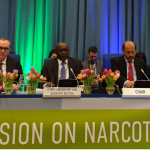
        During its 63rd session, the Commission on Narcotic Drugs (CND) accepted all recommendations from the 42nd meeting of the WHO Expert Committee on Drug Dependence (ECDD). This effectively brings twelve psychoactive substances, including eleven New Psychoactive Substances (NPS) and one medicine, under international control.  Given the potential for dependence or abuse and known adverse effects, these compounds pose a risk to public health and society and are largely without any therapeutic benefit.

           Based on an in-depth review of candidate compounds by the ECDD, an independent group of experts in the field of drugs and medicines, the WHO provides annual recommendations on substance scheduling to the CND, a policy-making body comprised of 53 UN Member States. This ECDD review includes a balanced consideration of potential for abuse, dependence and harm with therapeutic value. The CND then votes on whether or not the WHO recommendations for placing reviewed substances under international control should be endorsed.

              The 42nd ECDD recommendations included the addition of four synthetic cannabinoids and three synthetic stimulants to Schedule II of the 1971 Convention on Psychotropic Substances given similar action and adverse effects to other substances in this Schedule. These synthetic cannabinoids have been associated with impaired mental status, impaired driving, and fatalities, whereas the included synthetic stimulants have been linked to fatal intoxication. Similarly, two fentanyl analogues, with their opioid-like effects, were brought under Schedule I control (strict control) of the 1961 Single Convention on Narcotic Drugs given similar action and effects to other drugs in this Schedule. Two benzodiazepines including the medicine etizolam were brought under Schedule IV control of the 1971 Convention on Psychotropic Substances, both of which have been implicated in fatal and non-fatal intoxication and impaired driving. A hallucinogen was also recommended to be brought under control, specifically to Schedule I of the Convention on Psychotropic Substances of 1971, based on abuse potential and non-fatal and fatal intoxication. This is the first hallucinogen to be reviewed in many years, suggesting a potential shift in drug trends. For more information on these recommendations, please review the 42nd ECDD meeting report. .  

            In addition, the ECDD conducted a pre-review of several Schedule III opioid preparations, some of which can be accessed as over-the-counter options, such as codeine-based cough syrups, to consider their abuse potential.  The ECDD recommended a critical review be carried out at a later date.

        CND accepts all WHO recommendations on the control of several psychoactive substances from the 42nd ECDD meeting
        Read More
        https://www.who.int/news-room/detail/18-03-2020-c-n-d-accepts-all-w-h-o-recommendations-from-42nd-e-c-d-d

        Views: 0