Category: Health Articles

  • BRIEF IDEA ABOUT PILES (Hemorrhoids)

    What is piles ?

    Dilatation of radicles of rectal veins within the anal canal is called piles.The medical term for piles is hemorrhoids.Compared to arteries veins are weak due to thin walls and hence any backpressure in the veins can make them tortuous.There are three rectal veins namely superior, middle and inferior rectal veins.Any obstructions or increase of pressure in these veins can predispose piles.

    Depending upon the situation there are two types of piles.

    1) External piles. 2) Internal piles.

    1) External piles:-

    This type of piles is seen outside the anal opening and is covered by skin.It is black or brown in colour.This type of piles is very painful due to rich nerve supply in this area.

    2) Internal piles:-

    It is inside the anal canal and internal to the anal orifice.It is covered by mucous membrane and is red or purple in colour.These piles are painless.

    Some times internal and external piles occure in same individual.

    Factors responsible for piles:–

    1) This is a familial disease.

    2) Piles is seen only in animals maintain an erect posture. This is due to congestion in the rectal veins due to the effect of gravity.

    3) It is common in individuals having chronic constipation.Those who have a habit of visiting the toilet due to frequent urge for stool may develop piles in future.

    4) Piles is common in those who take excess of chicken, prawns, spicy food ect.Those who take vegetables and fibrous food are rarely affected.

    5) Some ladies get piles during pregnancy due to compression of rectal veins by the uterus.

    6) Cancerous lesions in the rectum can obstruct blood flow and result in piles.

    Signs and symptoms of piles:–

    1) Pain:-

    Pain is common in external piles which will be worse while straining at stool.

    2) Bleeding:-

    Bleeding comes in splashes while pressing for stool.Bleeding may be profuse in some cases.

    3) Protruding mass:-

    In external piles the swelling can be felt around the anal orifice.In case of internal piles initially it can not be felt.When the disease progresses the piles protrude during stool and will go inside automatically.When the condition becomes worse the protruded piles will not go back in to the anus.

    4) In some cases there will be discharge of mucus with itching around the anal orifice.

    Complications of piles:–

    1,Infection: The infection can spread to deep veins resulting in septicaemia.
    2,Fibrosis: Here the piles become fibrosed with hardening of anal orifice.
    3,Thrombosis: Here the blood inside the piles will form clots and can obstruct blood flow.
    4,Gangrene: Here the tissues in the piles and nearby skin die due to lack of blood supply.
    5,Suppuration: When the piles suppurate it can produce abscess with discharge of pus.

    Treatment of piles:–

    Initially it is treated on the basis of symptoms.Constipation should be treated.If there is anaemia iron should be give.Homoeopathic medicines can give good results. If medicinal treatment is not giving any result the following can be tried.

    1) The thrombosed external pile is excised under local anaesthesia.

    2) Sclerosant injection therapy can reduce the size of piles.

    3) Rubber band ligation around the neck of piles is useful in some cases.

    4) Cryosurgery is very effective.

    5) Anal dilatation can reduce constipation and pain.

    6) Haemorrhoidectomy is the surgical removal of piles.

    How to prevent piles?

    1) Eat plenty of fruits and vegetables.

    2) Take fibrous food.

    3) Avoid excess intake of meat,prawns,crabs ect.

    4) Keep a regular timing for food.

    6) Drink sufficient quantity of water.

    7) Keep a regularity in bowel habits.

    8) Take treatment for constipation.

    Views: 0

  • PROSTATE CANCER

    Introduction:-

    Prostate is a glandular organ present only in males. It surrounds the neck of bladder & the first part of urethra and condributes a secretion to the semen. The gland is conical in shape and measures 3 cm in vertical diameter and 4 cm in transverse diameter.It has got five lobes anterior,posterior,two lateral and a median lobe.Since the first part of the urethra pass through it any lesion in the prostate will produce difficulty in passing urine.

    Diseases of the prostate gland:-

    1) Prostatitis:-

    This is the inflamation of the prostate gland due to bacterial infection.

    2) Benign enlargement of the prostate:-

    This is a non cancerous tumour of the prostate seen after the age of 50. 3,Cancer of the prostate:-This is the 4th most common cause of death from malignant diseases in males.

    Cancer of the prostate.

    Cancer of the prostate is directly linked with the male sex hormones(androgens).If the levels of sex hormone increases the growth rate of cancer also increases.It is found that after the removel of testes there is marked reduction in the size of tumour.

    Site of tumour:-

    Prostate cancer is seen mainly in the posterior lobe.Non cancerous enlargement is seen in other lobes.

    Changes in the gland in cancer:-

    The gland becomes hard with irregular surface with loss of normal lobulation .Histologically prostate cancer is an adeno carcinoma(cancer of the epithelial cells in the gland)

    Growth :-

    Growth rate is very fast in prostate cancer .The tumour compresses the urethra and produce difficulty in urination.

    Spread of tumour:-

    Metastasis in cancer of prostate is very early.

    1) Local spread:-

    From the posterior lobe the cancer cells go to the lateral lobes and seminal vesicles.Tumour cells also move to the neck and base of the urinary bladder.

    2) Lymphatic spread:-

    Through the lymph vessels cancer cells reach the internal and external illiac group of lymph nodes.From there cells move to retroperitonial(Behind the peritonium) and mediastinal lymph nodes(in the chest)

    3) Spread through the blood:-

    Spread of cancer cells takeplace through the periprostatic venous plexus and reaches the vertebral veins while coughing and sneezing and finally enders the vertebral bodies of the lumbar vertebrae.

    Signs and symptoms of prostate cancer:–

    Signs and symptoms depend upon the stage of the cancer. The following symptoms may be seen.

    1) No symptoms:-

    Tumour is small and only in the posterior lobe. This is diagnosed accidentely.

    2) Slight difficulty in urination:-

    Here the tumour is enlarged and urethra is slightly compressed.Shortly there will be frequent urge for urination with difficult urination.

    3) When the tumour spread to all nearby areas including neck of bladder and urethra there will be painful urination with bleeding.Urine comes drop by drop.

    4) Retention of urine:-

    When the urethra is completely compressed there will be retention of urine.This can lead to hydronephrosis, renal failure ect.In this condition patient may get convulsions due to renal failure and finally coma.

    5) Signs of metastasis:-

    Some patients come with the signs and symptoms of metastasis.

    a) Lumbo sacral pain due to spread of cancer cells to lumbar and sacral vertebrae.

    b) Fracture of spine due to cancerous growth in the spine.

    c) Swelling, pain and fluid collection in the abdomen due to lesion in the abdomen.

    d) Respiratory complaints due to cancer of mediastinal lymphnodes and lungs.

    e) General weakness due to spread of cancer to different parts of the body.

    f) Anaemia due to involment of bone marrow and increased destruction of RBCs.

    Clinical examination :-

    Includes per rectal examination to feel the prostate gland,palpation of abdomen to feel the swelling in kidneys and any tumours.Patient is examined from head to foot to find out any lesions.

    Investigations:-

    1) Complete blood investigations;-

    RBC,WBC,Platlets,ESR,bleeding time ,clotting time ect.

    2) Urine analysis:-

    Microscopic examination to detect pus cells,occult blood,casts,Crystals ect.

    3) Renal function tests:-

    Blood urea level,serum creatinine level,electrolyte level ect.

    4) Serum acid phosphatase:-

    Increased in cancer of prostate.

    5) x-ray of the spine:-

    To detect any tumour or fracture.

    6) Ultra sonography;-

    Gives idea about prostate,bladder,kidney ect.

    7) C T scan:-

    More detailed information about organs and tumour.

    8) MRI of the spine:-

    Gives detailed information about spine ,disc and nearby soft tissues.

    9) Lymphangiography:-

    Gives idea about lymphatic spread of cancer.

    10) Biopsy to confirm cancer:-

    Biopsy is taken from the tumour and is send for histopathological examination under the microscope.This will detect the presence of cancer cells.

    Treatment:-

    1) If there is retention of urine catheterisation is needed.
    2) Dialysis if kidney failure.
    3) If there is coma monitoring of all vital functions along with parentral nutrition and electolyte supply.
    4) Specific treatment is prostatectomy(removal of prostate)

    Partial prostatectomy :-

    Here only the affected lobe is removed.

    Radical prostatectomy :-

    Total removal of prostate along with nearby lymphnodes.

    5, Hormone therapy :-

    Stilbestrol is given to reduce tumour growth.Since this treatement increases the chance for cardiovascular disease phosphorylated diethyle stilbesterol is used nowadays.

    6) Chemotherapy:-Drugs like cyclophosphamide, cisoplatim ect are given.

    7) Radiotherapy is also done for some cases.

    8) Homoeopathy:-

    Homoeopathic drugs like carcinocin, conium, sabal, crotalus, thuja, iodum, selinium, staphysagria, sulphur ect can be given according to symptoms.Constitutional homoeopathic medicine will give great relief and can increase the life span.

    9) Yoga and meditation is also healpful.

    Views: 0

  • TONGUE IN DISEASE DIAGNOSIS

    Introduction:

    Tongue is a muscular organ associated with the function of deglutition,taste and speech.It acts as an easily accessible organ for the assessment of health of an individual and shows the state of hydration of the body.It is said that tongue is the mirror of the gastrointestinal system and any abnormal functioning of the stomach and intestines will be reflected on the tongue.

    Some characteristic changes occur in the tongue in some particular diseases.That is why the examination of the tongue is very essential and will give some clues for diagnosis.All doctors examine the tongue and they consider the changes in size,shape,,colour,moisture,coating,nature of papillae and movements ect.

    Appearance of tongue in some abnormal conditions:-

    1) Movements of the tongue:-

    a) In one sided paralysis of the body(hemiplegia)tongue moves towards the parylised side when protruded.

    b) Tremulus movement of the tongue is seen in diseases like thyrotoxicosis,delirium tremens and parkinsonisum.Tremor is also seen in nervous patients.

    c) In progressive bulbar palsy there will be wasting and paralysis of the tongue with fibrillation.Eventually the tongue gets shrivelled and lies functionless in the floor of the mouth.This condition is associated with dribbling of saliva and loss of speech.

    d) In chorea(involuntary rhythmic movements) the patient may not be able to keep the protruded tongue in rest,it will be moving involuntarily.

    2) Moistness of the tongue:-

    The moistness of the tongue gives some indication about the state of hydration of the body.Water volume depletion leads to peripheral circulatory failure characterised by weakness,thirst,restlessness,anorexia,nausea,vomiting ,dry and parched tongue.

    Dryness of the tongue is seen in following conditions.

    a) Diarrhoea
    b) Later stages of severe illness
    c) Advanced uraemia
    d) Hypovolumic shock
    e) Heat exhaustion
    f) Hyponatraemia
    g) Acute intestinal obstruction
    h) Starvation
    i) Prlonged fasting.

    3) Change in colour of tongue:-

    a) Central cyanosis:-

    Cyanosis is the bluish discolouration of the mucus membrane due to decrease in the amount of oxygen in the blood.This is seen in heart failure,respiratory failure and in anoxia.In cyanosis tongue,lips ect becomes pale bluish.

    b) Jaundice:-

    This is the yellowish discolouration of all mucus surfaces of the body (including tongue)due to increase of bilirubin in the blood.Jaundice is seen in hepatitis,bile duct obstruction,increased destruction of RBCs and ect…

    c) Advanced uremia:-

    This is the increase of urea and other nitrogenous waste products in the blood due to kidney failure.Here the tongue become brown in colour.

    d) Keto acidosis:-

    This is the acidosis with accumulation of ketone bodies seen mainly in diabetes mellitus.Here the tongue become brown with a typical ketone smell from the mouth.

    e) Riboflavin deficiency:-

    Deficiency of this vitamin (vitamin B2) produces megenta colour of the tongue with soreness and fissures of lips.

    f) Niacin deficiency:-

    Deficiency of niacin (vitamin B3)and some other B complex vitamins results in bright scarlet or beefy red tongue.

    g) Anaemia:-

    It is the decrease in haemoglobin percentage of the blood.In severe anaemia tongue becomes pale.

    4) Coating on the tongue:-

    a) Bad breath:-

    The main cause for bad breath is formation of a pasty coating(bio film) on the tongue which lodges thousands of anaerobic bacteria resulting in the production of offenssive gases.Those who complain about bad breath may have thick coating on the posterior part of the tongue.

    b) Typhoid fever:-

    In typhoid fever tongue becomes white coared like a fur.

    c) Candidiasis;-

    It is a fungal infection which affects the mucus surfaces of the body.On the tongue there will be sloughing white lesions.

    d) In diabetes and hypoadrenalism there will be sloughing white lesions.

    e) Secondary syphilis:-

    Syphilis is a sexually transmitted diseased caused by trepenoma pallidum infection.In secondary stage of this disease we can see mucous patches which are painless,smooth white glystening opalescent plaques which can not be scraped off easily.

    f) Leokoplakia:-

    Here white keratotic patches are seen on the tongue and oral cavity.This is a precancerous condition.

    g) AIDS:-

    In these patients hairy leukoplakia is seen.

    h) Peritonitis:-

    It is the inflammation of the peritonium(inner covering of abdominal cavity which also covers the intestines and keep them in position) in this condition there is white furring of the tongue.

    i) Acute illness:-

    Furring is also seen in some acute diseases.

    5) Papillae:-

    These are small projections on the rongue associated with taste.There are different type of papillae on the healthy tongue.In some diseases there are some abnormal changes which are following.

    a) Hairy tongue:-

    This condition is due to elongation of filiform papillae seen in poor oral hygeine ,general debility and indigestion.

    b) Geographic tongue:-

    Here irregular red and white patches appear on the tongue.These lesions looks like a geographic map.The excact cause is not known.

    c) Median rhomboid glossitis:-

    In this condition there is smooth nodular red area in the posterior mid line of the tongue.This is a congenital condition.

    d) Nutritional deficiency:-

    In nutrional deficiency there is glossitis(inflammation of tongue) leading to papillary hypertrophy followed by atrophy.

    e) Benign migratory glossitis:-

    It is an inflamatory condition of the tongue where multiple annular areas of desquamation of papillae appear on the tongue which shift from area to area in few days.

    f) Thiamine and riboflavin deficiency:-

    Deficiency of these vitamins cause hypertrophied filiform and fungiform papillae.

    g) Niacin and iron deficiency:-

    In this condition there is atrophy of papillae.Smooth tongue is encountered in iron deficiency.

    h) Vitamin A deficiency:-

    This causes furrowed tongue.

    i) In nutritional megaloblastic anaemia tongue becomes smooth.

    j) Folic acid deficiency:-

    Here macrocytic megaloblastic anaemia with glossitis is seen.

    k) Cyano coblamine deficiency:-

    Here glossitis with macrocytic megaloblastic anaemia and peripheral neuropathy is encountered.

    l) Scarlet fever;-

    In this streptococcal infection there is bright red papillae standing out of a thick white fur ,later the white coat disappear leaving enlarged papillae on the bright red surface and is called strawberry tongue.

    6) Ulcers on the tongue:–

    a) Apthous ulcer:-

    These are round painful ulcers appear in stressed individuals frequently. May be associated with food allergy.Usual sites are tongue,lips,oral mucosa and ect.

    b) Herpes simplex:-

    It is an acute vesicular eruptions produced by herpes simplex virus.When these vesicles rupture it forms ulcers.

    c) Ulcer in cancer:-

    Cancerous ulcers are having everted edges with hard base.Bleeding is also seen.Cancer of the tongue is common in tobacco chewers.

    d) Syphilitic ulcers:-

    Syphilitic fissures are longitudinal in direction.In primary syphilis extra genital chancre is seen on the tongue.In secondary syphilis multiple shallow ulcers are seen on the under surface and sides of the tongue.In tertiary syphilis gumma may be seen on the midline of the dorsum of the tongue.

    e) Dental ulcers:-

    These ulcers are produced by sharp edges of carious teeth.

    Views: 0

  • THE GROWTH AND POWER OF APPETITE

    One fact attendant on habitual drinking stands out so prominently that none can call it in question. It is that of the steady growth of appetite. There are exceptions, as in the action of nearly every rule; but the almost invariable result of the habit we have mentioned, is, as we have said, a steady growth of appetite for the stimulant imbibed. That this is in consequence of certain morbid changes in the physical condition produced by the alcohol itself, will hardly be questioned by any one who has made himself acquainted with the various functional and organic derangements which invariably follow the continued introduction of this substance into the body.

    But it is to the fact itself, not to its cause, that we now wish to direct your attention. The man who is satisfied at first with a single glass of wine at dinner, finds, after awhile, that appetite asks for a little more; and, in time, a second glass is conceded. The increase of desire may be very slow, but it goes on surely until, in the end, a whole bottle will scarcely suffice, with far too many, to meet its imperious demands. It is the same in regard to the use of every other form of alcoholic drink.

    Now, there are men so constituted that they are able, for a long series of years, or even for a whole lifetime, to hold this appetite within a certain limit of indulgence. To say “So far, and no farther.” They suffer ultimately from physical ailments, which surely follow the prolonged contact of alcoholic poison with the delicate structures of the body, many of a painful character, and shorten the term of their natural lives; but still they are able to drink without an increase of appetite so great as to reach an overmastering degree. They do not become abandoned drunkards.

    No man safe who drinks. ———————-

    But no man who begins the use of alcohol in any form can tell what, in the end, is going to be its effect on his body or mind. Thousands and tens of thousands, once wholly unconscious of danger from this source, go down yearly into drunkards’ graves. There is no standard by which any one can measure the latent evil forces in his inherited nature. He may have from ancestors, near or remote, an unhealthy moral tendency, or physical diathesis, to which the peculiarly disturbing influence of alcohol will give the morbid condition in which it will find its disastrous life. That such results follow the use of alcohol in a large number of cases, is now a well-known fact in the history of inebriation. The subject of alcoholism, with the mental and moral causes leading thereto, have attracted a great deal of earnest attention. Physicians, superintendents of inebriate and lunatic asylums, prison-keepers, legislators and philanthropists have been observing and studying its many sad and terrible phases, and recording results and opinions. While differences are held on some points, as, for instance, whether drunkenness is a disease for which, after it has been established, the individual ceases to be responsible, and should be subject to restraint and treatment, as for lunacy or fever; a crime to be punished; or a sin to be repented of and healed by the Physician of souls, all agree that there is an inherited or acquired mental and nervous condition with many, which renders any use of alcohol exceedingly dangerous.

    The point we wish to make with you is, that no man can possibly know, until he has used alcoholic drinks for a certain period of time, whether he has or has not this hereditary or acquired physical or mental condition; and that, if it should exist, a discovery of the fact may come too late.

    Dr. D.G. Dodge, late Superintendent of the New York State Inebriate Asylum, speaking of the causes leading to intemperance, after stating his belief that it is a transmissible disease, like “scrofula, gout or consumption,” says:

    “There are men who have an organization, which may be termed an alcoholic idiosyncrasy; with them the latent desire for stimulants, if indulged, soon leads to habits of intemperance, and eventually to a morbid appetite, which has all the characteristics of a diseased condition of the system, which the patient, unassisted, is powerless to relieve since the weakness of the will that led to the disease obstructs its removal.

    “Again, we find in another class of persons, those who have had healthy parents, and have been educated and accustomed to good social influences, moral and social, but whose temperament and physical constitution are such, that, when they once indulge in the use of stimulants, which they find pleasurable, they continue to habitually indulge till they cease to be moderate, and become excessive drinkers. A depraved appetite is established, that leads them on slowly, but surely, to destruction.”

    Views: 0

  • Commemorating Smallpox Eradication – a legacy of hope, for COVID-19 and other diseases

    On 8 May 1980, the 33rd World Health Assembly officially declared: ‘The world and all its peoples have won freedom from smallpox.’ 

    The declaration marked the end of a disease that had plagued humanity for at least 3 000 years, killing 300 million people in the 20th century alone.


    It was ended, thanks to a 10-year global effort, spearheaded by the World Health Organization, that involved thousands of health workers around the world to administer half a billion vaccinations to stamp out smallpox.

    The US$ 300m price-tag to eradicate smallpox saves the world well over US$ 1 billion every year since 1980.

    Speaking at a virtual event hosted at WHO-HQ, involving key players in the eradication effort, WHO Director-General, Dr Tedros Adhanom Ghebreyesus said, “As the world confronts the COVID-19 pandemic, humanity’s victory over smallpox is a reminder of what is possible when nations come together to fight a common health threat.”

    The world got rid of smallpox thanks to an incredible demonstration of global solidarity, and because it had a safe and effective vaccine. Solidarity plus science equalled solution!


    Dr Tedros highlighted that smallpox eradication also offers hope for efforts to eliminate other infectious diseases, including polio, which is now endemic in just two countries. To date, 187 countries, territories and areas have been certified free of Guinea worm disease, with seven more to go. And the fight against malaria has so far resulted in 38 countries and territories certified as malaria-free. In the case of Tuberculosis (TB), 57 countries and territories with low TB incidence are on track to reach TB elimination.

    At the event, Dr Tedros unveiled a commemorative postal stamp to recognize the global solidarity that drove the initiative and honour the efforts of health workers who ensured its success.

    The stamp, developed by the United Nations Postal Administration (UNPA), in collaboration with WHO, signifies what national unity and global solidary can achieve. Numerous countries, such as Guinea, India, Nigeria, Philippines, Togo and others issued smallpox stamps to show support for, and raise awareness about WHO’s Intensified Smallpox Eradication Programme launched in 1967.

    WHO Regional Director for Africa, Dr Matshidiso Moeti’s earliest memories of smallpox is of her father. “I was visiting WHO headquarters, and I saw a photo of my Dad, standing with the other experts on the Global Commission. I remember him going out, doing follow-up visits with patients.  He often would go with a driver and disappear into the bush for days. I felt in awe of his tireless work. The strategies used to eradicate smallpox still apply today.”


    “Lessons learned from smallpox are used today to respond to disease outbreaks. For example, house-to-house active case-finding underpins the polio eradication programme, and ring vaccination of contacts is helping to combat the spread of the Ebola virus disease. Similarly, surveillance, case-finding, testing, contact-tracing, quarantine, and communication campaigns to dispel misinformation are central to controlling COVID-19, “ explained David Heymann, Professor of Infectious Disease Epidemiology at The London School of Hygiene & Tropical Medicine (LSHTM) and  Distinguished Fellow, Global Health Security at Chatham House, London.

    Following smallpox eradication, WHO and UNICEF launched the Expanded Programme on Immunization, under which 85% of the world’s children are vaccinated and protected from debilitating diseases.

    With the potential of a COVID-19 vaccine ahead, ensuring sufficient supplies and reaching people in hard to reach places is a high priority. Addressing vaccine hesitancy poses a significant challenge to stop the virus. Access to accurate public health information and education is critical to ensure that the public has the facts to keep themselves and others safe.

    To permanently commemorate the eradication of smallpox and the lessons learned on a global scale, rather than every 10-years, WHO is calling museums, exhibition companies, designers, curators and associations to develop an immersive, interactive and educational exhibition on smallpox and its relevance for COVID-19 and global health security.  The exhibition, which will be unveiled later this year, will promote a better understanding of public health and empower people to keep informed and safe during a pandemic.

    Notes to the media

    Smallpox stamp

    The smallpox stamp is in the denomination of CHF 1,70. It was designed by Sergio Baradat (United Nations) in collaboration with the World Health Organization and is available for purchase at unstamps.org. The stamp can be used to mail postcards and letters around the world, provided that they are sent from the UN headquarters in New York, Geneva or Vienna respectively.


    Smallpox Eradication dates

    On 9 December 1979, a global commission certified that smallpox had been eradicated, and this certification was officially accepted by the 33rd World Health Assembly in 1980.

    Museum Exhibition

    Exhibition design companies, museums, curators and other companies/organizations in this field are invited to express their interest to develop an immersive, educational exhibition on smallpox and its relevance for COVID-19 and global health security by writing to privatesectorpartners@who.int

    Read More
    https://www.who.int/news-room/detail/08-05-2020-commemorating-smallpox-eradication-a-legacy-of-hope-for-covid-19-and-other-diseases

    Views: 0

  • Medical Product Alert N°5/2020 – 7 May 2020

    Medical Product Alert N°5/2020 – 7 May 2020

    Falsified and contaminated Defibrotide identified in WHO regions of Western Pacific, Europe and Eastern Mediterranean

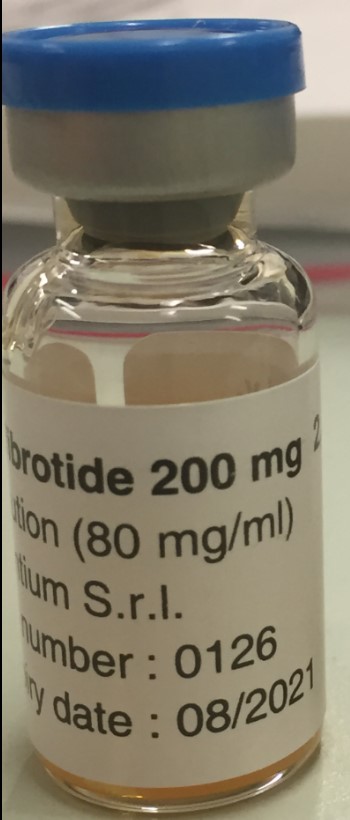
    This alert relates to falsified DEFIBROTIDE 200MG VIALS OF 2.5ML (80MG/ML) CONCENTRATE FOR SOLUTION FOR INFUSION identified in Australia, Latvia and Saudi Arabia. This product is sold under the brand name Defitelio.

    On 13 March 2020, the WHO Global Surveillance and Monitoring System on Substandard and Falsified (SF) Medical Products was informed that falsified DEFIBROTIDE 200MG vials were identified at patient level in Australia, displaying batch number 0286 (see Table 1 below for full details).

    Following enquiries with stakeholders, on 8 April 2020, WHO was informed that falsified DEFIBROTIDE 200MG vials had also been supplied to Saudi Arabia, displaying batch number 0286 and 0126 (see Table 1 below for full details).

    Following enquiries with stakeholders, on 9 April 2020, WHO was informed that falsified DEFIBROTIDE 200MG vials, displaying batch number 0126, had also been identified in Australia and Latvia.

    DEFIBROTIDE is used to treat hepatic veno-occlusive disease, in which the blood vessels in the liver become damaged and obstructed by blood clots. This can be caused by treatments prior to a stem cell transplantation.

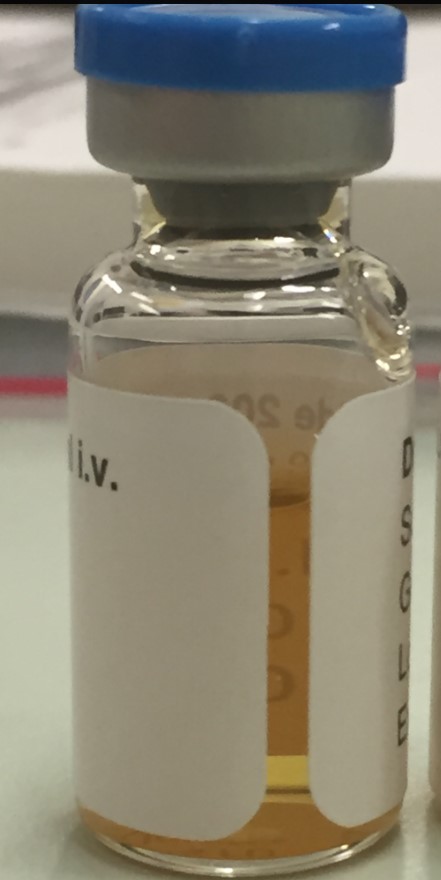
    Laboratory analyses, conducted by national medicines regulatory authorities and the manufacturer of the genuine product, established that these falsified products do not contain any of the expected active ingredient. The solution in the vials is also contaminated with mould (Cladosporium sp. and Aspergillus niger).

    Information available to WHO indicates that both batches of falsified DEFIBROTIDE 200MG vials were present within the regulated supply chain in Latvia as early as January 2020 and were also handled by medicine wholesalers in the United Kingdom in February 2020. It is important to note that widespread vigilance is required from all countries, regardless of where the product was originally identified.

    Table 1: falsified defibrotide subject of WHO Alert n°5/2020, identified in Australia, Latvia and Saudi Arabia

    Medical Product Alert N°5/2020 - 7 May 2020 1

    The two products listed in Table 1 are confirmed falsified, on the basis that there is deliberate misrepresentation of their identity, composition and source.

    The genuine manufacturer of Defibrotide, GENTIUM S.R.L has also confirmed to WHO that:

    • They did not manufacture the above products.
    • Authentic DEFIBROTIDE 200MG VIALS with batch number 0286 were supplied to Argentina, Hong Kong, Malaysia, Singapore and Turkey.
    • Authentic DEFIBROTIDE 200MG VIALS with batch number 0126 were supplied to Australia, Jordan, Kuwait, Lebanon, New Zealand, Qatar, Singapore, Turkey and the United Arab Emirates. 

      For guidance and photographs, please refer to page 2 of this Alert n°5/2020.

    Photos of Falsified DEFIBROTIDE Batch number: 0286, with expiry date: 09/2021

    Medical Product Alert N°5/2020 - 7 May 2020 2         Medical Product Alert N°5/2020 - 7 May 2020 3
    Sample from Latvia       Sample from Latvia

    Photos of Falsified DEFIBROTIDE Batch number: 0126, with expiry date: 08/2021

    Medical Product Alert N°5/2020 - 7 May 2020 4           Medical Product Alert N°5/2020 - 7 May 2020 5
    Sample from Australia       Sample from Australia

    WHO requests increased vigilance within the supply chains of countries likely to be affected by these falsified products. Increased vigilance should include hospitals, clinics, health centres, wholesalers, distributors, pharmacies and any other suppliers of medical products.

    If you are in possession of the above products, please do not use them. If you have used these falsified products, or if you suffer an adverse reaction/event having used these products, you are advised to seek immediate medical advice from a qualified healthcare professional, and to report the incident to the National Regulatory Authorities/National Pharmacovigilance Centre.

    All medical products must be obtained from licensed, authorized and reliable sources. Their authenticity and condition should be carefully checked. Seek advice from a healthcare professional in case of doubt.

    National regulatory/health authorities are advised to immediately notify WHO if these falsified products are identified in their country(ies). If you have any information concerning the manufacture, distribution, or supply of these products, please contact rapidalert@who.int.

    WHO Global Surveillance and Monitoring System for Substandard and Falsified Medical Products

    For further information, please visit our website: https://www.who.int/medicines/regulation/ssffc/en/ 

    Medical Product Alert N°5/2020 - 7 May 2020
    Read More
    https://www.who.int/news-room/detail/07-05-2020-medical-product-alert-n-5-2020

    Views: 0

  • Billions worldwide living with herpes

    Billions worldwide living with herpes

    About half a billion people worldwide are living with genital herpes, and several billion have an oral herpes infection, new estimates show, highlighting the need to improve awareness and scale up services to prevent and treat herpes.

    About 13% of the world’s population aged 15 to 49 years were living with herpes simplex virus type 2 (HSV-2) infection in 2016, the latest year for which data is available.  HSV-2 is almost exclusively sexually transmitted, causing genital herpes. Infection can lead to recurring, often painful, genital sores in up to a third of people infected.

    Herpes simplex virus type 1 (HSV-1) is mainly transmitted by oral to oral contact to cause oral herpes infection – sometimes leading to painful sores in or around the mouth (“cold sores”). However, HSV-1 can also be transmitted to the genital area through oral sex, causing genital herpes.

    Around 67% of the world’s population aged 0 to 49 had HSV-1 infection in 2016 – an estimated 3.7 billion people. Most of these infections were oral; however, between 122 million to 192 million people were estimated to have genital HSV-1
    infection.

    Genital herpes is a substantial health concern worldwide – beyond the potential pain and discomfort suffered by people living with the infection, the associated social consequences can have a profound effect on sexual and reproductive
    health” says Dr Ian Askew, Director of the Department of Sexual and Reproductive Health and Research at the World Health Organization (WHO). 

    Herpes and HIV

    People with HSV-2 infection are at least three times more likely to become infected with HIV, if exposed. Thus, HSV-2 likely plays a substantial role in the spread of HIV globally. Women are more susceptible to both HSV-2 and HIV. Women living in
    the WHO Africa Region have the highest HSV-2 prevalence and exposure to HIV – putting them at greatest risk of HIV infection.

    No cure: vaccine needed

    There is no cure for herpes. Antiviral medications, such as acyclovir, famciclovir, and valacyclovir, can help to reduce the severity and frequency of symptoms but cannot cure the infection.

    Better awareness, improved access to antiviral medications and heightened HIV prevention efforts for those with genital HSV symptoms are needed globally. In addition, development of better treatment and prevention interventions is needed, particularly
    HSV vaccines.  

    “A vaccine against HSV infection would not only help to promote and protect the health and well-being of millions of people, particularly women, worldwide – it could also potentially have an impact on slowing the spread of HIV, if developed
    and provided alongside other HIV prevention strategies” says Dr Meg Doherty, Director of the WHO Department of Global HIV, Hepatitis, and STI Programmes.

    Authored by staff at the University of Bristol, the WHO, and Weill Cornell Medical College-Qatar, and published in the Bulletin of the World Health Organization, this new study estimates the global infection prevalence and incidence of HSV-1 and HSV-2
    in 2016. 

    Billions worldwide living with herpes
    Read More
    https://www.who.int/news-room/detail/01-05-2020-billions-worldwide-living-with-herpes

    Views: 0

  • Compendium of research projects at the interface of tuberculosis and COVID-19

    As the world comes together to tackle the COVID-19 pandemic, it is important to ensure that tuberculosis (TB) prevention and care approaches are adapting appropriately to ensure continuous and safe delivery of high-quality TB services. Considering the overlaps in TB and COVID-19 in disease presentation and transmission, the pandemic presents many questions for the TB field that may require learning through research and innovation. 

    To better understand challenges and opportunities in this space, the World Health Organization Global TB Programme is collating information on ongoing research at the interface of TB and COVID-19 (i.e. research which would improve TB prevention and care approaches in the context of the COVID-19 pandemic). We are developing a living compendium (listing), which will be updated periodically to make ongoing research projects and publications visible on its website. With your consent we would like to include any study you have in this compendium.

    To fulfill these objectives, we need the cooperation of organizations and individuals engaged in TB/COVID-19 research to complete this  one page template before 20 May 2020. We encourage you to please share this in your network, so we can reach all stakeholders widely.

    We thank you in advance for your cooperation, and please do not hesitate to contact us if you have any questions.

    Read More
    https://www.who.int/news-room/detail/04-05-2020-compendium-of-research-projects-at-the-interface-of-tuberculosis-and-covid-19

    Views: 0

  • WHO and European Investment Bank strengthen efforts to combat COVID-19 and build resilient health systems to face future pandemics

    • WHO and the European Investment Bank enhance cooperation to support countries in addressing the health impact of COVID-19
    • The first phase will address urgent needs and strengthen primary health care in ten African countries
    • Enhanced WHO-EIB partnership will scale up financing to assure the chain of essential supplies, including personal protective equipment, diagnostics and clinical management
    • New initiative will accelerate investment in health preparedness and primary health care with a focus on health work force, infrastructure, and water, sanitation and hygiene
    • The initiative involves measures to address the growing threat of antimicrobial resistance

    The World Health Organization and the European Investment Bank will boost cooperation to strengthen public health, supply of essential equipment, training and hygiene investment in countries most vulnerable to the COVID-19 pandemic.

    The new partnership between the United Nations health agency and the world’s largest international public bank, announced at WHO headquarters in Geneva earlier today, will help increase resilience to reduce the health and social impact of future health emergencies. 

    “Combining the public health experience of the World Health Organization and the financial expertise of the European Investment Bank will contribute to a more effective response to COVID-19 and other pressing health challenges,” said Dr Tedros Adhanom Ghebreyesus, WHO Director-General. 

    “WHO looks forward to strengthening cooperation with the EIB to improve access to essential supplies including medical equipment and training, and deliver better water, sanitation and hygiene where most needed. New initiatives to improve primary health care in Africa and support the EU Malaria Fund hint at the potential impact of our new partnership,” Dr Tedros concluded.

    “The world is facing unprecedented health, social and economic shocks from COVID-19. The European Investment Bank is pleased to join forces with the World Health Organization as a key part of Team Europe’s efforts to address the global impact of the COVID-19 pandemic. The EU Bank’s new partnership with the WHO will help communities most at risk by scaling up local medical and public health efforts and better protect people around the world from future pandemics. This new cooperation will enable us to combat malaria, address anti-microbial resistance and enhance public health in Africa more effectively,” said Werner Hoyer, President of the European Investment Bank.

    Improving local public health efforts to tackle coronavirus

    The WHO and the EIB will increase cooperation to help governments in low- and middle-income countries to finance and secure access to essential medical supplies and protective equipment through central procurement.

    Building resilient health systems in vulnerable countries across Africa

    The WHO and the EIB will reinforce cooperation to support immediate COVID-19 needs and jointly develop targeted financing to enhance health investment and build resilient health systems and primary health care to address public health emergencies as well as accelerate progress towards Universal Health Coverage.

    The partnership will benefit from the EIB’s planned 1.4 billion EUR response to address the health, social and economic impact of COVID-19 in Africa.

    This will address immediate needs in the health sector and provide both technical assistance and support for medium-term investment in specialist health infrastructure.

    The collaboration envisages rapid identification and fast-track approval of financing for health care, medical equipment and supplies. 

    The first phase of the collaboration will see public health investment in ten African countries. 

    Long-term collaboration to overcome market failures in global health

    The agreement signed today establishes a close collaboration to overcome market failure and stimulate investments in global health, accelerating progress towards Universal Health Coverage. Increased cooperation between the WHO and the EIB will strengthen the resilience of national public health systems and enhance preparedness of vulnerable countries against future pandemics, thanks to investments in primary care infrastructure, health workers and improved water, sanitation and hygiene. 

    Future cooperation will strengthen the EIB’s 5.2 billion EUR global response to COVID-19 outside the European Union.

    Scaling up investment to tackle antimicrobial resistance

    The two organisations will also cooperate in an initiative to address investment barriers hindering development of new antimicrobial treatment and related diagnostics. Antimicrobial resistance is amongst the most significant global health threats.

    The WHO and the EIB are working on a new financing initiative to support development of novel antimicrobials and address the estimated 1 billion EUR needed to provide medium-term solutions to antimicrobial resistance. Other crucial partners have been invited to join this discussion. 

    Improving the effectiveness of malaria treatment

    Under the new agreement the EIB and WHO will support development of the EU Malaria Fund, a new 250 million EUR public-private initiative intended to address market failures holding back more effective malaria treatment. 

    Strengthening EIB support for healthcare, life science and COVID-19 investment

    In recent years the European Investment Bank has provided more than 2 billion EUR annually for health care and life science investment.

    In the context of the COVID-19 pandemic, the EIB is currently assessing over 20 projects in the field of vaccine development, diagnostic and treatment, leading to potential investments in the 700 million EUR range. The EIB will also take part in the EU’s rolling pledging effort for the coronavirus global response that is taking place on May 4th.

    Background information

    The European Investment Bank (EIB) is the long-term lending institution of the European Union owned by its Member States. It makes long-term finance available for sound investment in order to contribute towards EU policy goals.

    The World Health Organization provides global leadership in public health within the United Nations system. Founded in 1948, WHO works with 194 Member States, across six regions and from more than 150 offices, to promote health, keep the world safe and serve the vulnerable. Our goal for 2019-2023 is to ensure that a billion more people have universal health coverage, to protect a billion more people from health emergencies, and provide a further billion people with better health and wellbeing. For updates on COVID-19 and public health advice to protect yourself from coronavirus, visit www.who.int and follow WHO on Twitter, Facebook, Instagram, LinkedIn, TikTok, Pinterest, Snapchat, YouTube

    WHO’s information site on the COVID-19 pandemic

    Read More
    https://www.who.int/news-room/detail/01-05-2020-who-and-european-investment-bank-strengthen-efforts-to-combat-covid-19-and-build-resilient-health-systems-to-face-future-pandemics

    Views: 0